Lamb’s Bread (Cannabis Strain) — Strainpedia
Lamb’s Bread stands apart as a classic Jamaican sativa selection with a distinctly old-world profile: bright herbaceous aroma, citrus-spice flavor, and a cerebral effect style that has kept it relevant far beyond its island origins. Its structure tends to reflect landrace ancestry, with taller growth, lighter bud architecture, and a finish that feels more energetic than heavy.
Documentation around its exact breeder history is inconsistent, which is common for legacy cultivars that circulated through regional cannabis communities long before modern seed catalogs. Even so, Lamb’s Bread remains easy to identify in conversation because of its tropical-leaning scent, narrow-leaf sativa character, and the way mature flowers often develop a clean, resinous sheen without losing their airy structure.
Quick Facts
| Genetics | Jamaican landrace selection |
|---|---|
| Original Breeder | Not clearly documented |
| Variety | Sativa-dominant Landrace |
| Flowering Time | Approximately 9–11 weeks indoors |
| Yield Potential | Moderate, with increased yields under warm, high-light conditions |
| Plant Height | Tall; often stretches significantly in flower |
| Climate Preference | Warm, sunny, and well-ventilated environments |
| Difficulty | Moderate |
Strain Classification
| Type | Sativa-dominant Landrace |
|---|---|
| Genetic Family | Caribbean/Jamaican sativa family with legacy regional selection |
| Primary Terpenes | Terpinolene*, caryophyllene*, limonene* |
| Original Breeder | Not clearly documented |
| Breeding Lineage | Legacy Jamaican landrace or landrace-derived selection; exact parent record is not consistently published |
*Exact terpene dominance may vary by phenotype and cultivation method.
Scientific & Botanical Overview
From a botanical perspective, Lamb’s Bread is best understood as a tall, narrow-leaf sativa expression shaped by equatorial flowering habits. Its growth pattern usually includes extended internodes, vigorous apical development, and a bloom cycle that rewards stable warmth and strong light intensity. The cultivar’s morphology is less about dense, hash-heavy compactness and more about efficient floral stacking along elongated branches.
Breeding records are not standardized in the way they are for modern hybrid releases, so the strain is more accurately described through its preserved phenotype traits than through a fixed commercial lineage. That distinction matters: Lamb’s Bread represents a category of cannabis that was selected for regional performance, aromatic clarity, and a bright effect profile rather than for laboratory-style uniformity.
Appearance
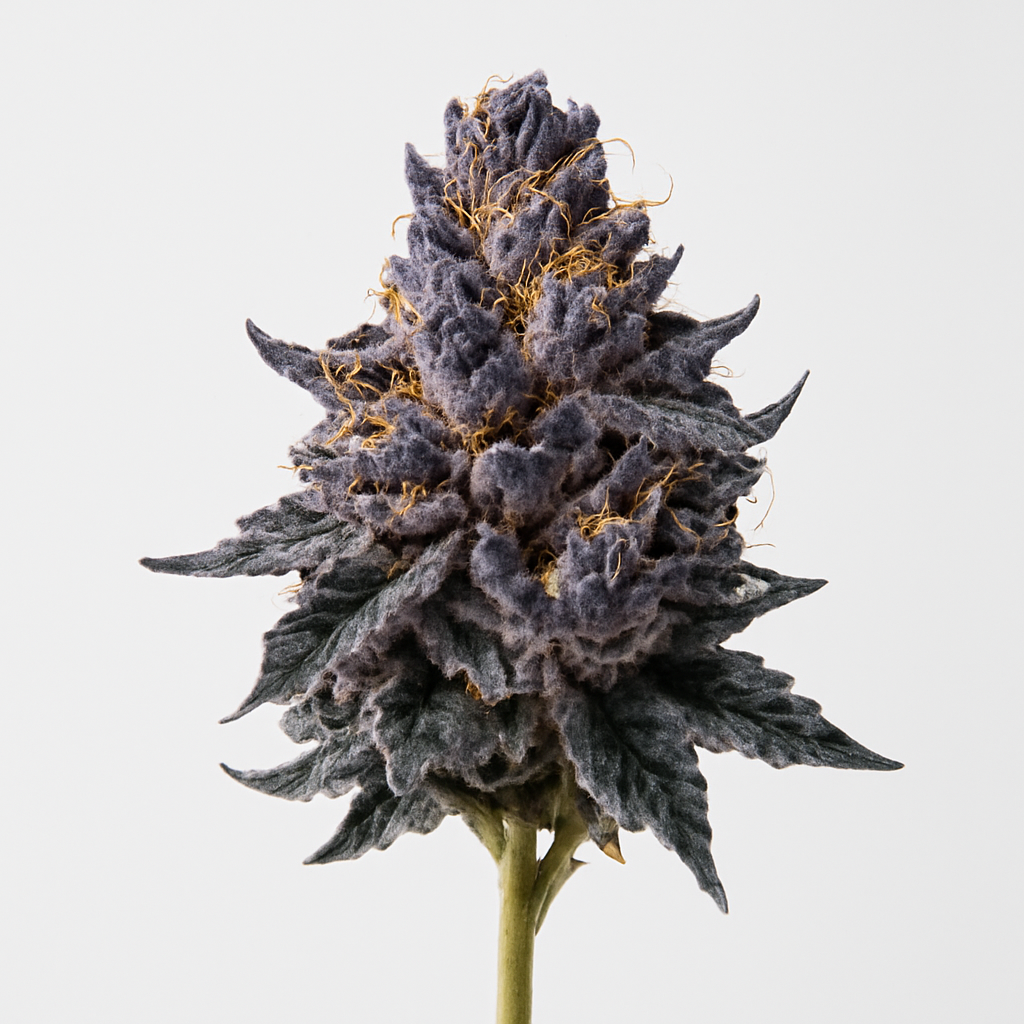
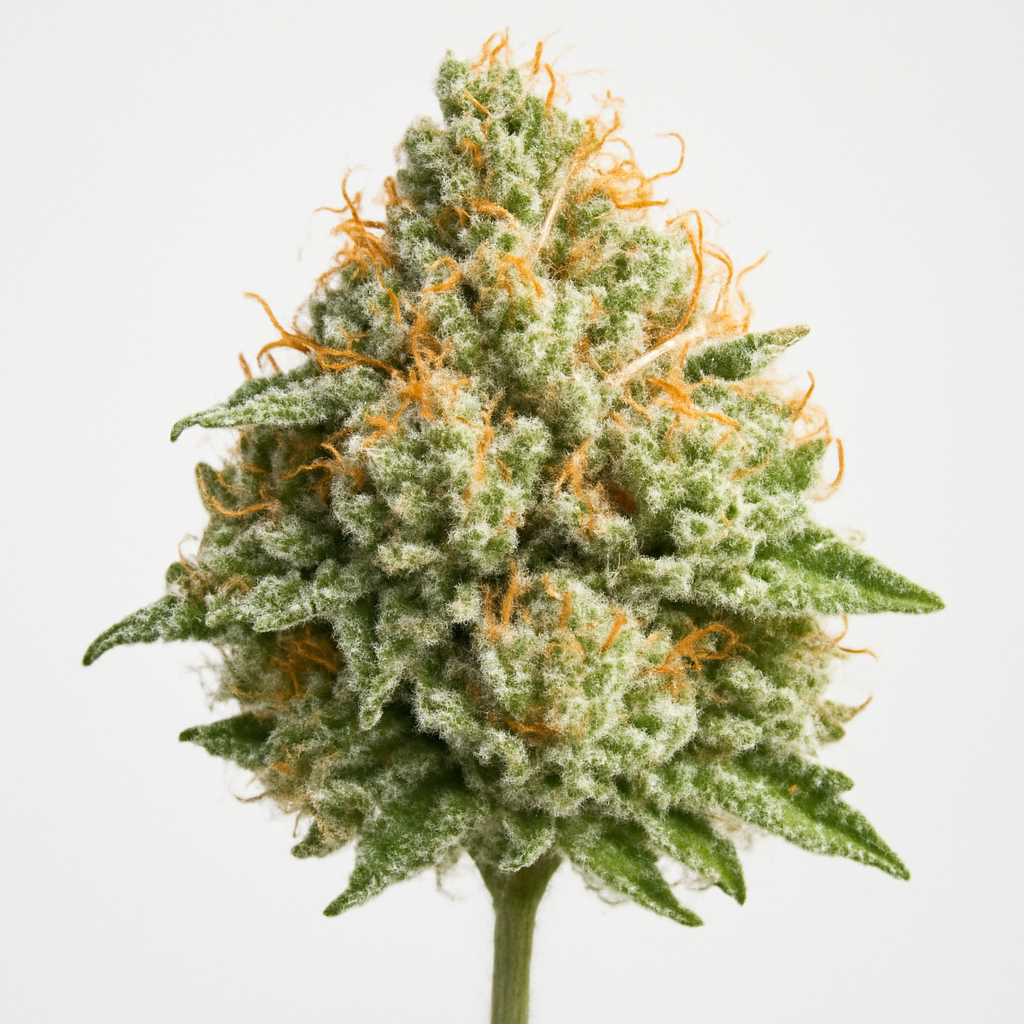
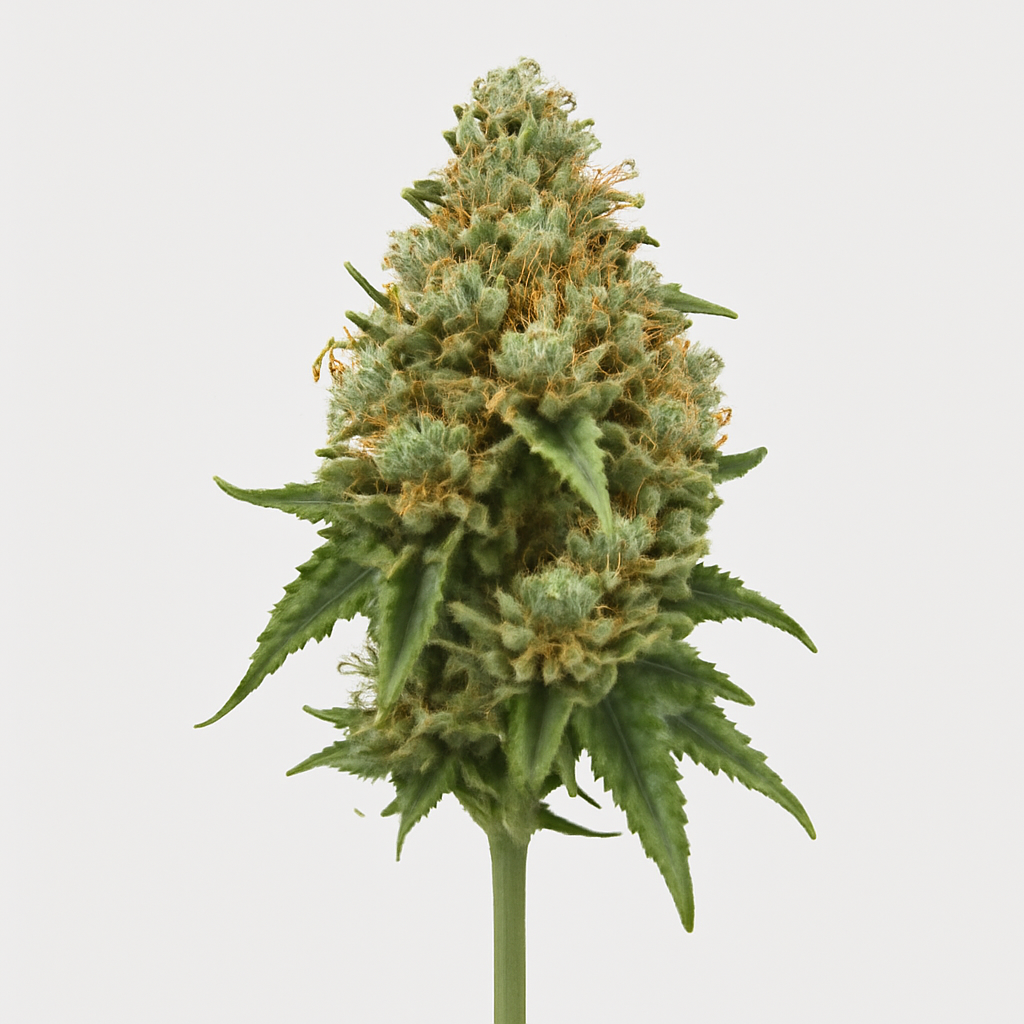
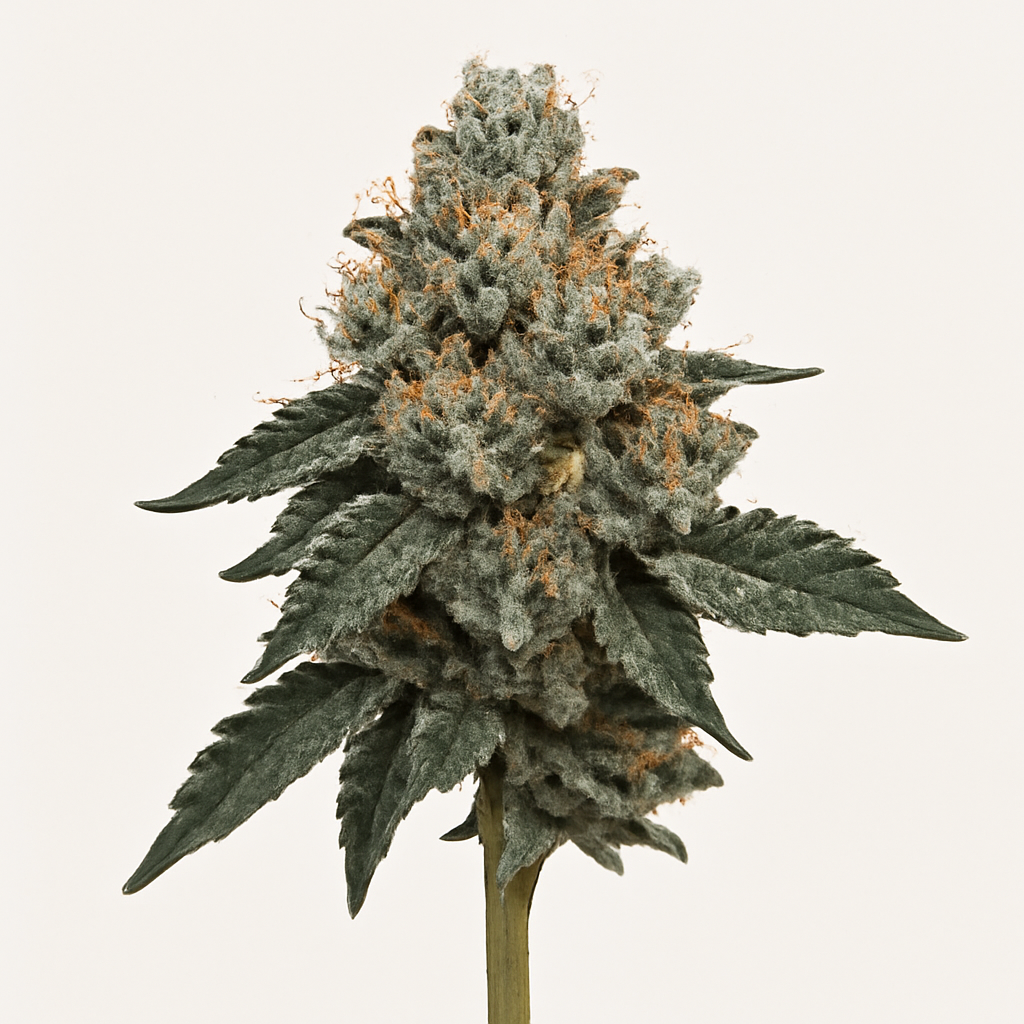
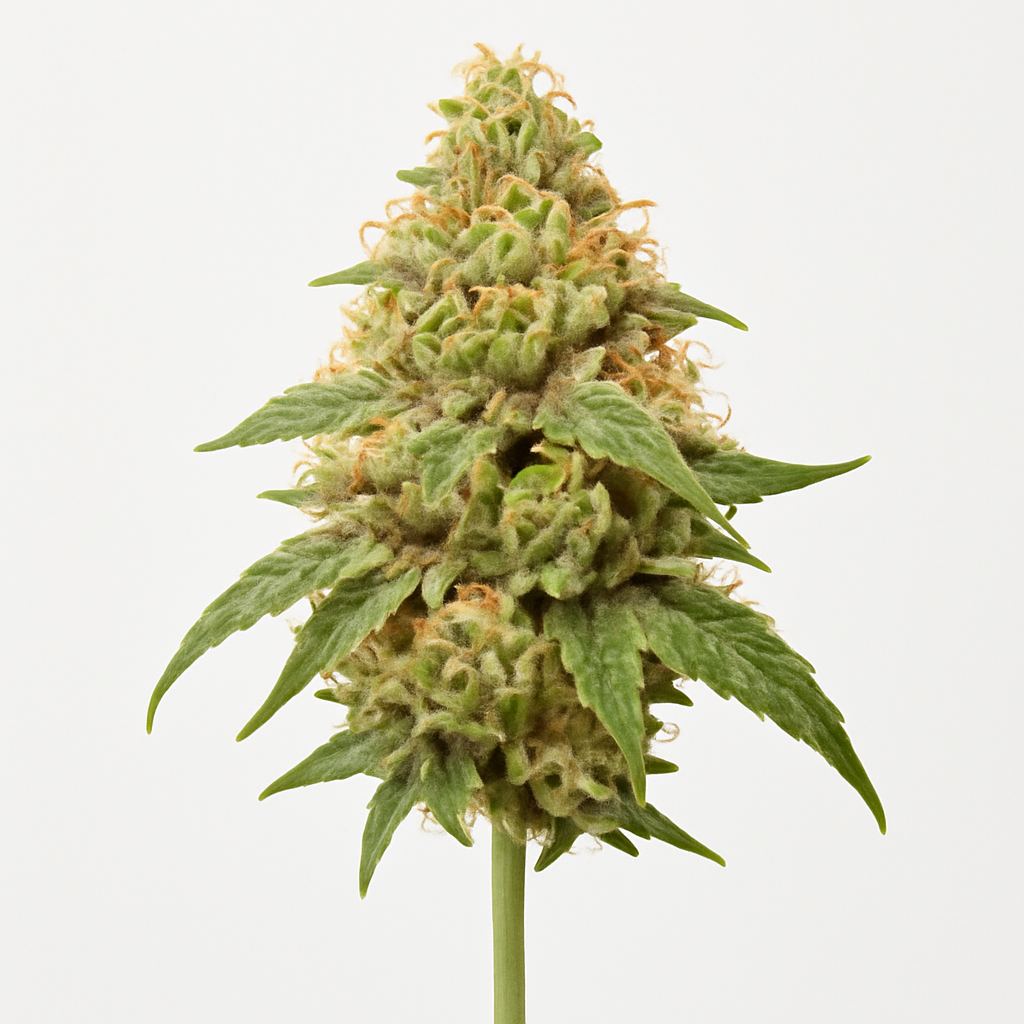
Flowers typically present as elongated spears or loosely stacked colas rather than tightly compressed golf-ball buds. The calyxes can appear somewhat open, which is consistent with its sativa heritage, while the surrounding sugar leaves often carry a fine dusting of trichomes by the end of flowering.
Color usually lands in the bright green range, sometimes accented by lime tones, orange pistils, and occasional pale gold highlights as maturity advances. In some phenotypes, the buds look slightly more wispy and island-leaning; in others, they finish denser while still retaining the airy outline that distinguishes this cultivar from many modern hybrids.
Effects & Use-Cases (Reported)
- Commonly reported effects: uplifted mood, mental clarity, energetic momentum, creative stimulation, talkative social ease
- Use-case context: often chosen for daytime settings, focused creative work, outdoor activities, or situations where a lighter, more active experience is preferred
- Body character: generally described as light to moderate in the body, with less heaviness than many indica-leaning cultivars
- Note: These observations are anecdotal and do not constitute medical claims.
Observational Note: Lamb’s Bread is usually discussed as a strain that keeps the mind moving before the body settles, which is part of its enduring reputation in legacy cannabis circles. The experience is often framed as bright, functional, and socially open rather than deeply sedating.
Potency Note: While not always at the extreme high-THC end of modern dispensary menus, well-grown examples can still feel assertive. Phenotype, harvest timing, and cure quality have a noticeable impact on how sharp or smooth the effect comes across.
Aroma & Flavor Profile
- Aroma: fresh-cut herbs, sweet spice, earthy citrus, tropical wood, faint skunk
- Flavor: herbal, peppery, citrus rind, sweet grass, woody
- Aftertaste: a lingering mix of spice and citrus peel with a dry herbal finish
- Terpene associations: commonly aligned with terpinolene, caryophyllene, and limonene.
Lamb’s Bread strain searches often center on its herbal citrus nose and classic Jamaican flavor identity, which can read as bright, peppery, and lightly tropical rather than dessert-like or gassy. That makes it especially appealing to readers looking for old-school sativa aroma cues with a clean, resinous finish.
Tested Cannabinoid & Terpene Ranges
| Compound | Typical Range* | Notes |
|---|---|---|
| Δ⁹-THC | ~16–22% | Often lands in a moderate-to-strong range for a legacy sativa selection. |
| CBD | <0.5% | Typically trace-level and not considered a CBD-forward cultivar. |
| Terpinolene | ~0.20–0.60% | Frequently associated with the strain’s bright, herbal, slightly floral top notes. |
| Caryophyllene | ~0.15–0.45% | Can add pepper, spice, and a drier finish to the bouquet. |
| Limonene | ~0.10–0.40% | Helps support the citrus peel character found in many well-kept samples. |
*Ranges are estimates and may vary by phenotype, harvest timing, and testing methods.
Cultivation Notes
- Light Cycle: 12/12 for bloom indoors; respond well to strong, consistent light intensity
- Humidity: Moderate humidity early, then gradually lower during late flower to protect the airy bud structure
- Stretch: Significant stretch is common, especially in the first 2–4 weeks of flowering
- Training: Topping, SCROG, and selective tie-downs can help manage height and improve canopy evenness
- Odor Control: Useful in mid to late flower as the herbal-citrus spice profile intensifies
- Harvest Window: Approximately 9–11 weeks indoors
Lamb’s Bread is generally easier to express well in warm, stable environments than in cold or highly humid rooms. Because of its taller frame and sativa-leaning architecture, the strain benefits from early canopy planning and a patient flowering approach that allows the terpene profile to develop fully.
Grower Notes (Week-by-Week Snapshot)
- Weeks 1–3: Expect rapid vertical stretch, fast leaf production, and a need for early support as the plant establishes its flowering frame.
- Weeks 4–5: Bud sites become more visible, with resin beginning to show and the aroma shifting toward herbs, citrus, and spice.
- Weeks 6–8: Flower stacking accelerates; airflow, light penetration, and humidity control become increasingly important.
- Weeks 9–10: Mature flowers usually finish with brighter terpene expression and a more polished resin coat, though some phenotypes may benefit from one additional week.
Genetic Lineage
Lamb’s Bread is commonly traced to Jamaican landrace or landrace-derived stock, but exact parentage is not consistently documented across all references. What is reasonably clear is the trait package it passes on: tall sativa structure, lively aromatic expression, and an effect style that tends to feel more elevating than grounding. Legacy reports and regional cannabis history both point to a cultivar that was shaped by environmental selection in the Caribbean rather than by modern indoor breeding programs.
Research Insights
Lamb’s Bread matters in the modern market because it represents a living reference point for older sativa genetics that predate today’s heavily hybridized lineup. For breeders and searchers alike, it serves as a benchmark for comparing modern “tropical” or “uplifting” strains against a genuinely legacy profile. Its continued relevance also reflects a broader consumer interest in landrace-adjacent cultivars with clearer regional identity, less dessert-forward flavoring, and a more historically grounded cannabis story.
Frequently Asked Questions
Is Lamb’s Bread a true landrace strain?
It is most often described as a Jamaican landrace or landrace-derived selection, though published breeding records are limited. The strain is best understood as a legacy sativa with strong regional roots.
What does Lamb’s Bread taste like?
It usually tastes herbal, peppery, and citrus-driven, with a dry woody finish. Many samples also show a subtle sweet grass note on the exhale.
How strong is Lamb’s Bread?
Tested THC levels are commonly in the moderate-to-strong range, often around the high teens to low 20s. Actual potency depends on cultivation, harvest timing, and curing.
Is Lamb’s Bread suitable for indoor growing?
Yes, but it generally needs space, training, and careful canopy management because of its stretch. Indoor growers usually get better results with planning and consistent environmental control.
Why is Lamb’s Bread still searched so often?
It remains a touchstone strain for people looking for classic Jamaican cannabis heritage, sativa clarity, and a flavor profile that feels distinct from modern cookie, cake, or gas lines.
Educational Disclaimer: This page is provided strictly for scientific and horticultural reference. Cannabis cultivation, possession, and use are regulated by local laws. This content does not promote illegal activity or constitute medical advice. Always comply with applicable regulations in your jurisdiction.
Rate and review this strain
Ratings and reviews are accepted only from signed-in Google accounts.
Sign in with Google to leave a rating and written review.
Latest Reviews
0 reviewsNo reviews yet. Be the first Google user to rate and review this strain.