Kosher Kush (Cannabis Strain) — Strainpedia
Kosher Kush stands apart for its dense OG-family structure and a terpene profile that leans hard into pine, fuel, and earthy kush spice. The flower often carries an unusually heavy resin load, giving the buds a frosted, almost chalky appearance that matches its powerful, late-day effect style.
Originally associated with DNA Genetics, the strain is commonly described as a Kush selection with lineage details that are not always presented consistently across catalogs. In cultivation, it tends to finish in a relatively compact indoor window, while the flavor identity stays grounded in sharp diesel, herbal hash, and a warm, lingering earthiness rather than sweeter modern dessert notes.
Quick Facts
| Genetics | Jew’s Gold / OG Kush selection |
|---|---|
| Original Breeder | DNA Genetics |
| Variety | Indica-dominant Hybrid |
| Flowering Time | Approximately 8–9 weeks indoors |
| Yield Potential | Moderate to high, depending on canopy management and phenotype |
| Plant Height | Medium, with a compact Kush frame and moderate stretch |
| Climate Preference | Warm, dry, well-ventilated indoor or Mediterranean-style conditions |
| Difficulty | Moderate |
Strain Classification
| Type | Indica-dominant Hybrid |
|---|---|
| Genetic Family | OG Kush / West Coast Kush lineage |
| Primary Terpenes | Myrcene, Limonene, Caryophyllene* |
| Original Breeder | DNA Genetics |
| Breeding Lineage | Generally described as an OG Kush-derived selection tied to Jew’s Gold, with some variation in how the lineage is documented across sources |
*Exact terpene dominance may vary by phenotype and cultivation method.
Scientific & Botanical Overview
From a breeding perspective, Kosher Kush sits squarely inside the OG Kush tradition: resinous, compact, and predisposed to producing thick, aromatic flowers rather than airy sativa-style colas. Its cannabinoid profile is typically THC-forward, with CBD remaining low, which places the cultivar in the category of potency-driven commercial flower and hash material.
Botanically, the plant usually expresses a squat to medium-height frame with strong apical dominance that can be tempered through training. The cultivar’s growth habit, along with its dense inflorescences and aromatic intensity, makes it especially relevant to growers and consumers who prefer classic kush structure over heavily layered dessert or fruit lines.
Appearance
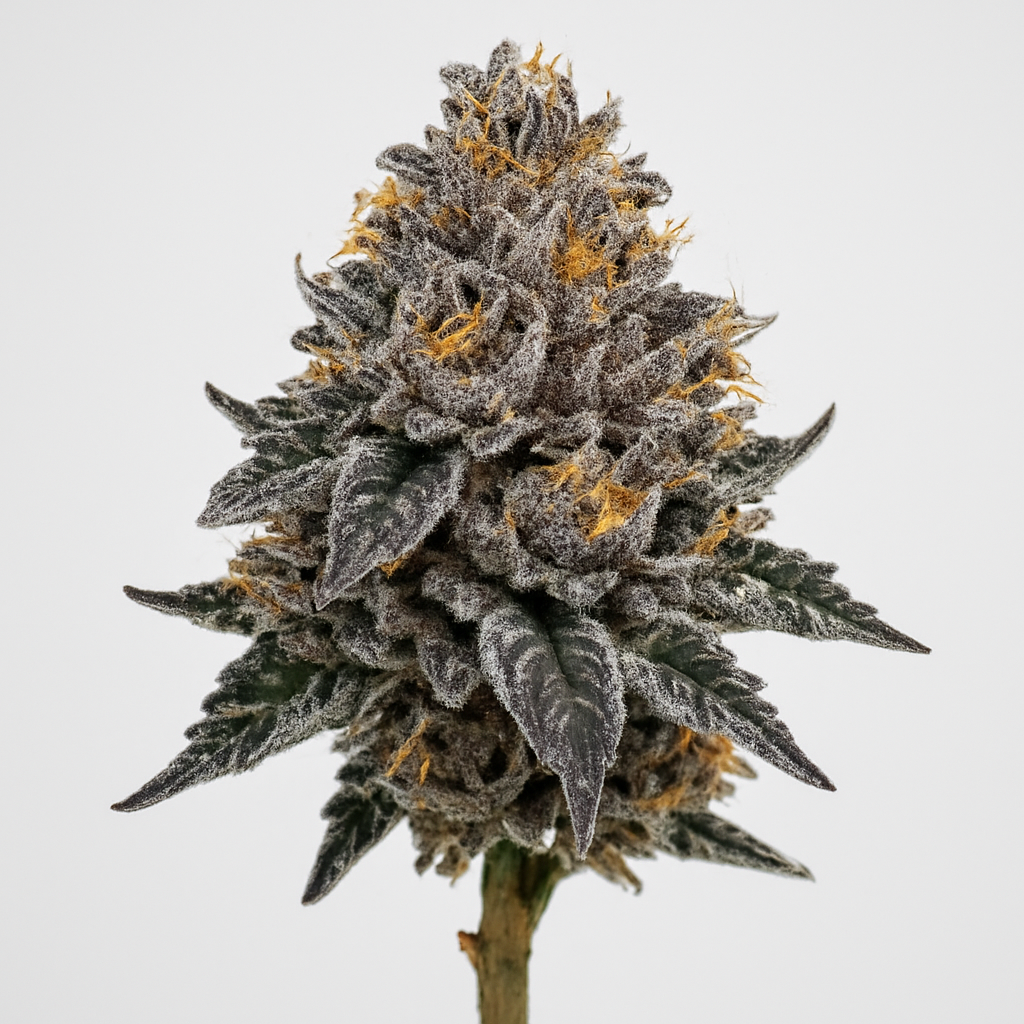
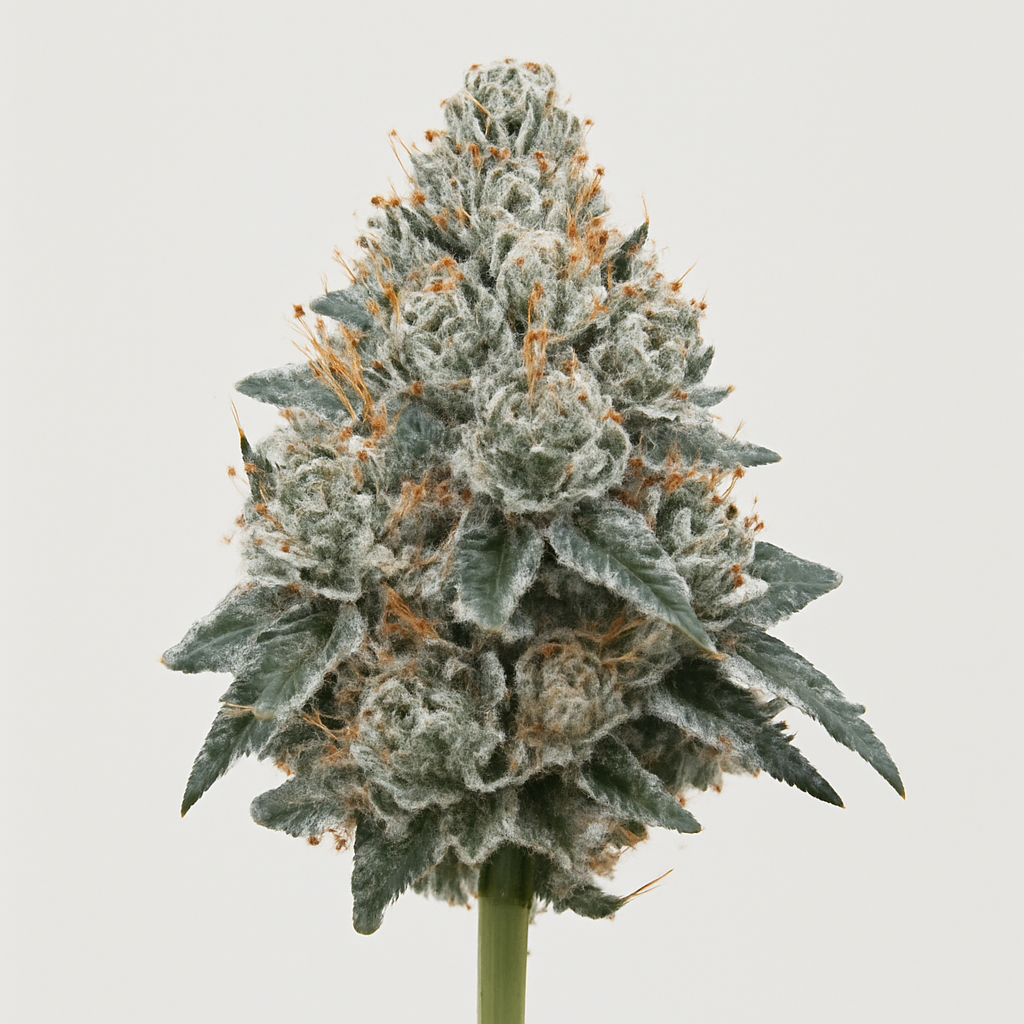
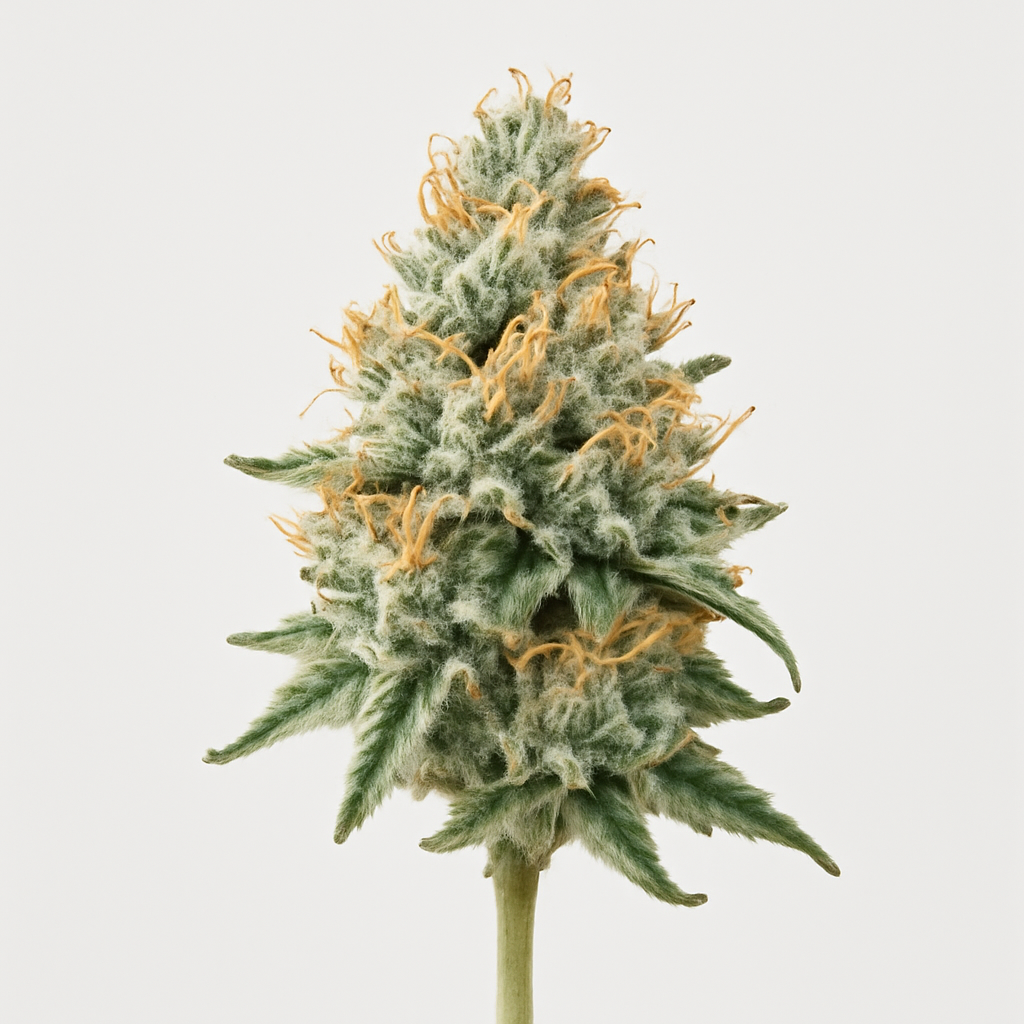
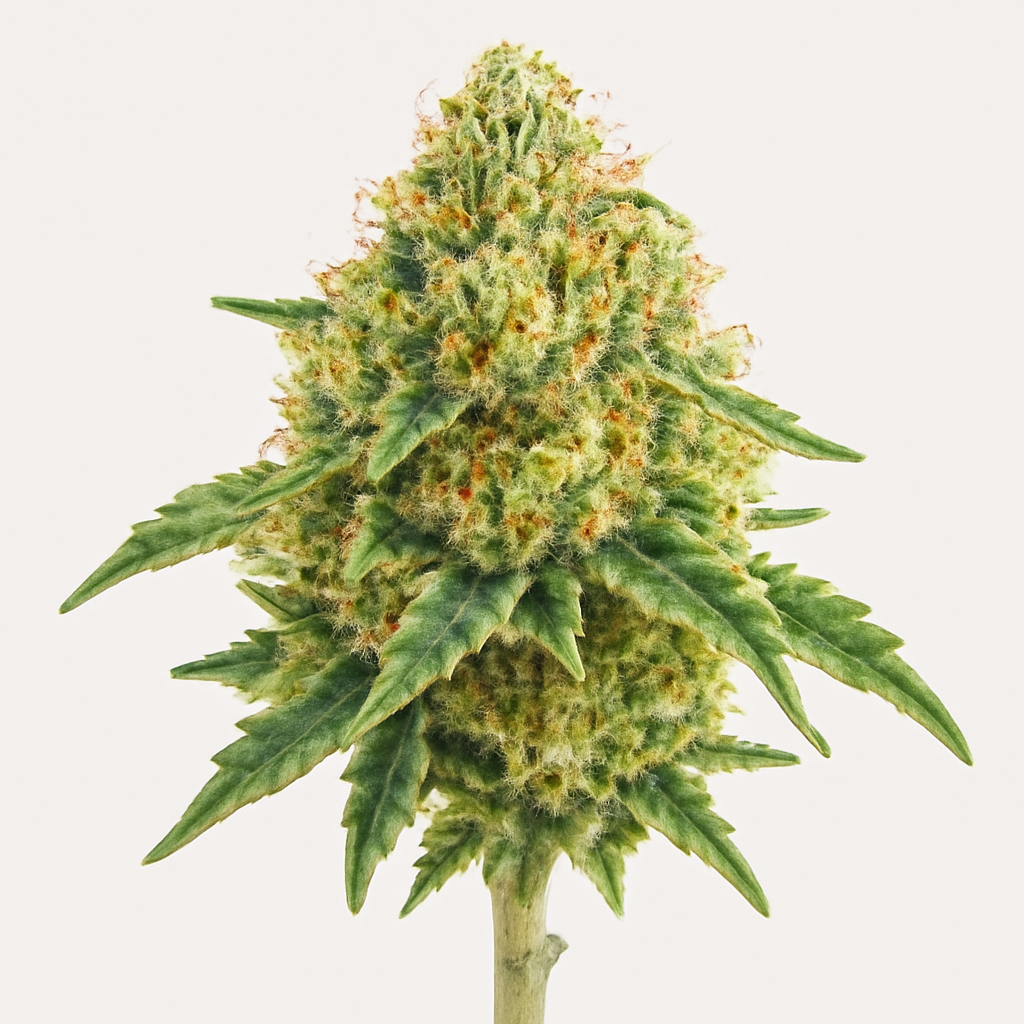
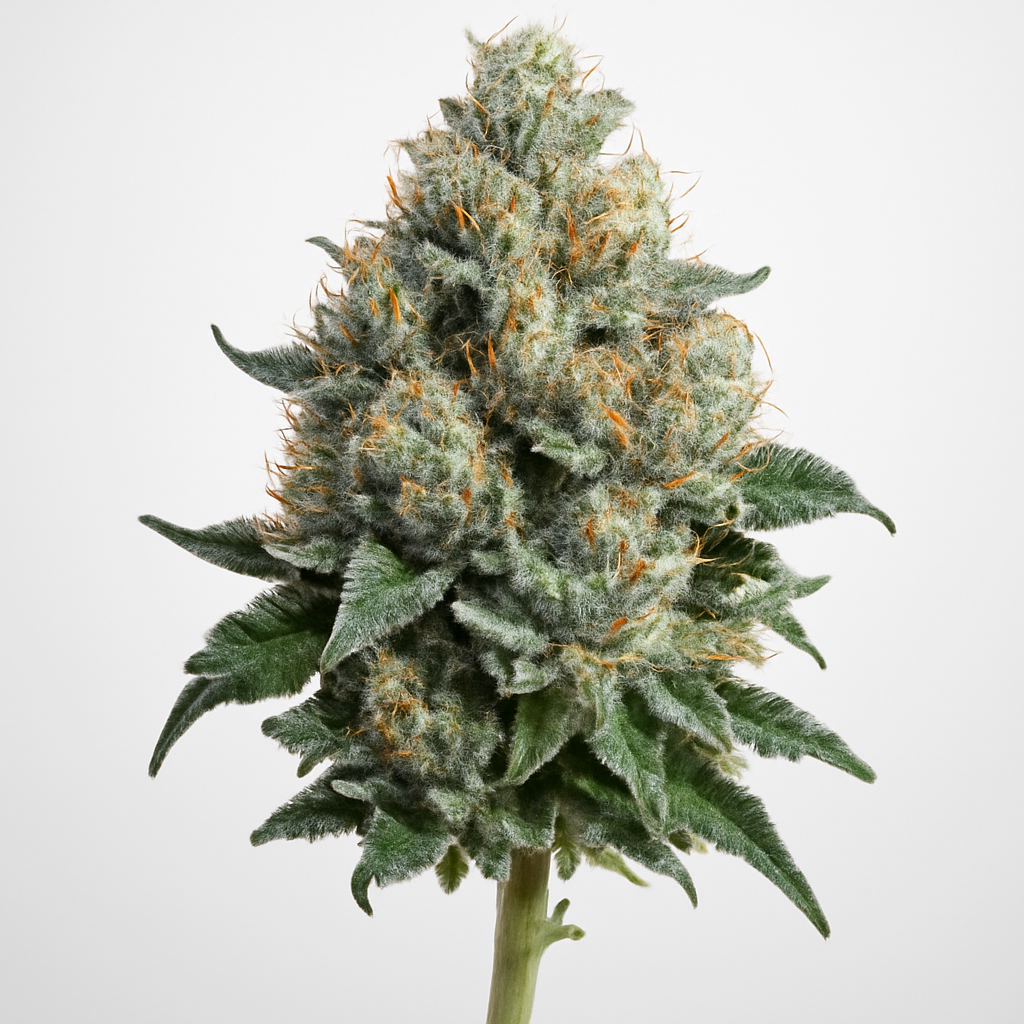
Kosher Kush flowers are usually dense and chunky, with tightly stacked calyxes that give the buds a solid, weighty look. A thick layer of trichomes often coats the surface, creating a bright, frosted finish that becomes especially pronounced near harvest.
Color expression is typically rooted in deep green tones, though cooler temperatures can introduce darker shades or subtle purple accents in some phenotypes. Orange pistils are common and often stand out sharply against the resin-heavy bud structure, reinforcing the strain’s old-school kush appearance.
Effects & Use-Cases (Reported)
- Commonly reported effects: strong relaxation, body heaviness, mood softening, quiet focus, and a sleepy finish.
- Use-case context: often chosen for evenings, low-key downtime, or sessions where a slower pace is preferred over activity.
- Body character: frequently described as warm, grounding, and progressively weighty rather than sharply stimulating.
- Note: These observations are anecdotal and do not constitute medical claims.
Observational Note: Kosher Kush tends to move from a noticeable cerebral easing into a more dominant physical calm, which is why it is often placed among classic end-of-day indica hybrids. The effect profile is less about bright uplift and more about settling the entire experience downward.
Potency Note: When grown and tested well, this strain can reach high THC levels, so the reported experience may feel intense even to experienced consumers. Its strength is part of its identity, and smaller doses are often favored by those looking to gauge the full profile carefully.
Aroma & Flavor Profile
- Aroma: earthy pine, kush spice, sharp fuel, wet wood, and faint citrus peel.
- Flavor: pine-forward inhale, herbal hash, diesel edge, sweet earth, and a lingering resin finish.
- Aftertaste: spicy, woody, and fuel-dominant with a dry kush echo.
- Terpene associations: commonly aligned with Myrcene, Limonene, and Caryophyllene.
For searchers looking into Kosher Kush flavor, aroma, and effects, the clearest expectation is a classic OG-style profile: pungent, earthy, and unmistakably kush-forward rather than candy-sweet. The strain’s scent often carries enough fuel and spice to read as old-school West Coast cannabis, while the palate finishes with a resinous, hash-like dryness.
Tested Cannabinoid & Terpene Ranges
| Compound | Typical Range* | Notes |
|---|---|---|
| Δ⁹-THC | ~18–25% | Often high enough to produce a heavy, full-spectrum effect in properly cured flower. |
| CBD | <0.5% | Typically minimal; this is generally a THC-forward cultivar. |
| Myrcene | 0.3–0.8% | Frequently linked to the strain’s earthy, musky, and relaxing sensory profile. |
| Limonene | 0.15–0.45% | Can add a faint citrus lift that cuts through the heavier kush base. |
| Caryophyllene | 0.2–0.6% | Often associated with the peppery spice and dry fuel-like finish. |
*Ranges are estimates and may vary by phenotype, harvest timing, and testing methods.
Cultivation Notes
- Light Cycle: 12/12 for flowering; vegetative growth under 18/6 is typical.
- Humidity: Moderate to low in bloom, ideally reduced late in flower to protect dense buds.
- Stretch: Moderate; expect a noticeable but manageable rise after the flip.
- Training: Responds well to topping, low-stress training, and a flattened canopy.
- Odor Control: Strong odor control is recommended due to the strain’s pungent kush and fuel aroma.
- Harvest Window: Approximately 8–9 weeks indoors
Kosher Kush is usually straightforward for growers who already have experience with compact, resin-heavy indica hybrids. The main cultivation priorities are airflow, humidity management, and canopy discipline, because the dense flowers can become highly aromatic and prone to moisture issues if the environment is neglected.
Grower Notes (Week-by-Week Snapshot)
- Weeks 1–3: The plant establishes a sturdy frame, with moderate vertical growth and broadening leaf mass.
- Weeks 4–5: Flower sites tighten and resin production starts to climb, while aroma begins to sharpen.
- Weeks 6–8: Buds swell quickly, pistils darken, and the canopy may need support as weight builds.
- Weeks 9–10: Final ripening brings dense finish structure, heavier trichome coverage, and a more pronounced kush odor.
Genetic Lineage
Kosher Kush is most often linked to OG Kush or an OG Kush selection, sometimes described through the Jew’s Gold name in breeder-facing references. That background matters because OG lines are typically valued for thick resin, penetrating fuel-forward aroma, and a strong, grounding effect profile. Where documentation differs, the strain is still consistently treated as a member of the OG Kush family rather than a sugary modern hybrid.
Research Insights
Kosher Kush remains relevant because it represents a stable demand point in the market for classic kush flower that does not rely on fruit candy styling. In breeding and retail search behavior, it still pulls attention from consumers who want old-school OG aroma, dense structure, and a recognizable heavy finish, making it a useful reference cultivar in the broader Kush category.
Frequently Asked Questions
Is Kosher Kush more indica or sativa?
Kosher Kush is generally considered an indica-dominant hybrid. Its structure and reported effect profile both lean toward the heavier, more relaxing side of the spectrum.
What does Kosher Kush taste like?
It is usually described as piney, earthy, and spicy with a diesel or fuel edge. Many batches also leave a dry hash-like aftertaste.
How long does Kosher Kush take to flower?
Most indoor grows finish in about 8 to 9 weeks, although phenotype and growing conditions can shift the window slightly.
Who bred Kosher Kush?
Kosher Kush is associated with DNA Genetics. The exact lineage is not always documented the same way across sources, but it is widely treated as an OG Kush-derived cultivar.
What kind of grower is Kosher Kush best suited for?
It is a good fit for growers comfortable managing a pungent, dense-flowering Kush plant. Attention to airflow, odor control, and humidity is especially important late in bloom.
Educational Disclaimer: This page is provided strictly for scientific and horticultural reference. Cannabis cultivation, possession, and use are regulated by local laws. This content does not promote illegal activity or constitute medical advice. Always comply with applicable regulations in your jurisdiction.
Rate and review this strain
Ratings and reviews are accepted only from signed-in Google accounts.
Sign in with Google to leave a rating and written review.
Latest Reviews
0 reviewsNo reviews yet. Be the first Google user to rate and review this strain.