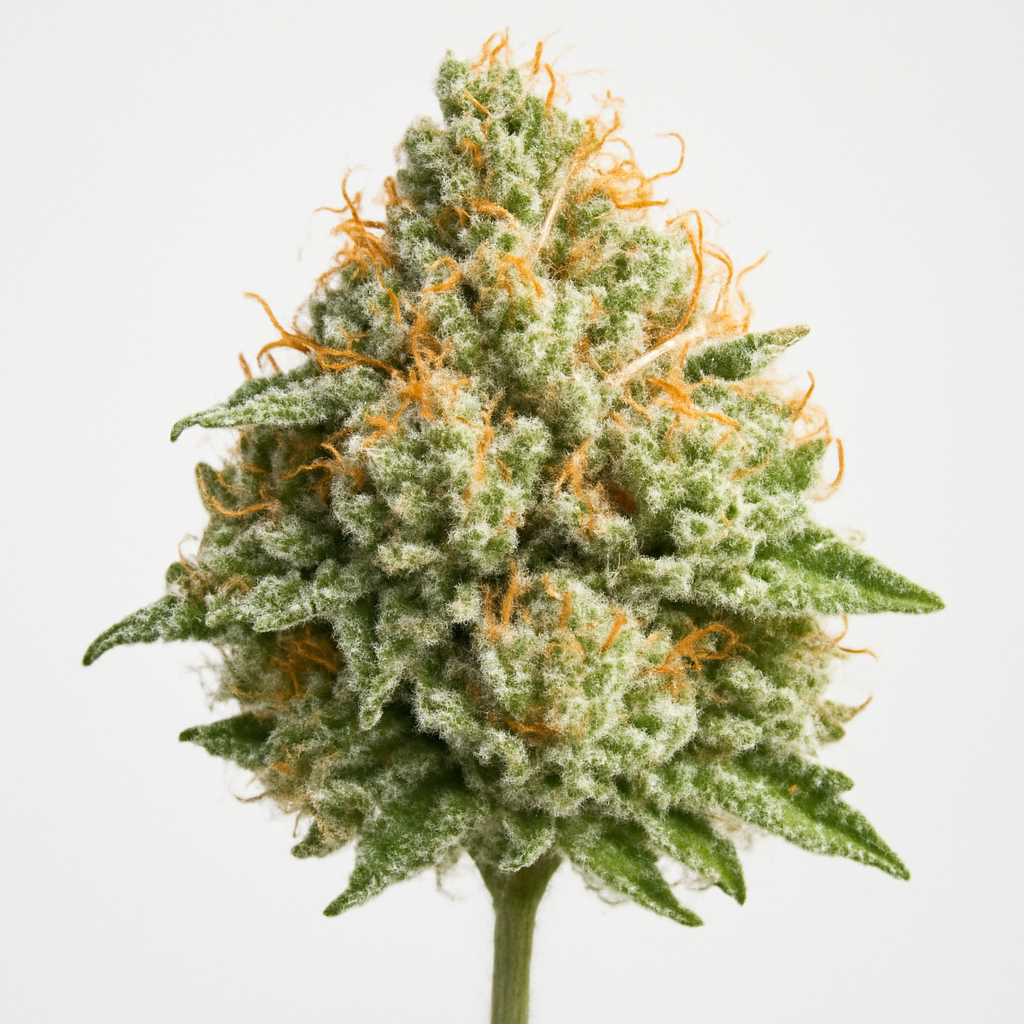
Jillybean (Cannabis Strain) — Strainpedia
Jillybean stands out for its orange-candy terpene profile and a bright, buoyant hybrid effect that feels more playful than heavy. The cultivar is most often linked to Orange Velvet and Space Queen, a pairing that helped define its citrus-forward flavor identity and upbeat daytime reputation.
In the garden, Jillybean is typically a colorful, resinous plant with medium-height structure and a flower set that can range from airy to moderately dense depending on phenotype. Its breeder history is usually tied to TGA Subcool Seeds, and the strain remains a reference point for growers and consumers looking for vivid fruit aroma, noticeable trichome coverage, and a cleaner sativa-leaning finish.
Quick Facts
| Genetics | Orange Velvet x Space Queen |
|---|---|
| Original Breeder | TGA Subcool Seeds |
| Variety | Sativa-leaning Hybrid |
| Flowering Time | Approximately 8–9 weeks indoors |
| Yield Potential | Moderate to good, depending on canopy management |
| Plant Height | Medium; can stretch moderately during early flowering |
| Climate Preference | Warm, dry-to-moderate indoor or Mediterranean-style environments |
| Difficulty | Moderate |
Strain Classification
| Type | Sativa-leaning Hybrid |
|---|---|
| Genetic Family | Citrus-forward hybrid with sweet fruit and candy expression |
| Primary Terpenes | Limonene, caryophyllene, myrcene* |
| Original Breeder | TGA Subcool Seeds |
| Breeding Lineage | Orange Velvet x Space Queen |
*Exact terpene dominance may vary by phenotype and cultivation method.
Scientific & Botanical Overview
Botanically, Jillybean is a hybrid cultivar with a clear lean toward expressive, high-toned terpene output rather than dense indica-style bulk. The plant’s structure often reflects its mixed heritage: enough vigor to push flowering sites outward, but not so much stretch that it becomes unwieldy under controlled indoor conditions.
From a breeding perspective, Jillybean is notable because it helped cement the appeal of dessert-adjacent citrus profiles before that style became mainstream. Its most valued traits are usually the orange candy aromatics, resin production, and a lighter, social effect profile that does not present as overly sedating in most reports.
Appearance
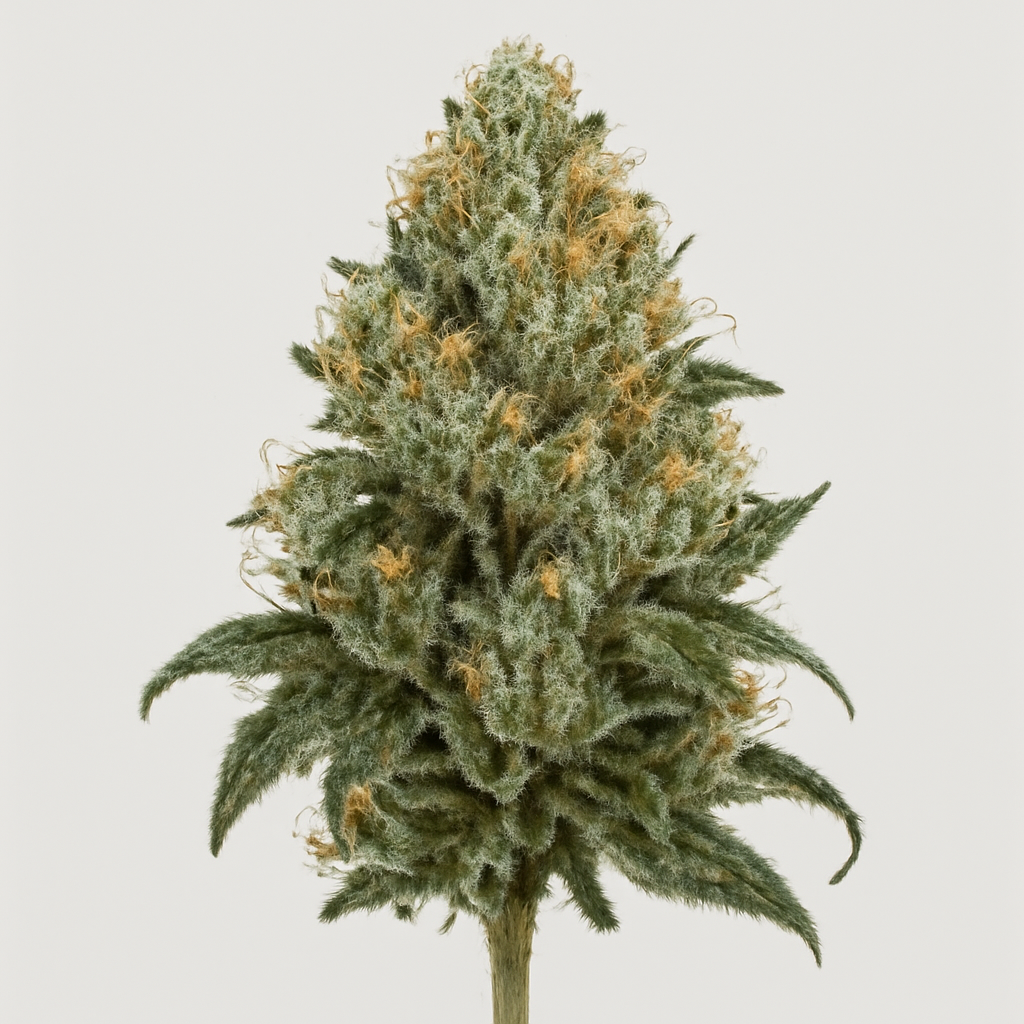
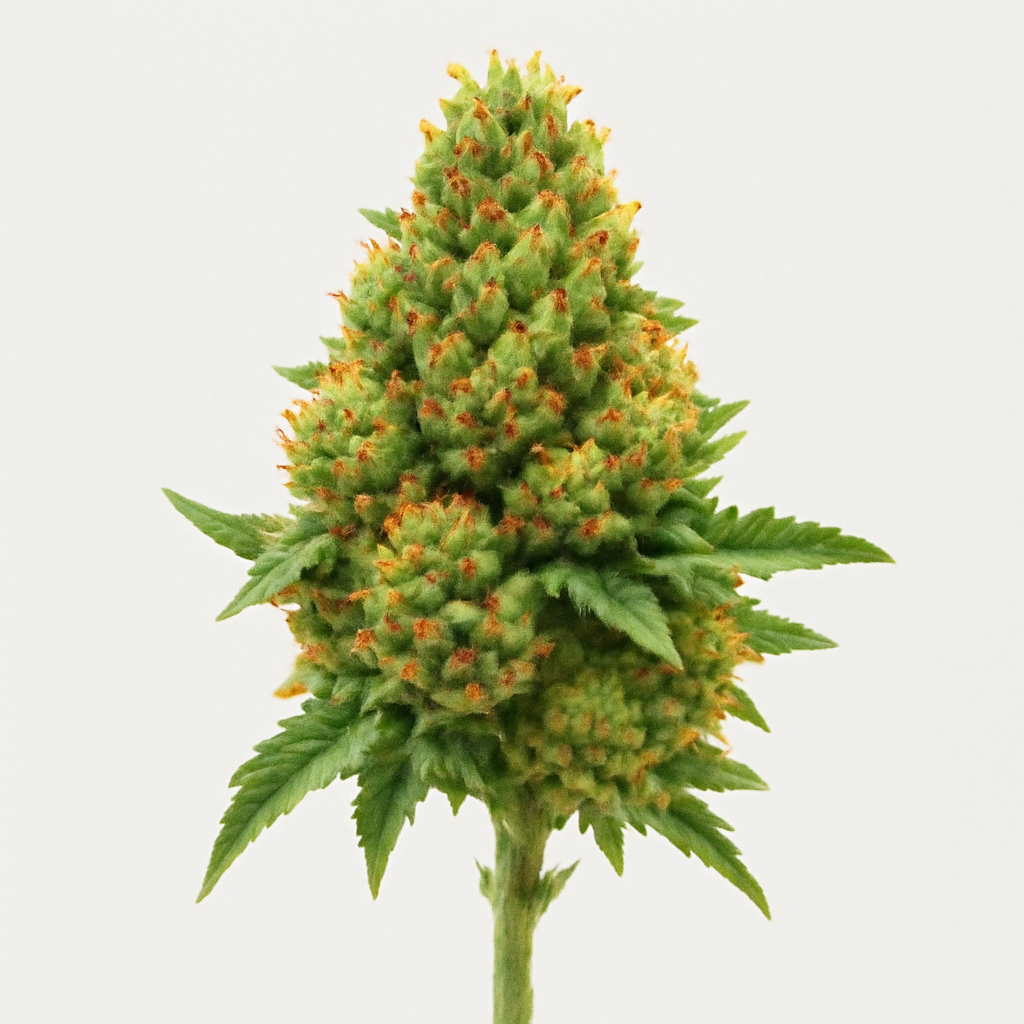
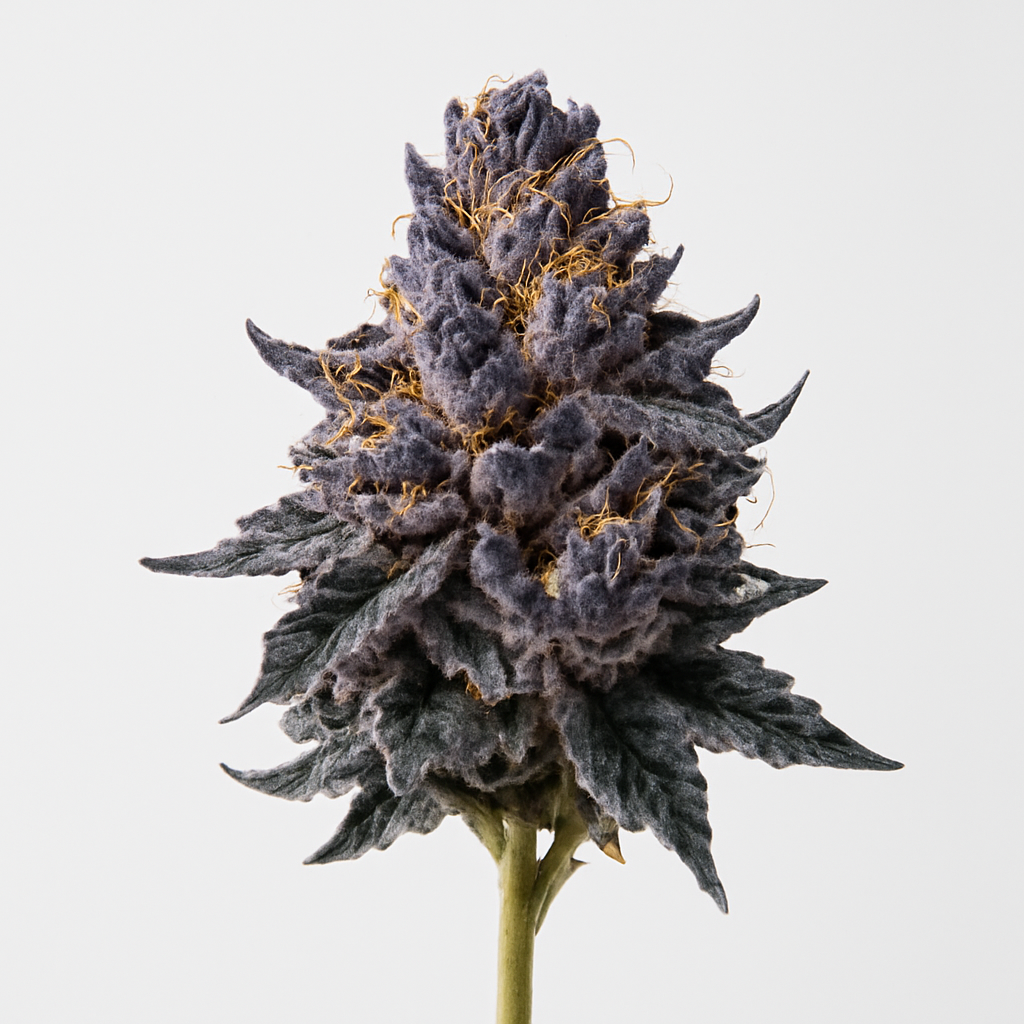
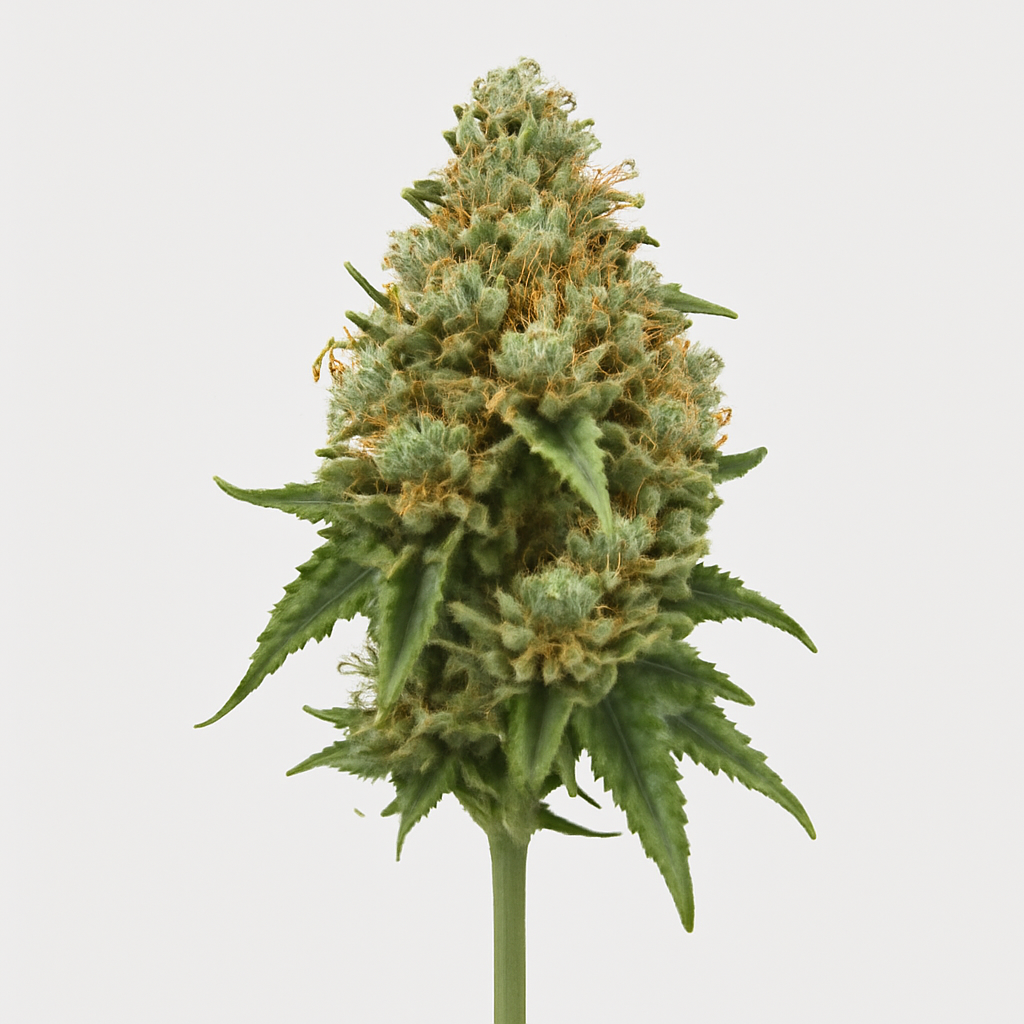
Jillybean flowers often present as compact, rounded colas with a relatively clean bud outline and good surface frost. The color palette commonly centers on bright green to mid-green tones, although some phenotypes show deeper hues as temperatures cool late in flower.
Orange pistils are typically abundant and easy to spot against the trichome layer, which can give mature buds a sparkling, almost powdered finish. Variation across seed-grown expressions is common, with some plants finishing slightly more open and citrus-bright while others stack denser and show stronger resin coverage.
Effects & Use-Cases (Reported)
- Commonly reported effects: upbeat, mentally bright, sociable, creatively sparking, and gently relaxing without immediate heaviness.
- Use-case context: often selected for daytime sessions, creative projects, casual conversation, and situations where a clearer headspace is preferred over deep sedation.
- Body character: typically described as light to moderate, with a smoothing finish that can settle in after the initial lift.
- Note: These observations are anecdotal and do not constitute medical claims.
Observational Note: Jillybean is frequently discussed as a strain that starts with a bright, energetic top note and then eases into a more relaxed rhythm. That sequence is part of what makes it feel distinct from heavier citrus hybrids.
Potency Note: With THC levels that can reach the low-to-mid 20s, the strain is usually considered potent enough to feel clearly active, especially for newer consumers. The effect profile tends to emphasize flavor and mood shift rather than dense physical weight.
Aroma & Flavor Profile
- Aroma: orange candy, tangerine peel, sweet tropical fruit, floral citrus, and a faint spice note.
- Flavor: orange sherbet, tangy citrus peel, fruit chew, sweet syrup, and a soft herbal finish.
- Aftertaste: lingering citrus sweetness with a lightly zesty, candy-like fade.
- Terpene associations: commonly aligned with limonene, caryophyllene, and myrcene.
For readers searching a citrus cannabis strain with candy-sweet flavor and a clear orange terpene signature, Jillybean is one of the more recognizable names in that lane. Its aroma is usually cleaner and brighter than earthy fruit hybrids, making it a frequent choice for fans of sweet orange weed strain profiles.
Tested Cannabinoid & Terpene Ranges
| Compound | Typical Range* | Notes |
|---|---|---|
| Δ⁹-THC | ~18–24% | Often tests potent enough to feel clearly active and flavor-driven. |
| CBD | <0.5–1% | Usually present at trace levels rather than as a defining cannabinoid. |
| Limonene | ~0.30–0.90% | Commonly associated with the strain’s citrus peel and orange candy character. |
| Caryophyllene | ~0.15–0.50% | Can add subtle spice and depth beneath the brighter top notes. |
| Myrcene | ~0.10–0.40% | May contribute soft fruit and a slightly rounded finish. |
*Ranges are estimates and may vary by phenotype, harvest timing, and testing methods.
Cultivation Notes
- Light Cycle: 18/6 in vegetative growth; 12/12 for flowering
- Humidity: Moderate humidity early, then reduce to protect dense resinous buds in late flower
- Stretch: Moderate stretch in the first 2–3 weeks of bloom
- Training: Responds well to topping, low-stress training, and even canopy work
- Odor Control: Strong citrus aroma becomes more pronounced late in flower, so filtration is advisable indoors
- Harvest Window: Approximately 8–9 weeks indoors
Jillybean is usually most rewarding when grown with attention to structure and airflow. It can reward careful training with multiple evenly lit tops, while late-flower moisture management helps preserve the strain’s sweet citrus terpene expression and keep the finished buds clean and aromatic.
Grower Notes (Week-by-Week Snapshot)
- Weeks 1–3: Plants establish quickly and may show steady vertical growth with healthy side branching.
- Weeks 4–5: Flower sites begin stacking, and the citrus odor starts to sharpen as resin production builds.
- Weeks 6–8: Buds thicken, pistils multiply, and trichome coverage becomes more obvious across the upper colas.
- Weeks 9–10: Finish is usually about dialing in ripeness, preserving terpene brightness, and avoiding excess humidity if the phenotype runs slightly longer.
Genetic Lineage
Jillybean is most commonly traced to Orange Velvet and Space Queen. Orange Velvet is generally associated with sweet orange aromatics, a smooth fruit profile, and resinous flower character, while Space Queen is often credited with adding lift, vigor, and a more expansive hybrid effect.
Together, those parents help explain why Jillybean tends to sit at the intersection of candy citrus flavor and approachable daytime influence. The lineage also places it within a broader family of flavor-driven hybrids that shaped modern fruit-forward cannabis breeding.
Research Insights
Jillybean matters in the modern market because it occupies a recognizable citrus-candy niche without drifting into the generic sweetness common to many dessert hybrids. For search intent, it remains relevant to consumers looking for orange-flavored cannabis, tangy terpene profiles, and a sativa-leaning hybrid that reads bright rather than heavy.
From a breeding and catalog standpoint, it is also part of the lineage that helped normalize fruit-forward terpene selection as a serious quality marker. That gives Jillybean enduring value as both a retail strain and a reference point for breeders working on orange, tropical, and candy-adjacent expressions.
Frequently Asked Questions
Is Jillybean more uplifting or sedating?
Jillybean is generally described as more uplifting at first, with a gentle settling effect later. Most reports place it closer to an upbeat daytime hybrid than a heavy evening strain.
What does Jillybean taste like?
The flavor is commonly described as orange candy, citrus peel, and sweet fruit, with a soft herbal finish underneath. The profile is bright rather than earthy.
Who bred Jillybean?
Jillybean is most often credited to TGA Subcool Seeds. As with many legacy cultivars, minor documentation variations can appear, but this breeder attribution is the most established reference.
How long does Jillybean take to flower?
Most indoor grows finish in approximately 8 to 9 weeks. Some phenotypes may need a little longer depending on environment and desired ripeness.
What kind of grower is Jillybean best suited for?
Jillybean is usually a good fit for growers comfortable with moderate training and basic environmental control. It is not overly demanding, but it rewards attention to canopy shape and humidity management.
Educational Disclaimer: This page is provided strictly for scientific and horticultural reference. Cannabis cultivation, possession, and use are regulated by local laws. This content does not promote illegal activity or constitute medical advice. Always comply with applicable regulations in your jurisdiction.
Rate and review this strain
Ratings and reviews are accepted only from signed-in Google accounts.
Sign in with Google to leave a rating and written review.
Latest Reviews
0 reviewsNo reviews yet. Be the first Google user to rate and review this strain.