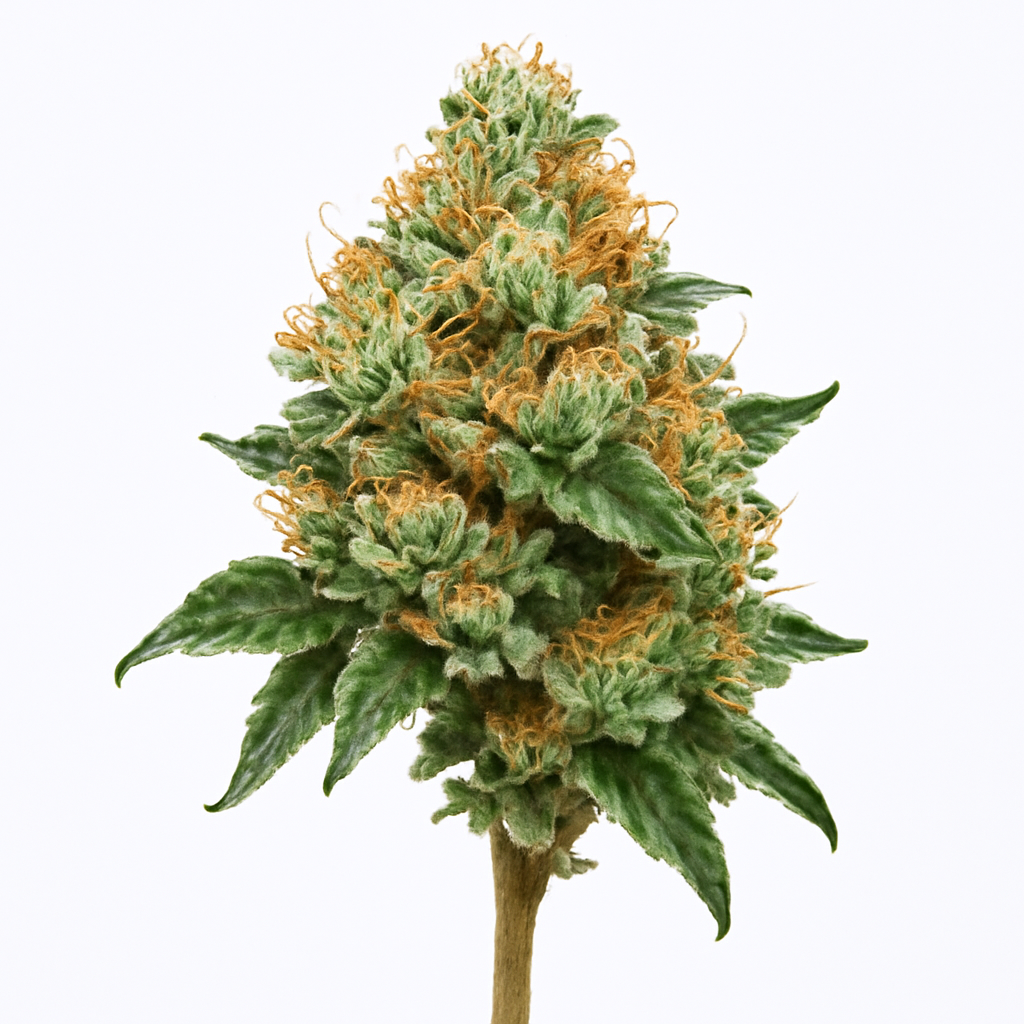
Jet Fuel (Cannabis Strain) — Strainpedia
Jet Fuel is a fuel-heavy sativa-leaning hybrid that earns its name through a loud diesel aroma, piney accents, and a brisk, cerebral onset. In many modern menus it appears as a cultivar for shoppers who want sharp flavor identity and a flower structure that skews toward elongated, resinous colas rather than dense dessert-style buds.
Lineage references vary, but Jet Fuel is commonly linked to Aspen OG and High Country Diesel, which helps explain both its pungent terpene profile and its tendency to finish with a glossy trichome coat. Growers often note a lively stretch in early bloom, while consumers usually describe the effect style as quick to arrive, mentally bright, and a little more forceful than the aroma might suggest.
Quick Facts
| Genetics | Aspen OG x High Country Diesel (commonly cited; lineage varies by source) |
|---|---|
| Original Breeder | Not clearly documented |
| Variety | Sativa-leaning Hybrid |
| Flowering Time | Approximately 9–10 weeks indoors |
| Yield Potential | Moderate to high with strong canopy management |
| Plant Height | Medium to tall; can stretch significantly in early flowering |
| Climate Preference | Warm, dry, well-ventilated environments with controlled humidity |
| Difficulty | Moderate |
Strain Classification
| Type | Sativa-leaning Hybrid |
|---|---|
| Genetic Family | Diesel / OG hybrid family |
| Primary Terpenes | Myrcene, limonene, caryophyllene* |
| Original Breeder | Not clearly documented |
| Breeding Lineage | Commonly cited as Aspen OG x High Country Diesel; some sources differ on the exact parentage |
*Exact terpene dominance may vary by phenotype and cultivation method.
Scientific & Botanical Overview
From a breeding standpoint, Jet Fuel sits in the class of pungent fuel-forward hybrids that combine OG structure with Diesel intensity. The cultivar is often selected for vigorous vertical growth, pronounced aromatic output, and a resin profile that tends to deepen during the final weeks of flower. Botanical expression can vary depending on the cut, but the strain is usually recognizable by its elongated bloom sites and assertive terpene expression.
The name “Jet Fuel” is fitting because the flower rarely presents as subtle or muted. When grown well, it can show a compact but not overly swollen calyx stack, with resin coverage that gives the buds a slick, almost lacquered look under light. In the market, it occupies a useful middle ground between classic fuel strains and newer hybrid offerings, keeping a legacy profile that still reads clearly in today’s terpene-driven searches.
Appearance
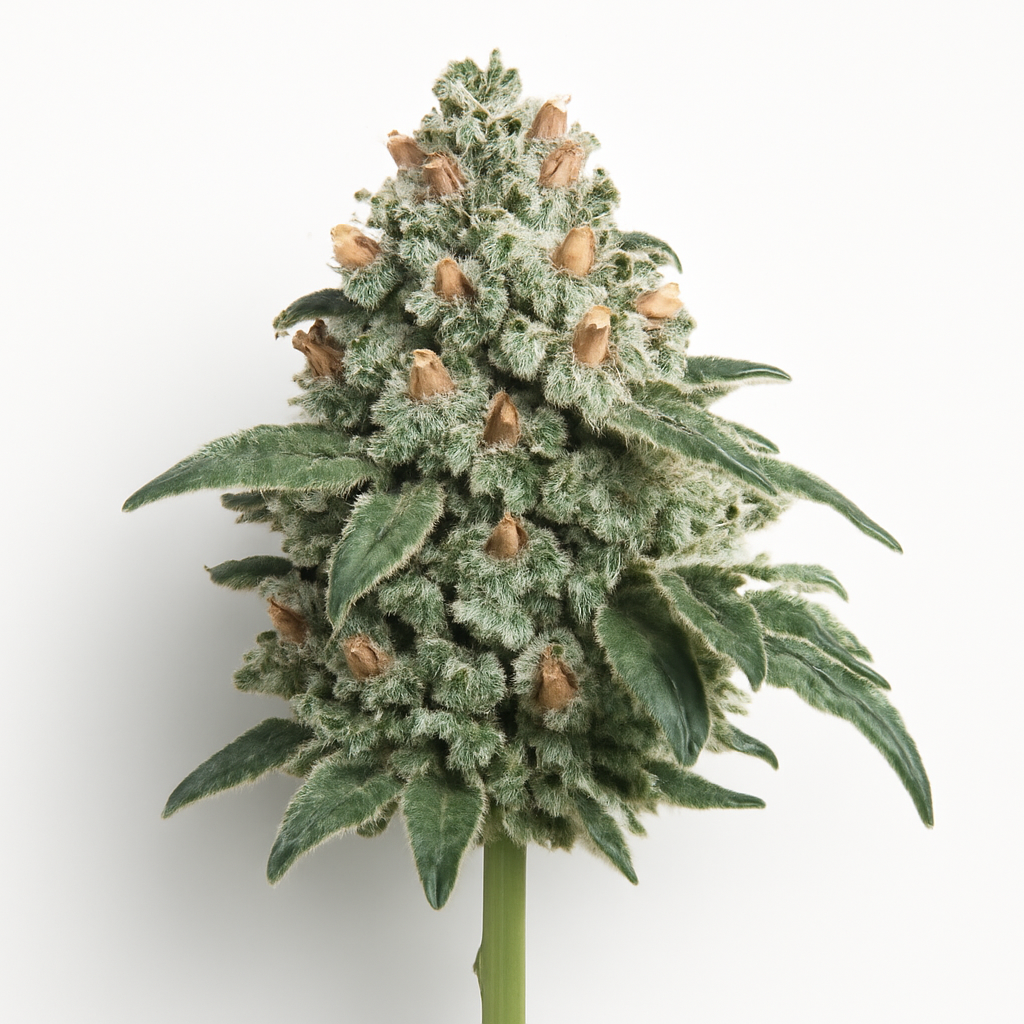
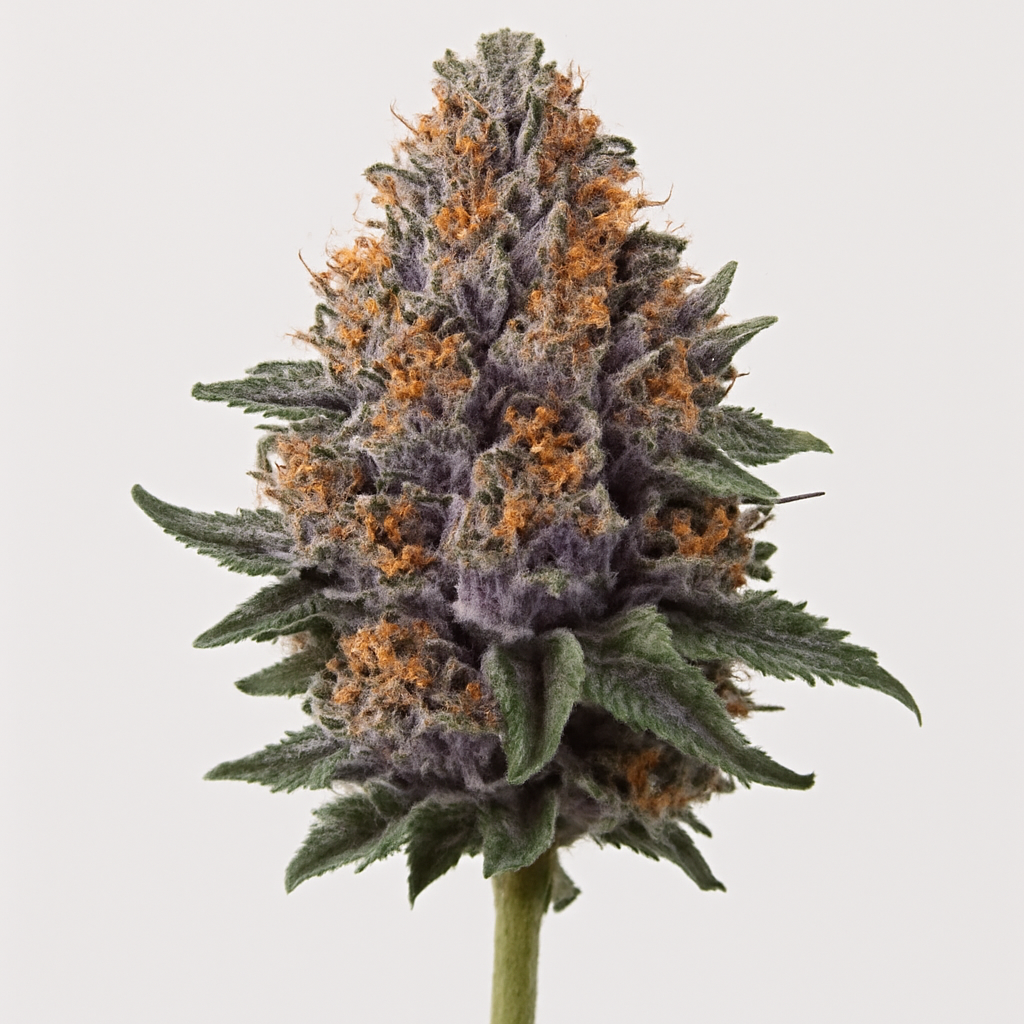
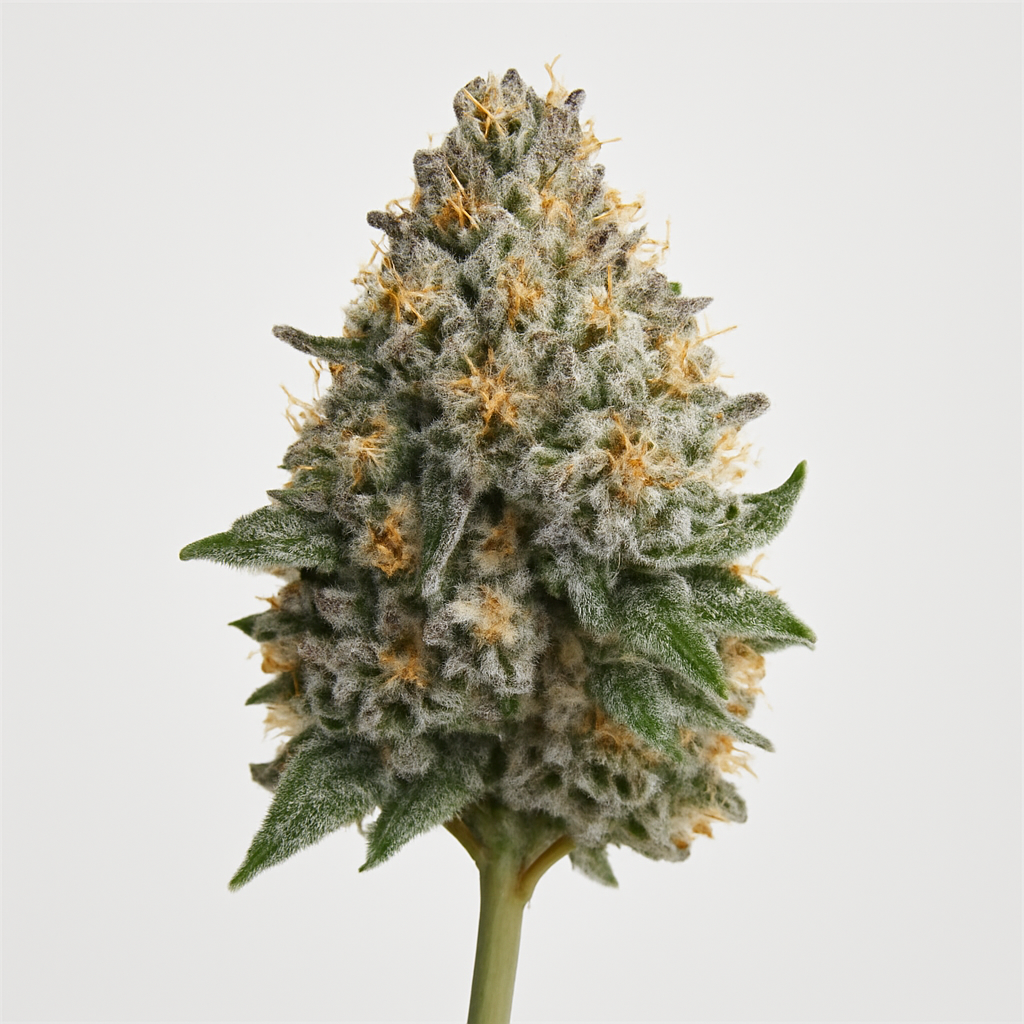
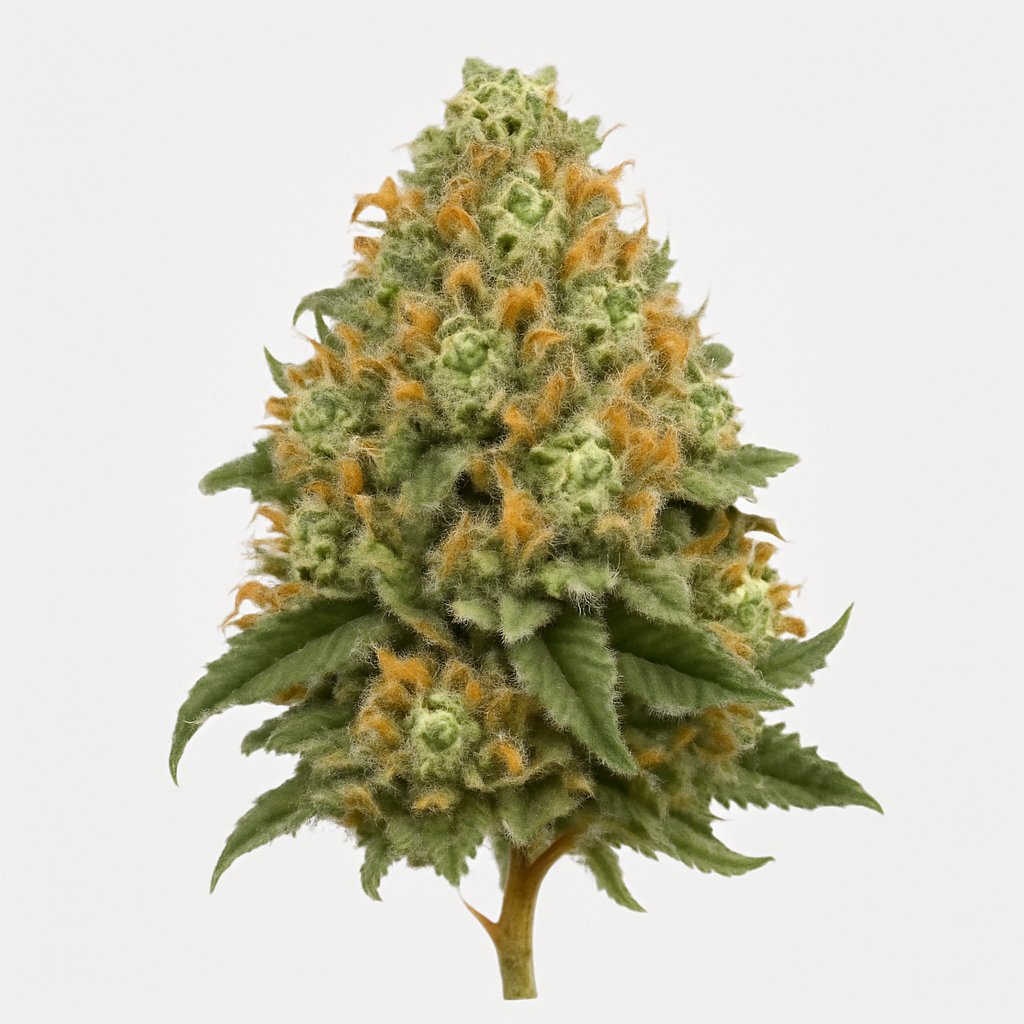
Jet Fuel buds are often medium-sized, somewhat spear-shaped, and built with a more streamlined structure than round, cookie-style flowers. The color palette usually centers on medium to deep green, with occasional lighter lime tips and darker shaded pockets where bracts overlap.
Orange to rust-toned pistils are commonly visible and may contrast sharply against the surface trichomes. Some phenotypes finish with a dense frost layer that gives the flower a silvery cast, while others look slightly airier but still heavily coated and sticky. Variation between cuts is one reason the strain can look quite different from one grow to another, even when the aroma remains unmistakably fuel-led.
Effects & Use-Cases (Reported)
- Commonly reported effects: brisk onset, mental lift, focus-friendly energy, bright sensory perception, and a heavier finish at larger servings.
- Use-case context: often chosen for daytime or early-evening sessions when a sharper, more stimulating profile is preferred.
- Body character: usually described as present but not overpowering at first, then more noticeable as the experience settles in.
- Note: These observations are anecdotal and do not constitute medical claims.
Observational Note: Jet Fuel tends to come on faster than many floral or dessert-leaning hybrids, which is part of its appeal to consumers who prefer a more immediate shift in mood and pace. The experience often tracks closely with the aroma: direct, pungent, and unmistakably assertive.
Potency Note: With higher-THC expressions, the strain may feel noticeably stronger than its clean, energetic first impression suggests. Moderate servings are usually a better fit for users who want the flavor and uplift without pushing the profile into heavier territory.
Aroma & Flavor Profile
- Aroma: loud diesel, pine sap, lemon peel, skunk, and peppery fuel.
- Flavor: gas-forward inhale, citrus rind, earthy pine, spicy hash, and a lingering oily finish.
- Aftertaste: persistent fuel and faint citrus bitterness that hangs on the palate.
- Terpene associations: commonly aligned with myrcene, limonene, and caryophyllene.
For searchers comparing Jet Fuel strain aroma, flavor, and effects, the defining note is the unmistakable gas profile backed by pine and citrus. It is not a sweet or creamy cultivar; the sensory identity is sharper, more acrid, and more in line with classic diesel and OG selections.
Tested Cannabinoid & Terpene Ranges
| Compound | Typical Range* | Notes |
|---|---|---|
| Δ⁹-THC | ~18–26% | Often testing strong in well-finished indoor flower. |
| CBD | <0.5% | Usually low, with negligible CBD expression in most samples. |
| Myrcene | ~0.20–0.60% | Can support the strain’s earthy base and fuller body feel. |
| Limonene | ~0.15–0.45% | Often associated with the citrus edge and brighter top notes. |
| Caryophyllene | ~0.10–0.35% | Contributes peppery spice and depth beneath the fuel aroma. |
*Ranges are estimates and may vary by phenotype, harvest timing, and testing methods.
Cultivation Notes
- Light Cycle: 18/6 vegetative; 12/12 flowering indoors
- Humidity: Moderate in vegetative growth, reduced to avoid excess moisture in late flower
- Stretch: Moderate to strong in early bloom, especially under intense light transitions
- Training: Responds well to topping, LST, and canopy leveling
- Odor Control: Strong filtration is recommended because the scent becomes pronounced early in flower
- Harvest Window: Approximately 9–10 weeks indoors
Jet Fuel usually performs best when the canopy is kept open and the environment remains steady. It is not a forgiving choice for neglected humidity control, particularly late in flower, where the pungent terpene load can intensify and dense pockets may hold moisture. A disciplined feeding and airflow plan helps preserve both aroma clarity and bud structure.
Grower Notes (Week-by-Week Snapshot)
- Weeks 1–3: Vegetative vigor is often strong, with quick node development and enough stretch potential to reward early training.
- Weeks 4–5: Flower sites stack rapidly, and the plant may elongate as resin production begins to build.
- Weeks 6–8: Aroma sharpens into diesel and pine, while trichomes become visibly heavier across calyxes and sugar leaves.
- Weeks 9–10: Final ripening usually brings the most pronounced fuel character, with pistils darkening and the canopy taking on a frosted finish.
Genetic Lineage
Jet Fuel is most often described as a cross of Aspen OG and High Country Diesel, though exact documentation is not fully consistent across the market. The Diesel influence is generally associated with the strain’s sharp, high-impact aroma and quick, cerebral effect style, while the OG side is commonly credited with denser resin production and a more grounded finish. Together, those parent traits explain why Jet Fuel feels like a classic fuel hybrid rather than a dessert or fruit-forward modern cross.
Research Insights
Jet Fuel remains relevant because it sits squarely in the evergreen diesel category, a search area that continues to attract consumers looking for pungent flower with a clear legacy identity. In breeder catalogs and dispensary menus, it helps illustrate how OG and Diesel lines still shape contemporary terpene preferences. From an editorial standpoint, Jet Fuel is valuable because its name, aroma, and phenotype variability are all closely linked, which makes it a useful reference point for comparing fuel-heavy hybrids.
Frequently Asked Questions
Is Jet Fuel more citrus or diesel?
Jet Fuel is usually more diesel than citrus. Most cuts open with a strong fuel note, while lemon peel and pine sit underneath the sharper gas character.
How strong is Jet Fuel typically?
Many samples test in the higher-THC range, often around 18–26%. The effect can feel more potent than the aroma suggests, especially in concentrated or carefully grown flower.
What kind of breeder information exists for Jet Fuel?
The strain is widely circulated, but breeder documentation is not always consistent. Some references tie it to Aspen OG and High Country Diesel, while others present different cut histories.
Does Jet Fuel stretch in flower?
Yes. It commonly shows moderate to strong stretch early in bloom, which is why canopy control and training are useful for indoor cultivation.
What makes Jet Fuel different from sweeter hybrids?
Its identity is driven by gas, pine, and spice rather than candy or cream notes. That old-school fuel profile is the main reason many consumers and growers keep the strain in rotation.
Educational Disclaimer: This page is provided strictly for scientific and horticultural reference. Cannabis cultivation, possession, and use are regulated by local laws. This content does not promote illegal activity or constitute medical advice. Always comply with applicable regulations in your jurisdiction.
Rate and review this strain
Ratings and reviews are accepted only from signed-in Google accounts.
Sign in with Google to leave a rating and written review.
Latest Reviews
0 reviewsNo reviews yet. Be the first Google user to rate and review this strain.