
Honey Bear (Cannabis Strain) — Strainpedia
Honey Bear is one of the most valuable “unicorn” cultivars to emerge from the 2026 solventless boom. In a market dominated by heavy Indica washer genetics, Honey Bear has become a rare exception—an elite Sativa-Dominant Hybrid bred specifically for high-efficiency extraction while maintaining a bright, daytime-forward effect profile. Known for its tropical dessert terpenes, honey-syrup sweetness, and exceptionally high wash yields for a sativa structure, Honey Bear is now regarded as a premier “Daytime Rosin” cultivar among boutique extraction brands in both the United States and the United Kingdom. The information below is intended strictly for scientific and horticultural reference.
Quick Facts
| Genetics | (Honey Banana x UK Cheese S1) x (Papaya x Tallyman) x Honey Bear Original Cut |
|---|---|
| Variety | Sativa-Dominant Hybrid (approx. 70% Sativa / 30% Indica) |
| Flowering Time | 9–10 weeks |
| THC Range | ~28%–31% |
| Extraction Yield | 5%–7%+ Ice Water Hash (Elite “Washer” performance) |
| Terpene Focus | Myrcene, Limonene, Ocimene |
| Plant Structure | Tall, lanky sativa spear growth; SCROG/trellis recommended |
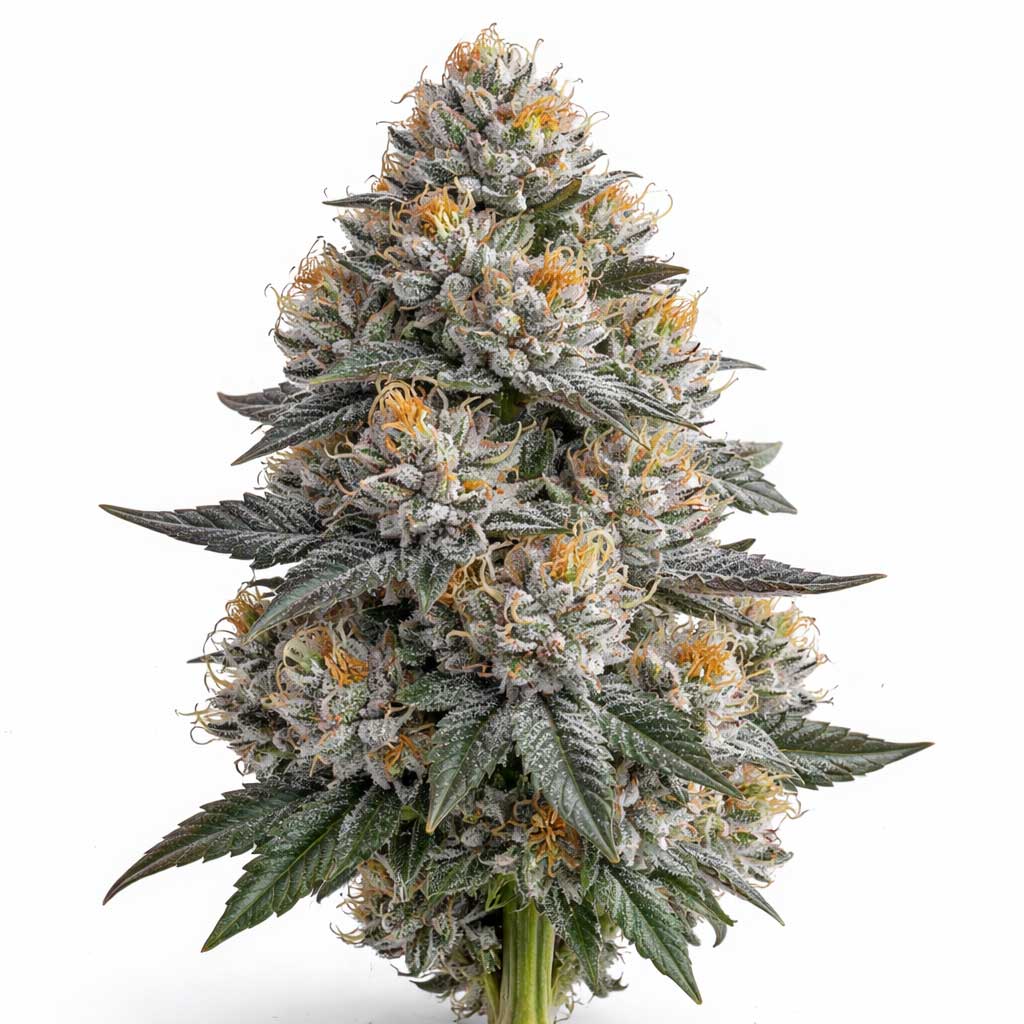
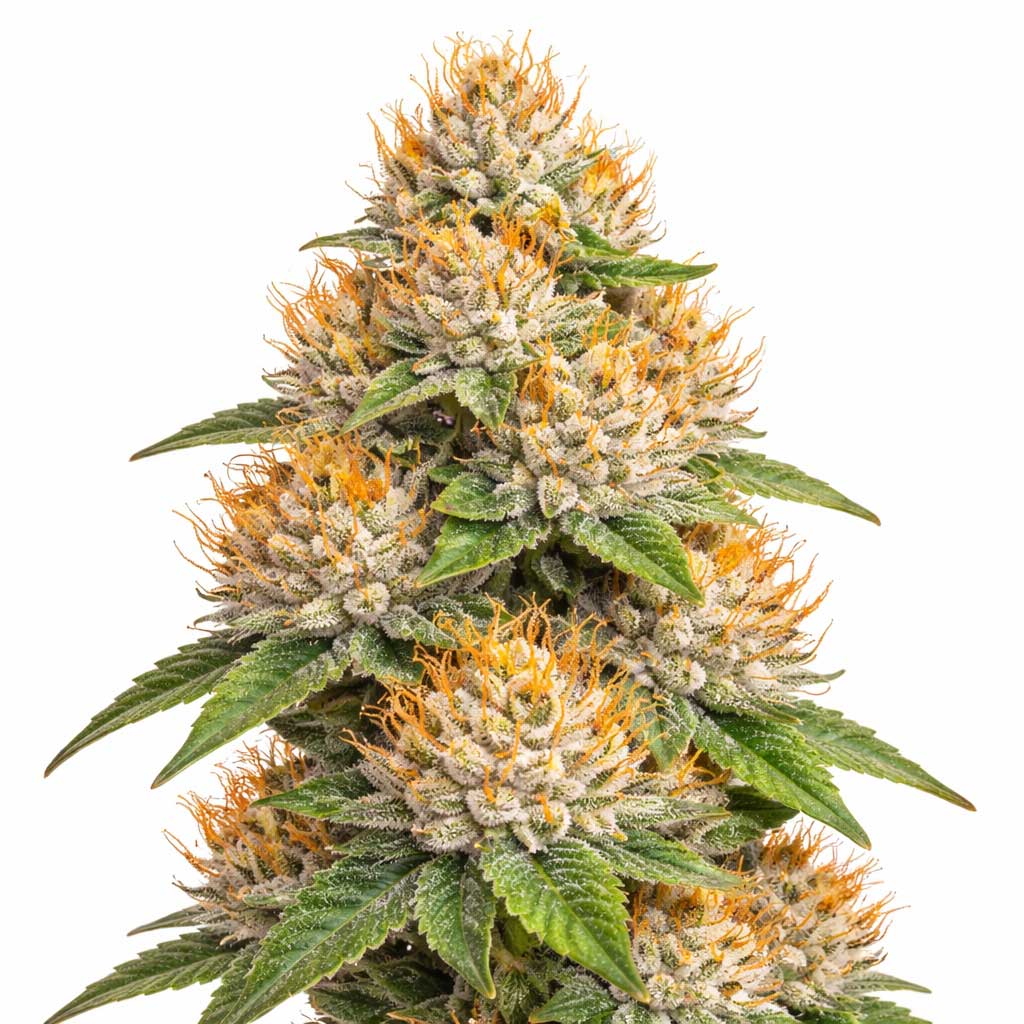
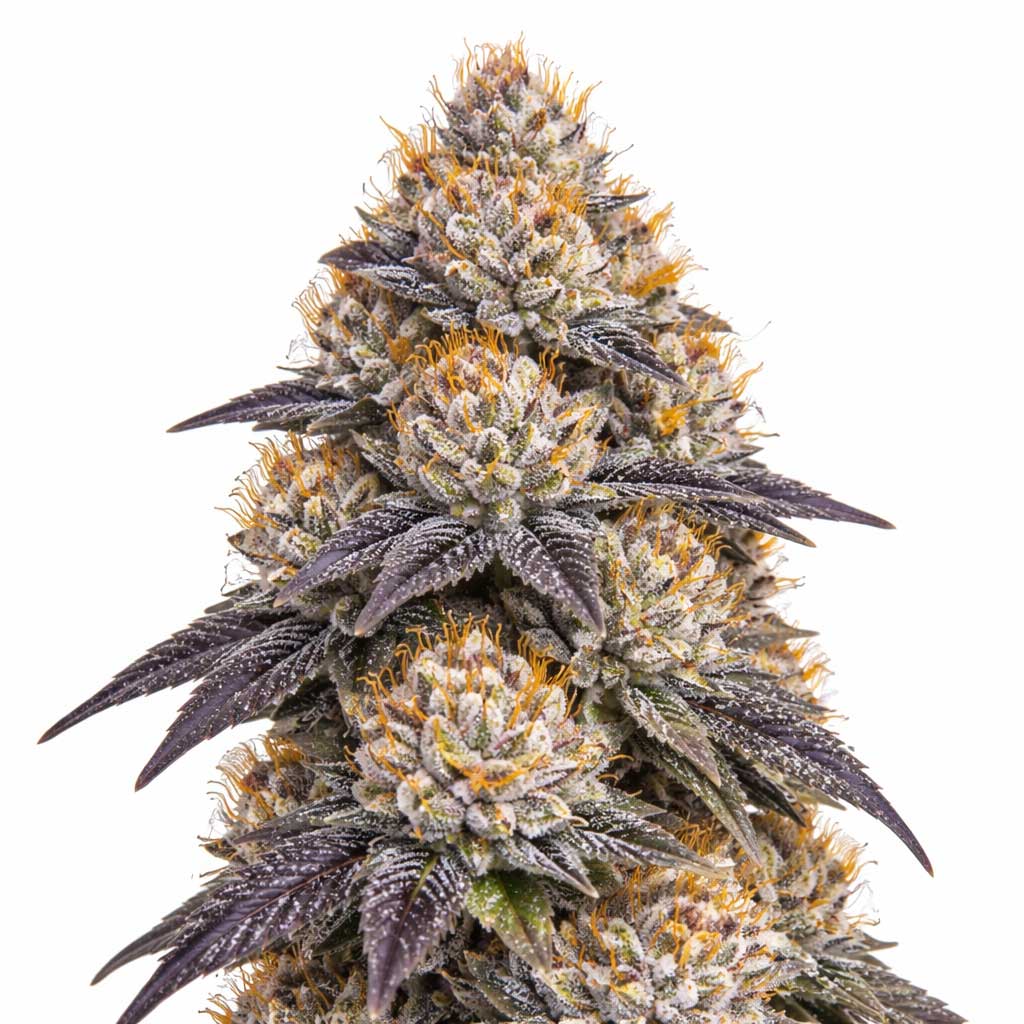
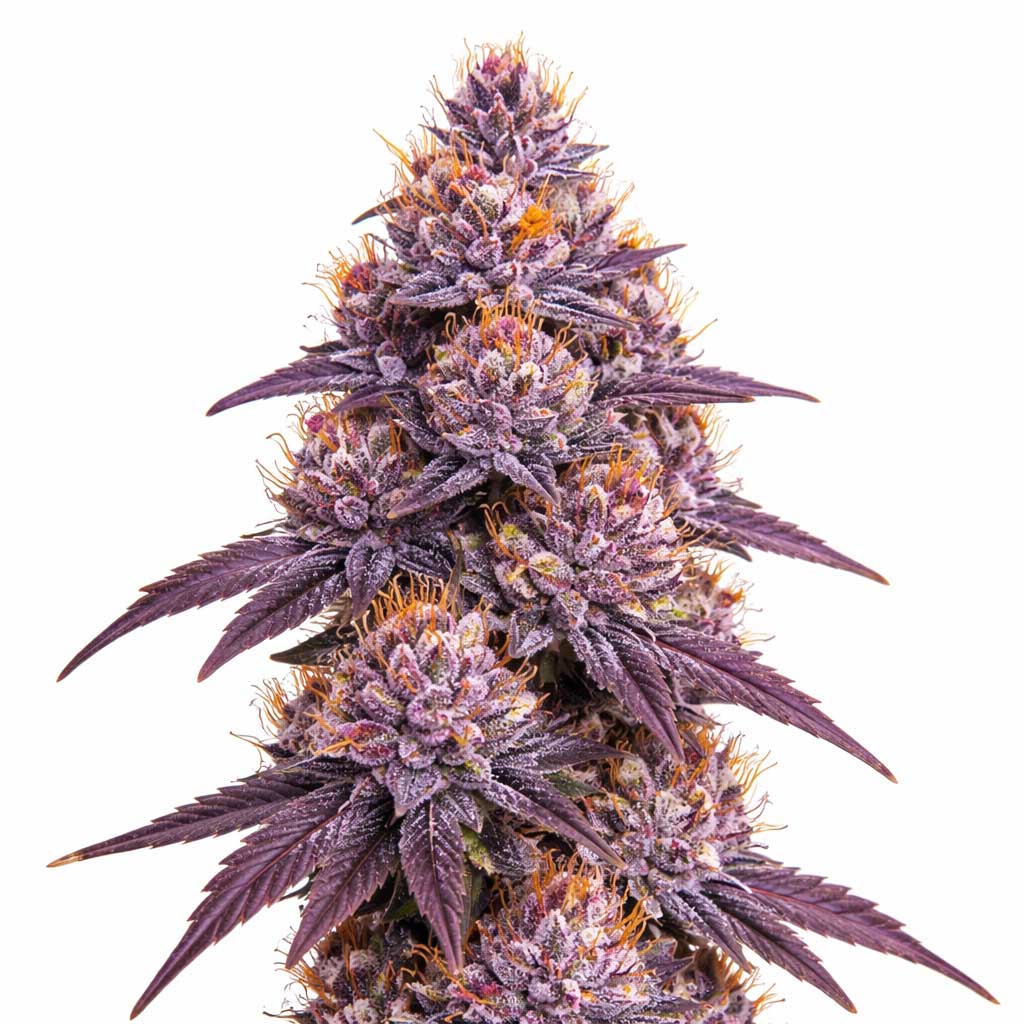
| Visual Traits | Long resin spears, bright golden pistils, sticky “moist” trichome sheen |
| Difficulty | Intermediate (height control and trellis support required) |
Scientific & Botanical Overview
Honey Bear is a modern sativa-dominant cultivar engineered for resin performance rather than traditional sativa “airiness.” While it expresses a lanky, tall growth habit with elongated spear-shaped colas, its bud density is unusually high for a 70% sativa genotype. The flowers are heavily coated in trichomes, giving the buds a wet, sticky appearance and a resin texture that extraction artists describe as “sandy” and easy to separate.
This cultivar is genetically complex, built from a combination of honey-banana sweetness, UK Cheese resin stability, and Papaya/Tallyman extraction dominance. The resulting phenotype has become highly prized for producing light-gold hash and honey-toned rosin—traits that are rare in sativa-forward plants, which typically yield darker resin or lower trichome mass.
Effects & Use-Cases (Reported)
- Commonly reported effects: euphoric uplift, social confidence, clear-headed energy, motivation, and creative productivity.
- Use-case context: daytime rosin sessions, creative work, social events, outdoor activity, and high-functioning recreational use.
- Balance profile: energetic cerebral brightness supported by a mild, stabilizing physical relaxation.
- Notable difference: lacks the heavy sedation common to elite washer Indicas, making it a rare “all-day” concentrate cultivar.
- Note: These are observational reports, not medical claims; outcomes are not guaranteed.
Aroma & Flavors
- Aroma: a decadent tropical blend of overripe banana, fermented papaya, and sweet floral honey syrup.
- Flavor: creamy banana pudding on the inhale, followed by a thick honey finish that coats the mouth. A subtle cheese-funk undertone adds depth and complexity without overpowering the fruit dessert profile.
- Signature finish: “honey-drip” sweetness with a lingering tropical candy aftertaste.
Tested Cannabinoid & Terpene Ranges
| Compound | Typical Range* | Notes |
|---|---|---|
| Δ⁹-THC | ~28–31% | High potency designed for experienced consumers; strong for a sativa-leaning washer cultivar. |
| CBD | ~0–1% | Typically present only in trace amounts. |
| Myrcene | Moderate–High | Supports smooth body calm and contributes to banana pudding sweetness. |
| Limonene | Moderate–High | Provides citrus lift, mood elevation, and bright daytime energy. |
| Ocimene | Moderate | Enhances tropical fruit aromatics and contributes to the “papaya ferment” profile. |
| Caryophyllene | Low–Moderate | Adds subtle spicy depth and helps stabilize the high. |
| Terpene Profile | Banana Dessert / Papaya Funk / Honey Syrup | A rare dessert-tropical terpene system built for premium cold-cure rosin. |
*Ranges are literature- and lab-report-informed references and can differ with phenotype, cultivation conditions, harvest timing, curing practices, and analytical methods.
Cultivation Notes
- Flowering Time: 9–10 weeks (photoperiod)
- Stretch Behavior: strong sativa stretch in early flower; canopy management is essential.
- Support Needs: trellising or SCROG is strongly recommended due to long spear colas and heavy resin weight.
- Root Space: thrives in larger pots or deep beds; rewards growers who provide abundant root expansion.
- Humidity Targets: 45–55% early flower; 40–50% late flower to prevent moisture traps in resin-coated spears.
- Harvest Timing: best results when harvested at full maturity to maximize honey-toned resin and terpene stability.
Grower Notes (Week-by-Week Snapshot)
- Weeks 1–2 (Stretch Phase): aggressive vertical growth begins; install trellis early to prevent later branch collapse.
- Weeks 3–4: spear colas form; resin begins building rapidly; strong airflow is critical for long bud formation.
- Weeks 5–7: terpene profile intensifies; banana-papaya aroma becomes dominant; buds become increasingly sticky.
- Weeks 8–9: peak trichome development; honey-toned resin begins to appear; avoid excess humidity.
- Week 10 (Final Ripening): full maturity unlocks maximum wash yield and terpene stability for cold cure.
- Post-Harvest: slow dry and cold cure recommended to preserve tropical dessert aromatics and protect solventless quality.
Extraction Performance & Solventless Value
Honey Bear is widely regarded as a “washer’s dream,” not simply because of trichome volume, but because of its resin behavior. Unlike brittle, sandy cultivars that oxidize quickly, Honey Bear produces gland heads that detach efficiently during agitation and often yield a light-gold or honey-toned hash output. This is considered extremely rare for sativa-dominant plants, which historically have lower wash returns or less stable terpene preservation.
Because of its Papaya and Tallyman influence, Honey Bear is also known for exceptional cold-cure stability. Extractors report that the terpene profile remains vibrant and fruit-forward even after curing, producing premium “6-star” melt potential in limited-run batches.
Genetic Lineage
Honey Bear is a complex extraction-forward genetic composed of three primary pillars: honey dessert sweetness, cheese-based resin stability, and tropical extraction royalty. The Honey Banana x UK Cheese S1 side provides creamy honey flavor, thick sweetness, and structural resin stability inherited from classic Cheese lines. The Papaya x Tallyman influence is the true extraction engine, supplying large glandular trichome heads and intense tropical fermentation aromatics. The Honey Bear Original Cut serves as a proprietary stabilizer designed to lock in the sativa-leaning spear structure while preserving the honey syrup finish.
Research Insights
Honey Bear represents a major 2026 solventless breakthrough: the emergence of elite sativa-leaning washer cultivars. The industry has historically relied on heavy Indicas such as GMO-derived lines for wash yield and resin density. Honey Bear challenges that standard by delivering 5%–7%+ ice water hash returns while maintaining energetic daytime effects and tropical dessert terpenes. Its dominant myrcene-limonene-ocimene system likely contributes to both flavor clarity and a uniquely “sunny” mental effect profile, aligning perfectly with the rising demand for high-THC functional concentrates.
Frequently Asked Questions
Is Honey Bear a Sativa or Indica?
Honey Bear is classified as a Sativa-Dominant Hybrid (approximately 70% Sativa / 30% Indica), known for energetic uplift with mild physical relaxation.
Why is Honey Bear considered a “washer” strain?
It produces dense, sandy trichomes that detach easily during ice water agitation, delivering elite hash yields in the 5%–7%+ range—rare for sativa-dominant genetics.
What does Honey Bear smell and taste like?
Honey Bear smells like overripe bananas and fermented papaya. It tastes like creamy banana pudding with a thick honey syrup finish and a subtle cheese funk undertone.
How strong is Honey Bear?
Honey Bear typically tests in the 28%–31% THC range, making it a high-potency cultivar designed for experienced users.
Is Honey Bear good for daytime use?
Yes. Unlike most heavy Indica washer strains, Honey Bear is prized for daytime rosin use due to its uplifting and motivating cerebral effects.
Educational Disclaimer: This page is provided for scientific and horticultural reference only and does not constitute medical or promotional advice. Cannabis cultivation, possession, and use are regulated by local laws. Always comply with applicable legislation in your region.
Rate and review this strain
Ratings and reviews are accepted only from signed-in Google accounts.
Sign in with Google to leave a rating and written review.
Latest Reviews
0 reviewsNo reviews yet. Be the first Google user to rate and review this strain.