Headband (Cannabis Strain) — Strainpedia
Headband is a hybrid cannabis cultivar most commonly identified as the cross of OG Kush and Sour Diesel. It became one of the better-known classic hybrids in modern cannabis culture due to its distinct lemon-fuel aroma, sticky resin production, and the unusual head-focused sensation that many users describe as feeling like a band of pressure across the forehead.
As a legacy hybrid, Headband has circulated widely across dispensary markets, clone-only conversations, and breeder reinterpretations, so individual versions can vary somewhat in growth pattern, potency, and terpene expression. Even so, the cultivar is broadly recognized for blending diesel sharpness with OG depth in a profile that sits between cerebral lift and steady body relaxation. The information below is provided strictly for scientific and horticultural reference.
Quick Facts
| Genetics | OG Kush x Sour Diesel |
|---|---|
| Variety | Hybrid |
| Flowering Time | Approximately 9–10 weeks indoors |
| Yield Potential | Moderate to high, depending on phenotype, environment, and canopy management |
| Plant Height | Medium to tall with moderate stretch during transition |
| Climate Preference | Warm, dry, stable environments with strong airflow and consistent light intensity |
| Difficulty | Intermediate |
Strain Classification
| Type | Hybrid |
|---|---|
| Genetic Family | Diesel / OG Kush Hybrid Lineage |
| Primary Terpenes | Commonly associated with Limonene, Myrcene, and Caryophyllene* |
| Breeding Lineage | OG Kush x Sour Diesel |
*Exact terpene dominance can vary by phenotype, cultivation method, harvest timing, and laboratory analysis.
Scientific & Botanical Overview
Headband represents the intersection of two highly influential cannabis families: the fuel-forward, mentally active Sour Diesel side and the resin-heavy, citrus-earth OG Kush side. That combination helped shape the cultivar’s reputation as a hybrid with both aromatic intensity and broad market appeal.
Plants typically show sturdy branching, visible trichome development, and flowers that become increasingly sticky and aromatic in late bloom. Depending on phenotype selection, Headband may lean slightly more toward diesel-like sharpness or OG-style density, but most expressions preserve the hallmark lemon-gas profile that made the cultivar widely recognizable.
Appearance
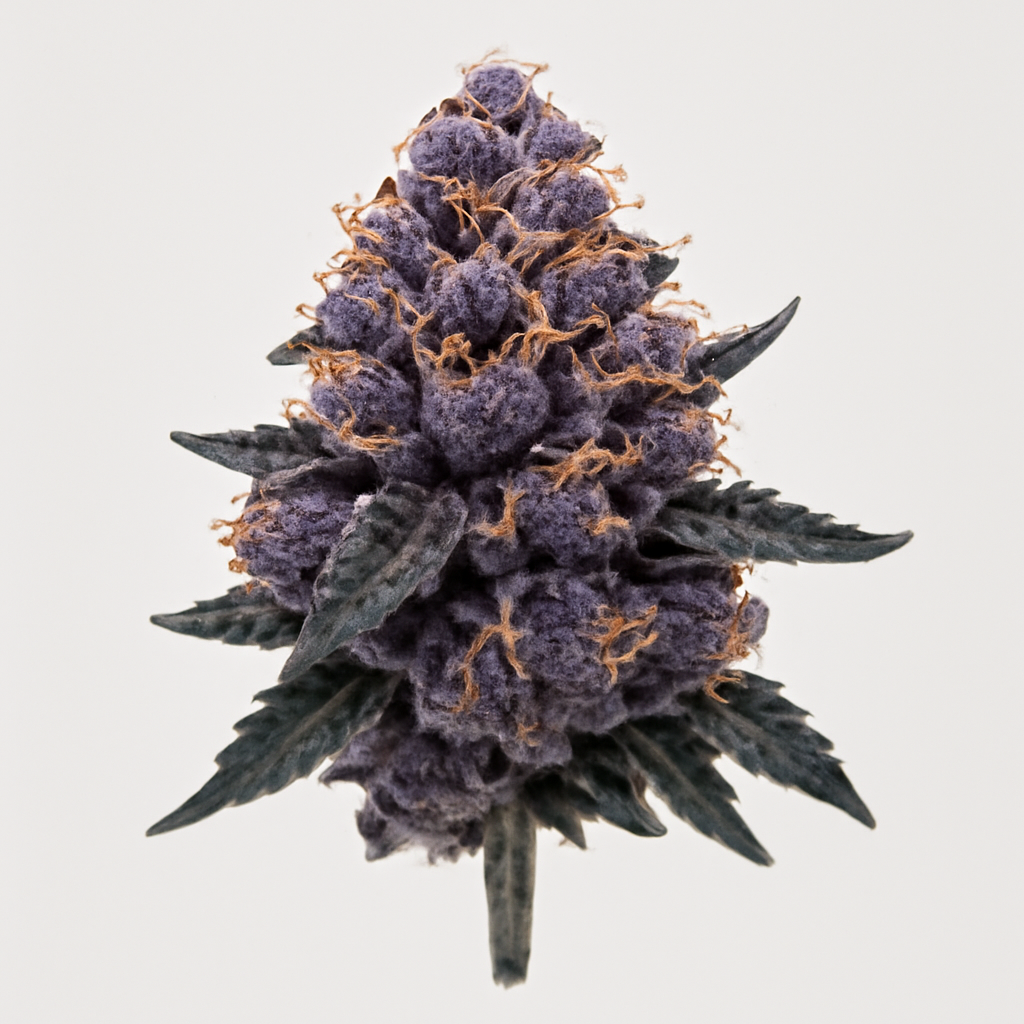
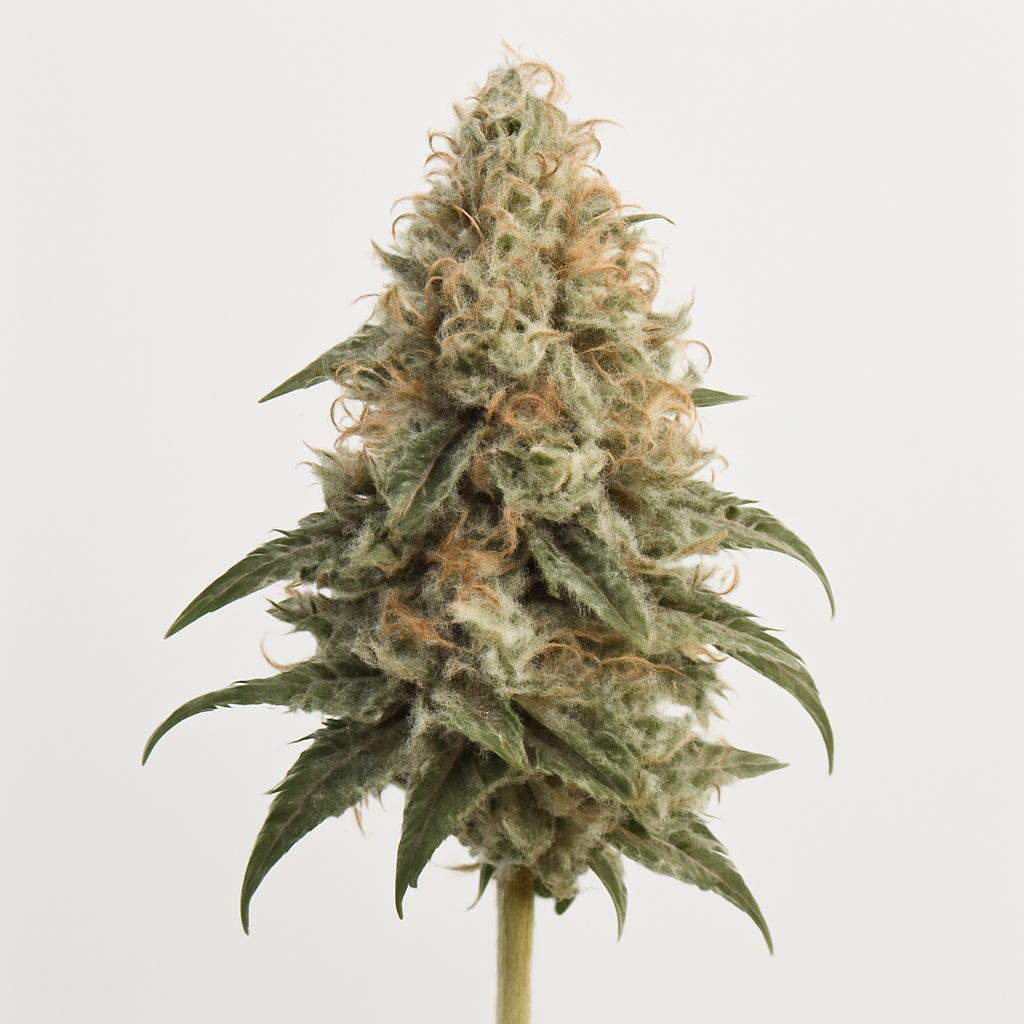
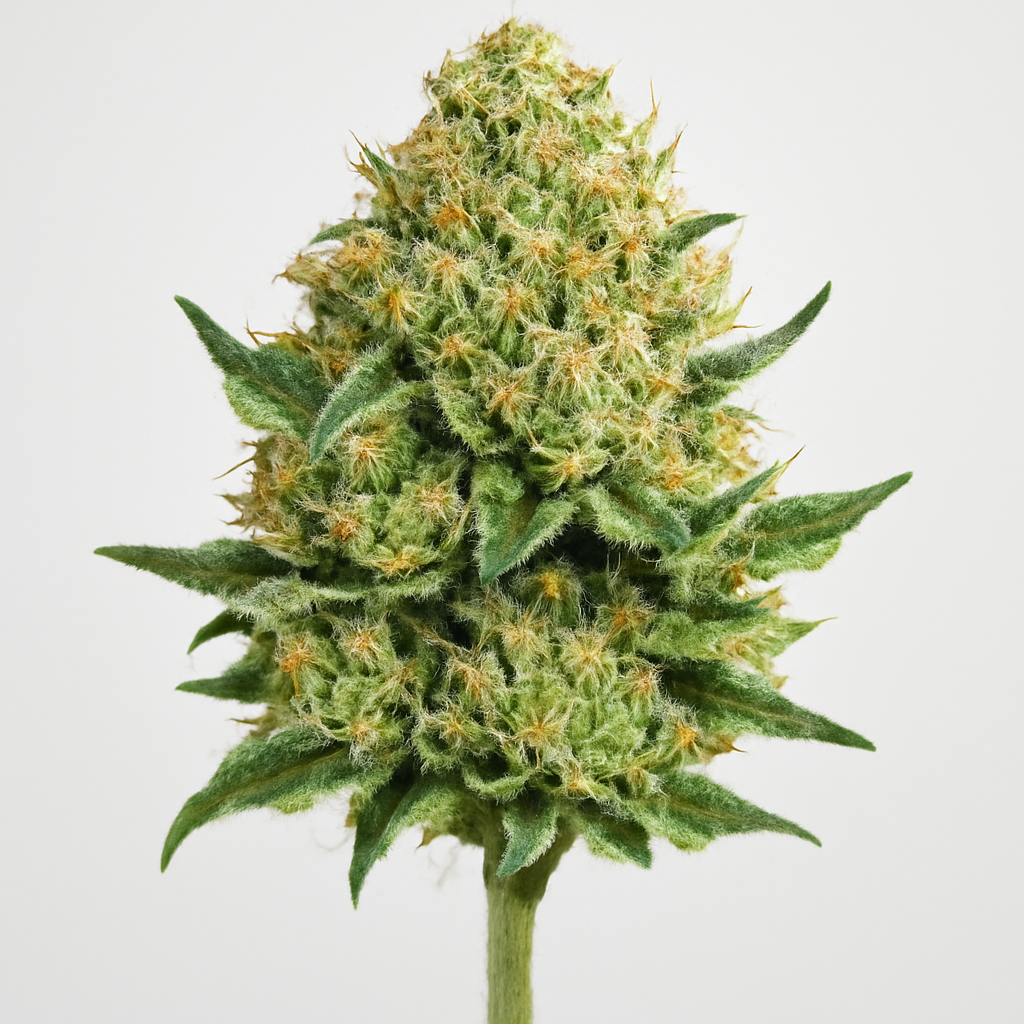
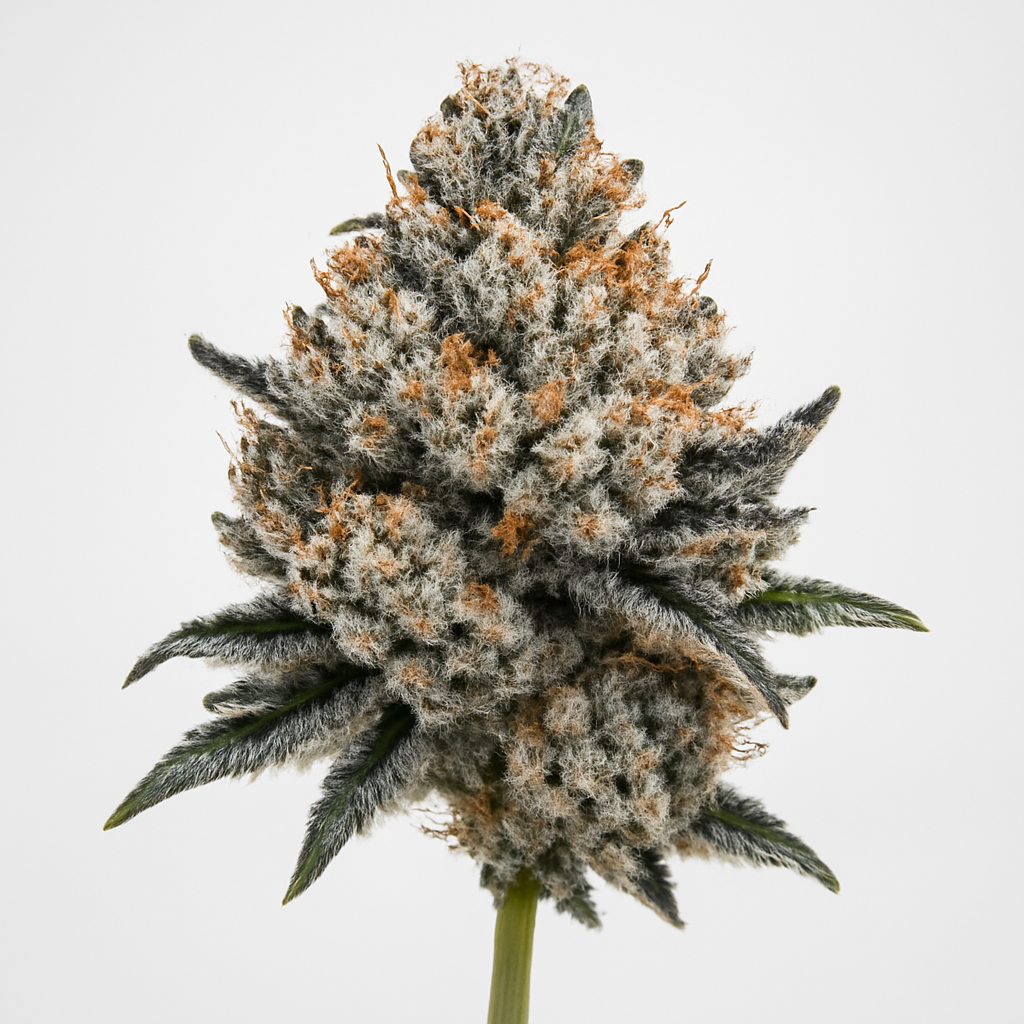
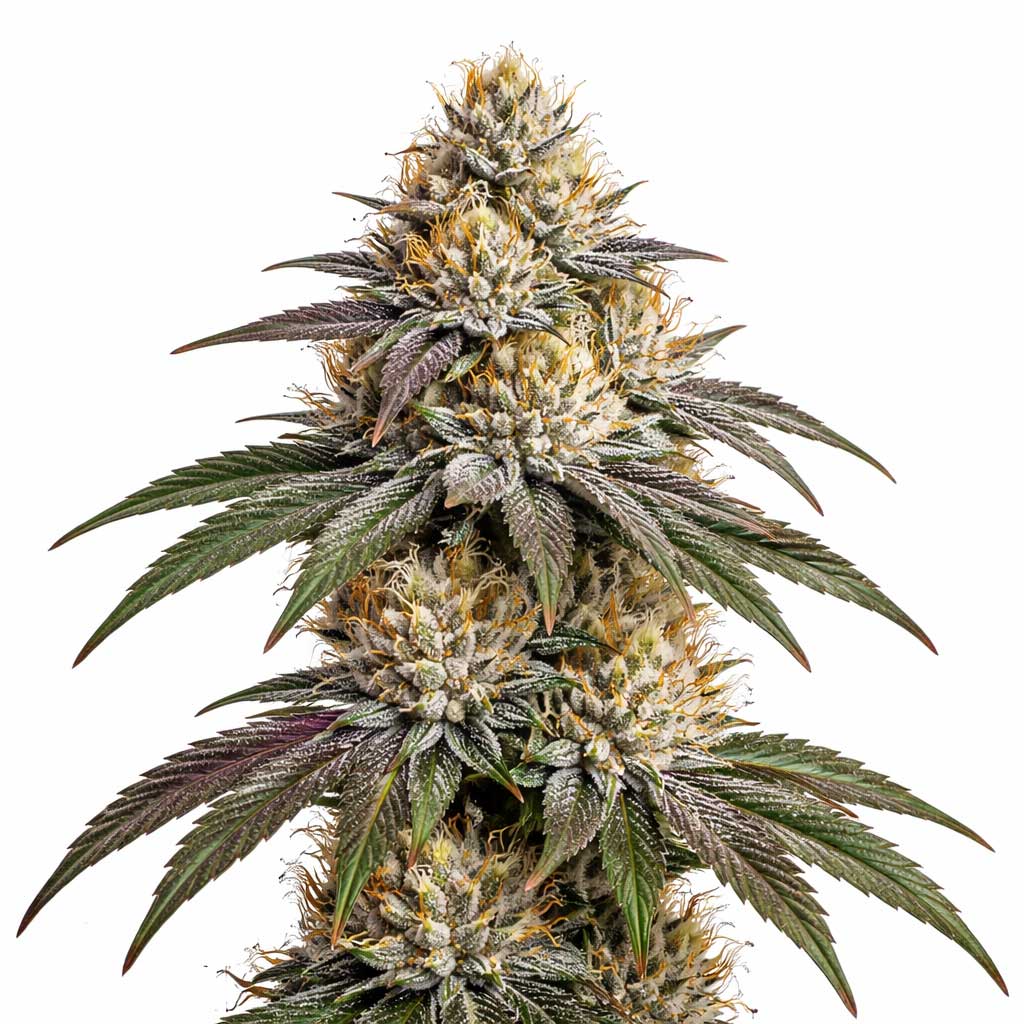
Headband flowers are generally dense to medium-dense, resin-coated, and light to medium green in coloration, often accented by orange pistils and a frosted trichome layer. Well-finished examples usually appear sticky and bright, with rounded-to-elongated bud structure and an oily-looking resin finish that reflects the cultivar’s strong hybrid lineage.
Effects & Use-Cases (Reported)
- Commonly reported effects: a clear cerebral onset, gradual mood lift, and a slow-building body relaxation.
- Use-case context: often selected for later daytime, evening, or lower-key social settings where balance is preferred over heavy sedation.
- Note: These observations are anecdotal and do not constitute medical or therapeutic claims.
Observational Note: Headband is especially known for the reported sensation of light pressure around the temples or forehead, which is the descriptive effect that inspired its name.
Potency Note: Depending on phenotype and cultivation quality, Headband can feel notably strong. A measured approach may be appropriate for lower-tolerance consumers.
Aroma & Flavor Profile
- Aroma: lemon peel, diesel, earth, cream, and subtle pine.
- Flavor: citrus-forward fuel with creamy OG depth and a mild herbal-earth finish.
- Terpene associations: frequently aligned with Limonene, Myrcene, and Caryophyllene, though exact laboratory results may vary across phenotypes and commercial samples.
Tested Cannabinoid & Terpene Ranges
| Compound | Typical Range* | Notes |
|---|---|---|
| Δ⁹-THC | ~18–26% | Potency can vary by phenotype, cultivation inputs, harvest timing, and laboratory methodology. |
| CBD | ~0.1–0.5% | Typically present in comparatively low concentrations. |
| Limonene | ~0.2–0.8% | Often associated with the cultivar’s lemon-forward top notes. |
| Myrcene | ~0.2–0.7% | May contribute earthy depth and broader aromatic weight. |
| Caryophyllene | ~0.1–0.6% | Can add peppery or spice-like structure beneath the citrus-diesel profile. |
*Ranges are literature-informed estimates and may differ depending on phenotype selection, cultivation practices, curing conditions, storage, and laboratory methodology.
Cultivation Notes
- Light Cycle: 18/6 during vegetative growth and 12/12 during flowering.
- Humidity Targets: ~50–60% in vegetative growth and 40–45% in flowering.
- Nutrition: Balanced feeding with bloom-stage support is commonly preferred to maintain flower density and resin production.
- Training Techniques: Topping, low-stress training, pruning, and canopy control may help manage stretch and improve light penetration.
- Odor Consideration: Strong lemon-diesel aroma usually makes carbon filtration advisable for indoor cultivation.
- Harvest Window: Typically around 9–10 weeks indoors, depending on phenotype and desired finish.
Grower Notes (Week-by-Week Snapshot)
- Weeks 1–3: Vegetative development builds branch structure and canopy shape; early training is often useful.
- Weeks 4–5: Transition stretch becomes more noticeable, with early flower sites forming and aroma beginning to intensify.
- Weeks 6–7: Bud density increases, resin production becomes more visible, and the lemon-fuel profile develops further.
- Weeks 8–10: Final ripening, terpene refinement, and trichome maturity guide harvest timing decisions.
Genetic Lineage
Headband is most commonly described as the offspring of OG Kush and Sour Diesel. That pairing helps explain the cultivar’s balanced hybrid positioning, combining the pungent diesel sharpness and cerebral influence of Sour Diesel with the dense resin production and kush-style depth associated with OG genetics.
Research Insights
The sensory profile linked to Headband—especially the overlap of citrus-forward compounds, fuel-like volatiles, and earthy supporting notes—is often discussed within broader terpene interaction models used to describe cultivar aroma and perceived character. As with many cannabis cultivars, research into terpene interaction remains incomplete and continues to evolve.
Frequently Asked Questions
What are the parent strains of Headband?
Headband is most commonly identified as a cross of OG Kush and Sour Diesel.
Is Headband indica or sativa?
Headband is generally described as a hybrid, though some references frame it as slightly indica-leaning.
Why is it called Headband?
The strain is named for the commonly reported sensation of light pressure around the forehead or temples.
What does Headband smell like?
Headband is widely described as having a lemony, diesel-forward aroma with earthy and creamy OG undertones.
Educational Disclaimer: This page is provided strictly for scientific and horticultural reference. Cannabis cultivation, possession, and use are regulated by local laws. This content does not promote illegal activity or constitute medical advice. Always comply with applicable regulations in your jurisdiction.
Rate and review this strain
Ratings and reviews are accepted only from signed-in Google accounts.
Sign in with Google to leave a rating and written review.
Latest Reviews
0 reviewsNo reviews yet. Be the first Google user to rate and review this strain.