Guava Mai Thai (Cannabis Strain) — Strainpedia
Guava Mai Thai is a sativa-dominant hybrid cannabis strain recognized for its tropical fruit-forward terpene profile, vibrant boutique-style flower, and uplifting hybrid character. Generally attributed to Cannarado Genetics, it is a cross between Guava and Mai Thai, combining creamy exotic fruit notes, floral sharpness, and strong resin expression in a cultivar that stands out in the modern flavor-driven market.
Among growers, connoisseurs, and strain researchers, Guava Mai Thai is often valued for its ability to combine high terpene appeal, strong visual bag appeal, and a cleaner daytime-leaning effect profile. It aligns strongly with search intent around tropical weed strains, fruit-flavored sativa hybrids, purple boutique cannabis, and high-terpene exotic flower. As with many modern cultivars, expression may vary by phenotype, environment, harvest timing, and curing quality. The information below is provided strictly for scientific and horticultural reference.
Quick Facts
| Genetics | Guava x Mai Thai (Sunset Sherbert x Purple Punch) |
|---|---|
| Original Breeder | Cannarado Genetics |
| Variety | Sativa-Dominant Hybrid |
| Flowering Time | Approximately 8–10 weeks indoors |
| Yield Potential | Moderate to High, depending on canopy training and environment |
| Plant Height | Medium to Tall with vigorous stretch during transition |
| Climate Preference | Warm, bright conditions with stable airflow and controlled humidity |
| Difficulty | Intermediate |
Strain Classification
| Type | Sativa-Dominant Hybrid |
|---|---|
| Genetic Family | Guava / Sherbert / Fruit Lineage |
| Primary Terpenes | Commonly associated with Limonene, Myrcene, and Linalool* |
| Original Breeder | Cannarado Genetics |
| Breeding Lineage | Guava x Mai Thai |
*Exact terpene dominance may vary by phenotype, harvest timing, and cultivation method.
Scientific & Botanical Overview
Guava Mai Thai reflects a modern terpene-forward breeding direction that prioritizes tropical aromatic expression alongside resin output and visual quality. The Guava side is often linked to creamy exotic fruit depth and dessert-style smoothness, while the Mai Thai side contributes floral lift, vibrant coloration, and an active hybrid structure characteristic of Cannarado’s fruit-forward selections.
Botanically, plants typically display a vigorous sativa-leaning growth pattern during vegetative and transition phases, followed by dense yet slightly elongated flower formation. Many phenotypes produce a favorable calyx-to-leaf ratio, heavy trichome coverage, and a sticky resin finish, making the cultivar highly attractive for premium flower and concentrate production.
Appearance
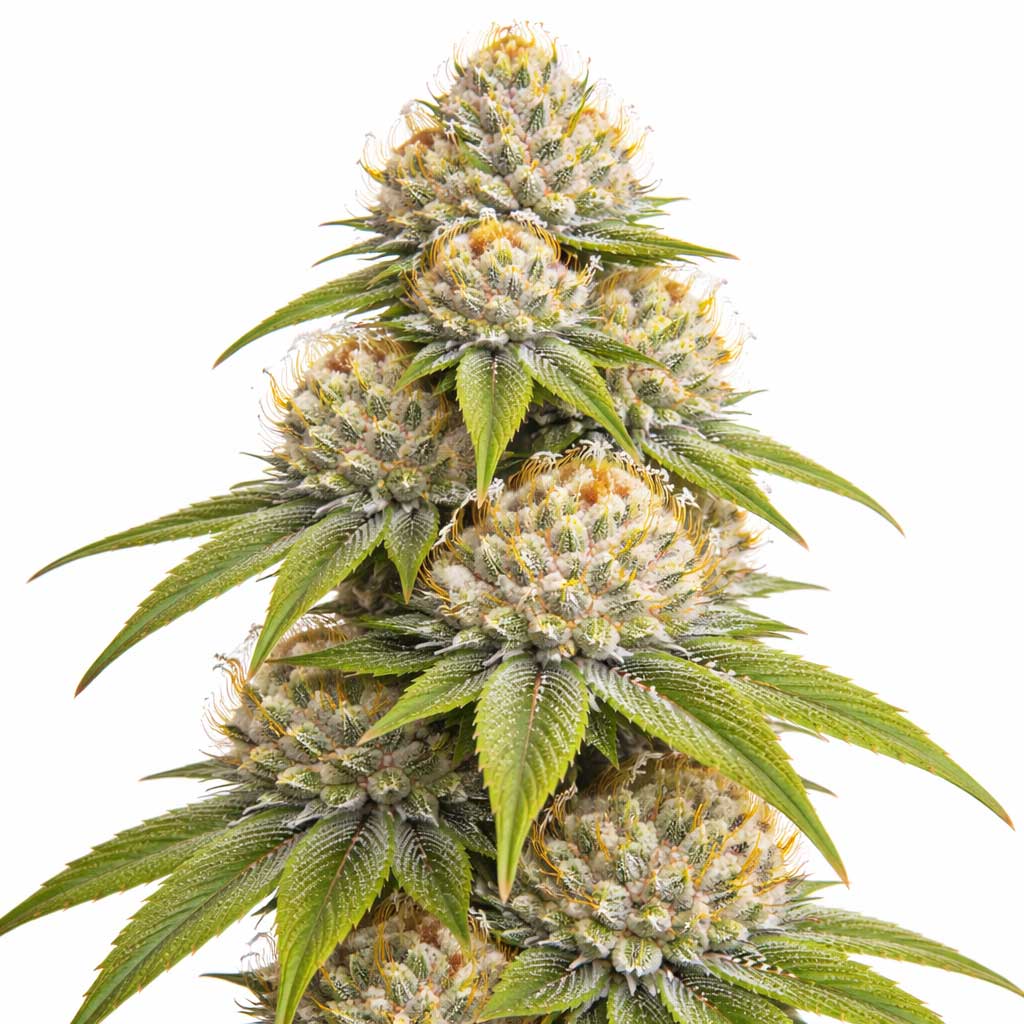
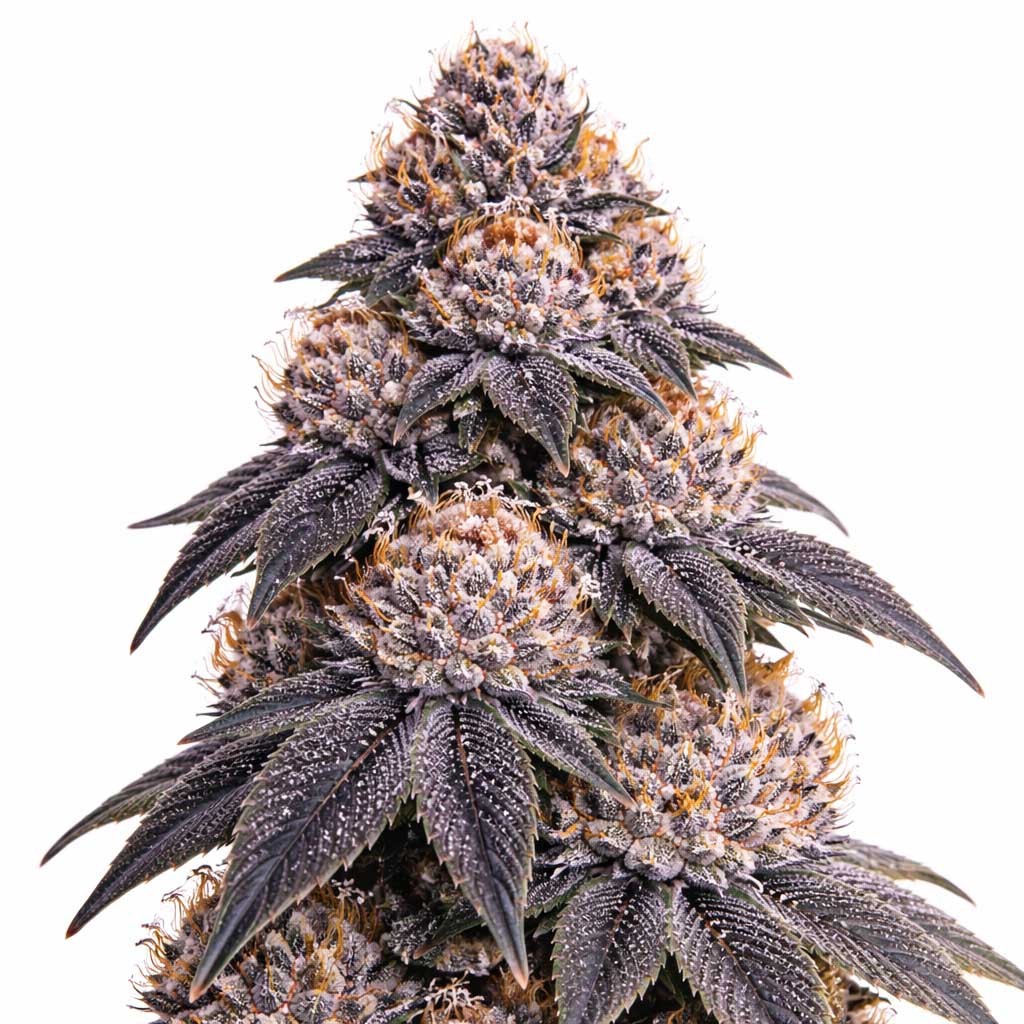
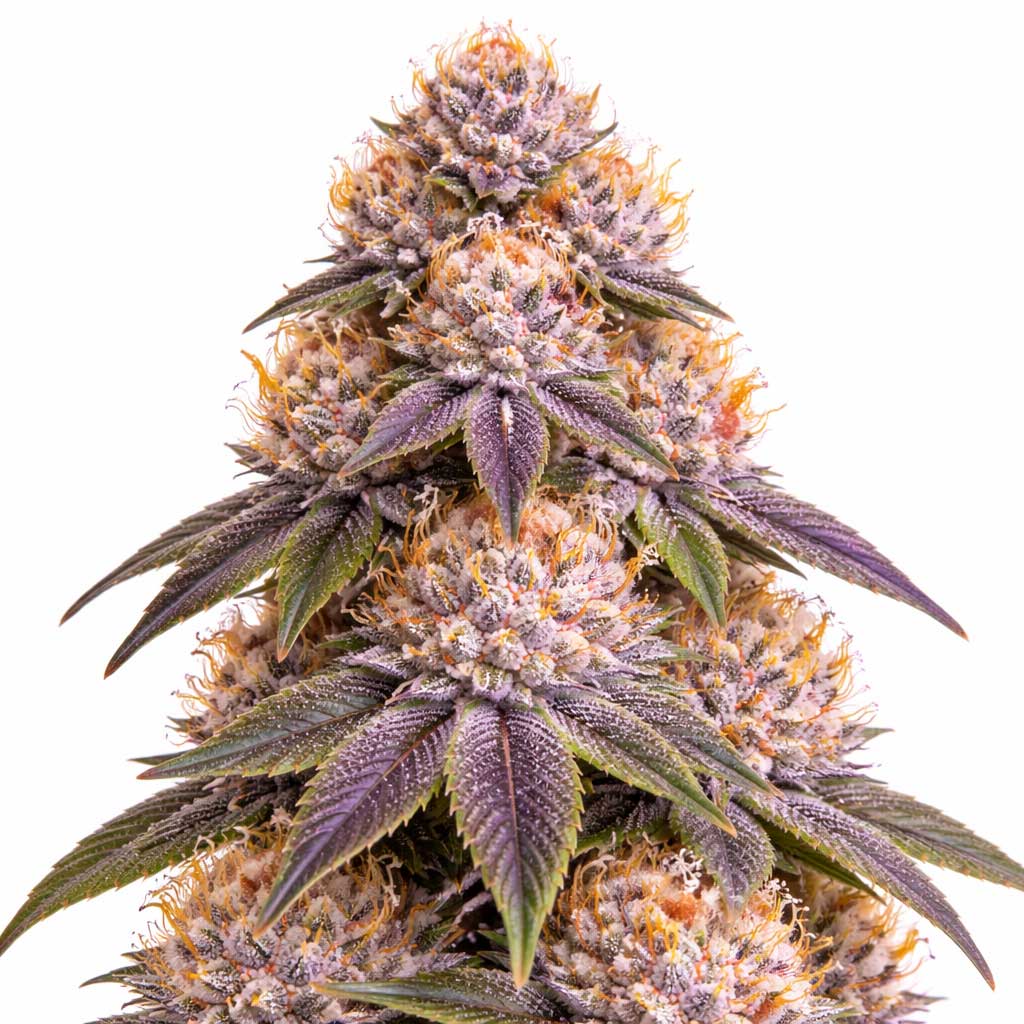
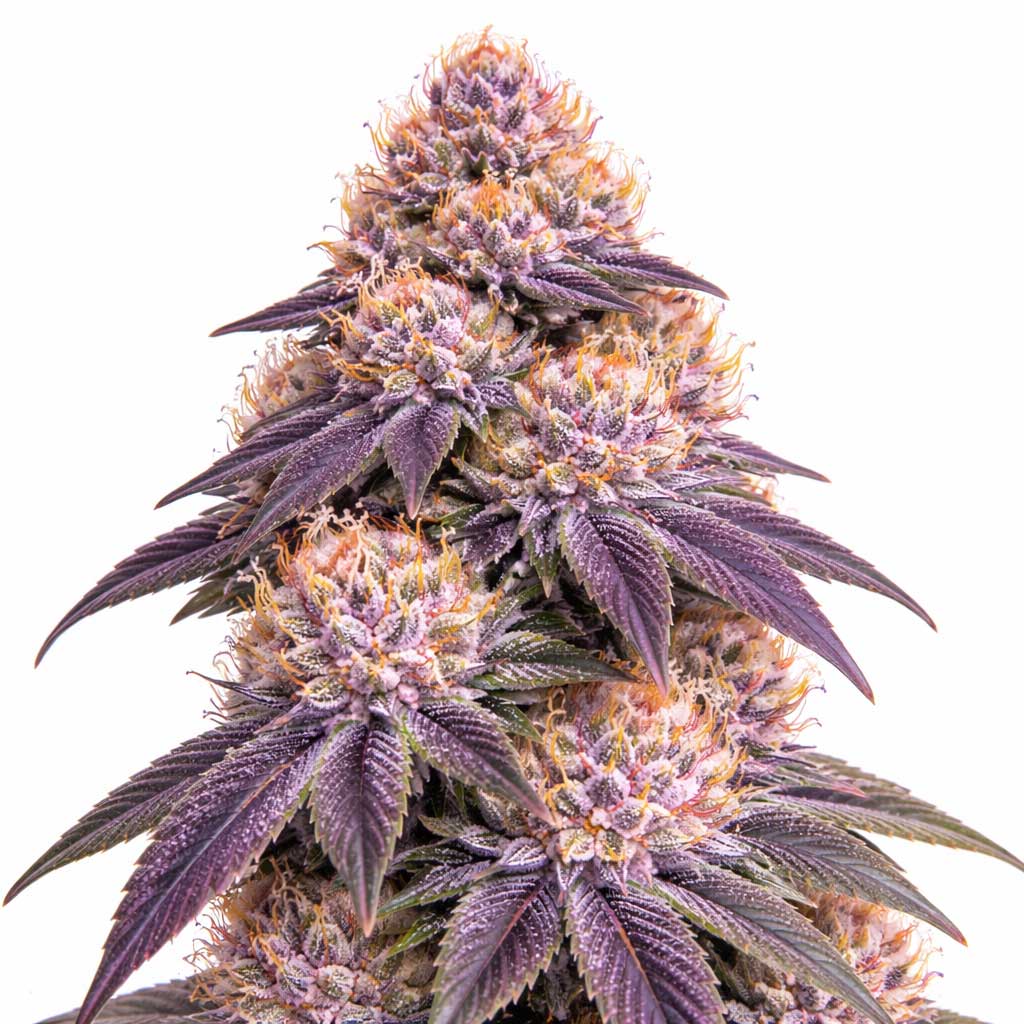
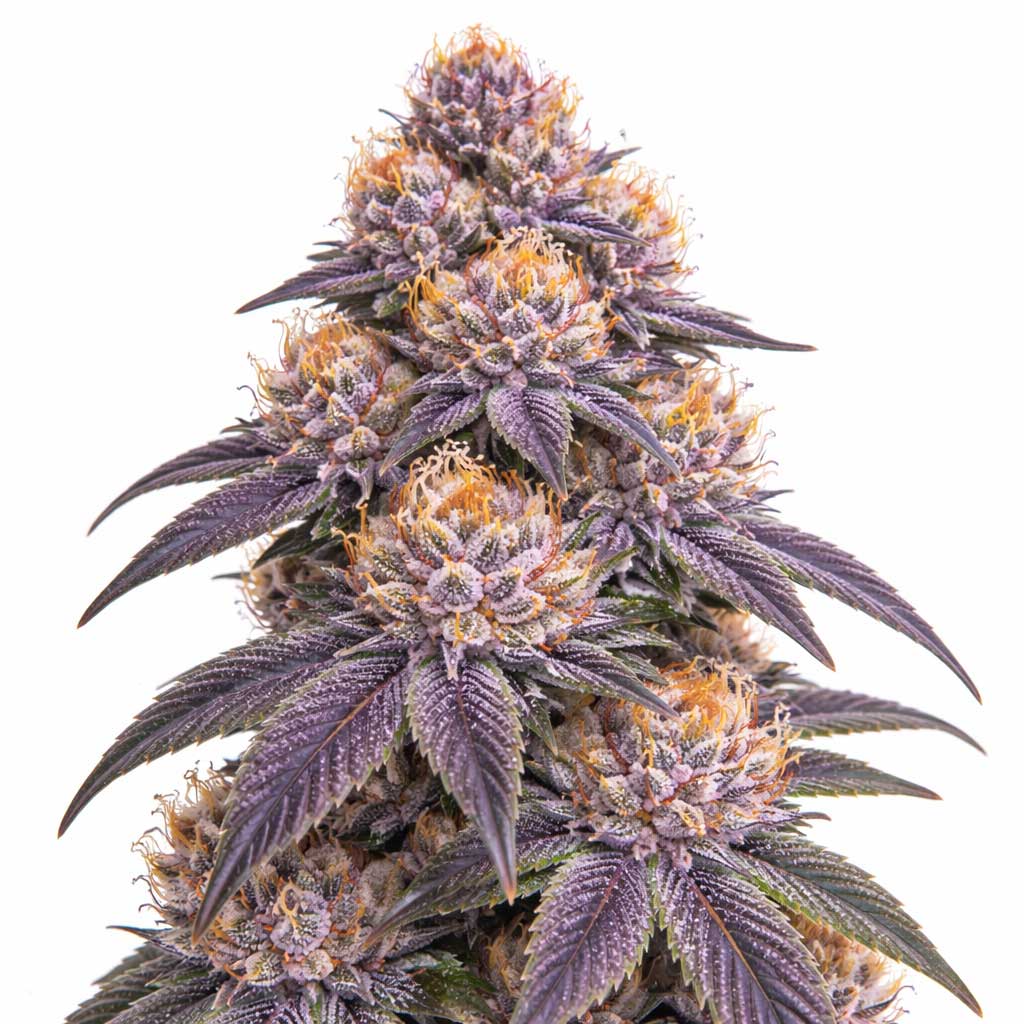
Guava Mai Thai buds are visually striking, often showing bright green cores with deep purple, magenta, or pink-toned accents beneath a thick layer of silver-white trichomes. Orange pistils weave through the flower surface, creating a high-contrast, tropical-inspired appearance that contributes to strong boutique-level bag appeal.
The overall presentation is frequently described as vibrant and exotic, with a polished finish that blends color, resin density, and modern hybrid structure.
Effects & Use-Cases (Reported)
- Commonly reported effects: mood elevation, energetic focus, social ease, and a bright cerebral lift.
- Use-case context: often selected for daytime sessions, creative work, social settings, and active routines.
- Body character: generally light, functional, and minimally sedating compared to indica-dominant cultivars.
- Note: These observations are anecdotal and do not constitute medical claims.
Observational Note: Guava Mai Thai is frequently described as delivering a clean and productive headspace, making it appealing for users seeking both flavor and functionality.
Potency Note: Many selections are considered moderately strong to potent. Terpene-rich batches may enhance perceived intensity, so a measured approach is recommended for lower-tolerance users.
Aroma & Flavor Profile
- Aroma: ripe guava, tropical punch, sweet cream, floral citrus, and soft herbal sharpness.
- Flavor: syrupy tropical fruit on the inhale followed by creamy sweetness, light earth, and subtle floral or minty undertones.
- Aftertaste: lingering fruit-candy sweetness with bright tropical notes.
- Terpene associations: commonly aligned with Limonene, Myrcene, and Linalool.
Guava Mai Thai strongly aligns with search intent around tropical cannabis strains, guava weed strain, fruit-flavored sativa hybrids, purple exotic weed, and daytime hybrid strains.
Tested Cannabinoid & Terpene Ranges
| Compound | Typical Range* | Notes |
|---|---|---|
| Δ⁹-THC | ~22–27% | Potency varies by phenotype and cultivation method. |
| CBD | <0.2% | Typically minimal. |
| Limonene | ~0.5–1.1% | Supports citrus brightness and mood elevation. |
| Myrcene | ~0.4–0.8% | Contributes to tropical fruit depth. |
| Linalool | ~0.2–0.4% | Adds floral softness and smooth finish. |
*Ranges are estimates and may vary by phenotype, harvest timing, curing quality, and lab methodology.
Cultivation Notes
- Light Cycle: 18/6 vegetative, 12/12 flowering.
- Humidity: ~50–55% early bloom, reduced to ~40% in late flower.
- Stretch: Moderate to High; canopy expansion should be managed early.
- Training: Topping, SCROG, and canopy control are recommended.
- Odor Control: Recommended due to strong tropical aroma.
- Harvest Window: Typically 8–10 weeks indoors.
Because Guava Mai Thai produces resin-rich flowers with active growth patterns, growers benefit from stable environmental control, structured canopy management, and strong airflow during late bloom.
Grower Notes (Week-by-Week Snapshot)
- Weeks 1–3: Rapid vegetative growth with strong vertical and lateral development.
- Weeks 4–5: Transition stretch intensifies; early flower sites begin stacking.
- Weeks 6–8: Resin production increases as tropical aroma becomes more pronounced.
- Weeks 9–10: Final ripening, calyx swelling, and full terpene expression.
Genetic Lineage
Guava Mai Thai is a cross between Guava and Mai Thai, generally attributed to Cannarado Genetics. This lineage helps explain the cultivar’s blend of tropical fruit expression, colorful flower development, resin density, and uplifting hybrid effects.
Research Insights
Guava Mai Thai reflects the continued evolution of cannabis breeding toward terpene-rich, visually distinctive cultivars that perform across multiple consumer priorities. Rather than focusing solely on THC content, strains like this emphasize flavor identity, resin production, visual appeal, and functional hybrid effects.
It also demonstrates how modern cannabis search behavior spans multiple intent categories, including THC levels, sativa vs indica classification, effects, terpenes, flavor profile, appearance, and flowering time. Guava Mai Thai performs strongly across all of these dimensions.
Frequently Asked Questions
Who bred Guava Mai Thai?
Guava Mai Thai is generally attributed to Cannarado Genetics.
Is Guava Mai Thai indica or sativa?
It is generally classified as a sativa-dominant hybrid.
What does Guava Mai Thai smell like?
It is commonly described as having a tropical guava aroma with sweet cream, floral citrus, and herbal sharpness.
Is Guava Mai Thai good for daytime use?
Many users choose it for daytime or afternoon sessions due to its uplifting and functional effects.
What kind of flavor does Guava Mai Thai have?
It typically features a sweet tropical fruit flavor with creamy and floral undertones.
How long does Guava Mai Thai take to flower?
It usually flowers in about 8–10 weeks indoors.
Educational Disclaimer: This page is provided strictly for scientific and horticultural reference. Cannabis cultivation, possession, and use are regulated by local laws. This content does not promote illegal activity or constitute medical advice. Always comply with applicable regulations in your jurisdiction.
Rate and review this strain
Ratings and reviews are accepted only from signed-in Google accounts.
Sign in with Google to leave a rating and written review.
Latest Reviews
0 reviewsNo reviews yet. Be the first Google user to rate and review this strain.