GSC (Cannabis Strain) — Strainpedia
GSC sits at the center of modern dessert-style cannabis because it paired a sweet, doughy flavor with the dense, resin-coated structure that breeders and dispensary buyers quickly learned to expect from elite hybrid flower. Its Durban Poison x OG Kush heritage is widely cited, and the strain’s signature profile is built around mint, earth, and gas layered over a distinctly baked-cookie aroma.
What separates GSC from many other hybrid classics is the way its sensory profile and morphology align: compact buds, heavy trichome coverage, and a flavor that can shift from sugary on the nose to peppery and fuel-forward on the finish. In cultivation, it usually behaves like a controlled hybrid rather than a wild stretcher, which helped establish its reputation in indoor rooms and in the broader West Coast breeding scene.
Quick Facts
| Genetics | Durban Poison x OG Kush |
|---|---|
| Original Breeder | Cookies Fam (popularized from the Bay Area cut; original breeder documentation is not fully settled) |
| Variety | Balanced Hybrid |
| Flowering Time | Approximately 8–9 weeks indoors |
| Yield Potential | Moderate to above average under stable indoor conditions |
| Plant Height | Medium height with modest stretch |
| Climate Preference | Warm, dry, well-ventilated environments with controlled humidity |
| Difficulty | Moderate |
Strain Classification
| Type | Balanced Hybrid |
|---|---|
| Genetic Family | Durban Poison lineage blended with OG Kush-derived dessert and gas traits |
| Primary Terpenes | Caryophyllene, limonene, myrcene* |
| Original Breeder | Cookies Fam (popularized from the Bay Area cut; original breeder documentation is not fully settled) |
| Breeding Lineage | Durban Poison x OG Kush, with the modern GSC phenotype selected for flavor, resin production, and compact flower structure |
*Exact terpene dominance may vary by phenotype and cultivation method.
Scientific & Botanical Overview
Botanically, GSC is a hybrid cultivar selected for a terpene-rich profile and a resin-heavy floral architecture rather than sheer plant size. The flowers tend to stack tightly along the branches, and the plant often expresses strong apical dominance early in bloom before settling into a squat, manageable frame. That combination makes it useful as a reference point for understanding how dessert-forward hybrids were stabilized for commercial flower production.
From a breeding perspective, GSC matters because it helped codify the modern cookie lineage: sweet top notes, earthy fuel underneath, and a finish that feels more polished than rugged. Its hybrid balance is not about equal parts sativa and indica in a simplistic sense; instead, it reflects the interplay of a brighter, more upright Durban side with the denser, resin-soaked OG side that shaped the flower’s market identity.
Appearance
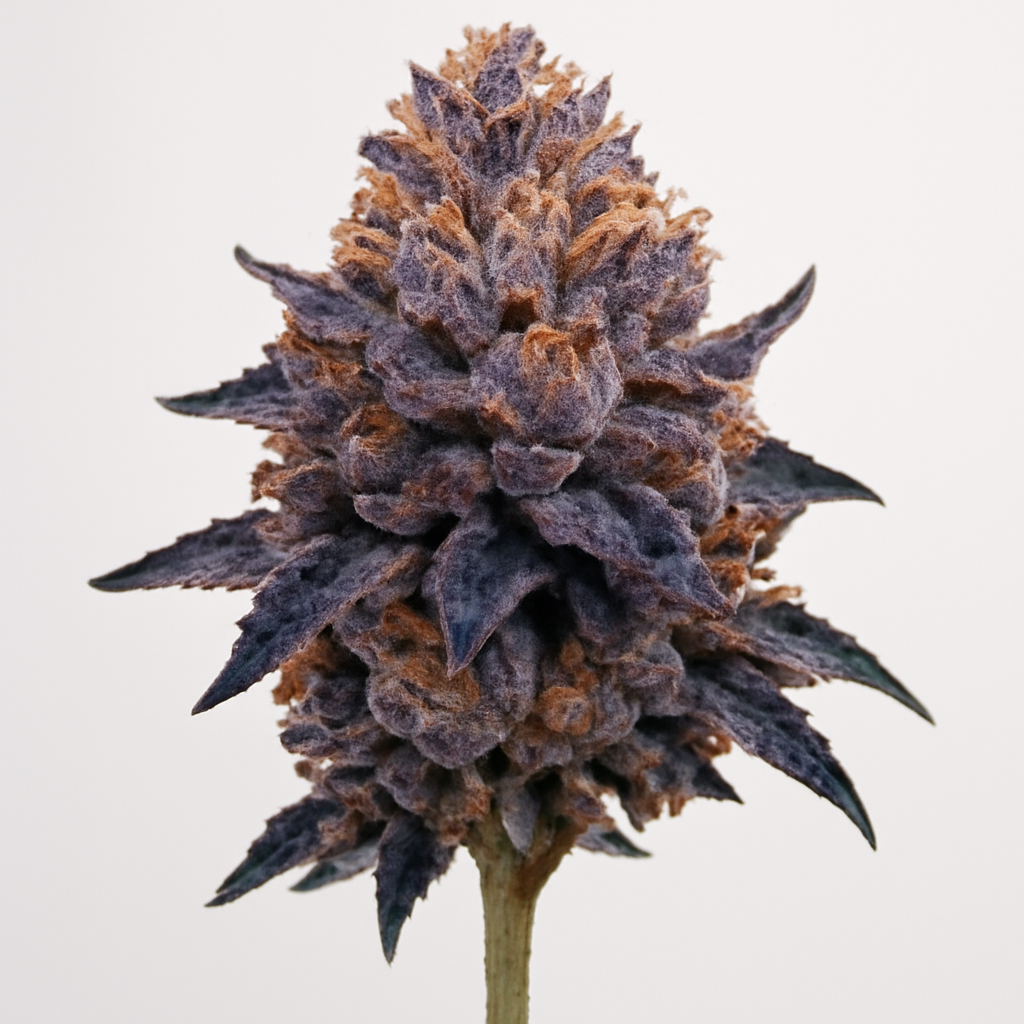
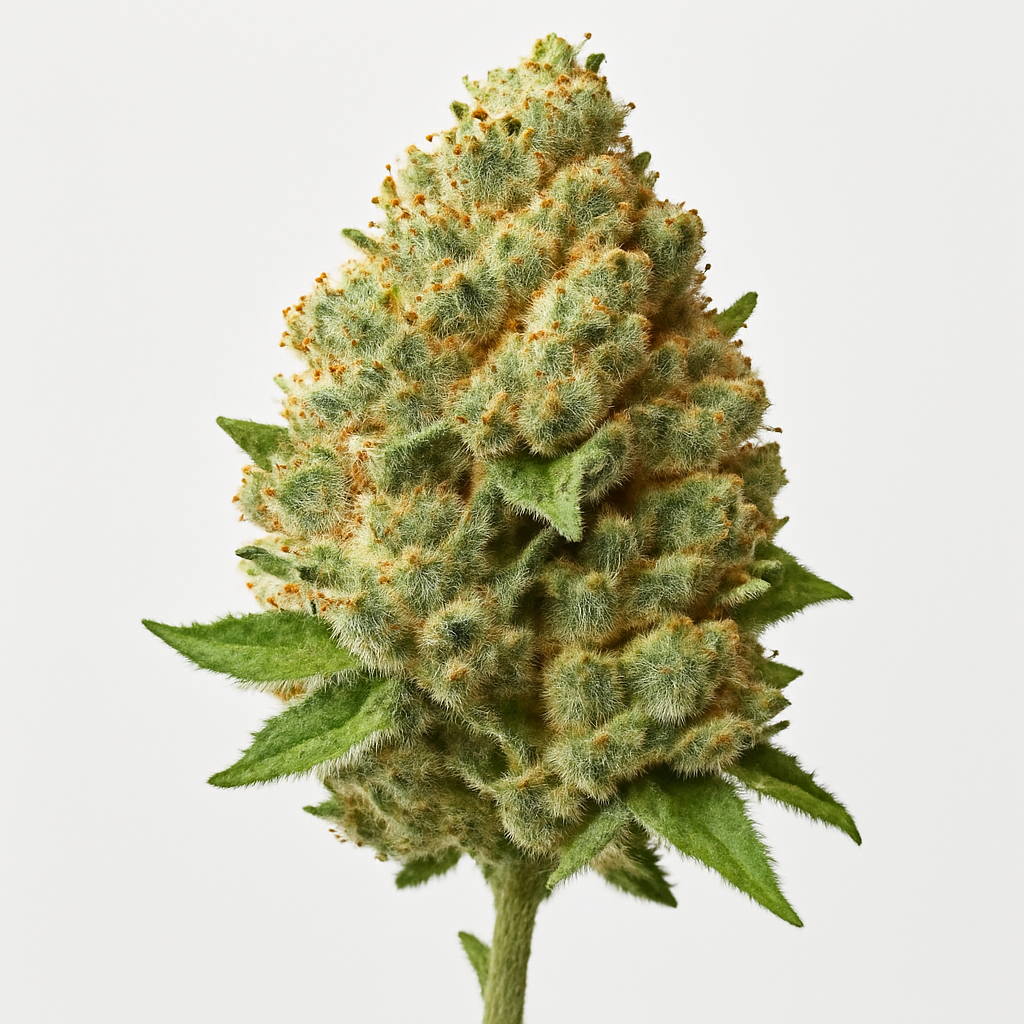
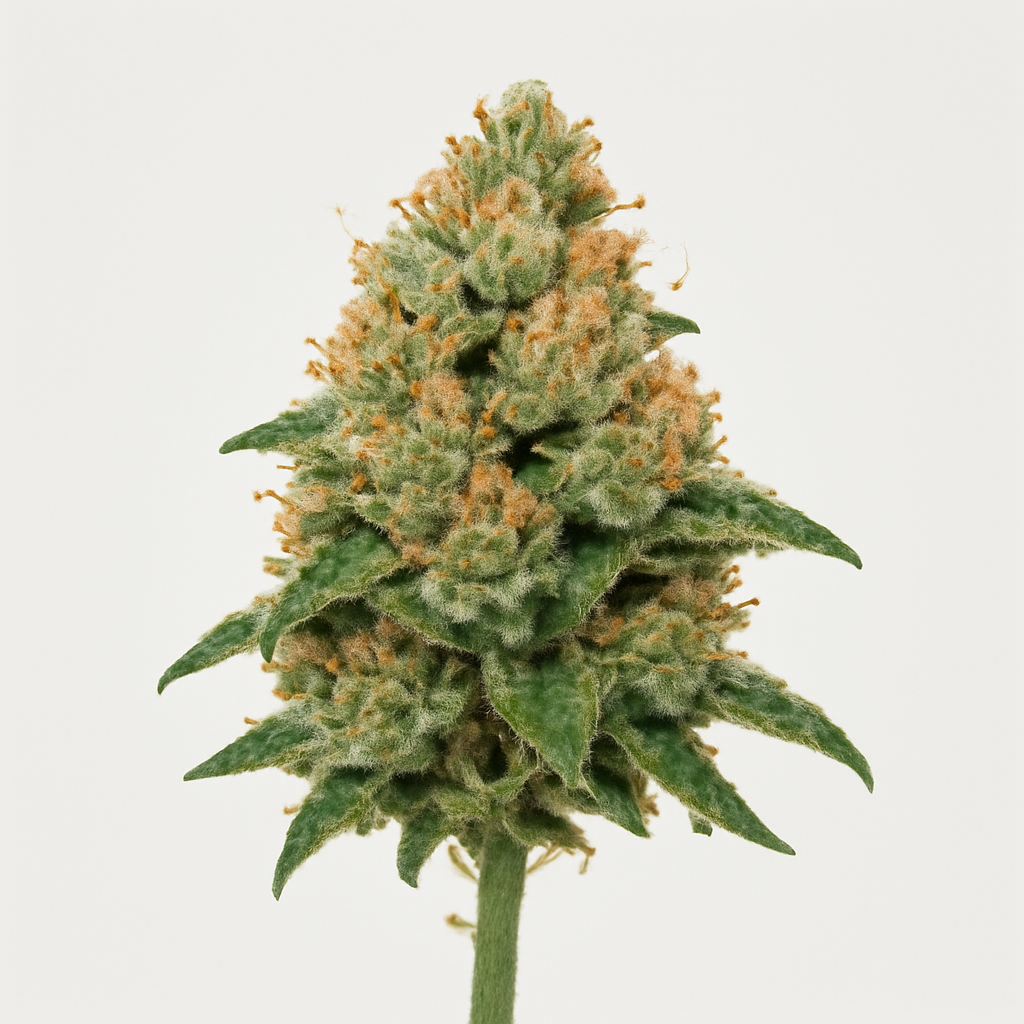
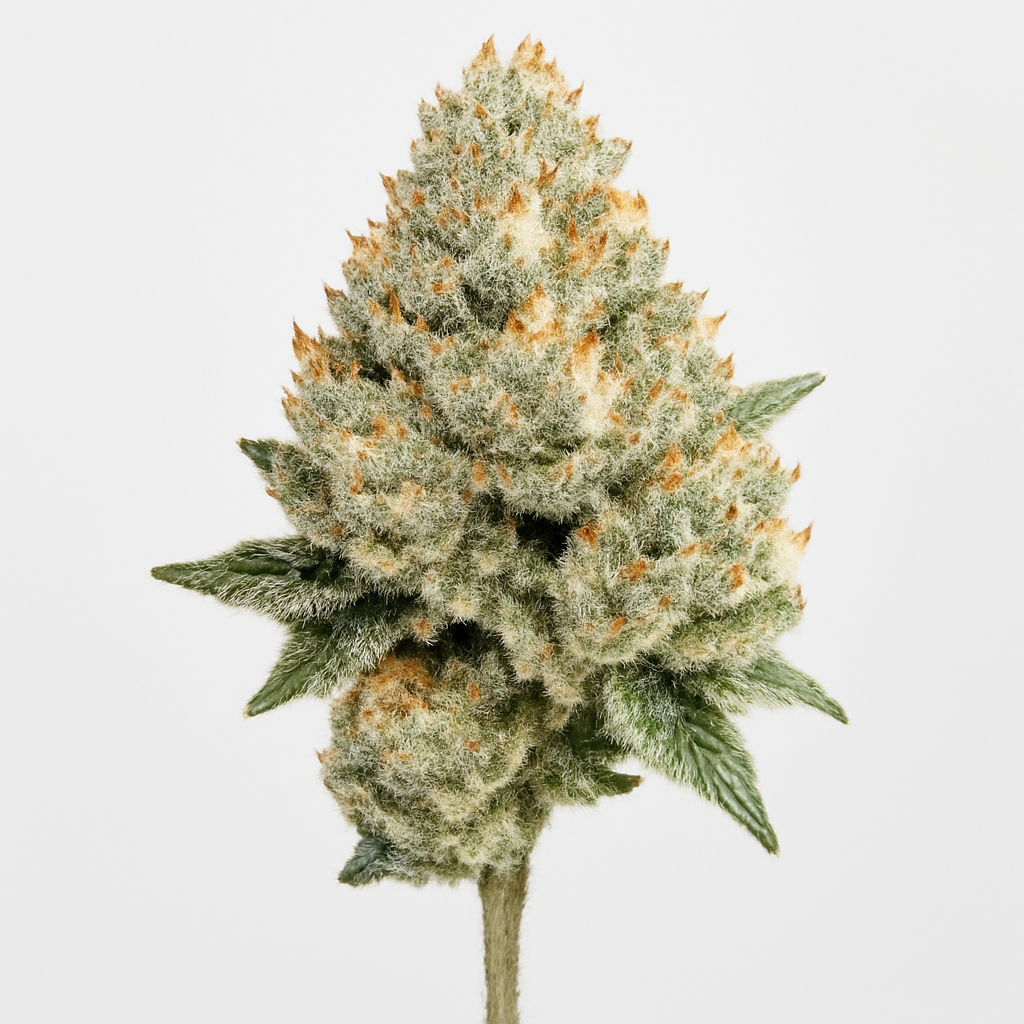
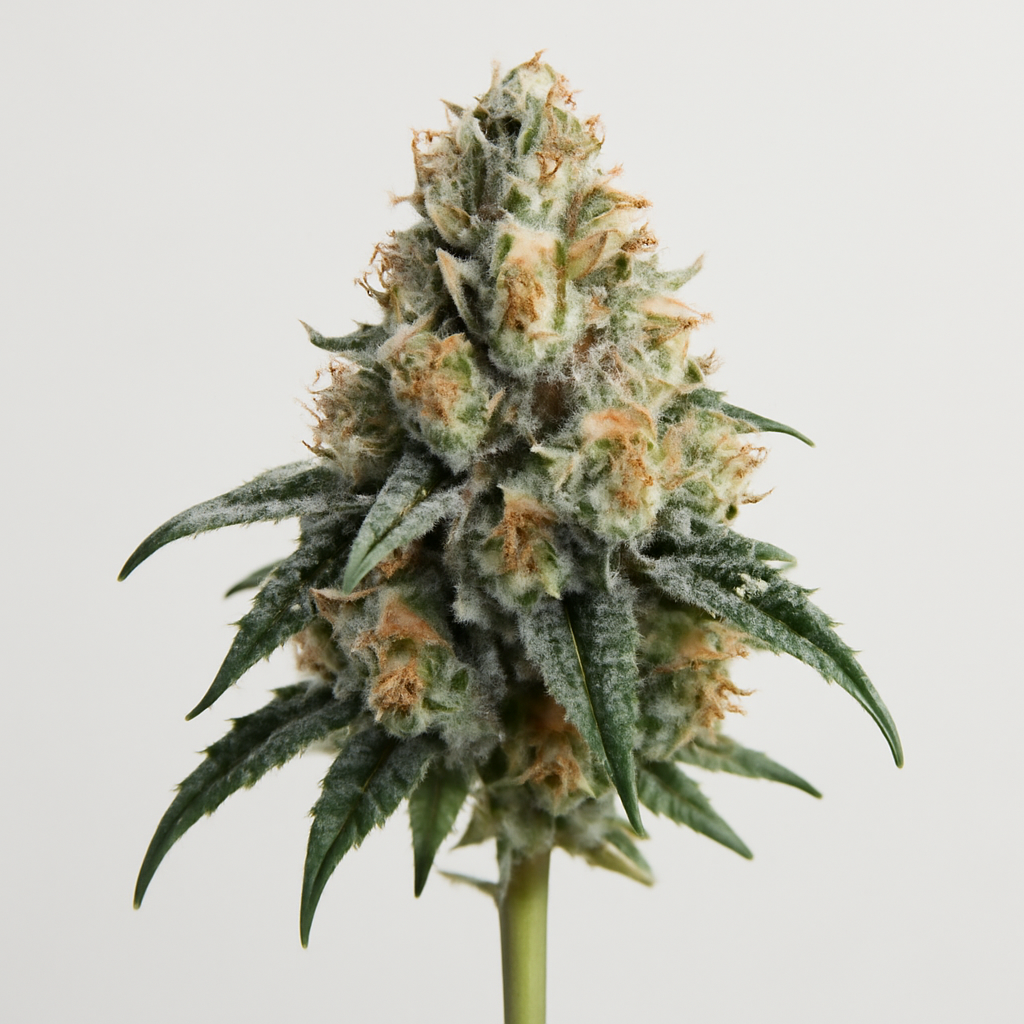
GSC flowers are usually compact and noticeably frosted, with trichomes that can obscure the underlying calyx structure once the plant matures. The buds often present as dark forest green with occasional purple shading, especially when grown in cooler finishing conditions. Orange pistils are common, though they may sit partially buried beneath the resin layer rather than standing out sharply from the surface.
Phenotype variation is visible in both color and structure. Some expressions lean toward tighter, rounder buds with a heavier OG look, while others show a slightly airier Durban-influenced frame and more pronounced leaf contrast. Even when the coloration stays subtle, the resin coverage usually gives the flower a bright, almost sugar-dusted finish that reads immediately as premium indoor material.
Effects & Use-Cases (Reported)
- Commonly reported effects: euphoric onset, a lifted headspace, gradual physical relaxation, and a heavier finish at higher doses
- Use-case context: often chosen for late-afternoon or evening sessions when users want flavor-forward flower with a noticeable but not overly sharp transition from mental lift to body calm
- Body character: typically described as smooth and grounding, with tension easing that can become sedating if the dose is pushed
- Note: These observations are anecdotal and do not constitute medical claims.
Observational Note: GSC rarely reads as one-dimensional. The initial impression can feel bright and upbeat, but the finish usually settles lower into the body, especially in richer phenotypes that lean harder toward OG Kush traits.
Potency Note: Well-grown samples often test in a range that feels potent without being extreme on paper, and the resin profile can make the effect seem fuller than the numbers alone suggest. Newer consumers may find the experience stronger than expected because of the strain’s flavor intensity and long finish.
Aroma & Flavor Profile
- Aroma: sweet dough, earthy spice, mint, gas, baked cookie notes
- Flavor: sweet pastry, herbal earth, pepper, light diesel, minty finish
- Aftertaste: lingering cookie sweetness with a dry, peppered fuel note
- Terpene associations: commonly aligned with caryophyllene, limonene, and myrcene.
For readers searching GSC strain flavor, aroma, or cookie weed profile details, the cultivar is best understood as a sweet-and-savory hybrid with a minty, earthy core and a gas-tinged exhale. The scent can open like fresh pastry dough, then move into spice and fuel as the flower is broken apart.
Tested Cannabinoid & Terpene Ranges
| Compound | Typical Range* | Notes |
|---|---|---|
| Δ⁹-THC | ~17–25% | Often tested as a potent flower with strong resin expression. |
| CBD | <0.5% | Usually minimal and not a defining feature of the cultivar. |
| Caryophyllene | ~0.20–0.60% | Frequently linked to the peppery, warm spice note. |
| Limonene | ~0.15–0.45% | Helps shape the brighter sweet and citrus-like lift in aroma. |
| Myrcene | ~0.10–0.40% | Supports the earthy, grounded body of the profile. |
*Ranges are estimates and may vary by phenotype, harvest timing, and testing methods.
Cultivation Notes
- Light Cycle: 18/6 vegetative, then 12/12 for flowering indoors
- Humidity: Moderate during veg; lower to around 40–50% in late flower
- Stretch: Moderate stretch after the flip, usually manageable with early training
- Training: Responds well to topping, low-stress training, and a flattened canopy
- Odor Control: Strong aroma develops in mid to late bloom, so filtration is recommended
- Harvest Window: Approximately 8–9 weeks indoors
GSC rewards steady environmental control more than aggressive intervention. The cultivar can produce dense tops that benefit from airflow and careful defoliation, especially in humid regions. Because the buds become sticky and compact, late-flower moisture management is important if the goal is to preserve both visual quality and aroma clarity.
Grower Notes (Week-by-Week Snapshot)
- Weeks 1–3: Rooted plants establish a controlled frame, with moderate vertical growth and manageable internode spacing.
- Weeks 4–5: Stretch slows, pistils begin stacking, and the canopy develops the dense, hybrid structure that GSC is known for.
- Weeks 6–8: Resin production intensifies, aromas sharpen into cookie-dough and fuel territory, and lower airflow becomes more important.
- Weeks 9–10: Final ripening focuses on trichome maturity and aroma polish; harvest timing can shift slightly depending on phenotype and grow style.
Genetic Lineage
GSC is most consistently traced to Durban Poison crossed with OG Kush, a pairing that explains much of its structure and sensory identity. Durban Poison is often associated with a more upright growth habit, sharper spice, and a brighter top-end effect, while OG Kush contributes density, fuel, and a heavier resin profile. In GSC, those traits combine into a hybrid that feels polished, aromatic, and highly influential.
Research Insights
GSC remains important because it is one of the reference points for the cookie family that reshaped cannabis naming, flavor expectations, and breeder selection priorities over the last decade. In the modern market, the strain still matters as a benchmark for dessert-gas hybridization: compact buds, layered terpene expression, and a profile that can anchor both flower menus and breeding projects. It also continues to appear in search behavior because consumers often want a direct comparison between the classic GSC cut and newer cookie-derived selections.
Frequently Asked Questions
What does GSC stand for?
GSC is commonly understood to refer to Girl Scout Cookies, though the name is often shortened in catalogs and menus.
Is GSC indica or sativa?
It is generally classified as a balanced hybrid, though individual phenotypes can lean slightly more toward one side in structure or effect.
What does GSC taste like?
It usually presents sweet pastry, earthy spice, mint, and a subtle gas note on the finish.
How long does GSC take to flower?
Indoors, the flowering window is commonly around 8–9 weeks, depending on the specific phenotype and grow conditions.
Why is GSC so influential?
It helped define the cookie lineage and set a template for dessert-forward hybrids that pair strong flavor with dense, resinous flower.
Educational Disclaimer: This page is provided strictly for scientific and horticultural reference. Cannabis cultivation, possession, and use are regulated by local laws. This content does not promote illegal activity or constitute medical advice. Always comply with applicable regulations in your jurisdiction.
Rate and review this strain
Ratings and reviews are accepted only from signed-in Google accounts.
Sign in with Google to leave a rating and written review.
Latest Reviews
0 reviewsNo reviews yet. Be the first Google user to rate and review this strain.