Grape Noir #8 (Cannabis Strain) — Strainpedia
Grape Noir #8 is a premium Indica-Dominant Hybrid reserve cultivar pheno-hunted exclusively for the Verano Reserve 2026 Collection. Built on the emerging “New Age Skunk” movement of 2026, this cultivar is celebrated for reviving the pungent, room-filling funk of classic 90s skunk genetics while layering it with modern grape-candy sweetness and ultra-high resin output. With reported potency commonly in the 30%–32% THC range, Grape Noir #8 is widely recognized for its heavy body melt effects, dense silver-white trichome coverage, and unique biphasic aroma expression. The information below is intended strictly for scientific and botanical reference.
Quick Facts
| Genetics | Grape Pie x GMO (Garlic Cookies) |
|---|---|
| Variety | Indica-Dominant Hybrid (approx. 80% Indica / 20% Sativa) |
| Flowering Time | ~9 weeks (63 days indoors recommended) |
| Yield Potential | 450–600 g/m² indoors (Moderate to High) |
| Plant Height | Medium; strong structure with heavy cola formation |
| Climate Preference | Controlled Indoor (Cool late flower for color expression) |
| Difficulty | Intermediate (Full flowering time required for terpene maturity) |
Scientific & Botanical Overview
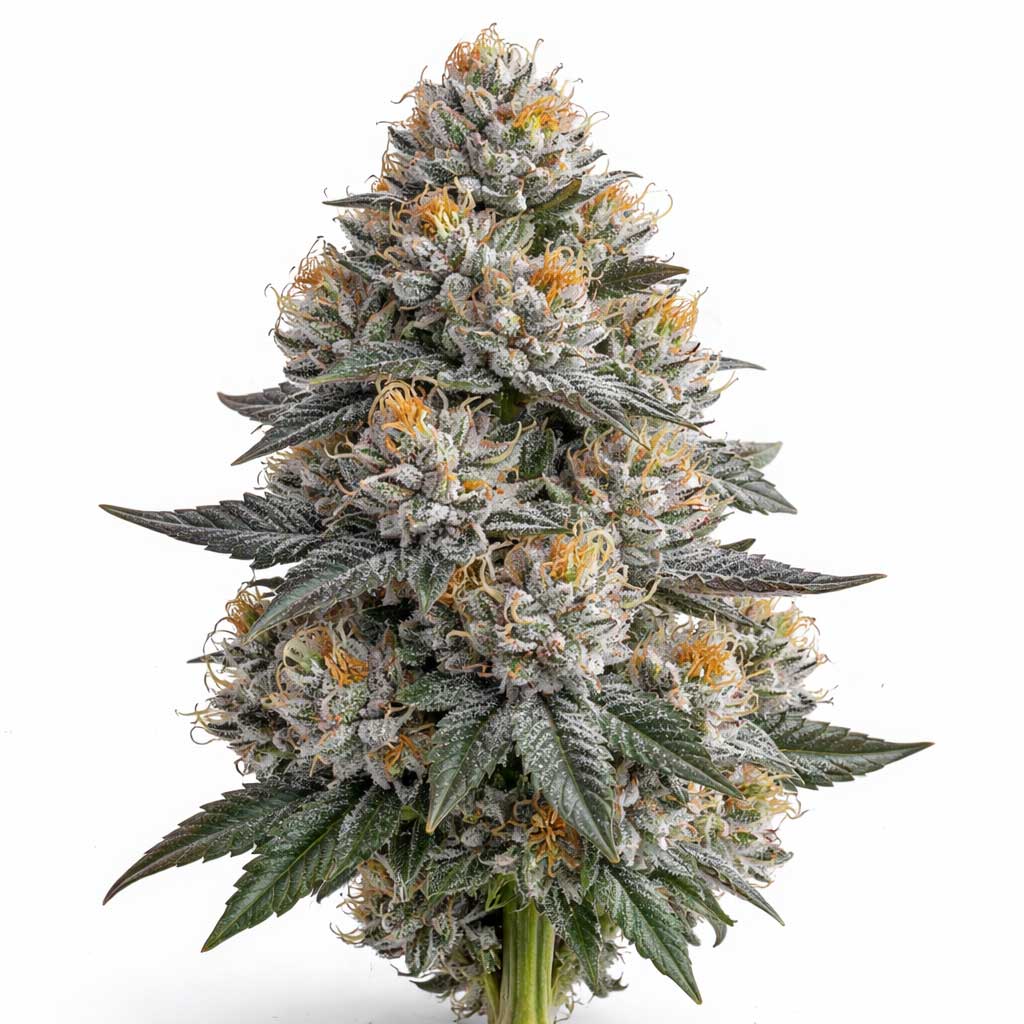
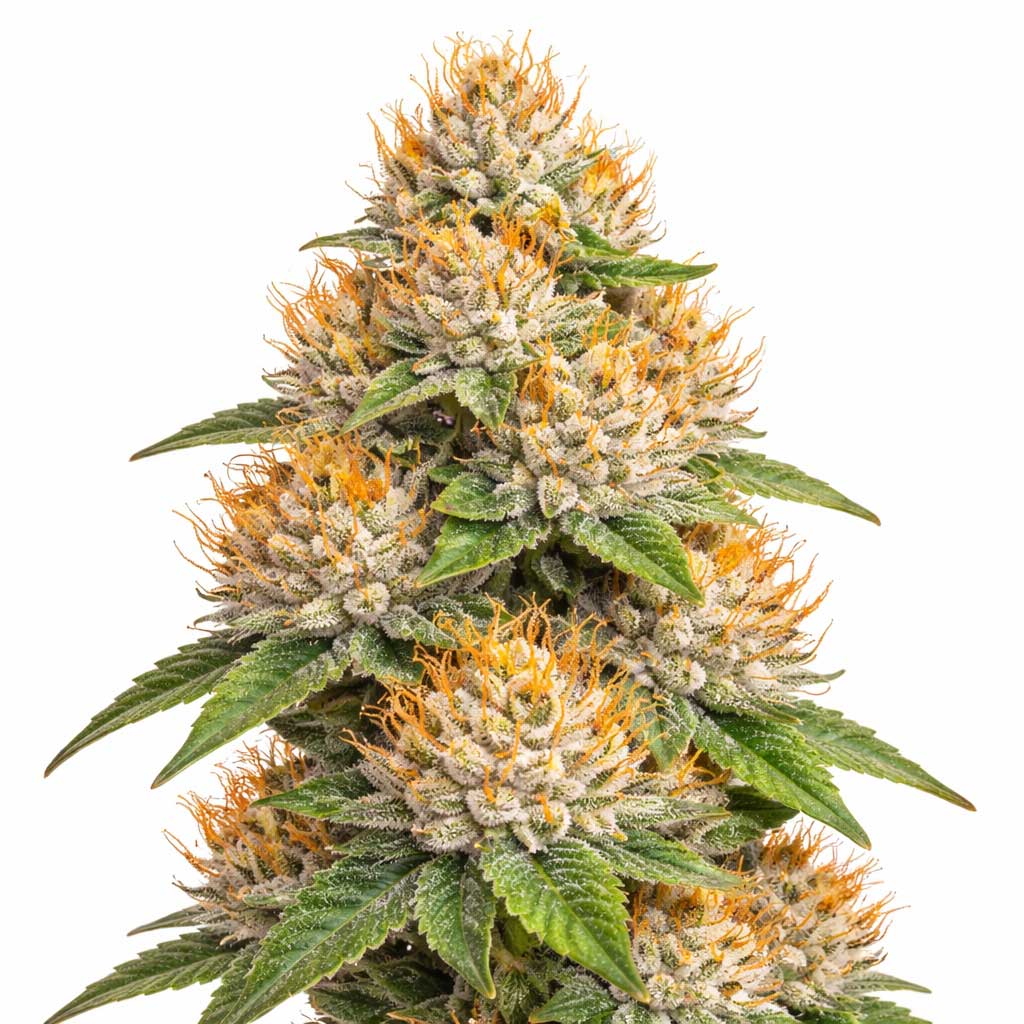
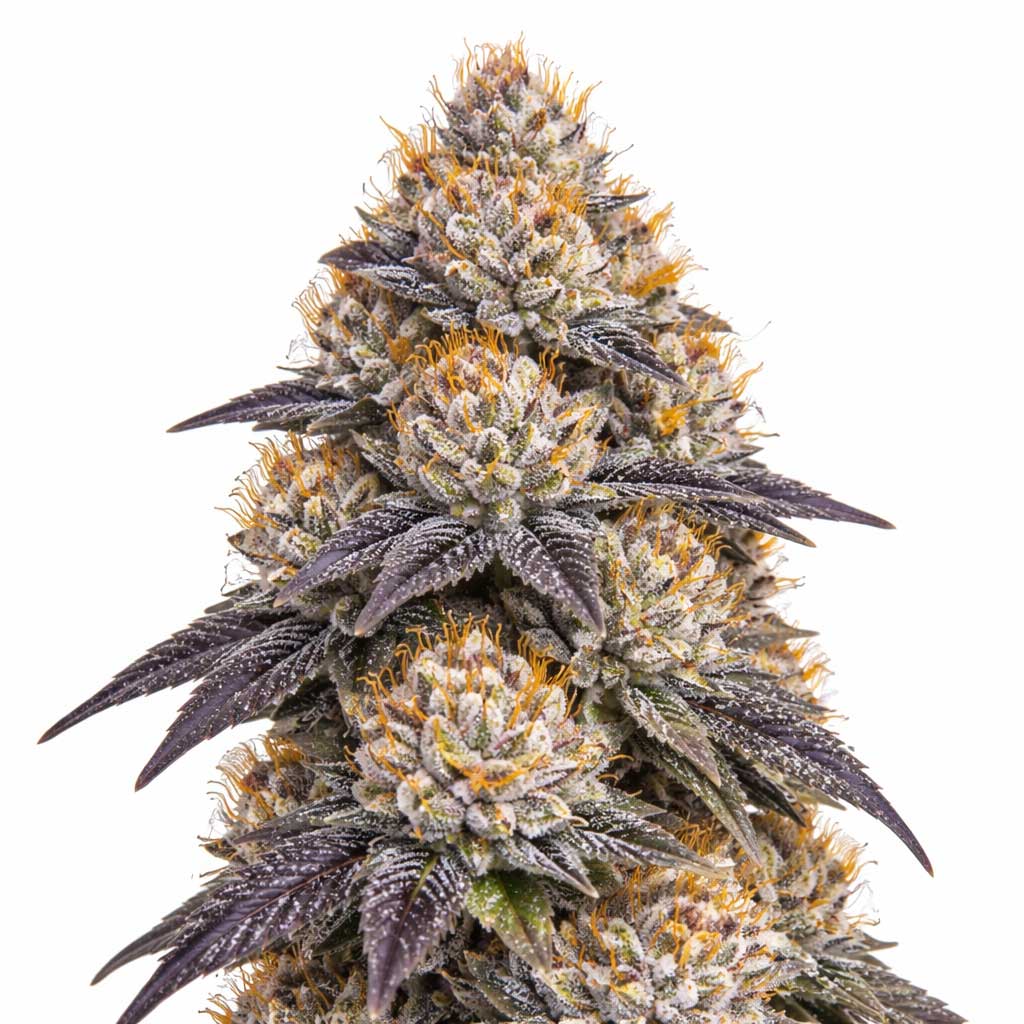
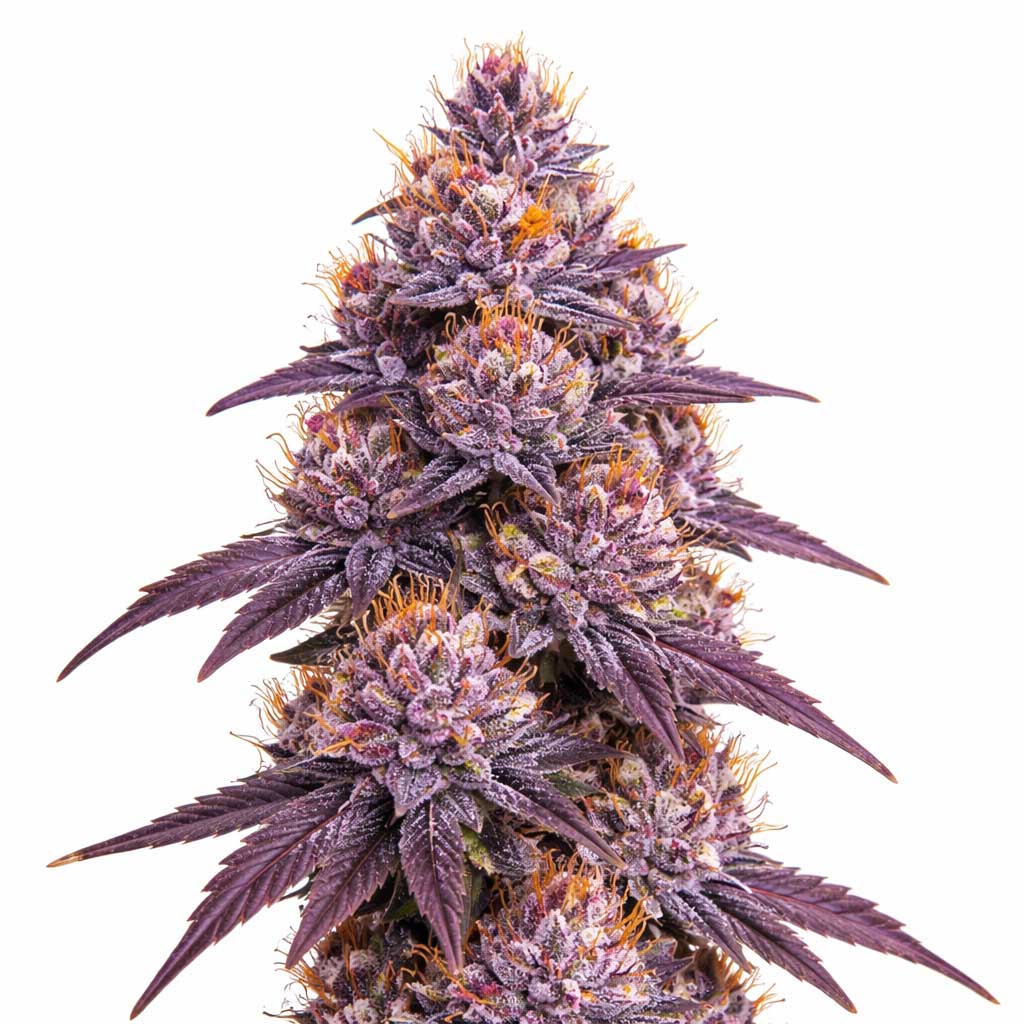
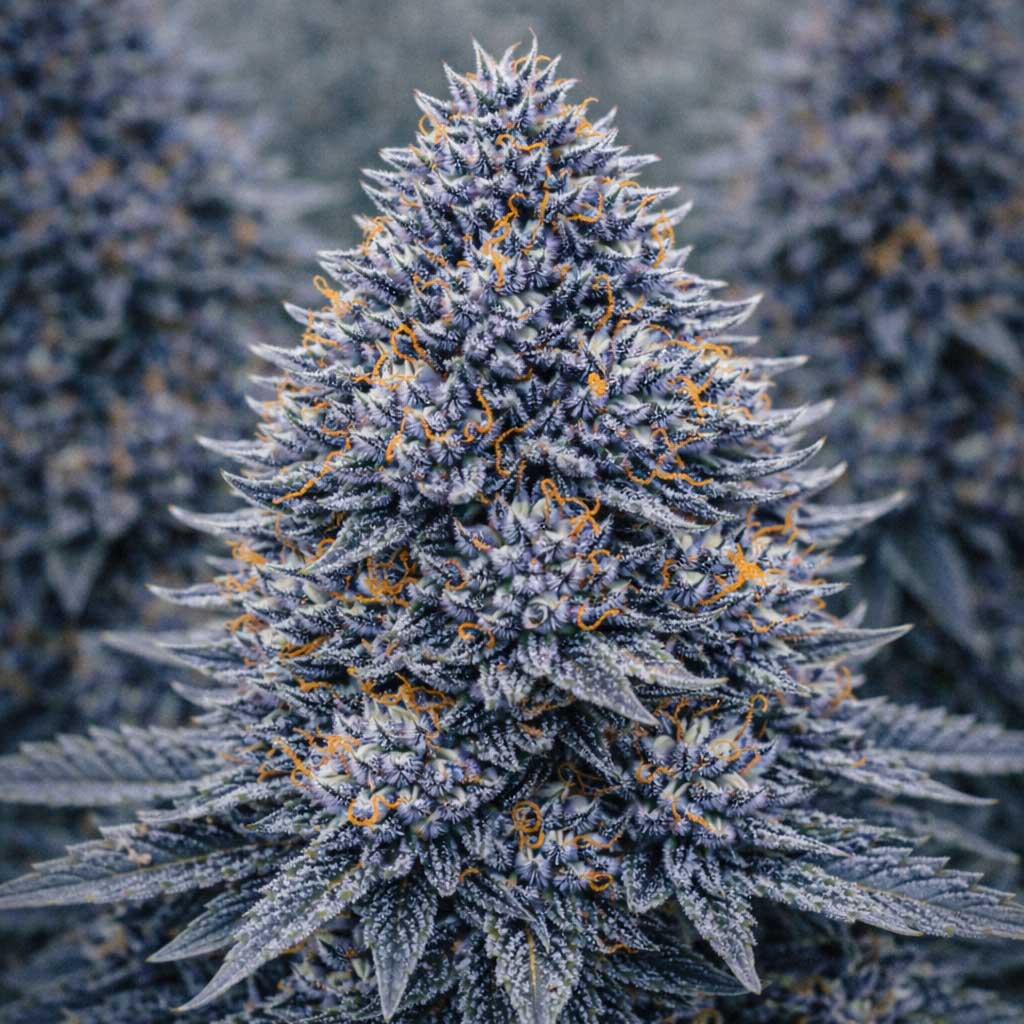
Grape Noir #8 is a reserve-grade phenotype selected by Verano Master Growers for stability, terpene clarity, and exceptional resin production. Plants typically express a “green-dominant” structure with occasional deep purple or black-purple hues appearing late in flower. Buds form in large, spade-shaped colas with a distinct spiky calyx architecture, creating a sharp, sculpted appearance that is visually unique among modern hybrids.
The cultivar is notable for its extremely dense trichome blanket, often appearing silver-white under strong light. This high resin density has made it a frequent selection for live resin and solventless extraction markets. When exposed to cooler late-flowering conditions, anthocyanin expression increases, producing deeper noir coloration in sugar leaves and outer bud surfaces.
Effects & Use-Cases (Reported)
- Commonly reported effects: fast-onset relaxation, body heaviness, tranquil calm, mental smoothing, and deep sedation-like fade.
- Use-case context: commonly selected for late evening sessions, stress relief, mood quieting, and deep unwinding after high stimulation or long workdays.
- Body response: frequently described as a “hard and fast” body melt effect that spreads through muscles and joints.
- Note: These are observational reports, not medical claims; outcomes are not guaranteed.
Aroma & Flavors
- Aroma: highly complex and “biphasic.” The jar aroma is dominated by old-school skunk, earthy funk, and savory garlic notes. When the bud is broken open, it releases a heavy grape punch sweetness layered with soft vanilla cream.
- Flavor: skunky grape sweetness on the inhale, often compared to a grape milkshake, followed by a savory garlic and black pepper finish on the exhale.
- Terpene associations: myrcene, caryophyllene, limonene, with secondary linalool and humulene.
Tested Cannabinoid & Terpene Ranges
| Compound | Typical Range* | Notes |
|---|---|---|
| Δ⁹-THC | ~30–32% | Verano Reserve standard potency range; designed for experienced users. |
| CBD | ~0–1% | Generally present only in trace levels. |
| Myrcene | High | Supports heavy relaxation and contributes to musky skunk depth. |
| Caryophyllene | High | Contributes to peppery spice, savory funk, and full-body heaviness. |
| Limonene | Moderate | Provides bright grape-lift and balances the savory GMO profile. |
| Linalool | Low–Moderate | Supports calm mood and soft floral-vanilla undertones. |
| Humulene | Low–Moderate | Enhances earthy skunk structure and contributes to depth. |
| Terpene Profile | Skunk / Garlic Funk / Grape Vanilla | A “sweet-stank” fusion of classic funk and modern fruit dessert. |
*Ranges are literature- and lab-report-informed references and can differ with phenotype, cultivation conditions, harvest timing, curing practices, and analytical methods.
Cultivation Notes
- Light Cycle: 18/6 vegetative; 12/12 flowering
- Humidity Targets: 40–50% during flower; maintain strong airflow due to dense resin development.
- Nutrition: Moderate to heavy feeder; benefits from stable Ca/Mg and consistent bloom nutrients.
- Training: Responds well to topping and canopy shaping. Large colas may require support in late flower.
- Color Expression: Cooler nighttime temperatures late bloom may unlock deeper noir purple hues.
- Harvest Window: Requires a full 9-week flowering cycle for complete GMO terpene maturation.
Grower Notes (Week-by-Week Snapshot)
- Weeks 1–2 (Transition/Stretch): moderate stretch; establish canopy shape; avoid excessive nitrogen.
- Weeks 3–4: bud stacking begins; increase airflow; remove lower growth to focus energy upward.
- Weeks 5–6: heavy trichome production; aroma intensifies; buds begin forming spiky calyx structure.
- Weeks 7–8: peak resin density; reduce humidity; monitor for moisture retention in dense flowers.
- Week 9: terpene maturity phase; GMO savory funk deepens and balances sweet grape notes.
- Post-Harvest: Dry 18–20 °C, 55–60% RH to preserve volatile skunk-grape complexity.
Timelines shift with phenotype and environment; prioritize trichome maturity and aroma development over strict calendar days.
Genetic Lineage
Grape Noir #8 is derived from a powerful cross of Grape Pie and GMO (Garlic Cookies). Grape Pie (Cherry Pie x Grape Stomper) contributes the cultivar’s grape sweetness, doughy dessert base, and fruity richness. GMO (Chemdawg x Girl Scout Cookies) delivers extreme resin density, heavy potency, and the unmistakable skunky-garlic “stank” that defines the New Age Skunk movement. Together, these genetics create a reserve-grade hybrid combining classic funk with modern fruit intensity.
Research Insights
Grape Noir #8 is frequently referenced as a high-performance example of modern breeding aimed at balancing savory skunk terpenes with hyper-sweet fruit profiles. The cultivar’s biphasic aroma—where jar scent differs from cracked bud aroma—suggests a complex volatile terpene layering effect. High levels of myrcene and caryophyllene may explain its strong physical relaxation, while limonene likely supports the smoother mental fade and sweet fruit brightness. This combination represents a modern entourage model that delivers heavy potency without pure “one-dimensional candy sweetness.”
Frequently Asked Questions
Is Grape Noir #8 an Indica or Sativa?
Grape Noir #8 is classified as an Indica-Dominant Hybrid (approximately 80% Indica / 20% Sativa), known for its powerful body melt and tranquil fade.
What does Grape Noir #8 smell and taste like?
It features a biphasic aroma: skunky garlic funk in the jar, then strong grape punch and vanilla sweetness when the bud is broken open. The flavor is grape milkshake-like with savory pepper-garlic undertones.
How strong is Grape Noir #8?
Grape Noir #8 is widely reported in the 30%–32% THC range and is considered a high-potency reserve cultivar best suited for experienced users.
How long does Grape Noir #8 take to flower?
It typically requires a full 9-week flowering cycle indoors to fully develop its GMO terpene maturity and achieve maximum resin density.
Is Grape Noir #8 good for extracts?
Yes. This cultivar is highly valued for extraction due to its exceptionally dense trichome coverage and is frequently associated with live resin and solventless concentrate production.
Educational Disclaimer: This page is provided for scientific and horticultural reference only and does not constitute medical or promotional advice. Cannabis cultivation, possession, and use are regulated by local laws. Always comply with applicable legislation in your region.
Rate and review this strain
Ratings and reviews are accepted only from signed-in Google accounts.
Sign in with Google to leave a rating and written review.
Latest Reviews
0 reviewsNo reviews yet. Be the first Google user to rate and review this strain.