Clementine (Cannabis Strain) — Strainpedia
Clementine is a sativa-dominant hybrid cannabis cultivar most commonly associated with Crockett Family Farms. It is widely described as the cross of Tangie and Lemon Skunk, a pairing that helped establish Clementine as one of the more recognizable orange-citrus cultivars in modern cannabis breeding.
The cultivar is especially known for its bright tangerine-like aroma, sweet citrus flavor, and resin-rich flower production. Clementine has also been repeatedly referenced in connection with award-winning concentrate work and later breeding projects, reinforcing its reputation as a terpene-forward modern sativa hybrid. The information below is provided strictly for scientific and horticultural reference.

Quick Facts
| Genetics | Tangie x Lemon Skunk |
|---|---|
| Variety | Sativa-Dominant Hybrid |
| Flowering Time | Approximately 8–10 weeks indoors, depending on phenotype |
| Yield Potential | Moderate to high, depending on environment, phenotype selection, and canopy management |
| Plant Height | Medium to tall with moderate sativa-style stretch |
| Climate Preference | Warm, bright, stable conditions with strong airflow and consistent light intensity |
| Difficulty | Intermediate |
Strain Classification
| Type | Sativa-Dominant Hybrid |
|---|---|
| Genetic Family | Tangie / Lemon Skunk / Citrus-Forward Lineage |
| Primary Terpenes | Commonly associated with Terpinolene, Caryophyllene, and Limonene or Myrcene* |
| Breeding Lineage | Tangie x Lemon Skunk |
*Exact terpene dominance can vary by phenotype, cultivation method, harvest timing, curing conditions, and laboratory analysis.
Scientific & Botanical Overview
Clementine reflects a breeding direction focused on preserving and amplifying bright citrus terpenes. The Tangie side is commonly associated with sweet orange and tangerine-forward aromatic expression, while Lemon Skunk contributes lemon sharpness, skunky depth, and additional hybrid vigor. Together, these traits helped make Clementine a standout in the fruit-forward segment of modern cannabis genetics.
Plants are typically described as vigorous, aromatic, and resinous, with flowering development that favors terpene-heavy output when properly matured. Clementine is also significant from a breeding perspective because it later contributed to other well-known hybrids, including strains built around orange-candy or mimosa-like terpene profiles.
Appearance
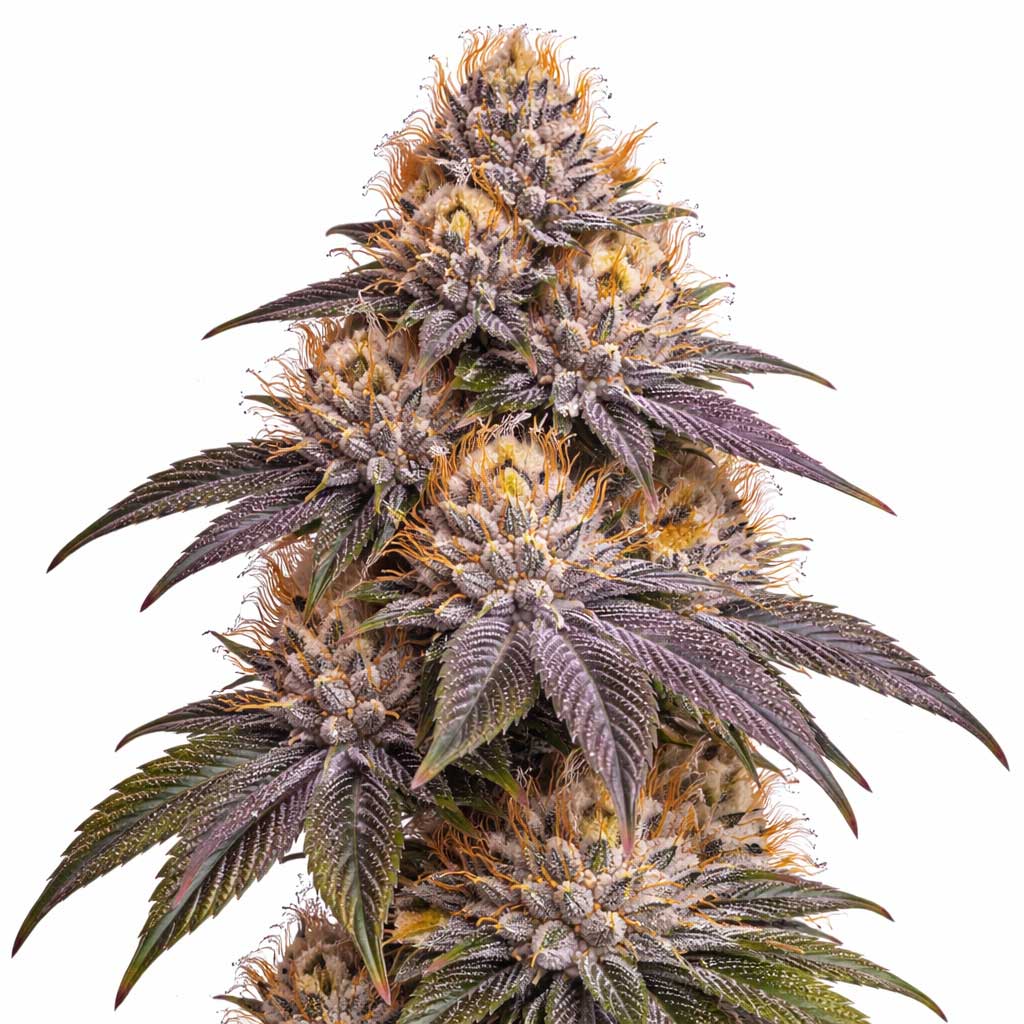
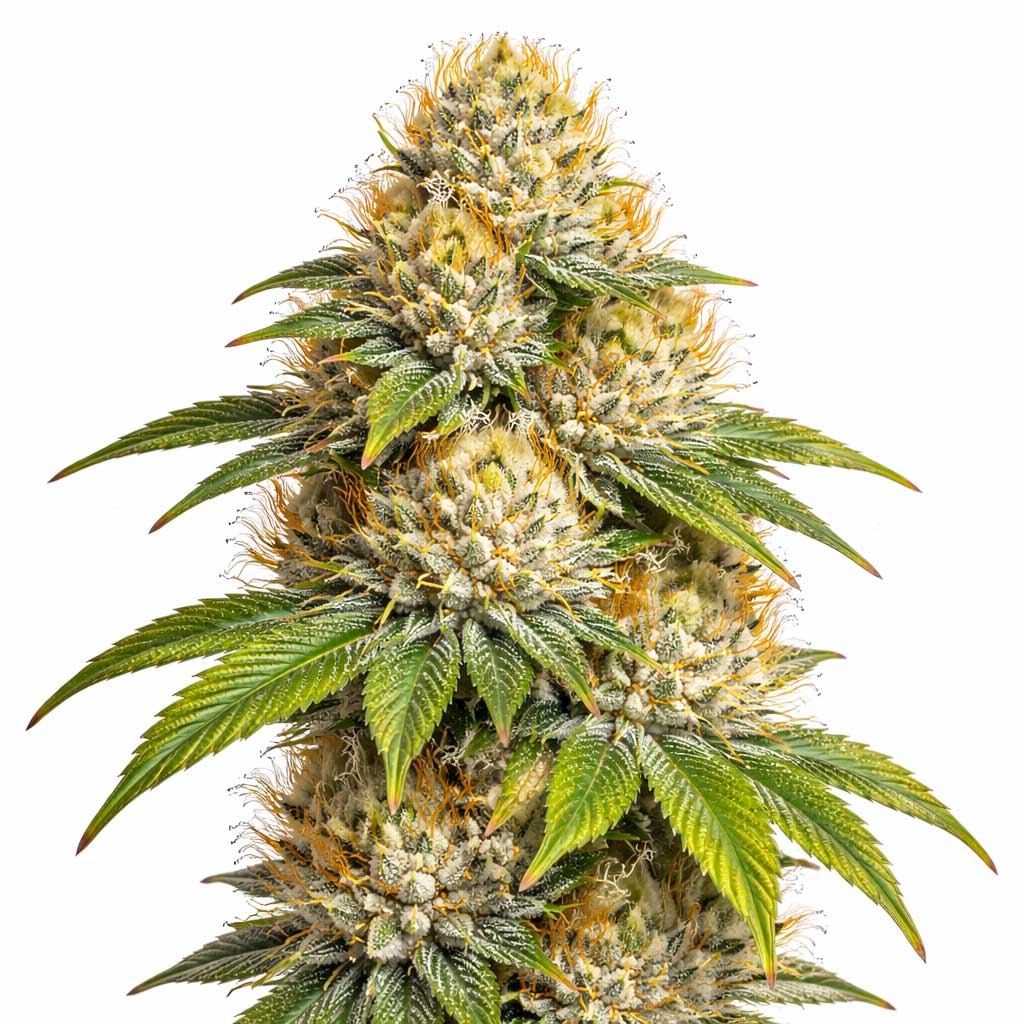
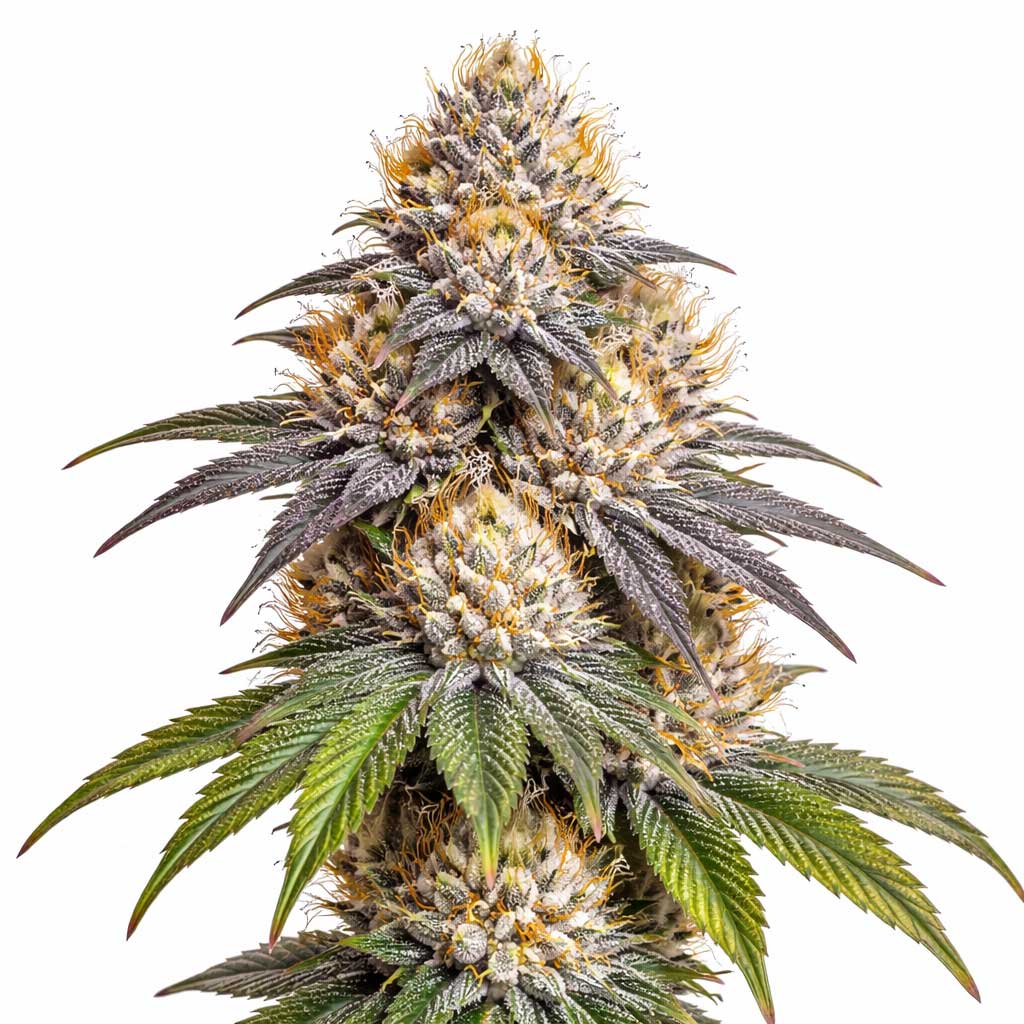
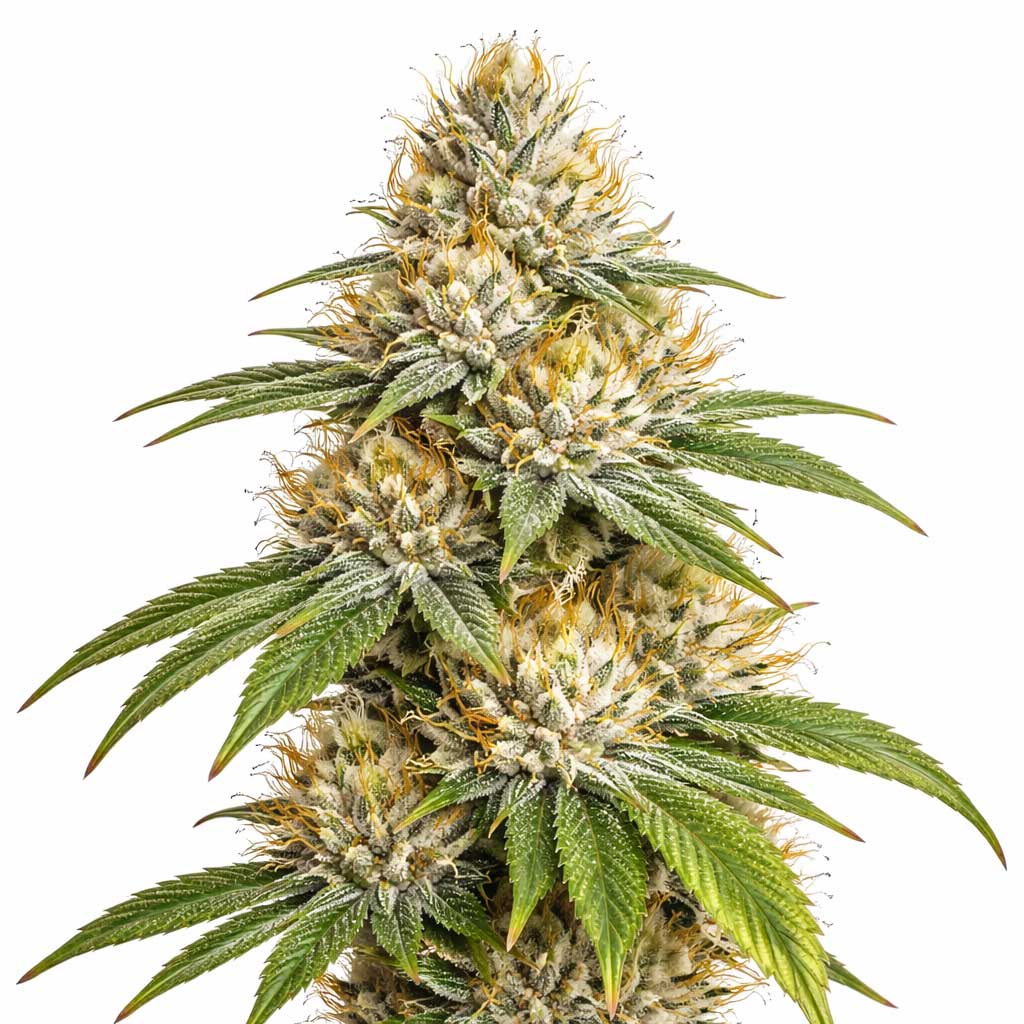
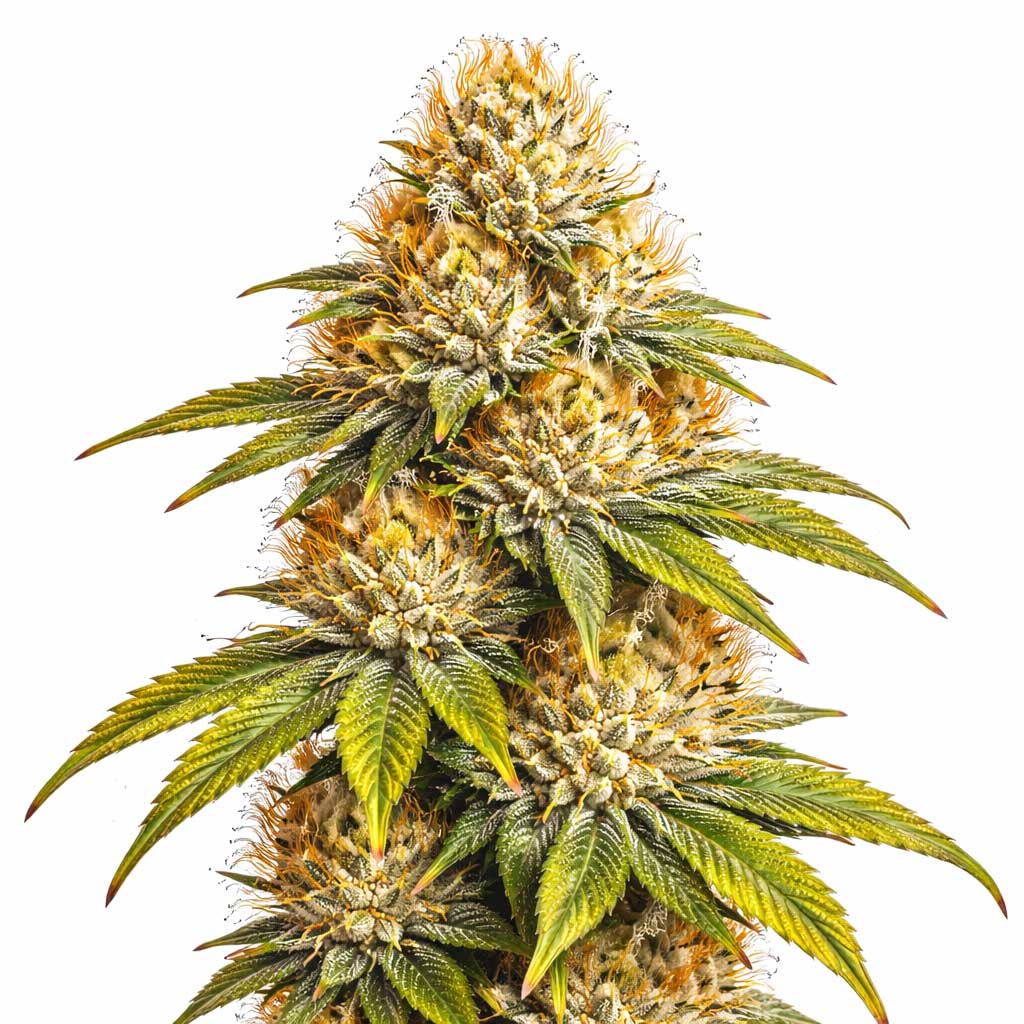
Clementine flowers are usually medium-dense to dense, resin-coated, and bright green in coloration, often accented by orange pistils and a frosted trichome layer. Well-finished examples commonly appear sticky and vibrant, with a clean, citrus-forward bag appeal that matches the cultivar’s aromatic reputation.
Effects & Use-Cases (Reported)
- Commonly reported effects: energetic mental lift, upbeat mood, and a clear, lively cerebral onset.
- Use-case context: often selected for daytime use, creative sessions, social settings, or situations where a bright head-focused experience is preferred over heavy sedation.
- Note: These observations are anecdotal and do not constitute medical or therapeutic claims.
Observational Note: Clementine is frequently positioned as a more stimulating and mood-bright cultivar rather than a body-heavy evening strain, which aligns with its sativa-dominant reputation.
Potency Note: Commercial references commonly place Clementine in the strong modern THC range, so a measured approach may be appropriate for lower-tolerance consumers.
Aroma & Flavor Profile
- Aroma: orange peel, tangerine, sweet citrus, light skunk, and subtle floral-woodsy sharpness.
- Flavor: juicy orange and clementine-like sweetness with lemon brightness and a mildly herbal finish.
- Terpene associations: often linked with Terpinolene, Caryophyllene, and supporting citrus-forward compounds, though laboratory outcomes can vary across phenotypes and commercial samples.
Tested Cannabinoid & Terpene Ranges
| Compound | Typical Range* | Notes |
|---|---|---|
| Δ⁹-THC | ~20–27% | Commercial descriptions commonly place Clementine in the 20–25% range, while at least one tested sample reached 27% THC. |
| CBD | ~0.1–0.5% | Typically present in comparatively low concentrations. |
| Terpinolene | Variable | Frequently referenced as a leading terpene in tested Clementine samples and often linked to citrus, floral, and woodsy notes. |
| Caryophyllene | Variable | May add herbal-spice depth beneath the bright citrus profile. |
| Limonene | Variable | Commonly associated with orange and citrus-lifted aromatic expression. |
*Ranges are literature-informed estimates and may differ depending on phenotype selection, cultivation practices, curing conditions, storage, and laboratory methodology.
Cultivation Notes
- Light Cycle: 18/6 during vegetative growth and 12/12 during flowering.
- Humidity Targets: ~50–60% in vegetative growth and 40–45% in flowering.
- Nutrition: Balanced feeding with bloom-stage support is commonly preferred to maintain terpene quality and resin production.
- Training Techniques: Topping, low-stress training, and canopy management may help control stretch and improve light distribution.
- Odor Consideration: Strong orange-citrus aroma usually makes carbon filtration advisable for indoor cultivation.
- Harvest Window: Commonly around 8–10 weeks indoors, depending on phenotype and desired finish.
Grower Notes (Week-by-Week Snapshot)
- Weeks 1–3: Vegetative growth builds branch structure and canopy shape, with early training often helpful.
- Weeks 4–5: Transition stretch becomes more noticeable as floral sites begin setting.
- Weeks 6–7: Resin production increases and the orange-citrus profile becomes more pronounced.
- Weeks 8–10: Final ripening, terpene refinement, and trichome maturity guide harvest timing decisions.
Genetic Lineage
Clementine is widely described as the offspring of Tangie and Lemon Skunk. That lineage helps explain the cultivar’s strong orange-candy identity, combining Tangie’s sweet tangerine profile with Lemon Skunk’s sharper lemon-citrus influence. Crockett Family Farms is also closely associated with the development and popularization of Clementine within modern fruit-forward breeding.
Research Insights
Clementine is often discussed as a useful example of how modern hybrid breeding can intensify a narrow aromatic target—in this case, orange-citrus terpene expression. The strain is also relevant in lineage discussions because later hybrids such as Mimosa trace back to Clementine, showing how a single terpene-forward cultivar can influence a much broader branch of contemporary cannabis breeding.
Frequently Asked Questions
Who bred Clementine?
Clementine is most closely associated with Crockett Family Farms.

What are the parent strains of Clementine?
Clementine is widely described as a cross of Tangie and Lemon Skunk.
Is Clementine indica or sativa?
Clementine is generally classified as a sativa-dominant hybrid.
What does Clementine smell like?
The strain is commonly described as having a sweet orange-citrus aroma with bright tangerine and lemon notes.
Educational Disclaimer: This page is provided strictly for scientific and horticultural reference. Cannabis cultivation, possession, and use are regulated by local laws. This content does not promote illegal activity or constitute medical advice. Always comply with applicable regulations in your jurisdiction.
Rate and review this strain
Ratings and reviews are accepted only from signed-in Google accounts.
Sign in with Google to leave a rating and written review.
Latest Reviews
0 reviewsNo reviews yet. Be the first Google user to rate and review this strain.