Cinderella 99 (Cannabis Strain) — Strainpedia
Cinderella 99, often shortened to C99, is a fast-finishing sativa-leaning hybrid with a reputation for bright, fruit-forward aromatics and a notably polished resin profile. Its genetic history is most commonly tied to Brothers Grimm, and the cultivar stands apart for delivering a cleaner, more compact expression than many classic sativa lines.
In the jar, the strain leans into pineapple, citrus, and pine notes that read as lively rather than heavy, while the plant itself often shows a tidy stretch and dense, trichome-coated buds. That combination of speed, flavor identity, and visual brightness has kept Cinderella 99 relevant in breeder circles and dispensary menus alike.
Quick Facts
| Genetics | Jack Herer x Shiva Skunk (selection line commonly associated with Princess pheno work) |
|---|---|
| Original Breeder | Brothers Grimm |
| Variety | Sativa-leaning Hybrid |
| Flowering Time | Approximately 7–9 weeks indoors |
| Yield Potential | Moderate to high, especially under controlled indoor conditions |
| Plant Height | Medium to tall with a noticeable early bloom stretch |
| Climate Preference | Warm, dry, and well-ventilated environments |
| Difficulty | Moderate |
Strain Classification
| Type | Sativa-leaning Hybrid |
|---|---|
| Genetic Family | Jack Herer-descended resinous sativa line with Skunk influence |
| Primary Terpenes | Terpinolene, limonene, caryophyllene* |
| Original Breeder | Brothers Grimm |
| Breeding Lineage | Jack Herer x Shiva Skunk, with widely discussed Princess-related selection history |
*Exact terpene dominance may vary by phenotype and cultivation method.
Scientific & Botanical Overview
From a botanical perspective, Cinderella 99 is an example of how selective hybrid breeding can compress a more expansive sativa frame into a faster, more manageable indoor crop. The cultivar is typically associated with relatively efficient flower development, moderate internode spacing, and a resin expression that can be strong even when the plant does not grow especially large.
Its lineage is important because the strain tends to merge two different breeding priorities: the energetic, fragrant complexity of Jack Herer and the structural speed and weight contributed by Shiva Skunk. That pairing helps explain why C99 often finishes sooner than many sativa-leaning cultivars while still preserving a bright aromatic profile and lifted effect style.
Appearance
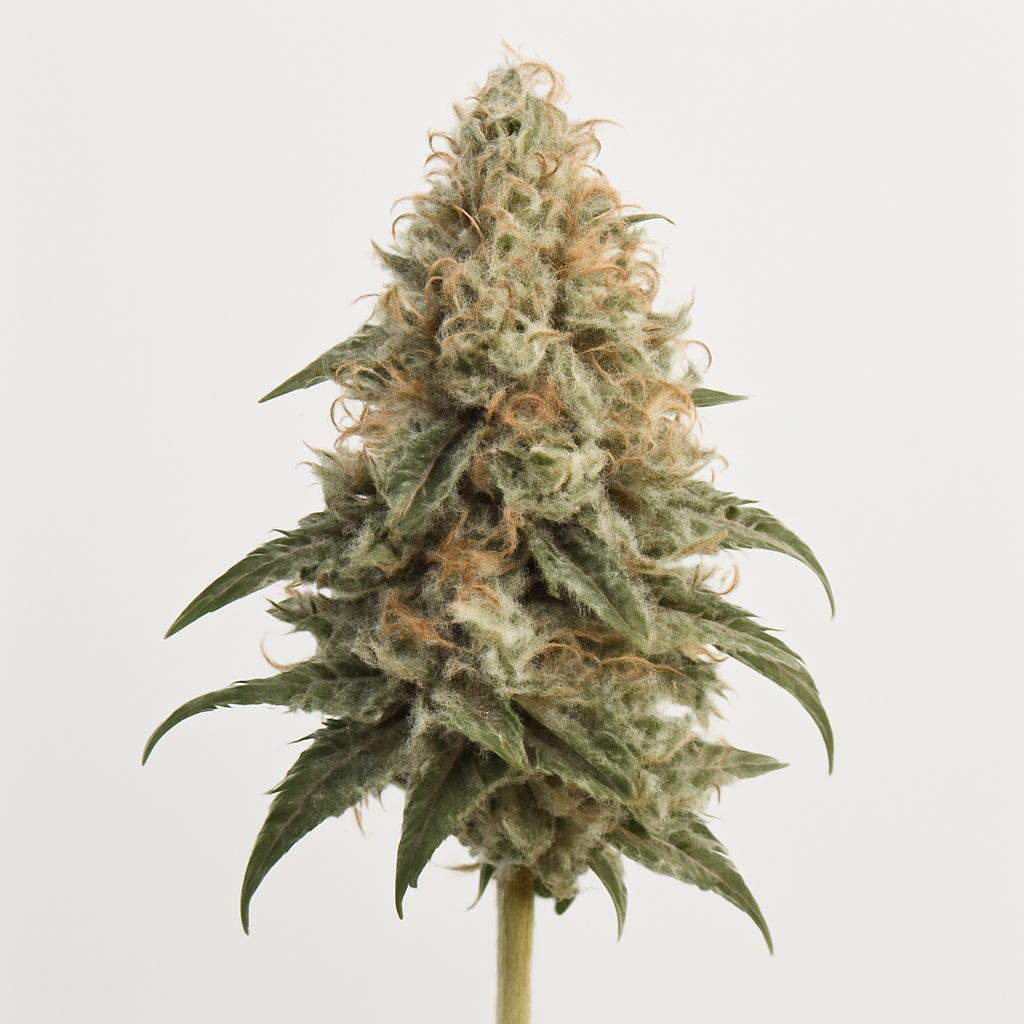
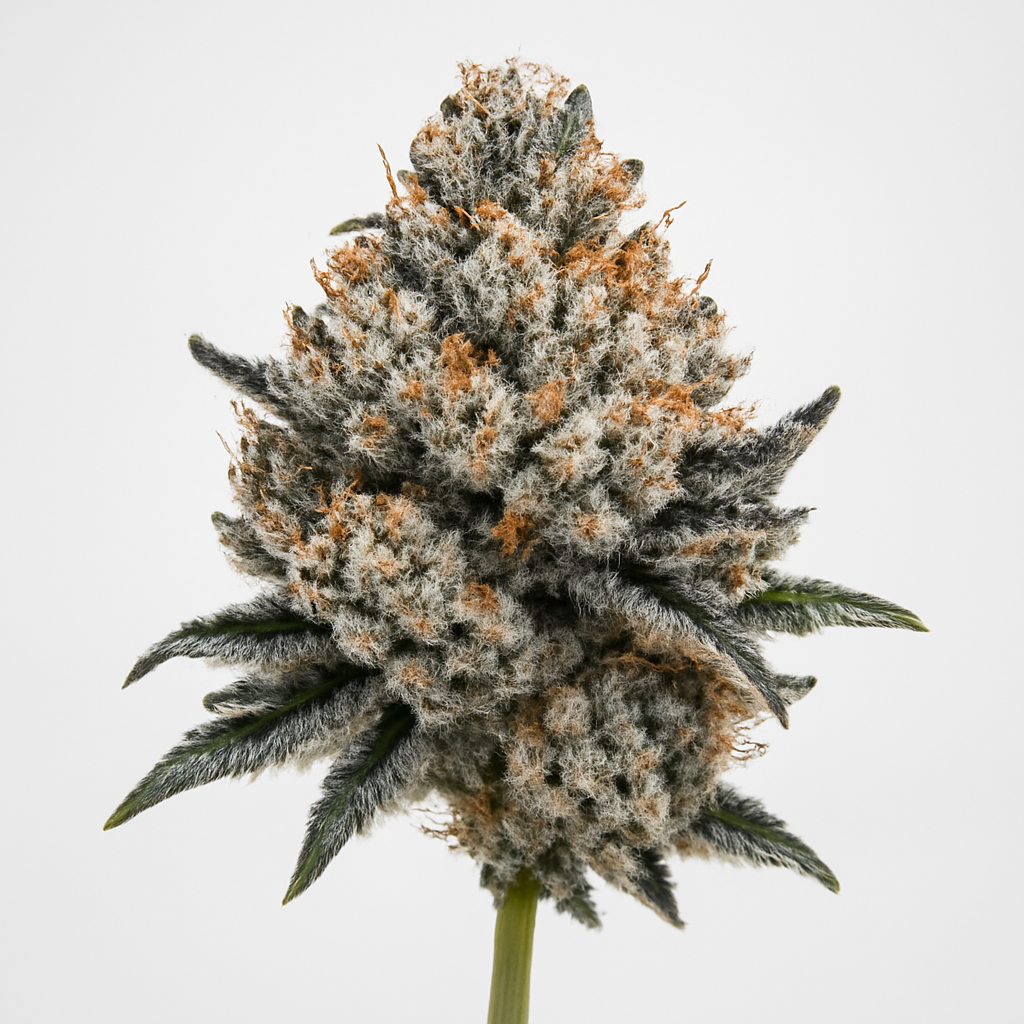
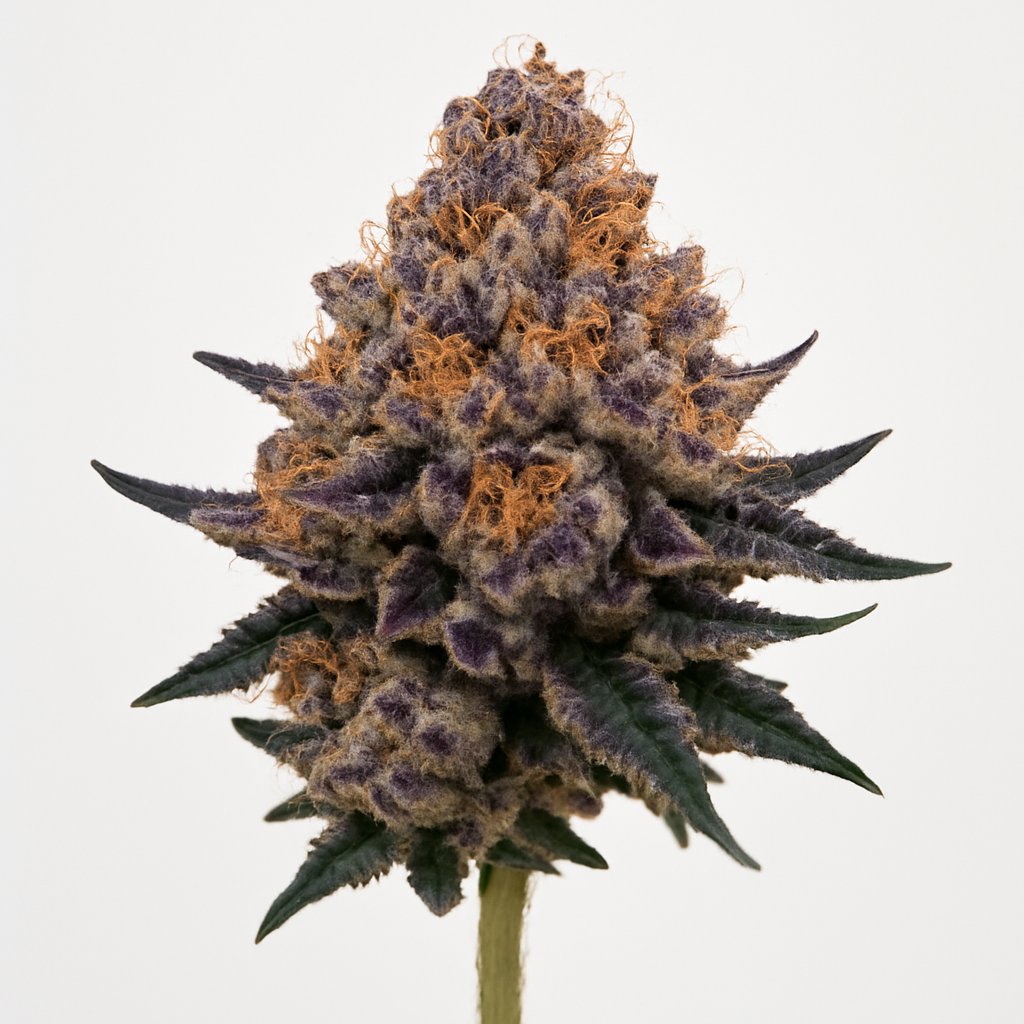
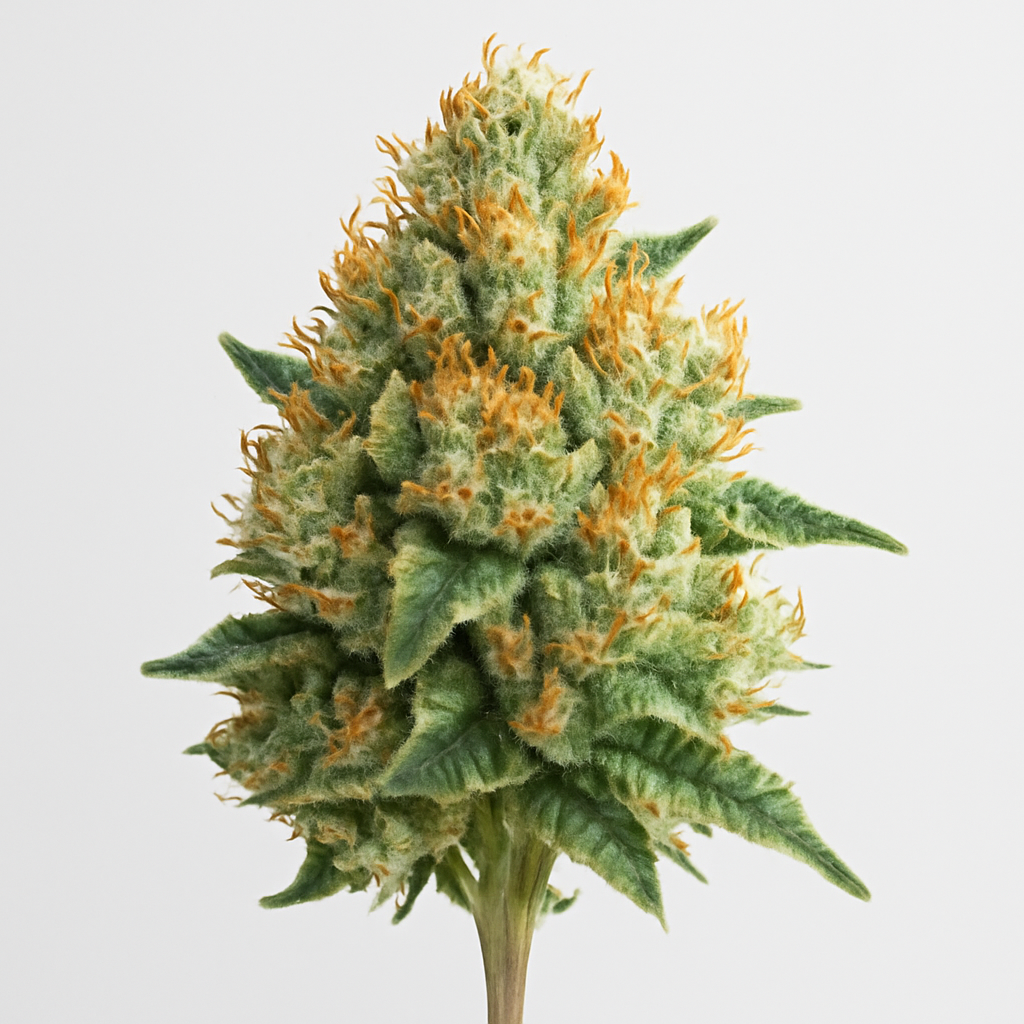
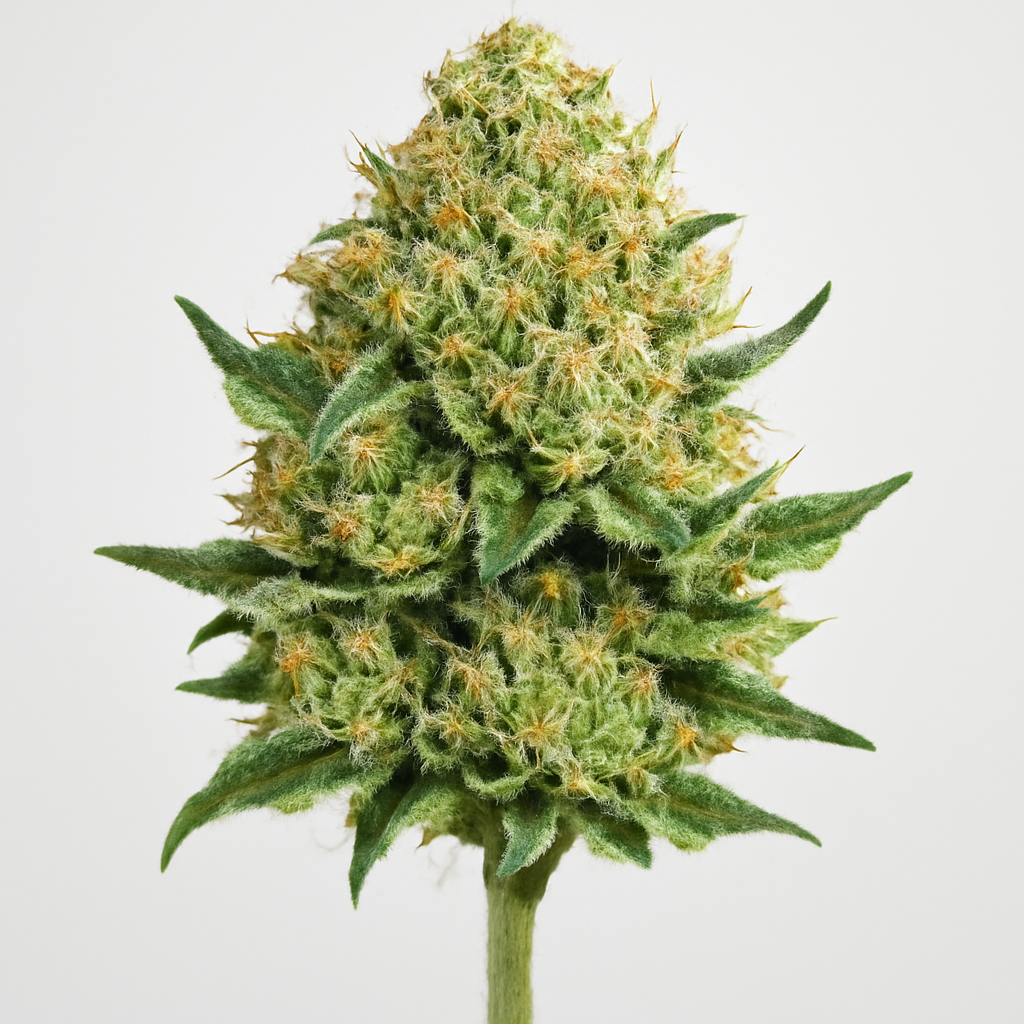
Cinderella 99 buds usually present as medium-density flowers with a tidy, slightly elongated shape. The color palette often sits in lime-green territory, though some phenotypes deepen toward richer green tones as harvest approaches.
Orange to rust-colored pistils are common, and the surface is frequently coated in a fine, sparkly layer of trichomes that gives the flowers a polished look. Variation between cuts can be visible in bud stacking and calyx density, with some expressions producing airier spear-like tops and others forming tighter, more compact clusters.
Effects & Use-Cases (Reported)
- Commonly reported effects: upbeat, focused, mentally animated, socially bright, creatively engaged
- Use-case context: often selected for daytime sessions, light creative work, or situations where a more energetic profile is preferred
- Body character: generally described as lighter in physical weight, with less emphasis on deep heaviness than many indica-leaning hybrids
- Note: These observations are anecdotal and do not constitute medical claims.
Observational Note: The strain is frequently described as clear and lively rather than sedating, with an effect profile that tends to move quickly into the headspace. Many users look to it when they want a cultivar that feels more sparkling than stony.
Potency Note: Well-grown examples can test in the upper-teens to low-20s for THC, which is enough to give the strain a noticeable presence without changing its character into something overwhelmingly heavy.
Aroma & Flavor Profile
- Aroma: tropical citrus, sweet pineapple, pine resin, skunky spice, floral haze
- Flavor: pineapple candy, lemon peel, herbal pine, earthy skunk, light spice
- Aftertaste: clean citrus lift with a lingering herbal-sweet finish
- Terpene associations: commonly aligned with terpinolene, limonene, and caryophyllene.
For readers searching for a classic Cinderella 99 flavor profile, the strain usually lands in the tropical-citrus lane first, then finishes with pine and a faint skunky edge. That combination makes it a recognizable choice for anyone who prefers bright, fruit-laced flower over heavier dessert-style profiles.
Tested Cannabinoid & Terpene Ranges
| Compound | Typical Range* | Notes |
|---|---|---|
| Δ⁹-THC | ~18–24% | Often lands in a moderate-to-strong range depending on phenotype and cure. |
| CBD | <0.5% | Typically low and not a defining feature of the cultivar. |
| Terpinolene | ~0.20–0.60% | Frequently linked to the strain’s bright, citrus-pine top note. |
| Limonene | ~0.15–0.45% | Supports the lemon, fruit, and zesty aromatic impression. |
| Caryophyllene | ~0.10–0.35% | Adds spice and a slightly peppered finish to the profile. |
*Ranges are estimates and may vary by phenotype, harvest timing, and testing methods.
Cultivation Notes
- Light Cycle: 12/12 for flowering; indoor veg commonly run at 18/6 or 20/4
- Humidity: Moderate during veg, then lower into late flower to support dense resinous buds
- Stretch: Moderate to strong in early bloom, especially in taller sativa-leaning expressions
- Training: Responds well to topping, SCROG, and branch support
- Odor Control: Recommended, as flowering aroma can become sweet, spicy, and noticeably pungent
- Harvest Window: Approximately 7–9 weeks indoors
Cinderella 99 is generally easier to manage than many old-school sativas, but it still rewards planning. A well-lit canopy, good airflow, and a disciplined feeding approach usually help preserve the strain’s quick pace and clean aromatic finish. Because the flowers can stack resin early, late-flower humidity control matters if the goal is a polished, market-ready crop.
Grower Notes (Week-by-Week Snapshot)
- Weeks 1–3: Plants establish quickly, then begin a fairly visible stretch with narrow leaves and active side branching.
- Weeks 4–5: Flower sites tighten and start stacking; early aroma shifts toward fruit, pine, and skunk.
- Weeks 6–8: Resin output becomes prominent, pistils deepen in color, and the buds gain density without losing structure.
- Weeks 9–10: Final maturation focuses on trichome ripening and flavor refinement; some phenotypes may finish earlier within the advertised window.
Genetic Lineage
Cinderella 99 is most often presented as a Brothers Grimm line built from Jack Herer and Shiva Skunk, though historical accounts sometimes vary around the exact selection path. Jack Herer is commonly associated with bright sativa lift, layered citrus-spice aromatics, and an airy but resinous flower structure. Shiva Skunk is generally credited with tighter bloom formation, faster maturation, and a sturdier base that helps the line finish well indoors.
That breeding logic explains much of the strain’s appeal: it offers the aroma and mental character of a classic sativa-leaning cultivar without requiring the long flowering times that often come with old-school landrace-heavy expressions. In practical terms, C99 sits in a useful middle ground between flavor, speed, and manageable growth.
Research Insights
Cinderella 99 still matters in the modern market because it represents a clear, repeatable breeding objective: preserve energetic, fruit-bright character while tightening flowering time and improving indoor tractability. That combination keeps the strain relevant to breeders, collectors, and consumers who search for “pineapple,” “citrus,” or “fast sativa” profiles rather than dessert-heavy trends. In search behavior terms, C99 remains a reference point for users comparing classic terpene-forward flower against newer dessert and gas lines.
Frequently Asked Questions
Is Cinderella 99 the same as C99?
Yes. C99 is the common shorthand for Cinderella 99, and both names refer to the same strain family.
What does Cinderella 99 usually taste like?
It is often described as pineapple-forward with citrus, pine, and a mild skunky-spice finish. The exact flavor depends on phenotype and cure.
How long does Cinderella 99 take to flower?
Most indoor examples finish in about 7 to 9 weeks, which is relatively fast for a sativa-leaning hybrid.
Is Cinderella 99 more uplifting or heavy?
It is generally reported as more uplifting, mentally active, and bright than heavy or sedating, though individual responses can vary.
Who bred Cinderella 99?
The strain is most commonly credited to Brothers Grimm, although its exact historical selection path has some variation across cannabis references.
Educational Disclaimer: This page is provided strictly for scientific and horticultural reference. Cannabis cultivation, possession, and use are regulated by local laws. This content does not promote illegal activity or constitute medical advice. Always comply with applicable regulations in your jurisdiction.
Rate and review this strain
Ratings and reviews are accepted only from signed-in Google accounts.
Sign in with Google to leave a rating and written review.
Latest Reviews
0 reviewsNo reviews yet. Be the first Google user to rate and review this strain.