Chernobyl (Cannabis Strain) — Strainpedia
Chernobyl stands apart for the way its citrus-forward aroma meets a distinctly sharp, high-energy terpene profile. The strain is most commonly linked to Subcool’s The Dank and is widely cataloged as a Trainwreck x Trinity x Jack the Ripper cross, a combination that helps explain its lime-bright flavor, resin-heavy finish, and sativa-leaning structure.
Unlike heavy, cushiony dessert hybrids, Chernobyl typically grows with a more upright silhouette and produces flowers that feel brighter on the nose than they look at first glance. Its flavor identity often lands somewhere between lemon-lime candy, pine resin, and herbal funk, while phenotype variation can influence how dense the buds finish and how expressive the citrus notes become.
Quick Facts
| Genetics | Trainwreck x Trinity x Jack the Ripper |
|---|---|
| Original Breeder | Subcool’s The Dank (Subcool Seeds) |
| Variety | Sativa-leaning Hybrid |
| Flowering Time | Approximately 8–9 weeks indoors |
| Yield Potential | Moderate to high, depending on phenotype and canopy management |
| Plant Height | Medium to tall with notable stretch in early flower |
| Climate Preference | Warm, dry, well-ventilated environments with strong light exposure |
| Difficulty | Moderate |
Strain Classification
| Type | Sativa-leaning Hybrid |
|---|---|
| Genetic Family | Citrus-forward West Coast hybrid line with Trainwreck influence and Jack the Ripper aroma intensity |
| Primary Terpenes | Limonene, terpinolene, pinene* |
| Original Breeder | Subcool’s The Dank (Subcool Seeds) |
| Breeding Lineage | Trainwreck x Trinity x Jack the Ripper |
*Exact terpene dominance may vary by phenotype and cultivation method.
Scientific & Botanical Overview
From a botanical perspective, Chernobyl is a hybrid that expresses clear sativa leanings in internodal spacing, apical dominance, and flowering structure. The cultivar tends to develop elongated branches and spear-like inflorescences, with resin production concentrated across the flower surface rather than confined to a dense central mass.
Its breeding value comes from the way the parent stock contributes different layers of expression: Trainwreck is associated with vigor and lift, Trinity is often credited with sweeter citrus nuance, and Jack the Ripper is frequently connected to aromatic intensity and rapid resin development. In practice, that combination has made Chernobyl useful for growers and collectors looking for a distinctive lemon-lime profile with a more assertive, old-school hybrid edge.
Appearance
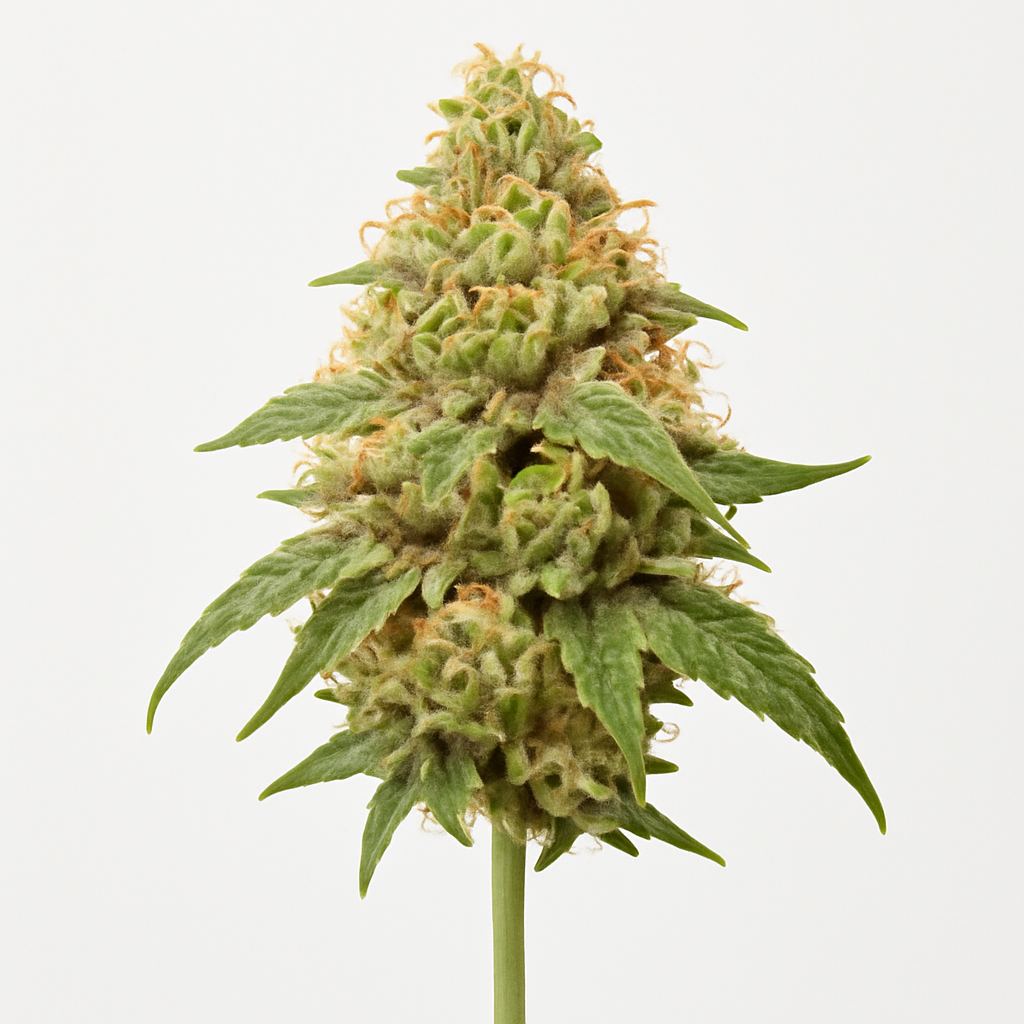
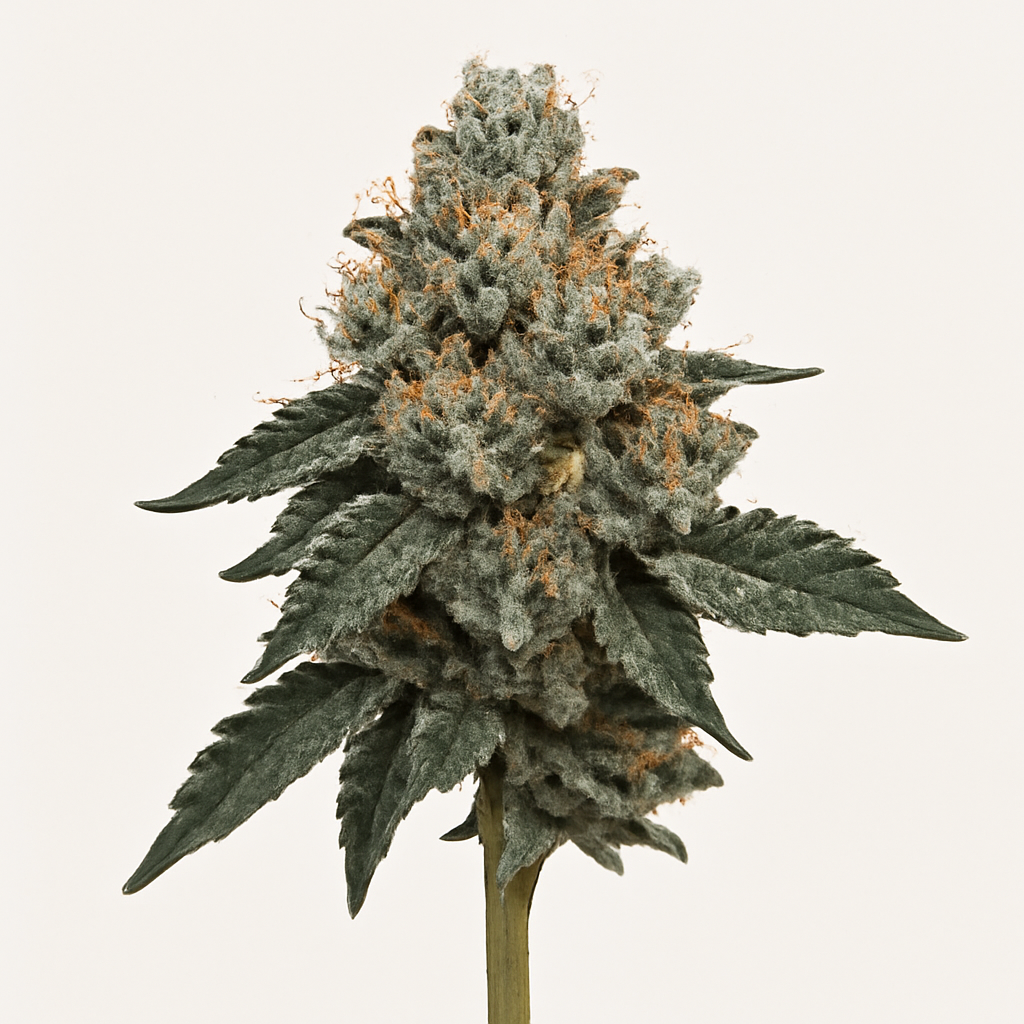
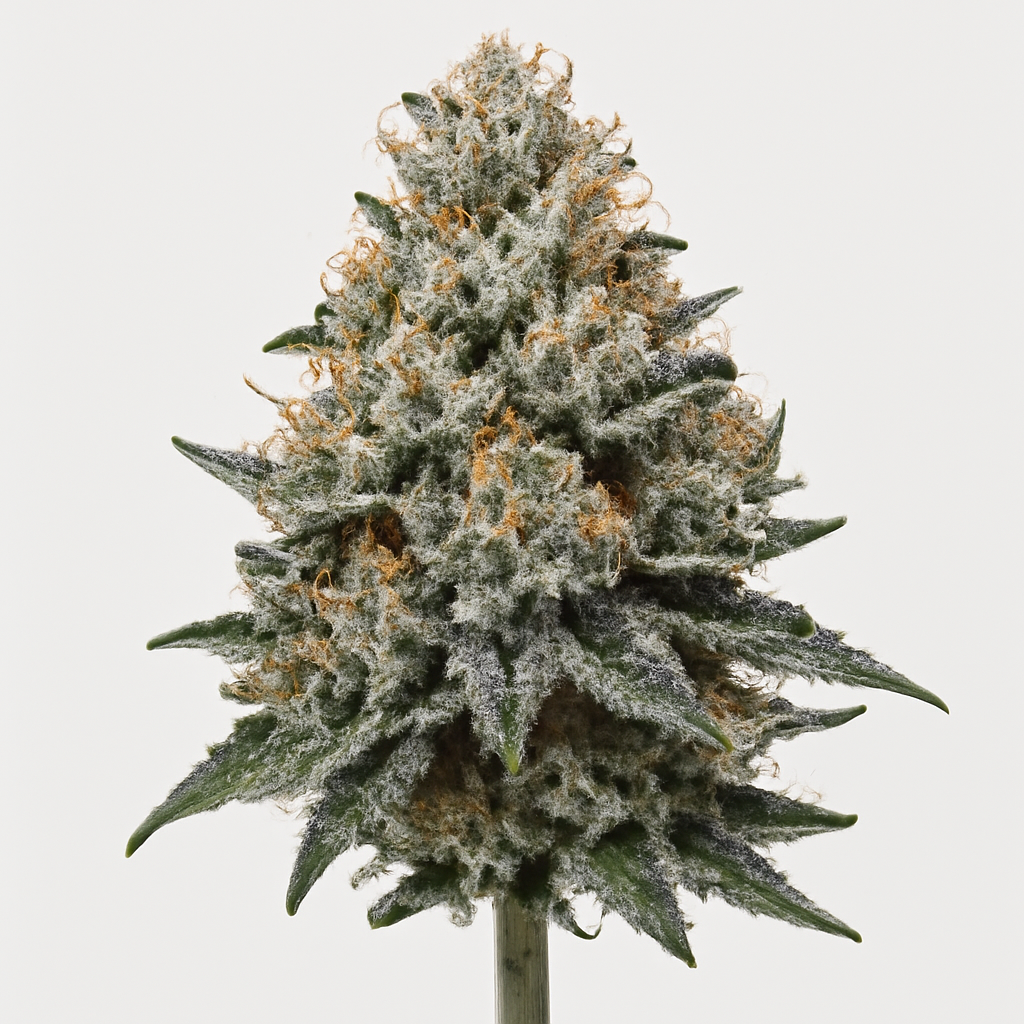
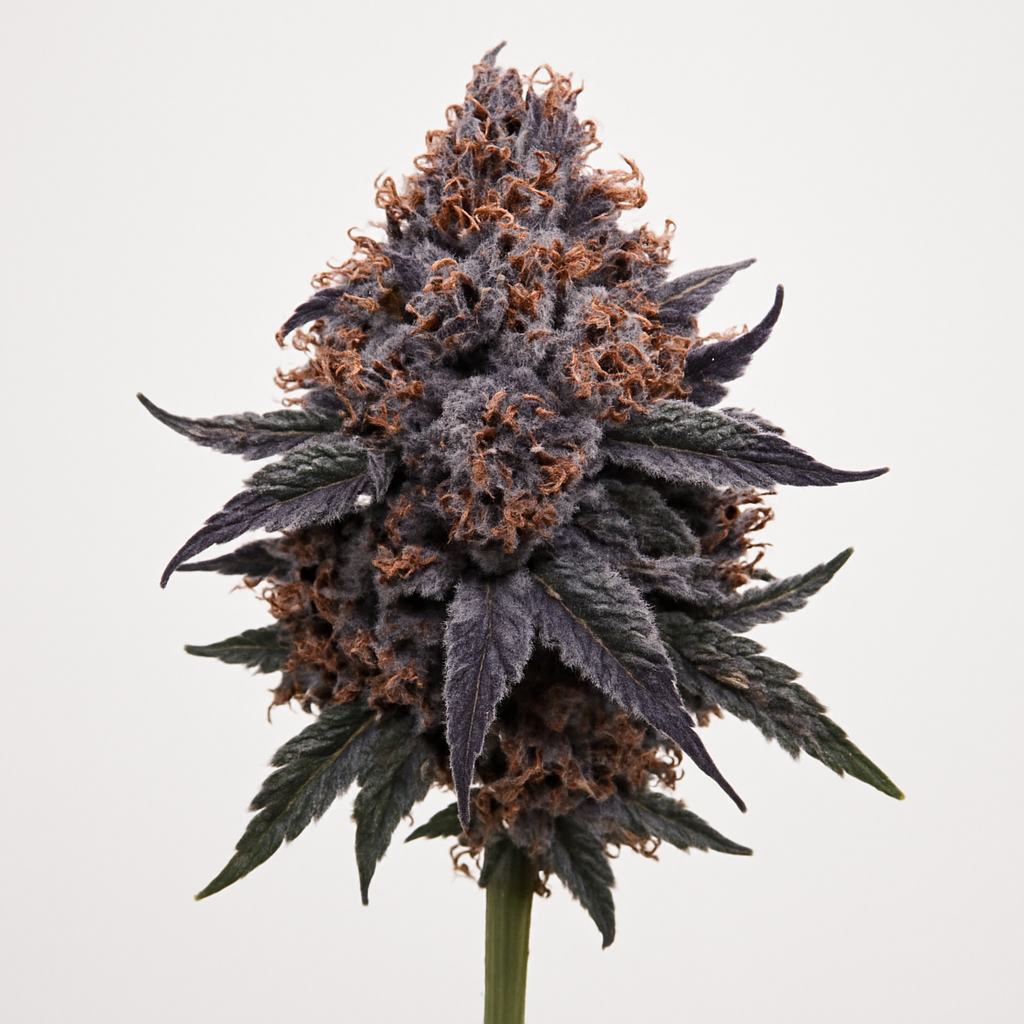
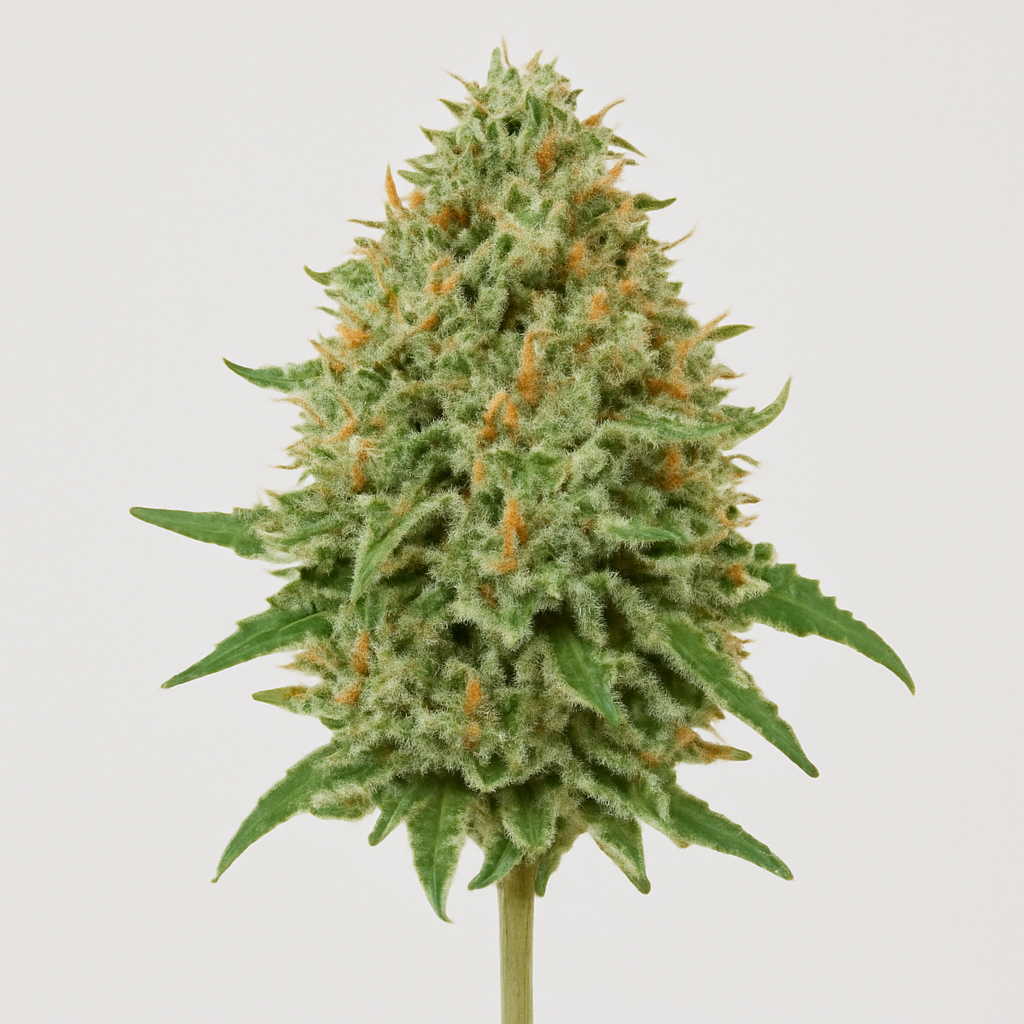
Chernobyl buds often form into elongated colas with a somewhat airy but resinous build. The flowers commonly display bright green to deeper forest-green tones, with slender orange pistils threading through the surface and a noticeable trichome layer that can give the buds a frosted, almost sugary look under proper lighting.
Phenotype differences are easy to spot in this cultivar. Some plants finish with tighter, more stacked flowers, while others lean into a looser spear structure that reflects their sativa inheritance. Occasional lime-colored calyxes and a shimmering glandular coat are both typical visual cues, especially when the plant is harvested at peak maturity.
Effects & Use-Cases (Reported)
- Commonly reported effects: upbeat, mentally active, talkative, creative, and energetically focused.
- Use-case context: often chosen for daytime sessions, social settings, or creative work where a brighter mental profile is preferred.
- Body character: generally described as light to moderate in the body, with less emphasis on heaviness than on mental movement.
- Note: These observations are anecdotal and do not constitute medical claims.
Observational Note: Chernobyl is usually discussed as a strain that comes on with clarity before it settles into a steadier, longer-lasting headspace. The experience is often described as more expressive than sedating, which is part of why it remains a recognizable name in old-school hybrid circles.
Potency Note: Well-grown examples can test high enough to feel substantial even for experienced consumers, but the character is typically more cerebral than heavy-bodied. The exact impact will vary with phenotype, harvest timing, and cure quality.
Aroma & Flavor Profile
- Aroma: lime peel, sweet citrus, pine sap, herbal funk, and a faint chemical sharpness in some cuts.
- Flavor: lemon-lime candy, tart citrus, resinous pine, and earthy spice on the exhale.
- Aftertaste: lingering citrus zest with a dry, piney finish and light herbaceous bitterness.
- Terpene associations: commonly aligned with limonene, terpinolene, and pinene.
If you are searching for a strain with lemon-lime flavor, citrus-heavy aroma, and a piney finish, Chernobyl fits that profile closely. Its terpene expression can read bright and tangy at first, then settle into a more resinous, herb-driven aftertaste that separates it from sweeter modern dessert crosses.
Tested Cannabinoid & Terpene Ranges
| Compound | Typical Range* | Notes |
|---|---|---|
| Δ⁹-THC | ~18–26% | Often strong enough to read as potent, especially in resin-rich selections. |
| CBD | <0.5% | Typically minimal and not a defining part of the profile. |
| Limonene | ~0.30–0.85% | Supports the bright citrus peel and lemon-lime character. |
| Terpinolene | ~0.20–0.70% | Commonly linked to the sweet, slightly sharp top note in the aroma. |
| Pinene | ~0.15–0.50% | Adds pine, freshness, and a drier finish to the flavor profile. |
*Ranges are estimates and may vary by phenotype, harvest timing, and testing methods.
Cultivation Notes
- Light Cycle: 18/6 for vegetative growth; 12/12 for flowering.
- Humidity: Moderate in veg, then reduced in flower to help preserve airflow through the canopy.
- Stretch: Moderate to strong early-flower stretch, especially in taller phenotypes.
- Training: Responds well to topping, low-stress training, and trellising to control height.
- Odor Control: Strongly recommended; late flower can push a sharp citrus-pine scent.
- Harvest Window: Approximately 8–9 weeks indoors
Chernobyl performs best when the canopy is managed early and airflow is kept consistent through flowering. The strain’s structure can become unruly if left untopped, but it rewards attentive training with improved light penetration and more even bud development.
Grower Notes (Week-by-Week Snapshot)
- Weeks 1–3: Rapid vegetative response, strong branching, and noticeable vertical movement after the flip.
- Weeks 4–5: Stretch slows, floral sites begin to define, and citrus aroma starts to emerge.
- Weeks 6–8: Resin production increases quickly, with buds stacking into spear-like tops and trichomes becoming dense.
- Weeks 9–10: Final ripening emphasizes sharper lime notes, with phenotypes nearing peak maturity around week 8 to 9.
Genetic Lineage
Chernobyl’s lineage is most often given as Trainwreck x Trinity x Jack the Ripper, and each parent is widely discussed for a different reason. Trainwreck is commonly associated with aggressive vigor and a more forceful sativa structure, Trinity is often linked to sweet citrus nuance, and Jack the Ripper is remembered for fast-flowering tendencies and intense aromatic output. Together, they create a cultivar that feels clearly rooted in older West Coast breeding while still carrying enough nuance to remain relevant in modern searches and breeding discussions.
Research Insights
Chernobyl matters in the modern cannabis landscape because it bridges legacy sativa breeding with the terpene-driven language that today’s consumers actually search for. The strain continues to appear in dispensary menus and community references precisely because its profile is distinct: lime-heavy, pine-leaning, and less dessert-like than many newer hybrids. For breeders and collectors, it also serves as a useful reference point for citrus-forward expression that predates today’s gassy, candy-coated trend lines.
Frequently Asked Questions
What kind of strain is Chernobyl?
Chernobyl is generally classified as a sativa-leaning hybrid with a citrus-forward terpene profile and an energetic, mentally active reputation.
Who bred Chernobyl?
The strain is most commonly attributed to Subcool’s The Dank, also known as Subcool Seeds, though older documentation can vary slightly across legacy sources.
What does Chernobyl taste like?
It is often described as lemon-lime, tart citrus, and pine resin, with an earthy or herbal finish depending on the phenotype and cure.
How long does Chernobyl take to flower?
Most indoor examples finish in approximately 8 to 9 weeks, though some plants may need a little longer depending on structure and environment.
Is Chernobyl more uplifting or sedating?
Reported effects lean more uplifting and mentally engaging than sedating, with a lighter body feel compared with heavier indica-dominant cultivars.
Educational Disclaimer: This page is provided strictly for scientific and horticultural reference. Cannabis cultivation, possession, and use are regulated by local laws. This content does not promote illegal activity or constitute medical advice. Always comply with applicable regulations in your jurisdiction.
Rate and review this strain
Ratings and reviews are accepted only from signed-in Google accounts.
Sign in with Google to leave a rating and written review.
Latest Reviews
0 reviewsNo reviews yet. Be the first Google user to rate and review this strain.