Chemdog (Cannabis Strain) — Strainpedia
Chemdog is a legacy hybrid whose reputation rests on a sharply fuel-forward aroma, a fast-hitting effect profile, and a place near the center of modern West Coast breeding history. The line is usually described as clone-only and its exact origin remains disputed, which only adds to the cultivar’s long-standing mystique among collectors and enthusiasts.
In the garden, Chemdog tends to show a lanky hybrid structure, a noticeable stretch in early flower, and resin production that can get exceptionally heavy on select phenotypes. Its flavor identity leans toward diesel, skunk, and earthy hash notes, while the reported experience is often described as bright at first and heavier later, making it a reference point for many Chem-family descendants.
Quick Facts
| Genetics | Clone-only legacy line; exact parentage is disputed |
|---|---|
| Original Breeder | Not clearly documented |
| Variety | Sativa-leaning Hybrid |
| Flowering Time | Approximately 9–10 weeks indoors |
| Yield Potential | Moderate to high with experienced canopy management |
| Plant Height | Medium to tall indoors; often stretches significantly in bloom |
| Climate Preference | Warm, dry, well-ventilated indoor or Mediterranean-style outdoor conditions |
| Difficulty | Moderate to advanced |
Strain Classification
| Type | Sativa-leaning Hybrid |
|---|---|
| Genetic Family | Legacy Chem family cultivar with strong fuel, skunk, and hash influence |
| Primary Terpenes | Myrcene, caryophyllene, limonene* |
| Original Breeder | Not clearly documented |
| Breeding Lineage | Disputed legacy bagseed origin; widely associated with the Chem line and later Chem-family selections |
*Exact terpene dominance may vary by phenotype and cultivation method.
Scientific & Botanical Overview
Botanically, Chemdog is treated as a hybrid with a strong sativa expression in stretch, leaf-to-calyx spacing, and flowering posture, though many cuts finish with a dense resin coat and a more substantial body presence than the structure alone suggests. The cultivar’s chemistry is often reported to skew high in THC with low CBD, a pattern consistent with many late-1990s elite hybrid selections.
From a breeding perspective, Chemdog matters because it became a genetic anchor for numerous diesel- and chem-driven lines that followed. Its reputation is tied as much to clone preservation as to seed production, so growers frequently evaluate individual cuts rather than assuming uniform results across the name. That variability is part of why the strain remains important in connoisseur circles and modern phenotype searches.
Appearance
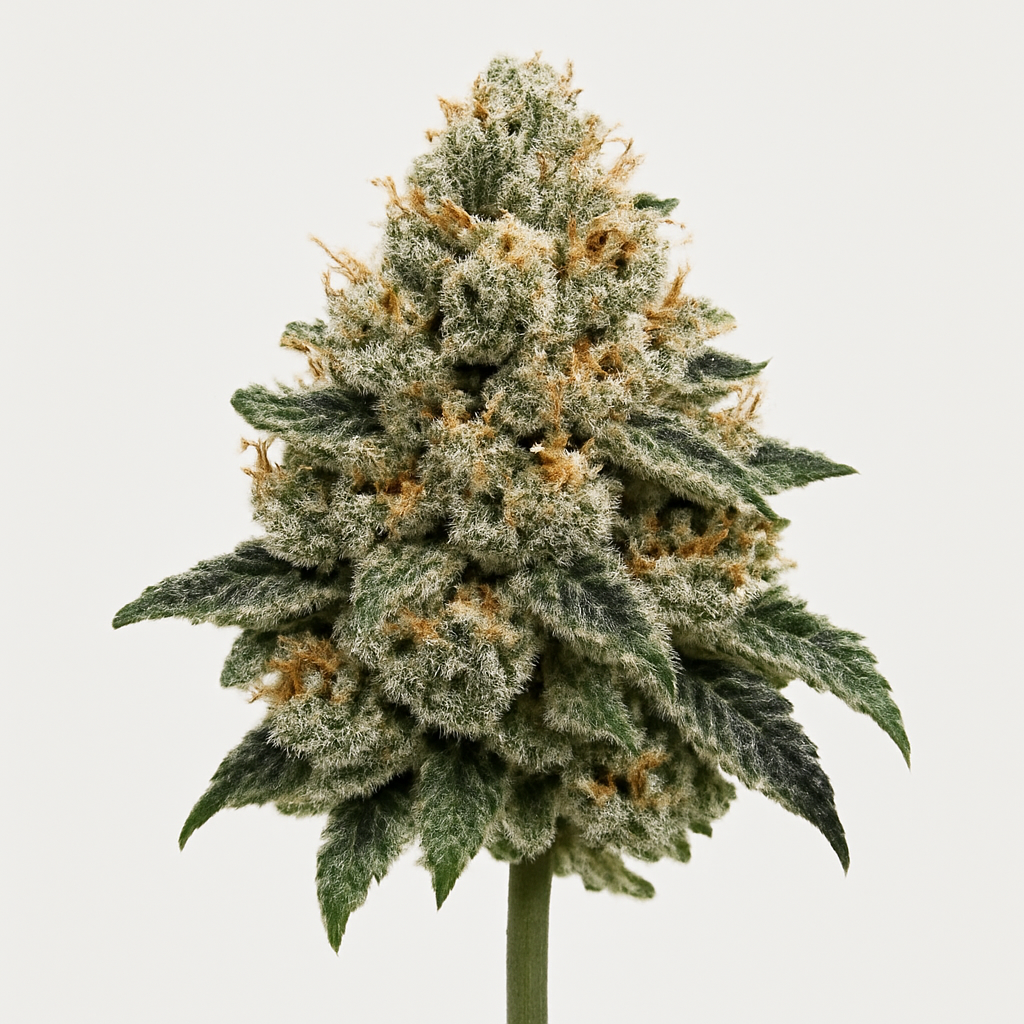
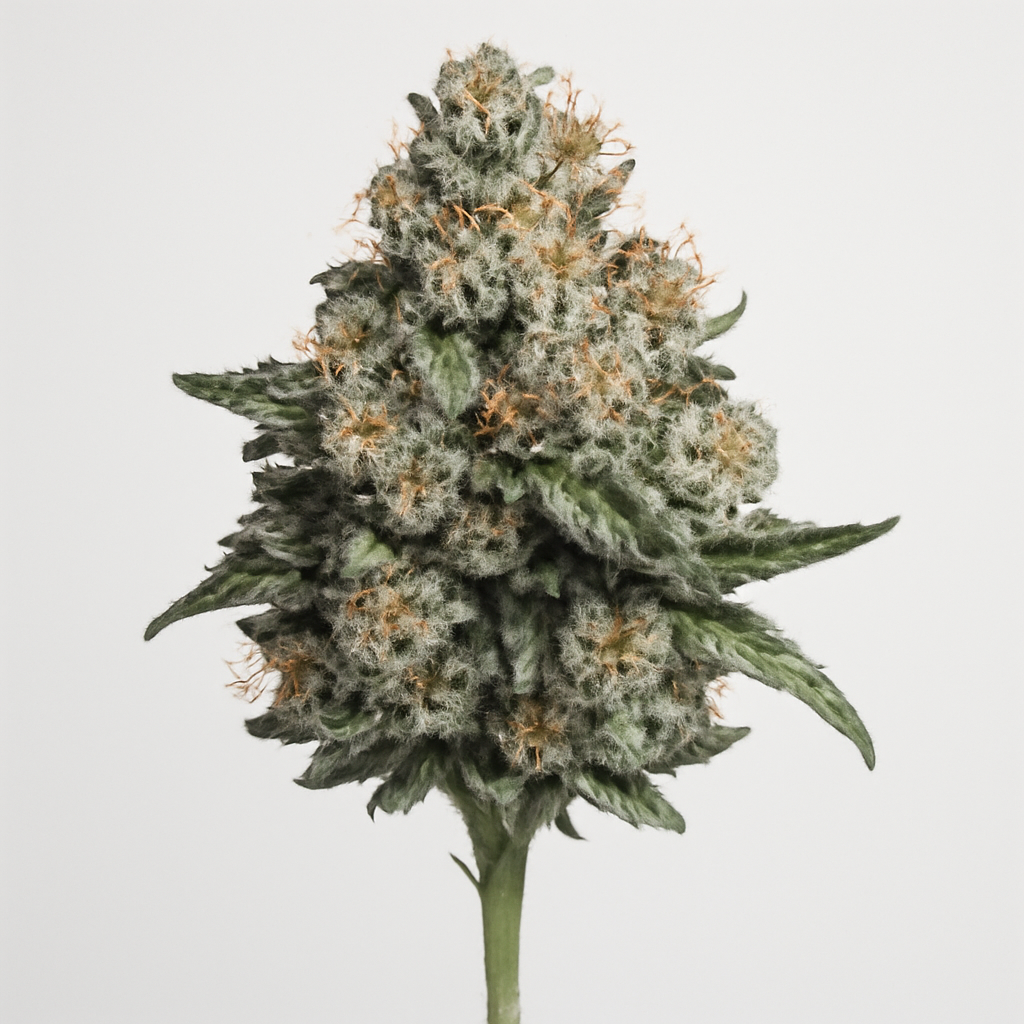
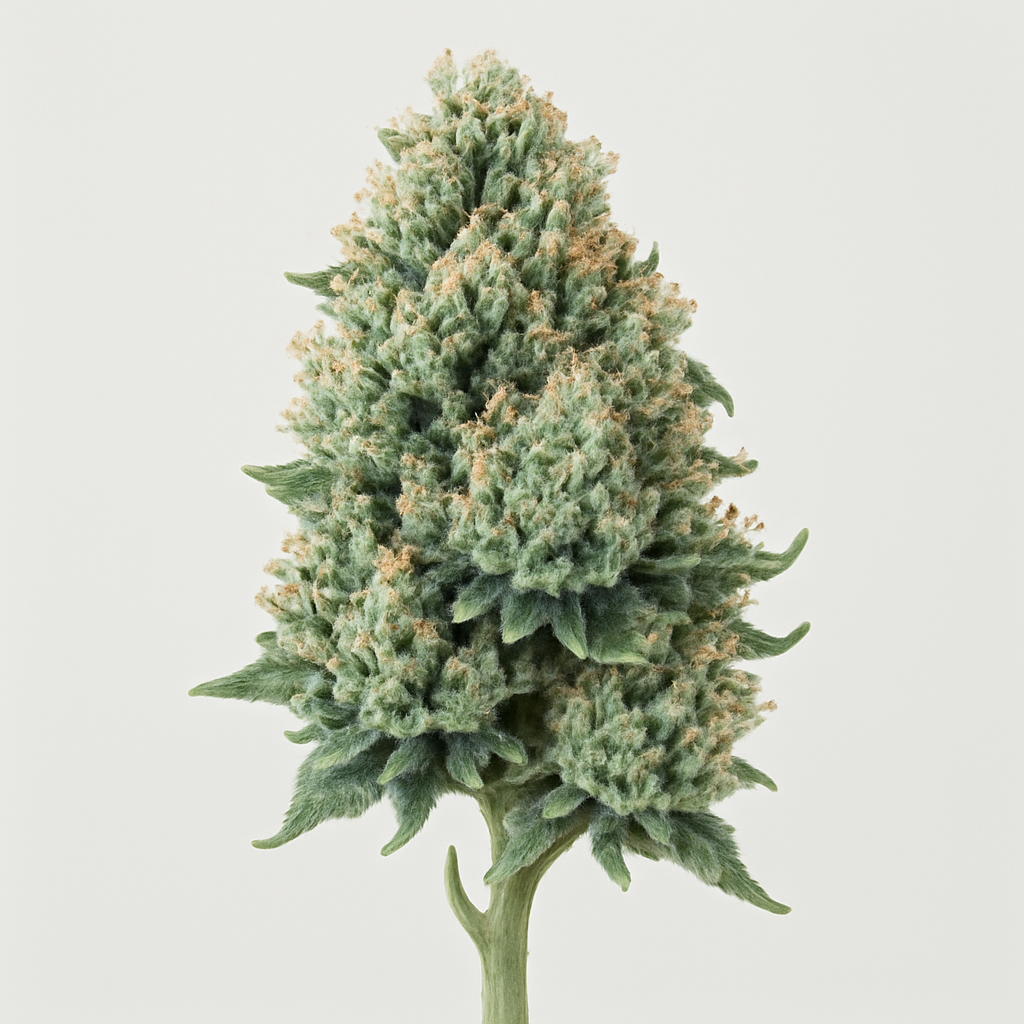
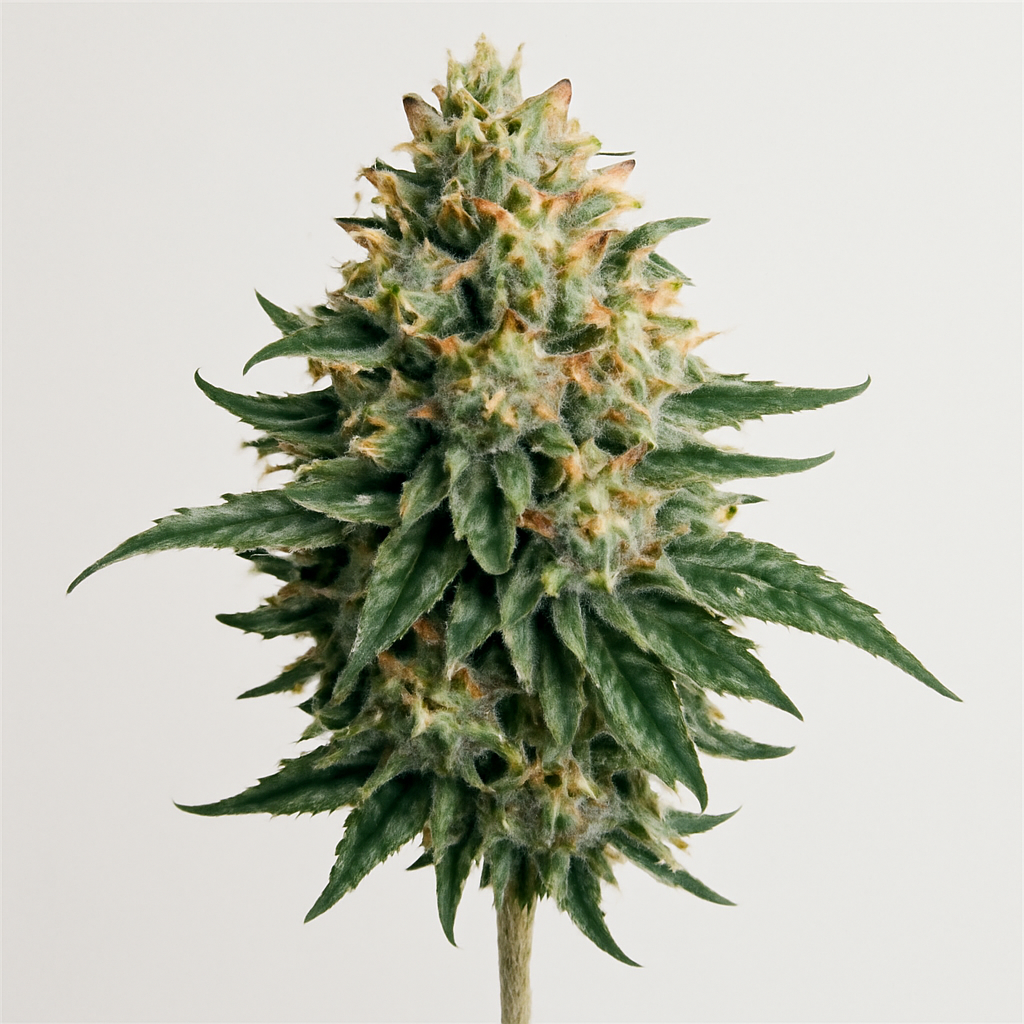
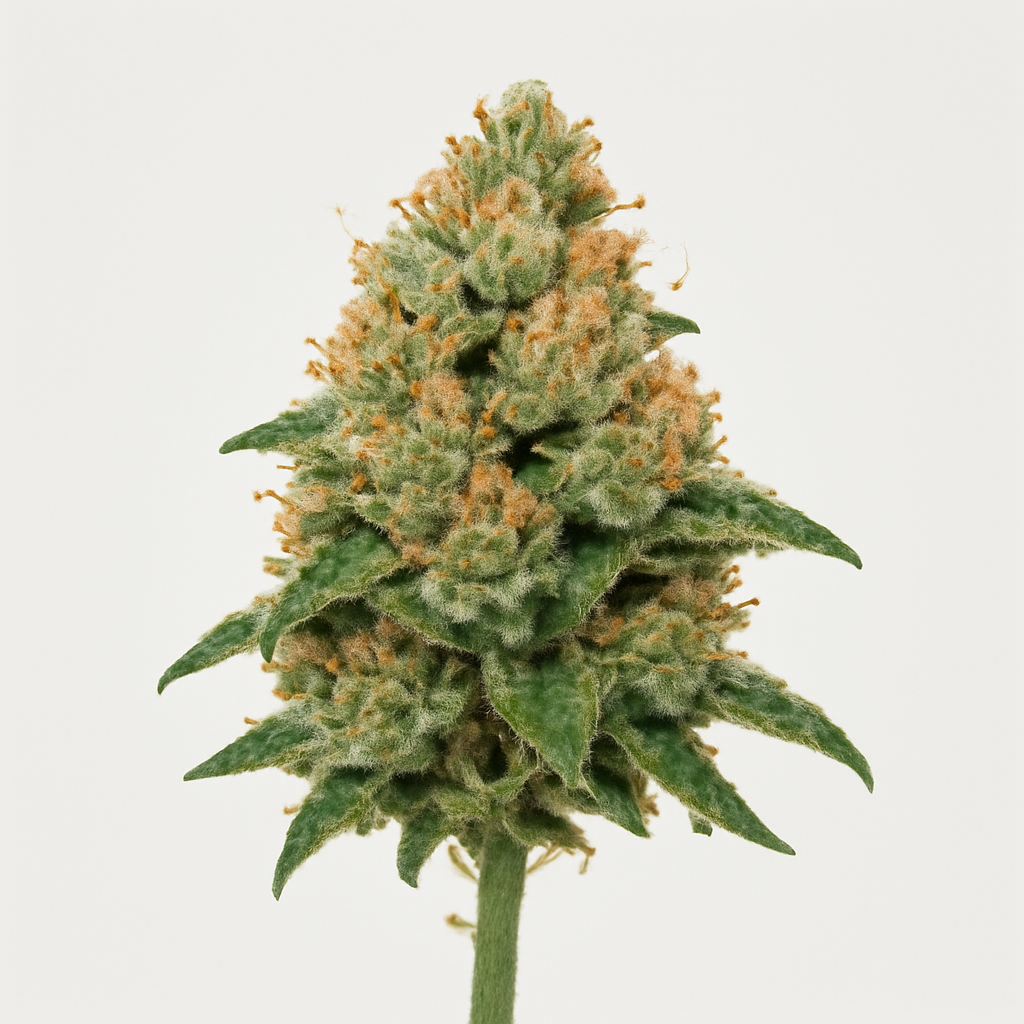
Chemdog flowers usually present as medium-sized buds with an elongated, slightly irregular structure that reflects its legacy hybrid character. The color palette is commonly bright to medium green, sometimes with darker forest-green pockets, contrasted by rusty orange pistils that thread through a dense frost of trichomes.
Phenotype variation is a real factor with this strain. Some expressions look airy and spear-like, while others stack more compactly and show notably greasy resin coverage, especially near the sugar leaves and upper colas. Under strong light, the trichome layer can take on a pale silvery sheen that underscores the cultivar’s reputation for extract potential.
Effects & Use-Cases (Reported)
- Commonly reported effects: quick cerebral lift, talkative energy, mental intensity, eventual heaviness, and a long-lasting finish
- Use-case context: often selected for late afternoon or evening sessions when a stronger, more assertive hybrid character is preferred
- Body character: usually described as warm and weighty after the initial head-forward onset
- Note: These observations are anecdotal and do not constitute medical claims.
Observational Note: Chemdog is rarely described as subtle. The onset is often fast and attention-grabbing, then the experience tends to settle into a thicker, more grounded finish that can feel noticeably more physical than the first impression suggests.
Potency Note: This is a strain that can test high, and the effect intensity may feel pronounced even for experienced consumers. Small amounts are often enough for a full session, especially with resin-rich phenotypes.
Aroma & Flavor Profile
- Aroma: loud diesel, skunk, damp earth, sharp fuel, and faint chemical funk
- Flavor: earthy fuel, musky spice, hashy smoke, and a lingering skunk note on the exhale
- Aftertaste: persistent diesel with a dry, resinous finish
- Terpene associations: commonly aligned with myrcene, caryophyllene, and limonene.
For searchers comparing Chemdog aroma and flavor, the defining theme is a sharp fuel profile layered over classic skunk and earth. It is not a dessert strain, and it does not try to be; the appeal is the pungent, old-school chemistry that has made the name durable in dispensary menus and legacy conversations alike.
Tested Cannabinoid & Terpene Ranges
| Compound | Typical Range* | Notes |
|---|---|---|
| Δ⁹-THC | ~18–26% | Often tested in the upper range for a legacy hybrid, especially in resin-heavy cuts. |
| CBD | <0.5% | Typically trace levels only. |
| Myrcene | 0.20–0.65% | Frequently associated with earthy depth and a heavier finish. |
| Caryophyllene | 0.15–0.45% | Contributes peppery spice and a dry, savory edge. |
| Limonene | 0.10–0.35% | Can add a brighter top note beneath the fuel-heavy profile. |
*Ranges are estimates and may vary by phenotype, harvest timing, and testing methods.
Cultivation Notes
- Light Cycle: 12/12 for flowering indoors
- Humidity: Moderate to low in bloom, with strong airflow to reduce mold pressure
- Stretch: Moderate to strong stretch in early flower
- Training: Responds well to topping, trellising, and canopy leveling
- Odor Control: Essential; aroma becomes intense and penetrating in mid to late bloom
- Harvest Window: Approximately 9–10 weeks indoors
Chemdog rewards growers who can keep the canopy even and the environment steady. It usually performs best when nitrogen is tapered appropriately in bloom and humidity is kept in check as the flowers densify. Because many cuts are clone-only or cut-specific, outcome can vary substantially, so careful observation matters more than assuming a fixed template.
Grower Notes (Week-by-Week Snapshot)
- Weeks 1–3: Expect noticeable vertical growth and rapid transition into bloom structure, with strong stem extension and early resin onset.
- Weeks 4–5: Bud sites begin to thicken, aroma intensifies, and support may be needed as branching starts to carry more weight.
- Weeks 6–8: Trichome coverage builds quickly, the fuel-skunk profile deepens, and careful airflow becomes increasingly important.
- Weeks 9–10: Final swell and ripening; some phenotypes finish with dense resin and a pungent, oily finish that benefits from attentive dry-room control.
Genetic Lineage
Chemdog’s lineage is one of the cannabis world’s enduring debates. The strain is generally traced to a 1990s bagseed discovery, after which cuttings circulated and became foundational material for a broad Chem family of cultivars. While the exact parents are not reliably documented, the line is consistently associated with a fuel-heavy, skunk-leaning genetic profile that influenced many later hybrids.
What is reasonably documented is the family impact: Chemdog helped define the aromatic language of modern diesel strains and served as a parent or ancestor in many influential breeding projects. The line’s clone-based preservation also means that the name often refers to specific cuts rather than a uniform seed line, which explains the differences growers sometimes encounter.
Research Insights
Chemdog remains relevant because it sits at the intersection of legacy cannabis culture, elite clone preservation, and modern demand for loud terpene profiles. In search landscapes and dispensary menus, it continues to function as both a cultivar and a genetic reference point, especially for consumers looking for classic fuel-skunk character rather than dessert-style flavoring.
In the breeding scene, Chemdog matters because its influence extends far beyond the original cut. Many later powerhouse hybrids borrow from its chemistry, structure, or effect direction, which keeps the name active in phenotype hunts and pedigree discussions. For editors and growers alike, it is a useful example of how one disputed legacy line can shape an entire flavor family.
Frequently Asked Questions
Is Chemdog the same as Chemdawg?
The names are often used interchangeably in casual conversation, but the exact relationship is not fully standardized. In practice, both usually point to the same legacy Chem family and its related cuts.
What does Chemdog smell like?
Chemdog is typically described as diesel-heavy with skunk, earth, and a sharp fuel note. Some cuts add a dry chemical edge that becomes more obvious after grinding.
How long does Chemdog take to flower?
Most indoor grows finish in about 9 to 10 weeks, though phenotype and environment can shift the timeline slightly.
Is Chemdog difficult to grow?
It is usually considered moderately difficult to advanced. Stretch, odor, and environmental sensitivity are the main challenges, especially in late flower.
What kind of effects do people associate with Chemdog?
Reports often mention a fast cerebral lift followed by a heavier body finish. The overall impression is usually strong, pungent, and long-lasting rather than gentle.
Educational Disclaimer: This page is provided strictly for scientific and horticultural reference. Cannabis cultivation, possession, and use are regulated by local laws. This content does not promote illegal activity or constitute medical advice. Always comply with applicable regulations in your jurisdiction.
Rate and review this strain
Ratings and reviews are accepted only from signed-in Google accounts.
Sign in with Google to leave a rating and written review.
Latest Reviews
0 reviewsNo reviews yet. Be the first Google user to rate and review this strain.