Chemdawg (Cannabis Strain) — Strainpedia
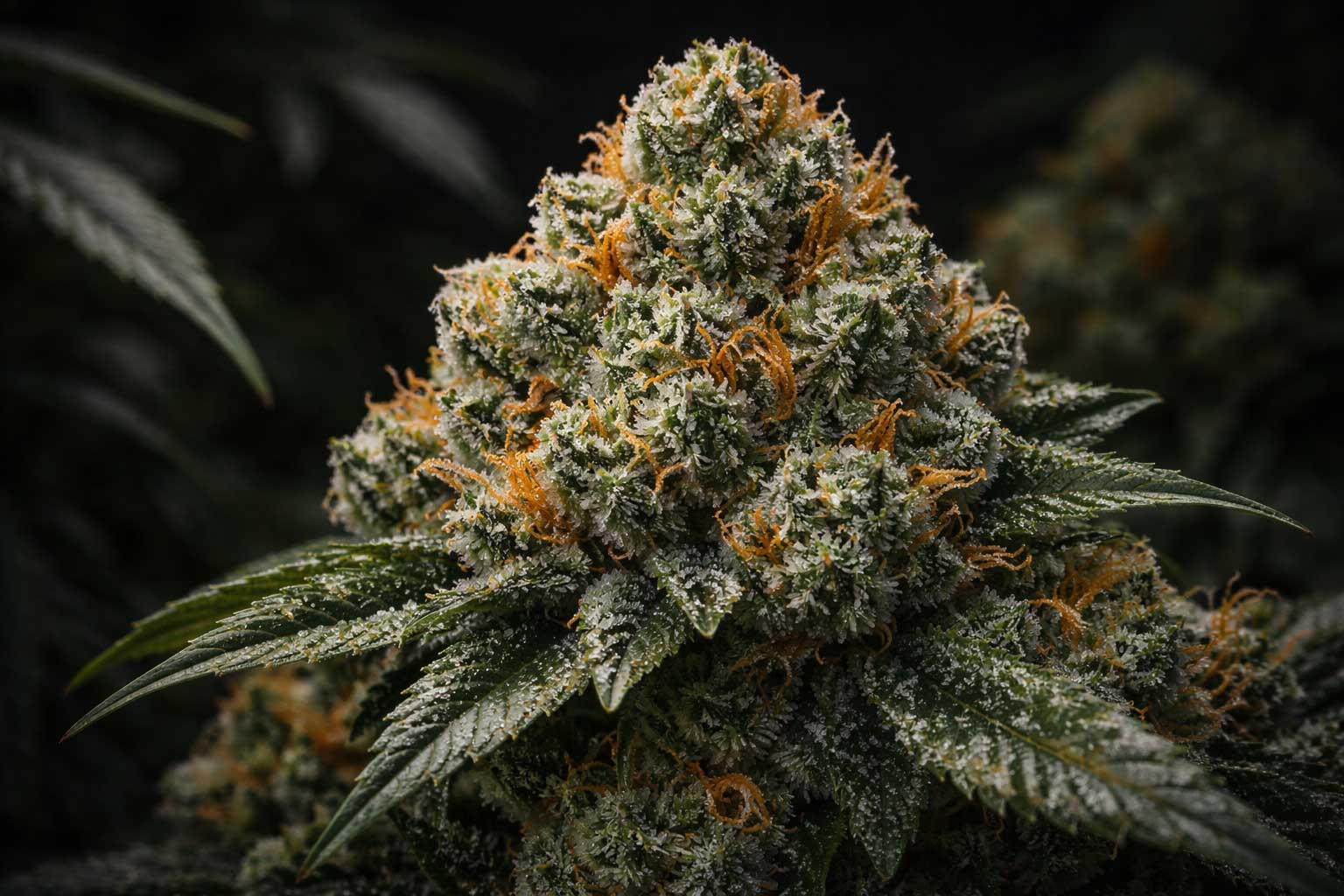
Chemdawg is one of the most genetically influential Hybrid cultivars in modern cannabis history. Often credited as the origin point for the contemporary “fuel” terpene lane, Chemdawg laid the foundation for iconic descendants including OG Kush and Sour Diesel. Emerging in the early 1990s under mysterious circumstances, it became a defining genetic bridge between old-school landrace lines and modern high-potency hybrids. Its sharp diesel aroma, resin-heavy structure, and powerful cerebral profile solidify Chemdawg as a true member of the Foundational Genetics tier.
Quick Facts
| Genetics | Exact lineage debated; commonly associated with Thai × Nepalese heritage |
|---|---|
| Breeder | Early 1990s preservation (U.S. origin story widely documented but debated) |
| Variety | Hybrid (slightly Sativa-leaning in many expressions) |
| Flowering Time | 8–10 weeks (56–70 days indoors) |
| Yield Potential | 400–550 g/m² (Medium) |
| Plant Height | 100–170 cm; moderate stretch with strong lateral branching |
| Climate Preference | Controlled indoor or dry outdoor climates |
| Difficulty | Intermediate (odor control and environment stability required) |
Scientific & Botanical Overview
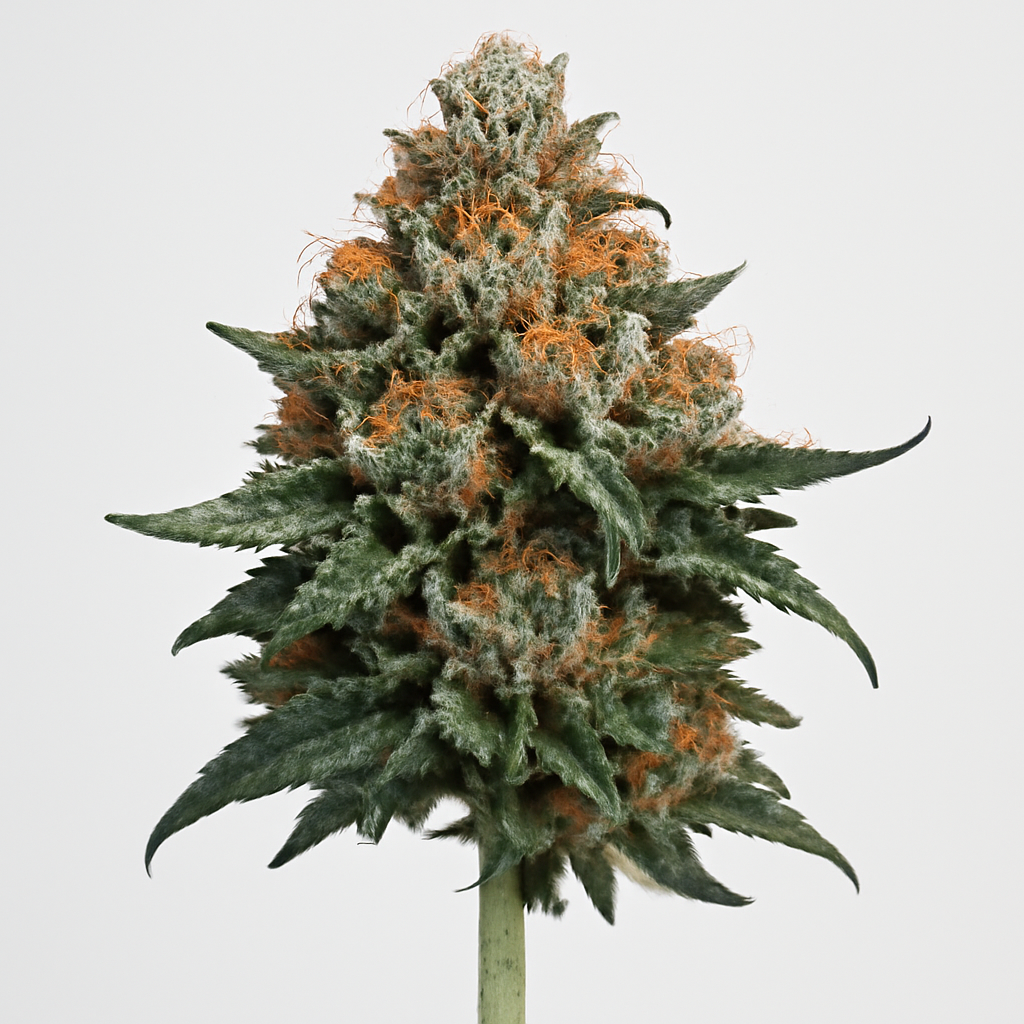
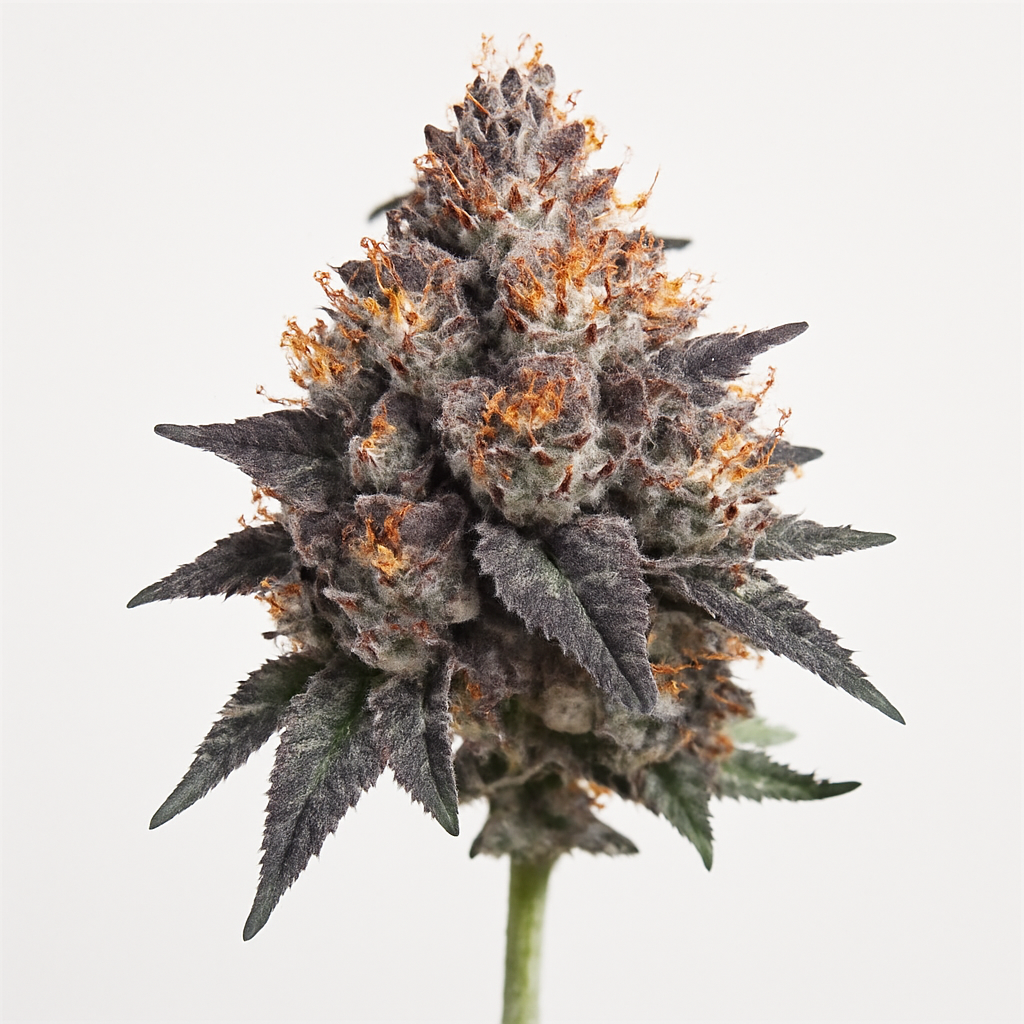
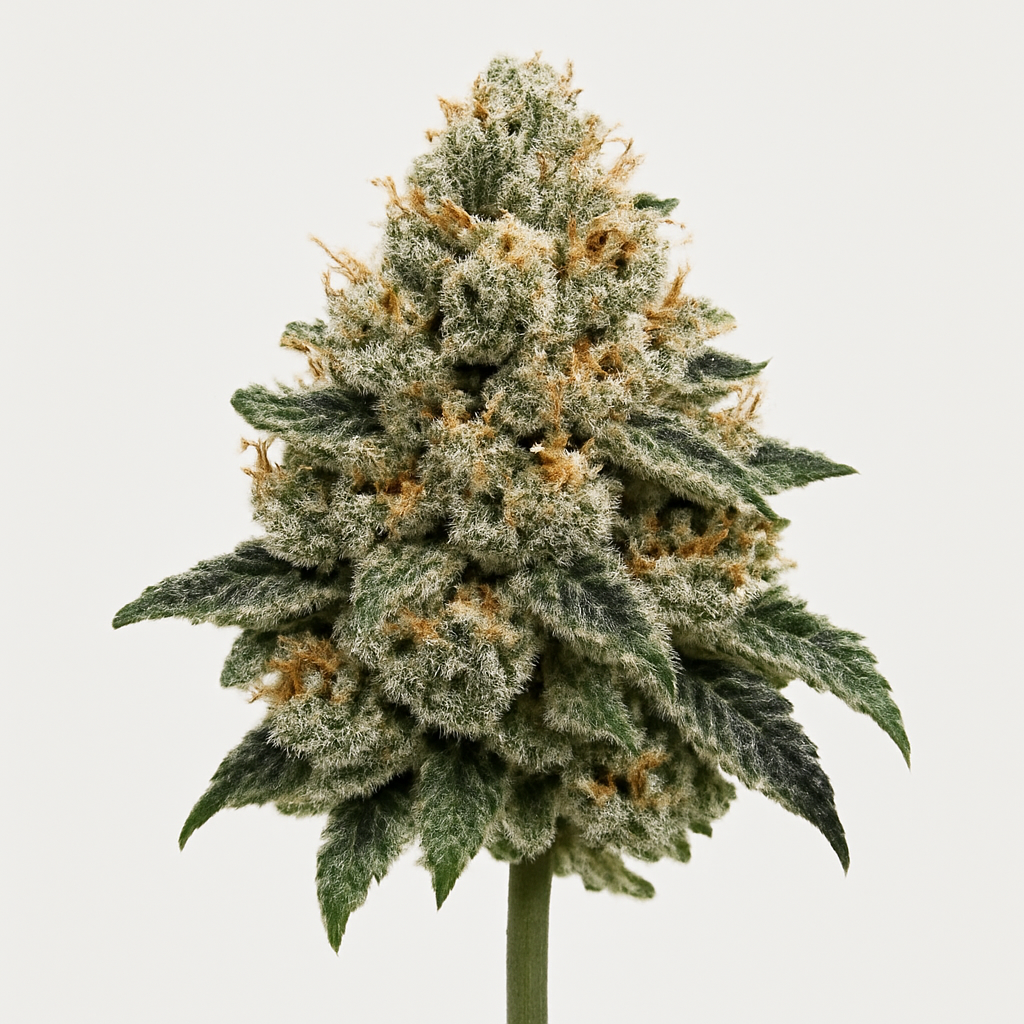
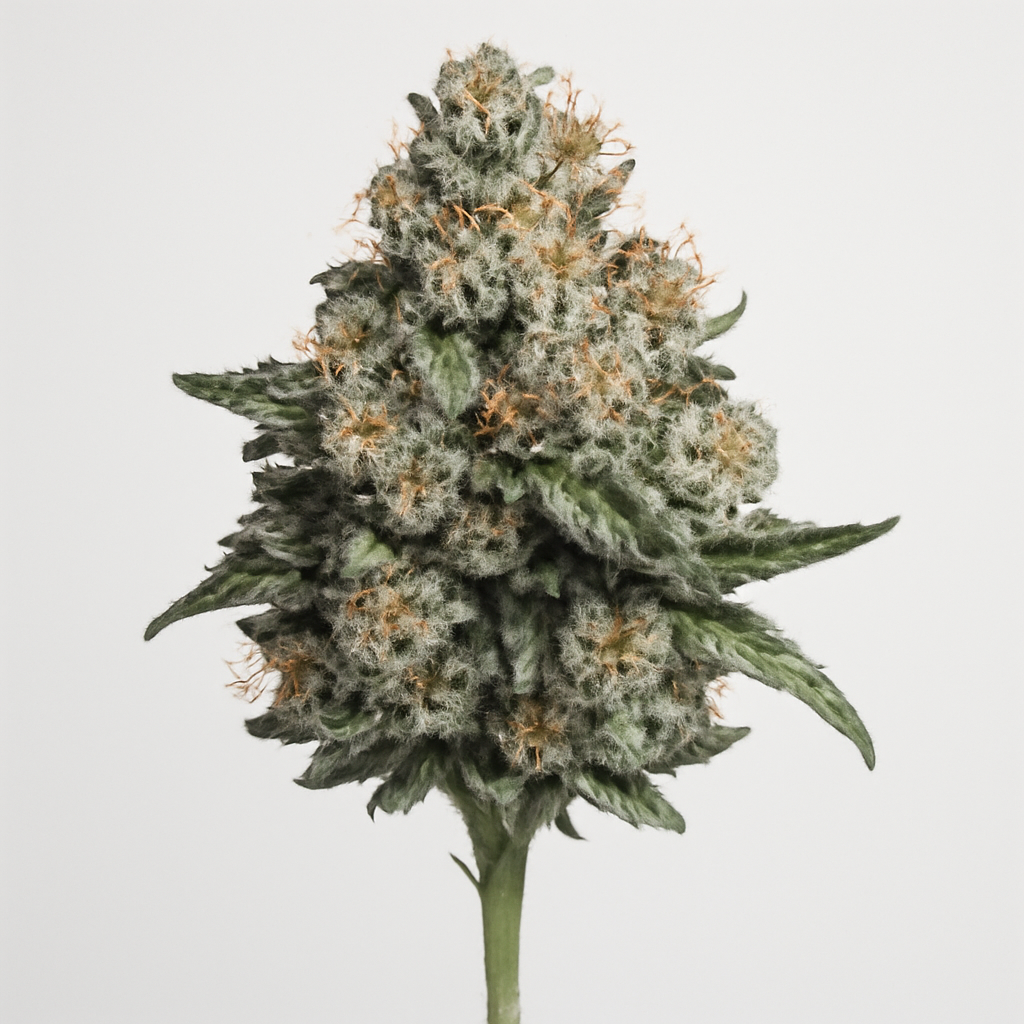
Chemdawg is characterized by dense, resin-saturated flowers and a terpene profile dominated by sharp fuel and earthy chemical notes. Structurally, it tends to produce moderately tight flower clusters with heavy calyx stacking and abundant trichome coverage across both bud and sugar leaf surfaces.
Botanically, Chemdawg expresses hybrid vigor with moderate internodal spacing and strong apical growth. During flowering, the plant can exhibit noticeable stretch before transitioning into compact, resin-heavy bud formation. Its high aromatic volatility makes it a frequent reference point in terpene research focused on diesel-dominant chemotypes.
Effects & Use-Cases (Reported)
- Commonly reported effects: intense cerebral onset, mental stimulation, deep body settling.
- Use-case context: evening sessions, experienced consumers, high-intensity relaxation.
- Functional profile: rapid head-focused activation followed by heavy physical grounding.
- Note: Observational reports only; not medical claims.
Aroma & Flavors
- Aroma: pungent diesel fuel, earthy musk, subtle citrus undertone.
- Flavor: sharp gassy inhale with peppery, earthy finish.
- Signature finish: lingering fuel and chemical sharpness.
- Terpene associations: caryophyllene, myrcene, limonene (varies by cut).
Tested Cannabinoid & Terpene Ranges
| Compound | Typical Range* | Notes |
|---|---|---|
| Δ⁹-THC | ~18–26% | High-potency tier; strong cerebral-forward onset common. |
| CBD | <1% | Generally trace levels. |
| Caryophyllene | Moderate–High | Contributes spice and depth to diesel profile. |
| Myrcene | Moderate | Adds earthy undertone and body weight. |
| Limonene | Low–Moderate | Subtle citrus brightness in some phenotypes. |
| Terpene Profile | Fuel / Earth / Chemical Spice | Blueprint for modern “gas” genetics. |
*Ranges vary depending on phenotype, cultivation practices, curing process, and laboratory analysis.
Cultivation Notes
- Light Cycle: 18/6 vegetative; 12/12 flowering
- Stretch: Moderate early flower elongation
- Humidity Targets: 40–50% during late flowering
- Odor Control: Essential due to extreme terpene intensity
- Harvest Window: Late September to early October outdoors
Grower Notes (Week-by-Week Snapshot)
- Weeks 1–2: Noticeable vertical stretch; establish canopy structure.
- Weeks 3–4: Flower stacking begins; aroma intensifies.
- Weeks 5–6: Resin density increases; fuel notes become dominant.
- Weeks 7–9: Ripening phase; monitor trichome maturity closely.
- Post-Harvest: Cure slowly to preserve volatile diesel terpenes.
Genetic Lineage
While the exact origin remains debated, Chemdawg is commonly associated with Thai and Nepalese landrace ancestry. It is widely credited as the genetic foundation behind both OG Kush and Sour Diesel. Its introduction into breeding programs marked a turning point toward fuel-forward aromatic profiles and higher resin potency in modern hybrid development.
Research Insights
Chemdawg is frequently cited in terpene research examining diesel-dominant chemotypes. Its aromatic volatility and high resin density make it a key reference strain in discussions about the evolution of “gas” genetics. As a transitional cultivar between classic landraces and modern high-potency hybrids, it occupies a pivotal position in cannabis breeding history.
Why Chemdawg Is “Foundational Genetics”
Chemdawg reshaped modern cannabis breeding by introducing the intense diesel-fuel terpene lane that defines many contemporary cultivars. Its genetic influence on OG Kush, Sour Diesel, and countless fuel-forward hybrids places it among the most important strains in cannabis history. Few cultivars have impacted aromatic direction and resin potency at the scale Chemdawg achieved.
Frequently Asked Questions
Is Chemdawg the parent of OG Kush?
Chemdawg is widely believed to be a primary genetic contributor to OG Kush and several fuel-forward strains.
Why does Chemdawg smell like fuel?
Its terpene composition frequently produces sharp, volatile aromatic compounds commonly described as diesel or chemical-like.
Is Chemdawg strong?
It is generally considered high-potency and is often recommended for experienced consumers.
Is Chemdawg difficult to grow?
It requires environmental stability and odor control but is manageable with intermediate cultivation experience.
Educational Disclaimer: This page is provided for scientific and horticultural reference only and does not constitute medical or promotional advice. Cannabis cultivation, possession, and use are regulated by local laws. Always comply with applicable legislation in your region.
Rate and review this strain
Ratings and reviews are accepted only from signed-in Google accounts.
Sign in with Google to leave a rating and written review.
Latest Reviews
0 reviewsNo reviews yet. Be the first Google user to rate and review this strain.