Blueberry (Cannabis Strain) — Strainpedia
Blueberry is one of the most influential berry-forward cultivars in modern cannabis breeding, and its identity is tied closely to DJ Short’s early work refining a fragrant Afghani-and-Thai hybrid into something more aromatic and memorable. Its signature profile centers on ripe blueberry, soft floral spice, and a resin-heavy flower structure that has made the strain a reference point for fruit-driven selections.
What separates Blueberry from many dessert-leaning hybrids is its older-school breeding character: dense buds, a rounded body effect, and phenotype variation that can swing from compact purple-tinged indica growth to a slightly taller hybrid expression. In quality examples, the flavor reads as berry jam and earthy hash rather than candy sweetness, which keeps the strain distinct in both legacy circles and contemporary dispensary menus.
Quick Facts
| Genetics | Afghani landrace selection × Thai sativa |
|---|---|
| Original Breeder | DJ Short |
| Variety | Balanced Hybrid |
| Flowering Time | Approximately 8–9 weeks indoors |
| Yield Potential | Moderate to high, depending on phenotype and training |
| Plant Height | Medium, with compact to moderately stretched hybrid structure |
| Climate Preference | Warm, dry-to-moderate indoor environments with good airflow |
| Difficulty | Moderate; responds well to careful selection and environmental control |
Strain Classification
| Type | Balanced Hybrid |
|---|---|
| Genetic Family | Old-school berry cultivar with indica-dominant structure and Thai-influenced aromatic lift |
| Primary Terpenes | Myrcene, caryophyllene, pinene* |
| Original Breeder | DJ Short |
| Breeding Lineage | Afghani landrace selection × Thai sativa influence |
*Exact terpene dominance may vary by phenotype and cultivation method.
Scientific & Botanical Overview
Blueberry is best understood as a stabilized breeding project built around an aromatic bridge between heavy indica structure and a more expressive sativa-side bouquet. Botanically, the cultivar tends to produce compact, resin-rich inflorescences with firm calyx stacking, while the leaf-to-bud ratio often reflects its Afghani influence. The result is a plant that can finish with striking color expression without relying on novelty traits or exaggerated morphology.
From a breeding perspective, Blueberry matters because it helped define the modern language of fruit-forward cannabis. The strain’s reputation comes not only from sweetness, but from how its berry note sits over earth, herb, and hash spice. That layering has made it a useful parent in later dessert and fruit lines, particularly where breeders wanted aroma complexity without losing structure or resin output.
Appearance
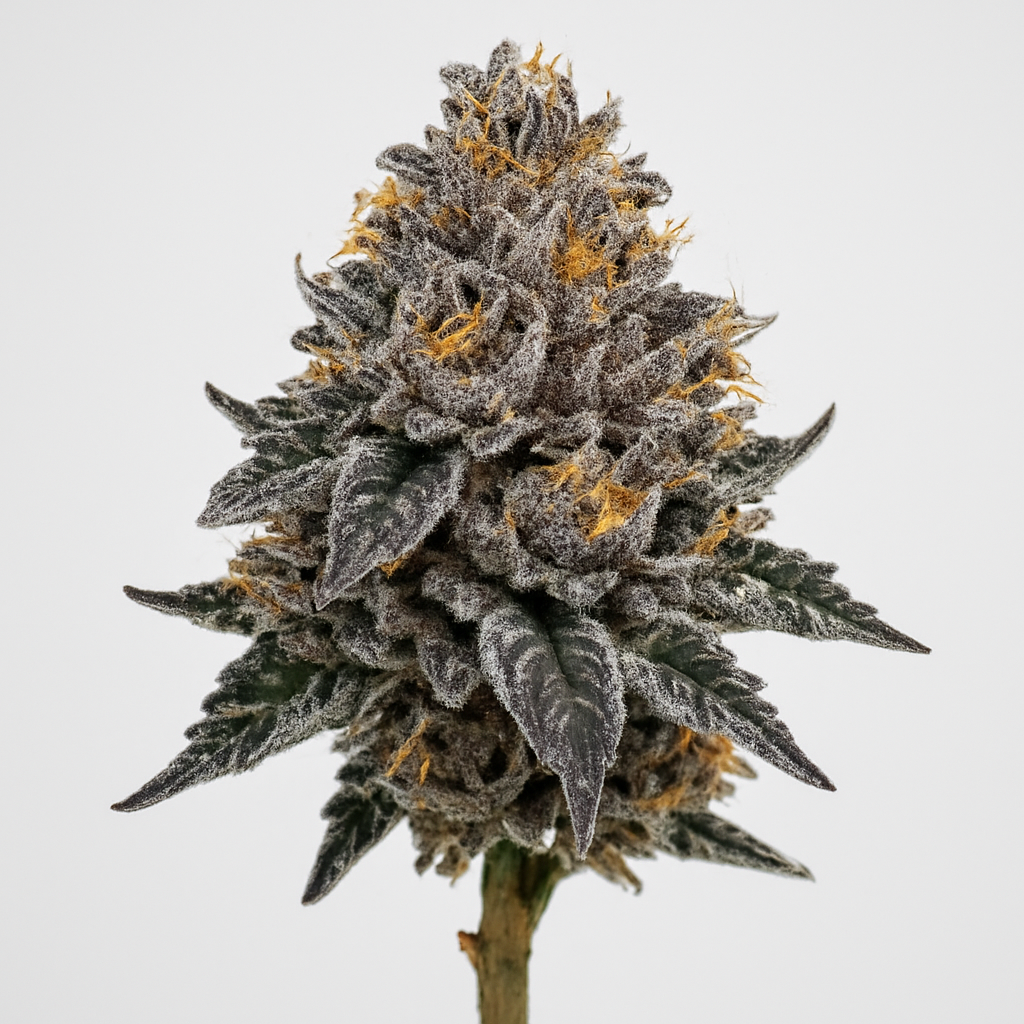
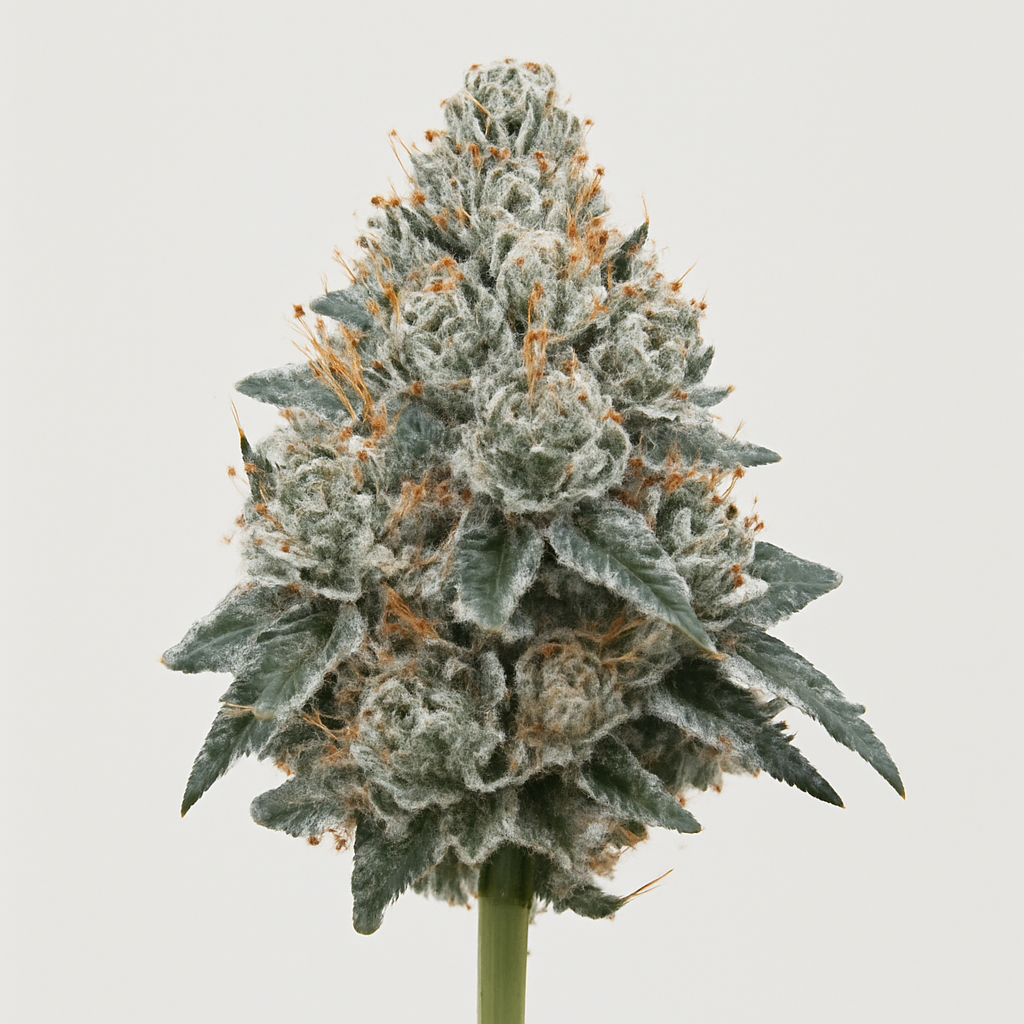
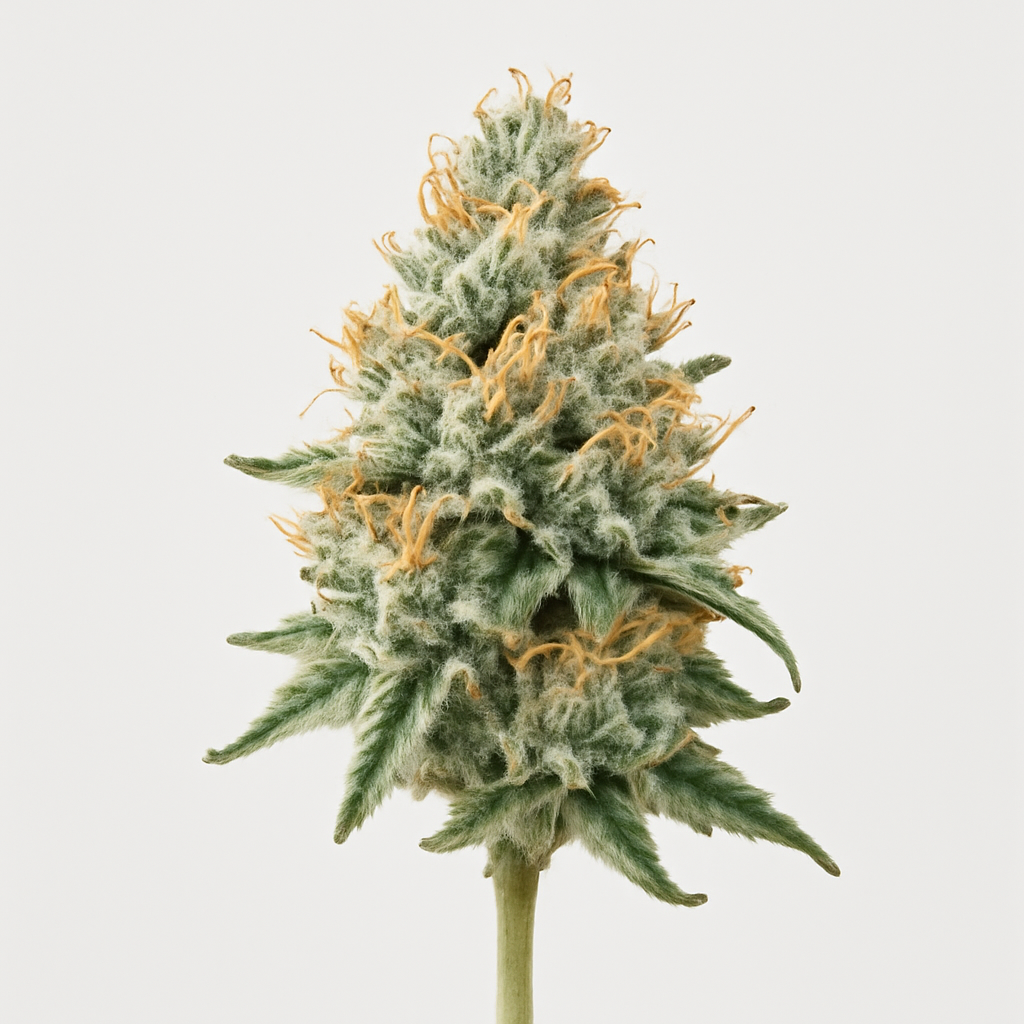
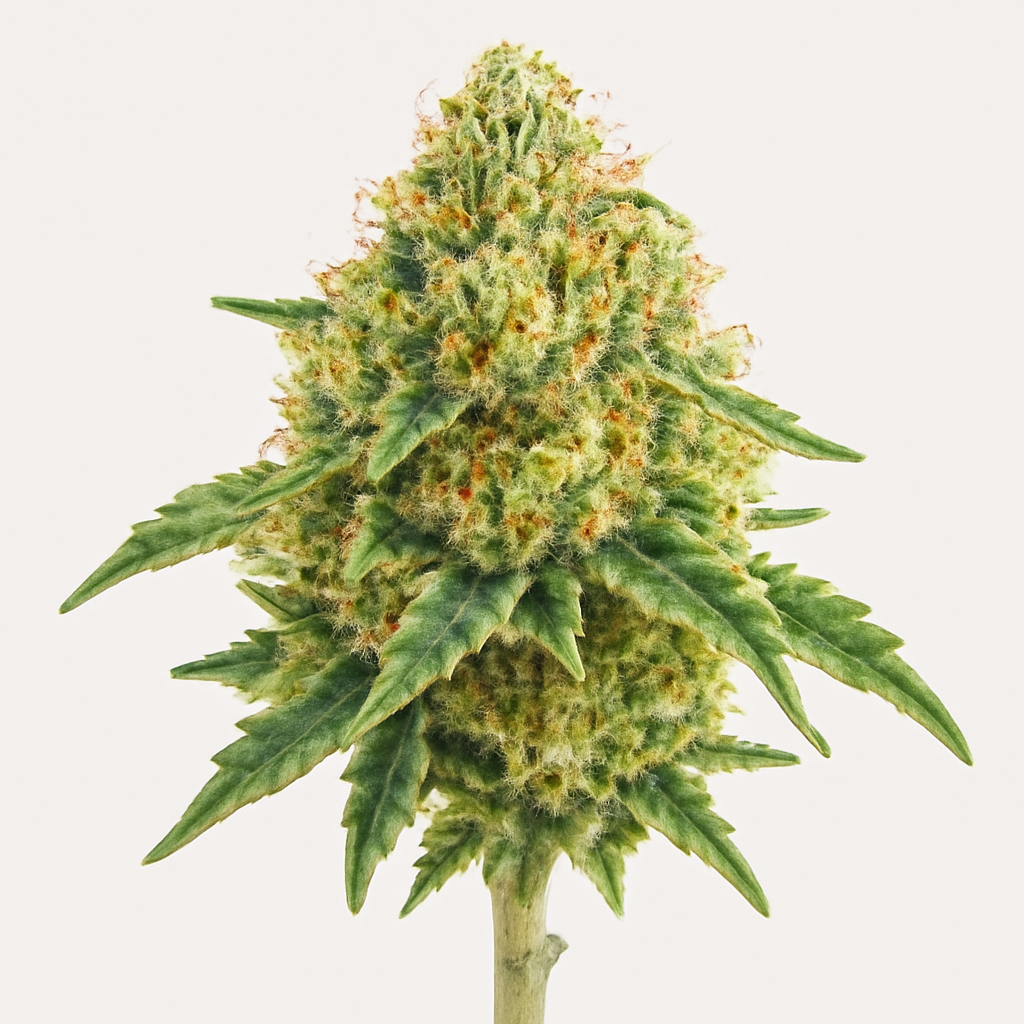
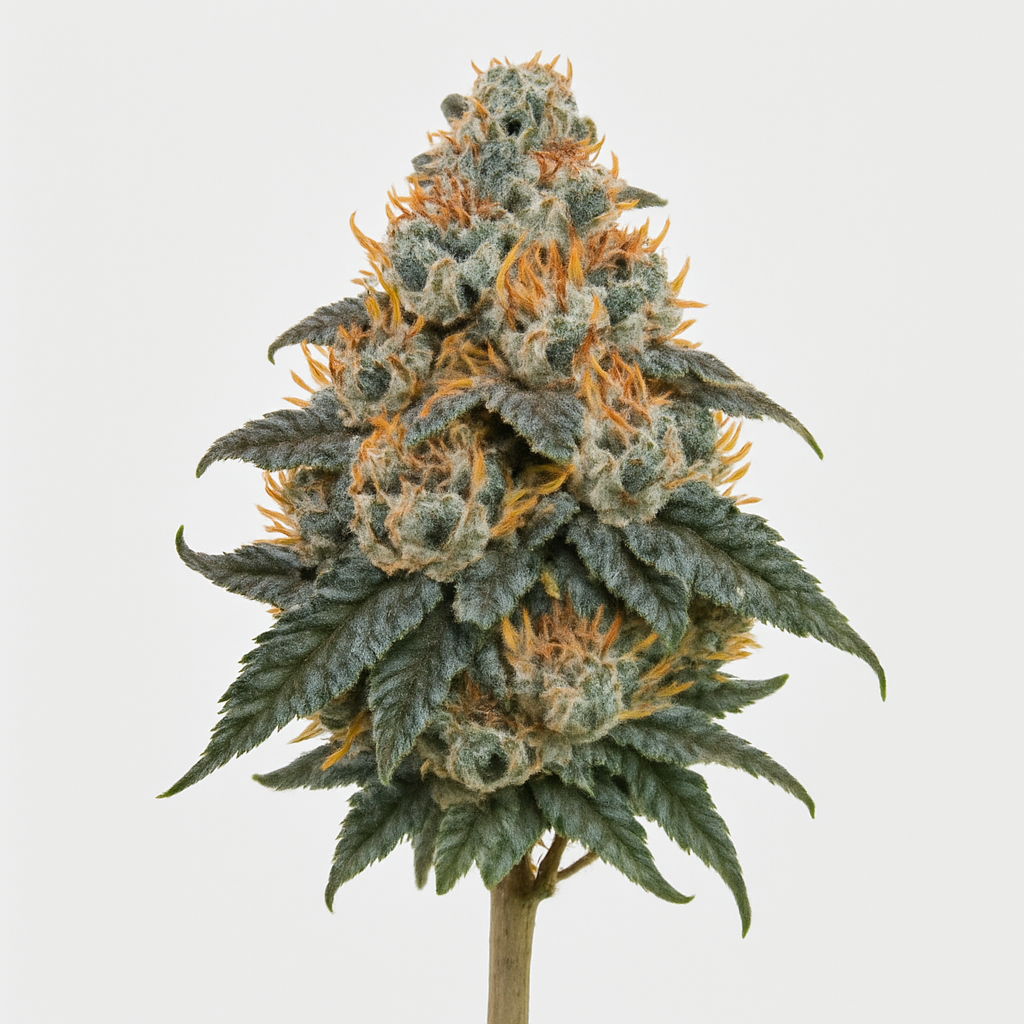
Blueberry flowers are typically dense and rounded, with a tight bud architecture that reflects its indica-leaning background. Maturity often brings muted forest-green tones, lavender shading, or deeper purple highlights, especially when cooler nights are used during the final weeks of bloom.
The pistils are usually bright orange to rust-colored and stand out sharply against the frosted flower surface. Trichome coverage can be heavy, giving the buds a white-gold sheen at harvest, while phenotype variation may show itself in calyx size, color intensity, and overall compactness.
Effects & Use-Cases (Reported)
- Commonly reported effects: calm, gentle euphoria, mood easing, and a gradually heavier body sensation.
- Use-case context: Often selected for late-evening sessions, relaxed social settings, or quiet downtime when a softer finish is preferred.
- Body character: Usually described as smooth and grounding rather than racy, with a noticeable decline in physical tension.
- Note: These observations are anecdotal and do not constitute medical claims.
Observational Note: Blueberry tends to unfold in stages: an initial lift that can feel bright or contented, followed by a slower, more settled body presence. That progression is one reason it remains a familiar choice among users who prefer flavor-rich flower with a mellow arc.
Potency Note: Modern Blueberry selections can test in a moderate-to-strong range, but the strain’s appeal is not only THC-driven. Its overall character depends heavily on freshness, cure quality, and how closely the phenotype preserves the classic berry-and-earth profile.
Aroma & Flavor Profile
- Aroma: ripe blueberry, jammy fruit, damp earth, light floral spice, and a hashy undernote.
- Flavor: sweet berry skin, blueberry jam, herbal wood, and a soft earthy finish.
- Aftertaste: lingering fruit sweetness with a faint tea-like herb tone and resinous earth.
- Terpene associations: commonly aligned with myrcene, caryophyllene, and pinene.
Blueberry is a strong search match for users looking for a true berry cannabis strain rather than a generic sweet cultivar. The profile is usually less candy-like than modern dessert hybrids, with more natural fruit depth, old-school hash character, and a finish that reads earthy instead of syrupy.
Tested Cannabinoid & Terpene Ranges
| Compound | Typical Range* | Notes |
|---|---|---|
| Δ⁹-THC | ~16–20% | Often moderate to strong, depending on cut and cure. |
| CBD | <0.5% | Typically low and not a defining part of the profile. |
| Myrcene | ~0.20–0.60% | May support the strain’s earthy, musky-fruit aroma. |
| Caryophyllene | ~0.10–0.40% | Commonly linked to spice and resinous depth. |
| Pinene | ~0.05–0.25% | Can add a fresher top note to the berry bouquet. |
*Ranges are estimates and may vary by phenotype, harvest timing, and testing methods.
Cultivation Notes
- Light Cycle: 12/12 during flowering; stable photoperiods help maintain uniform bloom timing.
- Humidity: Moderate humidity in veg, then reduced levels in flower to protect dense buds.
- Stretch: Usually modest, though some phenotypes show a noticeable early flower push.
- Training: Responds well to topping, light defoliation, and canopy leveling.
- Odor Control: Recommended in mid to late bloom, when berry and hash notes become more pronounced.
- Harvest Window: Approximately 8–9 weeks indoors
Blueberry rewards growers who pay attention to phenotype selection, because different lines can vary in height, color expression, and aroma intensity. Dense flowers make airflow important, and a clean drying environment helps preserve the strain’s delicate fruit top notes rather than flattening them into a generic sweetness.
Grower Notes (Week-by-Week Snapshot)
- Weeks 1–3: Establishes structure quickly, with manageable stretch and early signs of strong side branching in better performers.
- Weeks 4–5: Flower sites stack tightly, resin begins to build, and the first berry notes usually become noticeable.
- Weeks 6–8: Buds thicken substantially, trichome coverage increases, and purple coloration may emerge with cooler nights.
- Weeks 9–10: Final swelling and aroma refinement occur; some phenotypes finish earlier, while others benefit from an extra ripening window.
Genetic Lineage
Blueberry is widely associated with DJ Short’s breeding program, where an Afghani-based indica line was crossed with a Thai sativa influence to create a cultivar with fruit-forward aroma and substantial resin production. The Afghani parent is generally credited with dense flowers, shorter internodes, and the heavier body character, while the Thai side contributes brightness, aromatic lift, and a more layered finish.
Because Blueberry circulated through multiple seed releases and selection passes, lineage details can be described with slight variations across historical references. Even so, the core story remains consistent: a landrace-influenced hybrid refined to express berry sweetness without losing the structure and finish associated with classic hashplant material.
Research Insights
Blueberry remains relevant because it sits at the intersection of legacy breeding and present-day market demand for fruit-forward cannabis. Many newer berry, candy, and dessert cultivars trace part of their appeal to the sensory template Blueberry helped establish, especially the combination of sweet fruit on the nose and dense, trichome-rich flowers. In search and retail contexts, it also continues to attract interest from consumers who want a recognizable flavor name with genuine breeding history behind it.
Frequently Asked Questions
Is Blueberry an indica or sativa?
Blueberry is generally treated as a balanced hybrid with strong indica expression in structure and effect, though individual phenotypes can vary. The classic profile leans more compact and calming than tall or racy.
What does Blueberry taste like?
It usually tastes like sweet berry skin, blueberry jam, and earthy herbal wood. Well-grown examples often finish with a faint hashy note rather than a candy-like aftertaste.
How long does Blueberry take to flower?
Most indoor runs finish in about 8 to 9 weeks, though some phenotypes may need a little longer. Flowering time can shift with environment, selection, and finishing preferences.
Why is Blueberry important in cannabis breeding?
Blueberry helped set the standard for fruit-forward cannabis and influenced many later dessert and berry hybrids. Its legacy comes from both its aroma and its durable, resinous flower structure.
Is Blueberry difficult to grow?
It is usually considered moderately difficult. The plant is manageable, but dense buds and phenotype variation mean growers benefit from good airflow, stable conditions, and careful selection.
Educational Disclaimer: This page is provided strictly for scientific and horticultural reference. Cannabis cultivation, possession, and use are regulated by local laws. This content does not promote illegal activity or constitute medical advice. Always comply with applicable regulations in your jurisdiction.
Rate and review this strain
Ratings and reviews are accepted only from signed-in Google accounts.
Sign in with Google to leave a rating and written review.
Latest Reviews
0 reviewsNo reviews yet. Be the first Google user to rate and review this strain.