Black Cherry Pie (Cannabis Strain) — Strainpedia
Black Cherry Pie is an indica-dominant hybrid associated with dark cherry aromatics, sweet bakery notes, and compact flowers that often finish with a heavy resin coat. In the cannabis market, it stands out less for loud citrus or fuel and more for a deeper dessert profile that reads as ripe fruit, pastry crust, and a faint earthy edge.
Its lineage is not documented with complete consistency across all sources, which is common for older pie-family cultivars. Even so, the strain is generally described as leaning toward dense bud formation, purple-leaning coloration in cooler conditions, and a measured effect style that suits evening use without feeling excessively heavy for every phenotype.
Quick Facts
| Genetics | Black Cherry Pie x Cherry Pie (widely reported, with lineages varying by source) |
|---|---|
| Original Breeder | Unknown / not clearly documented |
| Variety | Indica-dominant Hybrid |
| Flowering Time | Approximately 8–9 weeks indoors |
| Yield Potential | Moderate to high under stable conditions |
| Plant Height | Medium |
| Climate Preference | Warm, dry, and well-ventilated environments |
| Difficulty | Moderate |
Strain Classification
| Type | Indica-dominant Hybrid |
|---|---|
| Genetic Family | Cherry-forward dessert hybrid with pie-line influence and dark fruit expression |
| Primary Terpenes | Myrcene, caryophyllene, limonene* |
| Original Breeder | Unknown / not clearly documented |
| Breeding Lineage | Commonly reported as a Cherry Pie-derived line; exact parentage is not consistently verified across catalogs |
*Exact terpene dominance may vary by phenotype and cultivation method.
Scientific & Botanical Overview
From a botanical perspective, Black Cherry Pie is best understood as a flavor-selected hybrid with a strong dessert-family footprint rather than a sharply defined single breeder release. The cultivar is typically described as producing medium-sized, tightly stacked inflorescences with strong calyx density, which is one reason it is often associated with commercial flower that trims well and presents cleanly in dispensary jars.
Its aromatic profile suggests a terpene mix that may skew toward fruit-sweet and spice-forward chemistry, with myrcene, caryophyllene, and limonene frequently cited in lab summaries and grow reports. Phenotype variation is part of the appeal here: some expressions lean deeper into dark berry and cocoa-like notes, while others show a brighter cherry candy character with a more obvious bakery finish.
Appearance
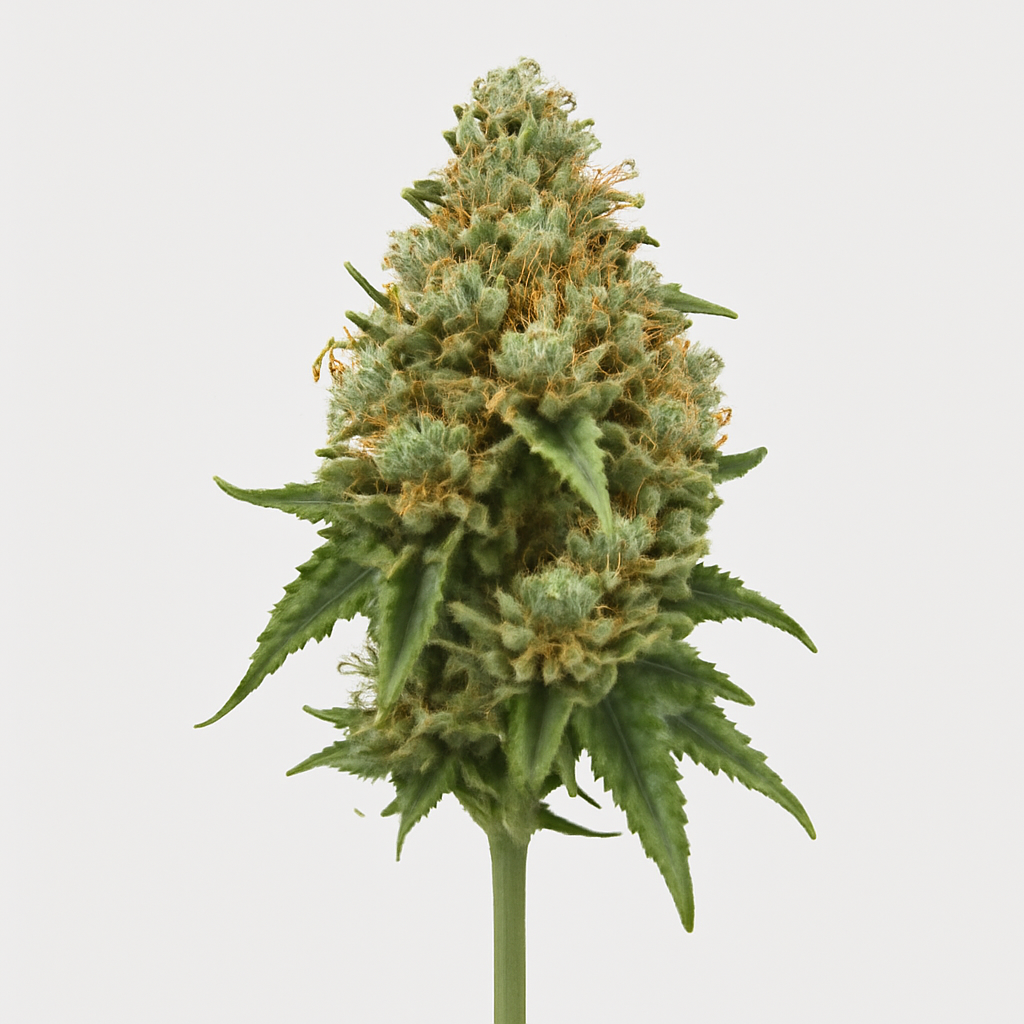
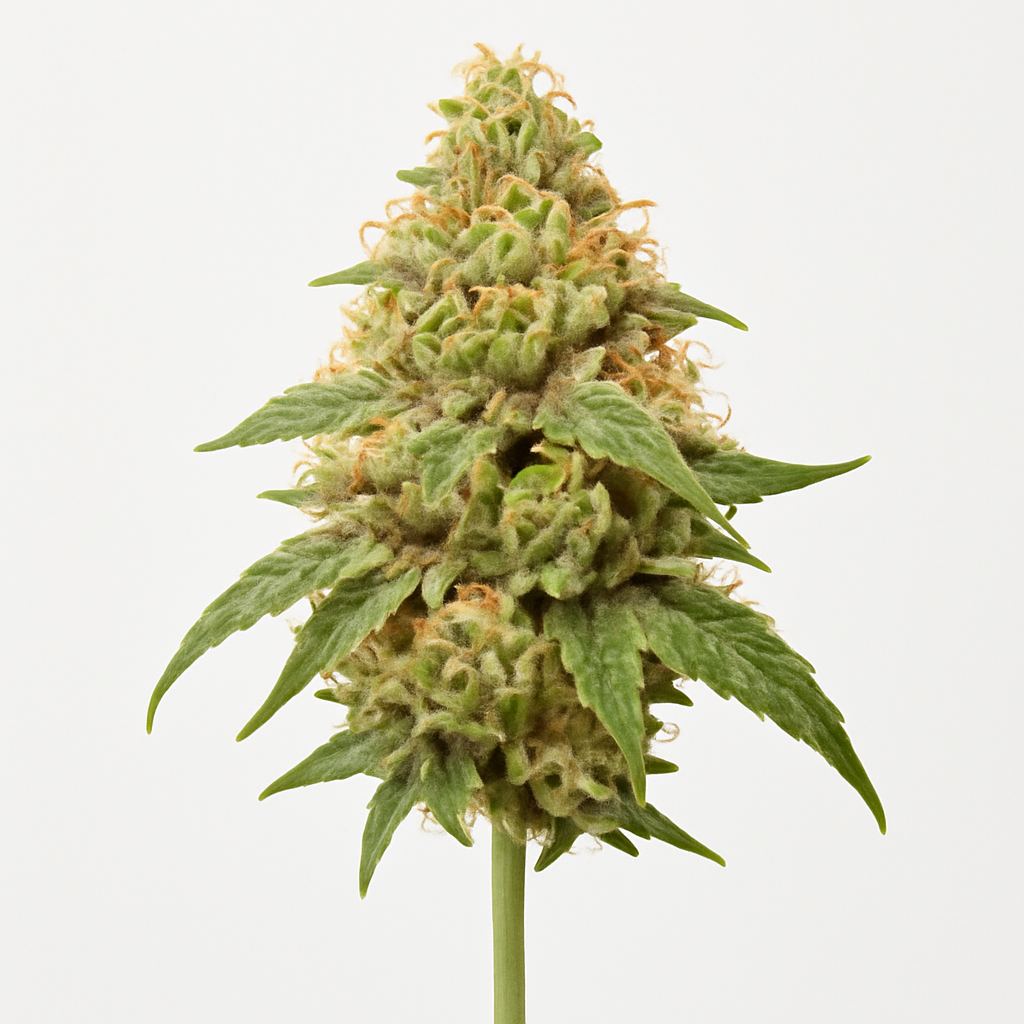
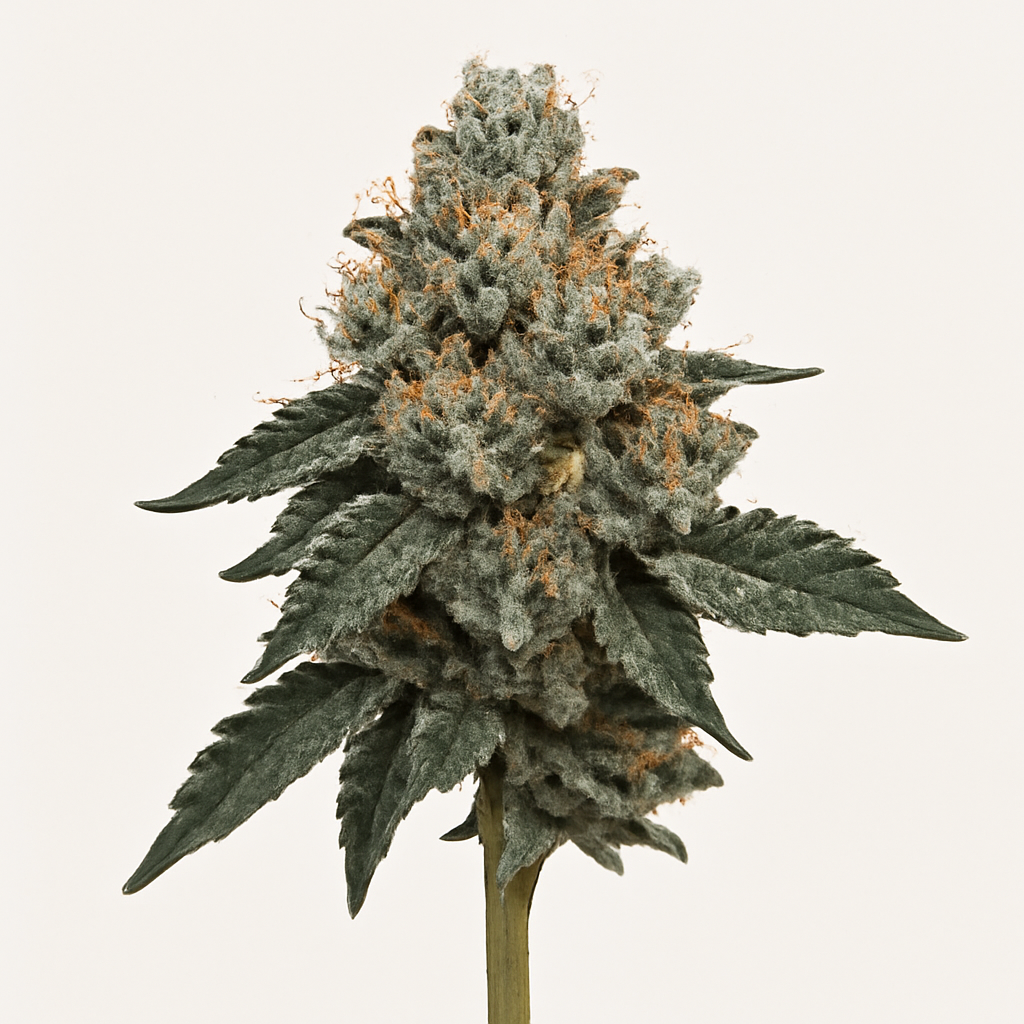
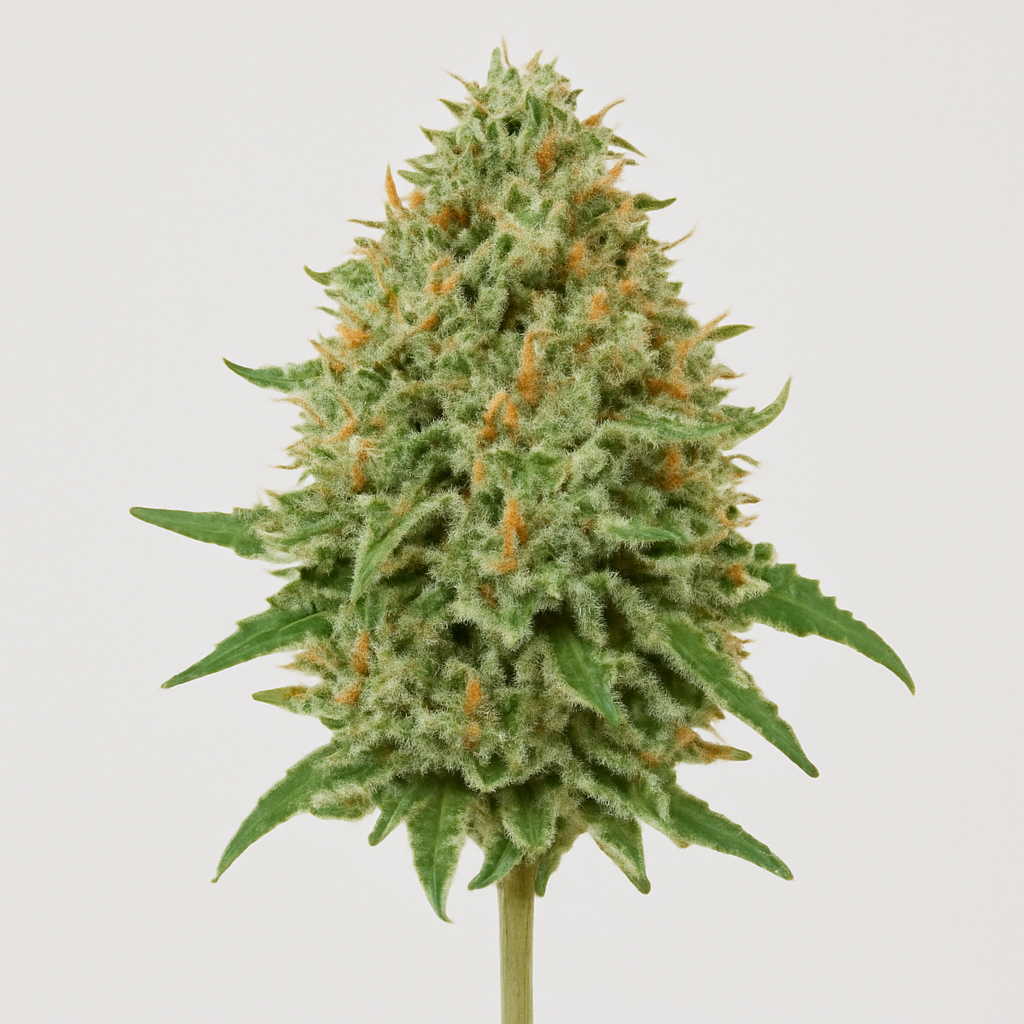
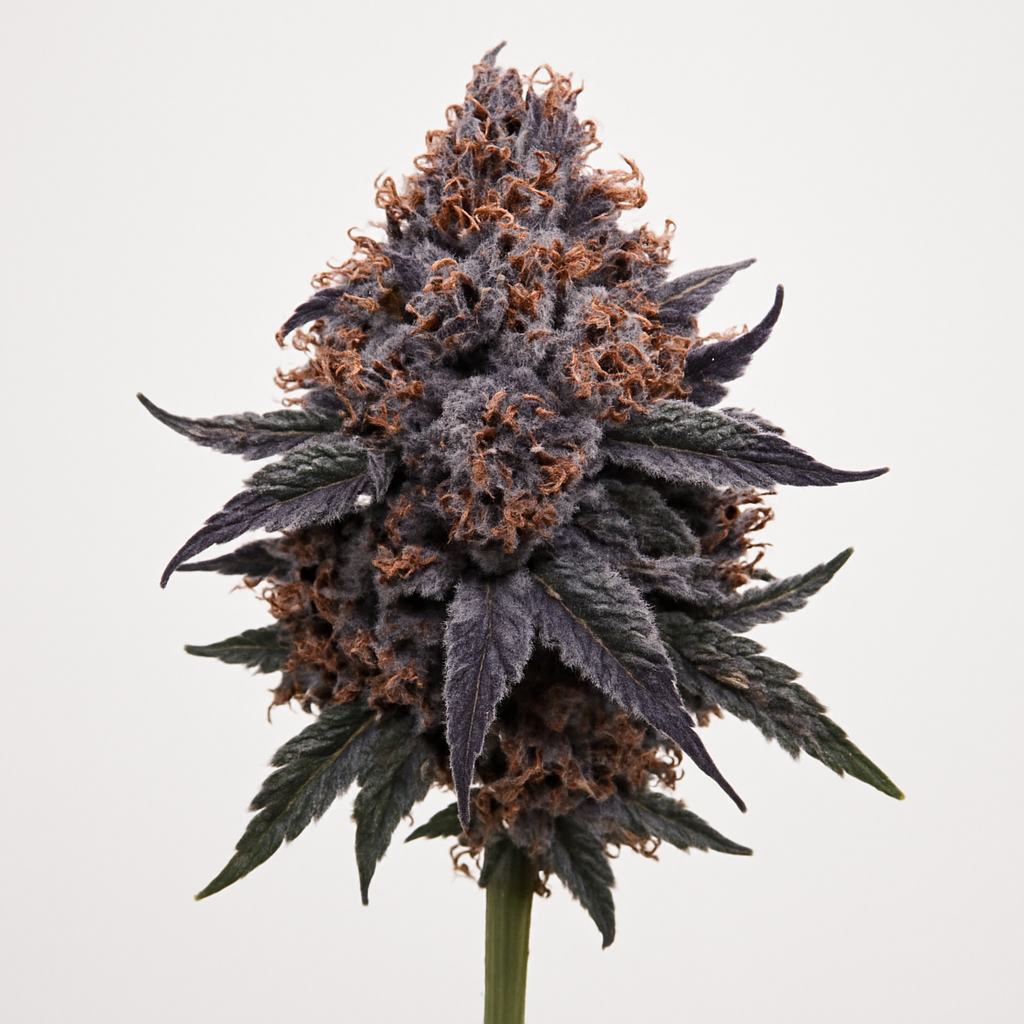
Black Cherry Pie usually produces compact, resin-rich buds with a firm structure and a slightly rounded silhouette. The color palette often includes medium to dark green tissue, lavender or plum accents, and bright orange pistils that stand out against the frosted surface.
Trichome coverage is one of the strain’s defining visual features, especially near the sugar leaves and upper calyxes. When grown in cooler temperatures, some phenotypes can display deeper purple tones, while warmer runs may stay greener and emphasize the bright resin sheen instead.
Effects & Use-Cases (Reported)
- Commonly reported effects: calm, a soft euphoric rise, body relaxation, and a quiet mental reset
- Use-case context: often chosen for late afternoon or evening sessions, low-key social settings, or winding down after a long day
- Body character: usually described as warm and settling rather than sharply sedating, though stronger phenotypes may feel more couch-leaning
- Note: These observations are anecdotal and do not constitute medical claims.
Observational Note: Black Cherry Pie tends to move in stages: an initial lift or ease of mood may arrive first, followed by a smoother physical softening. That sequence is part of why many smokers describe it as a refined evening strain rather than a strain that overwhelms immediately.
Potency Note: Batches can test quite differently depending on selection and cultivation quality, so the same name may produce noticeably different intensity levels. Smaller doses are often preferred when the flower is especially resinous or when the terpene profile is on the heavier side.
Aroma & Flavor Profile
- Aroma: dark cherry, berry compote, sweet pastry crust, earthy spice, faint gas
- Flavor: ripe cherry, sugared dough, forest berries, pepper, and a dry herbal finish
- Aftertaste: lingering fruit sweetness with a touch of spice and baked crust
- Terpene associations: commonly aligned with myrcene, caryophyllene, and limonene.
For readers searching for a cherry pie cannabis strain with dessert-style aroma and a darker fruit finish, Black Cherry Pie is a strong reference point. Its scent is less sharp than candy-forward hybrids and more layered, often reading as fruit preserves, pastry, and a faint earthy backbone once the flower is broken up.
Tested Cannabinoid & Terpene Ranges
| Compound | Typical Range* | Notes |
|---|---|---|
| Δ⁹-THC | ~18–26% | Often lands in the upper mid-to-strong range for consumer flower |
| CBD | <0.5% | Typically minimal in standard recreational selections |
| Myrcene | ~0.25–0.75% | May support the strain’s soft, earthy fruit character |
| Caryophyllene | ~0.15–0.45% | Commonly tied to the peppery spice in the finish |
| Limonene | ~0.10–0.35% | Can brighten the cherry candy note in some phenotypes |
*Ranges are estimates and may vary by phenotype, harvest timing, and testing methods.
Cultivation Notes
- Light Cycle: 12/12 for flowering
- Humidity: Moderate early, then reduced in late flower to protect dense buds
- Stretch: Moderate; manageable with early canopy planning
- Training: Responds well to topping, light SCROG work, and branch support
- Odor Control: Recommended, especially from mid-flower onward
- Harvest Window: Approximately 8–9 weeks indoors
Black Cherry Pie is generally suited to growers who can keep the environment steady through late flowering. Dense tops and strong resin output can make airflow more important than raw feeding intensity, and careful humidity management helps preserve the flower’s visual finish. The strain usually rewards patient ripening, especially when the goal is to preserve the darker fruit and pastry notes.
Grower Notes (Week-by-Week Snapshot)
- Weeks 1–3: Early flowering typically shows steady vertical movement, quick lateral branching, and a clean shift from vegetative growth into bud set.
- Weeks 4–5: Bud sites thicken, terpene output becomes more noticeable, and the canopy may need support if multiple tops are developing evenly.
- Weeks 6–8: Resin production increases sharply, pistils continue to refresh, and the flower begins to take on its final density and color expression.
- Weeks 9–10: Some phenotypes finish in this window with deeper aroma complexity and fuller trichome maturity, depending on selection and environment.
Genetic Lineage
Black Cherry Pie is generally placed inside the broader Cherry Pie family, though the exact breeding record is not consistently published across all references. That uncertainty matters because the name is sometimes used for related selections rather than one universally standardized clone or seed line. In practical terms, the lineage points toward a dessert-hybrid framework built around sweet fruit expression and a compact, resinous flower structure.
The Cherry Pie side is usually credited with bringing richer baked-sweet notes, dense bud architecture, and a composed hybrid effect. Where Black Cherry Pie is especially well selected, the darker fruit expression becomes more pronounced, which helps explain why the strain remains attractive in dispensary menus and curated flower programs focused on dessert terpene profiles.
Research Insights
Black Cherry Pie matters in the modern cannabis landscape because it sits at the intersection of flavor-driven breeding and consumer recognition of dessert-style terpene profiles. As cherry, pie, and pastry names continue to perform well in search and retail environments, this cultivar offers a useful benchmark for how fruit-forward hybrids are selected, labeled, and differentiated from more citrus or gas-heavy strains.
For breeders and reviewers, it is also a reminder that strain names can be less standardized than consumers assume. Black Cherry Pie appears in multiple forms, so phenotype-specific observation is more valuable than relying on the name alone. That makes it relevant both as a commercial flower reference and as a case study in cannabis taxonomy, market naming, and terpene-led selection.
Frequently Asked Questions
Is Black Cherry Pie the same as Cherry Pie?
Not necessarily. Black Cherry Pie is usually treated as a Cherry Pie-related cultivar or selection, but the exact naming and lineage can differ by source, breeder, or clone line.
What does Black Cherry Pie taste like?
It is commonly described as tasting like ripe cherry, sweet dough, forest berries, and a mild peppery or earthy finish.
Is Black Cherry Pie indica or sativa?
It is generally classified as an indica-dominant hybrid, though individual expressions may feel slightly more balanced depending on phenotype.
How long does Black Cherry Pie take to flower?
Most indoor selections finish in approximately 8–9 weeks, though a few phenotypes may run slightly longer depending on maturity targets.
Why do some Black Cherry Pie buds look purple?
Cooler finishing temperatures and phenotype selection can intensify purple or plum coloration. Not every plant will express that trait strongly, even within the same named strain.
Educational Disclaimer: This page is provided strictly for scientific and horticultural reference. Cannabis cultivation, possession, and use are regulated by local laws. This content does not promote illegal activity or constitute medical advice. Always comply with applicable regulations in your jurisdiction.
Rate and review this strain
Ratings and reviews are accepted only from signed-in Google accounts.
Sign in with Google to leave a rating and written review.
Latest Reviews
0 reviewsNo reviews yet. Be the first Google user to rate and review this strain.