Biscotti (Cannabis Strain) — Strainpedia
Biscotti stands apart for the way it folds dessert-like sweetness into a darker OG backbone, creating a profile that feels layered rather than simple. Its South Florida OG x Gelato #25 heritage is often reflected in resin-heavy flowers, a creamy pastry edge, and a finish that leans fuel-forward rather than sugary alone.
In market descriptions, Biscotti is usually placed among the more polished cookie-family cultivars, but its appeal is not just about sweetness. The strain’s aroma can move from baked dough to peppery gas with a compact, vivid flower structure, and many phenotype selections emphasize deep color, thick trichome coverage, and a calm, heavy effect style that fits evening use better than daytime bustle.
Quick Facts
| Genetics | South Florida OG x Gelato #25 |
|---|---|
| Original Breeder | Cookies Fam Genetics |
| Variety | Indica-dominant Hybrid |
| Flowering Time | Approximately 8–9 weeks indoors |
| Yield Potential | Moderate to high, depending on phenotype and canopy management |
| Plant Height | Medium; can stretch moderately in early flower |
| Climate Preference | Warm, dry, well-ventilated indoor or Mediterranean-style conditions |
| Difficulty | Moderate |
Strain Classification
| Type | Indica-dominant Hybrid |
|---|---|
| Genetic Family | Cookies / Gelato / OG lineage |
| Primary Terpenes | β-Caryophyllene*, Limonene*, Linalool* |
| Original Breeder | Cookies Fam Genetics |
| Breeding Lineage | South Florida OG x Gelato #25 |
*Exact terpene dominance may vary by phenotype and cultivation method.
Scientific & Botanical Overview
Botanically, Biscotti is a compact hybrid expression shaped by two highly influential modern lines: OG and Gelato. That pairing often produces dense inflorescences, strong resin development, and a terpene profile that reads as sweet on the front end while retaining sharper fuel and spice underneath. In breeding terms, the cultivar is a good example of how dessert genetics can be grounded by a more acrid, legacy-cannabis structure.
The plant’s morphology is usually consistent with indica-leaning hybrid selection: shorter internodal spacing, firm lateral branching, and flowers that mature into tight, heavy clusters. Depending on the cut, Biscotti may show deeper anthocyanin expression in cooler temperatures, but color alone is not the defining trait; the cultivar is more notable for its resin output, terpene depth, and the way it preserves OG-like density without losing Gelato sweetness.
Appearance
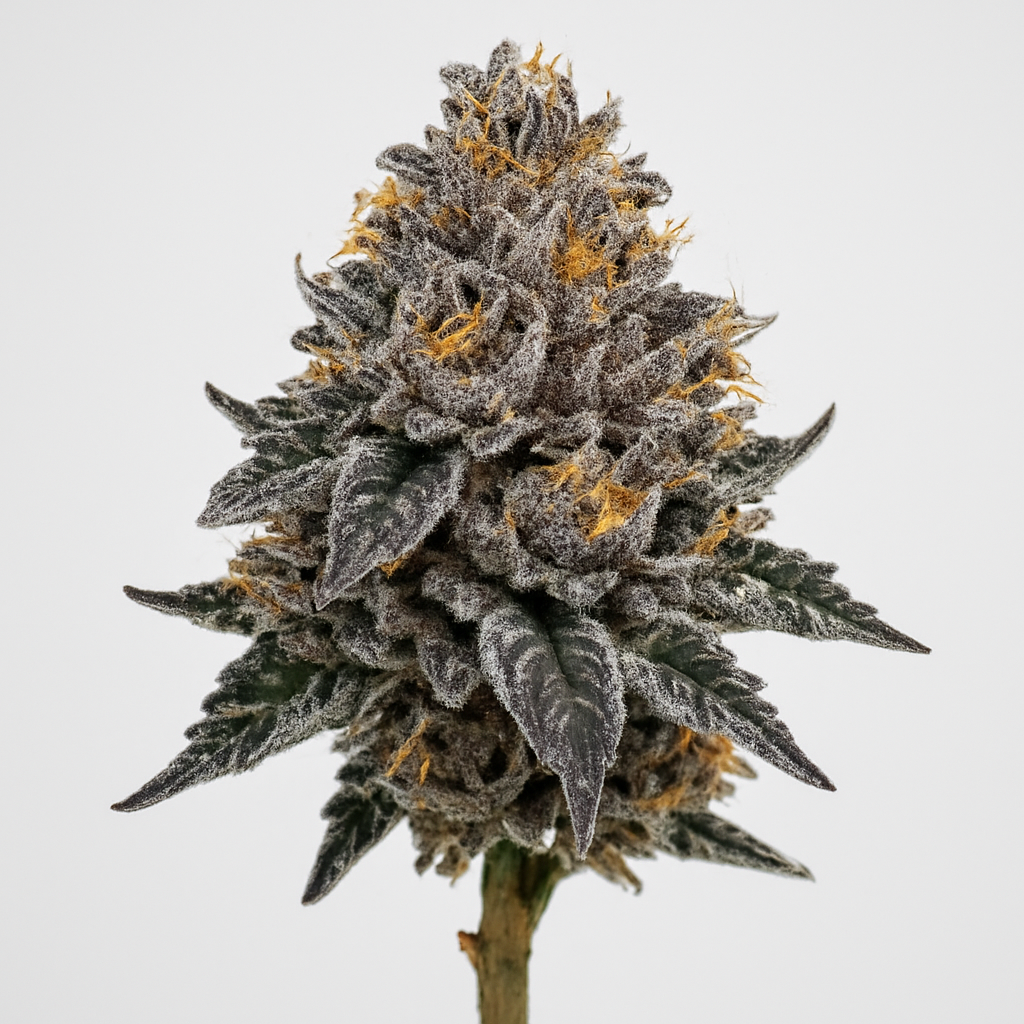
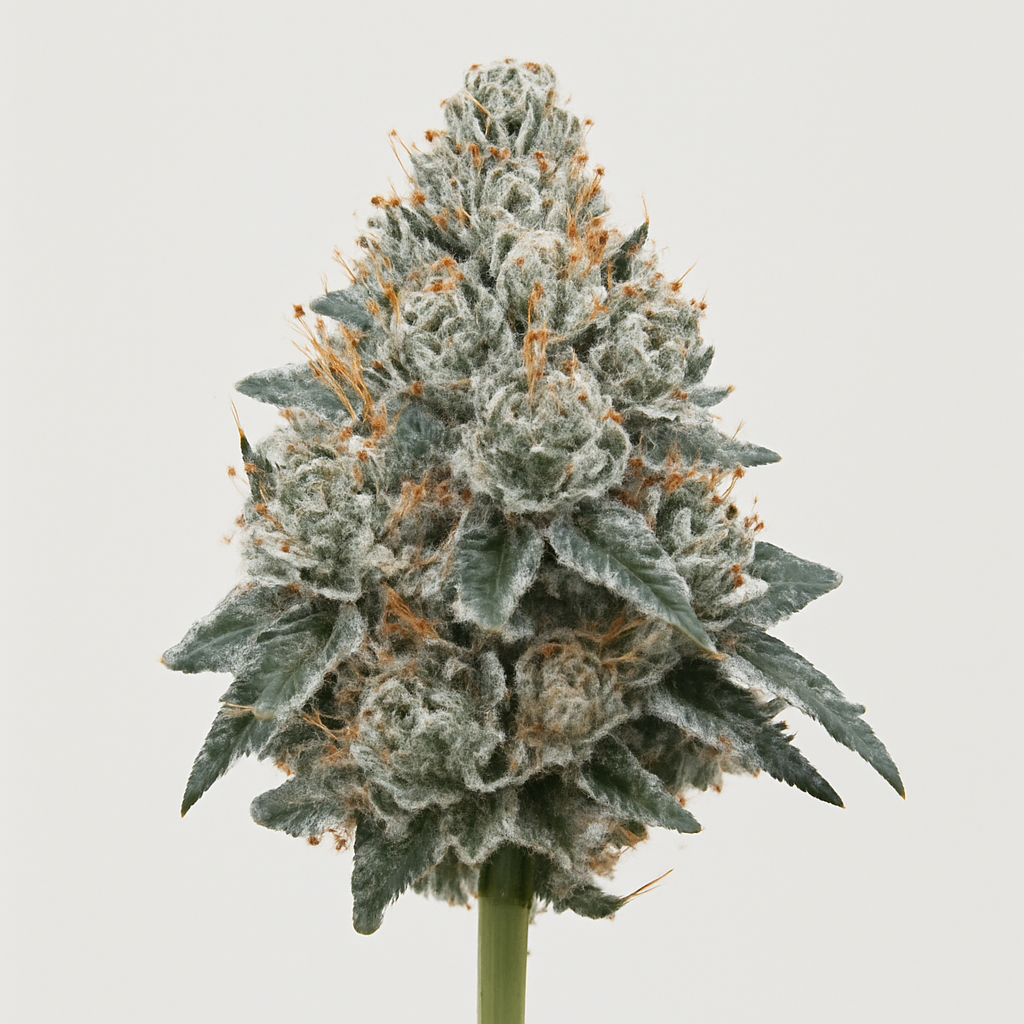
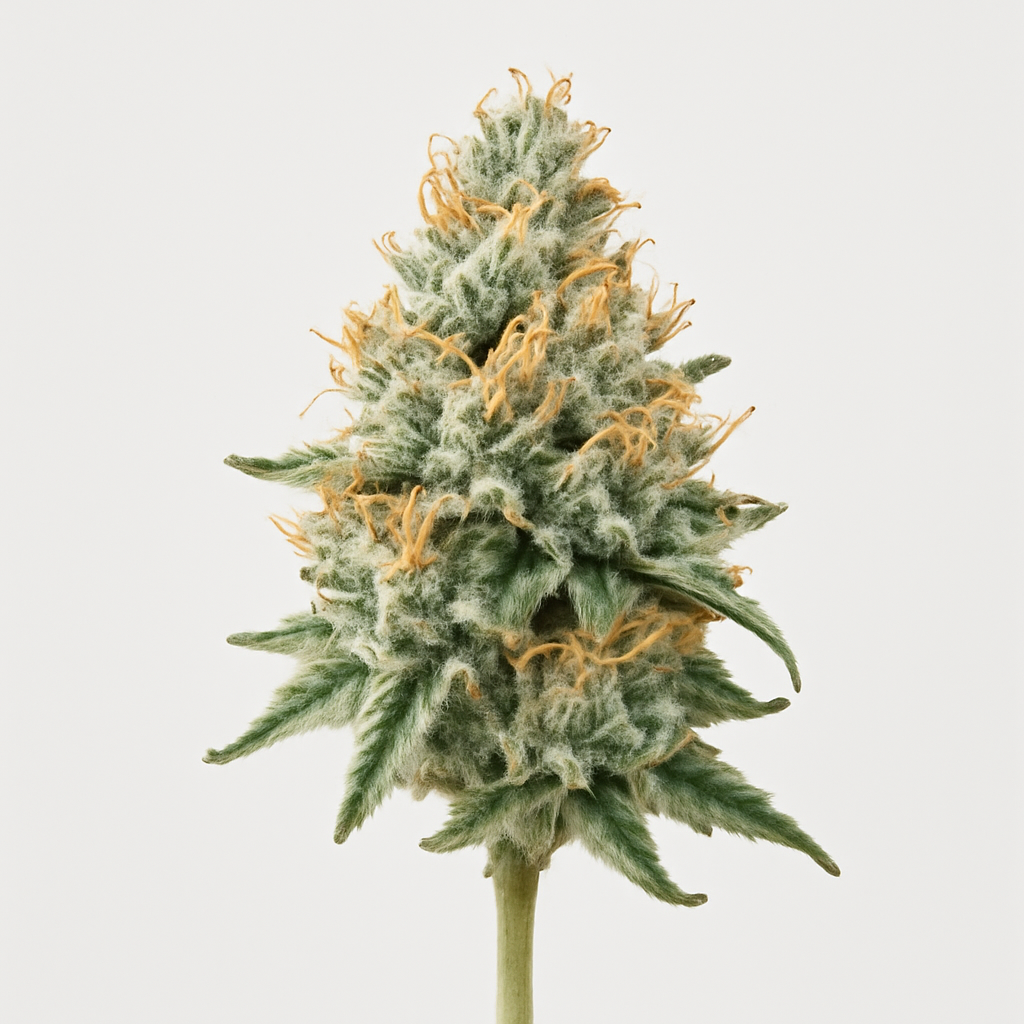
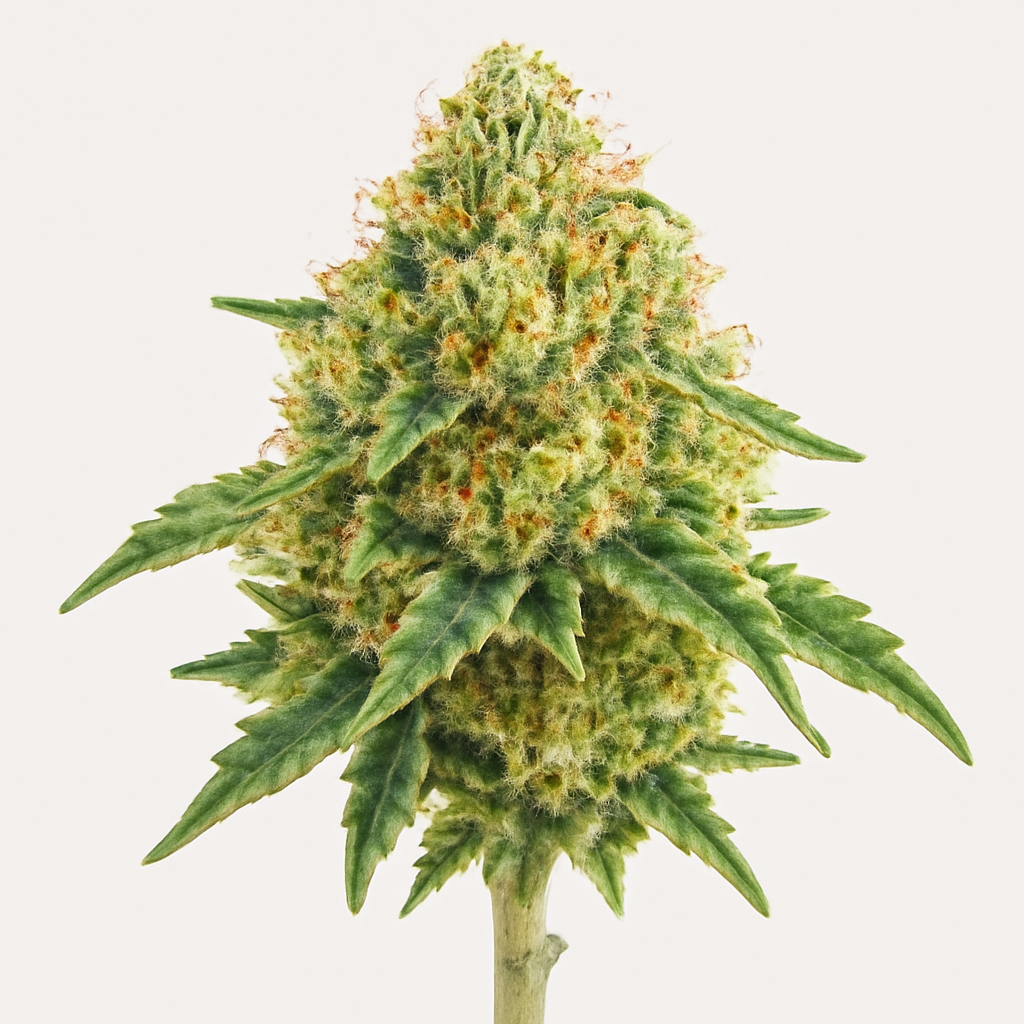
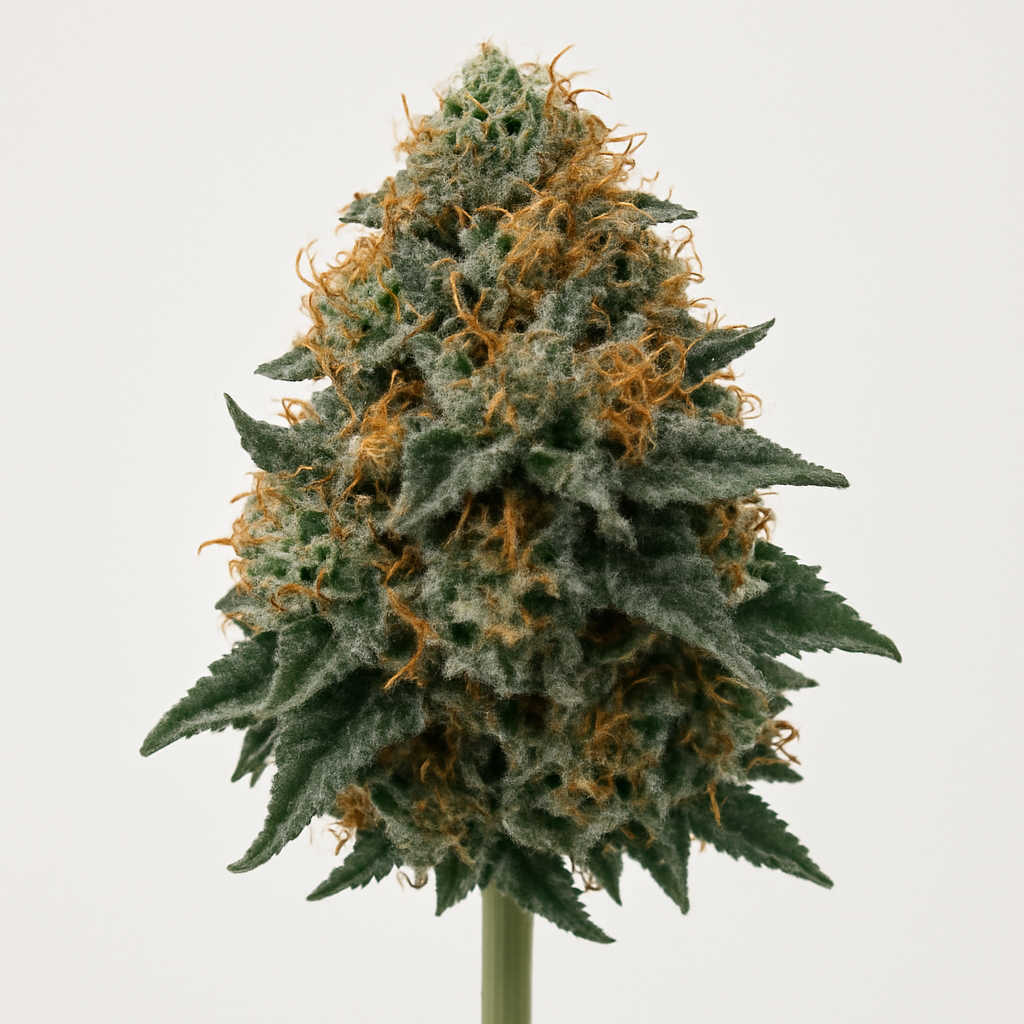
Biscotti buds are typically chunky and conical to rounded, with a compressed structure that feels dense in hand. The flowers often present a rich forest-green base, sometimes shaded with plum or near-black tones toward the calyxes, especially when grown from a phenotype that responds strongly to cooler nights.
Trichome coverage is usually heavy and evenly distributed, giving the surface a sugary, reflective look. Bright orange pistils are common, though some expressions carry rust-red strands that blend into the darker flower tones. Variation between phenotypes is noticeable: some lean more purple and dessert-like, while others stay greener and push a louder gas expression.
Effects & Use-Cases (Reported)
- Commonly reported effects: relaxed, euphoric, mentally eased, physically heavy, quieting, and more sedating at higher doses
- Use-case context: often chosen for evening sessions, post-work downtime, or slower social settings where a fuller-bodied hybrid is preferred
- Body character: can settle into the limbs with a weighted, low-energy feel while still leaving room for a clear-headed onset in moderate amounts
- Note: These observations are anecdotal and do not constitute medical claims.
Observational Note: Biscotti is frequently described as starting with a mild mental lift before settling into a deeper, more physically grounded state. That progression is part of what gives the strain its reputation as a post-evening or late-night selection rather than a bright daytime hybrid.
Potency Note: Well-grown flower can test in the upper THC range, so dose sensitivity matters. The experience is often less about rapid stimulation and more about how long the creamy, gas-tinged finish lingers.
Aroma & Flavor Profile
- Aroma: sweet cookie dough, diesel spice, earthy gas, nutty cream, and dark berry undertones
- Flavor: baked pastry, fuel, vanilla cream, peppery earth, and sweet spice
- Aftertaste: lingering gas with a soft bakery sweetness and a dry, peppery fade
- Terpene associations: commonly aligned with β-Caryophyllene, Limonene, and Linalool.
If you are searching for a Biscotti strain flavor profile that feels more refined than simple “sweet” weed, this cultivar usually delivers a layered cookie-and-fuel profile with a noticeably savory edge. The scent can read as doughy and creamy at first, then shift into OG-style spice and diesel as the buds are broken up or ground.
Tested Cannabinoid & Terpene Ranges
| Compound | Typical Range* | Notes |
|---|---|---|
| Δ⁹-THC | ~20–28% | Often tested high in premium indoor selections; potency varies by cut and harvest timing. |
| CBD | <0.5% | Usually low and not a defining part of the strain’s profile. |
| β-Caryophyllene | ~0.20–0.55% | Frequently linked to the strain’s peppery, warm, and slightly woody finish. |
| Limonene | ~0.15–0.45% | Can contribute a brighter citrus lift beneath the dessert and gas notes. |
| Linalool | ~0.08–0.25% | May help shape the strain’s soft floral creaminess and smoother exhale. |
*Ranges are estimates and may vary by phenotype, harvest timing, and testing methods.
Cultivation Notes
- Light Cycle: 18/6 in vegetative growth; 12/12 to flower indoors
- Humidity: Keep moderate in veg and lower steadily in flower, especially during late bloom
- Stretch: Usually moderate, with most of the vertical movement occurring in the first 2–3 weeks of flowering
- Training: Responds well to topping, low-stress training, and a well-managed canopy
- Odor Control: Strong; carbon filtration is advisable in enclosed grow spaces
- Harvest Window: Approximately 8–9 weeks indoors
Biscotti rewards careful environmental control more than aggressive feeding. Dense flowers can become especially aromatic late in bloom, and that concentration of resin and terpene output makes airflow, humidity discipline, and finish timing important. In cooler rooms, select phenotypes may show stronger dark coloration, but the priority remains structure and finish quality rather than color alone.
Grower Notes (Week-by-Week Snapshot)
- Weeks 1–3: Expect steady vegetative expansion and a manageable stretch as the plant establishes its frame and lateral branches.
- Weeks 4–5: Flower sites tighten up quickly, and the canopy begins to stack with compact budlets and early frost.
- Weeks 6–8: Resin production accelerates, aroma deepens into cookie-gas territory, and lower humidity becomes increasingly important.
- Weeks 9–10: Finish window is usually reached for most indoor expressions; select cuts may benefit from a full 9-week run for best density and terpene clarity.
Genetic Lineage
Biscotti is most commonly traced to South Florida OG crossed with Gelato #25, a pairing that helps explain its dual identity. South Florida OG is associated with fuel, dense flower structure, and a heavier resin profile, while Gelato #25 is often credited with sweetness, creamy dessert notes, and strong visual appeal. Together, they produce a cultivar that feels both modern and rooted in classic West Coast cannabis breeding.
Some market sources and cut-specific references vary on exact sourcing, which is common with highly circulated boutique strains. Even so, the broader lineage theme is stable: an OG base carrying gas and weight, sharpened by a dessert-forward Gelato influence that adds sweetness, polish, and a smoother finish.
Research Insights
Biscotti matters in the modern market because it helped define the cookie-gas category that many newer dessert hybrids still follow. It sits at the intersection of flavor-driven breeding and high-THC indoor selection, making it useful for understanding how contemporary cultivars balance sweetness, resin production, and a more sedative finish. In search terms, Biscotti remains relevant because people look for its lineage, its cookie-dough flavor, and its deep purple-frosted phenotype potential.
Frequently Asked Questions
Is Biscotti indica or sativa?
Biscotti is generally considered an indica-dominant hybrid. Most selections lean toward a heavier body feel and a calmer, evening-friendly character.
What does Biscotti taste like?
It is often described as a mix of baked pastry, vanilla cream, peppery earth, and fuel. The flavor can shift depending on the cut, with some phenotypes showing more spice and others more sweetness.
How long does Biscotti take to flower?
Most indoor selections finish in approximately 8 to 9 weeks, though phenotype and environmental conditions can slightly affect the timeline.
Why is Biscotti so popular in breeding?
Breeders value Biscotti for its dense flower structure, strong resin production, and the way it passes along dessert sweetness without losing OG depth. It also tends to contribute a polished, premium market profile.
Does Biscotti always have purple buds?
No. Some phenotypes show dark purple or nearly black accents, especially in cooler conditions, while others stay greener. Color expression depends on the cut and the grow environment.
Educational Disclaimer: This page is provided strictly for scientific and horticultural reference. Cannabis cultivation, possession, and use are regulated by local laws. This content does not promote illegal activity or constitute medical advice. Always comply with applicable regulations in your jurisdiction.
Rate and review this strain
Ratings and reviews are accepted only from signed-in Google accounts.
Sign in with Google to leave a rating and written review.
Latest Reviews
0 reviewsNo reviews yet. Be the first Google user to rate and review this strain.