Banana Kush (Cannabis Strain) — Strainpedia
Banana Kush is a compact, resin-rich indica-leaning hybrid best known for its banana-forward flavor and soft kush backbone. Its profile usually lands somewhere between dessert cannabis and old-school West Coast hash plant character, with Ghost OG and Skunk Haze commonly cited in its lineage.
What separates Banana Kush from many fruit-named cultivars is the way its sweetness sits on top of a more grounded earthy finish. The flower often presents with dense buds, heavy trichome coverage, and a mellow, evening-friendly effect style that has kept it relevant in both legacy menus and modern boutique offerings.
Quick Facts
| Genetics | Ghost OG x Skunk Haze |
|---|---|
| Original Breeder | THC / California breeders, exact origin not clearly documented |
| Variety | Indica-dominant Hybrid |
| Flowering Time | Approximately 8–9 weeks indoors |
| Yield Potential | Moderate to high under stable indoor conditions |
| Plant Height | Medium height with moderate stretch |
| Climate Preference | Warm, dry, well-ventilated environments |
| Difficulty | Moderate |
Strain Classification
| Type | Indica-dominant Hybrid |
|---|---|
| Genetic Family | OG Kush-leaning dessert hybrid with Skunk and haze influence |
| Primary Terpenes | Myrcene, limonene, caryophyllene* |
| Original Breeder | THC / California breeders, exact origin not clearly documented |
| Breeding Lineage | Ghost OG x Skunk Haze |
*Exact terpene dominance may vary by phenotype and cultivation method.
Scientific & Botanical Overview
Botanically, Banana Kush tends to express an indica-leaning architecture with shortened internodes, firm floral clusters, and a flowering pattern that rewards careful canopy management. The cultivar is usually selected for resin output and a terpene profile that leans sweet, ripe, and faintly skunky rather than sharply sour or fuel-heavy.
From a breeding perspective, it sits in a familiar but useful intersection of OG-derived density and haze-influenced aromatic lift. That combination helps explain why the strain can feel richer and heavier than a simple fruit cultivar, while still carrying enough sweetness to appeal to consumers looking for a more dessert-like profile.
Appearance
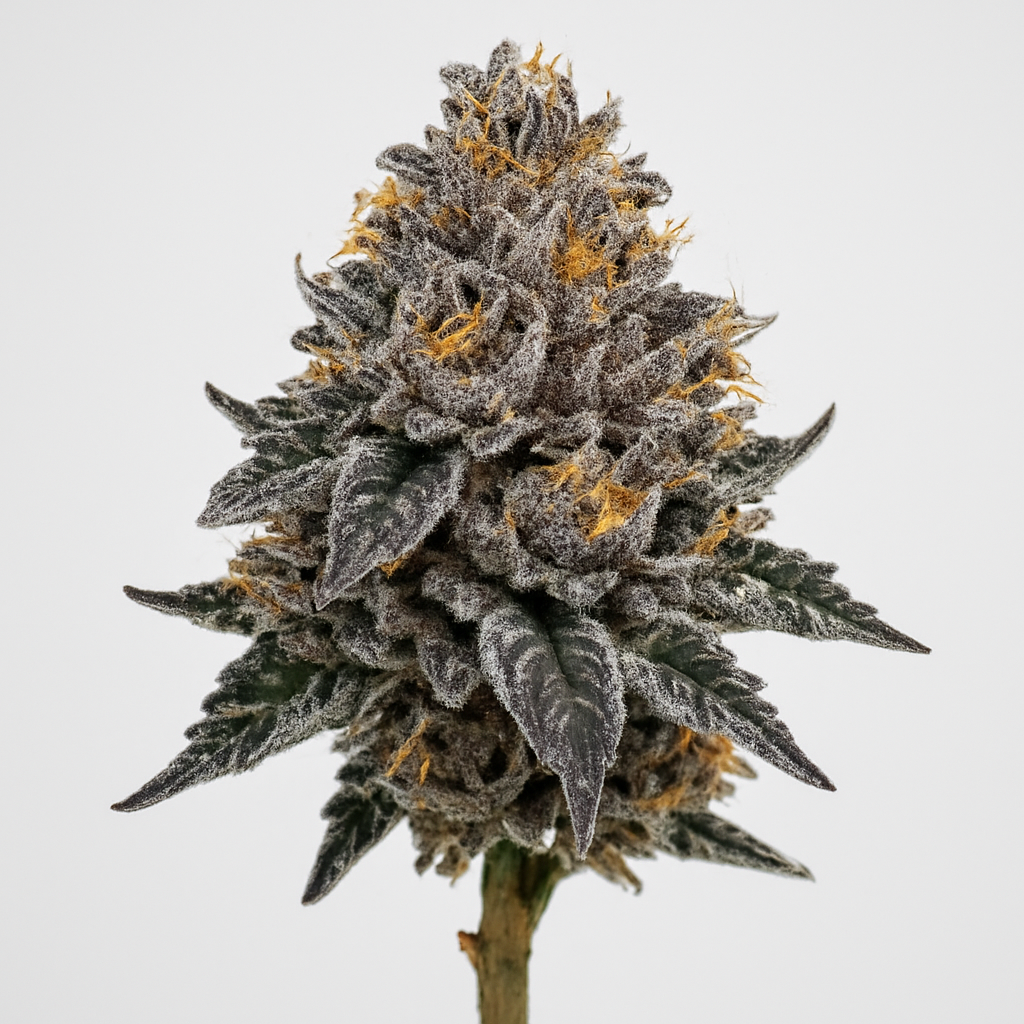
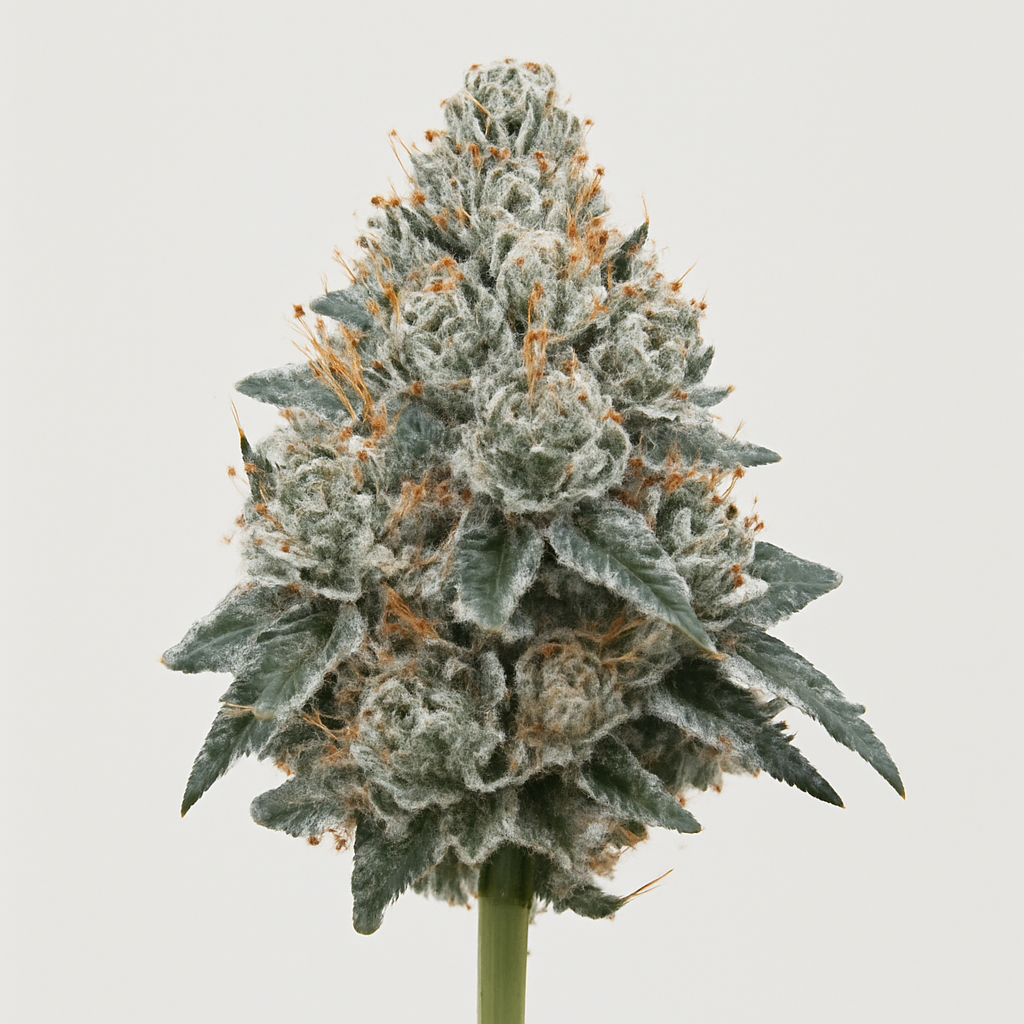
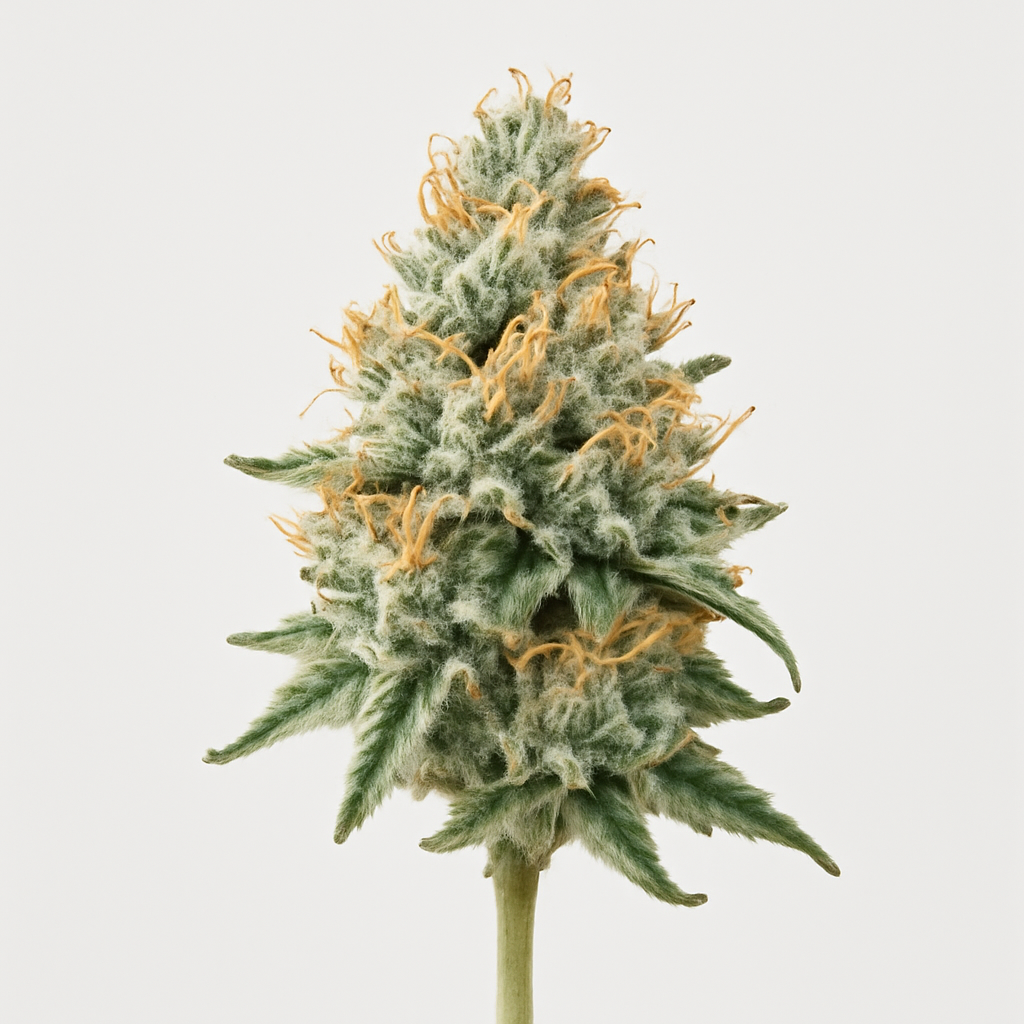
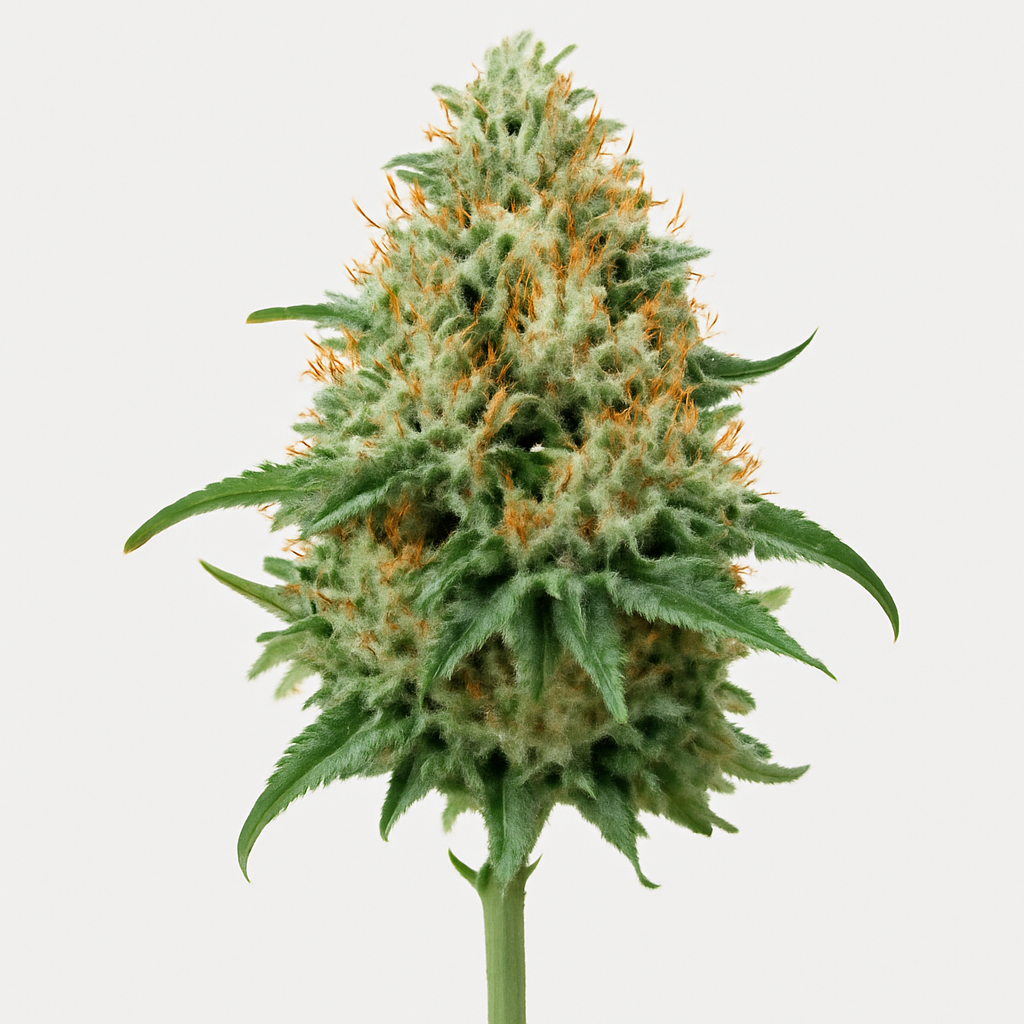
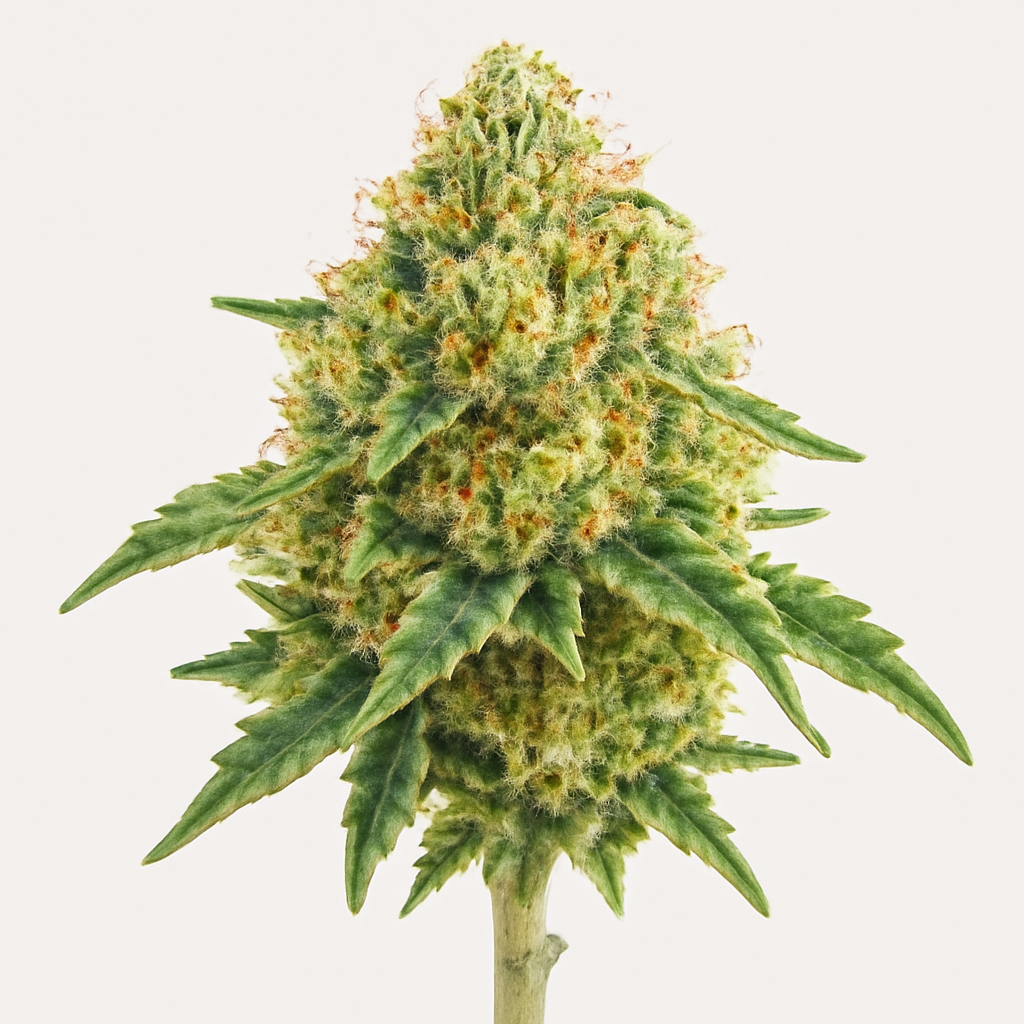
Banana Kush buds are typically compact and tightly layered, with a rounded profile that reflects its indica influence. Finished flowers often show bright green to deep green coloration, though some phenotypes pick up yellow-gold highlights that reinforce the name.
Orange pistils are usually prominent against the resin-heavy surface, and the trichome coating can be thick enough to give the buds a frosted, almost pale sheen. Variation between cuts is real, with some expressions leaning chunkier and more resinous while others form slightly airier colas with a more open structure.
Effects & Use-Cases (Reported)
- Commonly reported effects: relaxed, lightly euphoric, mentally softening, and physically settling
- Use-case context: often chosen for late afternoon or evening sessions, low-key social settings, or quiet downtime
- Body character: usually described as warm and easing rather than deeply sedating, with a gradual drop in tension
- Note: These observations are anecdotal and do not constitute medical claims.
Observational Note: Banana Kush tends to start with a mild uplift before settling into a more grounded body feel. The transition is usually smooth rather than abrupt, which is part of why the strain is often associated with relaxed routines rather than high-energy use.
Potency Note: Potency can vary notably by cut and cure, but well-grown examples often test in a range that feels substantial without becoming overwhelmingly sharp or edgy. The experience is usually shaped as much by the terpene profile as by THC content alone.
Aroma & Flavor Profile
- Aroma: ripe banana, sweet cream, herbal skunk, earthy spice, faint diesel
- Flavor: banana candy, vanilla, soft citrus, peppery earth, kushy herbal finish
- Aftertaste: lingering sweet fruit with a muted skunk edge and a dry, earthy exhale
- Terpene associations: commonly aligned with myrcene, limonene, and caryophyllene.
For search intent, Banana Kush is a strain people usually look up for its banana candy flavor, creamy kush aroma, and dense frosty buds. The profile can read sweeter in some phenotypes and more earthy or skunk-leaning in others, but the ripe fruit impression is the thread most users remember.
Tested Cannabinoid & Terpene Ranges
| Compound | Typical Range* | Notes |
|---|---|---|
| Δ⁹-THC | ~18–22% | Common in well-grown flower; some cuts may test slightly higher or lower. |
| CBD | <0.5% | Typically trace-level and not a defining trait of the cultivar. |
| Myrcene | ~0.20–0.70% | Often tied to the strain’s soft, ripe, earthy body aroma. |
| Limonene | ~0.10–0.45% | Supports the citrus-bright lift that can sit behind the banana sweetness. |
| Caryophyllene | ~0.12–0.40% | Adds peppery depth and a more grounded finish to the flavor. |
*Ranges are estimates and may vary by phenotype, harvest timing, and testing methods.
Cultivation Notes
- Light Cycle: 18/6 in veg; 12/12 for flowering
- Humidity: Moderate in early flower, then reduced to help preserve dense buds
- Stretch: Moderate stretch after the flip, usually manageable indoors
- Training: Responds well to topping, LST, and SCROG-style canopy shaping
- Odor Control: Strongly recommended once terpene production peaks
- Harvest Window: Approximately 8–9 weeks indoors
Banana Kush is best treated as a resin-focused hybrid rather than a highly forgiving outdoor field crop. Keep airflow strong, avoid late-flower humidity spikes, and allow the buds to finish cleanly so the sweet banana notes stay intact instead of turning overly muted or earthy.
Grower Notes (Week-by-Week Snapshot)
- Weeks 1–3: Expect steady vertical growth, fast rooting in healthy plants, and early signs of the cultivar’s compact structure.
- Weeks 4–5: Bud sites stack quickly, aroma begins to sharpen, and training decisions matter most for canopy balance.
- Weeks 6–8: Resin production becomes more obvious, pistils thicken, and the banana-cream scent often intensifies.
- Weeks 9–10: Final ripening favors dense calyx development, deeper color contrast, and a smoother cure-ready finish.
Genetic Lineage
Banana Kush is most commonly described as a cross of Ghost OG and Skunk Haze, though legacy documentation is not perfectly uniform across all references. Ghost OG is generally associated with dense flower, strong resin production, and an unmistakable kush structure, while Skunk Haze contributes aromatic brightness and a more expressive top note. Together, they help explain the strain’s unusual mix of dessert sweetness and old-school hybrid depth.
Research Insights
Banana Kush remains relevant because it sits at the intersection of searchable flavor branding and established hybrid genetics. In a market crowded with fruit-forward names, it still stands out by pairing banana cream character with a serious OG-style backbone, which gives it credibility in both legacy cannabis circles and modern dispensary menus. For breeders and consumers alike, it is a useful example of how dessert profiles can be anchored by classic kush structure rather than novelty alone.
Frequently Asked Questions
Is Banana Kush an indica or sativa?
Banana Kush is generally considered an indica-dominant hybrid, with a structure and effect profile that usually leans more relaxing than energizing.
What does Banana Kush taste like?
Most descriptions point to banana candy, vanilla, sweet cream, and a kushy earthy finish, sometimes with a faint citrus or skunk edge.
How long does Banana Kush take to flower?
Indoors, it typically finishes in about 8 to 9 weeks, depending on phenotype and growing conditions.
Is Banana Kush difficult to grow?
It is usually considered moderately easy for growers with some experience, especially when humidity, airflow, and canopy management are handled well.
What kind of effects are commonly reported with Banana Kush?
Users often describe a calm, gently euphoric, body-settling experience that works well for low-key evening use.
Educational Disclaimer: This page is provided strictly for scientific and horticultural reference. Cannabis cultivation, possession, and use are regulated by local laws. This content does not promote illegal activity or constitute medical advice. Always comply with applicable regulations in your jurisdiction.
Rate and review this strain
Ratings and reviews are accepted only from signed-in Google accounts.
Sign in with Google to leave a rating and written review.
Latest Reviews
0 reviewsNo reviews yet. Be the first Google user to rate and review this strain.