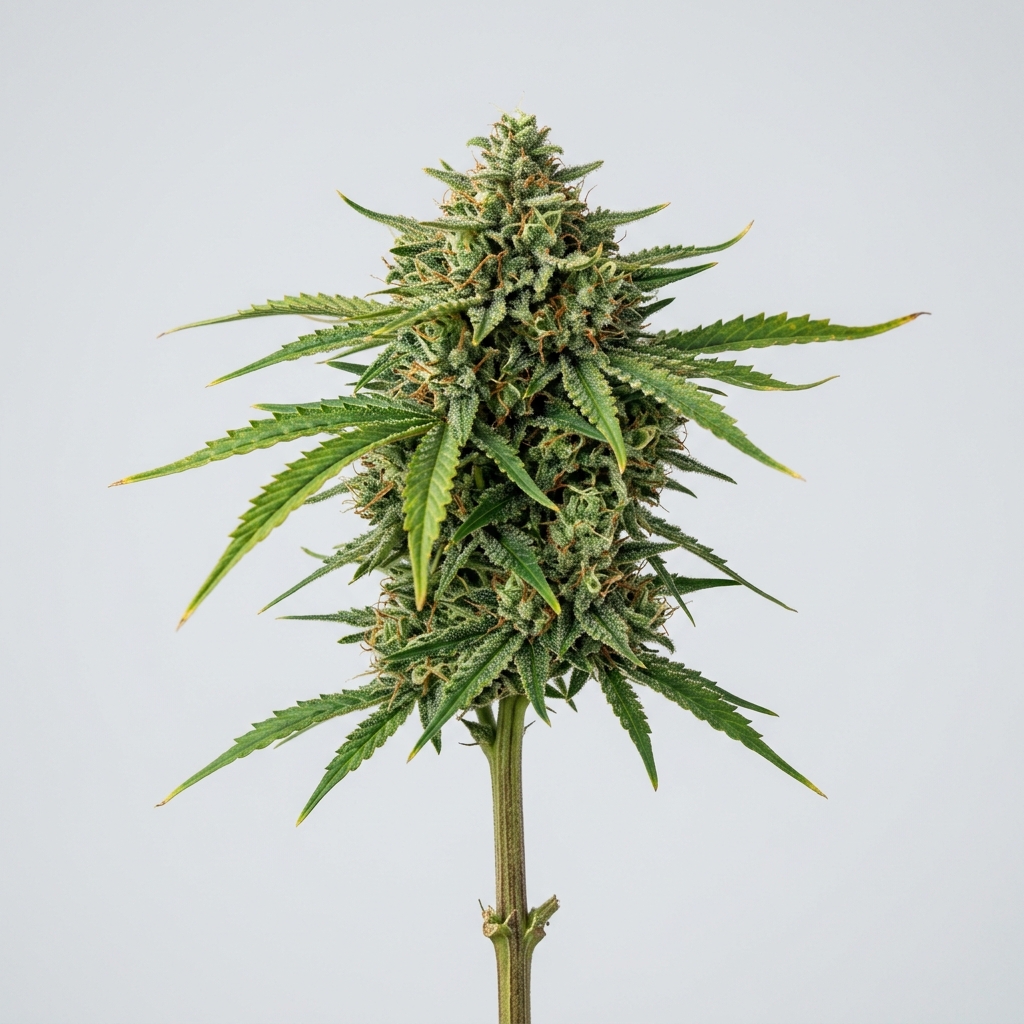
Apricot Kush (Cannabis Strain)
Apricot Kush is a sophisticated indica-dominant hybrid, typically testing between 18% and 24% THC. Emerging from a cross between Apricot and classic Kush genetics, this cultivar is prized by enthusiasts for its unique terpene profile and heavy, full-body relaxation. It represents a harmonious blend of fruit-forward aromatics and the grounding, physical stone associated with traditional landrace-descended lineages.
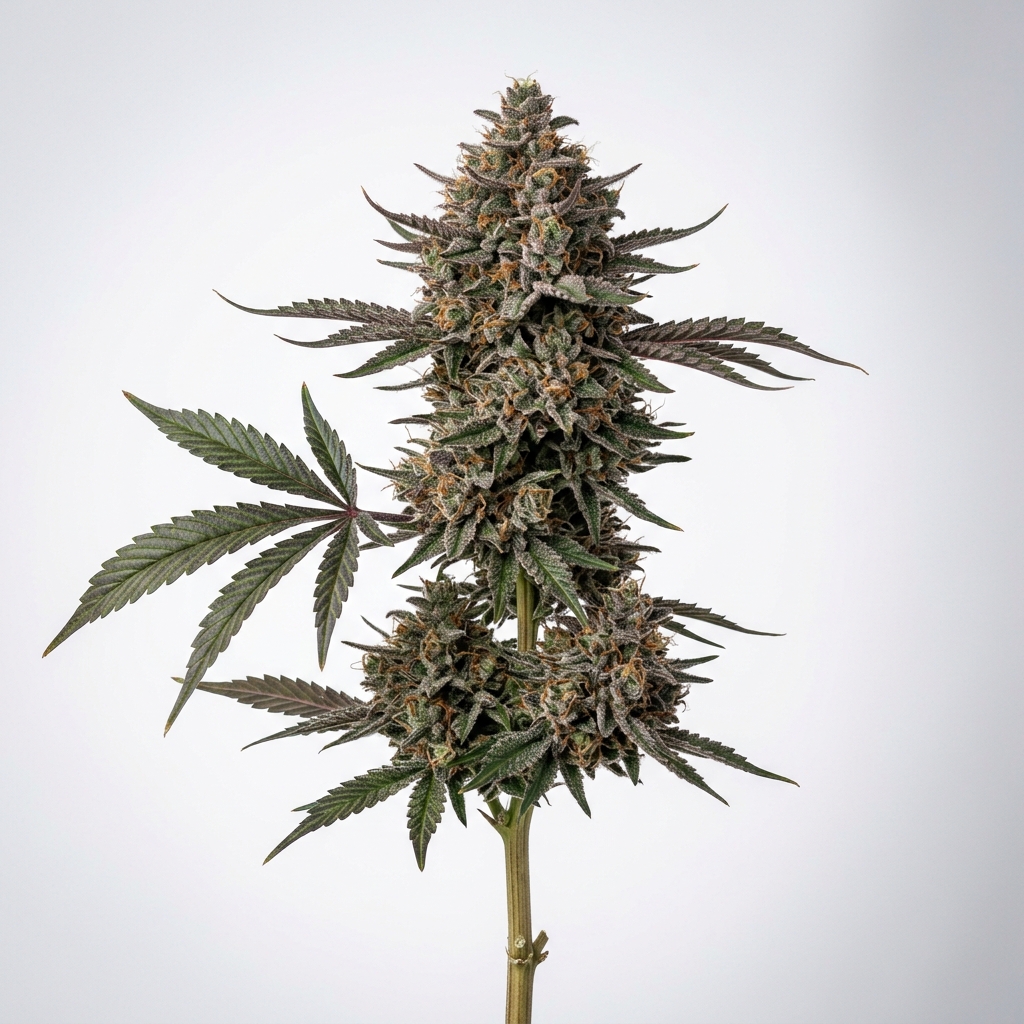
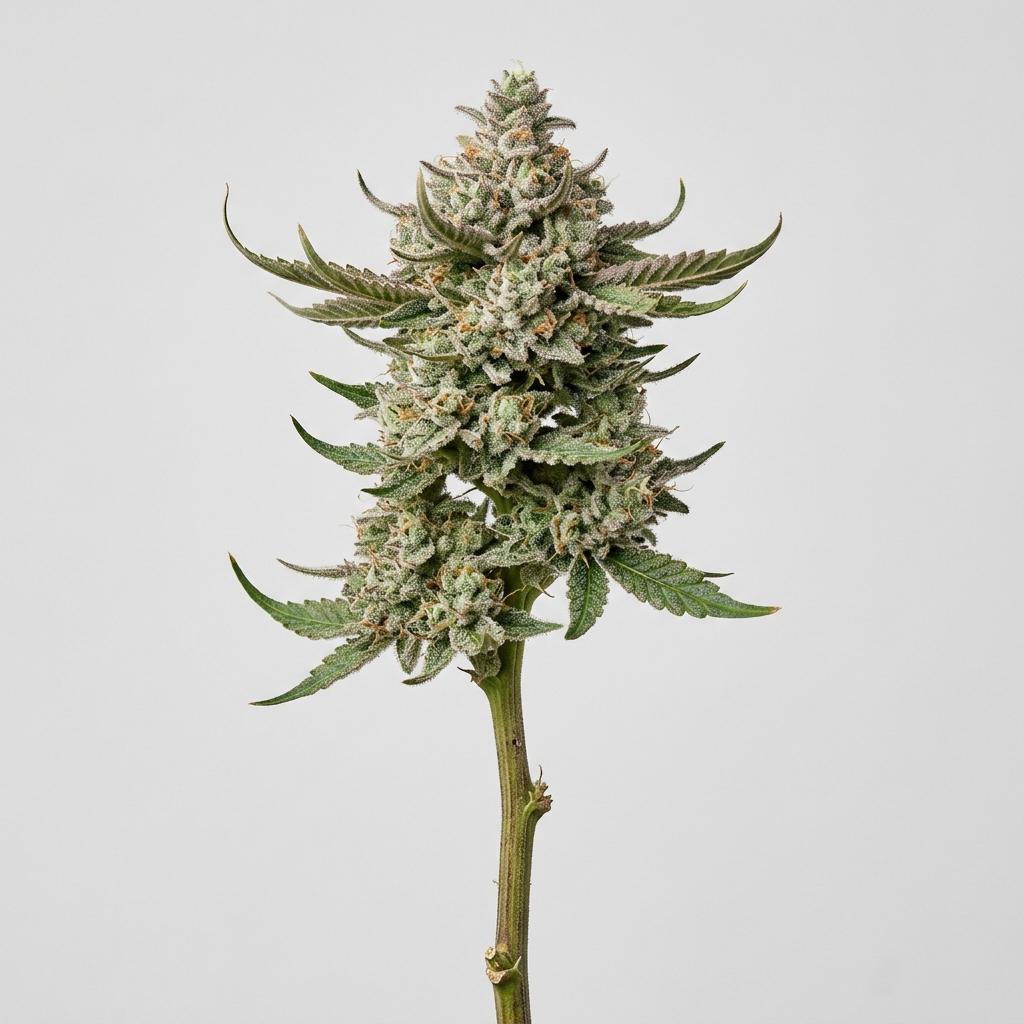
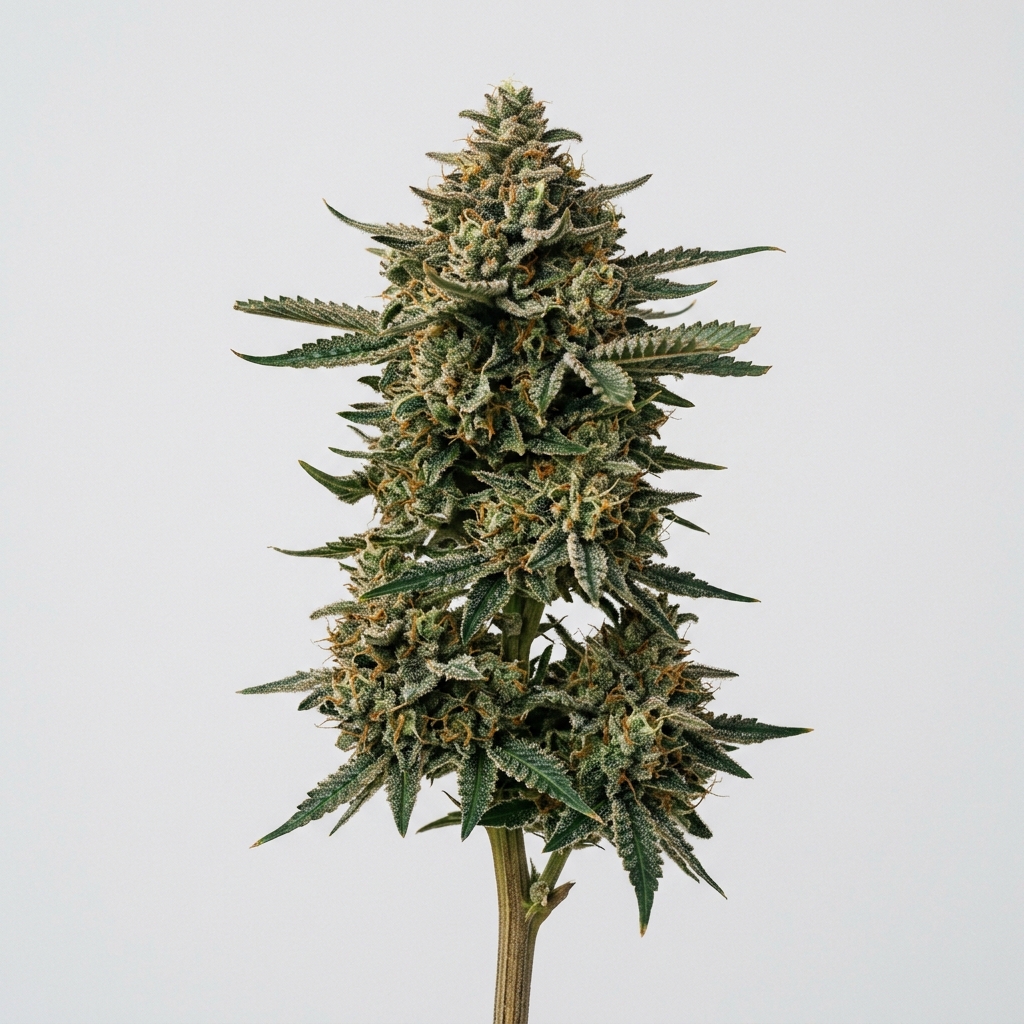
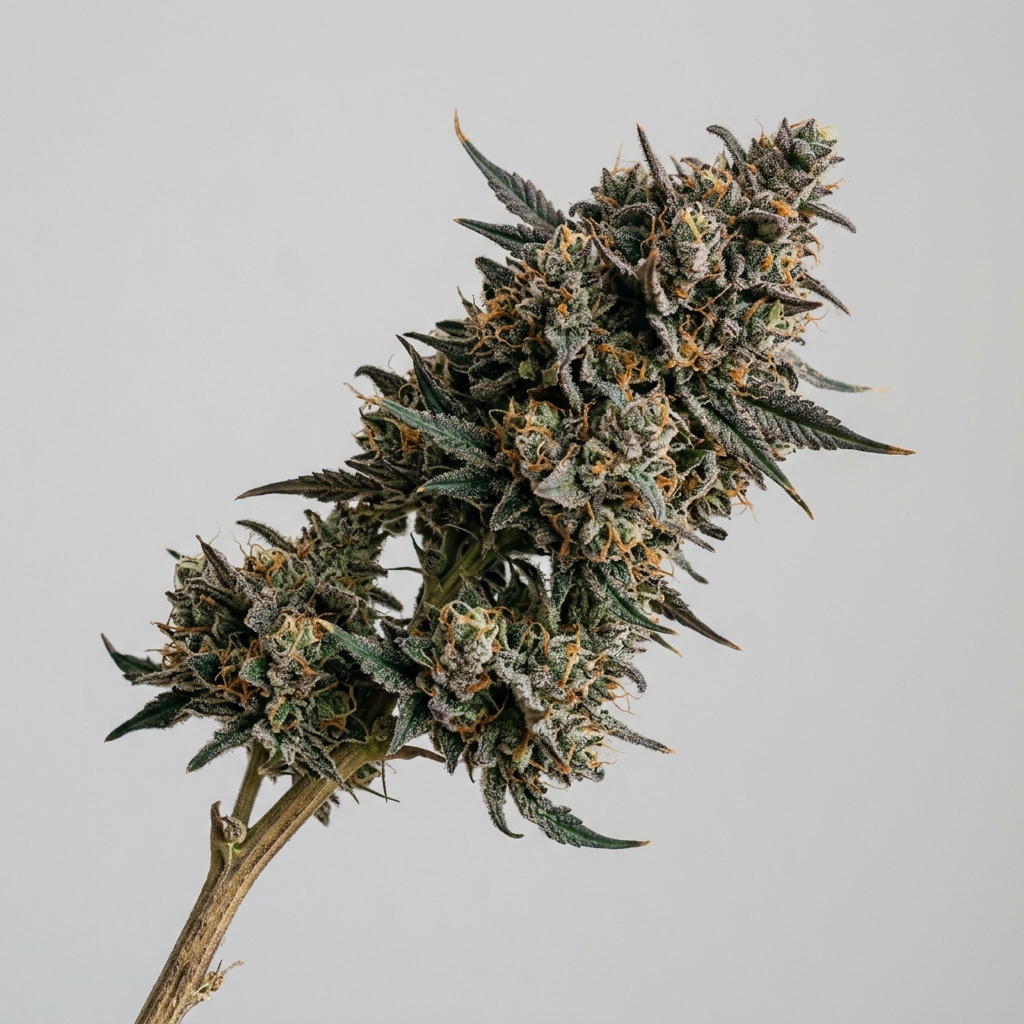
From a scientific and botanical reference, this strain displays robust morphology, often producing dense, resin-coated buds with vibrant orange pistils. The plant architecture tends to reflect its Kush ancestry, featuring broad fan leaves and a sturdy frame that supports heavy flower development during the late flowering stages.
Quick Facts
| Attribute | Details |
|---|---|
| Genetics | Apricot × Kush |
| Variety | Indica-dominant hybrid (~70% indica / 30% sativa) |
| THC Range | 18%–24% |
| Flowering Time | 8–9 weeks |
| Yield Potential | Moderate to High |
| Plant Height | Medium |
| Difficulty | Moderate |
Scientific & Botanical Overview
Apricot Kush exhibits characteristics typical of modern polyhybrids, balancing the vigorous growth patterns of its parents. The plant typically reaches a manageable medium height, making it suitable for both indoor and greenhouse environments. Its foliage often develops deep green hues, sometimes showing purple undertones when exposed to cooler temperatures during the final weeks of flowering.
The chemical composition of this cultivar is heavily influenced by a diverse terpene profile, which plays a central role in its sensory experience. Botanical analysis of similar Kush-descended strains often reveals high concentrations of myrcene and caryophyllene, which contribute significantly to the plant’s structural integrity and aromatic complexity.
Effects & Use-Cases (Reported)
Commonly reported effects of Apricot Kush include an initial cerebral uplift followed by a profound, creeping body relaxation. Users often describe a sense of calm that settles into the limbs, making it a popular choice for evening use or winding down after a long day.
In terms of use-case context, this strain is frequently sought out by those looking to disconnect from high-stress environments. Anecdotal reports suggest it may be helpful for physical tension or as a companion for sedentary evening activities like reading or gentle meditation.
Aroma & Flavors
Aroma: Sweet apricot nectar layered with earthy, musky Kush undertones.
Flavor: A complex blend of stone fruit sweetness, subtle citrus, and a peppery, spicy finish.
Terpene associations: Likely rich in Myrcene, Caryophyllene, and Limonene.
Tested Cannabinoid & Terpene Ranges
| Compound | Typical Range* | Notes |
|---|---|---|
| Δ9-THC | 18%–24% | Primary cannabinoid |
| Myrcene | 0.5%–1.2% | Earthy, sedative |
| Caryophyllene | 0.3%–0.8% | Peppery, anti-inflammatory |
*Ranges may vary by phenotype, cultivation environment, harvest timing, and analytical method.
Cultivation Notes
- Training: Responds well to LST (Low-Stress Training) to open up the canopy.
- Nutrients: Requires a balanced feeding schedule; watch for nutrient sensitivity during the mid-flower stage.
- Harvest Timing: Monitor trichomes for a milky-white appearance with some amber for optimal effect.
- Environment: Thrives in stable, moderate humidity levels to prevent mold in dense buds.
Grower Notes (Week-by-Week Snapshot)
- Weeks 1–3: Rapid vegetative growth; focus on establishing strong root zones.
- Weeks 4–6: Transition to flowering; stretch period occurs; begin bloom-specific nutrients.
- Weeks 7–9: Bud density increases rapidly; monitor for pests and ensure adequate airflow.
- Post-Harvest: Proper drying and curing for 14+ days are essential to preserve the delicate apricot aromatics.
Genetic Lineage
Apricot Kush is a direct hybrid of Apricot and a traditional Kush landrace or heritage strain. This pairing was designed to bridge the gap between fruity, terpene-heavy genetics and the reliable, heavy-hitting potency of the Kush family. Its lineage is stable, though specific breeder phenotypes may vary in their fruit-to-earth ratio.
Research Insights
While research into specific cultivars is ongoing, the synergy between cannabinoids like THC and terpenes such as myrcene is widely documented in the context of the “entourage effect.” This interaction is believed to modulate the overall experience, with myrcene potentially enhancing the sedative properties of the THC present in Apricot Kush.
Frequently Asked Questions
Is Apricot Kush suitable for beginners?
While relatively hardy, its tendency to grow dense flowers requires some attention to humidity control, making it a better fit for intermediate growers.
Does Apricot Kush lean more indica or sativa?
It is generally considered an indica-dominant hybrid, offering more physical relaxation than energizing cerebral stimulation.
What does Apricot Kush smell like?
It is characterized by a sweet, fruity scent reminiscent of fresh apricots, grounded by the classic earthy, musky aroma typical of Kush genetics.
Educational Disclaimer
This page is provided for scientific and horticultural reference only. Cannabis laws vary by jurisdiction; always ensure compliance with local regulations.
Rate and review this strain
Ratings and reviews are accepted only from signed-in Google accounts.
Sign in with Google to leave a rating and written review.
Latest Reviews
0 reviewsNo reviews yet. Be the first Google user to rate and review this strain.