Apricot (Cannabis Strain) — Strainpedia
Apricot is a balanced hybrid cannabis strain recognized for its rich stone-fruit aroma, luminous resin production, and smooth, uplifting hybrid effects. Generally attributed to Humboldt Seed Company, it is a cross between Apricot Papaya and Strawberry Cheesecake, combining syrupy fruit sweetness with creamy dessert depth in a cultivar known for both boutique flavor and fast finishing performance.
Among growers, connoisseurs, and extraction-focused consumers, Apricot is widely valued for its high terpene appeal, resin-heavy flower structure, and strong alignment with search intent around fruit-flavored cannabis strains, Humboldt Seed Company genetics, stone-fruit weed strains, and fast flowering hybrid cannabis. As with many modern cultivars, expression may vary by phenotype, environment, harvest timing, and curing quality. The information below is provided strictly for scientific and horticultural reference.

Quick Facts
| Genetics | Apricot Papaya x Strawberry Cheesecake |
|---|---|
| Original Breeder | Humboldt Seed Company |
| Variety | Balanced Hybrid |
| Flowering Time | Approximately 7–8 weeks indoors |
| Yield Potential | Moderate to High with dense, heavy terminal flowers |
| Plant Height | Medium with a sturdy, manageable canopy |
| Climate Preference | Temperate, stable environments with consistent airflow |
| Difficulty | Beginner to Intermediate |
Strain Classification
| Type | Balanced Hybrid |
|---|---|
| Genetic Family | Papaya / Cheesecake / Fruit Lineage |
| Primary Terpenes | Commonly associated with Myrcene, Limonene, and Caryophyllene* |
| Original Breeder | Humboldt Seed Company |
| Breeding Lineage | Apricot Papaya x Strawberry Cheesecake |
*Exact terpene dominance may vary by phenotype, harvest timing, and cultivation method.
Scientific & Botanical Overview
Apricot reflects a terpene-forward breeding direction focused on preserving dense stone-fruit esters alongside strong resin expression and rapid finishing behavior. The Apricot Papaya side contributes syrupy tropical-apricot sweetness and a bright fruit-forward identity, while Strawberry Cheesecake adds creamy depth, floral softness, and extra structural density.
Botanically, plants typically show a sturdy hybrid frame with broad fan leaves, efficient lateral development, and early trichome formation. Buds often build quickly during flower and finish with heavy resin coverage, making the cultivar attractive for both premium flower production and terpene-rich extraction work.
Appearance
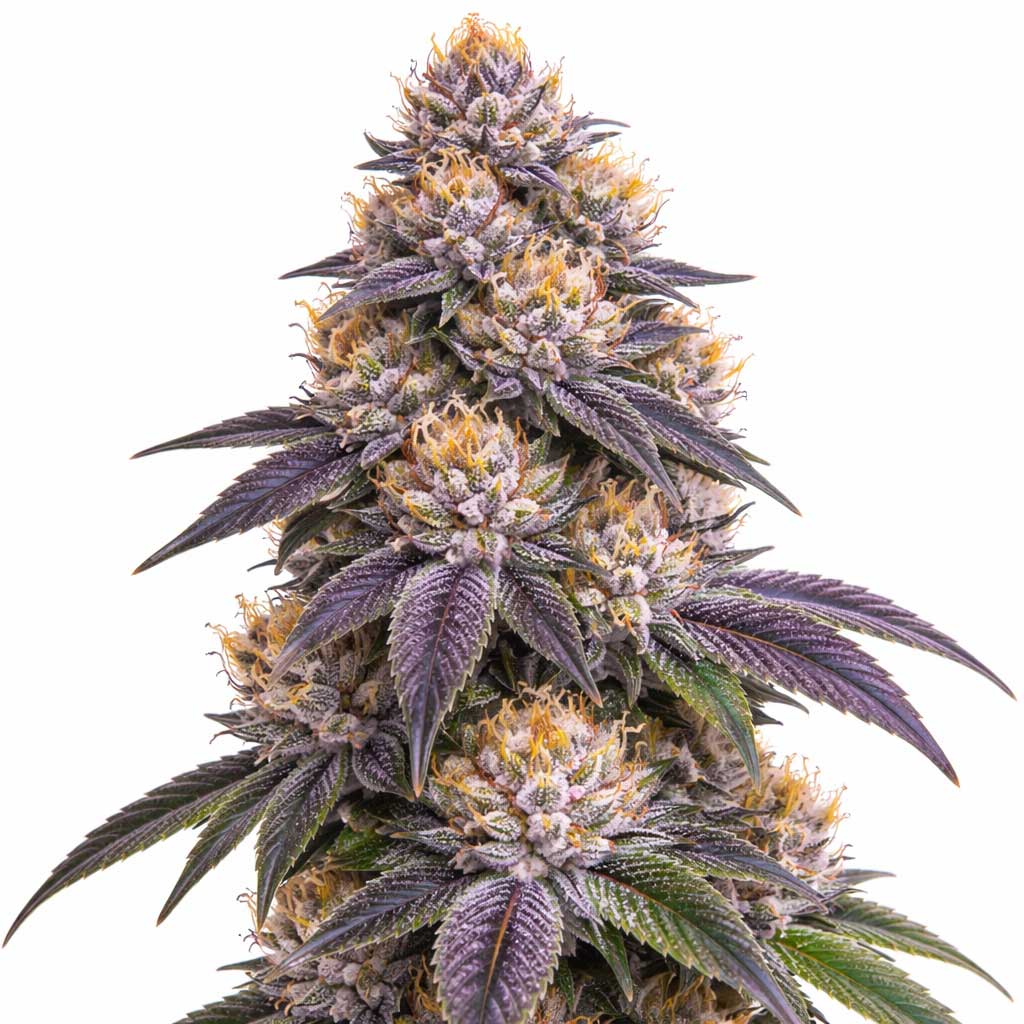
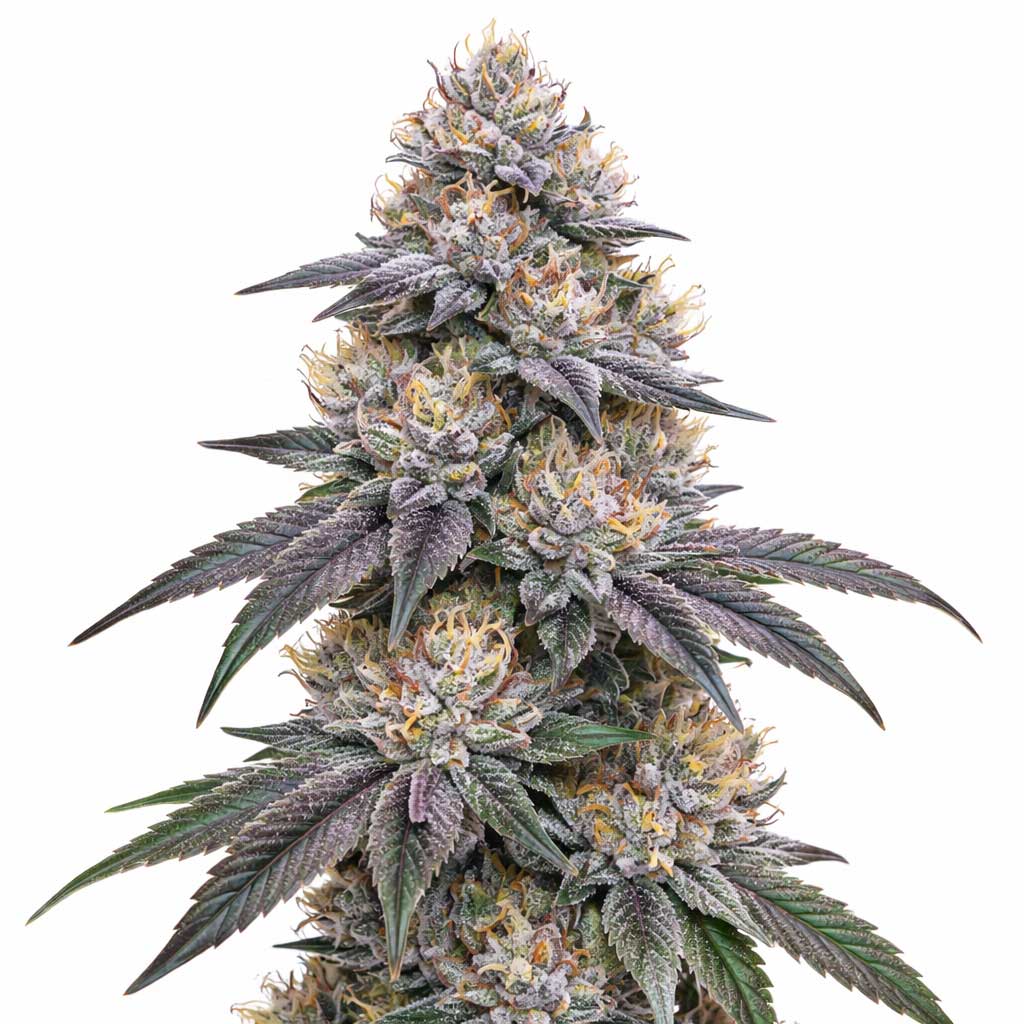
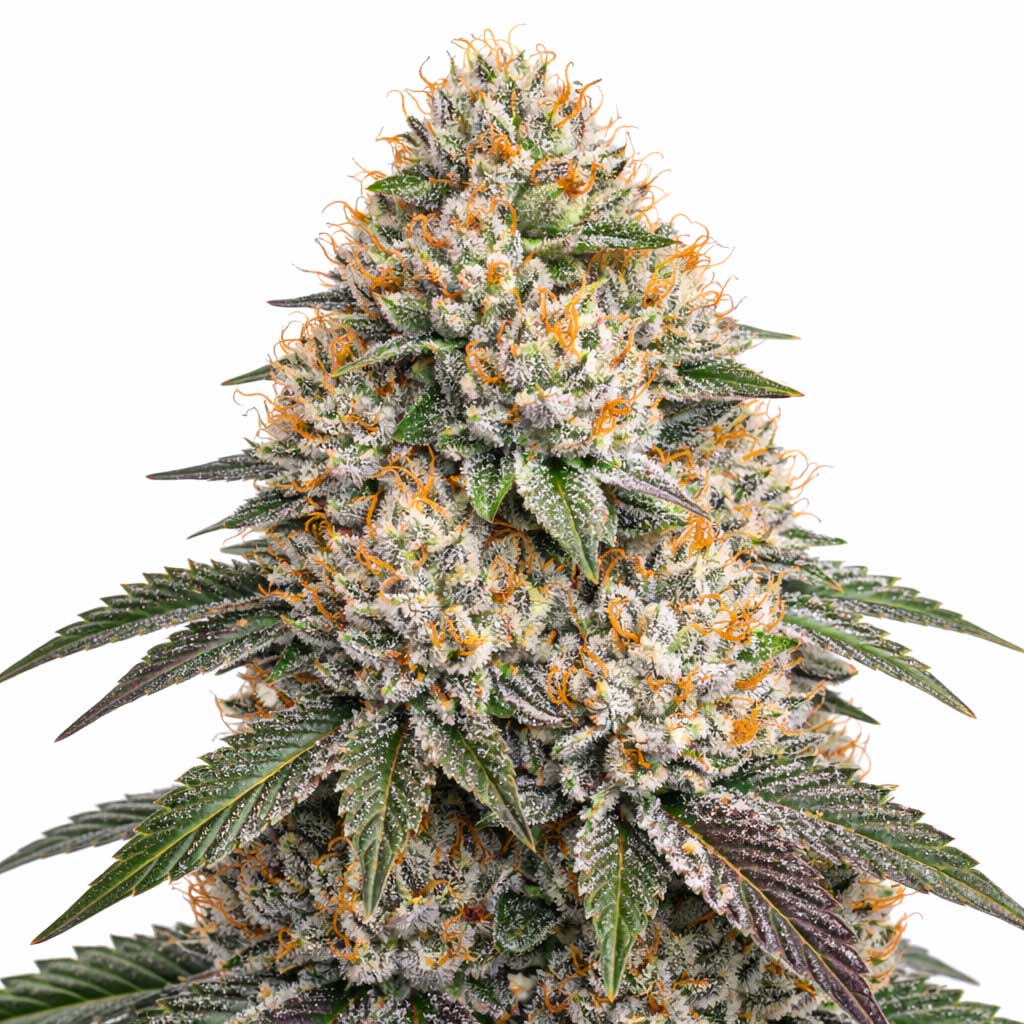
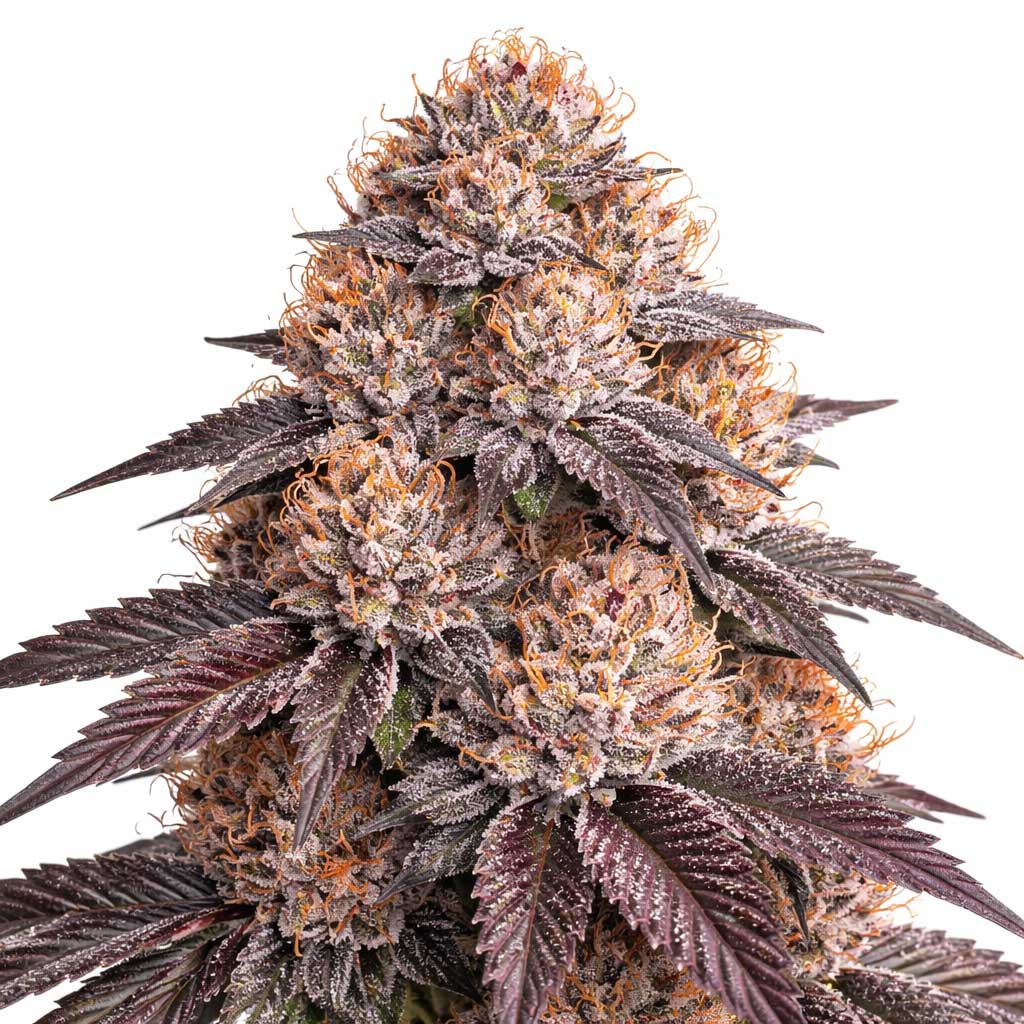
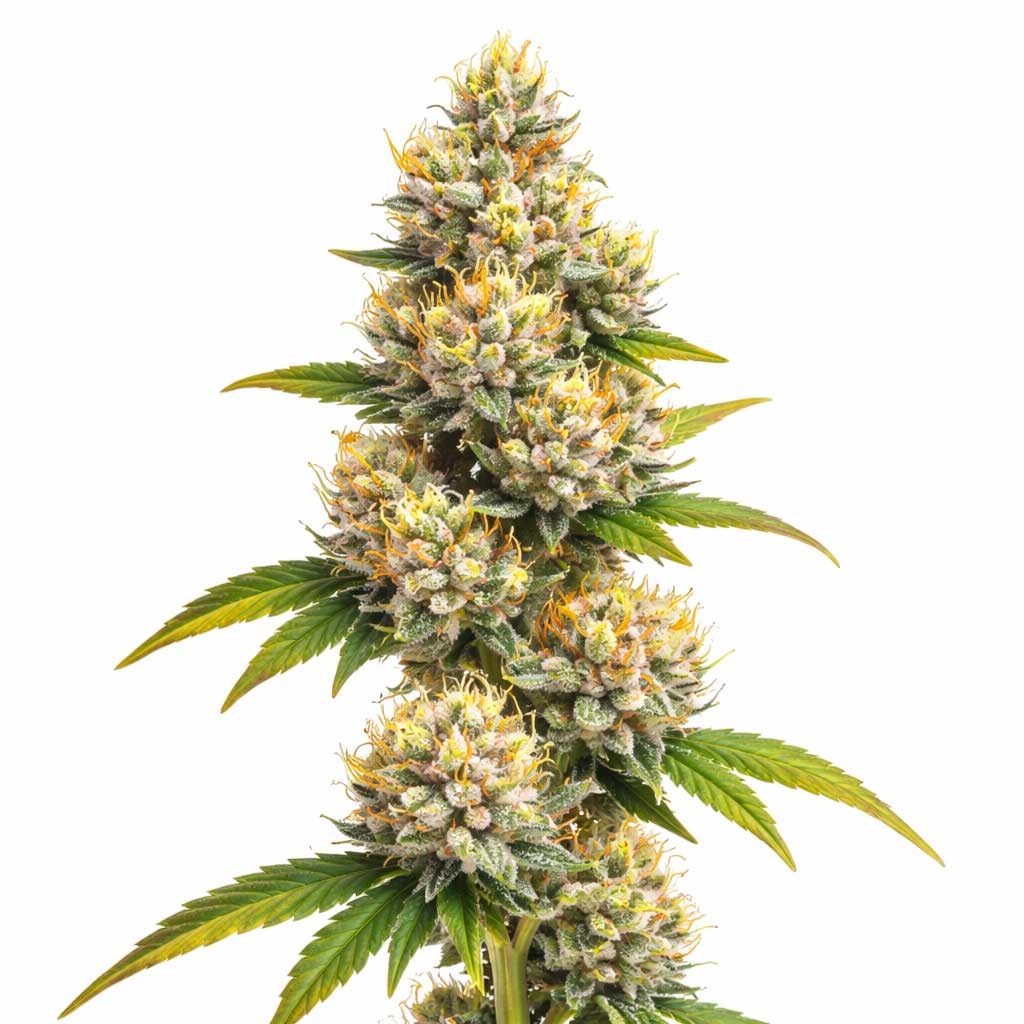
Apricot buds are typically dense, bright, and highly resinous, often showing lime-green coloration with soft golden, peach, or warm yellow undertones late in flower. A thick layer of crystalline trichomes gives the flowers a wet, glistening appearance under direct light.
Long amber-orange pistils provide contrast across the sticky surface, and the overall presentation is polished, boutique, and highly aromatic when handled or broken apart.
Effects & Use-Cases (Reported)
- Commonly reported effects: mood elevation, gentle physical relaxation, social ease, and focused mental lift.
- Use-case context: often selected for afternoon sessions, light creative activity, or stress relief without heavy fogginess.
- Body character: calming and functional, usually without immediate heavy sedation.
- Note: These observations are anecdotal and do not constitute medical claims.
Observational Note: Apricot is frequently described as offering a bright, happy hybrid profile that feels approachable, social, and emotionally uplifting without overwhelming intensity.
Potency Note: Many selections are considered moderately strong, making the cultivar attractive to regular users while remaining more approachable than aggressively gas-forward high-THC strains in some reported experiences.
Aroma & Flavor Profile
- Aroma: overripe apricot, syrupy peach, sweet cream, and floral honey.
- Flavor: deep stone-fruit sweetness on the inhale followed by creamy cheesecake, soft fruit candy, and a smooth lightly nutty finish.
- Aftertaste: lingering dried fruit and sugary nectar notes.
- Terpene associations: commonly aligned with Myrcene, Limonene, and Caryophyllene.
Apricot aligns strongly with search terms such as stone fruit cannabis strain, apricot weed strain, best tasting hybrid weed, fast flowering exotic cannabis, and Humboldt Seed Company Apricot.
Tested Cannabinoid & Terpene Ranges
| Compound | Typical Range* | Notes |
|---|---|---|
| Δ⁹-THC | ~21–25% | Potency varies by phenotype and cultivation method. |
| CBD | <0.1% | Typically minimal. |
| Myrcene | ~0.5–1.0% | Supports deep fruit character and aromatic weight. |
| Limonene | ~0.4–0.7% | Adds brightness and an uplifted aromatic finish. |
| Linalool | ~0.2–0.4% | May contribute floral softness and a calmer finish. |
*Ranges are estimates and may vary by phenotype, harvest timing, cure quality, and lab methodology.
Cultivation Notes
- Light Cycle: 18/6 vegetative, 12/12 flowering.
- Humidity: Around 45–50% in flower with stable environmental control.
- Stretch: Low to Moderate, making canopy management relatively straightforward.
- Training: Responds well to Sea of Green setups, light defoliation, and simple canopy shaping.
- Odor Control: Recommended, especially during the final flowering phase when aroma becomes heavier and sweeter.
- Harvest Window: Typically 7–8 weeks indoors.
Because Apricot is often selected for fast finishing performance and terpene expression, growers usually benefit from maintaining clean environmental conditions, strong light distribution, and careful harvest timing to preserve its fruit-forward identity.

Grower Notes (Week-by-Week Snapshot)
- Weeks 1–3: Robust vegetative growth builds a sturdy hybrid frame with strong stem development.
- Weeks 4–5: Transition into flower begins quickly, with early trichome formation appearing across bud sites.
- Weeks 6–7: Calyx swelling accelerates and the grow space fills with syrupy stone-fruit aroma.
- Week 8: Final ripening brings peak resin maturity and strong terpene expression.
Genetic Lineage
Apricot is a cross between Apricot Papaya and Strawberry Cheesecake, generally attributed to Humboldt Seed Company. This lineage explains the cultivar’s combination of syrupy fruit aroma, creamy dessert depth, strong resin production, and unusually fast flowering time.
Research Insights
Apricot reflects a wider shift in modern cannabis breeding toward cultivars valued for terpene specificity, commercial efficiency, and premium sensory identity. Rather than relying on raw potency alone, strains like this stand out because they combine boutique flavor with a faster indoor turnaround.
It also demonstrates how current strain discovery often overlaps multiple major search categories at once, including THC level, hybrid classification, effects, terpenes, flavor profile, flowering time, and grower suitability.
Frequently Asked Questions
Who bred Apricot?
Apricot is generally attributed to Humboldt Seed Company.
Is Apricot indica or sativa?
It is generally classified as a balanced hybrid.
What does Apricot smell like?
It is best known for its apricot-forward aroma with sweet cream, peach-like syrup, and floral honey undertones.
How long does Apricot take to flower?
It typically finishes in about 7–8 weeks indoors.
Is Apricot good for beginners?
It is often considered approachable for beginner to intermediate growers because of its manageable structure and relatively fast finish.
Educational Disclaimer: This page is provided strictly for scientific and horticultural reference. Cannabis cultivation, possession, and use are regulated by local laws. This content does not promote illegal activity or constitute medical advice. Always comply with applicable regulations in your jurisdiction.
Rate and review this strain
Ratings and reviews are accepted only from signed-in Google accounts.
Sign in with Google to leave a rating and written review.
Latest Reviews
0 reviewsNo reviews yet. Be the first Google user to rate and review this strain.