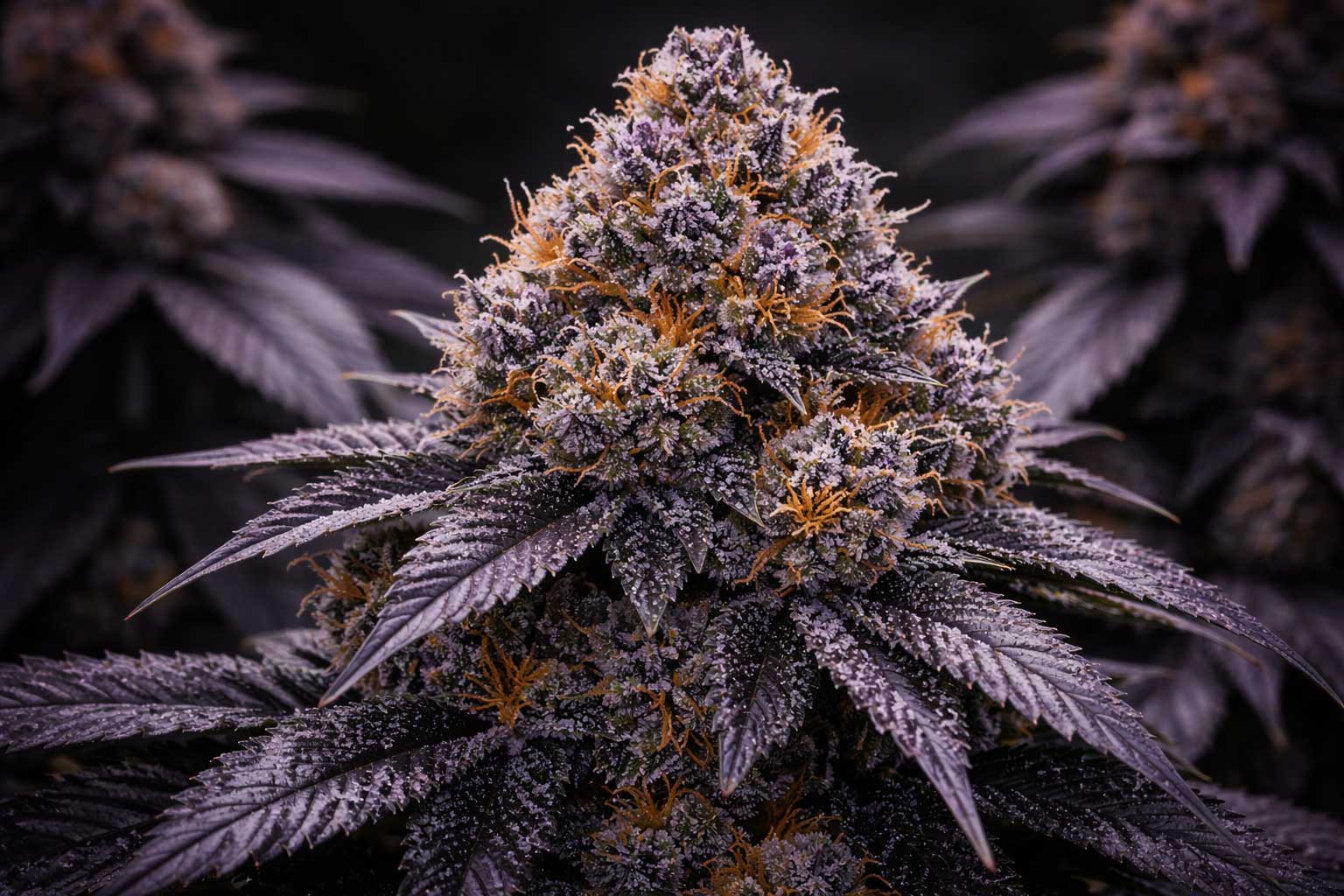
Granddaddy Purple / GDP (Cannabis Strain)
Granddaddy Purple (commonly abbreviated as GDP) is a premier, high-velocity hybrid cannabis cultivar commonly described as an indica-dominant hybrid with an approximate 70% indica / 30% sativa profile. Originally introduced by Ken Estes in 2003, it remains a nationwide standout in the 2026 connoisseur market for its unrivaled purple anthocyanin expression, sweet berry intensity, and a polished classic effect profile.
Recognized as the gold standard of “Purple” genetics, GDP combines the exotic fruit characteristics of Mendo Purps and Skunk with the robust, resinous power of Afghanistan. It is widely associated with dense, oversized colas and elite boutique appeal, offering a warm euphoric effect profile that feels mentally tranquil yet physically profound. The information below is provided strictly for scientific and botanical reference.
Quick Facts
| Feature | Details |
|---|---|
| Genetics | Mendo Purps × Skunk × Afghanistan |
| Variety | Indica-dominant hybrid |
| THC Range | 17%–23% |
| Flowering Time | 8–9 weeks (56–63 days indoors) |
| Yield Potential | 450–550 g/m² (High) |
| Plant Height | 90–120 cm; compact, bushy structure with sturdy lateral branching |
| Climate Preference | Mediterranean / Controlled Indoor (requires humidity management) |
| Difficulty | Intermediate (sensitive to high humidity during the final stages of flower) |
Scientific & Botanical Overview
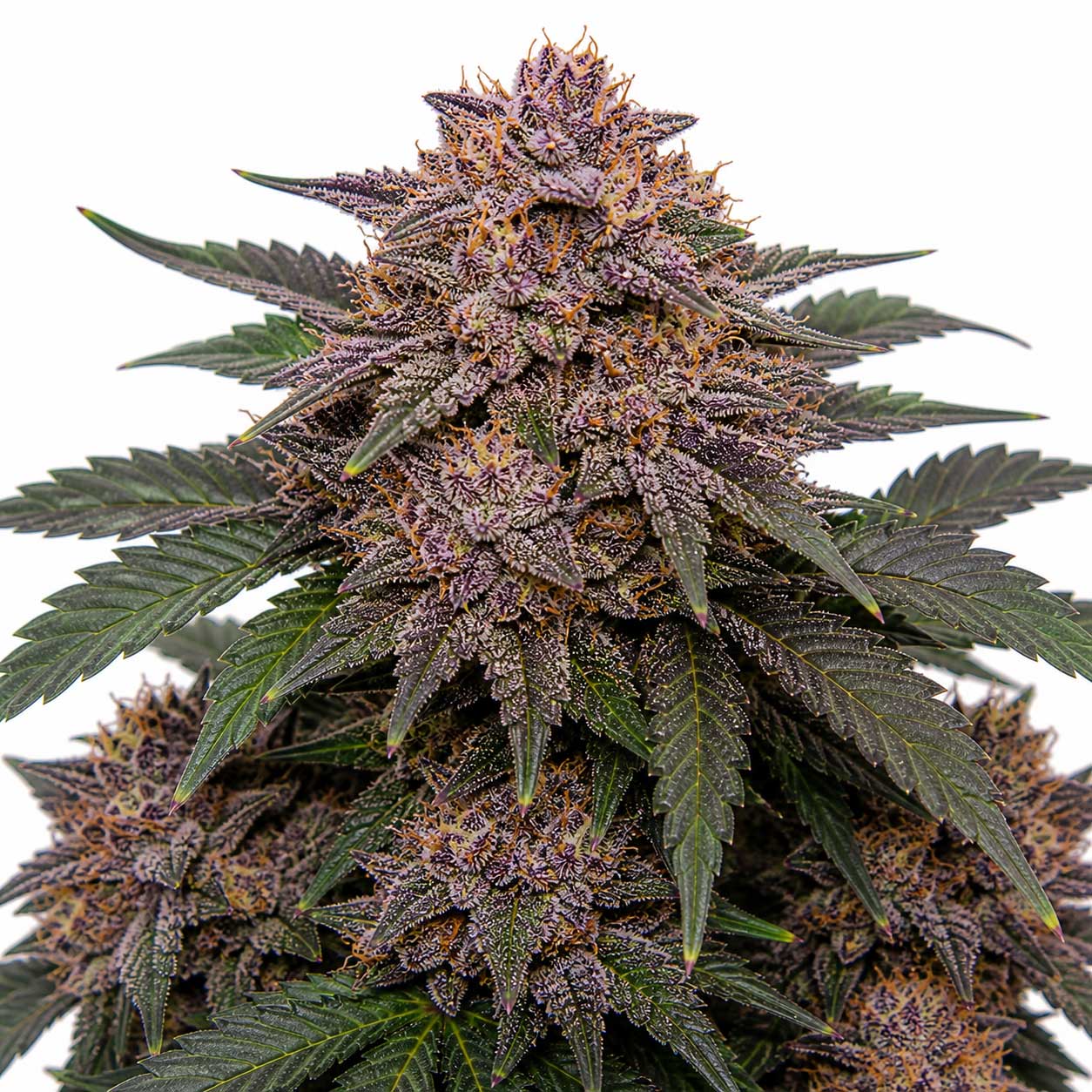
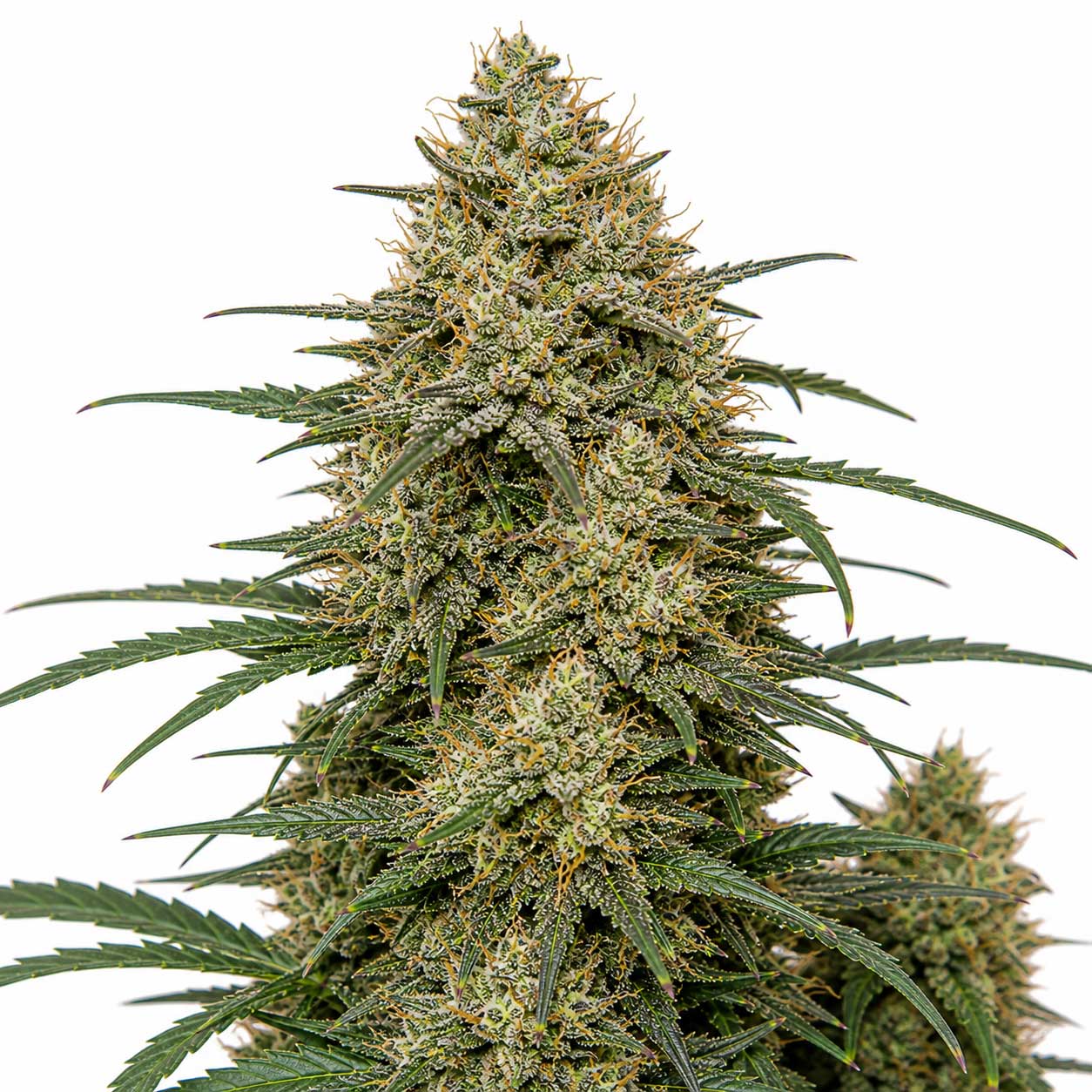
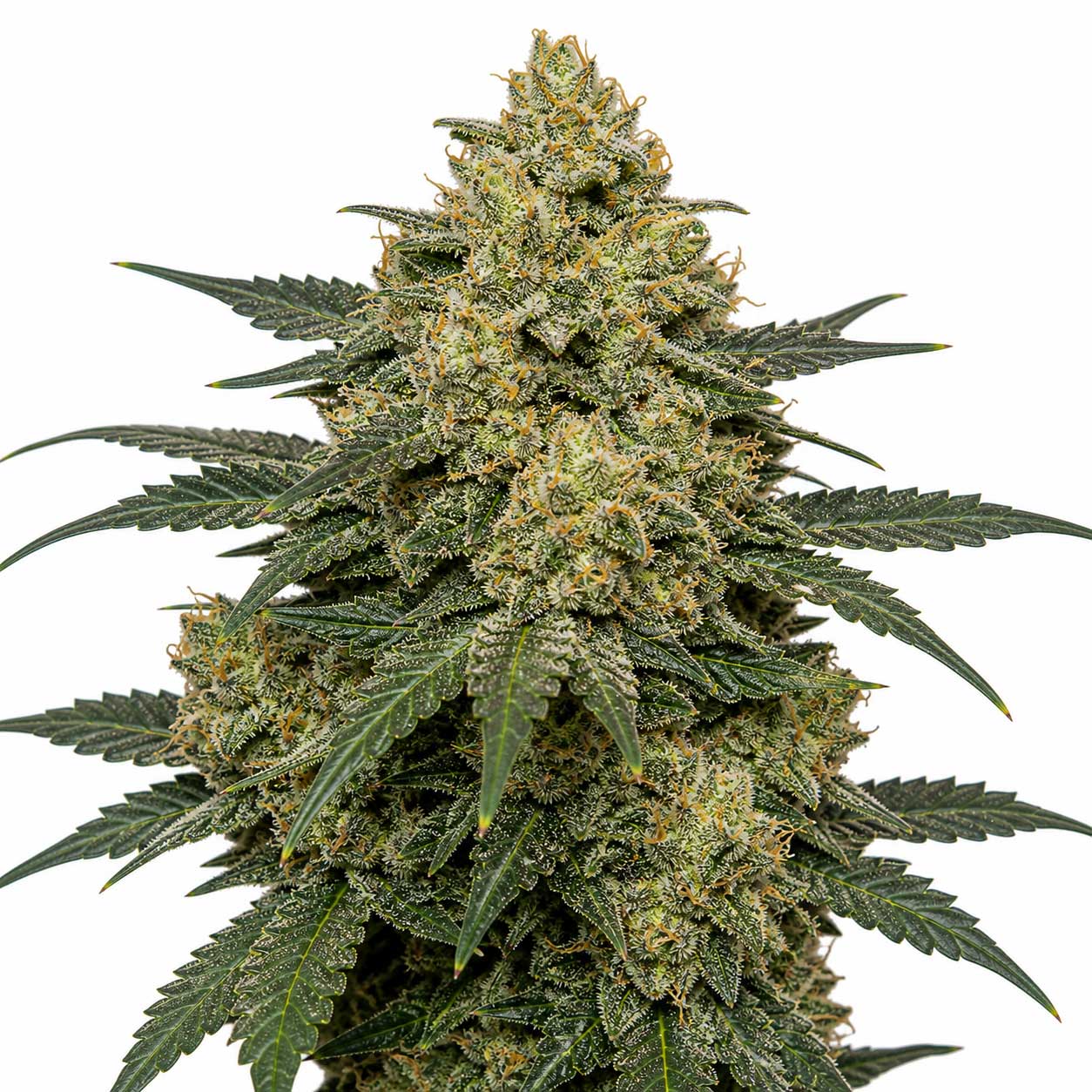
GDP exhibits a striking morphology, producing massive, spherical buds that typically display a deep violet to royal purple base, contrasted by bright orange pistils. The flowers are typically coated in a thick, “dusty” layer of glandular trichomes that give the buds a frosted, silver-purple appearance. This premium visual finish set the standard for “Bag Appeal” in the California medical era.
Botanically, the cultivar stands out for its high concentration of myrcene and caryophyllene, a pairing often associated with a richer, more “wine-like” aromatic definition than earthier hybrids. This combination helps create the sweet grape and tart berry profile that distinguishes Granddaddy Purple from more conventional sour or pine crosses.
GDP is especially notable because it combines classic breeding precision with substantial physical depth and sensory clarity rather than leaning into simple sedation or industrial fuel notes alone.
Effects & Use-Cases (Reported)
Commonly reported effects: a gentle cerebral onset, enhanced sensory perception, elevated mood, and a smoothing full-body cushion often described as high-definition serenity.
Use-case context: Granddaddy Purple is highly versatile for evening use and is often associated with relaxation, meditation, and post-activity decompression. Many users describe it as mentally sparking and physically cushioned, making it a strong option for those who want tranquility and presence without an immediate “blackout” finish.
Note: These observations are anecdotal reports and should not be interpreted as medical claims.
Aroma & Flavors
Aroma: A loud bouquet of sweet grape juice, wild berries, earthy hash, floral musk, and subtle herbal sharpness.
Flavor: The inhale is commonly described as zesty and sugary with grape notes, while the exhale becomes smoother, doughy, peppery, and lightly herbal.
Terpene associations: Myrcene, Caryophyllene, Pinene, and Limonene.
Tested Cannabinoid & Terpene Ranges
| Compound | Typical Range* | Notes |
|---|---|---|
| Δ9-THC | 17.0%–23.0% | Consistent and dependable range associated with a clean-feeling, high-impact experience |
| CBG | 0.5%–1.5% | Notable minor-cannabinoid presence often linked to focused mental calm |
| Myrcene | 0.7%–1.2% | Drives the sweet grape-berry aroma and the smooth physical finish |
| Caryophyllene | 0.5%–0.9% | Adds spicy depth and helps support overall physical comfort |
| Pinene | 0.3%–0.6% | Supports the fresh evergreen sharpness and mental alertness |
*Ranges are literature-informed references for 2026 boutique harvests and may vary by phenotype, cultivation environment, harvest timing, and analytical method.
Cultivation Notes
- Light Cycle: 18/6 vegetative and 12/12 flowering.
- Humidity Targets: Keep strictly between 45% and 50% during the final 3 weeks. The dense colas require high air exchange to prevent moisture issues within the deep violet folds.
- Nutrition: Moderate to high feeder; responds well to organic amendments and specific attention to phosphorus during mid-flower.
- Training: Topping and Low-Stress Training (LST) are highly recommended to manage its bushy frame and maximize light penetration to lower nodes.
- Harvest Window: Early-to-mid October outdoors in the Northern Hemisphere.
Grower Notes (Week-by-Week Snapshot)
- Weeks 1–3 (The Solidification): Minimal stretch; the plant focuses on establishing a wide canopy and thick lateral node sites.
- Weeks 4–6: Resin production ramps up; the room fills with an intense grape and berry aroma while purple hues begin to manifest on the sugar leaves.
- Weeks 7–9: Final finishing phase, where buds harden significantly and the signature royal purple color saturates the flower.
- Post-Harvest: A slow 14-day dry around 16 °C and 60% RH followed by at least a 6-week cure is essential to stabilize the complex fruit-forward terpenes.
Genetic Lineage
Granddaddy Purple is commonly described as a masterpiece cross between Mendo Purps, Skunk, and Afghanistan. Mendo Purps contributes the iconic color and berry profile. Skunk provides the vigor and aromatic volume, while Afghanistan adds the resin density and deep physical hybrid balance.
This pairing helps explain why GDP feels heavier, cleaner, and more sensory-forward than many standard hybrid crosses while still preserving physical comfort and elite bag appeal.
Research Insights
Granddaddy Purple is notable in discussions around Myrcene-Caryophyllene-Pinene interplay. This combination is often associated with alertness, stress reduction, and a smoother mental tone, which may help explain why many users describe the cultivar as euphoric and vividly creative without becoming heavy.
From a breeding and market perspective, Granddaddy Purple remains a global benchmark, serving as the primary choice for consumers seeking a high-quality “Purple” experience that balances legacy and power.
Frequently Asked Questions
Is Granddaddy Purple a daytime or nighttime strain?
Granddaddy Purple is generally considered the ultimate evening cultivar because of its relaxing, calming mental profile and soothing physical finish.
What does GDP taste like?
Many users describe the flavor as sweet and fruity, often comparing it to grape candy or fresh-baked berry pie with a spicy herbal exhale.
Why is it so purple?
The color is caused by a high concentration of anthocyanins, which are triggered by both genetics and cooler temperatures during the flowering phase.
What makes Granddaddy Purple stand out?
Its standout traits include unrivaled violet color, intense grape-berry aroma, strong sensory uplift, and its status as one of the most famous indica hybrids in existence.
Educational Disclaimer
This page is provided for scientific and horticultural reference only. Cannabis laws vary by jurisdiction; always ensure compliance with local regulations.
Rate and review this strain
Ratings and reviews are accepted only from signed-in Google accounts.
Sign in with Google to leave a rating and written review.
Latest Reviews
0 reviewsNo reviews yet. Be the first Google user to rate and review this strain.
Follow New Cultivar Records
Get newly documented genetics, breeder history, research highlights, and important Strainpedia discoveries by email.