L’Orange (Cannabis Strain) — Strainpedia
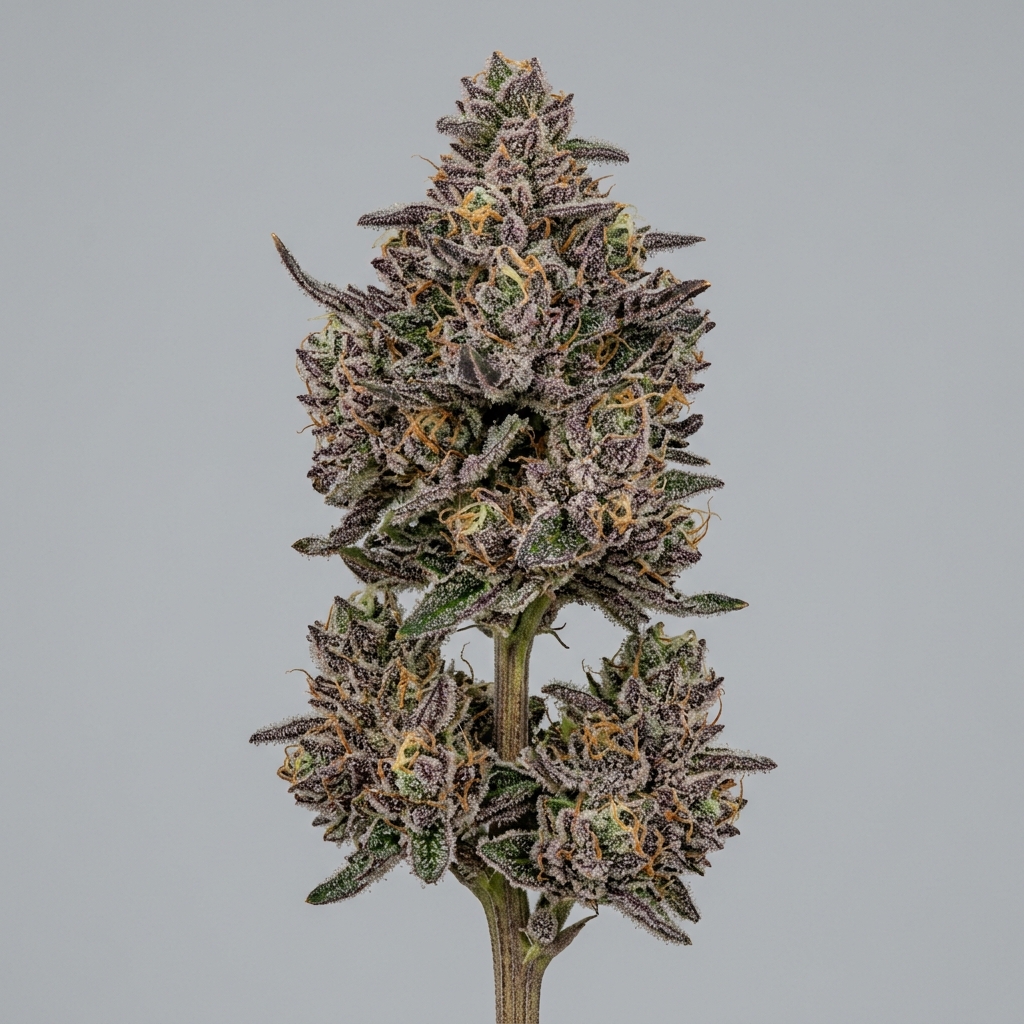
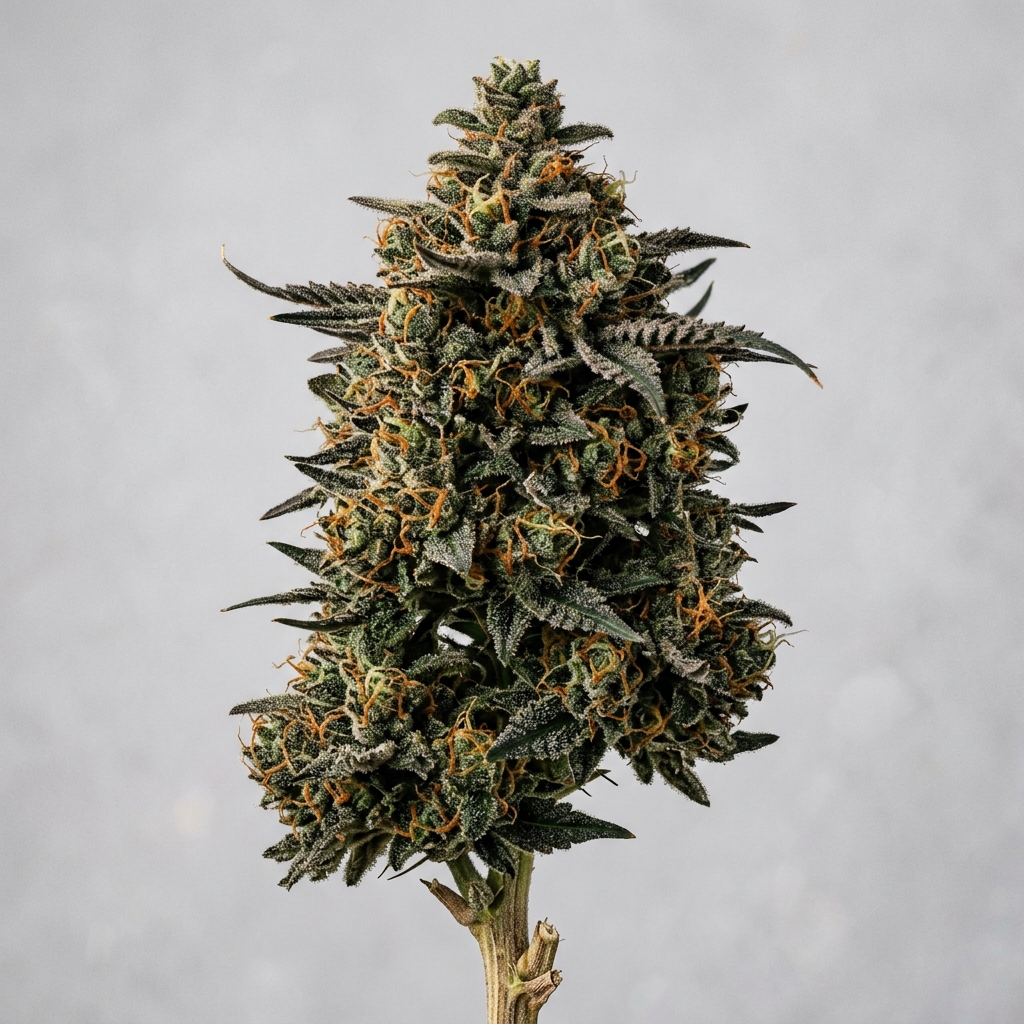
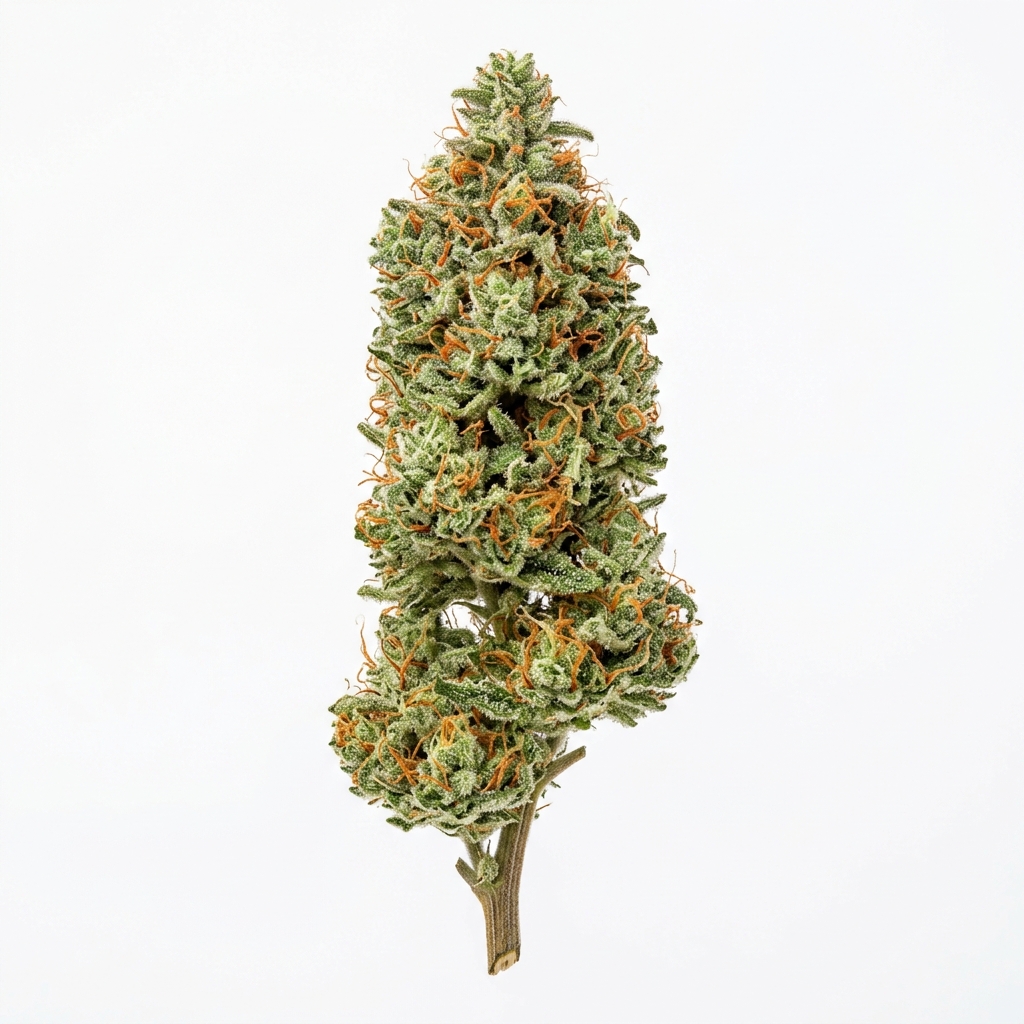
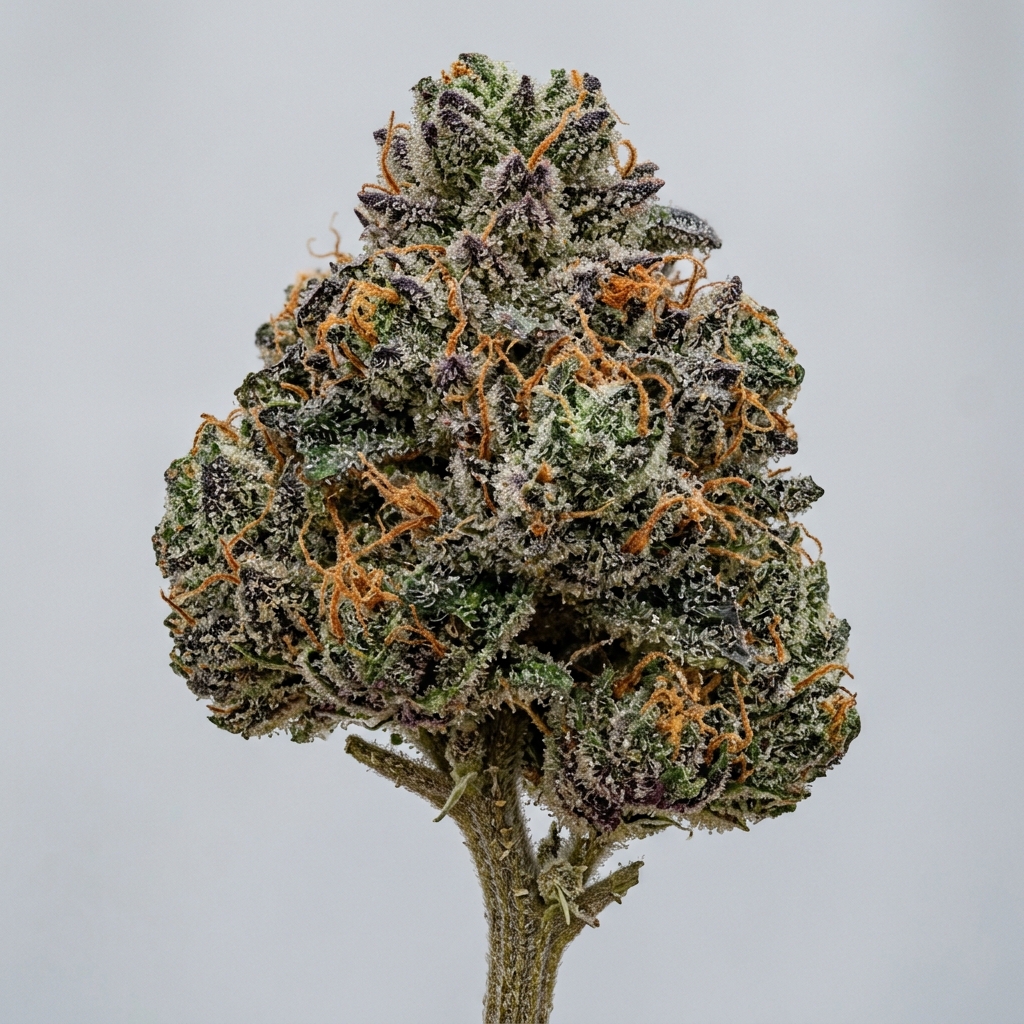
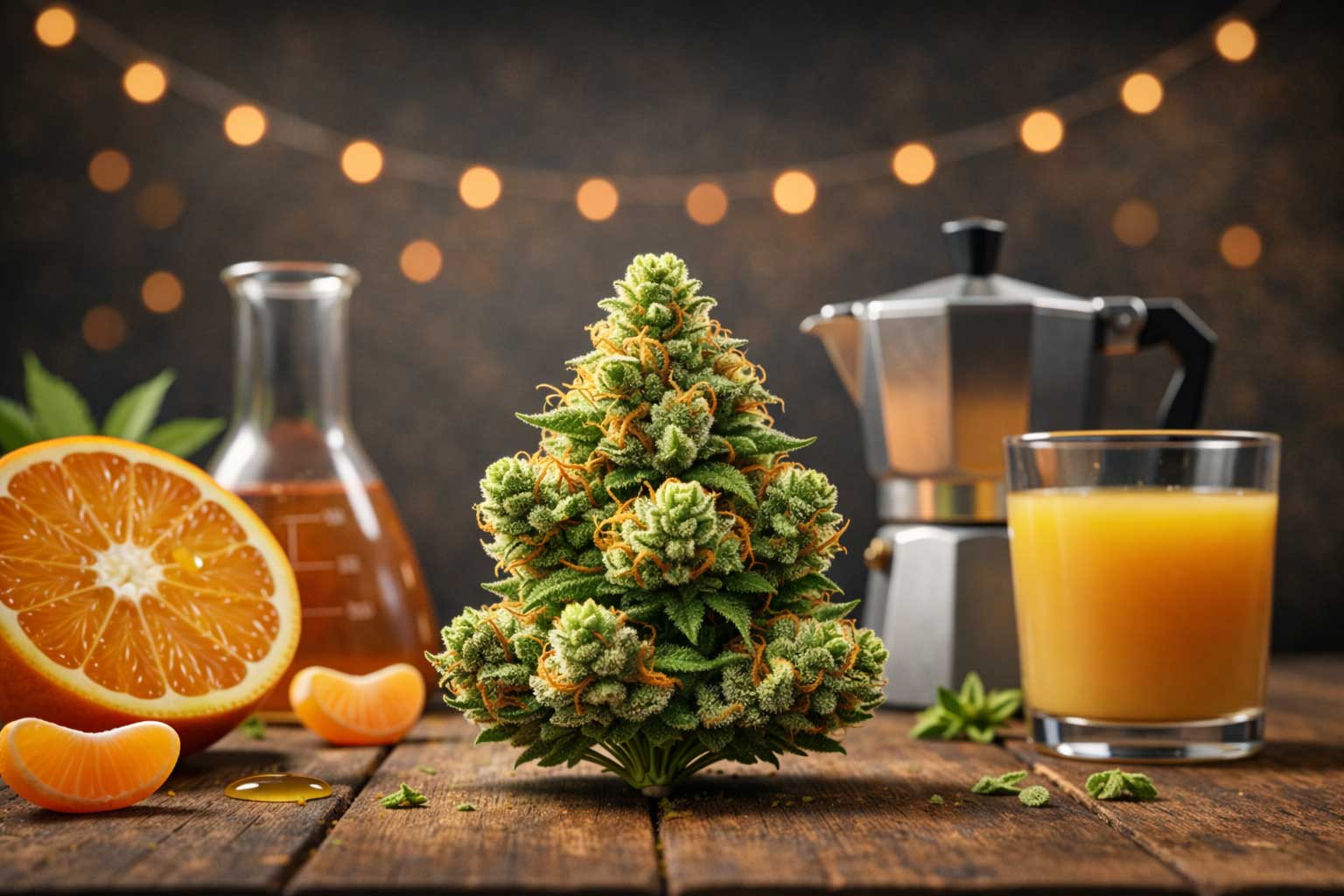
L’Orange is a highly acclaimed Sativa-Dominant Hybrid cultivar widely regarded as the defining “Sativa of the Year” for 2026. Developed and popularized by elite cultivators such as Cannabiotix (CBX), this strain has surged in the modern market as the ultimate “morning coffee” cultivar, prized for its pure citrus terpene expression, clean energetic onset, and unusually functional high for a high-THC Sativa. With reported potency frequently in the 28%–30% THC range, L’Orange is celebrated for its bright orange aroma, long neon-green colas, and resin quality ideal for premium live resin extraction. The information below is intended strictly for scientific and botanical reference.
Quick Facts
| Genetics | Oregon Lemon x Orange Ghost |
|---|---|
| Variety | Sativa-Dominant Hybrid (approx. 75% Sativa / 25% Indica) |
| Flowering Time | 9–10 weeks (63–70 days indoors) |
| Yield Potential | Moderate to High (Terpene quality prioritized over bulk) |
| Plant Height | Tall and stretchy; requires training and support |
| Climate Preference | Controlled Indoor (Terpene preservation environment recommended) |
| Difficulty | Intermediate (Requires canopy management and trellis support) |
Scientific & Botanical Overview
L’Orange is a terpene-forward cultivar engineered for pure citrus expression and premium Sativa performance. Plants commonly display classic Sativa morphology—taller structure, longer internodal spacing, and extended spear-shaped colas that stack upward. Buds frequently appear neon green with bright golden pistils, and the trichome layer is described as “greasy” rather than sandy, reflecting high concentrations of aromatic oils and terpenes.
Due to its strong resin output and terpinolene-dominant profile, L’Orange has become a favored cultivar for live resin production and high-end concentrate markets. Its aroma is widely considered unusually “clean” for an orange strain, lacking fermented or rotten fruit undertones.
Effects & Use-Cases (Reported)
- Commonly reported effects: rapid mental clarity, energetic uplift, enhanced focus, mood elevation, and smooth motivational stimulation.
- Use-case context: widely used for morning and daytime sessions; often selected for productivity, creative brainstorming, outdoor activities, and social engagement.
- Functional profile: frequently described as stimulating without paranoia, even at high THC levels.
- Note: These are observational reports, not medical claims; outcomes are not guaranteed.
Aroma & Flavors
- Aroma: extremely citrus-forward, featuring fresh-squeezed orange juice, tangerine zest, and bright citrus oil notes. The profile is often described as pure, sharp, and clean with minimal funk.
- Flavor: sweet orange juice on the inhale, followed by a smooth and refreshing exhale with lingering citrus oil and subtle earthy-wood undertones.
- Terpene associations: terpinolene (dominant), limonene, myrcene.
Tested Cannabinoid & Terpene Ranges
| Compound | Typical Range* | Notes |
|---|---|---|
| Δ⁹-THC | ~28–30% | Consistently high potency for a Sativa-dominant cultivar. |
| CBD | ~0–1% | Generally present only in trace levels. |
| Terpinolene | High | Primary driver of the sharp citrus freshness and energetic clarity. |
| Limonene | High | Supports mood lift and enhances orange/tangerine sweetness. |
| Myrcene | Moderate | Provides smoothness and helps balance stimulation into functional calm. |
| Caryophyllene | Low–Moderate | Supports earthy depth and a grounded finish. |
| Terpene Profile | Orange / Tangerine / Citrus Oil | Defined by terpene purity rather than dessert or gas dominance. |
*Ranges are literature- and lab-report-informed references and can differ with phenotype, cultivation conditions, harvest timing, curing practices, and analytical methods.
Cultivation Notes
- Light Cycle: 18/6 vegetative; 12/12 flowering
- Humidity Targets: 40–50% during flower; terpene preservation requires stable airflow and temperature control.
- Nutrition: Moderate feeder; avoid excessive nitrogen late flower to preserve citrus terpene clarity.
- Training: Responds well to topping and canopy control. Due to tall Sativa stretch, trellis support is strongly recommended.
- Harvest Timing: Harvesting at mostly cloudy trichomes with minimal amber is often preferred to preserve sharp orange terpenes.
- Harvest Window: Late October outdoors (Northern Hemisphere), depending on phenotype and climate.
Grower Notes (Week-by-Week Snapshot)
- Weeks 1–2 (Transition/Stretch): strong stretch phase; begin trellis installation; maintain balanced nutrition.
- Weeks 3–4: flower stacking begins; establish canopy height and airflow; remove lower growth sites.
- Weeks 5–6: resin oil production increases; terpinolene aroma becomes intense; buds lengthen into long colas.
- Weeks 7–8: peak terpene expression; maintain stable environment; avoid overfeeding to prevent terpene dulling.
- Weeks 9–10: ripening; harvest based on trichome maturity for maximum citrus purity.
- Post-Harvest: Dry 18–20 °C, 55–60% RH to preserve volatile citrus oils and bright orange flavor.
Timelines shift with phenotype and environment; prioritize aroma quality and trichome maturity over strict calendar timing.
Genetic Lineage
L’Orange is the result of a deliberate citrus-forward pairing between Oregon Lemon and Orange Ghost. Oregon Lemon contributes the sharp lemon backbone, structural stability, and bright citrus bite, while Orange Ghost adds an elusive, terpene-rich Sativa character known for its intense tangerine aroma and electric cerebral stimulation. Together, these genetics create a highly functional, high-potency Sativa-dominant cultivar built for terpene purity and elite daytime performance.
Research Insights
L’Orange represents a key 2026 market direction known as “Terpene Purity,” where cultivars are increasingly selected for clean, recognizable aroma identity rather than heavy dessert or fuel complexity. Its terpinolene-dominant chemical structure is frequently associated with energetic clarity and alertness, while limonene contributes mood uplift and bright citrus sweetness. The presence of myrcene at moderate levels may help smooth the stimulation, potentially explaining why many users describe L’Orange as productive and clear-headed rather than anxious or racy.
Frequently Asked Questions
Is L’Orange an Indica or Sativa?
L’Orange is classified as a Sativa-Dominant Hybrid (approximately 75% Sativa / 25% Indica), known for its uplifting, energetic daytime effects.
What does L’Orange smell and taste like?
It smells strongly like fresh-squeezed oranges and tangerine zest with a clean citrus oil finish. The flavor is sharp orange juice sweetness followed by a smooth earthy-wood exhale.
How strong is L’Orange?
L’Orange is widely reported in the 28%–30% THC range, making it a high-potency Sativa cultivar commonly recommended for experienced users.
How long does L’Orange take to flower?
L’Orange typically flowers in 9–10 weeks (63–70 days) indoors.
Is L’Orange good for concentrates?
Yes. Its greasy resin texture and terpinolene-rich terpene oil profile make it a popular 2026 cultivar for live resin extraction and premium concentrates.
Educational Disclaimer: This page is provided for scientific and horticultural reference only and does not constitute medical or promotional advice. Cannabis cultivation, possession, and use are regulated by local laws. Always comply with applicable legislation in your region.
Rate and review this strain
Ratings and reviews are accepted only from signed-in Google accounts.
Sign in with Google to leave a rating and written review.
Latest Reviews
0 reviewsNo reviews yet. Be the first Google user to rate and review this strain.