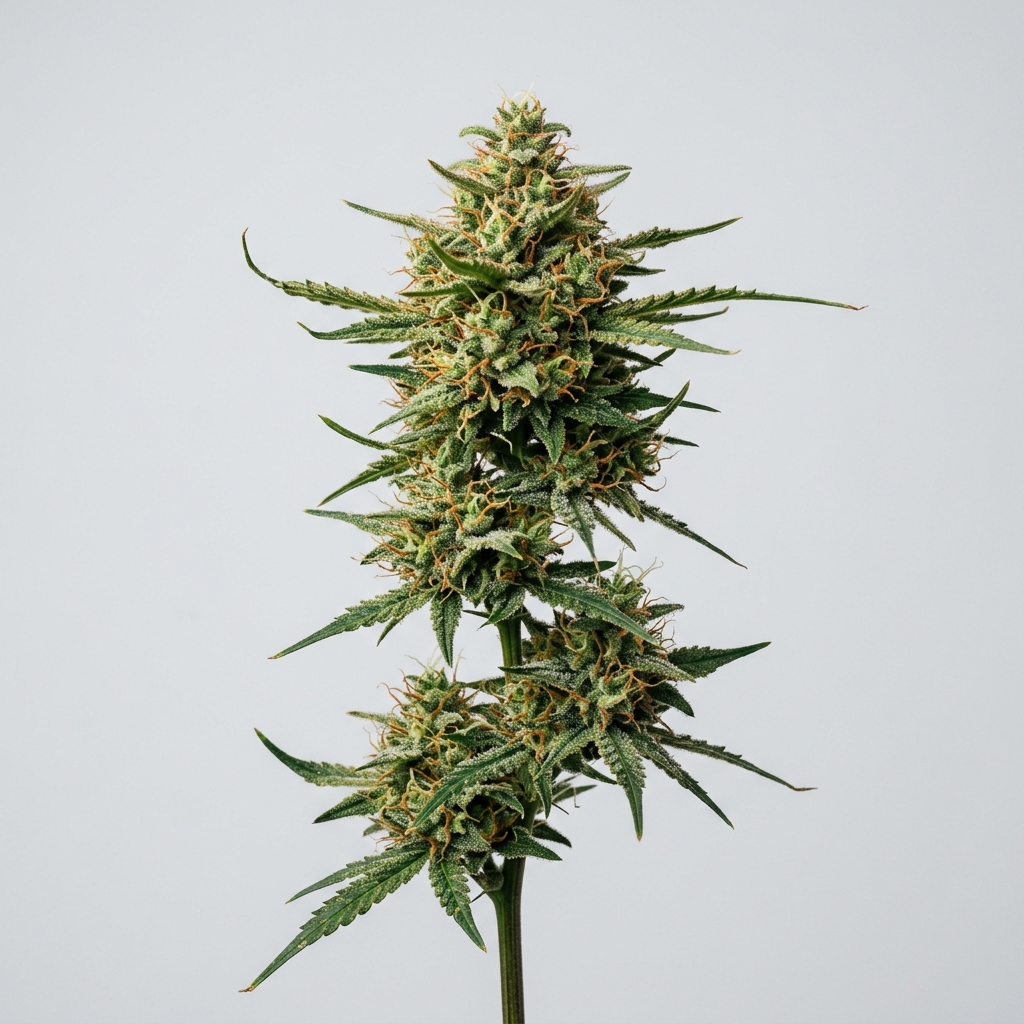
Grapefruit Haze (Cannabis Strain)
Grapefruit Haze is a celebrated sativa-dominant hybrid resulting from the crossing of Grapefruit and Haze. Known for its distinctively sharp terpene profile and soaring, energetic effects, this cultivar typically tests between 18% and 24% THC. As a staple for those seeking a creative spark, the Grapefruit Haze strain remains a favorite among enthusiasts who appreciate the legacy genetics of classic Haze lines combined with the tangy punch of its fruit-forward parent.
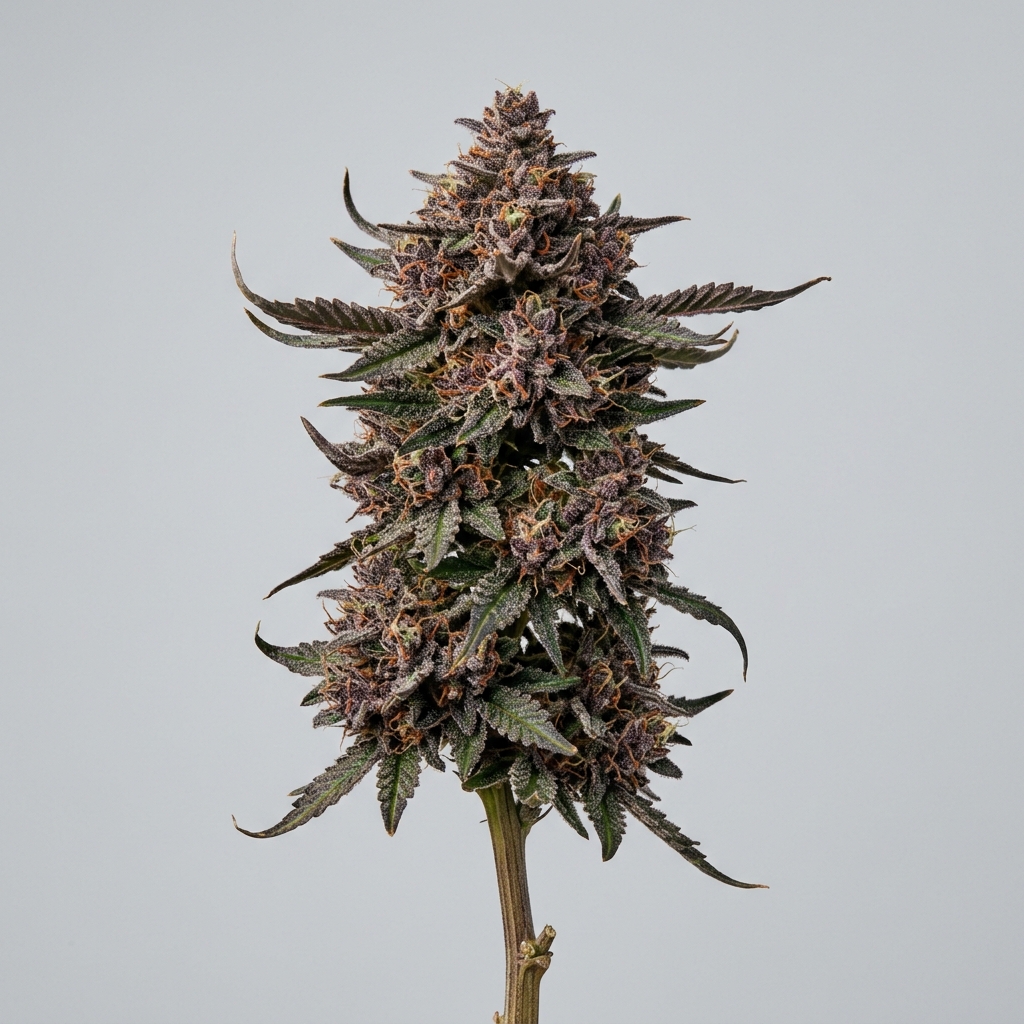
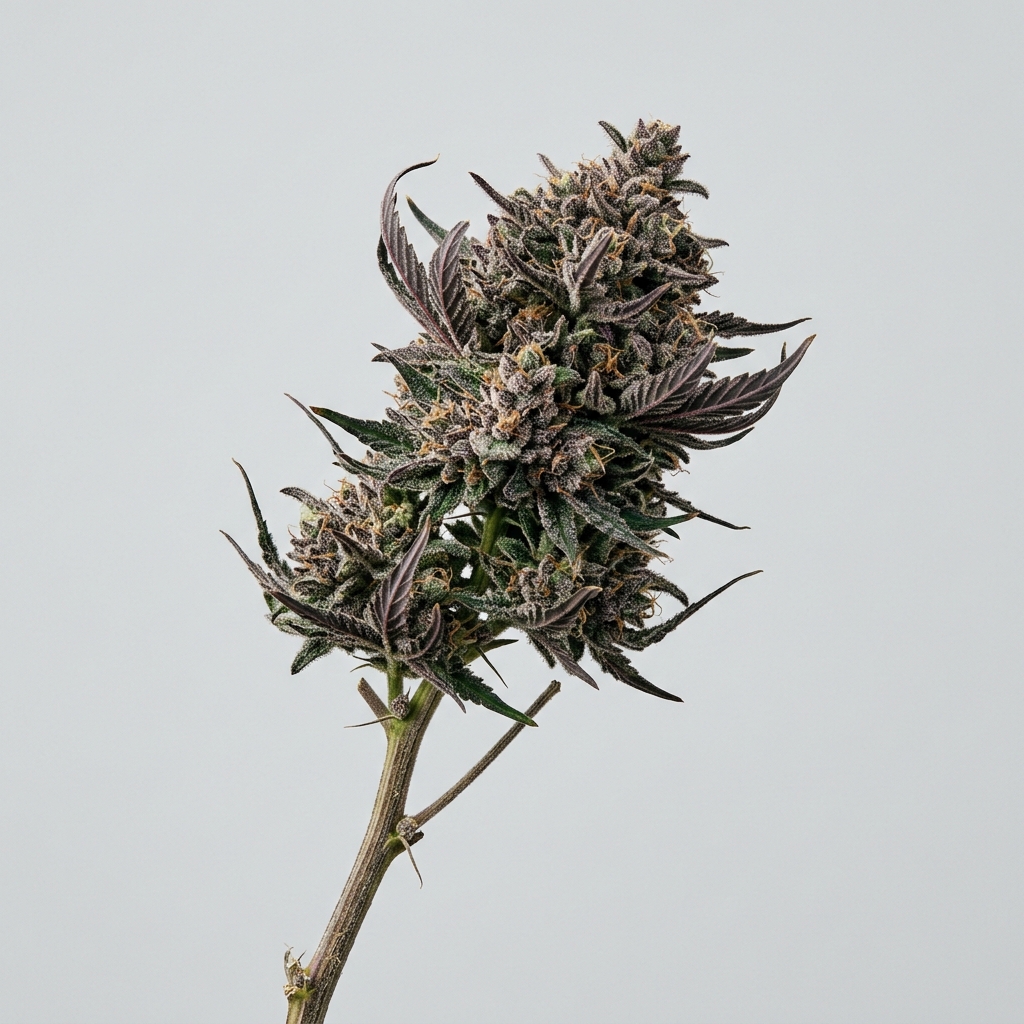
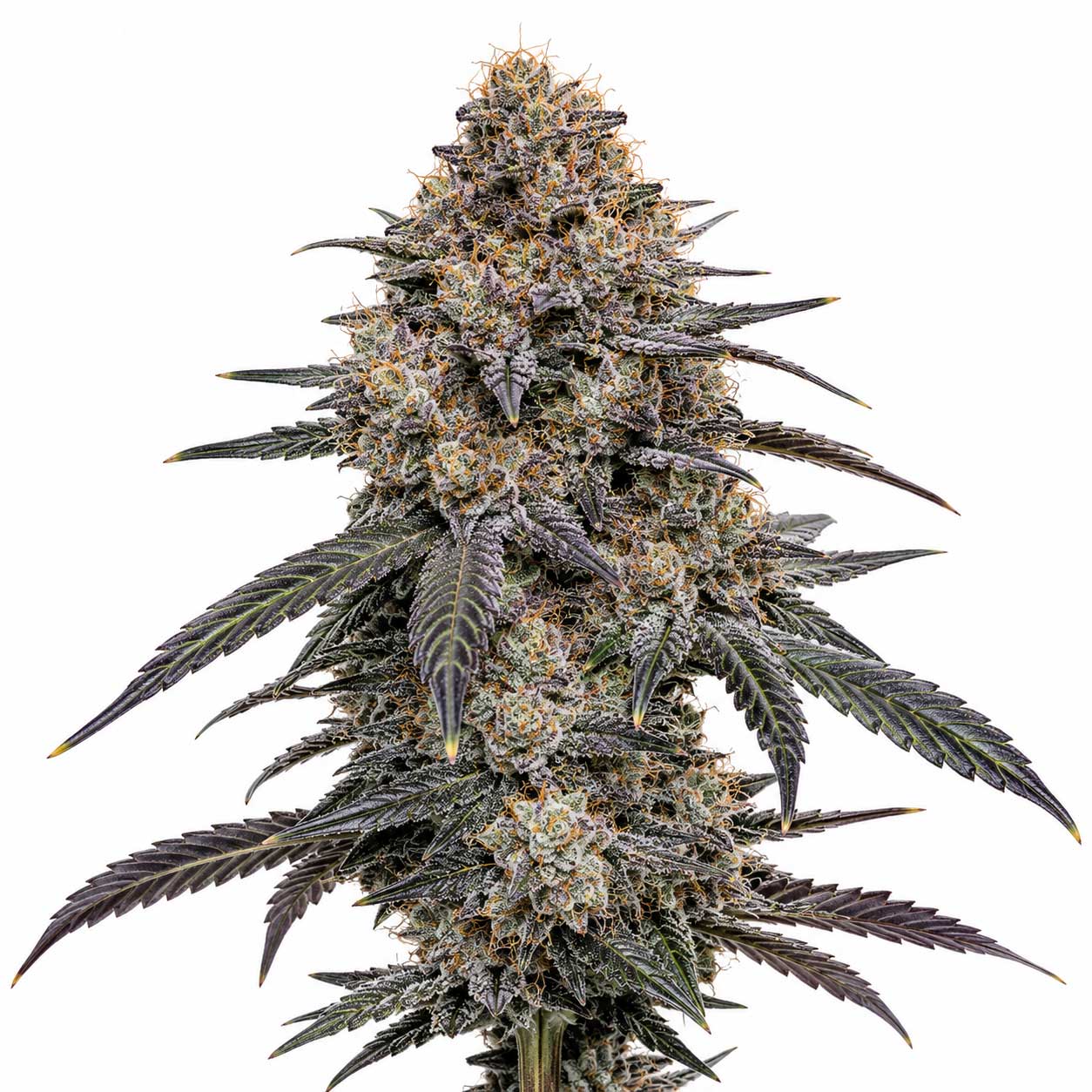
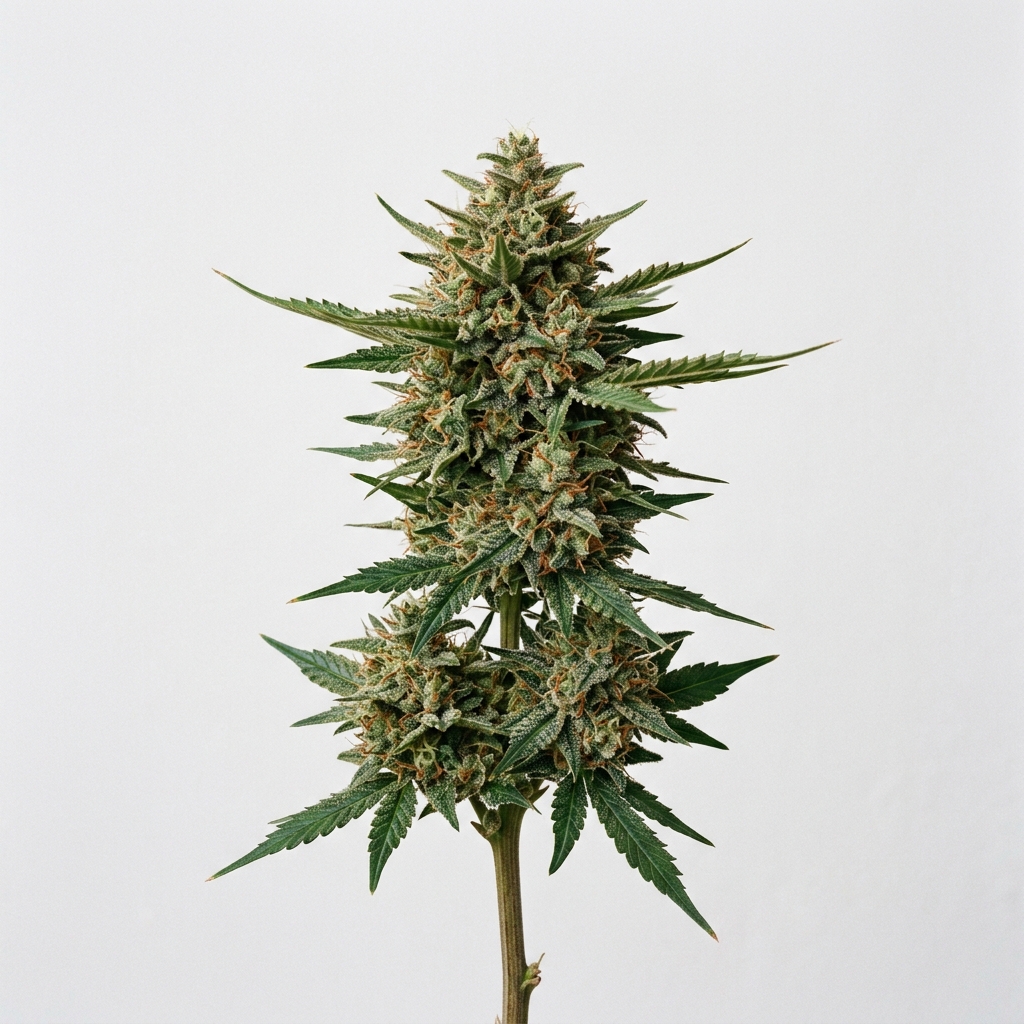
From a scientific and botanical reference, this plant exhibits classic sativa morphology, often producing tall, resinous colas with elongated bracts. The structure is highly influenced by its Haze heritage, requiring ample vertical space and careful light management during the flowering cycle to maximize its potential. The interplay between its parent genetics results in a robust, pungent plant that stands as a true testament to traditional breeding techniques.
Quick Facts
| Attribute | Details |
|---|---|
| Genetics | Grapefruit × Haze |
| Variety | Sativa-dominant hybrid (~70% sativa / 30% indica) |
| THC Range | 18%–24% |
| Flowering Time | 9–11 weeks |
| Yield Potential | Moderate to High |
| Plant Height | Tall |
| Difficulty | Intermediate |
Scientific & Botanical Overview
Grapefruit Haze is characterized by its elongated, airy bud structure and vibrant orange pistils that contrast against deep green foliage. The plant’s architecture is a direct reflection of its Haze lineage, often necessitating heavy training to manage its significant stretch during the transition to flowering. Botanically, it produces a high density of trichomes that are rich in sharp, citrus-leaning monoterpenes.
The metabolic profile of this strain is dominated by its vigorous growth and extended flowering period, which allows for the full development of its complex aromatic compounds. Growers should note the plant’s appetite for nutrients during the peak of its vegetative phase, as well as the importance of proper airflow to support the development of its dense, Haze-influenced flower clusters.
Effects & Use-Cases (Reported)
Commonly reported effects include a rapid onset of cerebral stimulation, often described as an uplifting and energizing “head high.” Many users report a heightened sense of focus and creativity, making it a popular choice for daytime activities or social settings where conversation and mental acuity are desired.
In terms of use-case context, Grapefruit Haze is frequently utilized by those looking to enhance their productivity or engage in artistic pursuits. Because of its stimulating nature, it is generally not recommended for evening use or for those sensitive to high-energy varieties.
Aroma & Flavors
Aroma: Sharp grapefruit zest, earthy Haze undertones, and a hint of spice.
Flavor: Tangy citrus, sweet tropical fruit, and a lingering herbal, peppery finish.
Terpene associations: Likely rich in Limonene for citrus notes and Terpinolene for its characteristic herbal Haze complexity.
Tested Cannabinoid & Terpene Ranges
| Compound | Typical Range* | Notes |
|---|---|---|
| Δ9-THC | 18%–24% | Primary cannabinoid |
| Limonene | 0.5%–1.2% | Citrus aroma |
| Terpinolene | 0.3%–0.8% | Herbal, piney notes |
*Ranges may vary by phenotype, cultivation environment, harvest timing, and analytical method.
Cultivation Notes
- Training: High-stress training (topping) and Screen of Green (ScrOG) methods are recommended to manage height.
- Nutrients: Requires a balanced feeding schedule with a boost in nitrogen during veg and phosphorus/potassium during bloom.
- Harvest Timing: Monitor trichome color closely; harvest when milky white for peak cerebral effects.
- Environment: Thrives in stable, warm climates with excellent ventilation to prevent moisture build-up.
Grower Notes (Week-by-Week Snapshot)
- Weeks 1–3: Rapid vegetative growth; focus on training and ensuring light penetration.
- Weeks 4–6: Transition to flower; significant vertical stretch is common.
- Weeks 7–9: Bud development and heavy resin production begin; watch for nutrient uptake changes.
- Post-Harvest: Slow drying and curing are essential to preserve the delicate citrus terpenes.
Genetic Lineage
Grapefruit Haze is a classic hybrid that pairs the renowned, long-flowering Haze—a foundation for many modern sativa strains—with the distinctively fruity Grapefruit cultivar. This pairing effectively balances the intense, spicy-herbal profile of Haze with the sharp, acidic sweetness of Grapefruit, resulting in a stable and highly aromatic offspring.
Research Insights
The terpene profile of Grapefruit Haze, particularly the presence of Limonene and Terpinolene, is often studied in the context of the “entourage effect.” While medical claims cannot be made, research suggests that these specific aromatic compounds may modulate the overall experience of cannabinoids, potentially influencing the subjective energy and mood-lifting reports associated with this variety.
Frequently Asked Questions
Is Grapefruit Haze difficult to grow?
It is considered an intermediate strain due to its tall stature and longer flowering time, which require some experience in space and canopy management.
What are the primary effects of Grapefruit Haze?
Users typically report an uplifting, creative, and energetic experience, making it well-suited for daytime use.
How does the aroma compare to other Haze strains?
While it retains the classic earthy and spicy Haze notes, it is distinguished by a much sharper, more pronounced citrus and grapefruit zest profile.
Educational Disclaimer
This page is provided for scientific and horticultural reference only. Cannabis laws vary by jurisdiction; always ensure compliance with local regulations.
Rate and review this strain
Ratings and reviews are accepted only from signed-in Google accounts.
Sign in with Google to leave a rating and written review.
Latest Reviews
0 reviewsNo reviews yet. Be the first Google user to rate and review this strain.