Dutch Treat (Cannabis Strain) — Strainpedia
Dutch Treat stands out as a Dutch-leaning indica hybrid with a bright, pine-forward aroma and a sweet citrus edge that separates it from heavier dessert cultivars. Its genetics are not documented with absolute consistency across every catalog, but the strain is commonly described as a Northern Lights and Haze-derived hybrid, which helps explain its mix of compact flower structure, resin production, and a cleaner cerebral profile.
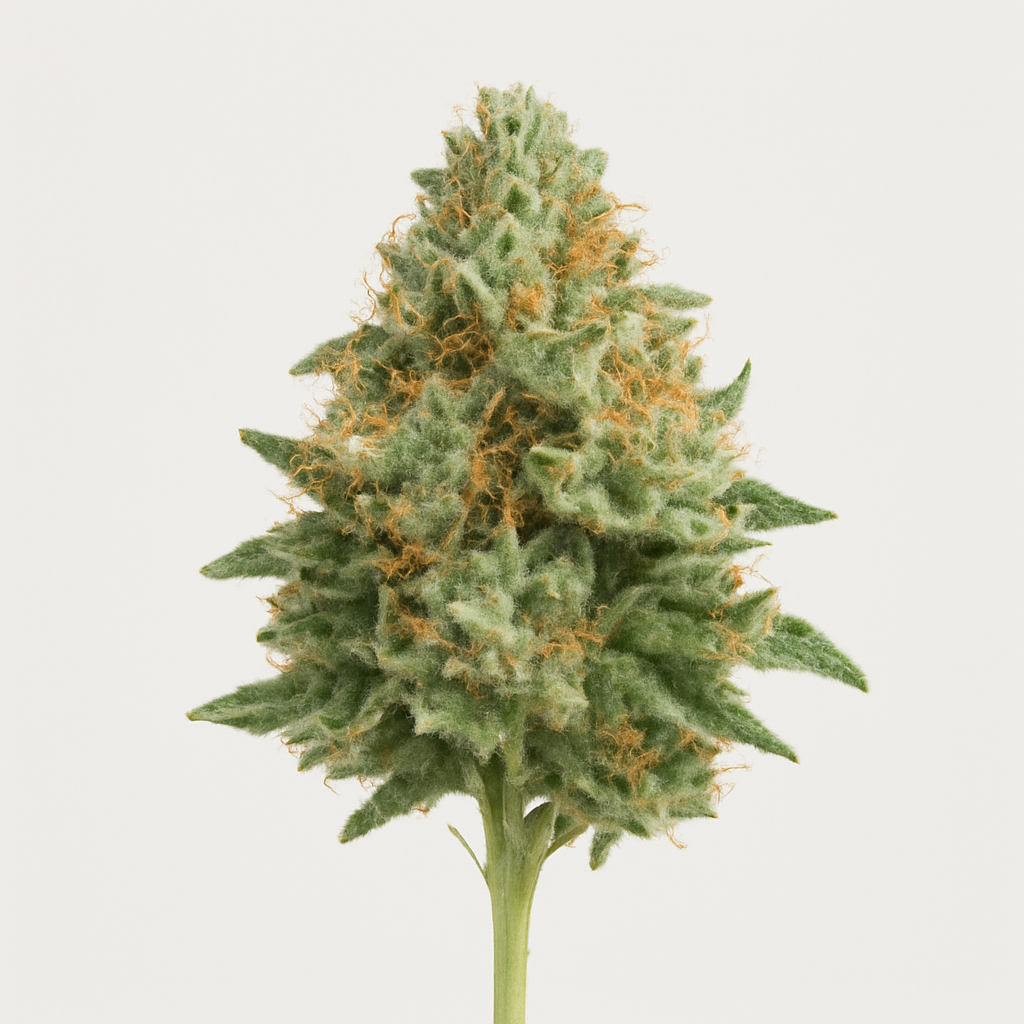
In the market, Dutch Treat is often selected for its tidy indoor growth habits, quick flowering window, and flavor that leans herbal, fruity, and slightly spicy rather than sugary. The flower usually presents with frosty green buds and orange pistils, while the reported effect style tends to sit between calm body ease and an uplifted, clear-headed mood.
Quick Facts
| Genetics | Indica-dominant hybrid; often described as Northern Lights x Haze or a related Dutch hybrid |
|---|---|
| Original Breeder | Not clearly documented; commonly associated with Dutch Passion-era Dutch commercial lines |
| Variety | Indica-dominant Hybrid |
| Flowering Time | Approximately 8–9 weeks indoors |
| Yield Potential | Moderate to good indoors; moderate outdoors in suitable climates |
| Plant Height | Medium height with moderate stretch |
| Climate Preference | Stable temperate or Mediterranean-style conditions; performs well in controlled indoor rooms |
| Difficulty | Moderate |
Strain Classification
| Type | Indica-dominant Hybrid |
|---|---|
| Genetic Family | Dutch commercial hybrid family with old-school indica and Haze influence |
| Primary Terpenes | Myrcene, pinene, caryophyllene* |
| Original Breeder | Not clearly documented; commonly associated with Dutch Passion-era Dutch commercial lines |
| Breeding Lineage | Frequently described as Northern Lights x Haze, though some references use broader or variant Dutch hybrid descriptions |
*Exact terpene dominance may vary by phenotype and cultivation method.
Scientific & Botanical Overview
Botanically, Dutch Treat is best understood as a cultivar that blends compact indica architecture with a more expressive, aromatic hybrid top note. The plant generally produces dense, resinous inflorescences that finish relatively quickly, suggesting a lineage selected for indoor practicality as much as sensory character. That combination has made the strain a durable reference point in Dutch cannabis breeding history, even when catalogs differ on the exact parentage.
From a breeding perspective, Dutch Treat sits in the category of practical, commercially adapted hybrids that prioritize finish time, bag appeal, and a usable balance of mental lift and physical ease. The strain’s Haze influence, when present, is reflected in the brighter aroma and the more alert edge in its reported effect profile, while the Northern Lights side is often credited with the tighter bud structure and resin density.
Appearance
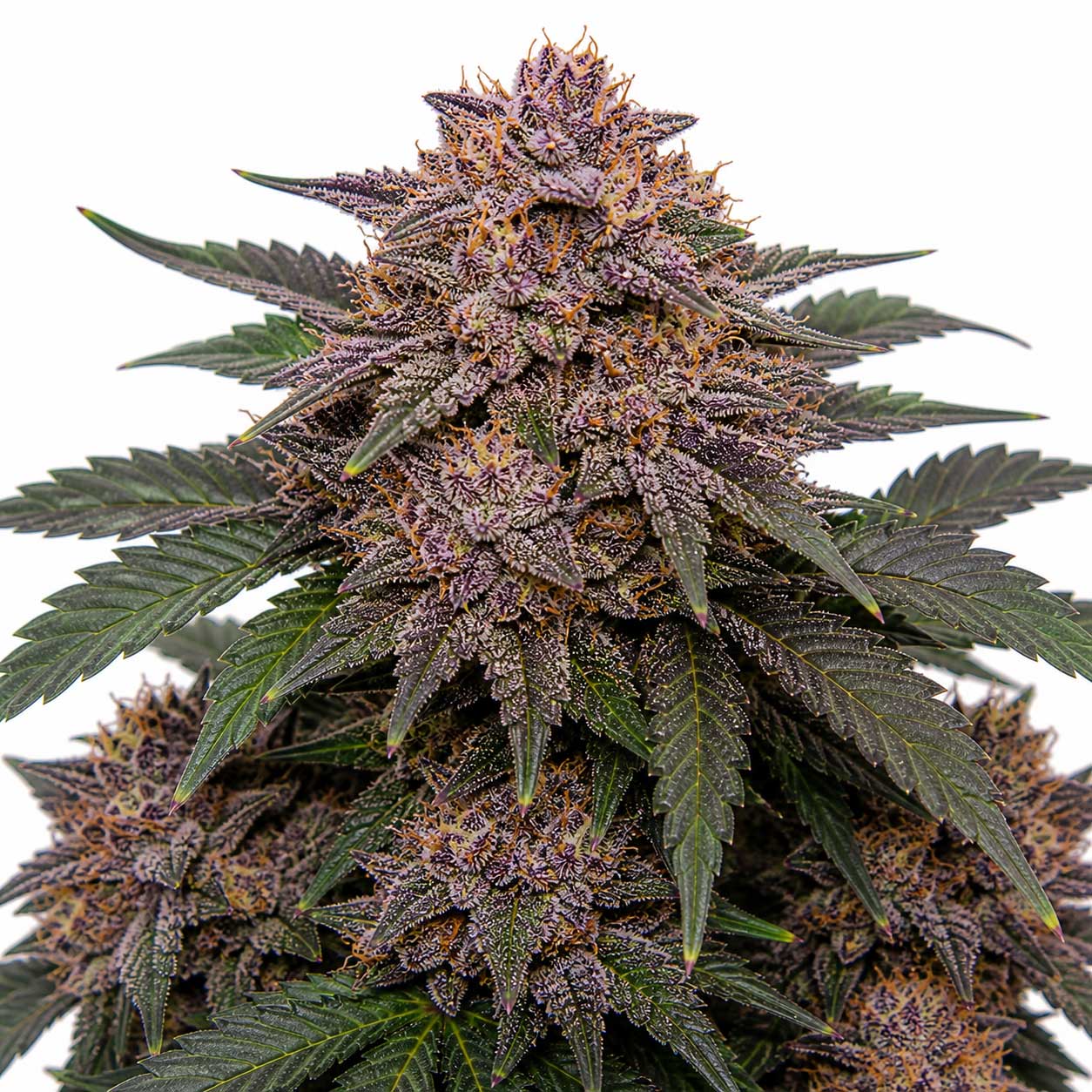
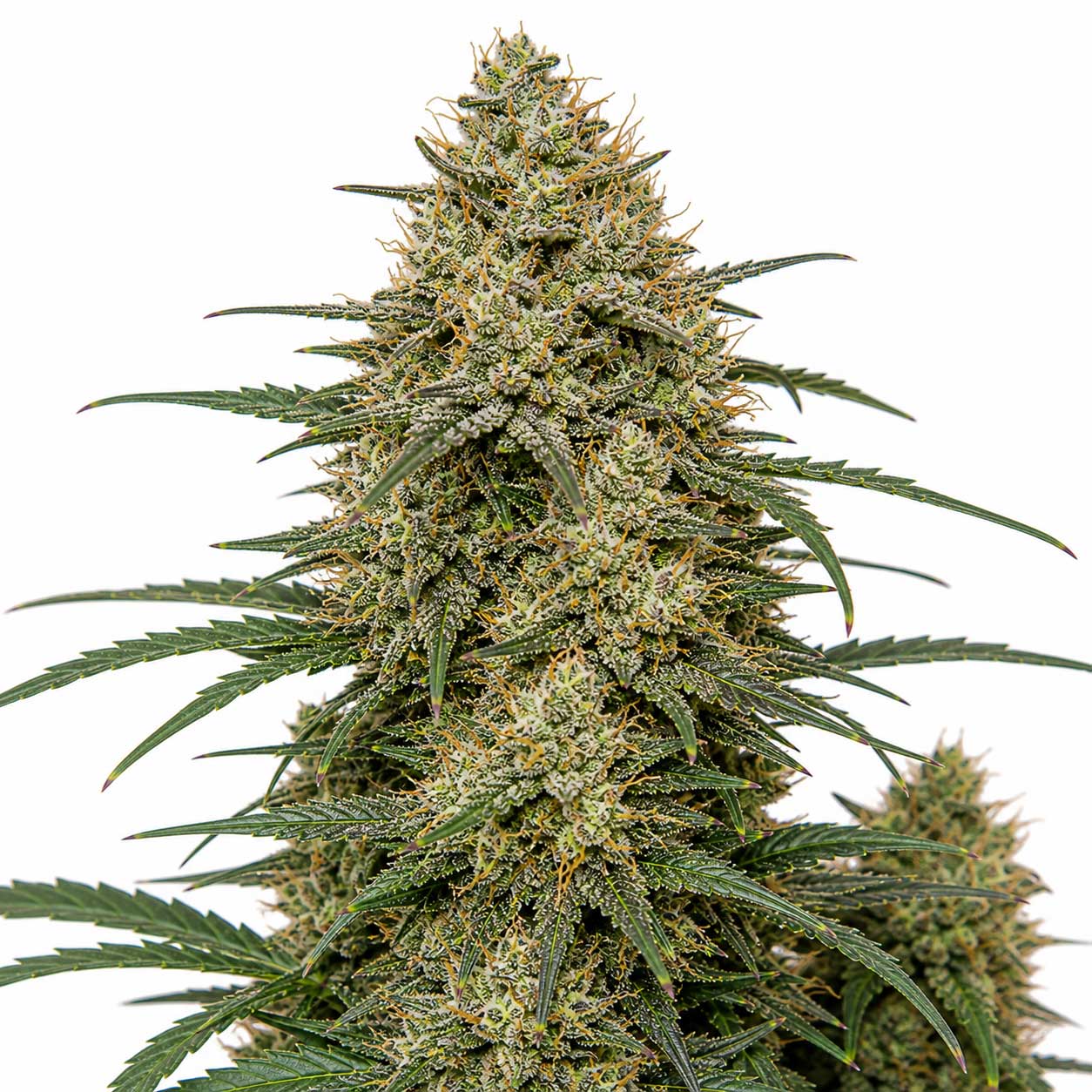
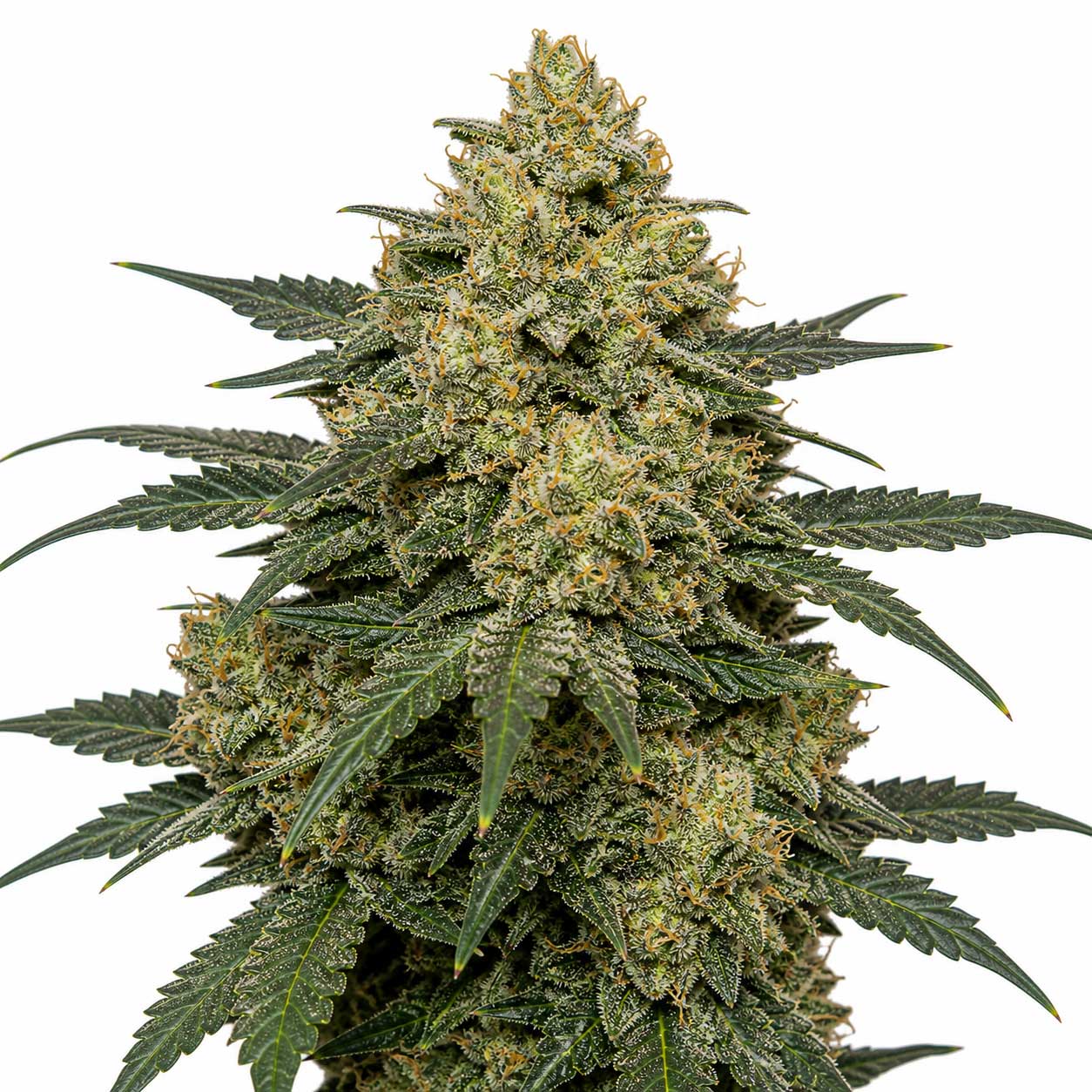
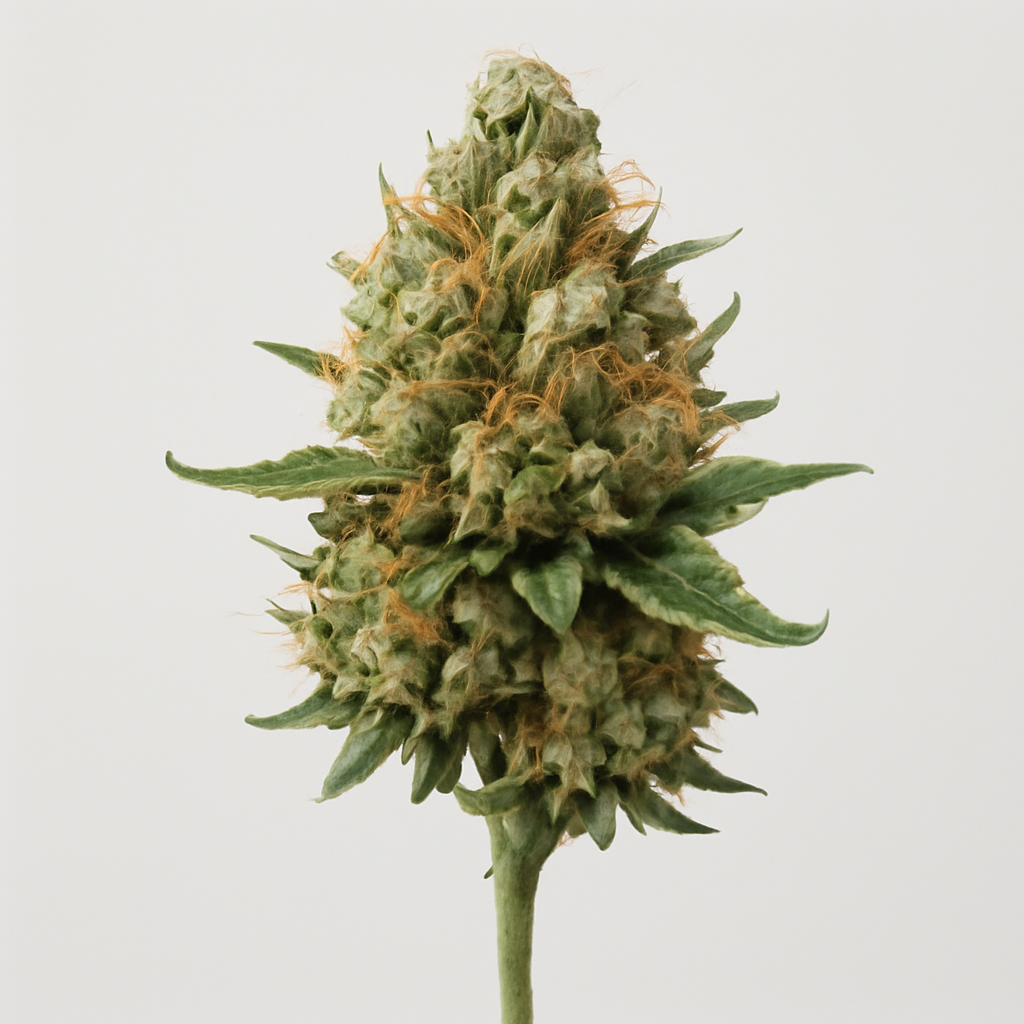
Dutch Treat buds usually appear compact and well-formed, with a spade-like or tapered shape that stacks neatly along the cola. The flowers often show a fresh green base color, broken up by orange to rust-colored pistils and a notably frosty trichome layer that can make the buds look lightly sugared under direct light.
Phenotype variation is common enough to notice in legacy Dutch lines: some cuts lean brighter and more lime-toned, while others finish slightly darker with a denser calyx structure. Cooler finishing temperatures can bring out subtle lavender or plum shading, though that is typically secondary to the strain’s green, resinous presentation.
Effects & Use-Cases (Reported)
- Commonly reported effects: uplifted mood, relaxed body tone, mild mental clarity, gentle euphoria, evening unwinding
- Use-case context: often chosen for late afternoon or evening sessions when a calmer pace is preferred without heavy sedation
- Body character: generally described as smoothing and settling rather than weighty or overly couch-locking
- Note: These observations are anecdotal and do not constitute medical claims.
Observational Note: Dutch Treat is usually discussed as a strain that starts with a brighter headspace before easing into a more relaxed physical feel. That progression is one reason it remains relevant for consumers who want an indica-leaning profile without a blunt, overly sleepy finish.
Potency Note: At moderate-to-high THC levels, the strain can feel more pronounced than its old-school reputation suggests. Newer batches may vary, but the overall profile tends to emphasize clarity and composure over heavy intoxication alone.
Aroma & Flavor Profile
- Aroma: pine resin, sweet citrus, earth, herbal spice, faint floral funk
- Flavor: pine oil, citrus peel, sweet fruit, peppery herb, earthy finish
- Aftertaste: lingering pine and spice with a dry herbal tail
- Terpene associations: commonly aligned with myrcene, pinene, and caryophyllene.
For shoppers searching Dutch Treat strain flavor, the profile usually lands between old-school piney herb and a cleaner sweet citrus note, rather than pastry or candy sweetness. The aroma can read sharp on the nose at first break, then settles into a smoother earthy-spice finish that helps it stand apart from fruit-dominant modern hybrids.
Tested Cannabinoid & Terpene Ranges
| Compound | Typical Range* | Notes |
|---|---|---|
| Δ⁹-THC | ~18–22% | Commonly tested in the moderate-to-strong range for legacy hybrid flower |
| CBD | <0.5% | Usually minimal and not a defining cannabinoid in this cultivar |
| Myrcene | ~0.20–0.60% | Often contributes to the earthy, mellow base note |
| Pinene | ~0.15–0.45% | Supports the pine scent and a crisper aromatic top note |
| Caryophyllene | ~0.10–0.40% | Commonly linked to peppery spice and a warmer finish |
*Ranges are estimates and may vary by phenotype, harvest timing, and testing methods.
Cultivation Notes
- Light Cycle: 12/12 for flowering indoors
- Humidity: Moderate early flower, lower humidity in late bloom to protect dense buds
- Stretch: Moderate stretch after the flip, usually manageable in indoor rooms
- Training: Responds well to topping, light defoliation, and low-stress training
- Odor Control: Recommended in late flower due to a strong pine-herbal scent
- Harvest Window: Approximately 8–9 weeks indoors
Dutch Treat generally rewards growers who keep the canopy even and the environment steady. The buds can become quite dense near harvest, so airflow and moisture control matter more than aggressive feeding. It is usually straightforward for intermediate cultivators, but preserving terpene expression and resin quality depends on avoiding excess heat and overwatering during late bloom.
Grower Notes (Week-by-Week Snapshot)
- Weeks 1–3: Vegetative growth is typically steady, with moderate branching and a manageable response to topping or shaping.
- Weeks 4–5: Flower set becomes visible quickly; scent begins to sharpen into pine, herbs, and light citrus.
- Weeks 6–8: Buds thicken and frost builds fast, while odor control becomes increasingly important.
- Weeks 9–10: Final ripening focuses on trichome maturity, slight calyx swelling, and cleanup of lower growth before harvest.
Genetic Lineage
Dutch Treat is most often traced to a Dutch hybrid background that is inconsistently recorded across older seed and dispensary references. The most repeated lineage is Northern Lights crossed with Haze, or a related selection built from those same breeding pillars. Northern Lights is generally associated with compact, resin-rich flowers and a shorter finish, while Haze contributes a brighter nose and a more lifted mental character. Together, those influences explain much of the strain’s old-school appeal and its enduring place in the Dutch hybrid conversation.
Research Insights
Dutch Treat matters in the modern market because it represents a bridge between legacy Dutch breeding and current consumer expectations for flavor, potency, and manageable flowering time. It also remains relevant in search results because many contemporary menus use the name for a familiar but not always genetically identical profile, which makes clear editorial documentation especially important. For breeders and collectors, the strain is a useful reference point for discussing how Northern Lights-style structure and Haze-derived aroma can coexist in a compact commercial hybrid.
Frequently Asked Questions
Is Dutch Treat indica or sativa?
It is generally classified as an indica-dominant hybrid, although some batches may feel more balanced depending on the cut and cultivation conditions.
What does Dutch Treat smell like?
Most descriptions center on pine, sweet citrus, earth, and herbal spice, with a sharper scent when the flower is freshly broken apart.
How long does Dutch Treat take to flower?
Indoors, it is typically finished in about 8 to 9 weeks, which places it on the quicker side of the hybrid range.
Who bred Dutch Treat?
The original breeder is not clearly documented across all references. It is commonly linked to Dutch commercial seed lines and sometimes connected to Dutch Passion-era catalog history.
What kind of effects are commonly reported?
Users often describe a calm, clear-headed lift followed by gentle body relaxation, making it a strain many associate with late-day use.
Educational Disclaimer: This page is provided strictly for scientific and horticultural reference. Cannabis cultivation, possession, and use are regulated by local laws. This content does not promote illegal activity or constitute medical advice. Always comply with applicable regulations in your jurisdiction.
Rate and review this strain
Ratings and reviews are accepted only from signed-in Google accounts.
Sign in with Google to leave a rating and written review.
Latest Reviews
0 reviewsNo reviews yet. Be the first Google user to rate and review this strain.