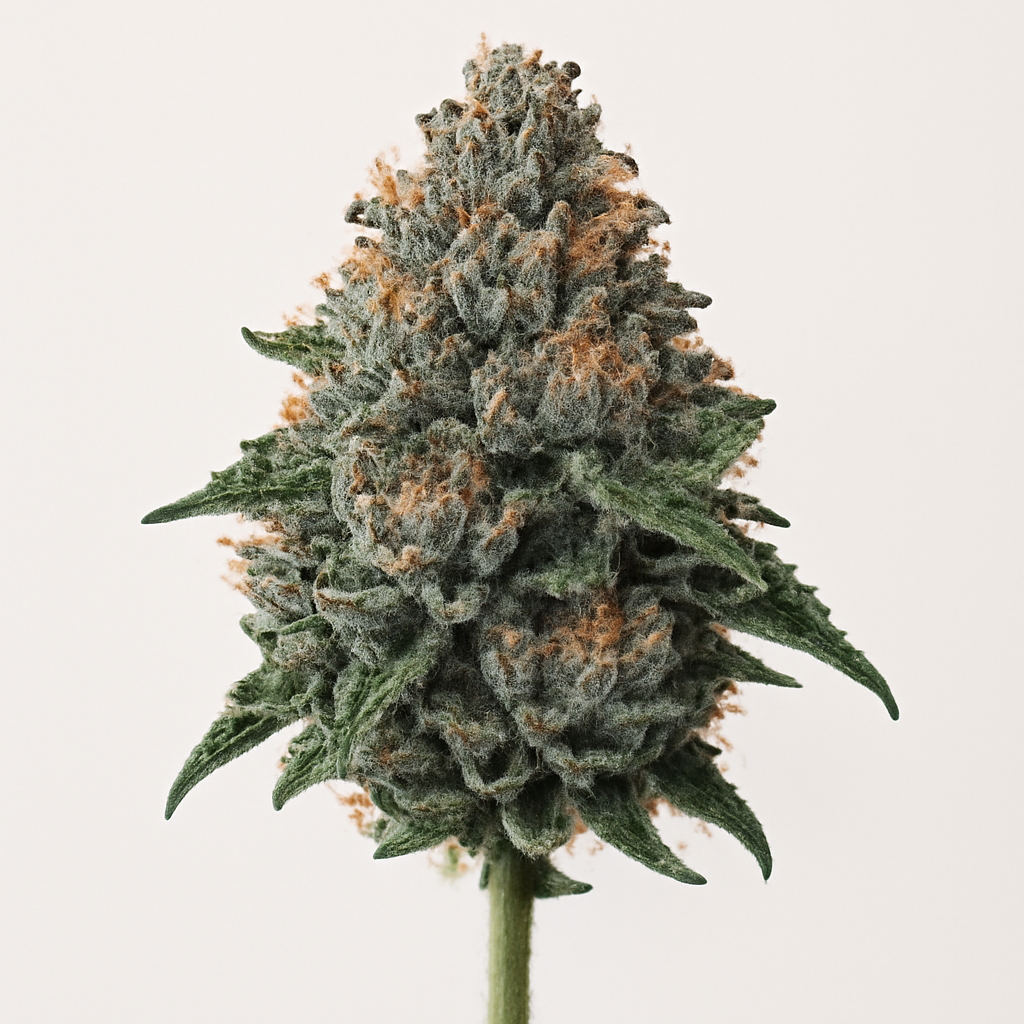
Frankenstein (Cannabis Strain) — Strainpedia
Frankenstein is an old-guard indica-dominant hybrid with a reputation built on density, resin, and a flavor set that leans darker than dessert-heavy modern cuts. Its Choco Chiba and Romulan heritage is often cited in legacy circles, and the result is a cultivar that tends to express cocoa, earth, pine, and spice rather than bright fruit or candy notes.
What makes Frankenstein especially interesting is the way it combines a compact flowering profile with a heavy finish that many users describe as physically settling. The buds usually develop into thick, resinous colas with strong visual contrast, while the aroma can shift from sweet and herbal in early cure to more pungent and skunky as the flower opens up. Exact breeder history is not consistently documented, so the strain is best understood as a well-traveled underground selection rather than a tightly standardized commercial release.
Quick Facts
| Genetics | Choco Chiba x Romulan |
|---|---|
| Original Breeder | Adapted from legacy underground selections; precise breeder attribution is not clearly documented |
| Variety | Indica-dominant Hybrid |
| Flowering Time | Approximately 8–9 weeks indoors |
| Yield Potential | Moderate to above average under stable conditions |
| Plant Height | Short to medium |
| Climate Preference | Warm, dry, well-ventilated environments |
| Difficulty | Intermediate |
Strain Classification
| Type | Indica-dominant Hybrid |
|---|---|
| Genetic Family | Legacy earth-and-resin hybrid with dessert, pine, and skunk undertones |
| Primary Terpenes | Myrcene, caryophyllene, pinene* |
| Original Breeder | Adapted from legacy underground selections; precise breeder attribution is not clearly documented |
| Breeding Lineage | Choco Chiba x Romulan, with line-to-line variation in how the cross is presented |
*Exact terpene dominance may vary by phenotype and cultivation method.
Scientific & Botanical Overview
Botanically, Frankenstein sits in the category of compact, resin-forward hybrid cannabis lines that were likely selected for dense flower formation, a relatively short bloom cycle, and a strong late-flower finish. Its morphology often reflects indica influence: reduced internodal spacing, thick lateral branches, and buds that stack tightly enough to benefit from airflow management during ripening.
From a breeding perspective, the cultivar is notable because it preserves an older style of flavor construction. Instead of chasing modern candy terps, Frankenstein tends to express deeper earth, cocoa, spice, and pine notes that feel closer to classic North American and Pacific Northwest selections. That old-school sensory profile, paired with a heavy resin layer, is part of why the strain continues to appear in dispensary menus and legacy references despite inconsistent documentation.
Appearance
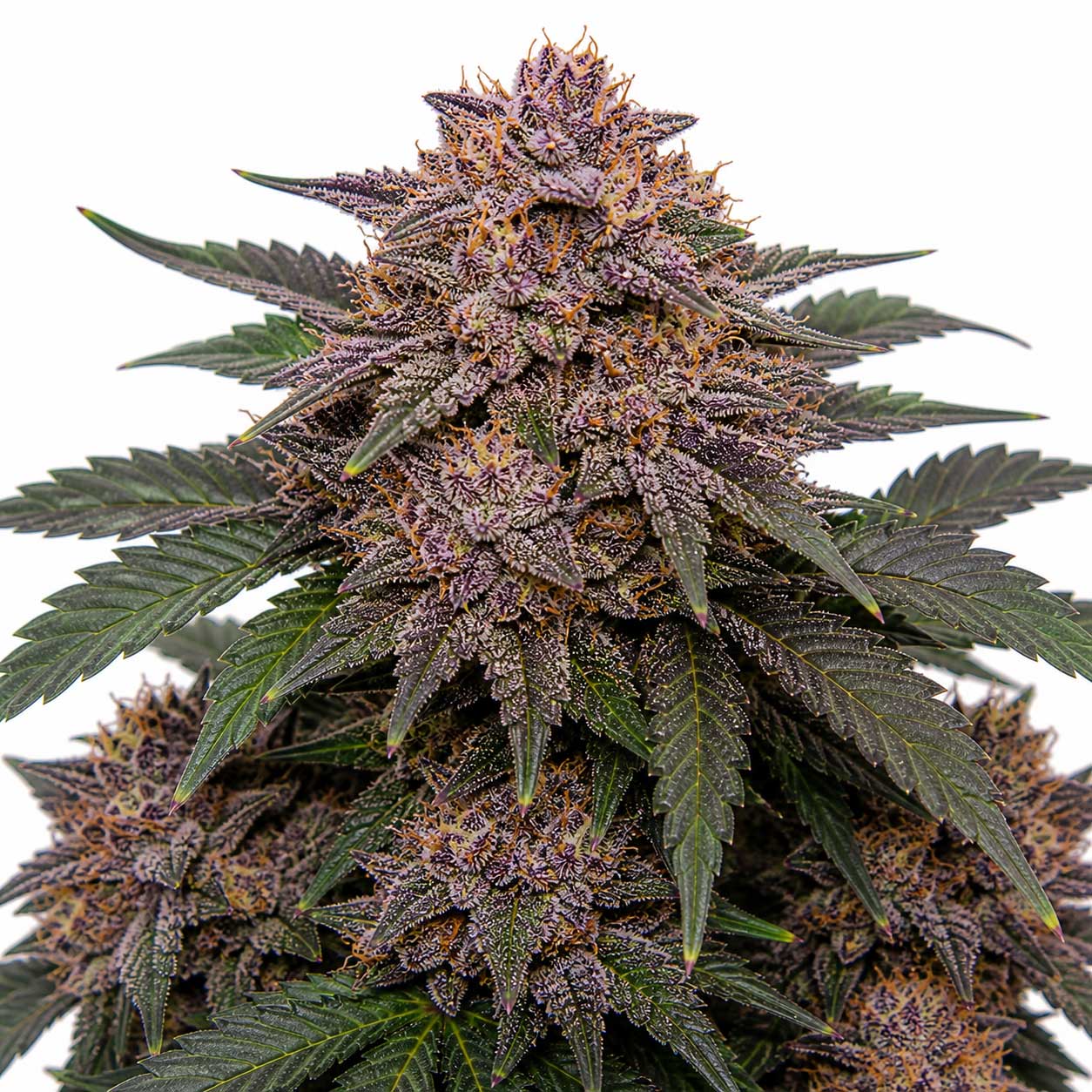
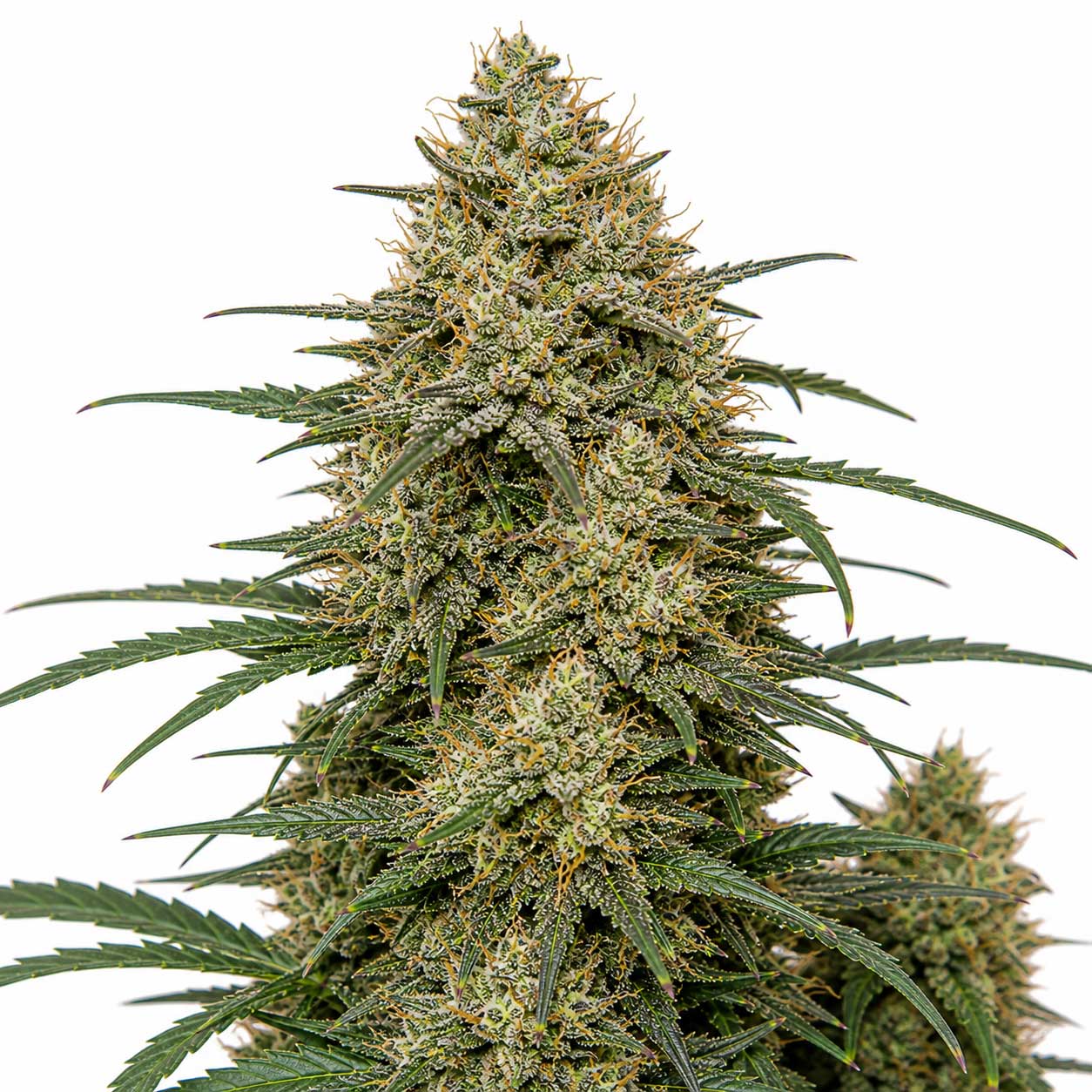
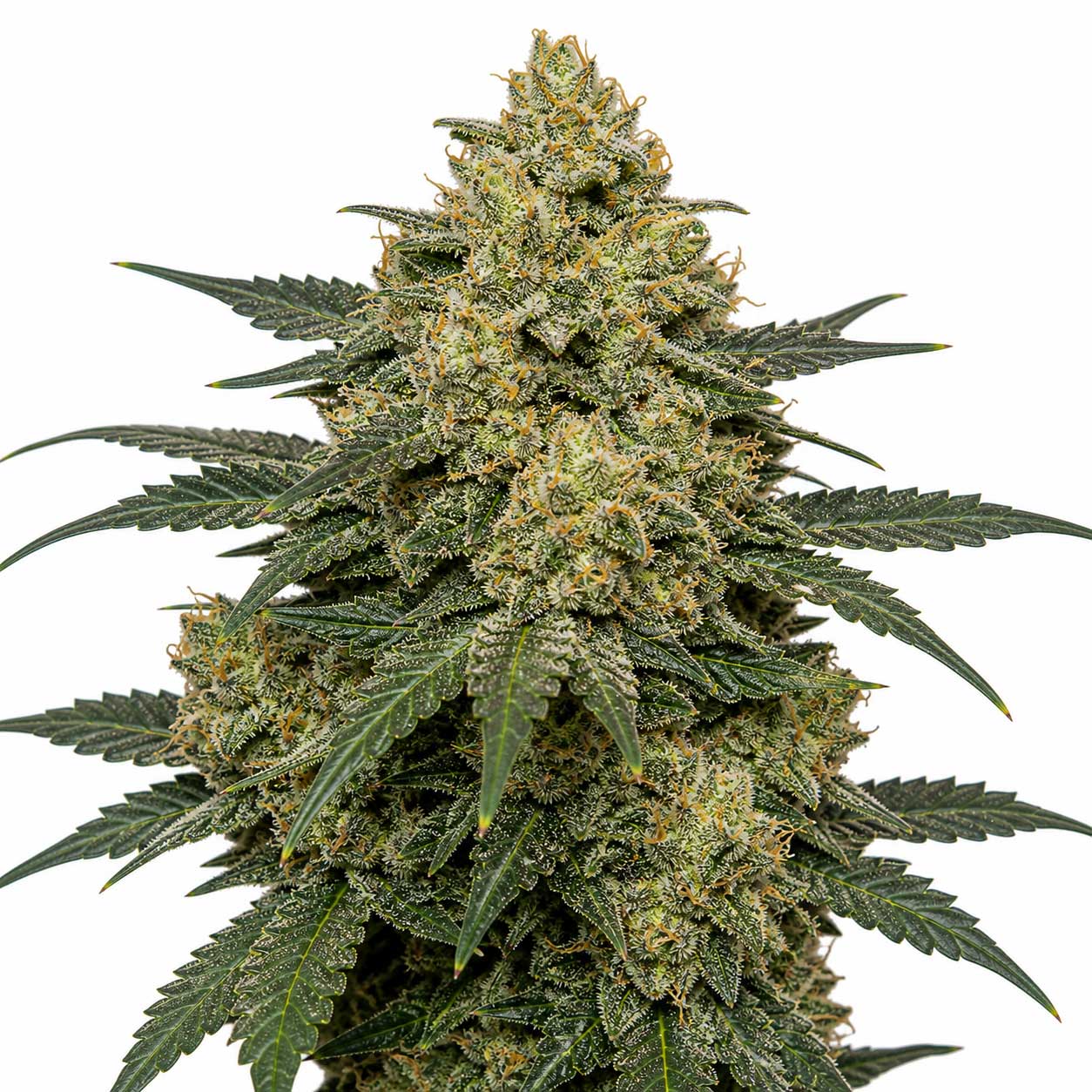
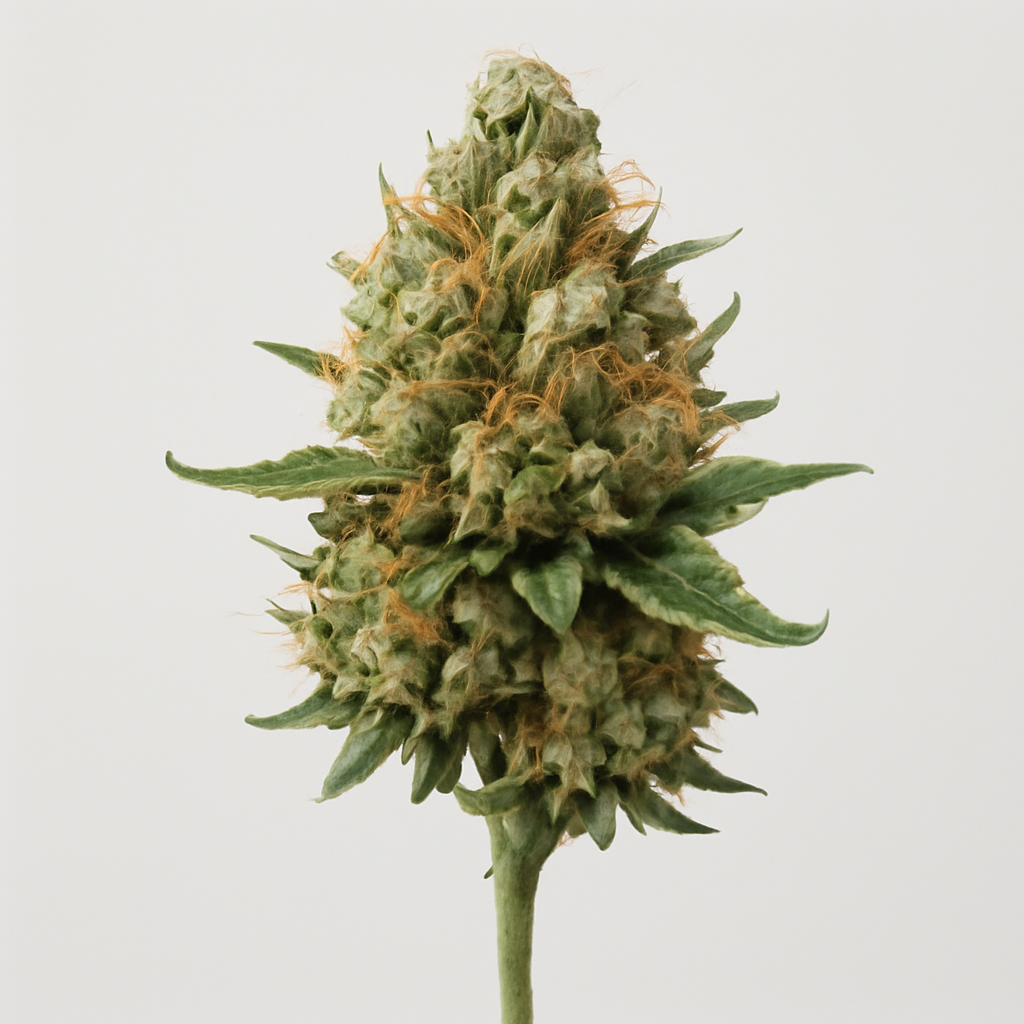
Frankenstein buds are usually thick and weighty, with a compact nug structure that can look almost stacked or knuckled at the top of a cola. The flower often shows medium-to-dark green coloration, and some phenotypes lean toward muted purple shading when grown in cooler conditions.
Orange pistils tend to thread through the surface in short bursts rather than in long airy strands, while trichome coverage can become especially heavy near the sugar leaves and calyxes. The overall look is rugged rather than delicate, with a resinous finish that gives cured flower a frosted, slightly sticky appearance.
Effects & Use-Cases (Reported)
- Commonly reported effects: deep relaxation, quiet uplift, heavier body sensation, calm focus early on, and a sleepy taper later
- Use-case context: Often selected for evening sessions, low-key downtime, or moments when a slower pace is preferred
- Body character: Typically described as grounding and weighty, with more physical presence than mental sharpness as the session develops
- Note: These observations are anecdotal and do not constitute medical claims.
Observational Note: Frankenstein usually starts with a mild mood lift before settling into a more anchored, body-centered profile. Many users describe the transition as gradual rather than abrupt, which makes the strain feel smoother than strains that hit with a sharp onset.
Potency Note: With THC levels commonly landing in the high-teens to mid-20s, the strain can feel substantial even to experienced consumers. Lower-dose sessions may preserve more of the flavor and early lift, while heavier dosing tends to emphasize the sedating finish.
Aroma & Flavor Profile
- Aroma: earthy cocoa, pine resin, skunky funk, and a peppery herbal edge
- Flavor: chocolate, woodsy earth, spice, faint diesel, and a dry herbal finish
- Aftertaste: lingering cocoa with pine and pepper notes that stay on the palate after exhale
- Terpene associations: commonly aligned with myrcene, caryophyllene, and pinene.
For readers searching for Frankenstein strain flavor, aroma, or terpene information, this cultivar sits in the darker end of the classic cannabis spectrum. It is less pastry-like than many contemporary hybrids and more likely to deliver earthy depth, resinous pine, and a faint chocolate nuance that becomes clearer after curing.
Tested Cannabinoid & Terpene Ranges
| Compound | Typical Range* | Notes |
|---|---|---|
| Δ⁹-THC | ~18–24% | Often strong enough to feel sedating in later stages of the session. |
| CBD | <0.5–1% | Usually low and not a major driver of the strain’s profile. |
| Myrcene | ~0.3–0.8% | Frequently associated with earthy depth and a heavier finish. |
| Caryophyllene | ~0.2–0.6% | Often contributes pepper, spice, and a warmer aromatic edge. |
| Pinene | ~0.1–0.4% | Supports the pine-forward side of the aroma and flavor. |
*Ranges are estimates and may vary by phenotype, harvest timing, and testing methods.
Cultivation Notes
- Light Cycle: 12/12 for flowering indoors
- Humidity: Moderate in veg, reduced to low-moderate in late flower to protect dense buds
- Stretch: Limited to moderate stretch after flip
- Training: Responds well to topping, pruning, and canopy leveling
- Odor Control: Recommended, especially during weeks 5 through harvest
- Harvest Window: Approximately 8–9 weeks indoors
Frankenstein tends to reward growers who keep the plant open enough for airflow without overworking its naturally compact frame. Because the flowers pack on density late in bloom, consistent moisture management and a clean dry-down period are especially useful when finishing this cultivar.
Grower Notes (Week-by-Week Snapshot)
- Weeks 1–3: Plants establish quickly, with steady vertical movement and early branching structure becoming clear.
- Weeks 4–5: Stretch slows, pistils build in volume, and the first noticeable resin sheen appears on upper flowers.
- Weeks 6–8: Buds thicken substantially, aroma deepens into cocoa, pine, and spice, and humidity control becomes increasingly important.
- Weeks 9–10: Final ripening focuses on resin maturity, calyx swelling, and a more pronounced earthy finish, depending on phenotype.
Genetic Lineage
Frankenstein is commonly traced to Choco Chiba crossed with Romulan, though the strain’s exact historical record is not always presented consistently across older catalogs and community references. Choco Chiba is generally associated with sweet cocoa tones and a dense, calming effect profile, while Romulan is known for coniferous spice, compact bud structure, and a deeply settled finish. Together, they help explain why Frankenstein often lands as a resin-heavy, earthy hybrid with a slower, heavier arc than many modern dessert strains.
Research Insights
Frankenstein matters in the current market because it represents a lineage style that predates many of today’s high-gloss, candy-forward releases. As search interest continues to favor legacy genetics, older hybrids with clearly distinguishable aroma signatures gain renewed attention from collectors, breeders, and consumers looking for something beyond the standard gelato and cake family. Frankenstein’s blend of cocoa, pine, and skunk also makes it useful as a reference point for classic terpene expression in strain databases.
Frequently Asked Questions
Is Frankenstein an indica or sativa?
Frankenstein is generally classified as an indica-dominant hybrid. It tends to show a compact growth habit and a heavier reported effect profile.
What does Frankenstein smell like?
Most descriptions center on earthy cocoa, pine resin, skunk, and pepper. The aroma often becomes deeper and more pungent after curing.
How long does Frankenstein take to flower?
Indoors, the strain is commonly finished in approximately 8 to 9 weeks, though individual phenotype and environment can shift timing slightly.
What kind of high is commonly reported?
Users often describe a gradual transition from light uplift to heavier physical relaxation. The finish can feel sleepy or especially settling.
Is the breeder information confirmed?
Not fully. Frankenstein is tied to legacy underground selections, but breeder attribution is not consistently documented across all references.
Educational Disclaimer: This page is provided strictly for scientific and horticultural reference. Cannabis cultivation, possession, and use are regulated by local laws. This content does not promote illegal activity or constitute medical advice. Always comply with applicable regulations in your jurisdiction.
Rate and review this strain
Ratings and reviews are accepted only from signed-in Google accounts.
Sign in with Google to leave a rating and written review.
Latest Reviews
0 reviewsNo reviews yet. Be the first Google user to rate and review this strain.