GDP (Cannabis Strain) — Strainpedia
GDP is one of the best-known purple-leaning indica hybrids, built around a grape-forward aroma, compact flower structure, and a resin profile that often finishes with a heavy, evening-friendly impression. Its identity is closely tied to the Purple Urkle × Big Bud family, a pairing that helps explain both the dark coloration and the dense, weighty buds seen in many cuts.
In modern dispensary language, GDP is often chosen for its dessert-like flavor, deep color expression, and short indoor finish rather than for flashy complexity. Breeder history is not always documented with absolute consistency, but the cultivar has remained highly recognizable in legacy cannabis circles because of its distinct scent, broad indica morphology, and reliable visual contrast between purple calyxes, orange pistils, and frosted trichomes.
Quick Facts
| Genetics | Purple Urkle × Big Bud |
|---|---|
| Original Breeder | Not clearly documented |
| Variety | Indica-dominant Hybrid |
| Flowering Time | Approximately 8–9 weeks indoors |
| Yield Potential | Moderate to high, depending on phenotype and canopy management |
| Plant Height | Short to medium |
| Climate Preference | Stable indoor environments or warm, dry outdoor conditions |
| Difficulty | Moderate |
Strain Classification
| Type | Indica-dominant Hybrid |
|---|---|
| Genetic Family | Purple California indica line with strong dessert-leaning, resin-heavy characteristics |
| Primary Terpenes | Myrcene, caryophyllene, limonene* |
| Original Breeder | Not clearly documented |
| Breeding Lineage | Purple Urkle × Big Bud, with lineage details varying across cuts and seed-stock interpretations |
*Exact terpene dominance may vary by phenotype and cultivation method.
Scientific & Botanical Overview
From a botanical standpoint, GDP is a compact, broadleaf-leaning hybrid that expresses classic indica architecture: tight internodal spacing, substantial lateral bud development, and a flower density that can become particularly pronounced in the final weeks of bloom. The strain is frequently selected for its anthocyanin expression, which may appear as purple, plum, or deep violet tones when environmental conditions and genotype align.
Breeding-wise, GDP reflects a combination of ornamental color, resin production, and a fruit-sweet aroma profile that has persisted across decades of cultivation. The Big Bud contribution is often associated with increased mass and fuller colas, while Purple Urkle is commonly linked to the grape note, darker pigmentation, and a more settled, physically grounded effect style.
Appearance
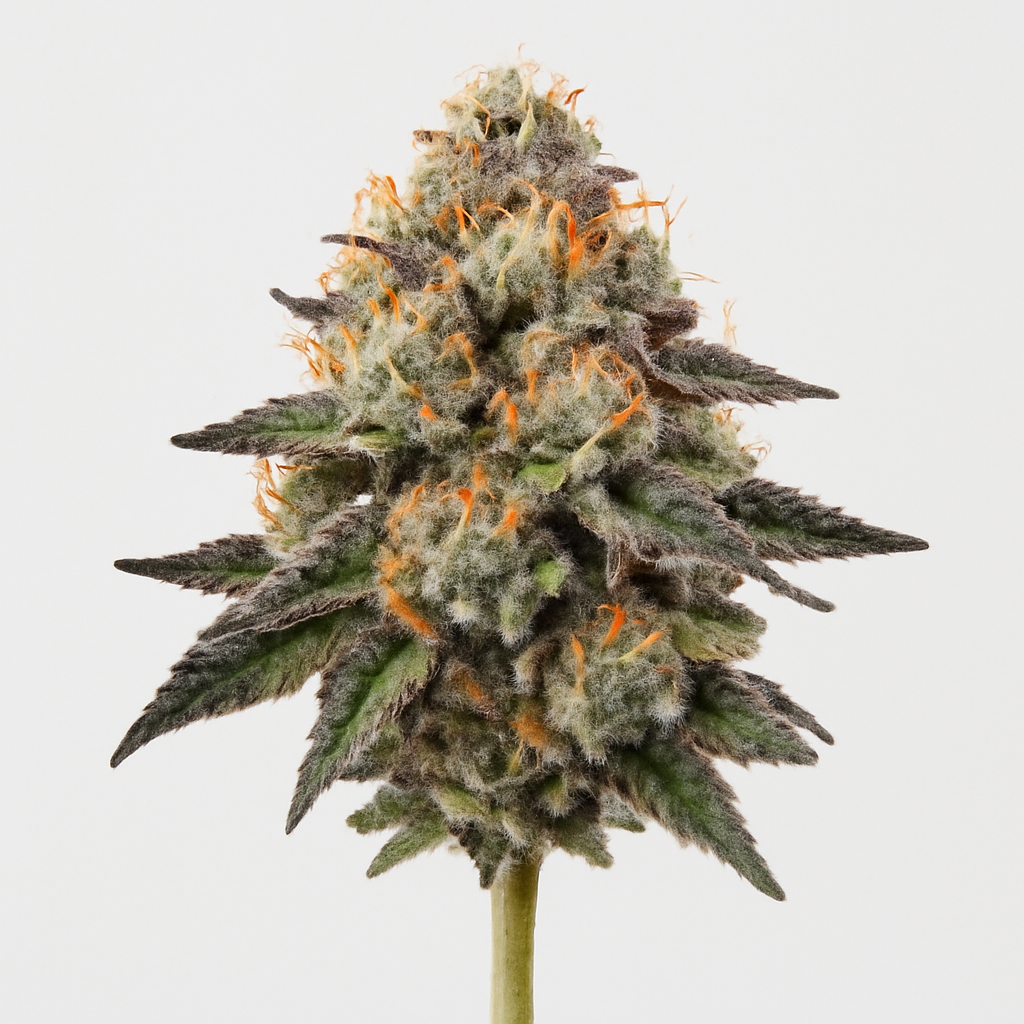
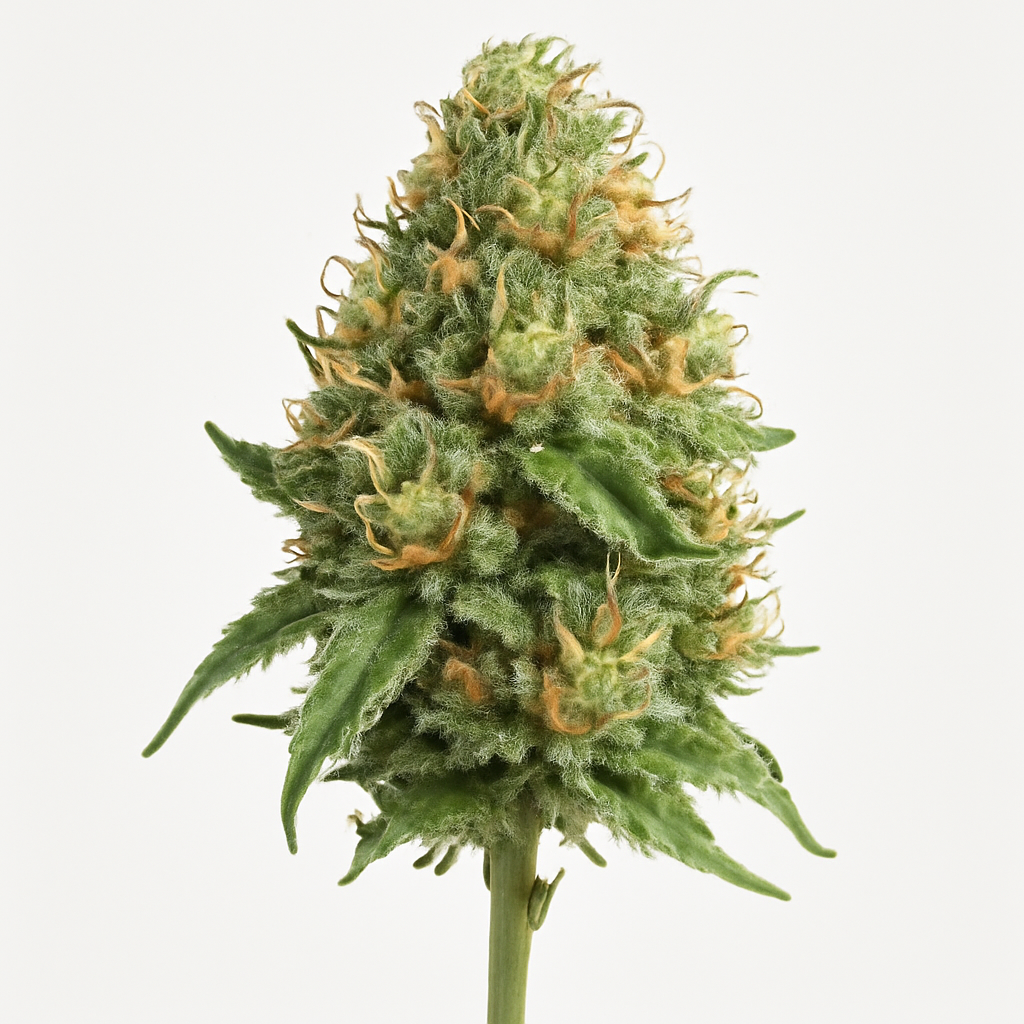
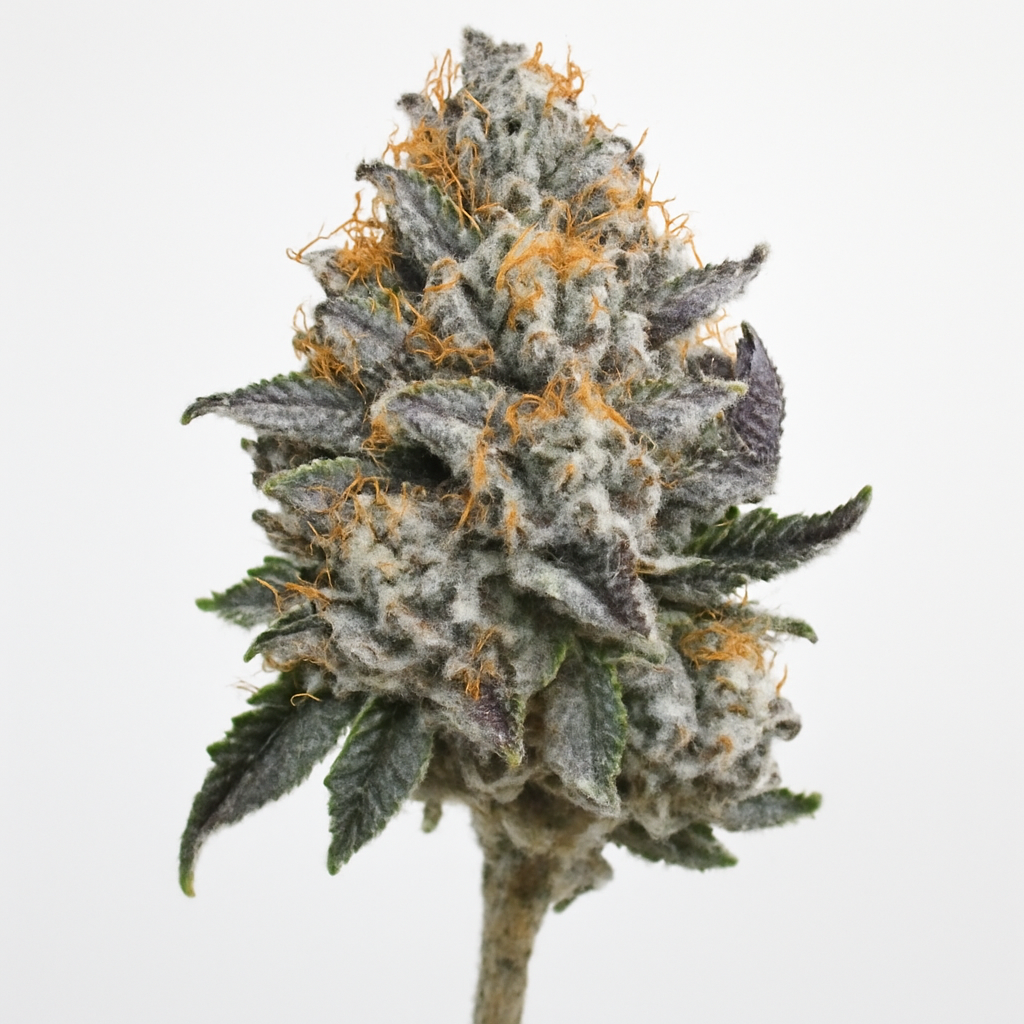
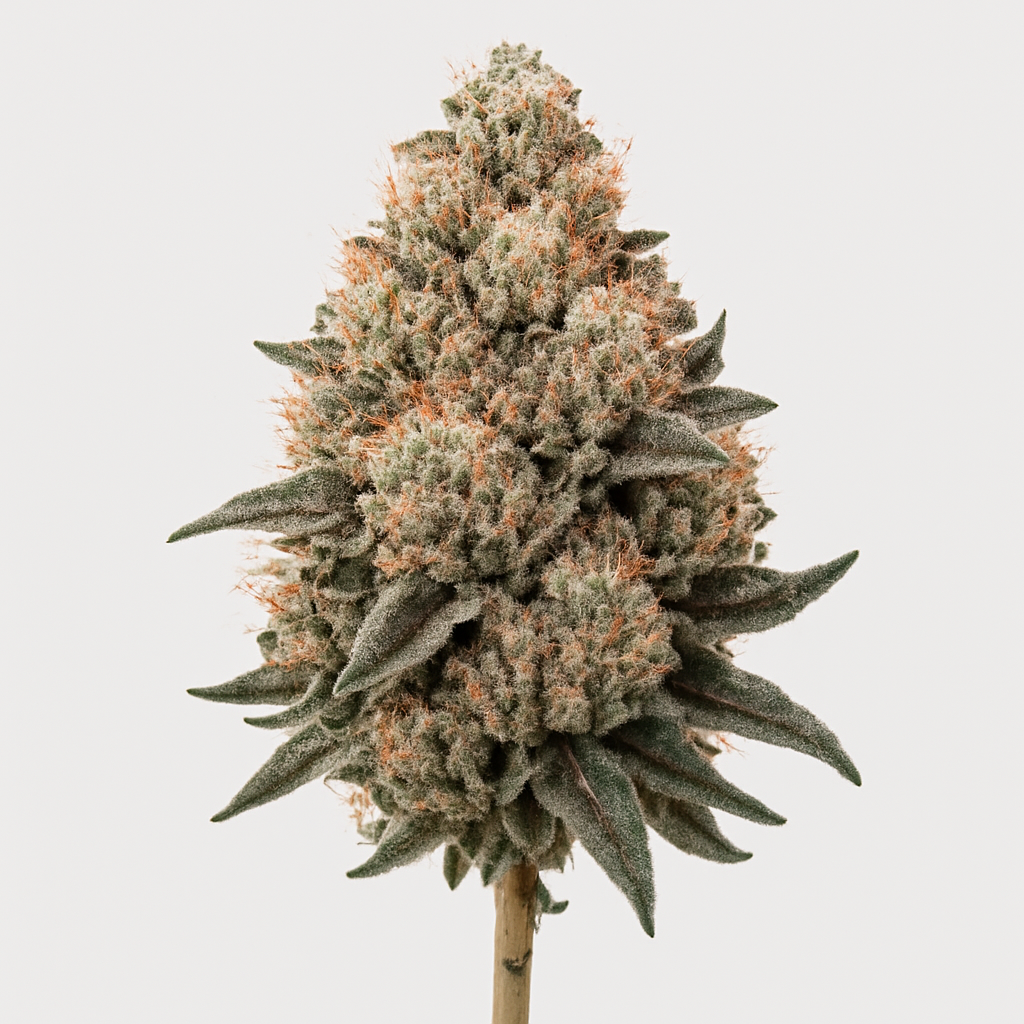
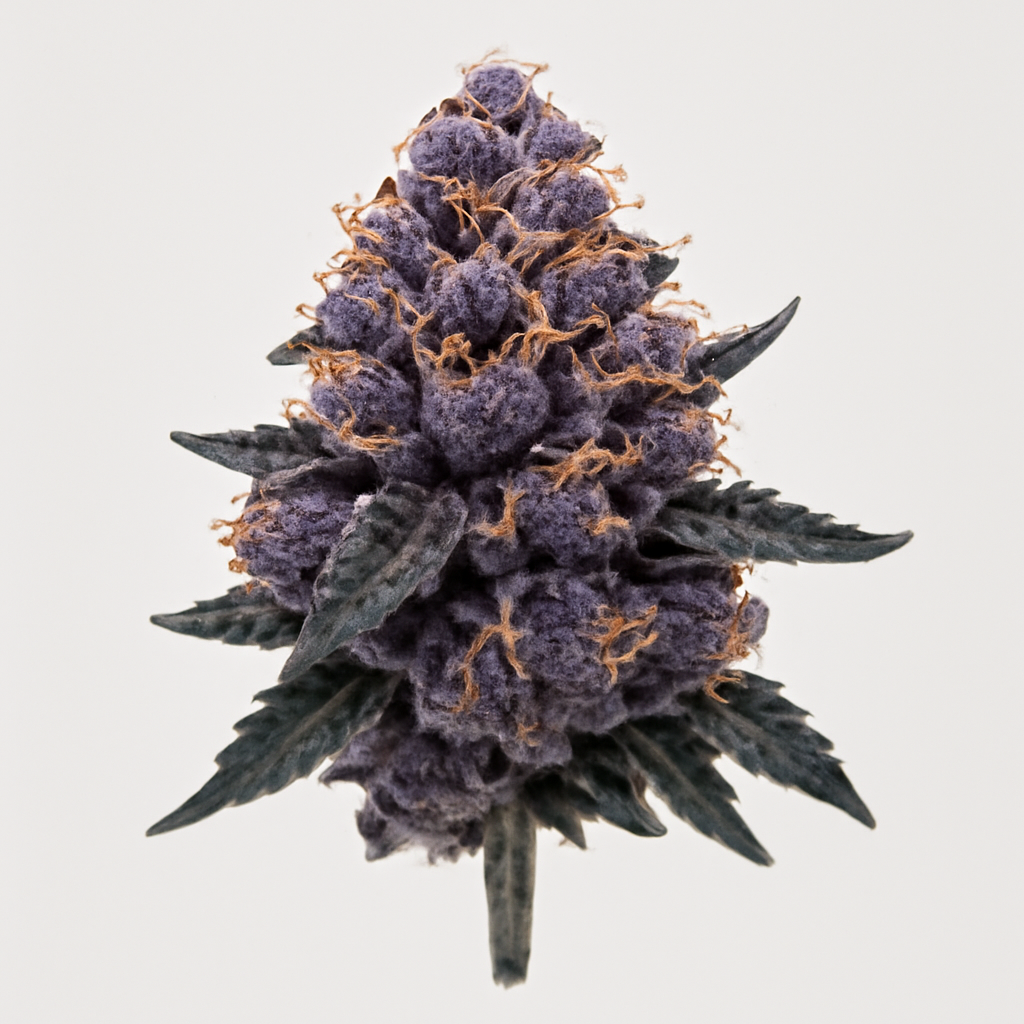
GDP flowers are usually dense and rounded, with a chunky silhouette that looks built for weight rather than airy volume. In well-expressed examples, the buds shift from green to deep violet or maroon shading, especially on exposed calyxes and sugar leaves.
Orange to rust-colored pistils thread through the surface, while a thick layer of trichomes can leave the flower looking almost powdered under strong light. Phenotype variation is common: some cuts lean heavily purple, while others hold more green in the base structure but still carry the strain’s signature resinous finish.
Effects & Use-Cases (Reported)
- Commonly reported effects: calm, relaxed, heavier-bodied, mildly euphoric, and increasingly sedative as the experience develops
- Use-case context: often selected for evening use, low-key downtime, or sessions where a slower pace is preferred
- Body character: typically described as warm, grounding, and physically easing rather than sharply stimulating
- Note: These observations are anecdotal and do not constitute medical claims.
Observational Note: GDP tends to present as a strain that settles in gradually rather than hitting with abrupt intensity. Many consumers describe the transition from mental quiet to full-body unwinding as the defining feature of the experience.
Potency Note: Strength can vary meaningfully by grower and testing lab, but GDP is generally treated as a mid-to-strong indica-leaning flower rather than a light daytime cultivar. The finish is often more memorable for comfort and weight than for cerebral sharpness.
Aroma & Flavor Profile
- Aroma: grape candy, dark berry, earthy spice, floral musk, and sweet hash
- Flavor: ripe grape, berry skin, sweet earth, herbal spice, and a lightly syrupy finish
- Aftertaste: lingering fruit sweetness with a soft earthy fade and subtle spice on the exhale
- Terpene associations: commonly aligned with myrcene, caryophyllene, and limonene.
For readers searching GDP strain aroma or GDP weed flavor, the shortest accurate answer is grape-forward, sweet, and slightly earthy, with a profile that reads more like dark fruit and spice than citrus or fuel. The best examples keep the fruit character front and center while finishing with a resinous, hash-like depth that gives the strain more complexity than a simple candy note.
Tested Cannabinoid & Terpene Ranges
| Compound | Typical Range* | Notes |
|---|---|---|
| Δ⁹-THC | ~17–23% | Most commonly reported in modern indoor flower, though some cuts test lower or higher. |
| CBD | <0.5% | Typically trace levels only. |
| Myrcene | ~0.20–0.60% | Often associated with the strain’s earthy depth and softer, relaxing finish. |
| Caryophyllene | ~0.15–0.45% | Can contribute peppery spice and a more textured aroma profile. |
| Limonene | ~0.08–0.30% | May help lift the grape-candy sweetness with a brighter top note. |
*Ranges are estimates and may vary by phenotype, harvest timing, and testing methods.
Cultivation Notes
- Light Cycle: 12/12 for flowering indoors
- Humidity: Keep moderate in early bloom and lower it during late flower to protect dense buds
- Stretch: Usually limited to moderate stretch, with a compact canopy that is easy to manage
- Training: Responds well to topping, low-stress training, and canopy leveling
- Odor Control: Strong fragrance management is recommended once resin production ramps up
- Harvest Window: Approximately 8–9 weeks indoors
GDP is typically straightforward for growers who understand how to manage dense indica flowers. The main challenge is keeping airflow consistent through the interior of the plant so that the heavy late-flower structure does not trap moisture. Cooler nighttime temperatures can help bring out coloration, but they should be balanced carefully to avoid slowing development too much.
Grower Notes (Week-by-Week Snapshot)
- Weeks 1–3: Vegetative vigor is usually steady, with short internodes and broad leaves forming a compact framework.
- Weeks 4–5: Early bloom brings noticeable pistil formation and the first signs of bud stacking along the main branches.
- Weeks 6–8: Flowers thicken quickly, resin production becomes obvious, and purple tones may begin to show in responsive phenotypes.
- Weeks 9–10: Final maturation focuses on trichome density, color expression, and careful drying conditions for dense tops.
Genetic Lineage
GDP is generally described as a cross between Purple Urkle and Big Bud. Purple Urkle is widely associated with grape-driven aromatics, deeper coloration, and a more sedating, end-of-day profile, while Big Bud is known for contributing size, flower mass, and the rounded structure seen in many GDP cuts. The result is a cultivar that sits at the intersection of visual appeal, strong flower density, and a flavor signature that has remained highly recognizable in the market.
Research Insights
GDP continues to matter because it sits in a rare middle ground: old-school recognition, stable consumer demand, and a flavor identity that still performs well in modern search and dispensary merchandising. In a market crowded with dessert and gas profiles, GDP remains one of the clearest references for grape-purple indica expression, which keeps it relevant in breeding discussions, menu curation, and strain education content. Its name also persists as a high-intent search term, making it an important reference cultivar for SEO-focused cannabis databases.
Frequently Asked Questions
What does GDP stand for?
GDP is commonly used as shorthand for Granddaddy Purple, one of the most familiar purple indica hybrids in cannabis culture.
Is GDP more indica or sativa?
GDP is generally considered an indica-dominant hybrid, with a compact structure and a more relaxed effect style.
What does GDP taste like?
Most descriptions center on grape, dark berry, sweet earth, and a mild spicy finish. The flavor is often richer than sharp or citrusy.
How long does GDP take to flower?
In indoor cultivation, GDP is typically finished in about 8 to 9 weeks, though phenotype and conditions can shift that window slightly.
Why does GDP turn purple?
Purple coloration is associated with anthocyanin expression, which can be influenced by genetics, plant maturity, and cooler nighttime temperatures during late flower.
Educational Disclaimer: This page is provided strictly for scientific and horticultural reference. Cannabis cultivation, possession, and use are regulated by local laws. This content does not promote illegal activity or constitute medical advice. Always comply with applicable regulations in your jurisdiction.
Rate and review this strain
Ratings and reviews are accepted only from signed-in Google accounts.
Sign in with Google to leave a rating and written review.
Latest Reviews
0 reviewsNo reviews yet. Be the first Google user to rate and review this strain.