G13 Haze (Cannabis Strain) — Strainpedia
G13 Haze stands apart as a classic old-school cross that brings together the resin reputation of G13 with the lifted, aromatic profile associated with Haze. The result is a sativa-leaning hybrid that often presents sharp incense, citrus peel, and pine notes alongside a bright, mentally active effect style.
Its background is not uniformly documented across all historical references, which is common with legacy cultivars of this era, but the broad breeding intent is clear: combine heavier resin output with a more expansive haze-driven finish. In the garden, it can stretch noticeably and finish with long, spear-like flowers that reflect its Haze influence, while the finished buds frequently show a frosted look and a distinctly spicy-sweet flavor identity.
Quick Facts
| Genetics | G13 x Haze |
|---|---|
| Original Breeder | Not clearly documented |
| Variety | Sativa-leaning Hybrid |
| Flowering Time | Approximately 9–11 weeks indoors |
| Yield Potential | Moderate to high, depending on training and phenotypic expression |
| Plant Height | Medium-tall to tall |
| Climate Preference | Warm, dry, and well-ventilated environments |
| Difficulty | Moderate |
Strain Classification
| Type | Sativa-leaning Hybrid |
|---|---|
| Genetic Family | Classic Haze-influenced hybrid with old-school resin stock |
| Primary Terpenes | Terpinolene, Myrcene, Caryophyllene* |
| Original Breeder | Not clearly documented |
| Breeding Lineage | G13 crossed with a Haze line; exact selection history is variably reported |
*Exact terpene dominance may vary by phenotype and cultivation method.
Scientific & Botanical Overview
From a botanical standpoint, G13 Haze sits in the category of a long-flowering, terpene-forward hybrid with a pronounced apical growth habit. Haze ancestry often contributes internodal spacing, stronger stretch after the flip, and a more open floral architecture, while the G13 component is commonly credited with reinforcing resin coverage and giving the finished flower a denser, more substantial hand feel than a pure haze cut.
Because many historical lines were circulated informally before modern recordkeeping became standard, the exact breeder attribution can differ by source. Even so, the cultivar’s role in cannabis breeding is well established: it represents an early attempt to pair an iconic American resin line with the incense-heavy, cerebral traits of a Haze selection, creating a flower that remains relevant to collectors of legacy genetics and to growers looking for old-school sativa character with a more substantial finish.
Appearance
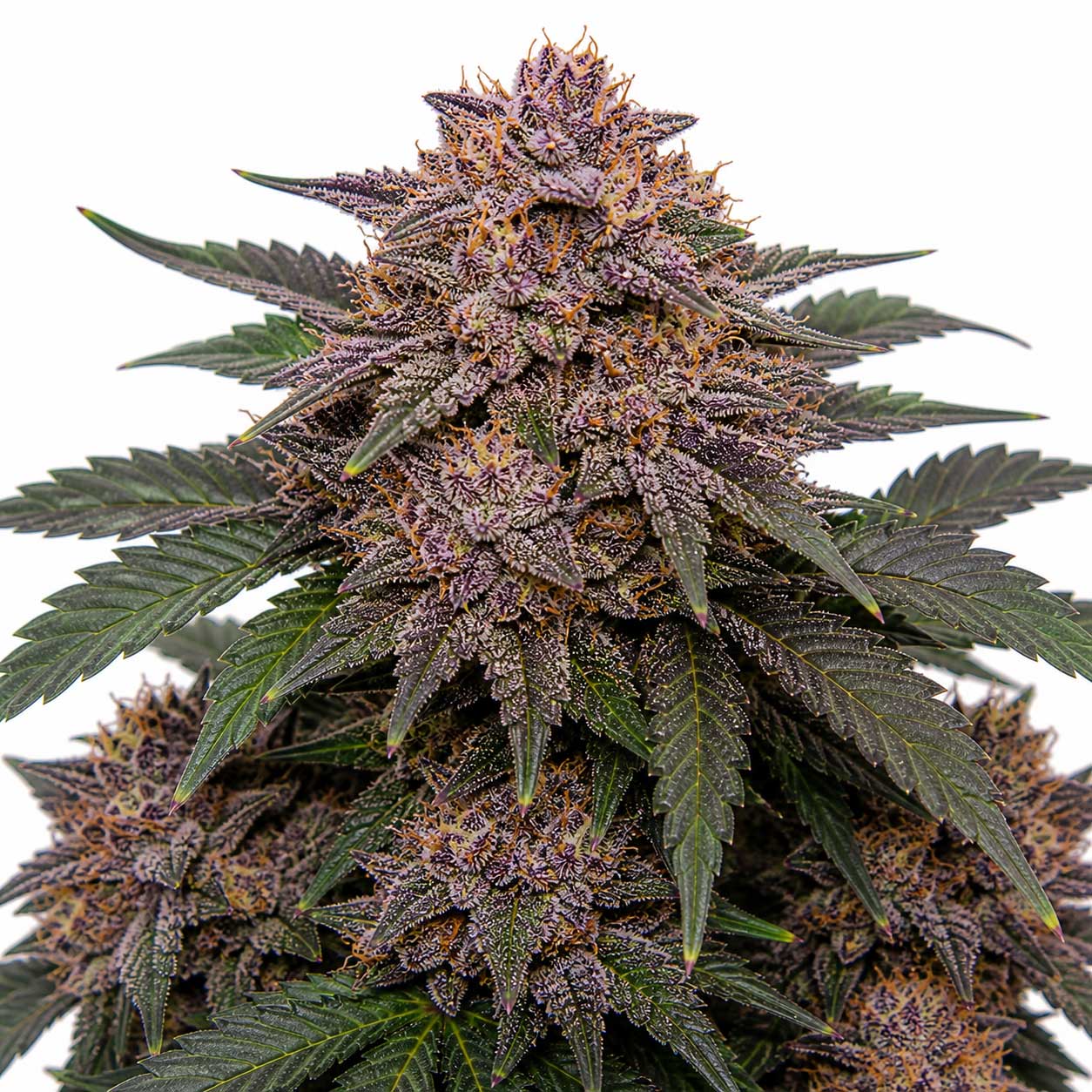
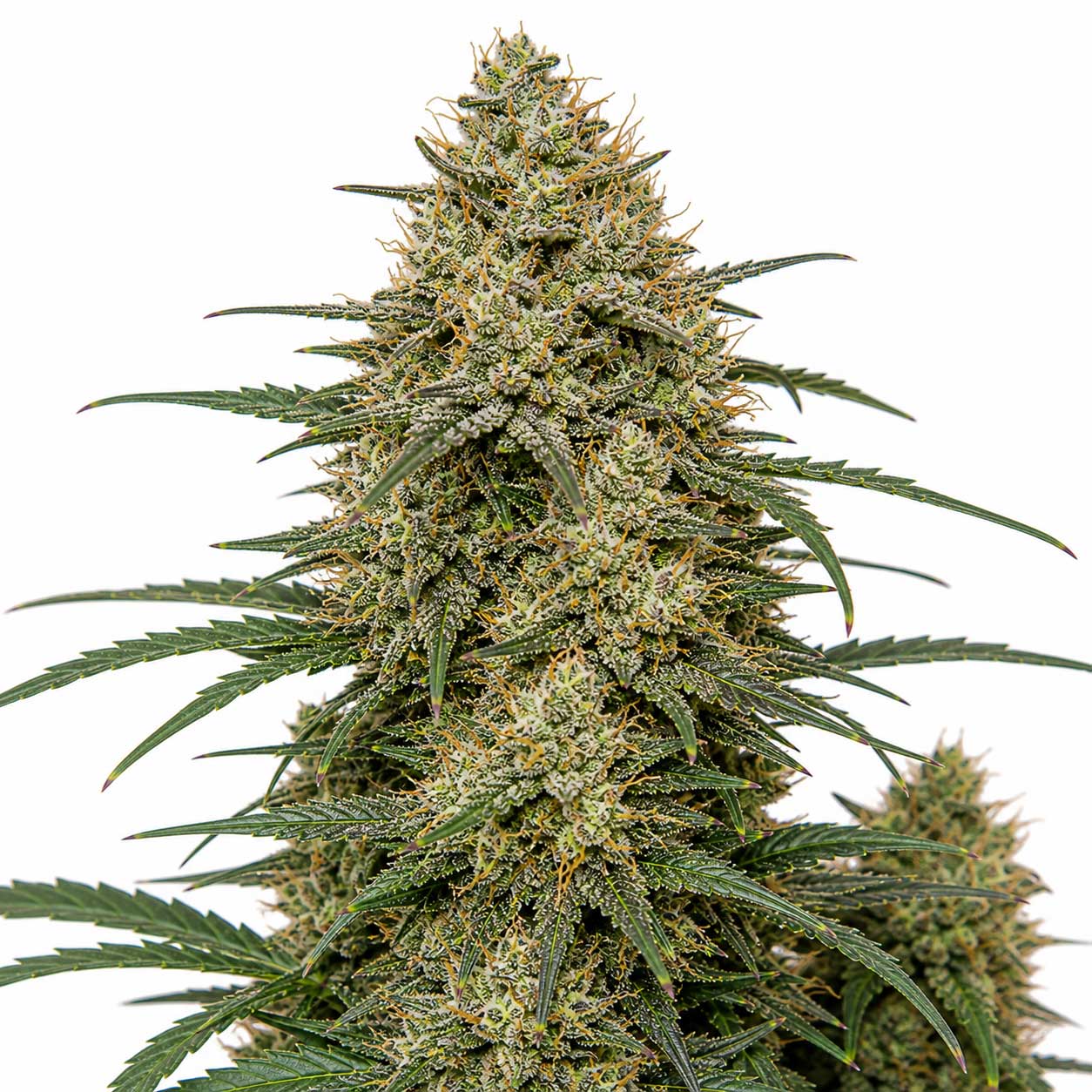
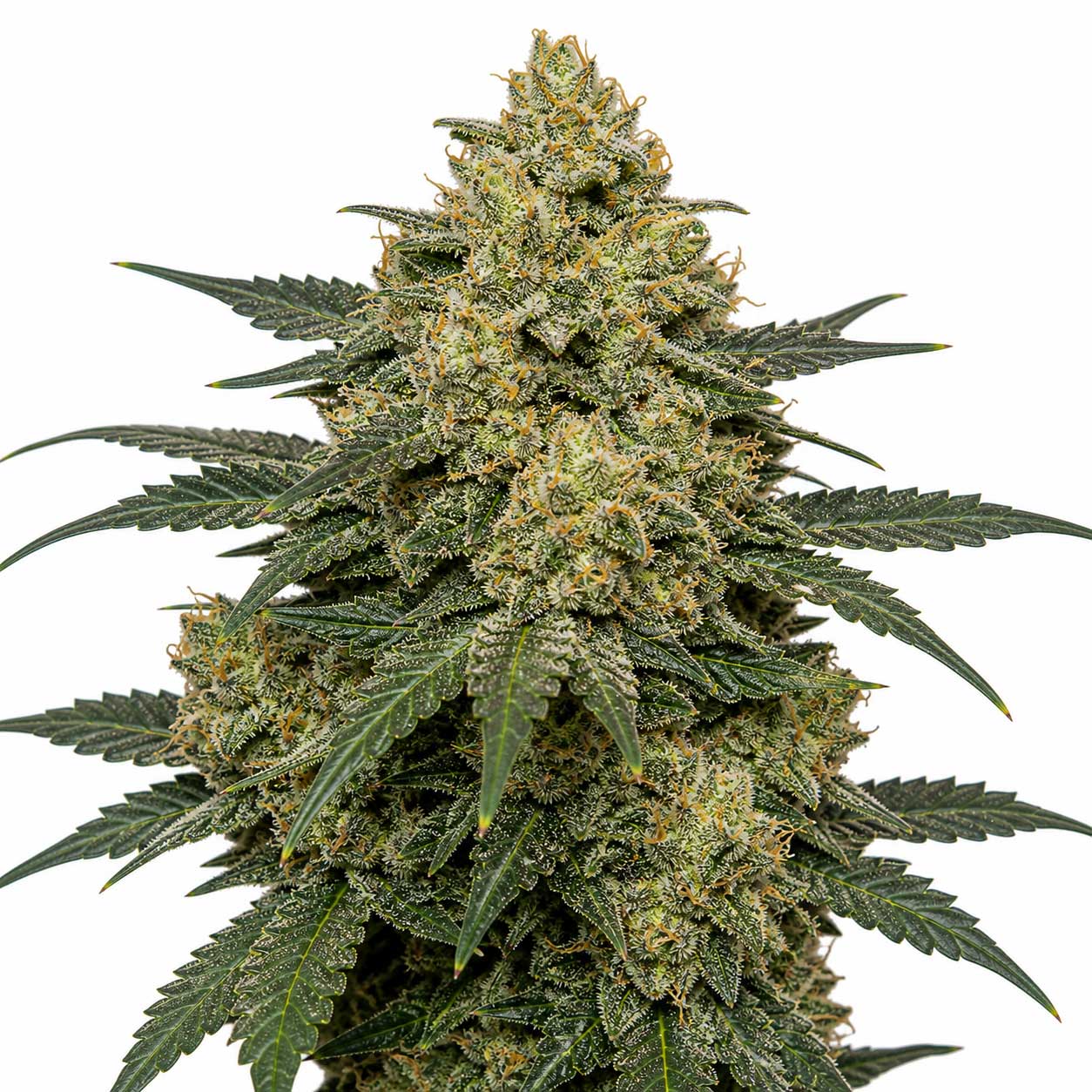
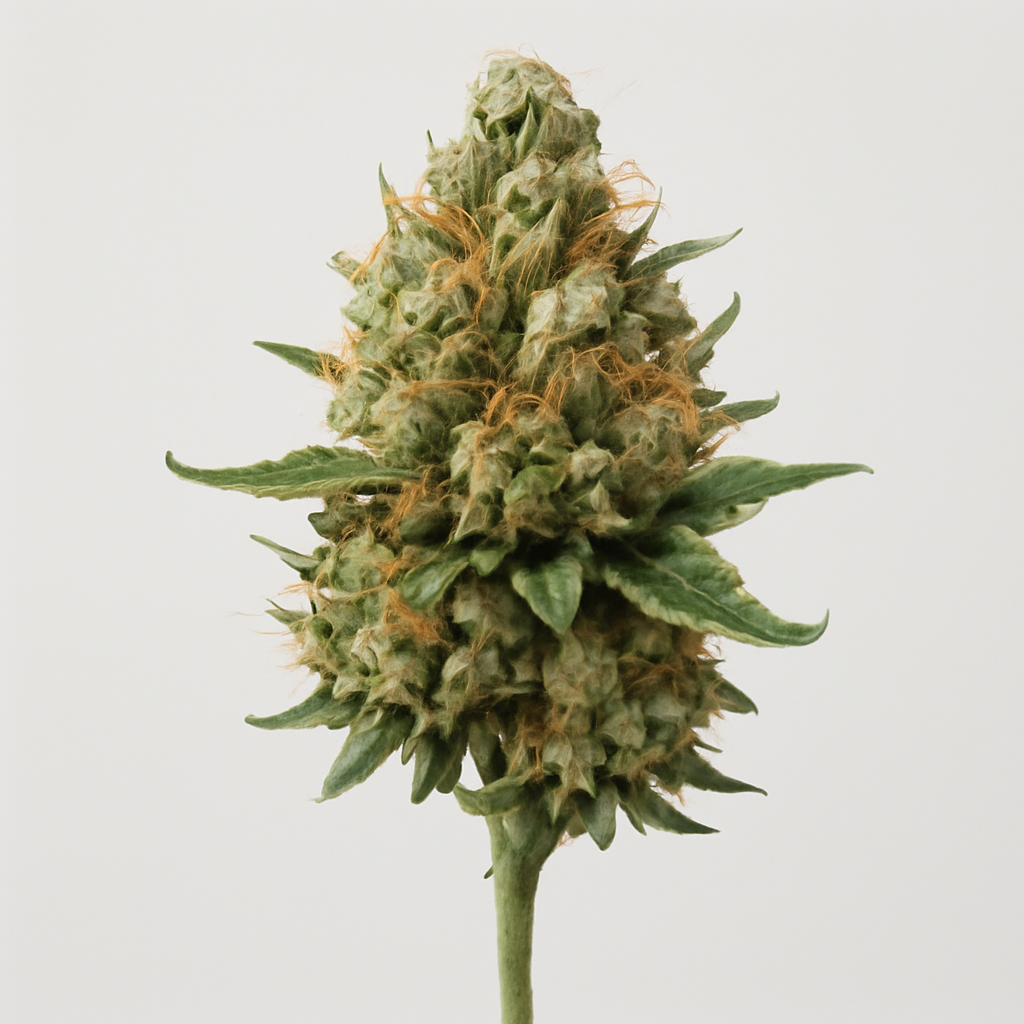
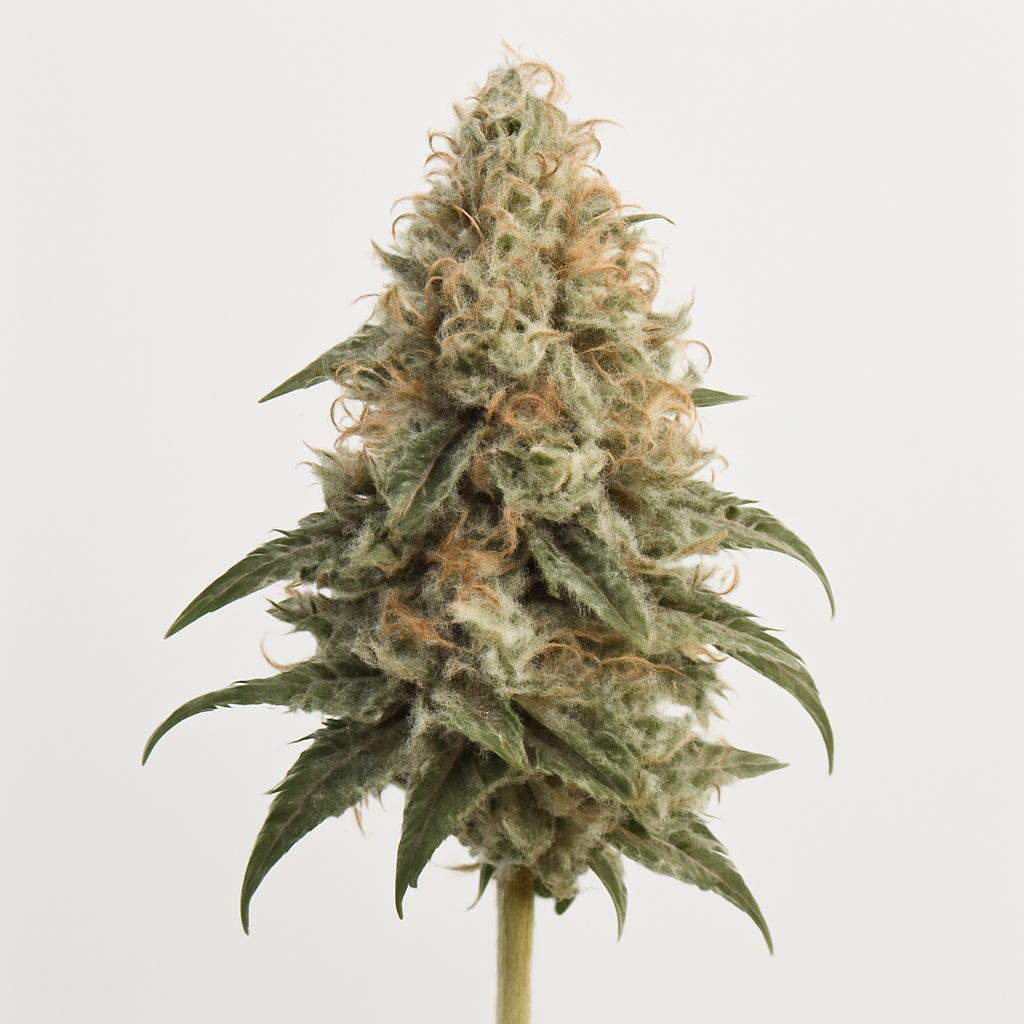
G13 Haze buds usually develop into elongated colas rather than tight, golf-ball clusters. The structure can appear somewhat foxtailed or spear-like, especially when the Haze side expresses strongly, and the finished flowers often retain a lightly airy geometry that improves airflow through the canopy.
Color tends to stay in the green range, from bright lime to deeper olive, with orange to rust-toned pistils winding through the surface. A heavy layer of trichomes can produce a frosted sheen across the calyxes and sugar leaves, and some phenotypes show a slightly silvery finish that makes the flower look especially refined under light.
Effects & Use-Cases (Reported)
- Commonly reported effects: upbeat, mentally bright, talkative, focused, and lightly energizing
- Use-case context: often chosen for daytime sessions, creative projects, social settings, or tasks that suit an alert headspace
- Body character: generally lighter in body weight than many indica-dominant hybrids, though some users describe a mild settling effect after the initial lift
- Note: These observations are anecdotal and do not constitute medical claims.
Observational Note: G13 Haze is frequently described as starting with a clear cerebral rise rather than a heavy onset. The effect profile usually emphasizes mental activity first, with body sensations remaining secondary unless a particularly resinous or later-harvest phenotype is involved.
Potency Note: Potency can feel pronounced because the experience is often vivid and long-lasting, even when the body effect stays relatively light. Well-grown flower may present a strong aromatic payoff that signals a more assertive session profile.
Aroma & Flavor Profile
- Aroma: sharp incense, wet earth, citrus peel, pine resin, and sweet spice
- Flavor: lemon zest, herbal spice, woody haze, tangy citrus, and lingering incense
- Aftertaste: dry, spicy, and faintly resinous with a citrus edge
- Terpene associations: commonly aligned with Terpinolene, Myrcene, and Caryophyllene.
For users searching for a classic Haze strain with a sharper finish, G13 Haze often fits that brief: it brings a bright lemon-spice top note, a deeper incense core, and a woody aftertaste that lingers on the palate. The profile reads as old-school and terpene-rich rather than candy-sweet, which is part of its enduring appeal in legacy strain menus and connoisseur flower lists.
Tested Cannabinoid & Terpene Ranges
| Compound | Typical Range* | Notes |
|---|---|---|
| Δ⁹-THC | ~20–24% | Commonly tested in the upper-potency range for classic haze hybrids. |
| CBD | <0.5% | Usually minimal and not considered a defining cannabinoid. |
| Terpinolene | ~0.3–1.0% | Often tied to the bright, hazy, citrus-incense top note. |
| Myrcene | ~0.2–0.8% | Can soften the profile with a more rounded herbal depth. |
| Caryophyllene | ~0.15–0.6% | Adds peppery spice and a dry, warm finish. |
*Ranges are estimates and may vary by phenotype, harvest timing, and testing methods.
Cultivation Notes
- Light Cycle: 12/12 for flowering; benefits from a strong vegetative canopy before flip
- Humidity: Moderate humidity early, then lower humidity in flower to protect long colas
- Stretch: Moderate to significant stretch during early bloom
- Training: Responds well to topping, trellising, and canopy management
- Odor Control: Strong terpene output; filtration is recommended indoors
- Harvest Window: Approximately 9–11 weeks indoors
G13 Haze rewards growers who can manage height and maintain even light exposure across the upper canopy. It is not usually the fastest-finishing selection in the room, but patient cultivation can produce resinous, aromatic tops with a distinctly refined haze profile. Keep airflow consistent, avoid excessive late-flower moisture, and allow enough space for the plant to express its natural stretch without crowding neighboring branches.
Grower Notes (Week-by-Week Snapshot)
- Weeks 1–3: Vegetative vigor builds quickly, and branching structure begins to show the cultivar’s upright, stretch-prone habit.
- Weeks 4–5: Early flower stretch is often noticeable; training and support become important as nodes separate.
- Weeks 6–8: Bud sites stack into longer colas, resin production increases, and the aroma sharpens into citrus-incense territory.
- Weeks 9–10: Flowers mature with heavy trichome coverage and a stronger spice finish; some phenotypes may benefit from an extra week or two to fully settle.
Genetic Lineage
G13 Haze is built from two influential lineages that contributed very different strengths to the final cultivar. G13 is often associated with dense resin production and a heavier, more grounded effect profile, while Haze is famous for elongated flowering, tall structure, and a brighter, more cerebral expression. Together, they produce a hybrid that bridges potency, aromatic complexity, and classic sativa architecture.
The exact historical path can vary depending on which catalog or breeder description is being referenced, but the broad contribution of each parent is clear enough to explain the strain’s character. G13 Haze remains an important example of how legacy breeding paired body-heavy genetics with a high-profile haze line to create a flower that feels both old-school and still relevant in today’s market.
Research Insights
G13 Haze matters because it sits at the intersection of cannabis history and current search demand for legacy haze hybrids. For breeders, it represents a meaningful template for combining resin production with expressive terpene content and a more energetic structure. For consumers and collectors, it helps define what an authentic old-school haze cross can smell, taste, and grow like when compared with newer dessert-driven hybrids.
Frequently Asked Questions
Is G13 Haze more sativa or indica?
It is generally considered a sativa-leaning hybrid. The Haze side usually drives the taller structure, longer flowering time, and brighter effect profile.
Who bred G13 Haze?
The original breeder is not clearly documented in a way that is consistent across sources. It is best treated as a legacy cultivar with variable historical attribution.
What does G13 Haze taste like?
Common flavor notes include lemon zest, woody haze, herbal spice, and a lingering incense finish. The profile is sharper and more classic than candy-sweet.
How long does G13 Haze take to flower?
Indoors, it usually finishes in approximately 9–11 weeks, though some phenotypes may run slightly longer if they express stronger Haze characteristics.
Is G13 Haze difficult to grow?
It is often rated as moderate. The main challenges are stretch control, canopy management, and maintaining good airflow through longer flowering colas.
Educational Disclaimer: This page is provided strictly for scientific and horticultural reference. Cannabis cultivation, possession, and use are regulated by local laws. This content does not promote illegal activity or constitute medical advice. Always comply with applicable regulations in your jurisdiction.
Rate and review this strain
Ratings and reviews are accepted only from signed-in Google accounts.
Sign in with Google to leave a rating and written review.
Latest Reviews
0 reviewsNo reviews yet. Be the first Google user to rate and review this strain.