Sour D (Cannabis Strain) — Strainpedia
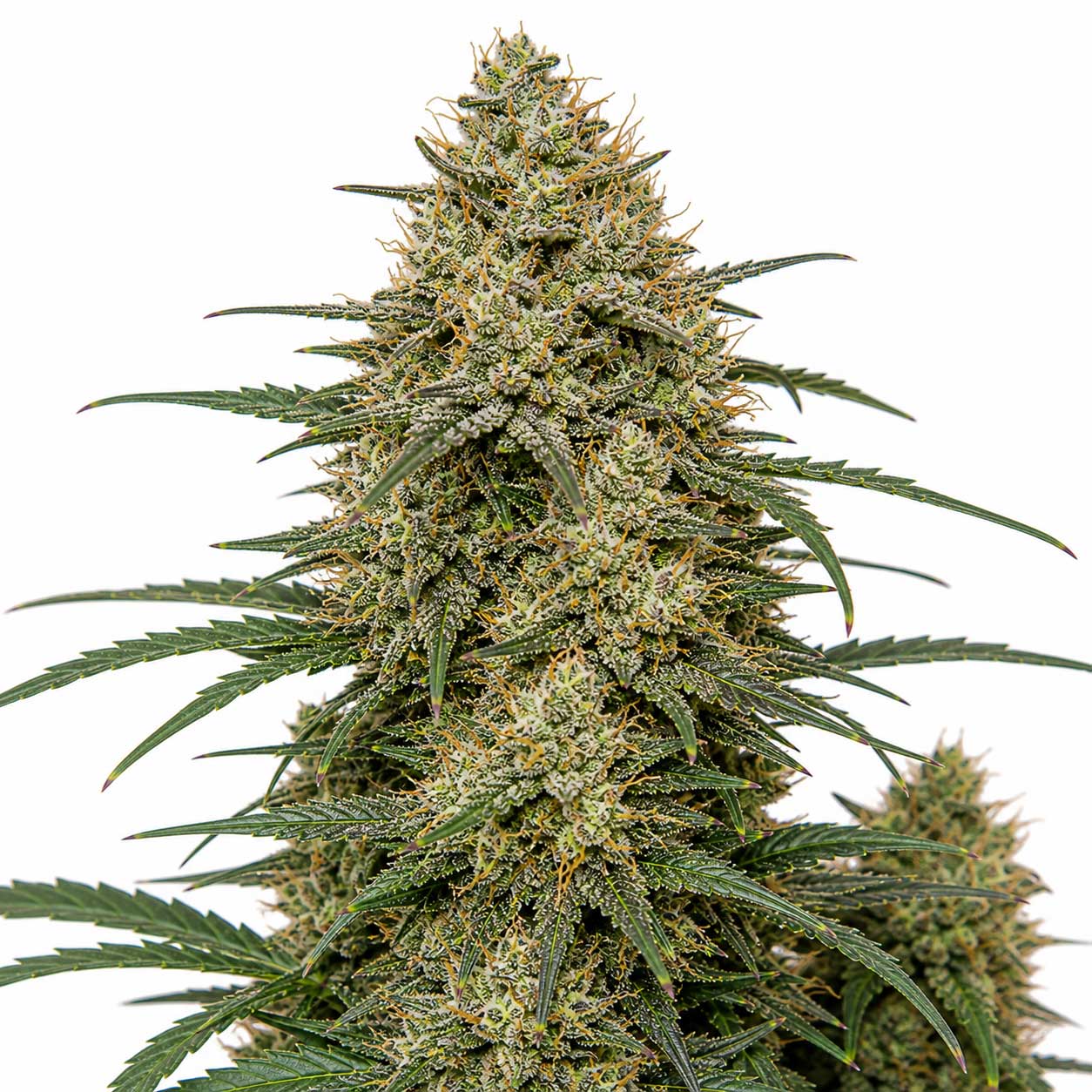
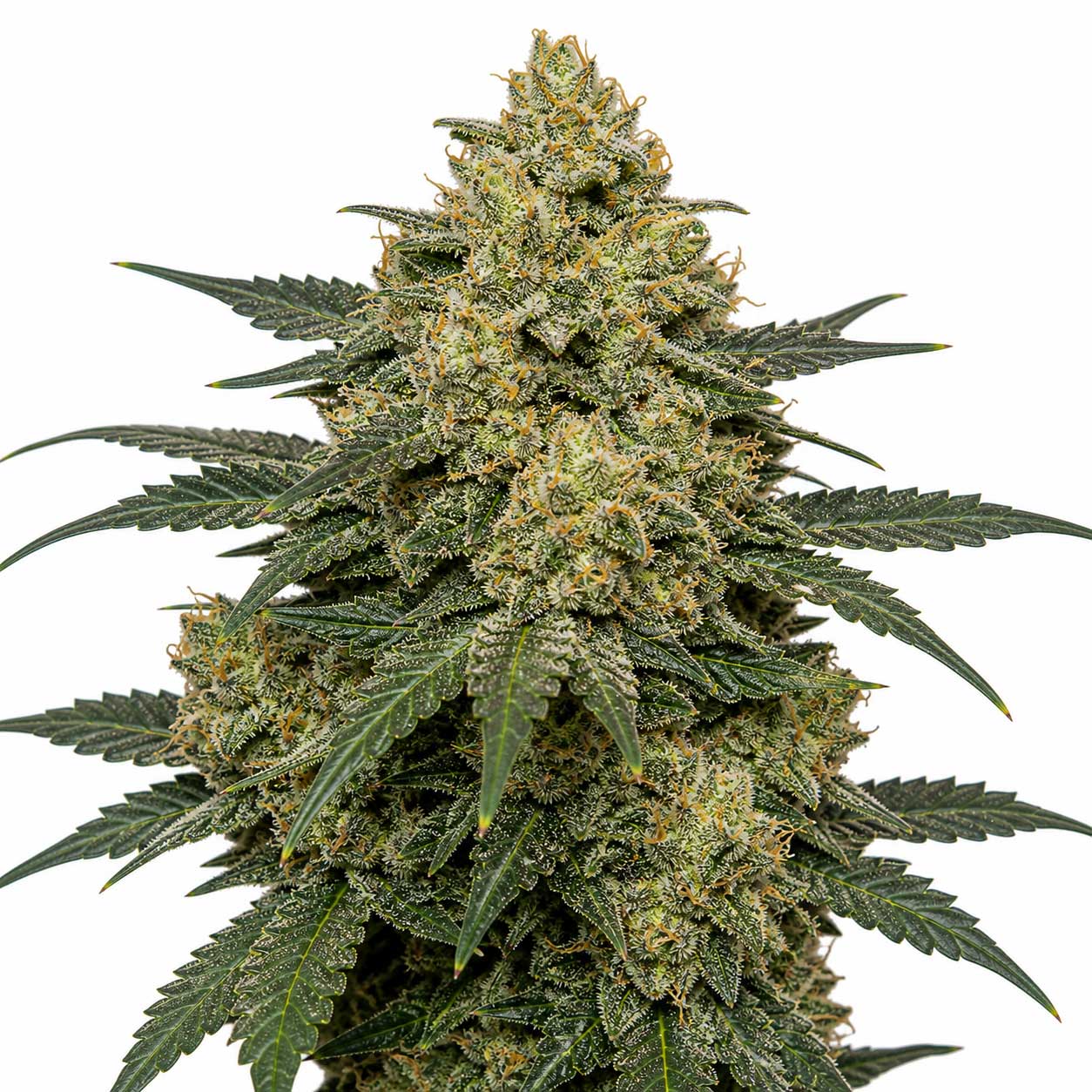
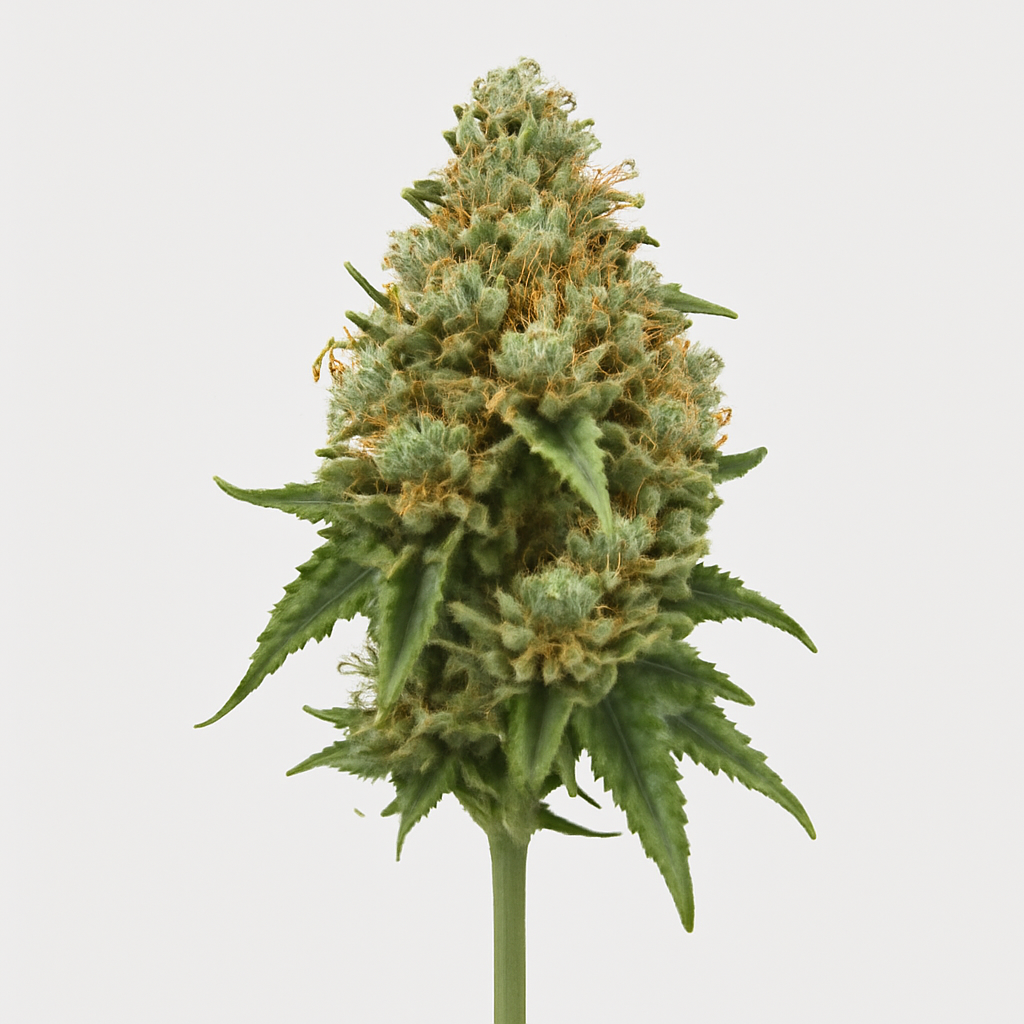
Sour D is a fuel-forward hybrid that draws its identity from Sour Diesel and OG Kush, pairing sharp citrus-diesel aromatics with a bright, cerebral edge. In well-grown flower, the strain is often recognized by its lime-green buds, orange pistils, and a trichome layer that gives the tops a cold, crystalline finish.
Compared with many modern dessert cultivars, Sour D leans toward a more piercing flavor profile and a faster, more alert effect style. Its lineage is central to its appeal: Sour Diesel contributes the classic skunky gas and lifted headspace, while OG Kush is commonly associated with resin production, density, and a grounded finish.
Quick Facts
| Genetics | Sour Diesel x OG Kush |
|---|---|
| Original Breeder | DNA Genetics |
| Variety | Sativa-leaning Hybrid |
| Flowering Time | Approximately 9–10 weeks indoors |
| Yield Potential | Moderate to high, depending on training and environment |
| Plant Height | Medium to tall indoors; taller outdoors in favorable conditions |
| Climate Preference | Warm, dry, well-ventilated conditions with strong odor control |
| Difficulty | Moderate |
Strain Classification
| Type | Sativa-leaning Hybrid |
|---|---|
| Genetic Family | Fuel-forward Kush hybrid with sour Diesel influence |
| Primary Terpenes | Myrcene, limonene, caryophyllene* |
| Original Breeder | DNA Genetics |
| Breeding Lineage | Sour Diesel x OG Kush |
*Exact terpene dominance may vary by phenotype and cultivation method.
Scientific & Botanical Overview
Botanically, Sour D is a hybrid selection built around the intersection of two highly influential American lineages. The Sour Diesel side tends to contribute a more open floral architecture, pronounced lateral growth, and a volatile fuel terpene profile, while the OG Kush side often adds tighter resin coverage and a more compact calyx-to-leaf ratio in selected phenotypes.
From a breeding perspective, the cultivar matters because it helped reinforce the market preference for gassy, citrus-diesel profiles without fully abandoning structure and bag appeal. In dispensary and legacy contexts alike, Sour D is often discussed as a bridge strain: it carries older-school pungency, but it still fits comfortably beside newer hybrid selections with high terpene expression and strong top-shelf presentation.
Appearance
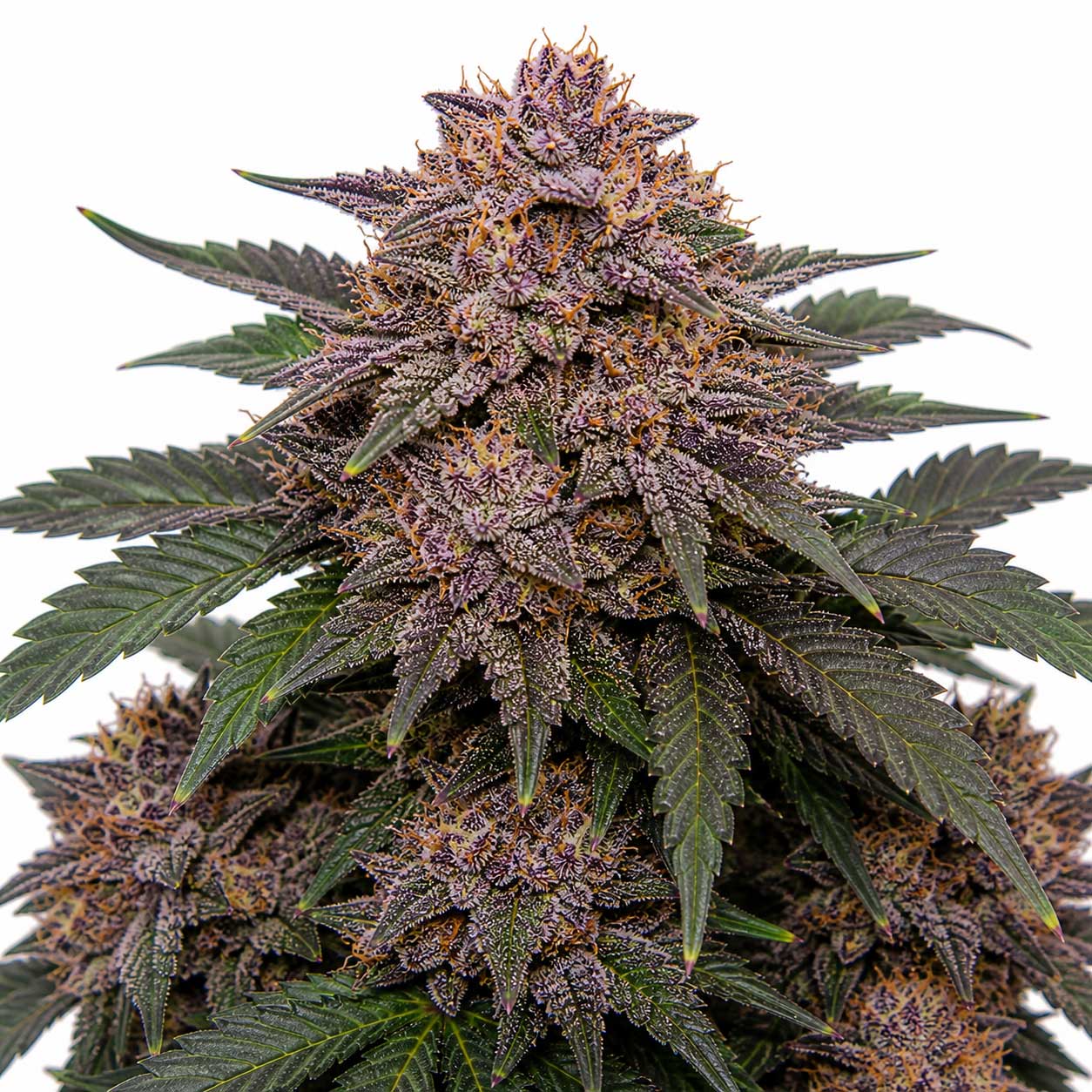
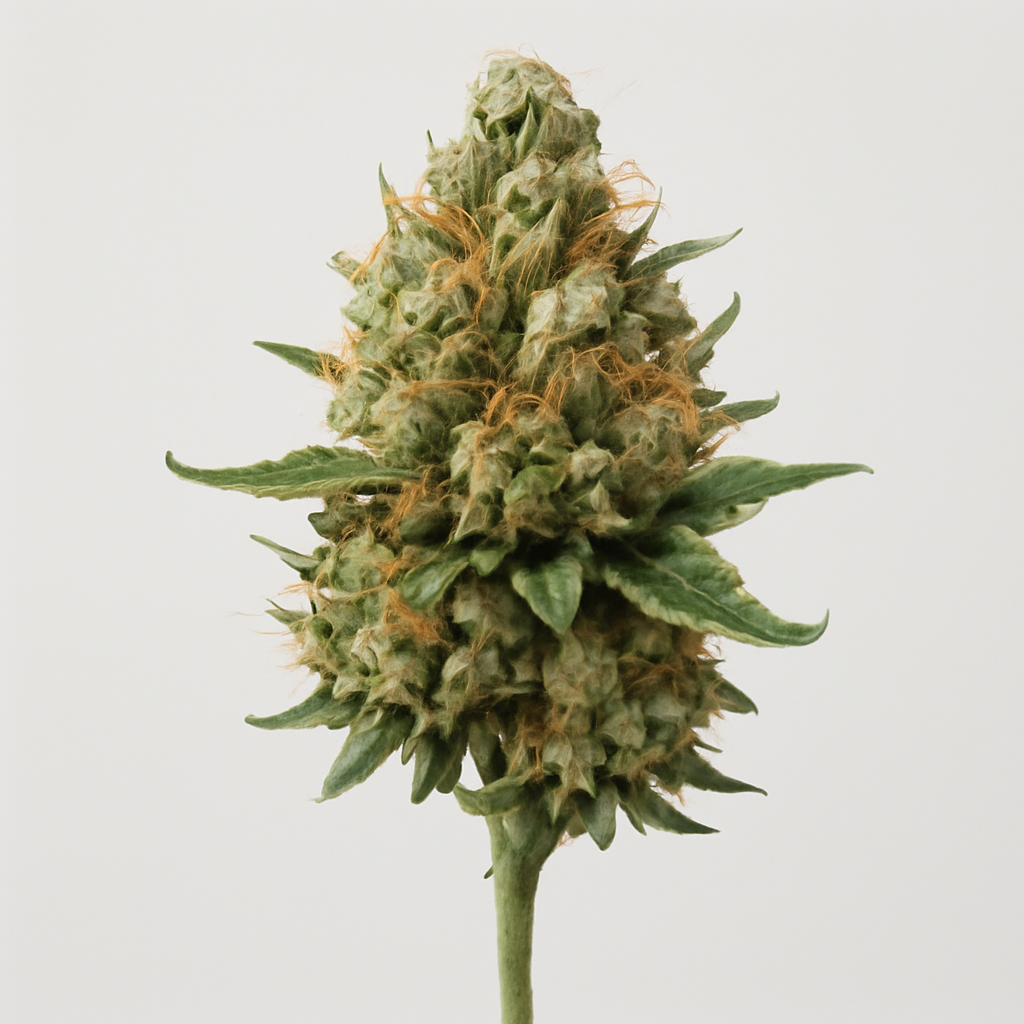
Sour D flowers usually present as elongated colas with medium density and a slightly tapered shape. The color palette often sits in the green range, from olive to pale lime, with vivid orange pistils woven through the surface and a reflective trichome layer that gives the buds a frosty, almost wet-looking sheen.
Phenotype variation can be noticeable. Some cuts finish with narrower, airier tops that echo the Sour Diesel parent, while others become chunkier and more Kush-like under strong light and careful canopy management. Mature flowers can show subtle purple flecking in cooler conditions, though that is not considered a defining trait.
Effects & Use-Cases (Reported)
- Commonly reported effects: an energetic head buzz, a lifted mood, sharpened focus, and a gradual easing into physical calm
- Use-case context: often chosen for daytime or early-evening settings when users want activity, conversation, or creative momentum rather than deep sedation
- Body character: usually described as light to moderate in the body at first, then smoother and more settling as the session progresses
- Note: These observations are anecdotal and do not constitute medical claims.
Observational Note: Sour D tends to come across as more upward and functional than heavy. The onset is commonly described as brisk, with the sour-fuel profile matching the strain’s brisk mental profile.
Potency Note: Even at moderate THC levels, the strain can feel assertive because the terpene profile and onset style are fairly direct. First-time consumers generally treat it with the same respect as many higher-THC hybrids.
Aroma & Flavor Profile
- Aroma: pungent diesel, sour citrus, skunky earth, pine resin
- Flavor: lemon peel, fuel, pepper, herbal spice
- Aftertaste: lingering gas with a dry, citrus-skin finish
- Terpene associations: commonly aligned with myrcene, limonene, and caryophyllene.
For readers searching Sour D strain aroma or Sour D strain flavor, the profile is usually described as loud, pungent, and unmistakably fuel-heavy, with citrus notes cutting through the gas. The finish is typically sharper than sweet, which is part of why this cultivar remains a reference point for classic sour diesel-style cannabis.
Tested Cannabinoid & Terpene Ranges
| Compound | Typical Range* | Notes |
|---|---|---|
| Δ⁹-THC | ~18–24% | Commonly tested in the mid-to-upper potency range for a legacy hybrid. |
| CBD | <0.5% | Usually present only in trace amounts. |
| Myrcene | ~0.20–0.60% | Often associated with earthy depth and a fuller finish. |
| Limonene | ~0.15–0.45% | Contributes the citrus peel edge seen in many samples. |
| Caryophyllene | ~0.12–0.40% | Adds pepper, spice, and a dry savory undertone. |
*Ranges are estimates and may vary by phenotype, harvest timing, and testing methods.
Cultivation Notes
- Light Cycle: 18/6 in vegetative growth; 12/12 for flowering
- Humidity: Moderate early, then reduced to the mid-40s to low-50s percent range in late flower
- Stretch: Moderate to pronounced during the first two weeks of bloom
- Training: Responds well to topping, trellising, and canopy shaping
- Odor Control: Strong odor control is recommended from mid-flower onward
- Harvest Window: Approximately 9–10 weeks indoors
Sour D is not especially difficult, but it rewards growers who manage airflow, keep the canopy even, and avoid overfeeding late in flower. The terpene profile can become very pungent near maturity, so environmental control and filtration matter if discretion is a priority.
Grower Notes (Week-by-Week Snapshot)
- Weeks 1–3: Expect rapid vertical growth, fresh leaf production, and early stretch as the plant settles into bloom.
- Weeks 4–5: Bud sites begin stacking more clearly, with resin formation and sour aromatics becoming noticeable.
- Weeks 6–8: Flowers thicken, pistils deepen in color, and the gas-citrus profile intensifies with strong trichome coverage.
- Weeks 9–10: Final swelling and ripening bring out the strain’s sharpest aroma, with ideal harvest timing often guided by trichome maturity.
Genetic Lineage
Sour D is generally traced to Sour Diesel crossed with OG Kush, a pairing that helps explain both its loud fuel aroma and its resin-rich finish. Sour Diesel is widely associated with energetic, cerebral onset and a pungent sour-diesel terpene signature, while OG Kush is often credited with adding structure, depth, and a heavier body component to the back end of the experience.
That combination gave Sour D a useful place in modern breeding and menu curation. It preserved the classic sour-fuel identity that older cannabis communities recognize, while also offering enough Kush influence to improve flower handling, bag appeal, and commercial relevance.
Research Insights
Sour D remains important because it sits at the crossroads of legacy cannabis flavor and contemporary hybrid demand. In search data and dispensary menus, strains with sour-diesel profiles continue to attract attention from consumers looking for sharper terpene expression rather than dessert-style sweetness, and Sour D is one of the clearer reference points for that category.
Frequently Asked Questions
Is Sour D the same as Sour Diesel?
Not always. In many markets, Sour D is used as a shortened name for Sour Diesel-related material, but some menus use the label for selected cuts or breeding lines that sit close to the original profile. Context matters.
What does Sour D smell like?
It is usually described as diesel-heavy with sour citrus, skunk, pine, and earthy spice. The aroma tends to be sharp and persistent rather than sweet.
How strong is Sour D?
Most tested samples fall in a moderate-to-strong THC range. The effect can feel more intense than the number alone suggests because the onset is quick and the terpene profile is assertive.
Is Sour D better for daytime or nighttime use?
It is more commonly associated with daytime or early-evening use because reported effects often lean uplifting and mentally active before settling down.
Is Sour D hard to grow?
It is generally considered moderately challenging. The main points of attention are stretch management, airflow, and odor control during flower.
Educational Disclaimer: This page is provided strictly for scientific and horticultural reference. Cannabis cultivation, possession, and use are regulated by local laws. This content does not promote illegal activity or constitute medical advice. Always comply with applicable regulations in your jurisdiction.
Rate and review this strain
Ratings and reviews are accepted only from signed-in Google accounts.
Sign in with Google to leave a rating and written review.
Latest Reviews
0 reviewsNo reviews yet. Be the first Google user to rate and review this strain.