Ghost Train Haze (Cannabis Strain) — Strainpedia
Ghost Train Haze is a high-potency, sativa-leaning hybrid from Rare Dankness that pairs Ghost OG with Neville’s Wreck. The result is a cultivar with a sharply focused citrus-haze nose, resinous spear-shaped flowers, and an effect style that many users describe as fast-moving and cerebral.
What separates this strain from flatter modern hybrids is its old-school haze character layered over OG density in the resin. In practical terms, that means vigorous stretch in flower, strong aroma development late in bloom, and a flavor profile that can swing from lemon-peel brightness to peppery incense depending on the cut and cure.
Quick Facts
| Genetics | Ghost OG x Neville’s Wreck |
|---|---|
| Original Breeder | Rare Dankness |
| Variety | Photoperiod hybrid |
| Flowering Time | Approximately 9–11 weeks indoors |
| Yield Potential | Moderate to high, depending on training and canopy control |
| Plant Height | Tall to very tall indoors; vigorous outdoor stretch |
| Climate Preference | Warm, dry, well-ventilated conditions with strong light |
| Difficulty | Intermediate |
Strain Classification
| Type | Sativa-leaning Hybrid |
|---|---|
| Genetic Family | OG Kush line x Haze/Wreck-leaning sativa family |
| Primary Terpenes | Terpinolene, limonene, caryophyllene* |
| Original Breeder | Rare Dankness |
| Breeding Lineage | Ghost OG x Neville’s Wreck |
*Exact terpene dominance may vary by phenotype and cultivation method.
Scientific & Botanical Overview
From a breeding standpoint, Ghost Train Haze is a deliberately high-energy cross built to amplify resin production, aromatic intensity, and a pronounced sativa frame. The Ghost OG parent typically contributes a sticky flower texture and a denser, more grounded resin profile, while Neville’s Wreck leans the plant toward elongated branching, airy floral stacking, and a sharper head-dominant expression.
Botanically, the cultivar often presents as a vigorous photoperiod hybrid with noticeable internodal spacing and a bloom structure that rewards active management. That growth pattern makes it a useful reference point for growers studying how haze genetics interact with modern OG material, especially when the goal is a pungent, high-THC profile rather than compact bag appeal alone.
Appearance
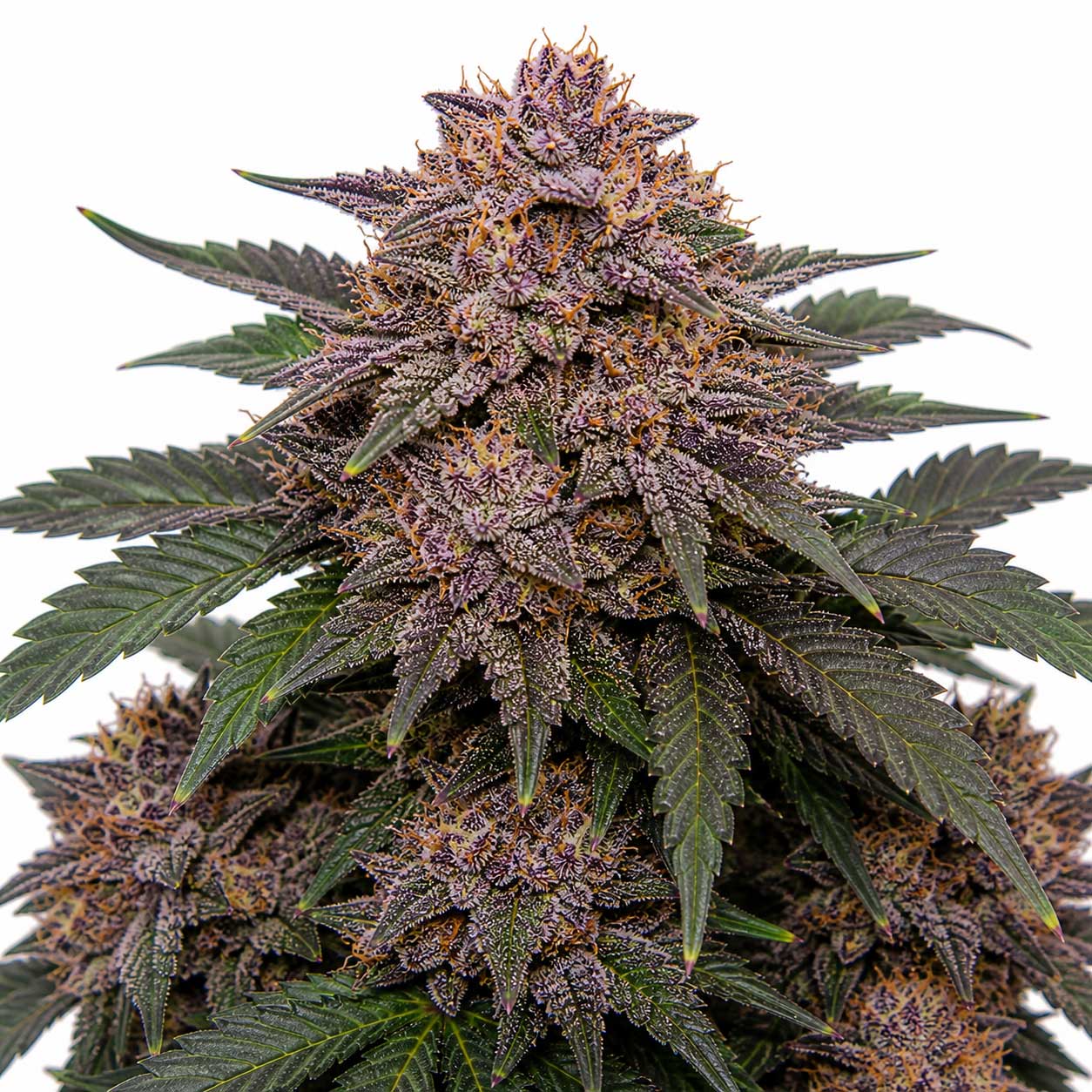
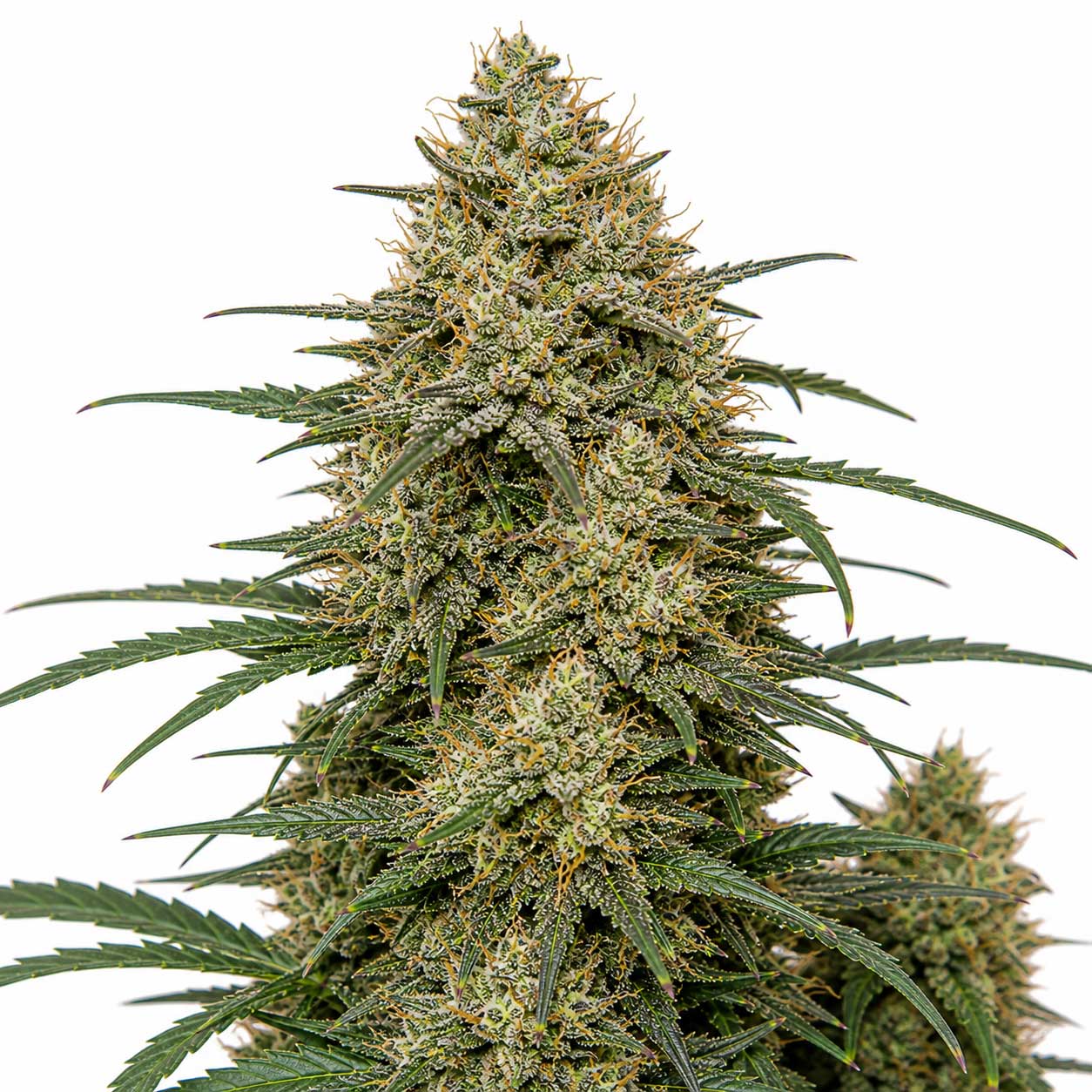
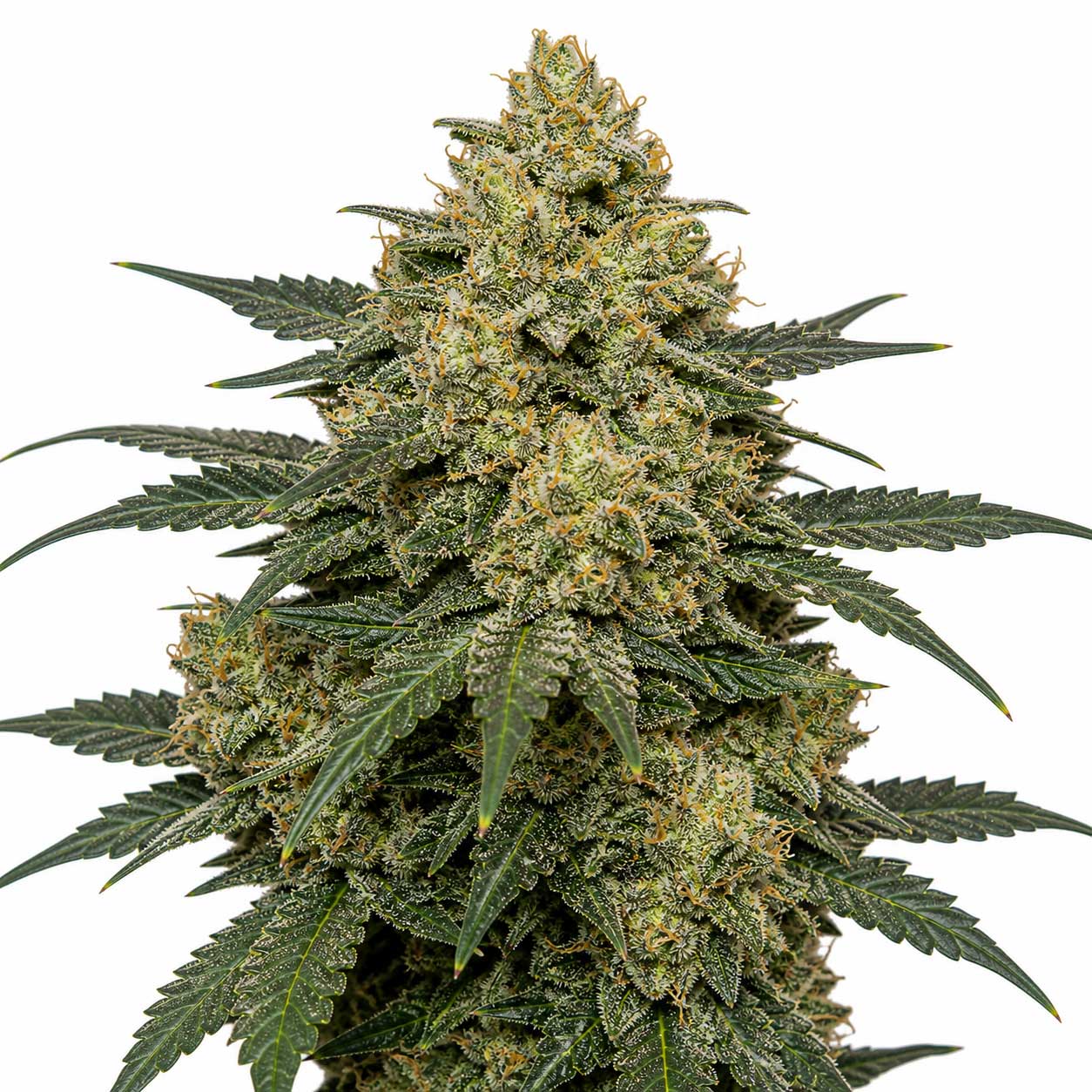
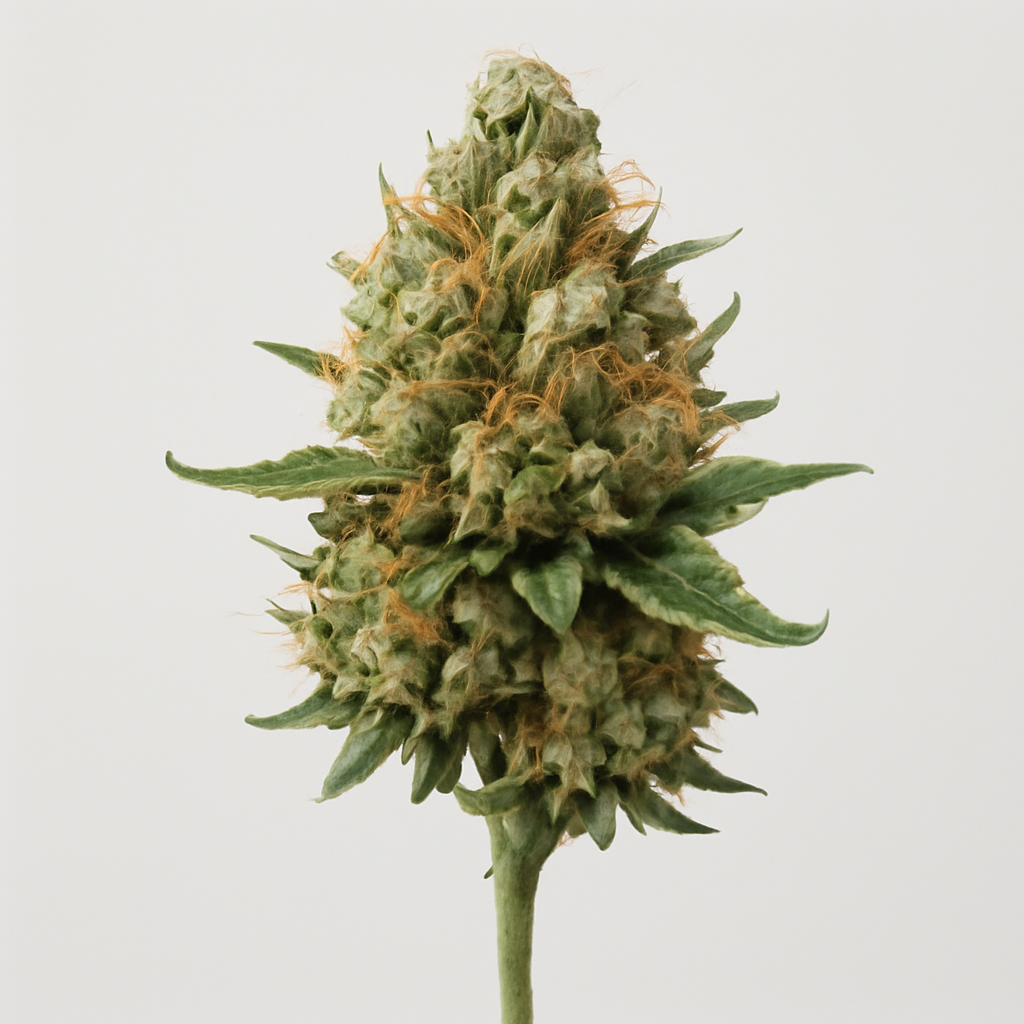
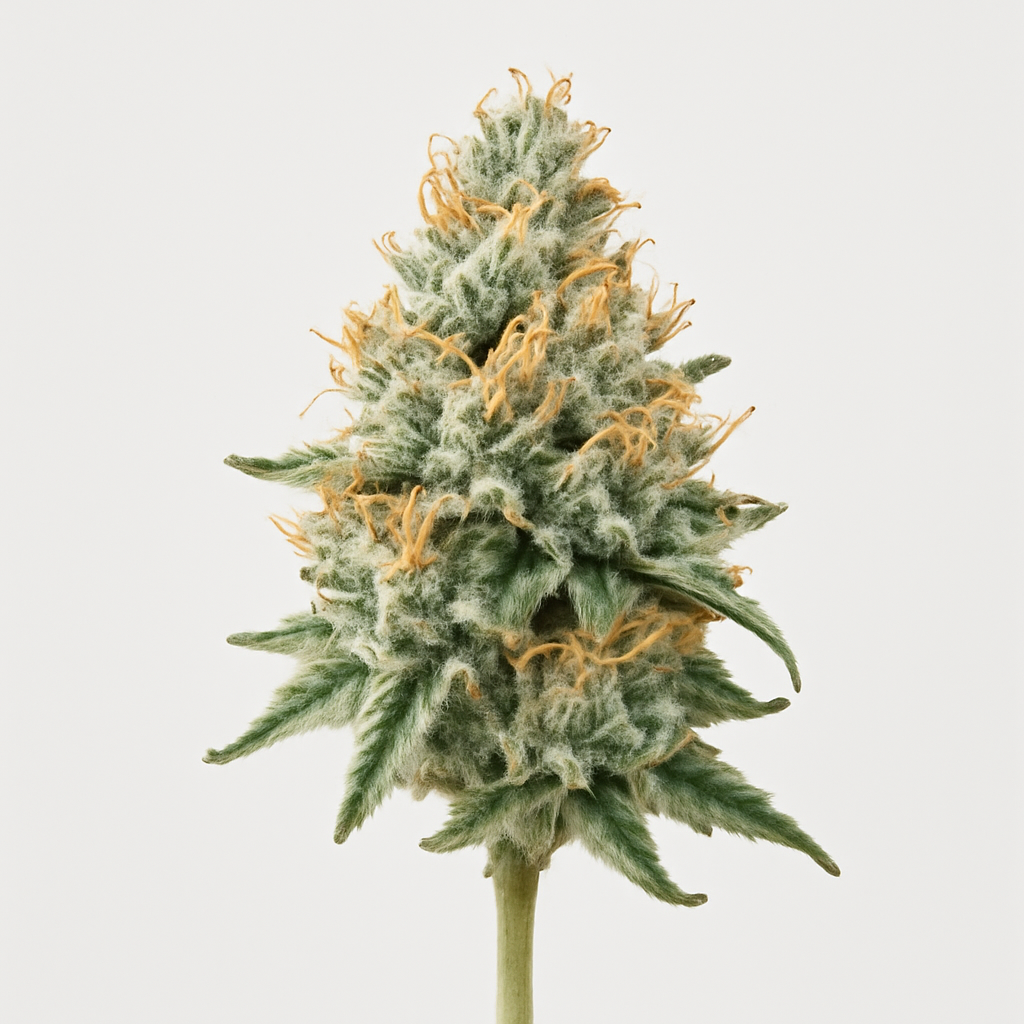
Ghost Train Haze usually produces slender, elongated colas rather than oversized golf-ball buds. The flowers often look almost frosted from a distance because the trichome coverage can be extremely heavy, especially on the sugar leaves and upper calyxes.
Color tends to stay in the green-to-lime range, punctuated by bright orange pistils and a light, hazy sheen that fits the strain’s name. Some phenotypes finish with a more open structure and narrow leaves, while others tighten up slightly under strong light, but the overall look remains distinctly sativa in profile.
Effects & Use-Cases (Reported)
- Commonly reported effects: sharp cerebral lift, energized mood, creative stimulation, strong focus, and a long-lasting finish.
- Use-case context: Often selected for daytime sessions, brainstorming, social settings, or situations where a clear-headed, lively profile is preferred over sedation.
- Body character: The physical side is usually described as secondary to the head effect, with a lighter body presence that may feel more active than heavy.
- Note: These observations are anecdotal and do not constitute medical claims.
Observational Note: Ghost Train Haze is frequently discussed as a strain that arrives quickly and stays present for a while. Its reputation is less about subtlety and more about a pronounced, soaring onset that can feel bright, restless, and mentally engaging.
Potency Note: Because this cultivar can test high in THC, newer consumers sometimes find it more intense than the flavor suggests. Small amounts are often described as sufficient, particularly when the flower is well-cured and terpene-rich.
Aroma & Flavor Profile
- Aroma: lemon peel, pine resin, floral haze, earthy spice, and a faint incense edge.
- Flavor: citrus zest on the inhale, herbal haze through the mid-palate, and peppery wood on the exhale.
- Aftertaste: lingering lemon-herbal dryness with a spicy, slightly woody finish.
- Terpene associations: commonly aligned with terpinolene, limonene, and caryophyllene.
For shoppers looking up Ghost Train Haze flavor, the search usually leads back to a bright haze profile with citrus overtones rather than candy sweetness. The aroma can be sharp, layered, and somewhat old-school, making it a strong fit for fans of piney lemon strains with a pronounced spicy finish.
Tested Cannabinoid & Terpene Ranges
| Compound | Typical Range* | Notes |
|---|---|---|
| Δ⁹-THC | ~20–27% | Frequently testing in the high-potency range, with some well-grown batches coming in above 25%. |
| CBD | <0.5% | Usually present only in trace amounts. |
| Terpinolene | ~0.20–0.60% | Often tied to the strain’s bright haze top note and lightly floral, herbal lift. |
| Limonene | ~0.15–0.45% | Supports the citrus peel character and may sharpen the aroma profile. |
| Caryophyllene | ~0.10–0.35% | Adds pepper, warmth, and a resinous spice note in many test results. |
*Ranges are estimates and may vary by phenotype, harvest timing, and testing methods.
Cultivation Notes
- Light Cycle: 12/12 during flowering; thrives with strong, even canopy light.
- Humidity: Moderate during early bloom, then reduced to help protect the resinous flowers.
- Stretch: Above average, especially in the first 2–4 weeks of flowering.
- Training: Responds well to topping, trellising, and canopy management to control height.
- Odor Control: Strongly recommended, as the citrus-pine haze aroma becomes pronounced late in flower.
- Harvest Window: Approximately 9–11 weeks indoors
Ghost Train Haze is best treated as a vigorous, stretch-prone cultivar that benefits from structure early and restraint later. Growers who want the best expression usually prioritize airflow, consistent nutrition, and enough vertical space to let the plant finish without crowding the tops.
Grower Notes (Week-by-Week Snapshot)
- Weeks 1–3: Rapid vertical growth begins, with new shoots elongating quickly and a strong appetite for space management.
- Weeks 4–5: Flower sites set along the branches, aroma starts to sharpen, and the canopy may need support to stay even.
- Weeks 6–8: Resin production accelerates, pistils stack heavily, and the plant often carries a strong citrus-haze scent.
- Weeks 9–10: Late ripening brings fuller trichome coverage and a more developed spicy lemon profile; some phenotypes may benefit from an extra week.
Genetic Lineage
Ghost Train Haze is a cross of Ghost OG and Neville’s Wreck, two parents with very different but complementary reputations. Ghost OG is generally associated with sticky resin, fuel-citrus notes, and a deeper OG-style presence, while Neville’s Wreck is tied to taller sativa structure, haze spice, and a more volatile, energetic aroma profile. Together they create a cultivar that sits between classic haze sharpness and modern gas-heavy potency.
Research Insights
Ghost Train Haze remains important because it sits at the intersection of old-school haze breeding and contemporary high-THC market demand. In search and menu contexts, it often appears when consumers are comparing bright, terpene-forward sativas that still carry substantial potency, which helps keep the strain relevant across dispensary, seed-bank, and legacy-culture conversations. Its combination of aroma intensity, taller morphology, and high-resin flower also makes it a useful reference point for breeders looking to preserve haze character without losing modern appeal.
Frequently Asked Questions
Is Ghost Train Haze more sativa or indica?
It is generally considered a sativa-leaning hybrid. Most descriptions emphasize vertical growth, a fast mental profile, and a lighter body feel compared with more indica-dominant cultivars.
Who bred Ghost Train Haze?
Ghost Train Haze is attributed to Rare Dankness. The strain is commonly documented as Ghost OG crossed with Neville’s Wreck.
What does Ghost Train Haze taste like?
Typical flavor notes include lemon zest, herbal haze, pine, and peppery spice. Some phenotypes show a more floral incense character on the finish.
How long does Ghost Train Haze flower?
Indoors, the flowering period is usually around 9–11 weeks. The exact finish can vary by phenotype and how aggressively the plant stretches.
Is Ghost Train Haze difficult to grow?
It is usually considered intermediate. The main challenges are managing stretch, maintaining airflow, and supporting the branches as the flowers develop resin and weight.
Educational Disclaimer: This page is provided strictly for scientific and horticultural reference. Cannabis cultivation, possession, and use are regulated by local laws. This content does not promote illegal activity or constitute medical advice. Always comply with applicable regulations in your jurisdiction.
Rate and review this strain
Ratings and reviews are accepted only from signed-in Google accounts.
Sign in with Google to leave a rating and written review.
Latest Reviews
0 reviewsNo reviews yet. Be the first Google user to rate and review this strain.