Mendocino Purps (Cannabis Strain) — Strainpedia
Mendocino Purps sits squarely in the old Northern California purple tradition, where color, fruit-forward aroma, and compact flower formation matter as much as potency. Its profile is often described as grape-like and earthy, with a deeply relaxing indica-dominant effect style that has kept the cultivar relevant in legacy menus and craft cannabis circles.
Because the exact breeding record is not uniformly documented, Mendocino Purps is best understood as a regional heirloom-type cultivar rather than a single, neatly archived release. In flower, it can produce violet and burgundy tones under cooler conditions, along with dense trichome coverage, a sweet berry flavor identity, and a growth pattern that suits controlled indoor cultivation.
Quick Facts
| Genetics | Mendocino Purps lineage; exact parentage is not consistently published |
|---|---|
| Original Breeder | Not clearly documented |
| Variety | Indica-dominant Hybrid |
| Flowering Time | Approximately 8–9 weeks indoors |
| Yield Potential | Moderate |
| Plant Height | Medium, occasionally compact |
| Climate Preference | Warm days with cool nights and low late-flower humidity |
| Difficulty | Moderate |
Strain Classification
| Type | Indica-dominant Hybrid |
|---|---|
| Genetic Family | California purple line with old-school Afghani and regional Mendocino influences |
| Primary Terpenes | Myrcene*, Caryophyllene*, Limonene* |
| Original Breeder | Not clearly documented |
| Breeding Lineage | Legacy Mendocino purple selections; parent details vary by source and cut |
*Exact terpene dominance may vary by phenotype and cultivation method.
Scientific & Botanical Overview
From a botanical perspective, Mendocino Purps is valued for its compact internodal spacing, broad-to-medium leaf expression, and flower architecture that often finishes into heavy, resinous colas. The cultivar reflects a classic indica-leaning morphology, but its regional purple heritage gives it a more colorful late-flower presentation than many similarly structured lines.
Breeding-wise, the strain is significant because it represents a style of selection that prioritized sensory character and phenotype expression over clean, modernized catalog documentation. That legacy shows up in the way the plant can vary from cut to cut, especially in pigment intensity, aroma saturation, and the degree to which the flowers carry fruit, earth, and spice in the final cure.
Appearance
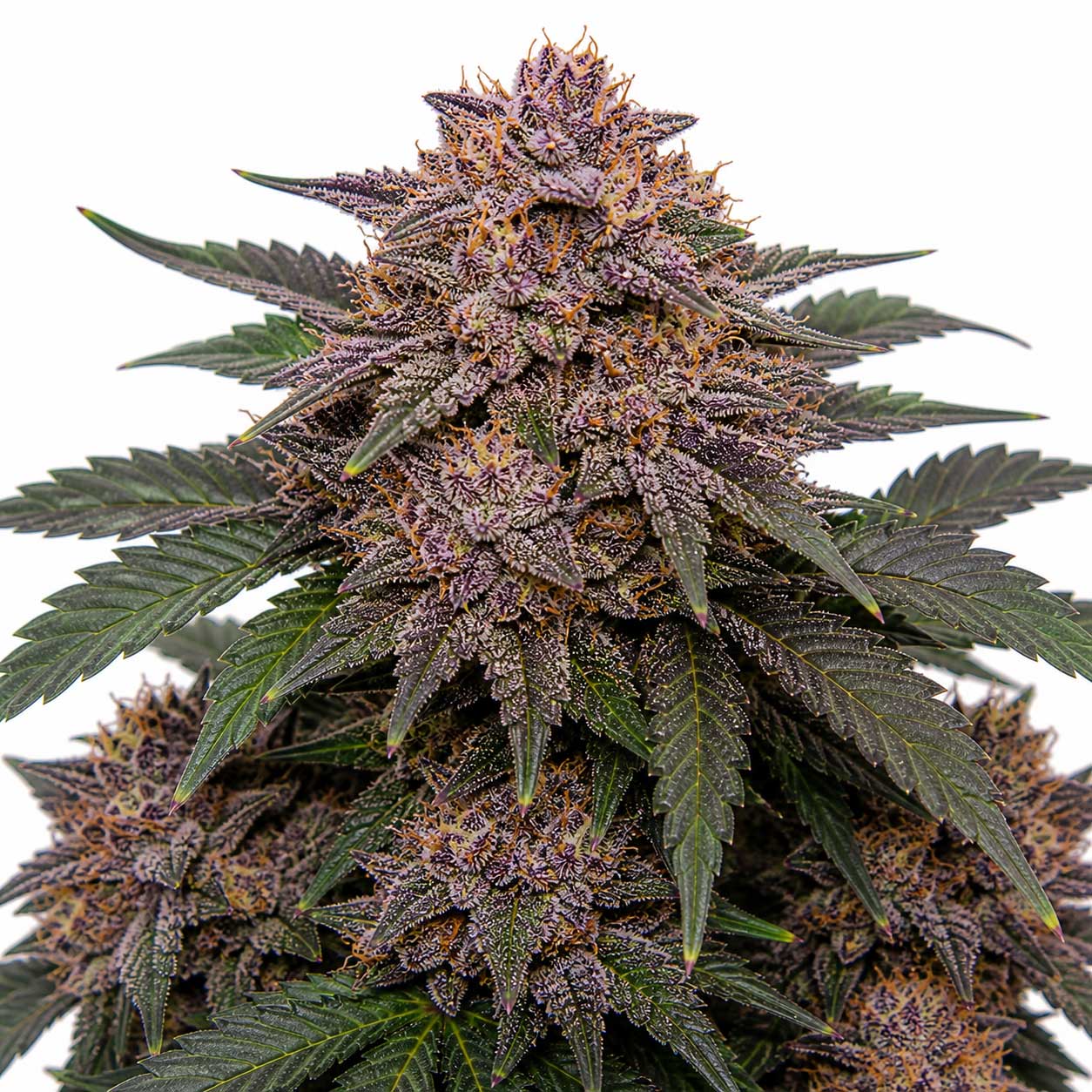
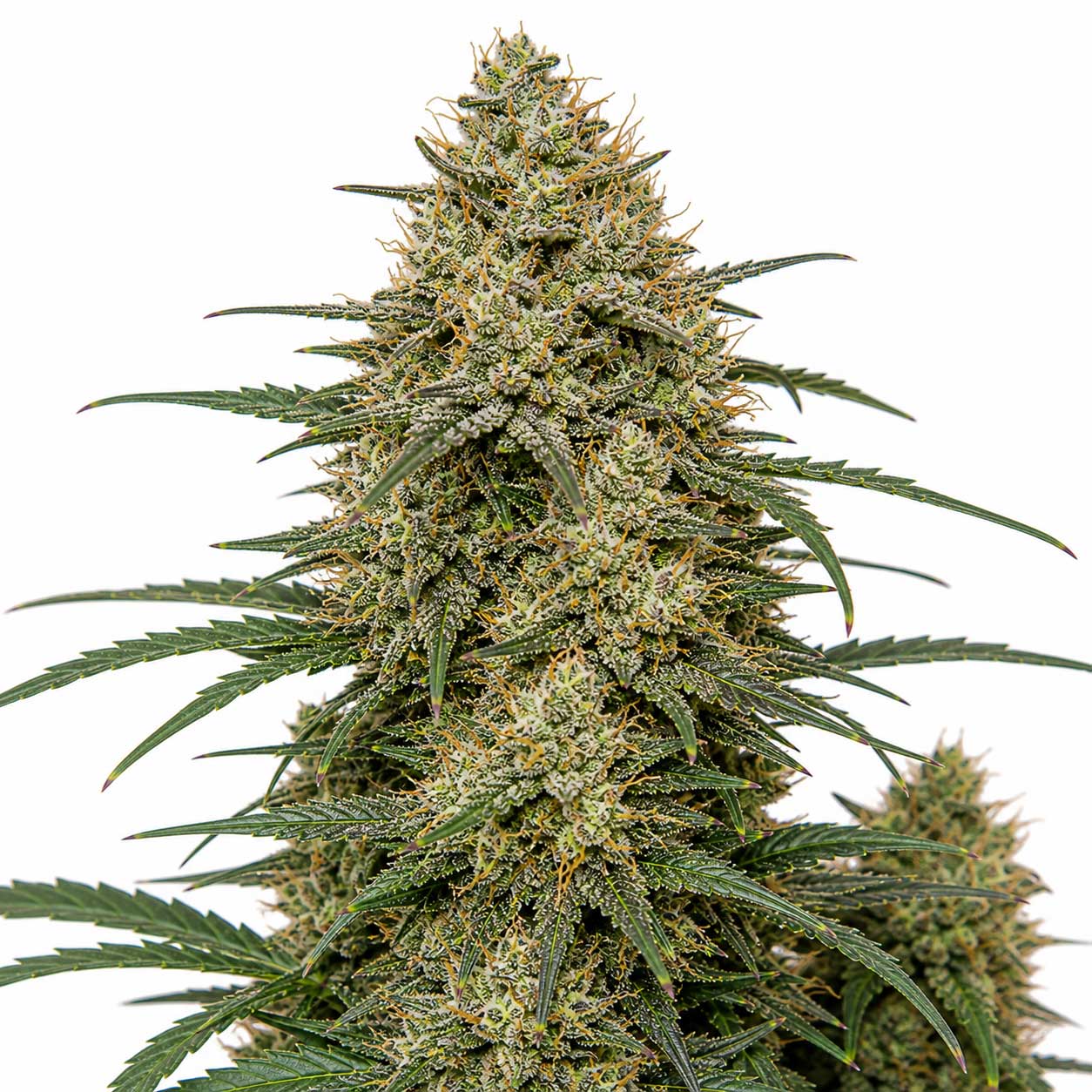
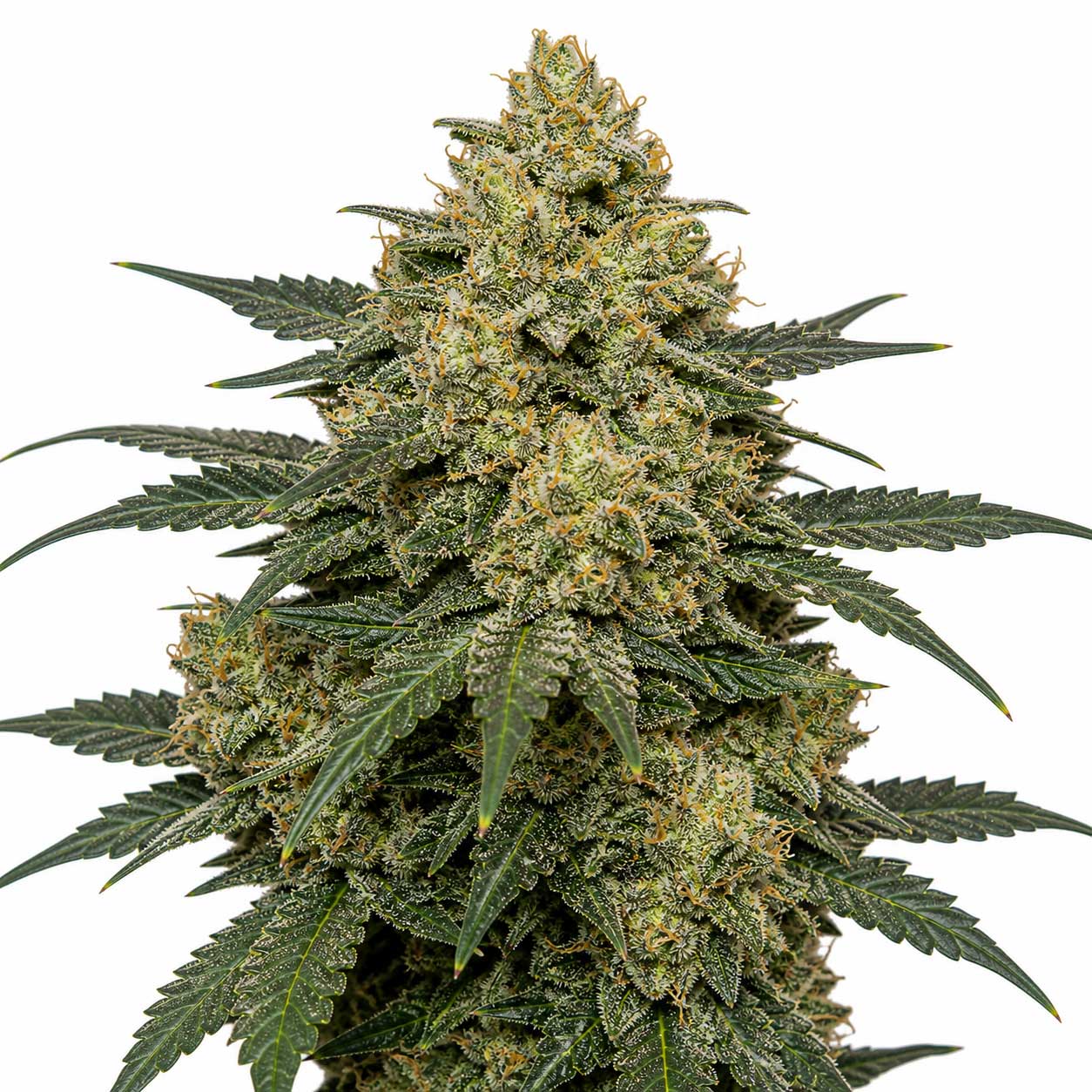
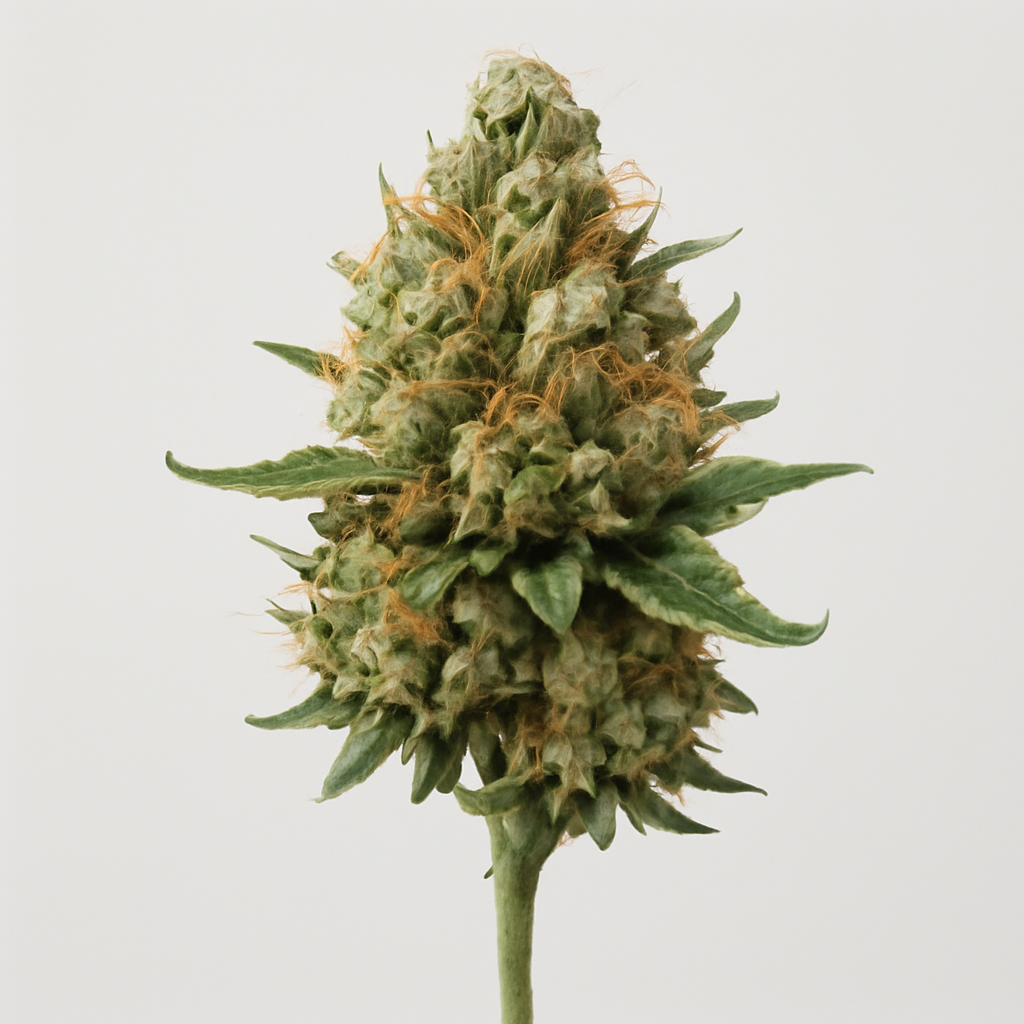
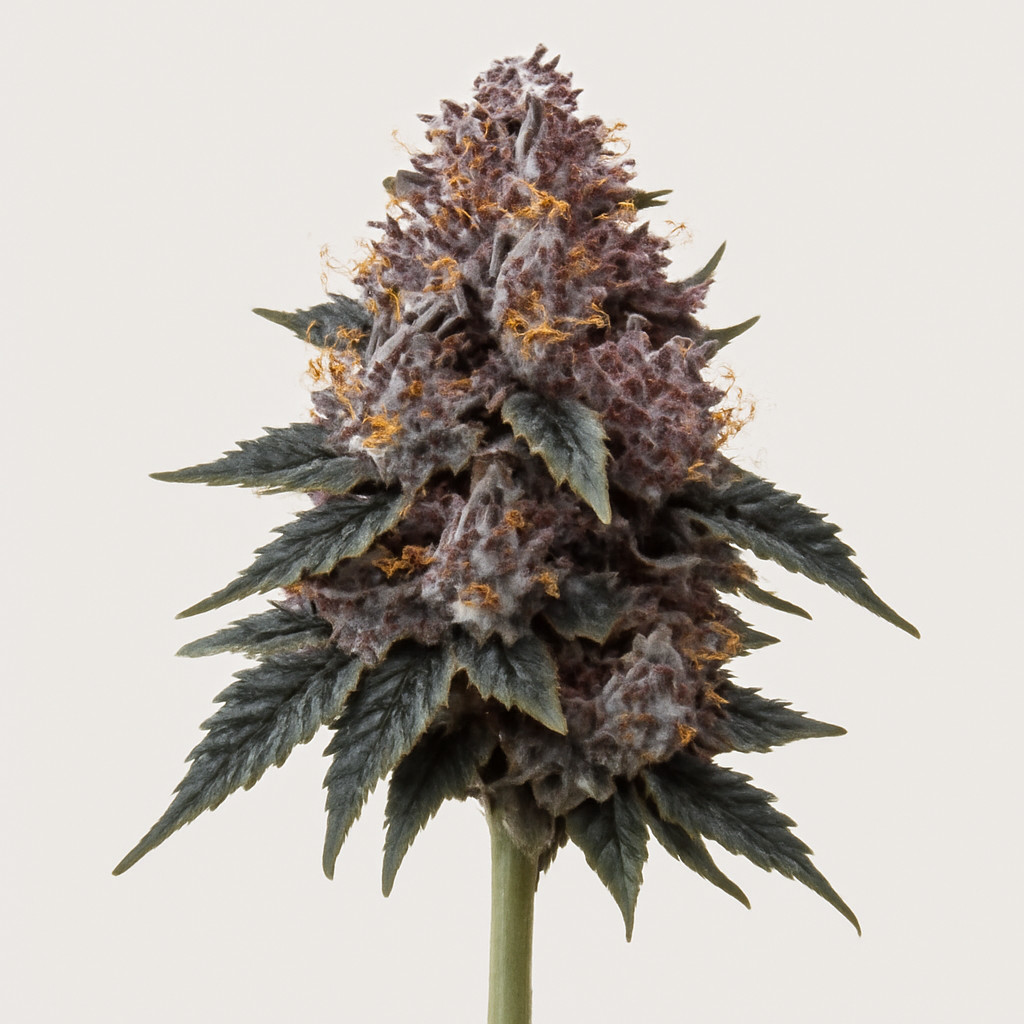
The buds are typically dense and rounded, with a tight structure that reflects the strain’s indica-leaning growth habit. Late in bloom, many phenotypes develop lavender, plum, or deep green tones beneath a strong layer of crystal trichomes.
Orange pistils often stand out sharply against the darker background, while the calyxes can swell into chunky, resin-forward clusters. Some plants lean heavily purple, while others show only limited coloration, which is part of the strain’s appeal in legacy gardens and phenotype-driven selections.
Effects & Use-Cases (Reported)
- Commonly reported effects: calm, physical ease, gentle euphoria, evening relaxation, and a slower mental tempo.
- Use-case context: often chosen for low-key nighttime sessions, post-work downtime, or quiet settings where a heavy, unfussy indica profile is preferred.
- Body character: users frequently describe a weighted, warming sensation that settles in gradually rather than hitting abruptly.
- Note: These observations are anecdotal and do not constitute medical claims.
Observational Note: Mendocino Purps tends to appeal to people who want flavor and finish as much as intensity. The experience is usually described as smooth, steady, and more reflective than racy, with less emphasis on sharp cerebral lift than many modern dessert hybrids.
Potency Note: THC levels can land in a strong but not extreme range, though the effect may still feel substantial because of the strain’s relaxing terpene profile and classic indica character. As with many legacy cultivars, phenotype and cure quality can noticeably influence the final impression.
Aroma & Flavor Profile
- Aroma: ripe berry, grape skin, damp earth, floral sweetness, and a touch of spice.
- Flavor: dark fruit, grape candy, herbal earth, soft sweetness, and peppery undertones.
- Aftertaste: lingering berry sweetness with a dry, slightly woody finish.
- Terpene associations: commonly aligned with Myrcene, Caryophyllene, and Limonene.
If you are searching for a grape-heavy purple strain with earthy depth rather than sugary novelty, Mendocino Purps fits that lane cleanly. The aroma is richer and less confectionary than many modern dessert cultivars, making it a strong reference point for users looking up old-school purple cannabis flavor, berry terpene expression, or Northern California heritage strains.
Tested Cannabinoid & Terpene Ranges
| Compound | Typical Range* | Notes |
|---|---|---|
| Δ⁹-THC | ~18–24% | Often tests in a solid potency band without drifting into ultra-high modern peaks. |
| CBD | <0.5% | Usually minimal, as expected for a THC-forward recreational cultivar. |
| Myrcene | ~0.20–0.60% | Frequently linked with the strain’s earthy, musky base and relaxed finish. |
| Caryophyllene | ~0.10–0.35% | Can contribute a peppery edge and a slightly dry spice note. |
| Limonene | ~0.05–0.25% | May brighten the fruit profile and add a lighter citrus lift. |
*Ranges are estimates and may vary by phenotype, harvest timing, and testing methods.
Cultivation Notes
- Light Cycle: 18/6 in vegetative growth; 12/12 to flower indoors
- Humidity: Moderate early, then lower humidity in late flower to protect dense buds
- Stretch: Usually moderate, with a fairly controlled vertical response
- Training: Responds well to topping, light low-stress training, and canopy leveling
- Odor Control: Recommended during mid- to late flower because the fruit-earth aroma becomes pronounced
- Harvest Window: Approximately 8–9 weeks indoors
Mendocino Purps rewards growers who can keep temperatures stable and avoid excess moisture near finish. Cooler nighttime conditions may encourage deeper color expression, but extreme cold is not necessary and can reduce vigor if pushed too far. The flower density makes airflow and preventative mold management worth planning from the start.
Grower Notes (Week-by-Week Snapshot)
- Weeks 1–3: Vegetative growth is usually compact and orderly, with sturdy branching that can be shaped early.
- Weeks 4–5: Flower sites begin stacking and the aroma starts shifting toward berry, earth, and mild spice.
- Weeks 6–8: Resin production becomes more visible, pistils darken, and purple tones may emerge under cooler nights.
- Weeks 9–10: Final ripening focuses on density, trichome maturity, and preservation of the strain’s fruit-driven finish.
Genetic Lineage
Mendocino Purps is tied to the broader California purple lineage, which is often associated with old Afghani-influenced stock and regional selections from Mendocino County. Those parent influences are generally thought to contribute the strain’s compact bud formation, resin production, and deep, resinous body effect.
What makes the lineage interesting is not a single standardized pedigree, but the way different cuts preserved a recognizable sensory fingerprint across time. That fingerprint includes dark fruit aroma, earthy sweetness, and a tendency toward purple pigmentation when the environment supports it, even if the exact parent naming is not always consistent in documentation.
Research Insights
Mendocino Purps matters in the modern market because it remains a reference strain for purple flower with substance, not just color. In search behavior and menu language, it often sits at the intersection of heritage cannabis, grape-terpene profiles, and legacy West Coast genetics, which keeps it relevant to both collectors and everyday shoppers. For breeders, it also represents the kind of regional selection that helped define today’s interest in phenotype-specific expression.
Frequently Asked Questions
Is Mendocino Purps the same as Purple Urkle?
No, it is generally treated as a separate legacy purple line, although both belong to the broader category of colorful California strains with berry and grape notes.
What does Mendocino Purps taste like?
It is often described as dark fruit forward, with grape, berry, earthy herbs, and a subtle spicy finish that becomes clearer on the exhale.
How long does Mendocino Purps take to flower?
Most descriptions place it at approximately 8–9 weeks indoors, though phenotype and growing conditions can shift the finish slightly.
Does Mendocino Purps always turn purple?
No. Purple expression is phenotype- and environment-dependent, and cooler nighttime temperatures tend to help bring out the deeper violet tones.
Is Mendocino Purps more relaxing or energizing?
It is generally reported as relaxing and evening-oriented, with a calm, body-forward character rather than a bright, stimulating effect profile.
Educational Disclaimer: This page is provided strictly for scientific and horticultural reference. Cannabis cultivation, possession, and use are regulated by local laws. This content does not promote illegal activity or constitute medical advice. Always comply with applicable regulations in your jurisdiction.
Rate and review this strain
Ratings and reviews are accepted only from signed-in Google accounts.
Sign in with Google to leave a rating and written review.
Latest Reviews
0 reviewsNo reviews yet. Be the first Google user to rate and review this strain.