Cheese (Cannabis Strain) — Strainpedia
Cheese, often referred to as U.K. Cheese or Exodus Cheese, is an indica-leaning hybrid cannabis cultivar that originated in the United Kingdom as a phenotype of Skunk #1. It became widely recognized for its intensely pungent, savory aroma often compared to aged cheese, along with strong resin production and reliable flowering performance.
The cultivar gained prominence in the U.K. during the late 1980s and 1990s and later spread internationally through clone circulation and breeding programs. Today, Cheese remains one of the most influential Skunk-derived cultivars, forming the genetic foundation for numerous modern hybrids. The information below is provided strictly for scientific and horticultural reference.
Quick Facts
| Genetics | Skunk #1 phenotype (U.K. selection) |
|---|---|
| Variety | Indica-Leaning Hybrid |
| Flowering Time | Approximately 7–9 weeks indoors |
| Yield Potential | Moderate to high, depending on phenotype and environment |
| Plant Height | Medium, with moderate branching and controlled stretch |
| Climate Preference | Mild to warm climates with stable airflow and consistent light |
| Difficulty | Beginner to Intermediate |
Strain Classification
| Type | Indica-Leaning Hybrid |
|---|---|
| Genetic Family | Skunk #1 / Cheese Lineage |
| Primary Terpenes | Commonly associated with Myrcene, Caryophyllene, and Humulene* |
| Breeding Lineage | Selected Skunk #1 phenotype (U.K. origin) |
*Exact terpene dominance can vary by phenotype, cultivation conditions, harvest timing, and laboratory analysis.
Scientific & Botanical Overview
Cheese is considered one of the most distinctive phenotype selections to emerge from the Skunk #1 genetic pool. Unlike sweeter or more citrus-forward Skunk expressions, Cheese emphasizes savory, musky, and deeply pungent aromatic compounds, making it one of the most recognizable scent profiles in cannabis cultivation.
Plants are typically compact to moderately branching, with dependable flowering behavior and consistent resin production. These traits contributed to Cheese becoming a staple cultivar among growers seeking reliability, strong aroma, and a balanced hybrid structure suitable for indoor and outdoor cultivation alike.
Appearance
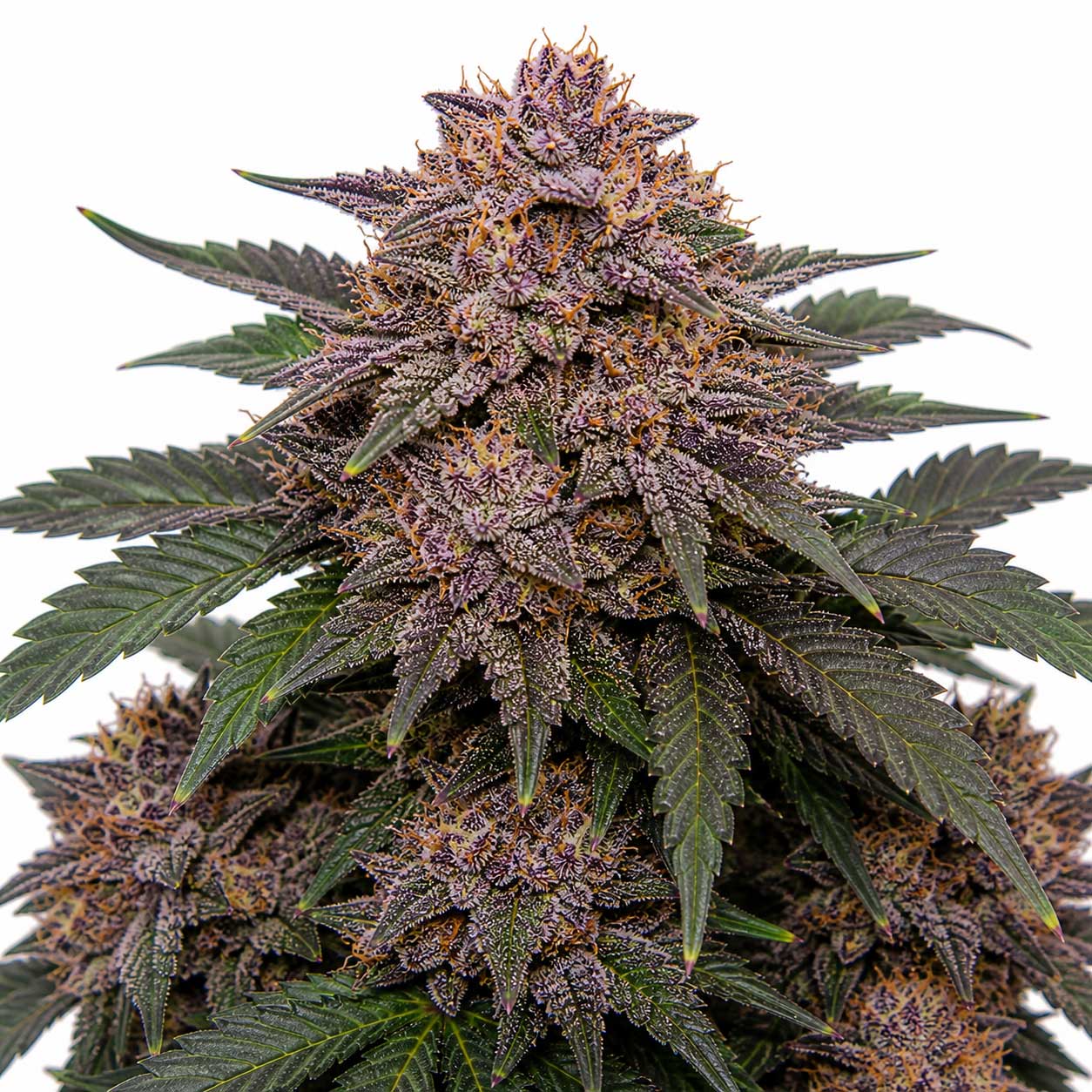
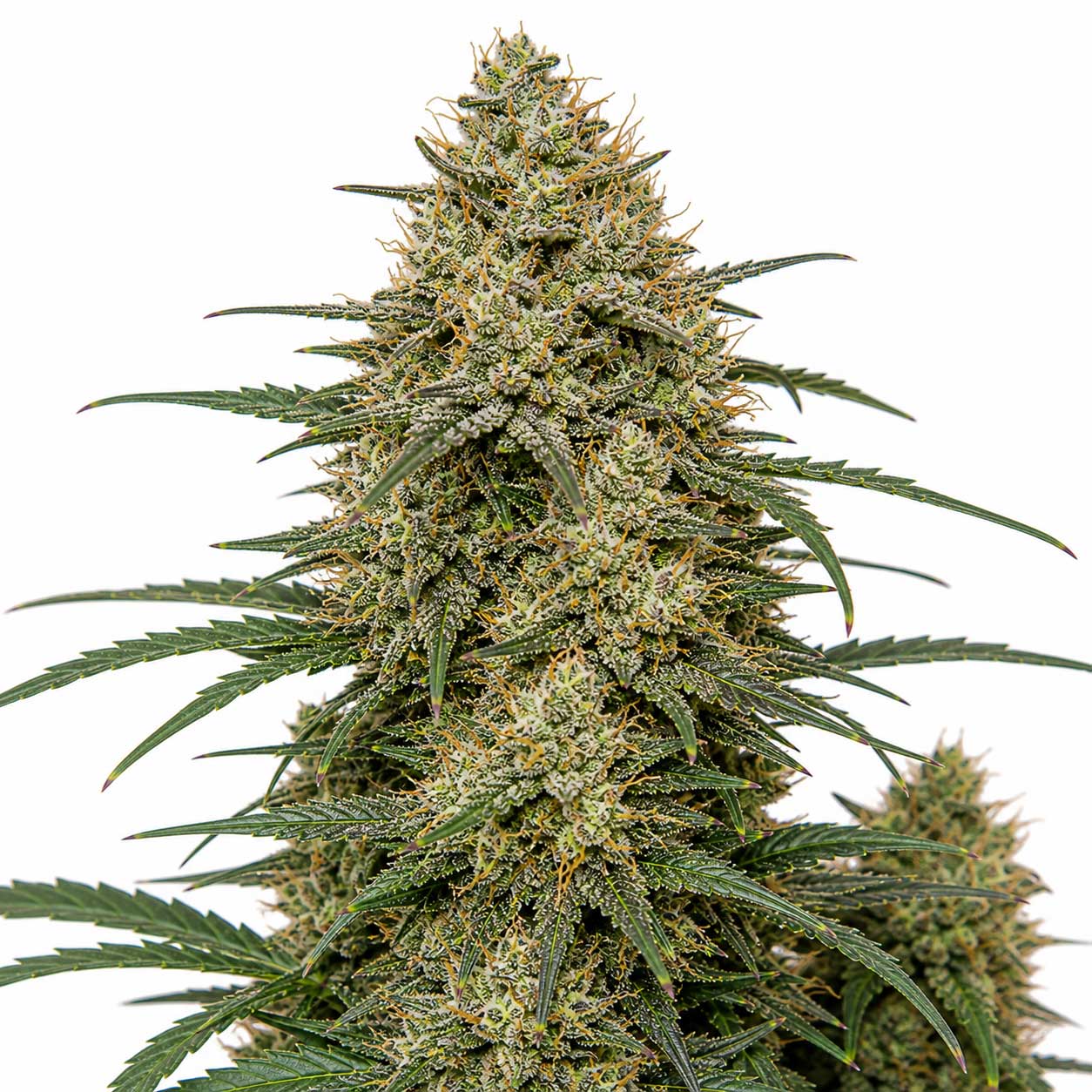
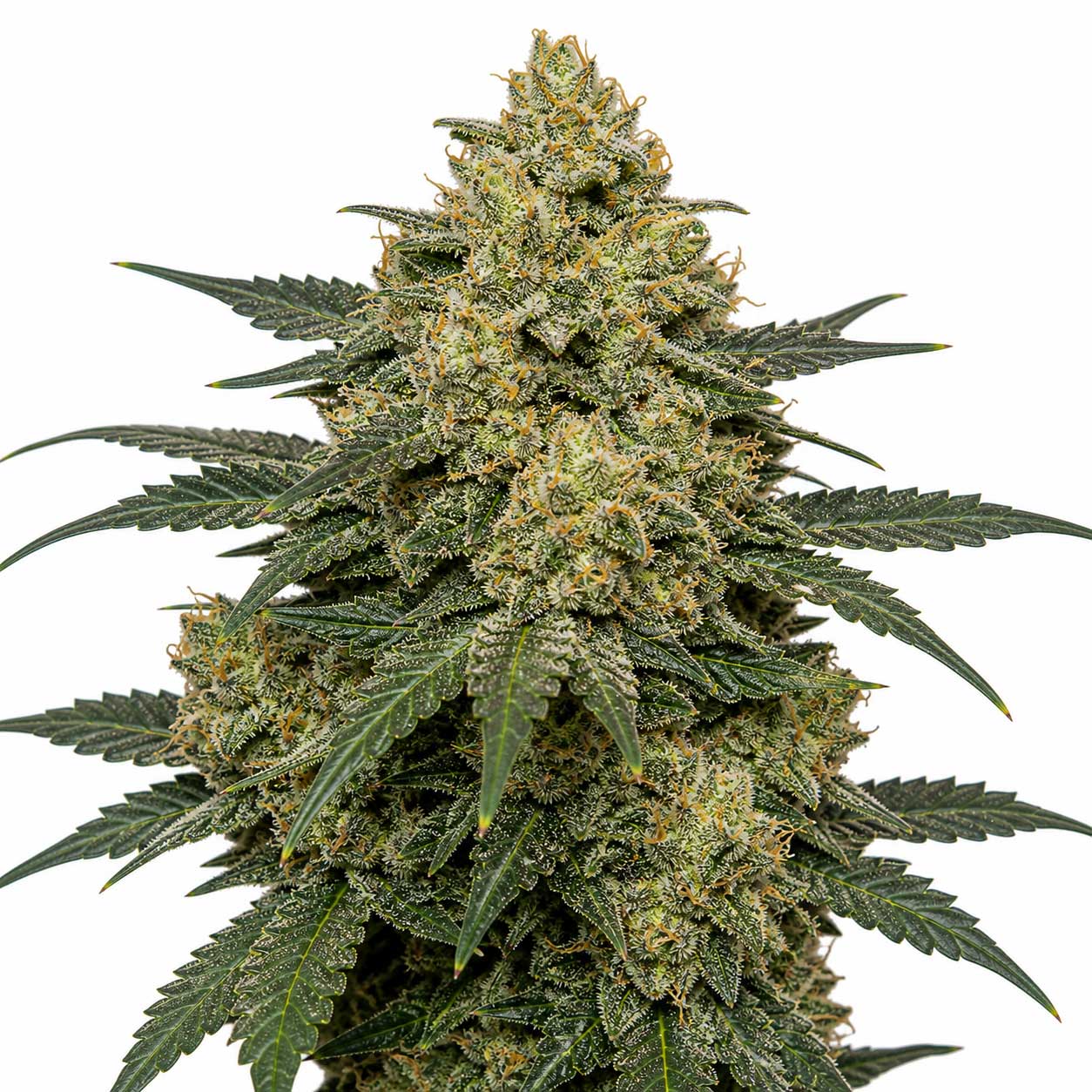
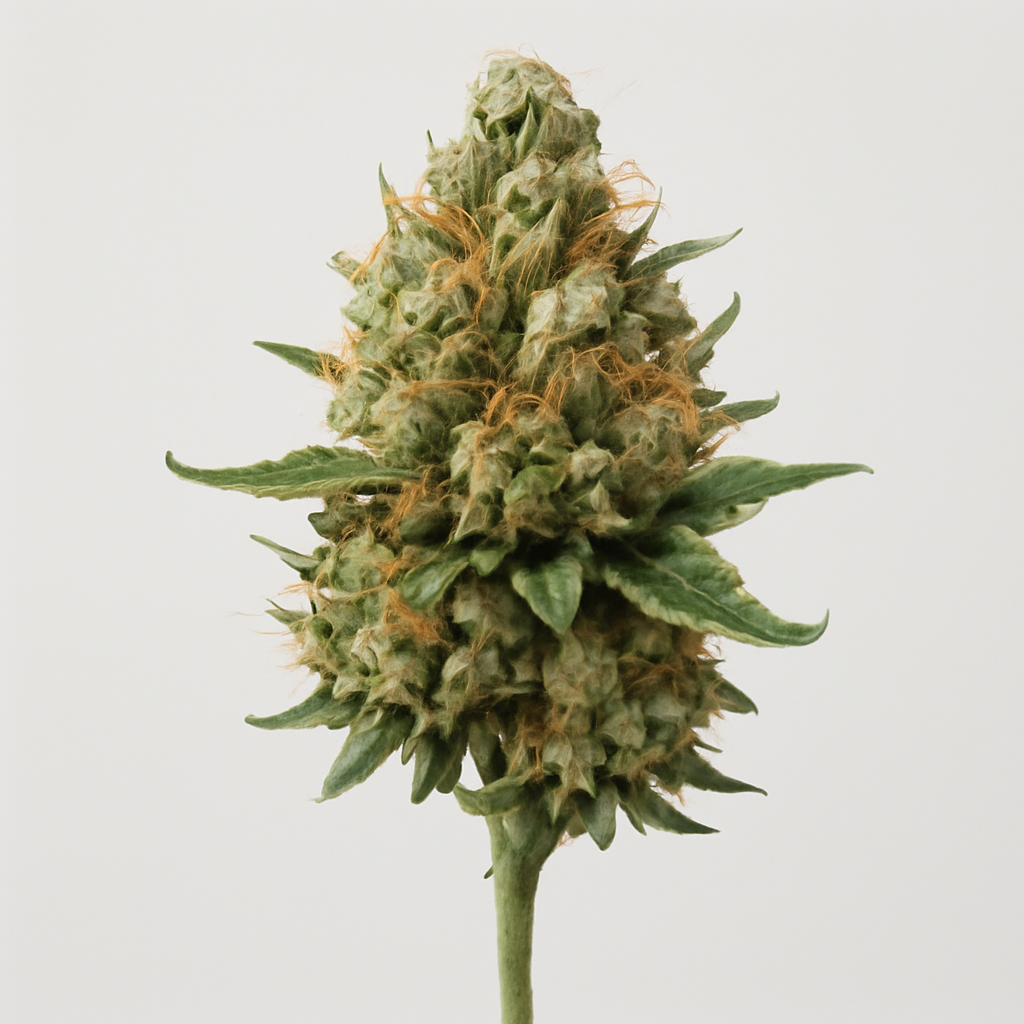
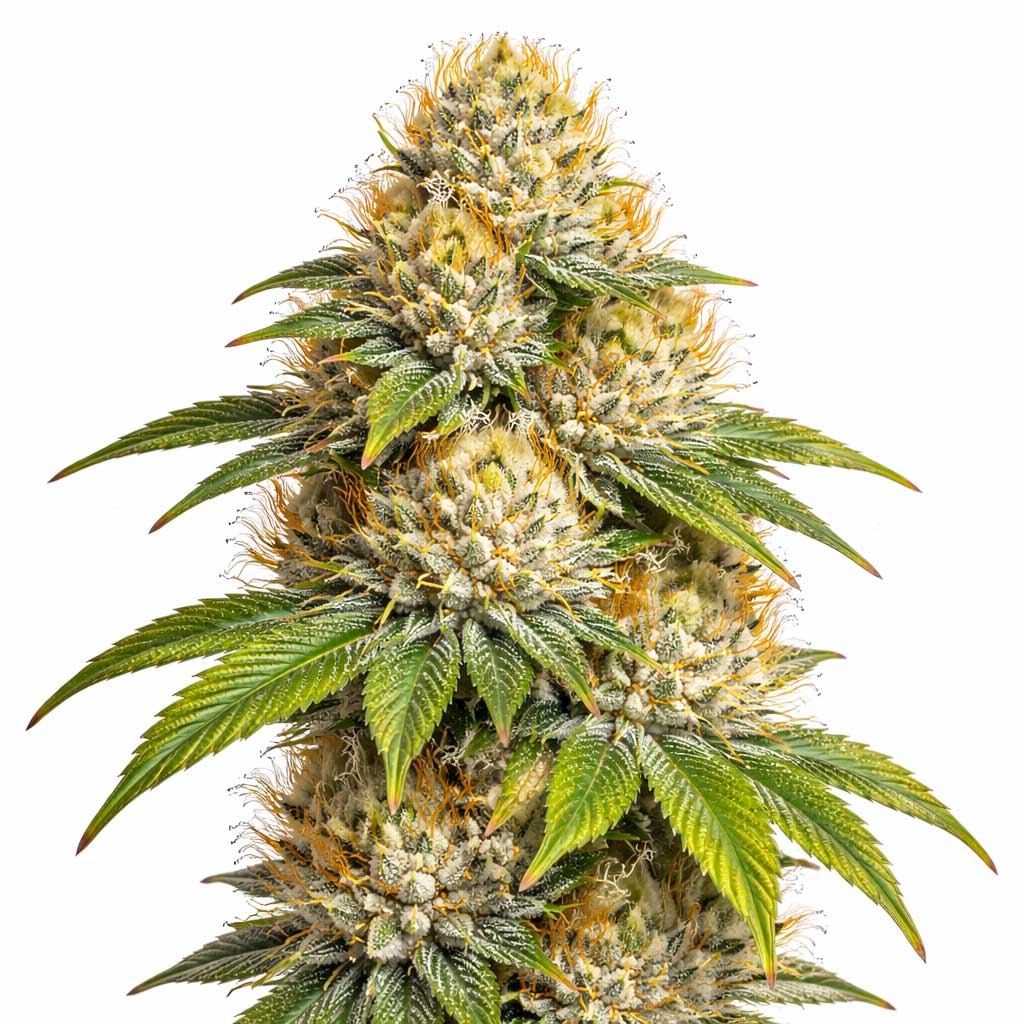
Cheese flowers are generally dense, resin-coated, and medium green in coloration, often accented by bright orange pistils and a frosted trichome layer. Bud structure is usually compact and rounded, reflecting its Skunk lineage, with sticky resin production that becomes more pronounced in late flowering stages.
Effects & Use-Cases (Reported)
- Commonly reported effects: relaxed body sensation, mild mental uplift, and a steady, balanced hybrid experience.
- Use-case context: often associated with evening use or relaxed social environments where a calm, grounded experience is preferred.
- Note: These observations are anecdotal and do not constitute medical or therapeutic claims.
Observational Note: Cheese is frequently described as providing a more mellow and grounded experience compared with highly stimulating sativa-dominant cultivars.
Potency Note: While not always positioned as the highest-THC strain, Cheese can still deliver noticeable effects depending on phenotype and cultivation quality. A measured approach is recommended for lower-tolerance users.
Aroma & Flavor Profile
- Aroma: pungent cheese, musky skunk, earth, and subtle sweetness.
- Flavor: savory cheese with earthy depth, mild tanginess, and a lingering skunky finish.
- Terpene associations: commonly aligned with Myrcene, Caryophyllene, and Humulene, though variation is expected across phenotypes.
Tested Cannabinoid & Terpene Ranges
| Compound | Typical Range* | Notes |
|---|---|---|
| Δ⁹-THC | ~15–22% | Potency varies depending on phenotype, cultivation inputs, and testing methodology. |
| CBD | ~0.1–0.5% | Typically present in comparatively low concentrations. |
| Myrcene | ~0.3–0.9% | Often contributes musky depth and supports the strain’s heavier aromatic profile. |
| Caryophyllene | ~0.2–0.6% | May add spice and structural sharpness beneath the savory notes. |
| Humulene | ~0.1–0.5% | Associated with earthy and slightly woody undertones. |
*Ranges are literature-informed estimates and may differ depending on phenotype selection, cultivation practices, curing conditions, storage, and laboratory methodology.
Cultivation Notes
- Light Cycle: 18/6 during vegetative growth and 12/12 during flowering.
- Humidity Targets: ~50–60% in vegetative growth and 40–45% in flowering.
- Nutrition: Balanced feeding with bloom-stage support is commonly sufficient due to the cultivar’s stable growth behavior.
- Training Techniques: Topping, low-stress training, and canopy management may help maximize yield and airflow.
- Odor Consideration: Extremely strong aroma makes carbon filtration highly recommended for indoor cultivation.
- Harvest Window: Typically around 7–9 weeks indoors, depending on phenotype and environmental conditions.
Grower Notes (Week-by-Week Snapshot)
- Weeks 1–3: Vegetative growth establishes a compact structure with steady branching.
- Weeks 4–5: Transition into flowering begins with early bud site formation and noticeable aroma development.
- Weeks 6–7: Bud density increases and the signature cheese aroma intensifies significantly.
- Weeks 8–9: Final maturation, resin buildup, and terpene refinement before harvest timing decisions.
Genetic Lineage
Cheese is not a traditional cross between two distinct named strains but rather a selected phenotype of Skunk #1 that was preserved and propagated in the United Kingdom. Its unique aromatic profile set it apart from other Skunk expressions, leading to widespread popularity and the development of numerous Cheese-based hybrids such as Blue Cheese and Exodus Cheese crosses.
Research Insights
Cheese is often cited as a key example of how phenotype selection can dramatically influence the sensory identity of a cannabis cultivar. Within cannabis research discussions, it highlights how a single standout phenotype can evolve into a globally recognized strain category, particularly when its terpene profile is highly distinctive and consistently expressed.
Frequently Asked Questions
What is Cheese derived from?
Cheese is a phenotype of Skunk #1 originally selected in the United Kingdom.
Is Cheese indica or sativa?
Cheese is generally classified as an indica-leaning hybrid.
Why is it called Cheese?
The name comes from its strong, savory aroma resembling aged cheese, which distinguishes it from sweeter strains.
How long does Cheese take to flower?
Most references place indoor flowering at approximately 7–9 weeks.
Educational Disclaimer: This page is provided strictly for scientific and horticultural reference. Cannabis cultivation, possession, and use are regulated by local laws. This content does not promote illegal activity or constitute medical advice. Always comply with applicable regulations in your jurisdiction.
Rate and review this strain
Ratings and reviews are accepted only from signed-in Google accounts.
Sign in with Google to leave a rating and written review.
Latest Reviews
0 reviewsNo reviews yet. Be the first Google user to rate and review this strain.