SFV OG (Cannabis Strain) — Strainpedia
SFV OG, also known as San Fernando Valley OG, is a sativa-dominant hybrid cannabis cultivar associated with Cali Connection and the broader OG Kush family. The cultivar originates from California’s San Fernando Valley and became well known for its lemon-pine fuel aroma, strong resin production, and OG-style effect profile that opens with head-heavy haziness before settling into deeper body relaxation.
Within modern cannabis lineage discussions, SFV OG is often treated as a foundational California OG expression that later contributed to multiple OG-family hybrids. It is especially recognized for delivering classic kush structure and pungency while finishing faster than many longer-blooming sativa-leaning lines. The information below is provided strictly for scientific and horticultural reference.
Quick Facts
| Genetics | OG Kush relative / San Fernando Valley OG line |
|---|---|
| Variety | Sativa-Dominant Hybrid |
| Flowering Time | Approximately 8–9 weeks indoors |
| Yield Potential | Moderate to large, depending on phenotype, environment, and canopy management |
| Plant Height | Medium to tall with OG-style stretch during transition |
| Climate Preference | Warm, dry, stable conditions with strong airflow and consistent light intensity |
| Difficulty | Intermediate |
Strain Classification
| Type | Sativa-Dominant Hybrid |
|---|---|
| Genetic Family | OG Kush / California Kush Lineage |
| Primary Terpenes | Commonly associated with Limonene, Myrcene, and Caryophyllene or Pinene* |
| Breeding Lineage | San Fernando Valley OG line from the OG Kush family |
*Exact terpene dominance can vary by phenotype, cultivation style, harvest timing, and laboratory analysis.
Scientific & Botanical Overview
SFV OG is part of the influential California OG Kush lineage, a family of cultivars that shaped modern West Coast cannabis breeding. Its aromatic identity is usually described through a combination of bright lemon peel, pine, earth, and fuel-like sharpness, while its flower structure tends to follow the classic OG pattern of dense, resin-heavy buds with strong visual frost during maturity.
Plants typically show vigorous transition stretch, sturdy branch development, and a flowering cycle that is often considered efficient for an OG-type cultivar. Because SFV OG became a recognizable parent line in later breeding projects, it is frequently referenced as an important cultivar in discussions of California kush genetics and early OG preservation.
Appearance
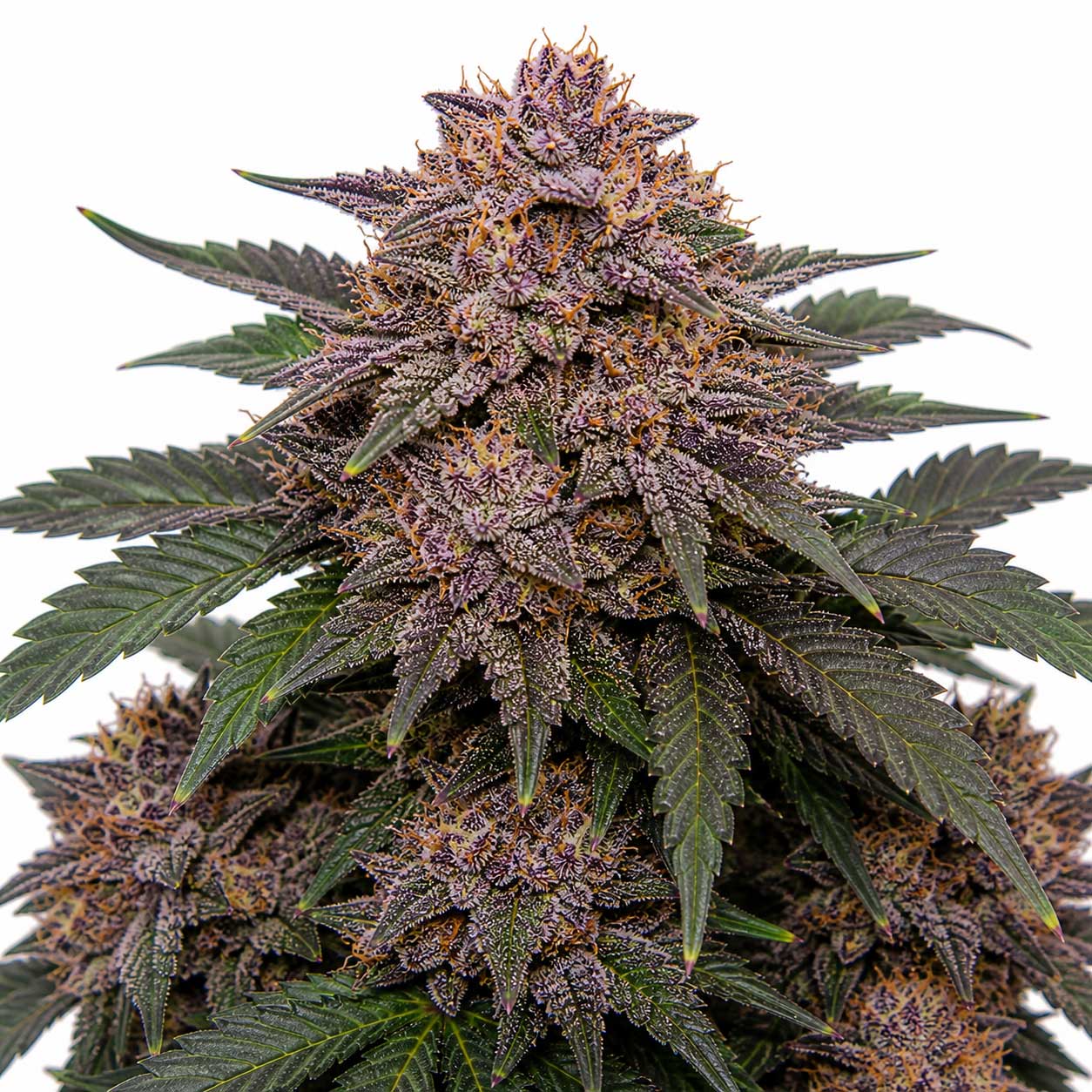
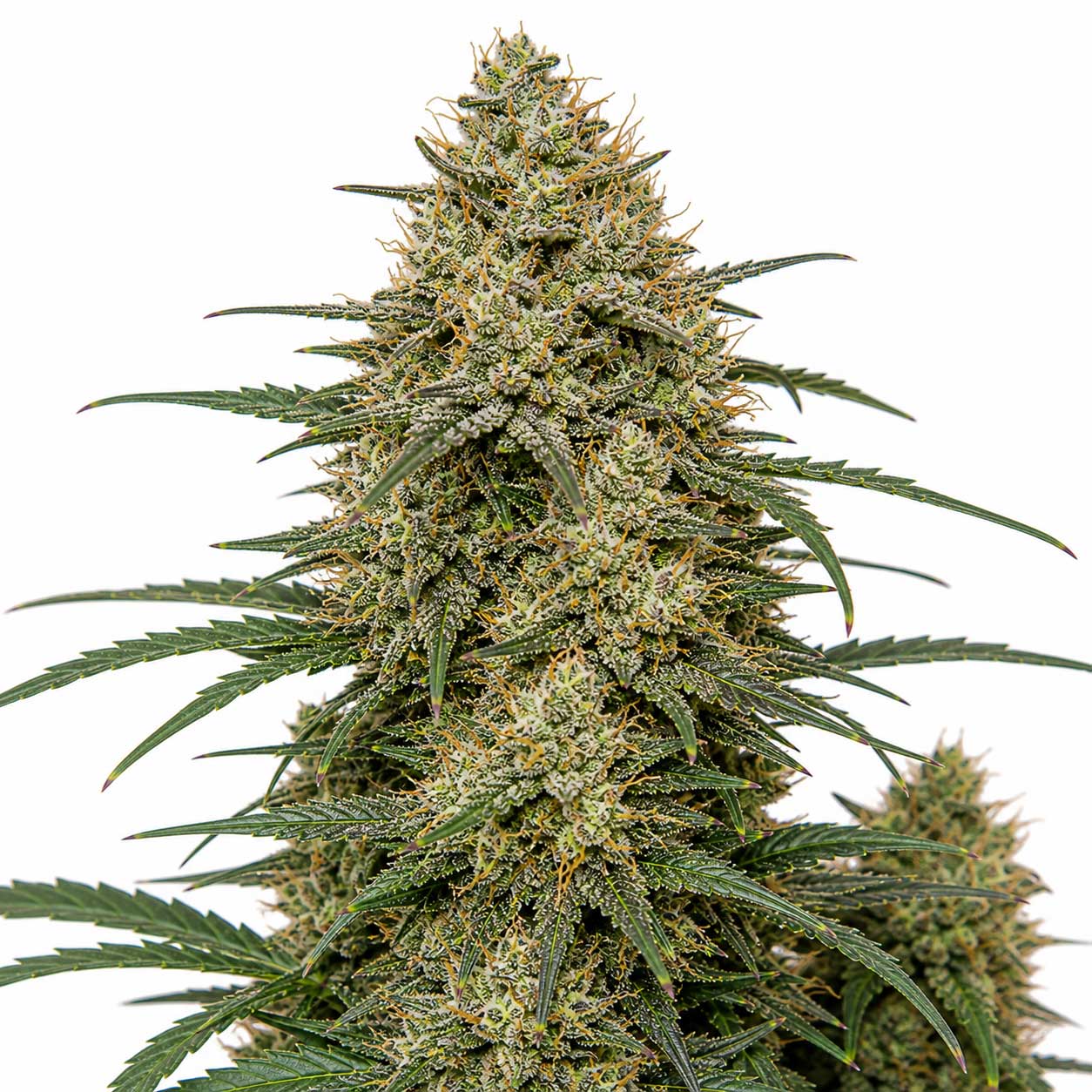
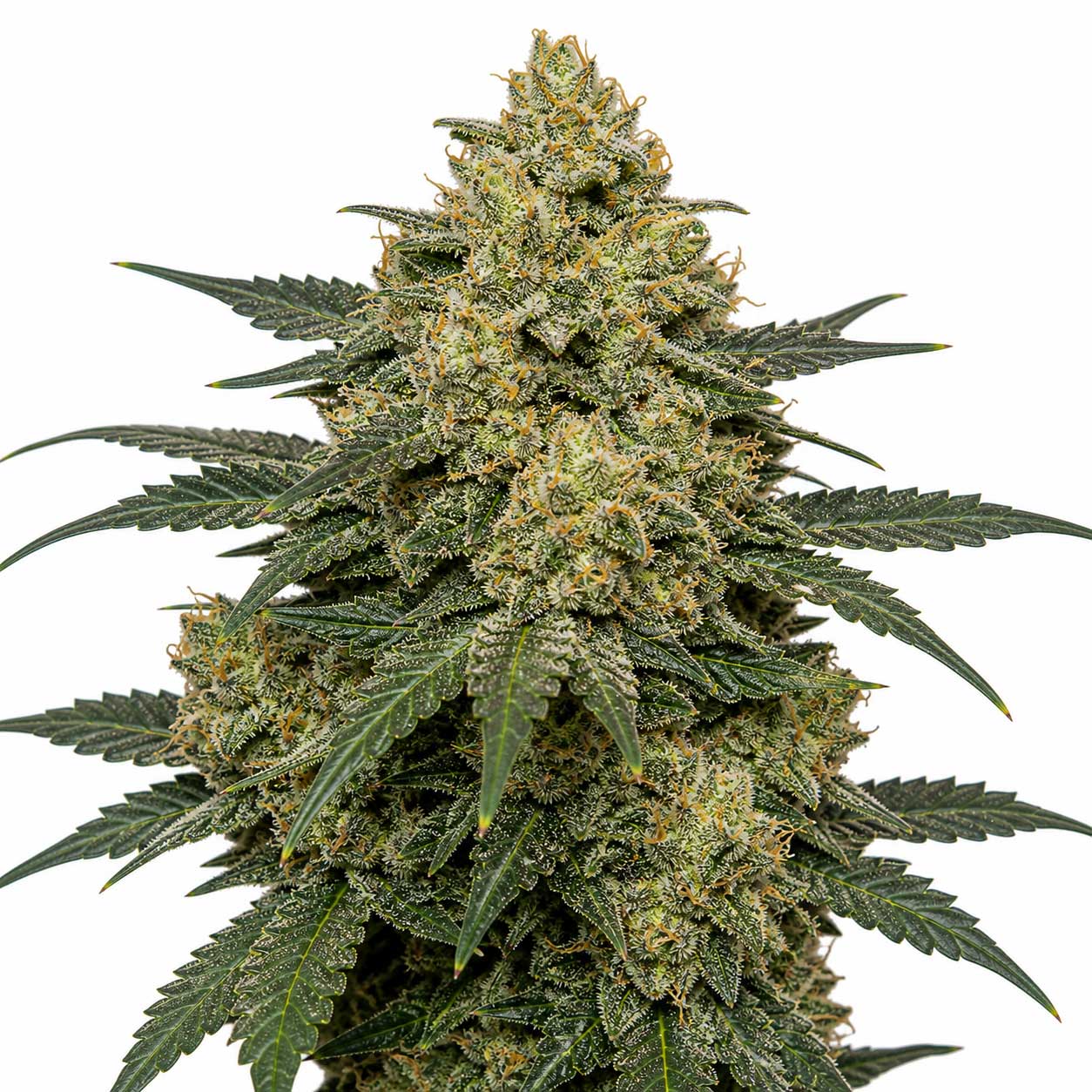
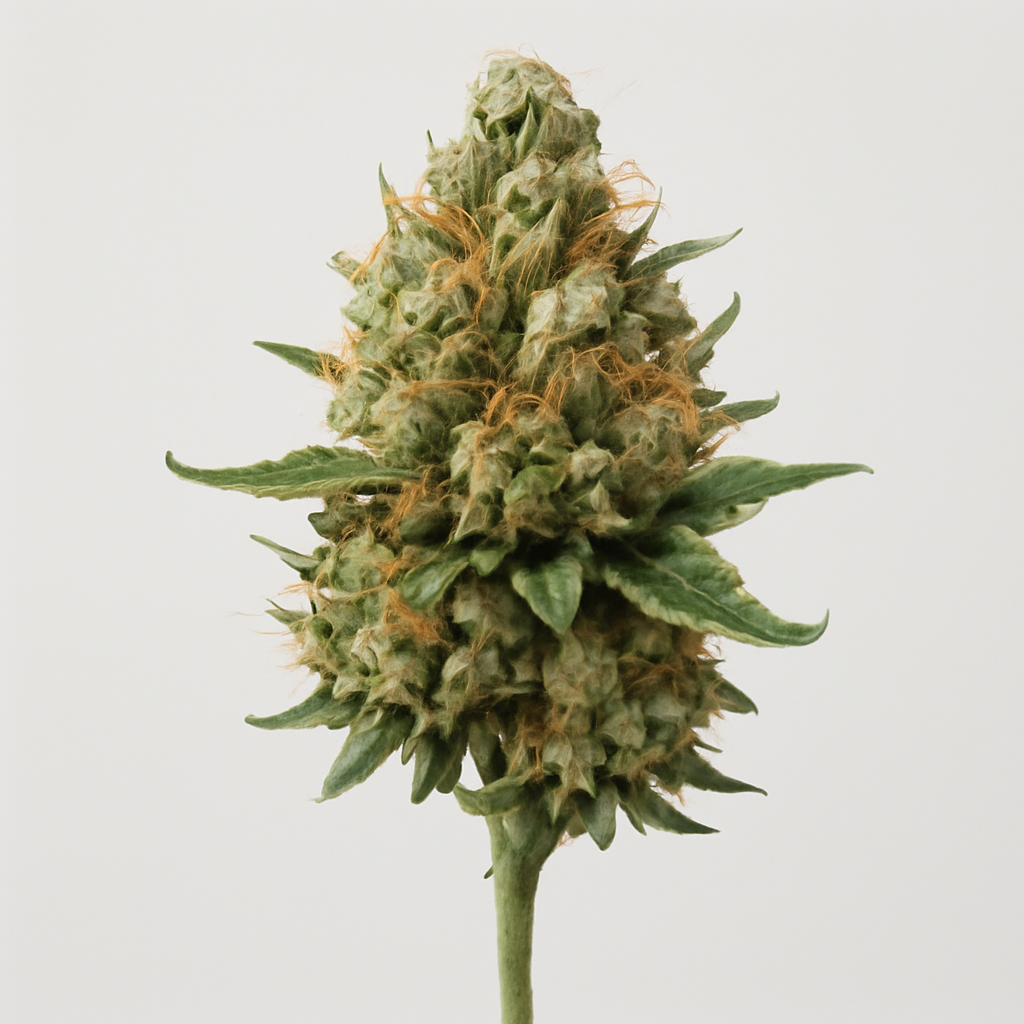
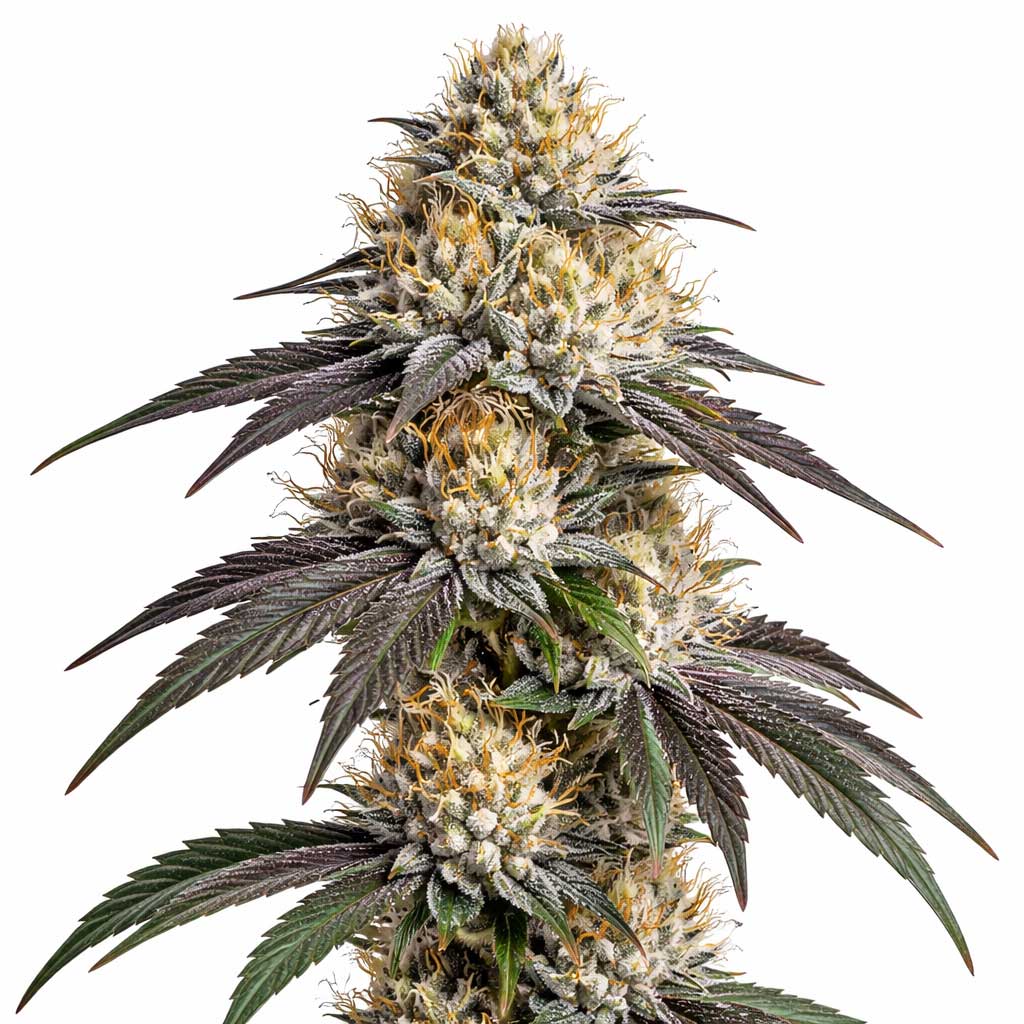
SFV OG flowers are generally dense, resin-coated, and medium to light green in coloration, often accented by bright orange pistils and a heavy layer of glandular trichomes. Well-finished examples can appear especially frosted, with compact bud structure and sticky flower texture that reflect the cultivar’s reputation for strong resin development.
Effects & Use-Cases (Reported)
- Commonly reported effects: an initially hazy, head-forward onset followed by gradual physical relaxation.
- Use-case context: often selected for later daytime or evening use, especially by consumers seeking strong effects without immediate couch-lock.
- Note: These observations are anecdotal and do not constitute medical or therapeutic claims.
Observational Note: SFV OG is often described as beginning with noticeable mental pressure or haziness before its body effects become more prominent, which helps distinguish it from flatter or immediately sedating kush profiles.
Potency Note: As with many established OG lines, potency can feel substantial depending on phenotype and cultivation quality, so a measured approach may be appropriate for lower-tolerance users.
Aroma & Flavor Profile
- Aroma: lemon peel, pine, earth, fuel, and mild chemical-kush sharpness.
- Flavor: bright citrus over earthy pine and classic OG gas with a lingering herbal-fuel finish.
- Terpene associations: frequently aligned with Limonene, Myrcene, and Caryophyllene or Pinene, though exact lab outcomes vary across phenotypes and samples.
Tested Cannabinoid & Terpene Ranges
| Compound | Typical Range* | Notes |
|---|---|---|
| Δ⁹-THC | ~18–26% | Reported potency varies by phenotype, cultivation inputs, harvest maturity, and testing methodology. |
| CBD | ~0.1–0.5% | Typically present in comparatively low concentrations. |
| Limonene | ~0.2–0.8% | Often associated with the cultivar’s lemon-forward aromatic lift. |
| Myrcene | ~0.2–0.7% | May contribute earthy depth and part of the broader kush body. |
| Caryophyllene | ~0.1–0.6% | Can add peppery or spice-like structure beneath the citrus-pine profile. |
*Ranges are literature-informed estimates and may differ depending on phenotype selection, cultivation practices, curing conditions, storage, and laboratory methodology.
Cultivation Notes
- Light Cycle: 18/6 during vegetative growth and 12/12 during flowering.
- Humidity Targets: ~50–60% in vegetative growth and 40–45% in flowering.
- Nutrition: Balanced feeding with bloom-stage phosphorus and potassium support is commonly preferred.
- Training Techniques: Topping, low-stress training, pruning, and canopy control may help manage OG stretch and improve light penetration.
- Odor Consideration: Strong lemon-pine kush aroma usually makes carbon filtration advisable for indoor setups.
- Harvest Window: Typically around 8–9 weeks indoors, with outdoor harvests generally falling in late September to early October in suitable climates.
Grower Notes (Week-by-Week Snapshot)
- Weeks 1–3: Vegetative growth establishes branching and canopy shape; early training can help manage later stretch.
- Weeks 4–5: Transition becomes more vigorous, with noticeable vertical movement and early floral set.
- Weeks 6–7: Bud density increases, resin production intensifies, and the lemon-pine profile becomes more defined.
- Weeks 8–9: Final ripening, terpene refinement, and trichome maturity guide harvest timing decisions.
Genetic Lineage
SFV OG is generally treated as a notable OG Kush-family cultivar from California’s San Fernando Valley. It is also important in breeding history because SFV OG Kush is described by Cali Connection as the Afghani-crossed child to SFV OG, reinforcing SFV OG’s status as a parent line rather than merely a later derivative.
Research Insights
The sensory profile associated with SFV OG—especially the overlap of lemon-forward volatiles, earthy depth, pine character, and fuel-like sharpness—is often discussed in the context of terpene interaction models used to describe OG-family aroma. As with many cannabis cultivars, the scientific literature around terpene interaction remains incomplete and continues to evolve.
Frequently Asked Questions
Who is associated with SFV OG?
SFV OG is most commonly associated with Cali Connection and California OG lineage culture.
Is SFV OG indica or sativa?
SFV OG is generally described as a sativa-dominant hybrid.
What does SFV OG smell like?
The strain is commonly described as having a lemon, pine, earth, and fuel-like aroma.
How long does SFV OG take to flower?
Most references place indoor flowering at roughly 8–9 weeks, depending on phenotype and cultivation conditions.
Educational Disclaimer: This page is provided strictly for scientific and horticultural reference. Cannabis cultivation, possession, and use are regulated by local laws. This content does not promote illegal activity or constitute medical advice. Always comply with applicable regulations in your jurisdiction.
Rate and review this strain
Ratings and reviews are accepted only from signed-in Google accounts.
Sign in with Google to leave a rating and written review.
Latest Reviews
0 reviewsNo reviews yet. Be the first Google user to rate and review this strain.