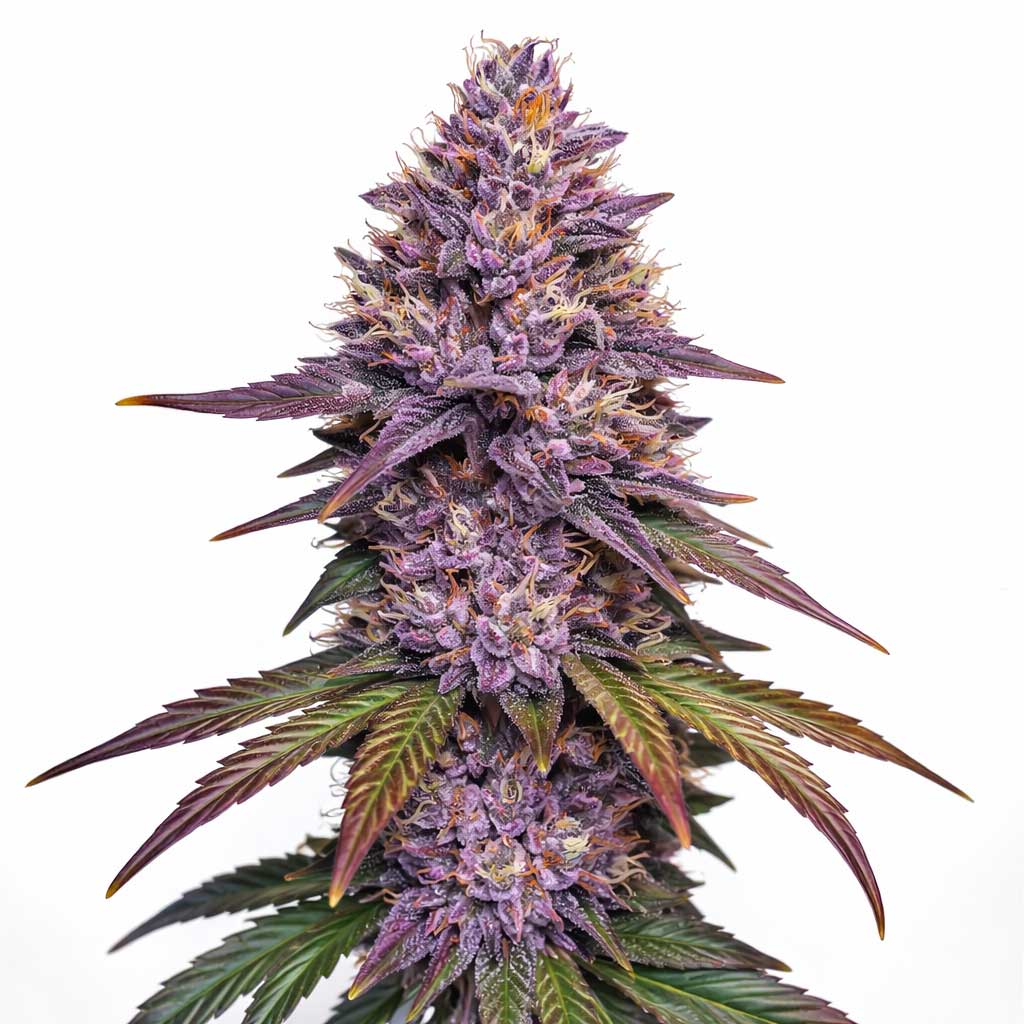
Charlotte’s Web (Cannabis Strain)
Charlotte’s Web is a landmark CBD-dominant cannabis cultivar bred by the Stanley Brothers of Colorado and widely recognized for its unusually high-CBD, very low-THC chemotype. It is commonly described as a sativa-leaning expression and is best known for helping define the public conversation around non-intoxicating cannabis and hemp-derived CBD products.
Unlike most modern flower cultivars built around tetrahydrocannabinol intensity, Charlotte’s Web became famous for its functional cannabinoid balance, often appearing around 12% CBD and about 1% THC in strain references, with some hemp-oriented selections bred to remain even lower in THC. The information below is provided strictly for scientific and botanical reference.
Quick Facts
| Feature | Details |
|---|---|
| Genetics | Proprietary high-CBD, low-THC cultivar developed by the Stanley Brothers |
| Variety | CBD-dominant sativa-leaning cultivar / hemp-type expression |
| CBD:THC Profile | Commonly CBD-forward; often referenced around 12% CBD and about 1% THC, with some hemp selections testing below 0.3% THC |
| Flowering Time | Approximately 11–12 weeks (about 80–85 days indoors) |
| Yield Class | Moderate; typically valued more for chemotype consistency than bulk output |
| Plant Structure | Tall, lankier sativa-leaning frame with open branching and lighter floral density than modern THC-heavy hybrids |
| Canopy Behavior | Moderate-to-wide internodal spacing; benefits from topping, branch control, and even canopy shaping |
| Climate Preference | Warm, dry, stable environments with strong airflow and careful humidity management during late flower |
| Grower Difficulty | Intermediate; manageable, but best results come from patient finishing and chemotype-focused harvest discipline |
Scientific & Botanical Overview
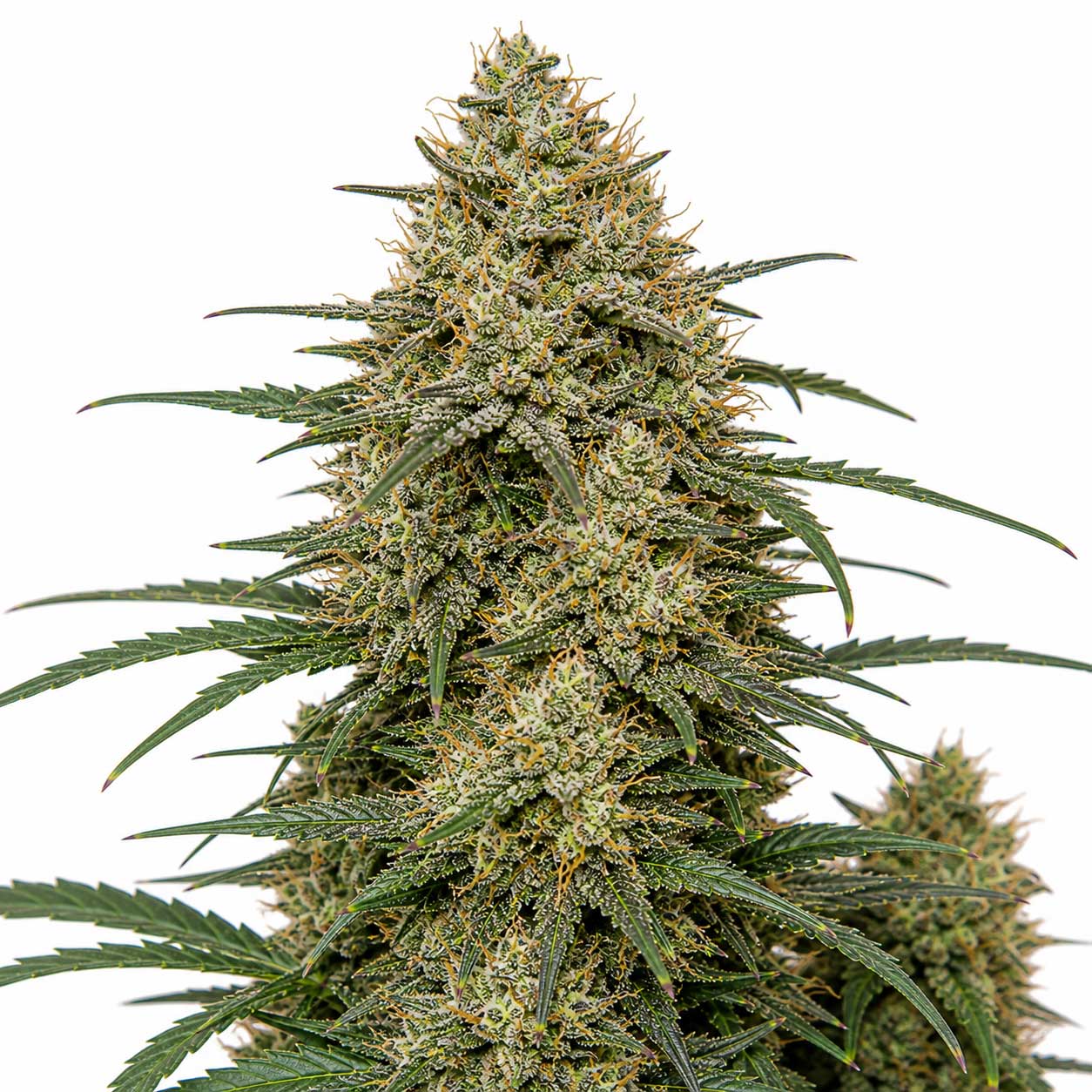
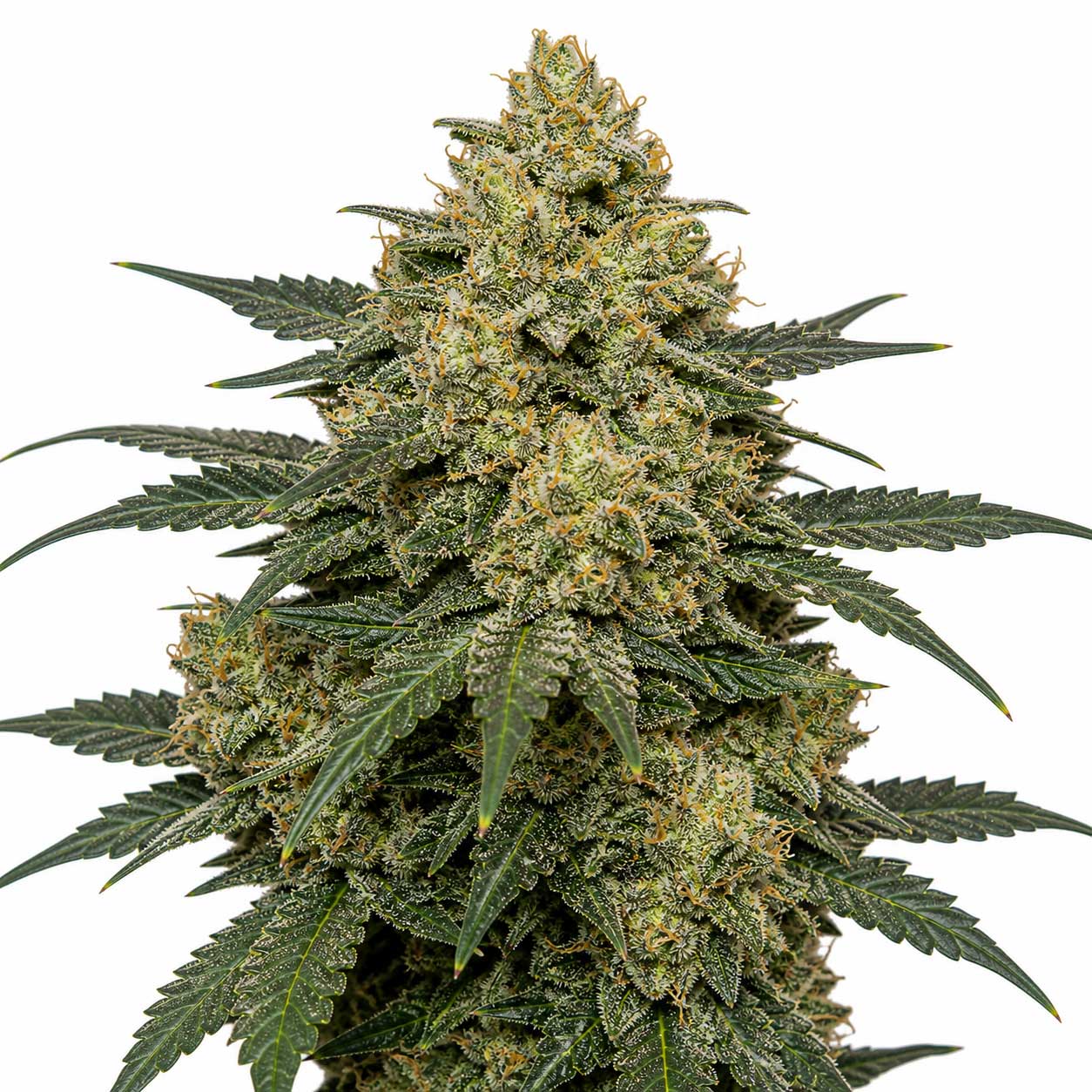
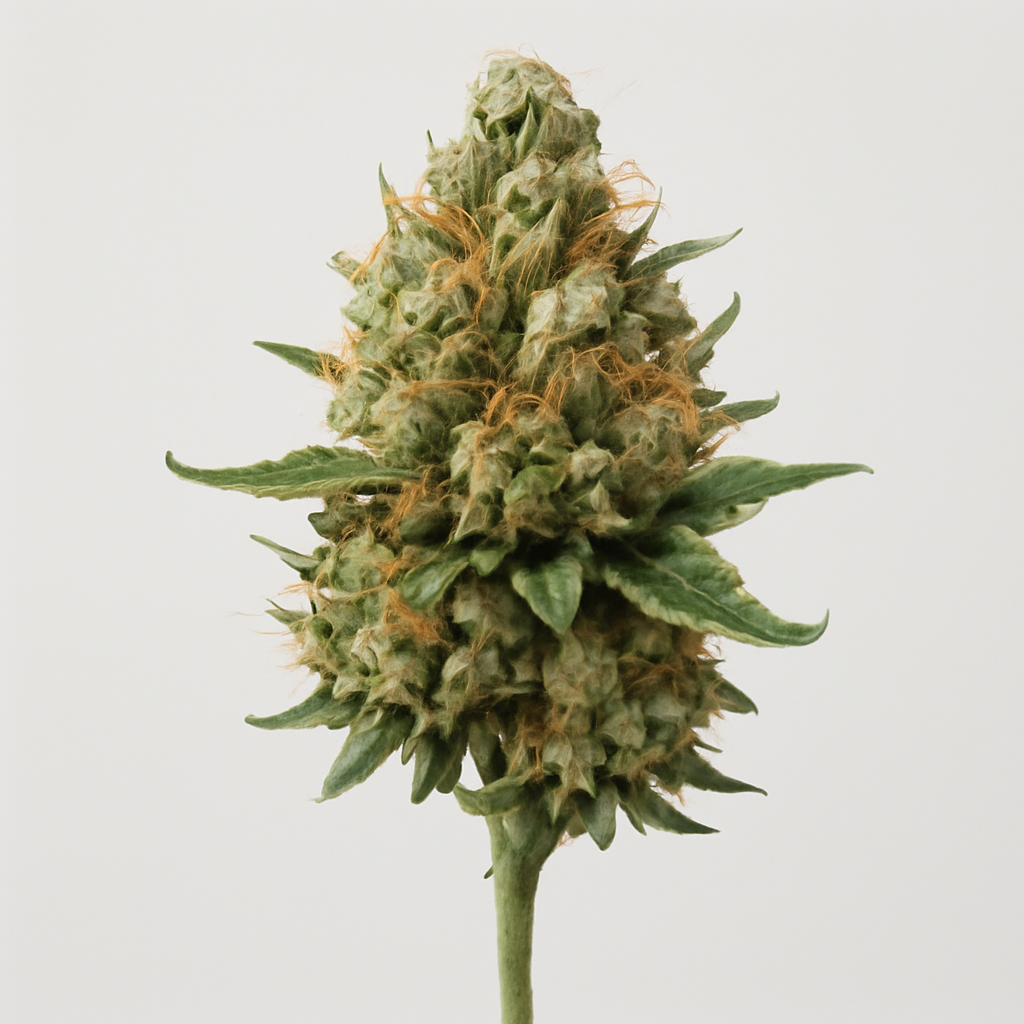
Charlotte’s Web typically expresses a more functional, field-practical morphology than a dense boutique dispensary structure. Plants often show a taller sativa-style frame, longer lateral reach, and a more open floral build that allows airflow to move more freely through the canopy. This less compact form can be useful in reducing moisture pressure, though it also means the cultivar is not usually judged by dense bag appeal alone.
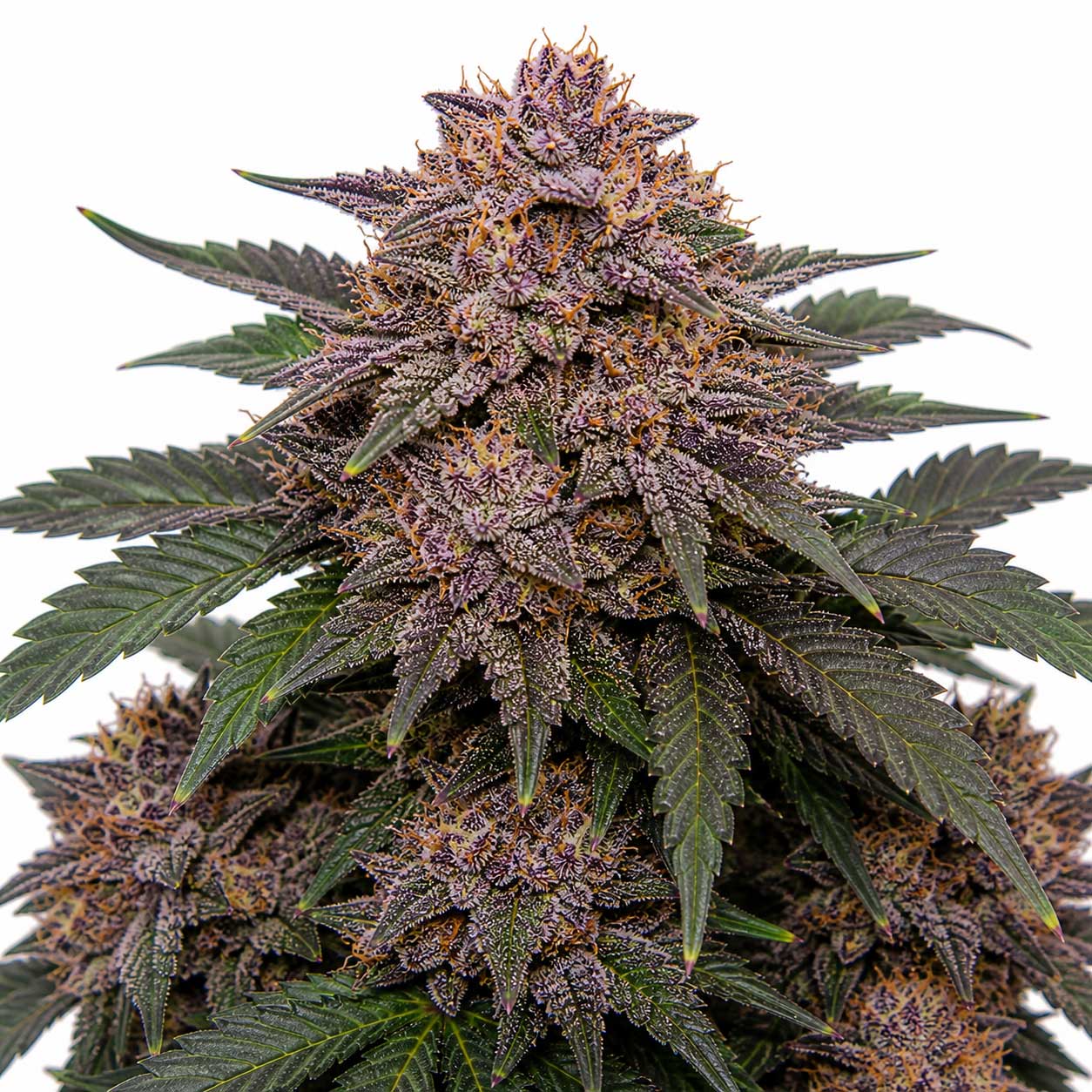
The flowers are generally light green to medium green, resinous but not excessively swollen, with a lighter, more hemp-leaning visual profile than most high-THC premium hybrids. Growers focused on cannabinoid targeting tend to value Charlotte’s Web for repeatable CBD expression and regulatory relevance rather than for dramatic color, extreme density, or maximal weight.
From a breeding and market standpoint, Charlotte’s Web is historically important because it helped prove that a cannabis cultivar could be commercially and culturally significant without relying on heavy intoxication. Its real value lies in chemotype identity, not raw psychoactive power.
Effects & Use-Cases (Reported)
Commonly reported effects: clear-headed calm, light physical ease, steadier daytime composure, and minimal intoxication compared with conventional THC-dominant flower.
Use-case context: Charlotte’s Web is often associated with daytime use, functional routines, conversation, light productivity, and situations where users want the ritual and aroma of cannabis with little to no strong psychoactive push. It is widely recognized as one of the most influential names in CBD-rich flower and hemp discussions.
Note: These observations are anecdotal reports and should not be interpreted as medical claims.
Aroma & Flavors
Aroma: Woody pine, floral-herbal notes, light earth, and a soft green sweetness.
Flavor: The inhale is commonly mild and plant-forward with pine and floral tones, while the exhale leans woody, herbal, and softly peppered.
Terpene associations: Myrcene, Pinene, and Caryophyllene.
Tested Cannabinoid & Terpene Ranges
| Compound | Typical Range* | Grower-Oriented Interpretation |
|---|---|---|
| CBD | Commonly around 10%–12%+ | Primary commercial value driver; consistency matters more than pushing biomass alone |
| Δ9-THC | Often around 1% or lower; some hemp selections below 0.3% | Low psychoactivity defines the cultivar’s identity and makes harvest precision especially important |
| Myrcene | Commonly dominant | Supports the soft herbal base and rounded, non-sharp aromatic finish |
| Pinene | Secondary | Adds the recognizable pine lift and cleaner daytime character |
| Caryophyllene | Secondary | Contributes mild woody-spice depth and structural balance to the profile |
*Values can vary by phenotype, cultivation environment, harvest timing, stabilization goals, and analytical method. Charlotte’s Web is best understood as a high-CBD, low-THC cultivar family rather than a single fixed-number potency flower.
Cultivation Notes
- Vegetative Vigor: Generally steady to moderately vigorous, with a taller sativa-style growth pattern and good branch extension.
- Light Cycle: 18/6 vegetative and 12/12 flowering.
- Humidity Targets: Around 60%–65% RH in early veg, 55%–60% in late veg, and 45%–50% in flower is a practical target range.
- Nutrition: Usually responds best to balanced feeding rather than heavy late-flower pushing. Overfeeding can muddy the softer terpene profile and reduce finishing quality.
- EC / Feeding Sensitivity: Moderate; many growers prefer a cleaner nutritional curve to protect cannabinoid balance and preserve a lighter aromatic finish.
- Training: Topping, LST, and trellis-guided canopy shaping are useful because of the cultivar’s taller frame and wider node spacing.
- Support Needs: Moderate; long branches may need support as tops mature, even if flowers remain lighter than dense THC-heavy hybrids.
- Mold / Moisture Risk: Usually lower than ultra-dense modern cultivars because of its airier flower structure, but airflow still matters in long flowering rooms.
- Finish Timing: Important for maintaining low THC and preserving the intended high-CBD profile; letting it run too long can work against chemotype goals.
- Harvest Window: Typically about 80–85 days indoors, depending on phenotype and target cannabinoid expression.
Grower Notes (Week-by-Week Snapshot)
- Weeks 1–2 (Establishment): Young plants typically root and establish with a cooperative frame, though early topping can help control later vertical movement.
- Weeks 3–4 (Structure Set): Branch extension becomes more obvious, and this is often the best stage to flatten the canopy and improve light distribution.
- Weeks 5–7 (Stretch & Early Flower): Plants continue expressing a taller, more open build while early floral sites begin to define.
- Weeks 8–9 (Cannabinoid Build): Resin develops more clearly and the pine-herbal profile becomes more recognizable, with chemotype preservation starting to matter more than pushing feed strength.
- Weeks 10–12 (Finish Window): Final maturation requires patience and environmental stability. Growers targeting low-THC outcomes often monitor finish timing carefully rather than chasing extra mass.
- Post-Harvest: A controlled dry and patient cure help preserve the cultivar’s softer woody-floral character and cleaner daytime profile.
Genetic Lineage
Charlotte’s Web is most accurately described as a proprietary Stanley Brothers high-CBD, low-THC cultivar rather than a simple retail seed-line cross with a widely standardized public pedigree. Its significance comes less from a publicly fixed parentage formula and more from the breeding objective behind it: creating a non-intoxicating, CBD-rich cannabis expression with consistent functional value.
That breeding direction helped separate Charlotte’s Web from mainstream recreational flower and positioned it as one of the most culturally influential CBD-forward cultivars ever introduced.
Research Insights
Charlotte’s Web remains historically important because it helped move high-CBD cannabis from a niche breeding idea into mainstream public awareness. It is closely tied to the broader rise of hemp-derived CBD products and to the commercial development of proprietary CBD cultivars in the United States.
From a grower’s perspective, Charlotte’s Web is a reminder that market value can come from cannabinoid targeting, stability, and compliance relevance rather than from maximal THC or flashy flower density. It also highlights how harvest timing and genetic consistency can be more important in CBD-forward cultivation than brute-force yield strategies.
Phenotype and selection still matter. Some expressions may lean more pine-forward or floral, while others emphasize a greener woody profile or lower-THC hemp-style compliance targets. That makes cultivar maintenance and selection central to preserving what Charlotte’s Web is supposed to be.
Frequently Asked Questions
Is Charlotte’s Web a high-THC strain?
No. Charlotte’s Web is widely known for being CBD-dominant and very low in THC compared with conventional cannabis flower.
Is Charlotte’s Web intoxicating?
It is generally regarded as minimally intoxicating because of its low THC content and CBD-forward profile.
What does Charlotte’s Web taste like?
It is commonly described as woody, piney, floral, herbal, and lightly earthy.
How does Charlotte’s Web grow?
It usually grows with a taller, more open sativa-leaning structure, moderate branch extension, and lighter floral density than modern THC-heavy hybrids.
Why is Charlotte’s Web important?
It helped define the public identity of high-CBD cannabis and became one of the most influential names in the hemp and CBD space.
Educational Disclaimer
This page is provided for scientific and horticultural reference only. Cannabis laws vary by jurisdiction; always ensure compliance with local regulations.
Rate and review this strain
Ratings and reviews are accepted only from signed-in Google accounts.
Sign in with Google to leave a rating and written review.
Latest Reviews
0 reviewsNo reviews yet. Be the first Google user to rate and review this strain.