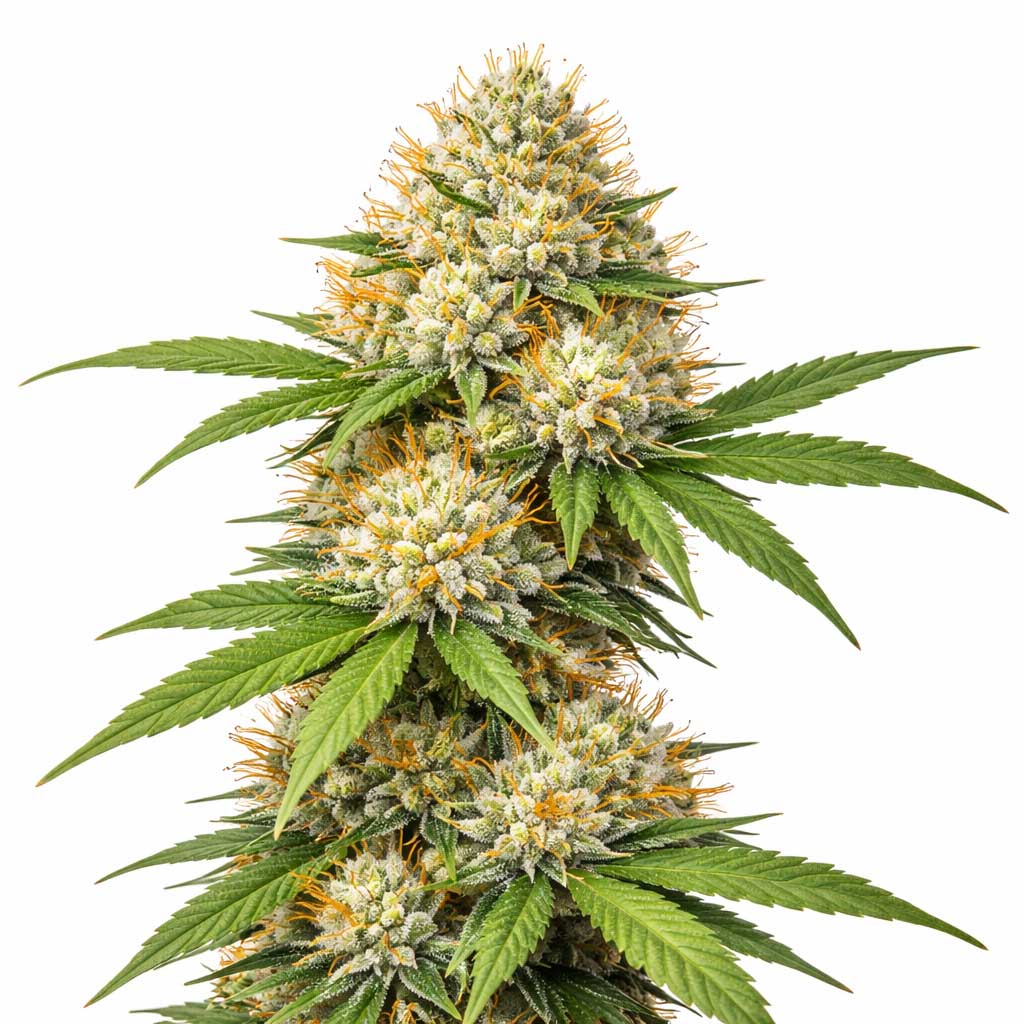
Cannatonic (Cannabis Strain)
Cannatonic is a foundational CBD-rich cannabis cultivar widely recognized for helping establish the modern category of balanced cannabinoid strains. Commonly described as a cross between MK Ultra and G13 Haze, Cannatonic is known for its moderate potency, stable structure, and its ability to produce CBD:THC ratios often close to 1:1 in many phenotypes.
Rather than focusing on high tetrahydrocannabinol levels, Cannatonic became influential for its balanced chemotype, making it a cornerstone in the development of CBD-forward breeding projects such as ACDC. The information below is provided strictly for scientific and botanical reference.
Quick Facts
| Feature | Details |
|---|---|
| Genetics | MK Ultra × G13 Haze |
| Variety | Balanced CBD/THC hybrid |
| CBD:THC Profile | Often near 1:1, with variation depending on phenotype |
| Flowering Time | 8–9 weeks (56–63 days indoors) |
| Yield Class | Moderate to moderately high; consistent under stable conditions |
| Plant Structure | Balanced hybrid frame with moderate stretch and branching that supports even canopy development |
| Canopy Behavior | Moderate internodal spacing; performs well under topping, LST, and SCROG techniques |
| Climate Preference | Stable indoor or warm outdoor environments with good airflow |
| Grower Difficulty | Beginner to intermediate; generally forgiving and stable |
Scientific & Botanical Overview
Cannatonic typically exhibits a balanced hybrid morphology, producing medium-height plants with moderate vertical movement and manageable lateral branching. The structure tends to be cooperative rather than aggressive, making it suitable for a wide range of training styles and cultivation setups.
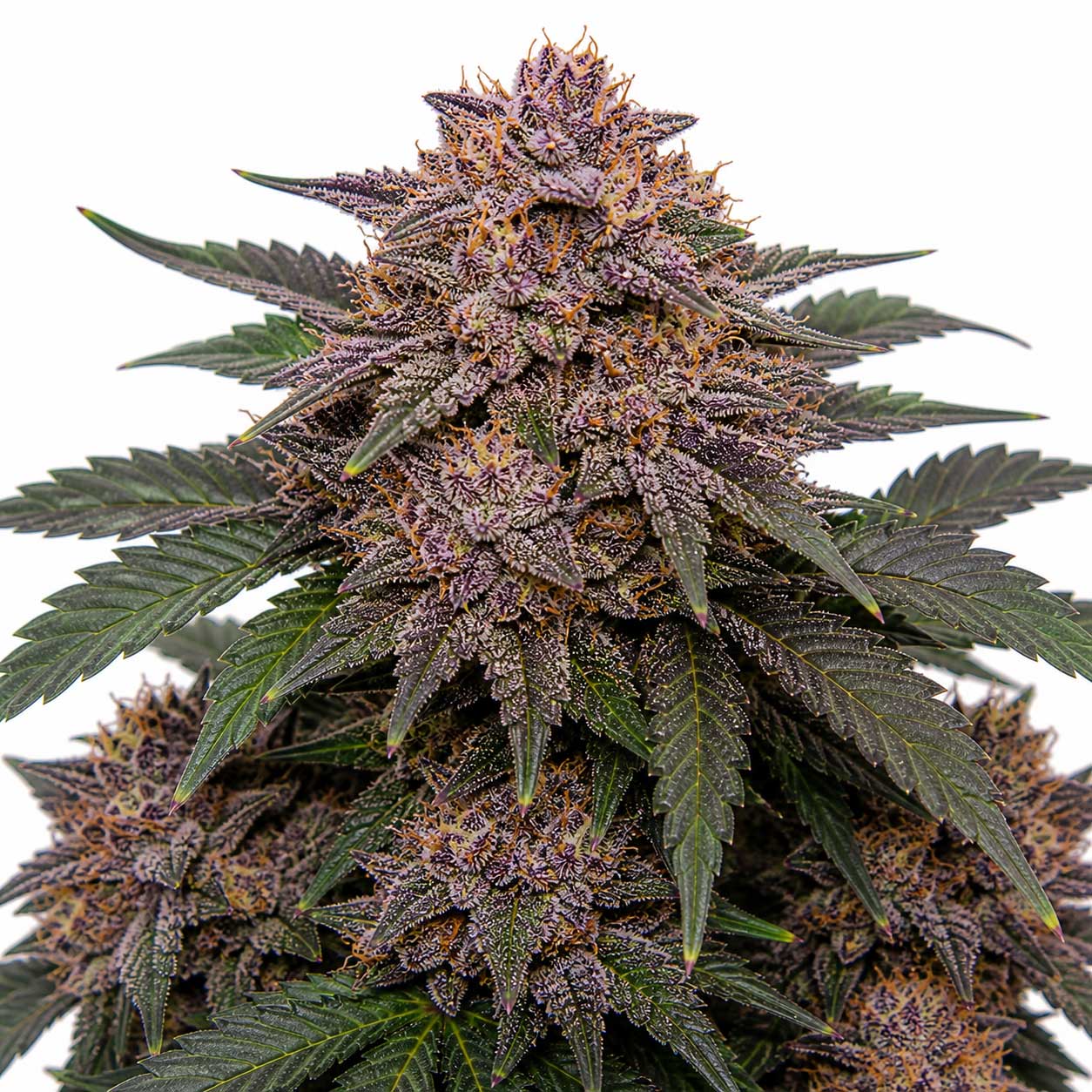
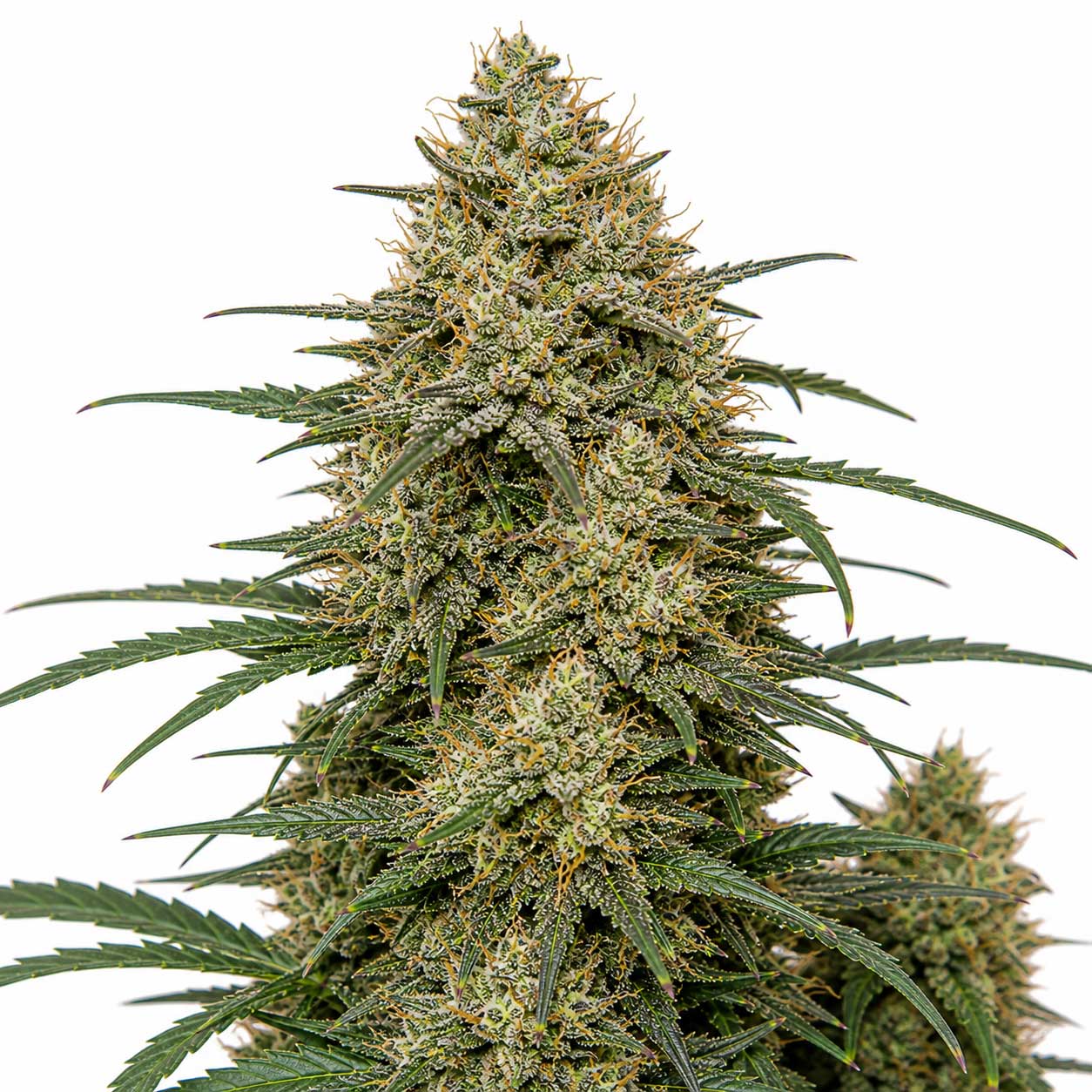
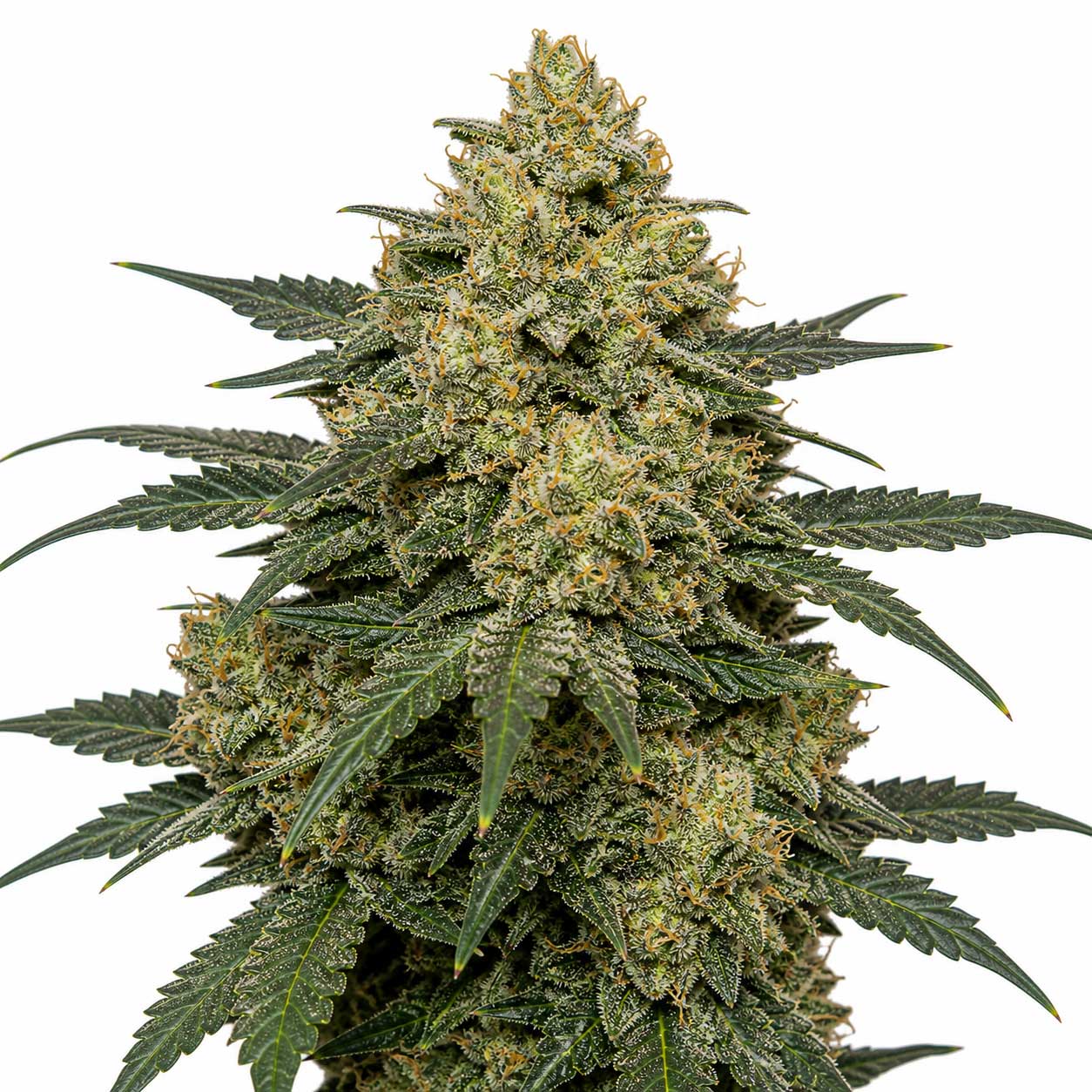
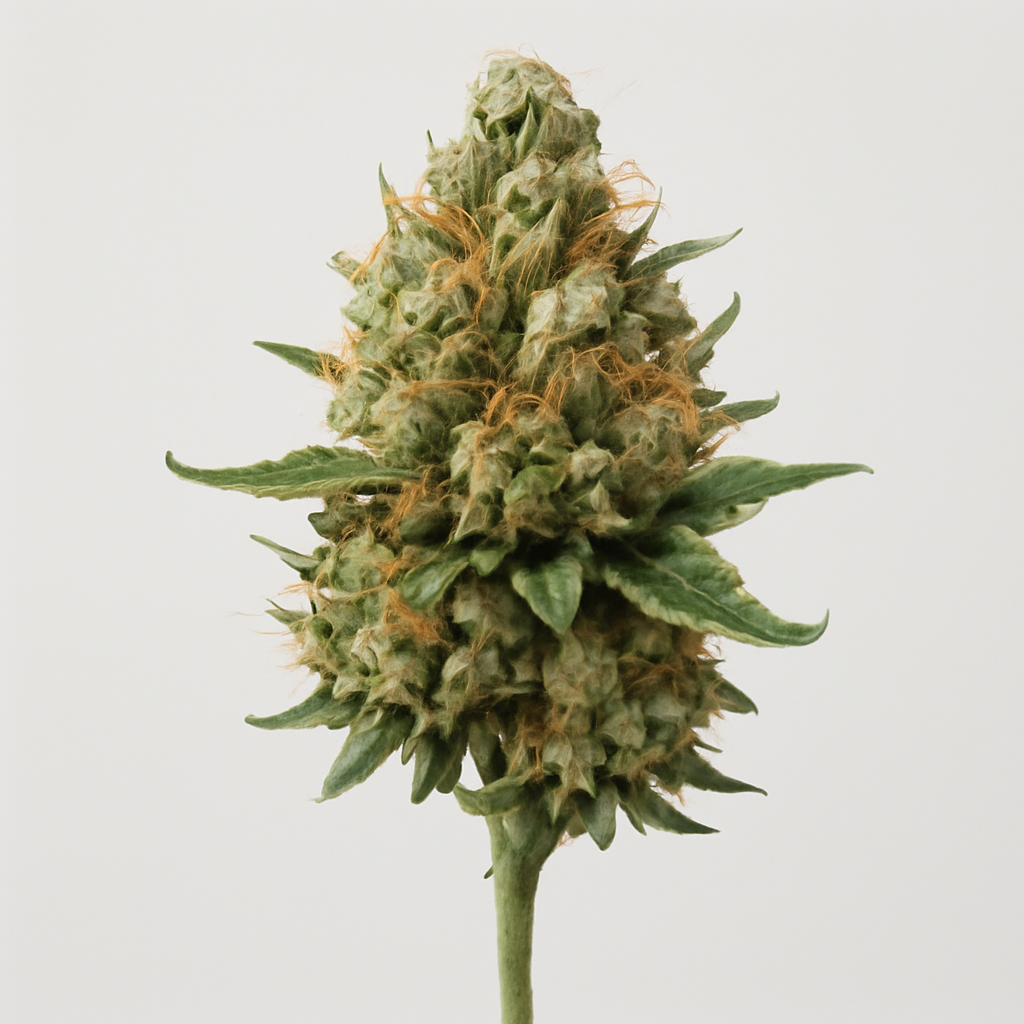
The buds are usually light green with a moderate resin coating, often less dense than modern high-THC cultivars but still commercially viable. This slightly airier structure can improve airflow through the canopy and reduce moisture-related risks in late flower.
What distinguishes Cannatonic most is its balanced cannabinoid expression. Instead of pushing extreme THC levels, it represents a middle-ground chemotype that has become essential in breeding programs aimed at functional or wellness-oriented cannabis products.
Effects & Use-Cases (Reported)
Commonly reported effects: gentle mental clarity, light body relaxation, mild uplift, and a balanced overall experience without overwhelming intensity.
Use-case context: Cannatonic is often associated with daytime or early evening use, light productivity, creative work, and social environments where a balanced and controlled experience is preferred.
Note: These observations are anecdotal reports and should not be interpreted as medical claims.
Aroma & Flavors
Aroma: Woody citrus, light earth, subtle pine, and a faint herbal sweetness.
Flavor: The inhale is typically mild citrus and herbal, while the exhale becomes woody, earthy, and slightly peppered.
Terpene associations: Myrcene, Pinene, and Caryophyllene are commonly associated with its profile.
Tested Cannabinoid & Terpene Ranges
| Compound | Typical Range* | Grower-Oriented Interpretation |
|---|---|---|
| CBD | 6%–12% | Key driver of balanced chemotype and functional market positioning |
| Δ9-THC | 5%–10% | Moderate levels supporting a controlled and approachable experience |
| Myrcene | Moderate | Supports the earthy base and smooth finish |
| Pinene | Low to moderate | Adds brightness and clarity to the profile |
| Caryophyllene | Low to moderate | Contributes mild spice and structural depth |
*Values vary by phenotype, cultivation conditions, harvest timing, and lab testing methods.
Cultivation Notes
- Vegetative Vigor: Steady and manageable; suitable for controlled canopy development.
- Light Cycle: 18/6 vegetative and 12/12 flowering.
- Humidity Targets: 60%–65% RH in veg and 45%–55% in flower.
- Nutrition: Balanced feeding is preferred; does not require aggressive nutrient input.
- EC / Feeding Sensitivity: Moderate; overfeeding may reduce terpene clarity and overall quality.
- Training: Responds well to topping, LST, and SCROG for improved canopy uniformity.
- Support Needs: Minimal to moderate depending on bud development.
- Mold / Moisture Risk: Lower than dense hybrids but still requires airflow management.
- Finish Timing: Balanced harvest timing is important to maintain cannabinoid ratio.
- Harvest Window: Typically 56–63 days indoors.
Grower Notes (Week-by-Week Snapshot)
- Weeks 1–2: Stable early growth with manageable structure and good root development.
- Weeks 3–4: Moderate stretch; canopy shaping is most effective in this stage.
- Weeks 5–6: Bud sites form with visible resin production and terpene development.
- Weeks 7–8: Flower mass increases while maintaining airflow-friendly structure.
- Weeks 8–9: Final maturation phase; environmental stability is key.
- Post-Harvest: Controlled drying and curing preserve aroma and cannabinoid balance.
Genetic Lineage
Cannatonic is the result of crossing MK Ultra with G13 Haze, combining indica stability with sativa influence. This pairing helped produce a cultivar that balances structure, manageable growth, and a distinct cannabinoid profile.
Its role in breeding is significant, as it became the foundation for multiple CBD-rich phenotypes, including ACDC, and helped shape the modern understanding of balanced cannabis genetics.
Research Insights
Cannatonic is frequently referenced as one of the earliest widely recognized cultivars to demonstrate stable CBD expression alongside THC. It played a major role in shifting cultivation priorities toward cannabinoid diversity rather than purely psychoactive intensity.
From a grower’s perspective, Cannatonic highlights the importance of phenotype selection, as cannabinoid ratios can vary across plants. Selecting and stabilizing desirable expressions is key for achieving consistent results.
This cultivar also represents a transition point in cannabis breeding, bridging traditional high-THC genetics with modern functional and CBD-forward varieties.
Frequently Asked Questions
Is Cannatonic high in THC?
No. Cannatonic is known for its balanced CBD and THC levels rather than high THC potency.
Is Cannatonic a daytime strain?
It is commonly used during the day due to its mild and balanced effects.
What does Cannatonic taste like?
It is typically described as woody, citrusy, and slightly herbal with a smooth finish.
How does Cannatonic grow?
It grows with a balanced structure, moderate stretch, and a cooperative canopy suitable for various training methods.
Why is Cannatonic important?
It played a key role in the development of CBD-rich cannabis and remains foundational in cannabinoid-focused breeding.
Educational Disclaimer
This page is provided for scientific and horticultural reference only. Cannabis laws vary by jurisdiction; always ensure compliance with local regulations.
Rate and review this strain
Ratings and reviews are accepted only from signed-in Google accounts.
Sign in with Google to leave a rating and written review.
Latest Reviews
0 reviewsNo reviews yet. Be the first Google user to rate and review this strain.