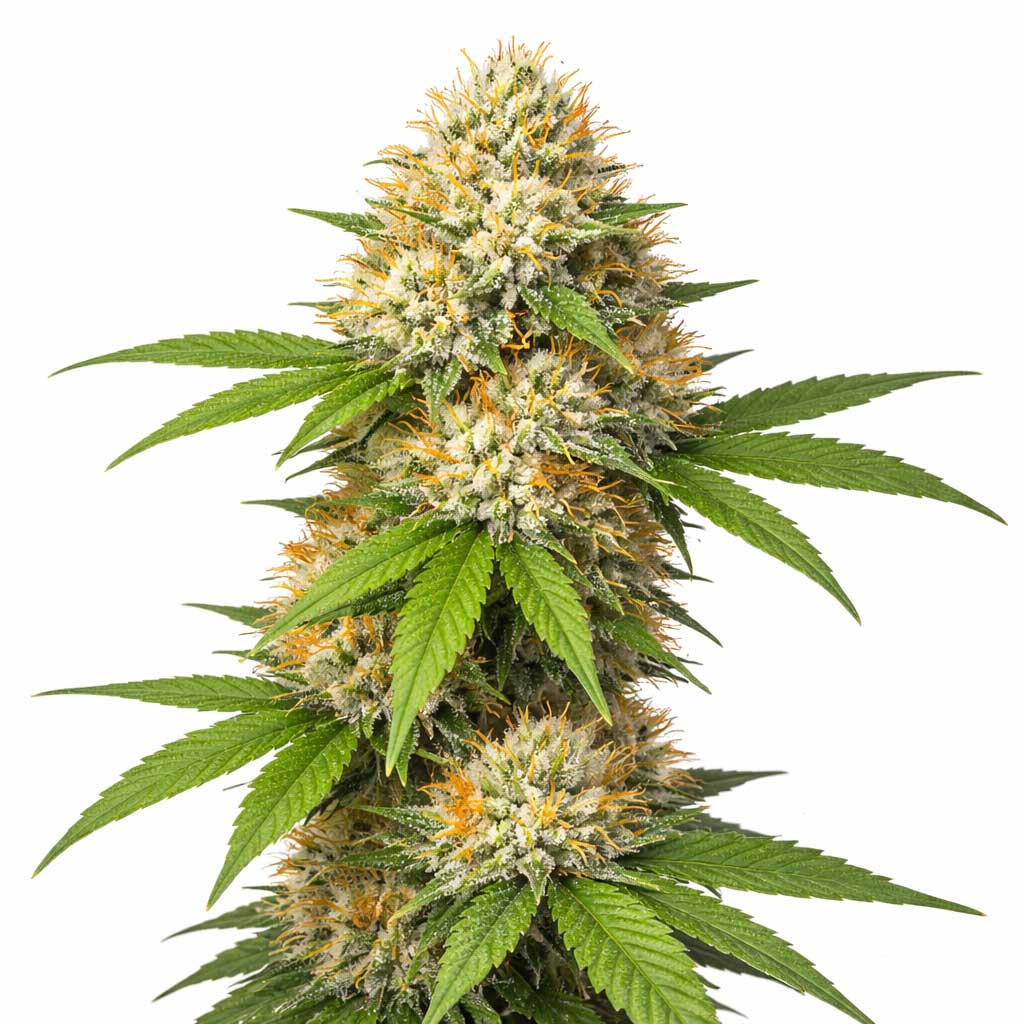
ACDC (Cannabis Strain)
ACDC is a highly specialized CBD-dominant cannabis cultivar widely recognized as a phenotype of Cannatonic. It is best known for its extremely high cannabidiol expression and minimal tetrahydrocannabinol content, making it one of the most prominent examples of a functional, non-intoxicating cannabis flower.
Unlike most modern commercial cultivars that prioritize THC potency, ACDC is typically associated with CBD:THC ratios that can reach 20:1 or higher, giving it a uniquely mild psychoactive profile. Its importance in modern cannabis cultivation lies in its role as a benchmark for CBD-forward breeding, stability, and repeatable chemotype expression. The information below is provided strictly for scientific and botanical reference.
Quick Facts
| Feature | Details |
|---|---|
| Genetics | Cannatonic phenotype |
| Variety | CBD-dominant hybrid |
| CBD:THC Profile | Commonly 20:1 or higher |
| Flowering Time | Approximately 9–10 weeks (63–70 days indoors) |
| Yield Class | Moderate; consistent rather than heavy-yield focused |
| Plant Structure | Balanced hybrid structure with moderate stretch, open branching, and medium-density flower formation |
| Canopy Behavior | Moderate internodal spacing; responds well to topping and light canopy training |
| Climate Preference | Stable indoor or warm outdoor environments with controlled humidity |
| Grower Difficulty | Beginner to intermediate; generally forgiving with stable environmental control |
Scientific & Botanical Overview
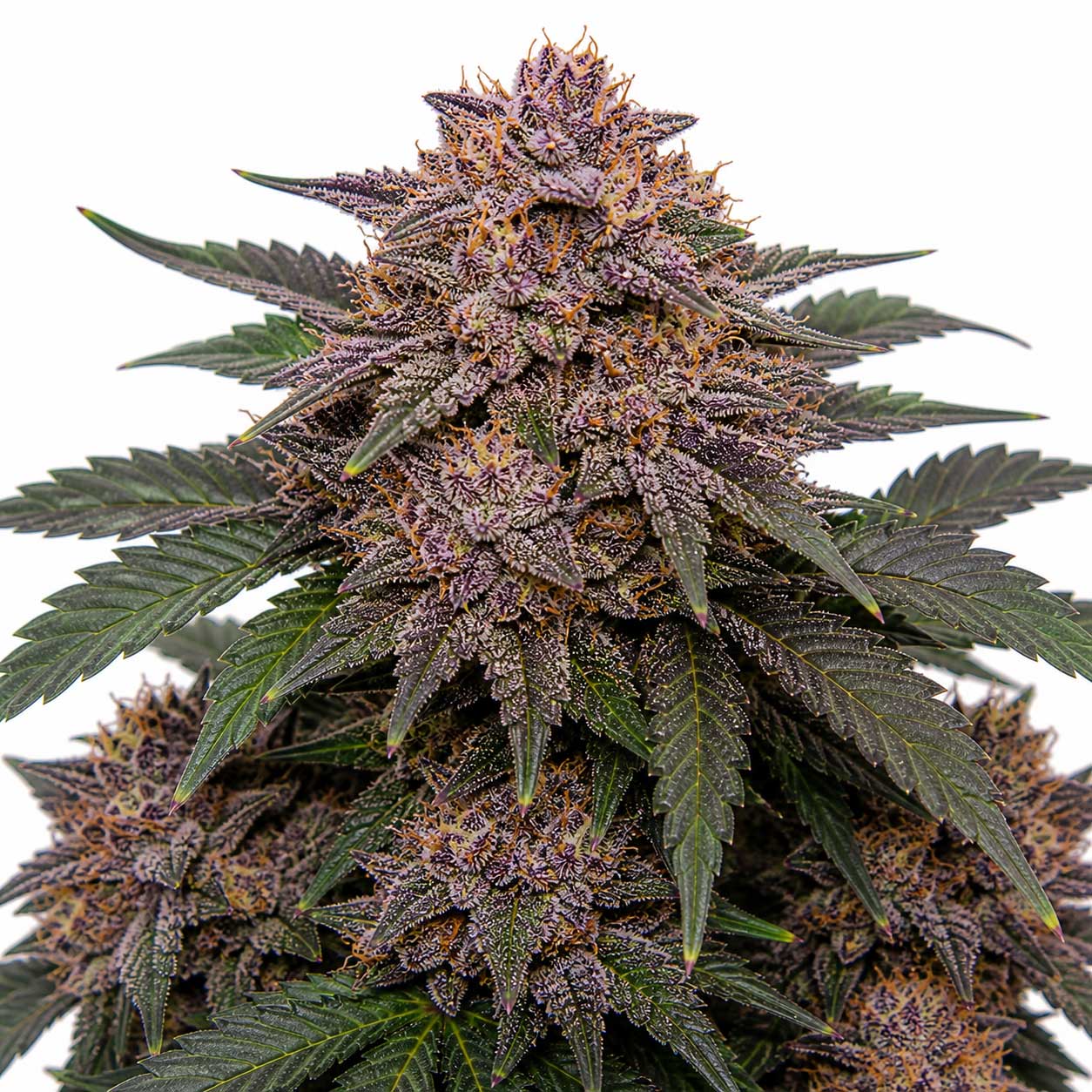
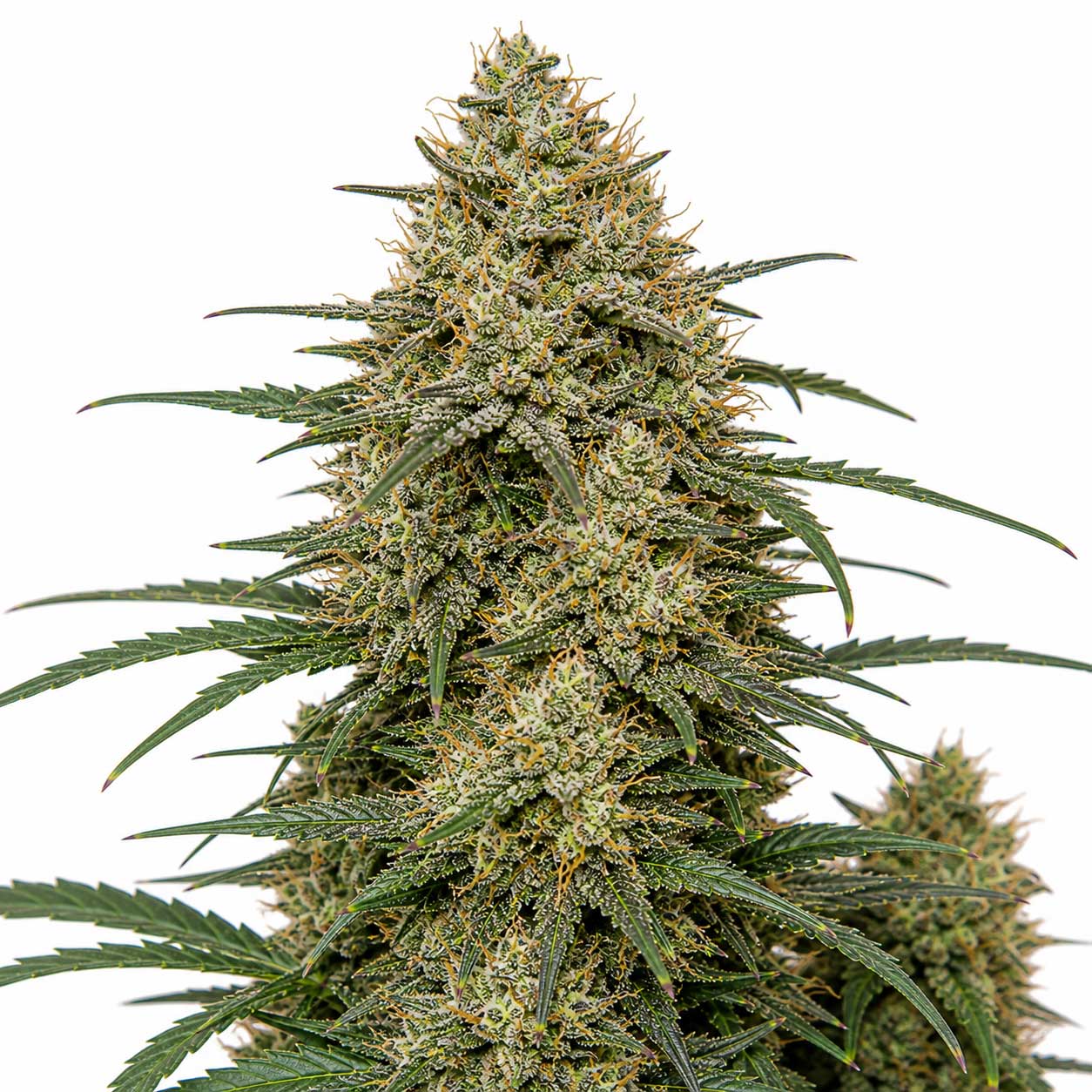
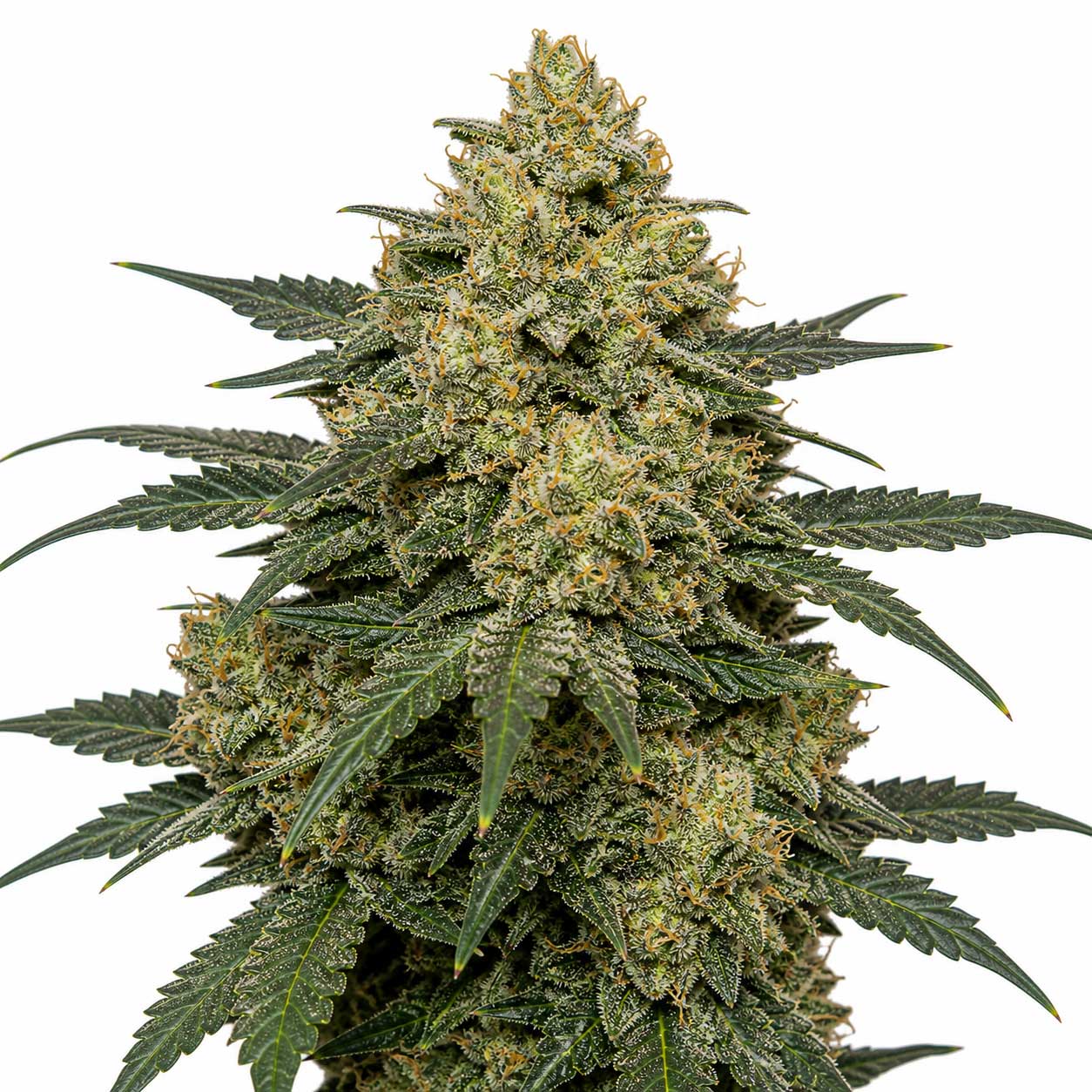
ACDC typically expresses a practical, cultivation-forward morphology rather than a high-bag-appeal boutique structure. Plants often develop medium-height frames with balanced lateral branching and moderate internodal spacing, allowing for good airflow and manageable canopy shaping.
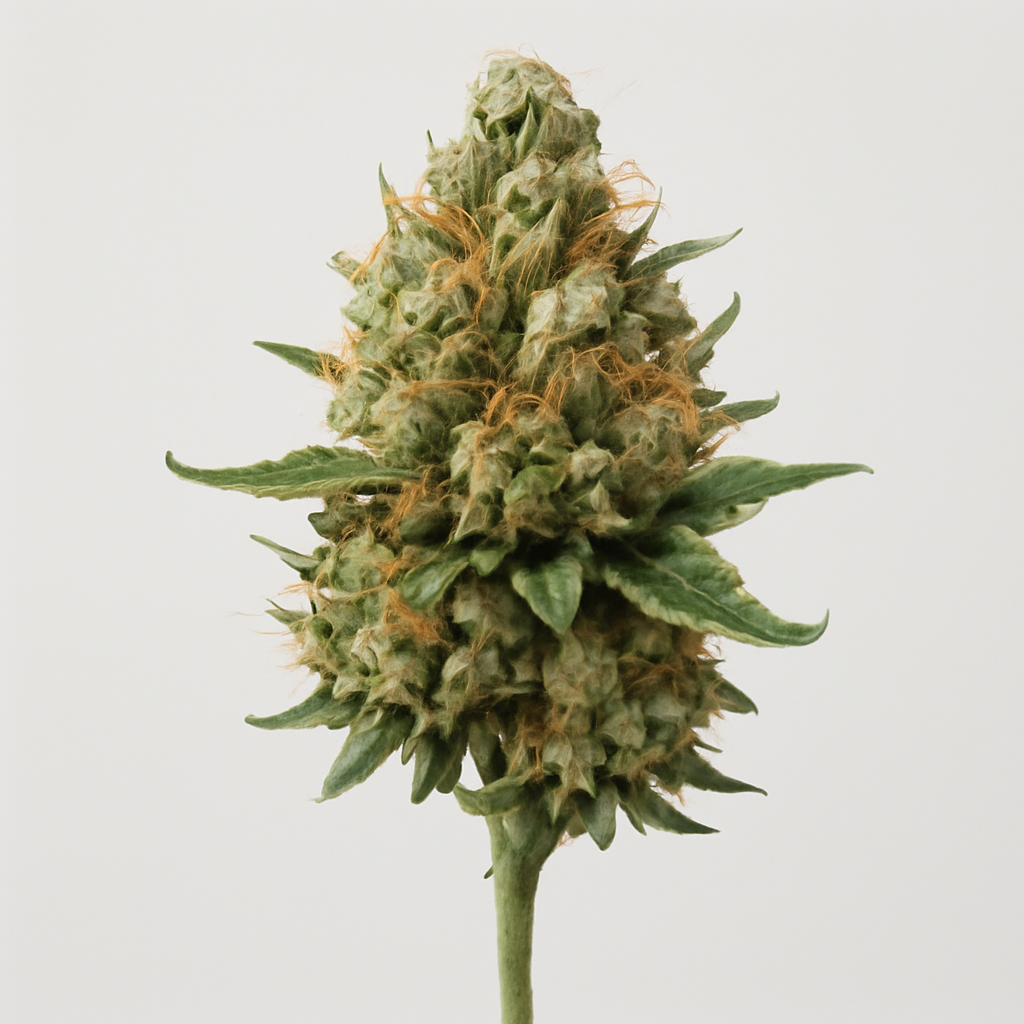
The flowers are usually light green, resin-coated, and somewhat airy compared to dense modern THC-heavy hybrids. This looser bud structure can be advantageous in reducing moisture retention, making ACDC more forgiving in environments where humidity control is not perfect.
From a biochemical standpoint, ACDC is defined by its CBD-dominant chemotype. It represents one of the clearest examples of selective breeding aimed at cannabinoid balance rather than maximum psychoactivity, which is why it continues to be referenced in both cultivation and cannabinoid-focused discussions.
Effects & Use-Cases (Reported)
Commonly reported effects: minimal intoxication, clear mental state, gentle physical ease, and a composed, steady experience without heavy cerebral alteration.
Use-case context: ACDC is often associated with daytime use, functional activity, reading, light work, and environments where users want minimal psychoactive interference. It is frequently discussed as one of the most approachable cannabis cultivars for users seeking a milder experience.
Note: These observations are anecdotal reports and should not be interpreted as medical claims.
Aroma & Flavors
Aroma: Mild herbal citrus, light earth, subtle sweetness, and faint woody undertones.
Flavor: The inhale is typically soft and slightly citrus-herbal, while the exhale leans earthy, smooth, and lightly peppered.
Terpene associations: Myrcene, Pinene, and Caryophyllene are commonly referenced, contributing to its mild, grounded aromatic identity.
Tested Cannabinoid & Terpene Ranges
| Compound | Typical Range* | Grower-Oriented Interpretation |
|---|---|---|
| CBD | 15%–20%+ | Primary driver of market value; consistency is more important than maximum yield |
| Δ9-THC | Typically very low (<1%) | Maintains functional, non-intoxicating profile and regulatory relevance in some markets |
| Myrcene | Moderate | Supports the soft earthy base and overall smoothness |
| Pinene | Low to moderate | Adds a light freshness and helps sharpen the profile |
| Caryophyllene | Low to moderate | Provides subtle spice and structural depth |
*Values vary depending on phenotype, cultivation method, harvest timing, and lab analysis.
Cultivation Notes
- Vegetative Vigor: Moderate and steady; typically easy to manage and suitable for controlled canopy shaping.
- Light Cycle: 18/6 vegetative and 12/12 flowering.
- Humidity Targets: Approximately 60%–65% RH in veg and 45%–55% in flower for optimal balance.
- Nutrition: Prefers balanced feeding; does not require aggressive high-EC inputs to perform well.
- EC / Feeding Sensitivity: Moderate sensitivity; overfeeding can reduce aromatic clarity and overall quality.
- Training: Topping and light LST are effective; SCROG can improve yield consistency.
- Support Needs: Usually minimal, though late-stage branches may benefit from light support.
- Mold / Moisture Risk: Lower than dense hybrids due to its more open flower structure, but still requires airflow control.
- Finish Timing: Harvest timing is important to maintain cannabinoid balance and avoid degradation of CBD expression.
- Harvest Window: Typically 63–70 days indoors.
Grower Notes (Week-by-Week Snapshot)
- Weeks 1–2 (Establishment): Stable early growth with manageable structure and good root development.
- Weeks 3–4 (Stretch Phase): Moderate stretch occurs; canopy shaping and topping adjustments are most effective here.
- Weeks 5–6 (Flower Set): Bud sites begin forming with visible resin production and mild terpene development.
- Weeks 7–8 (Development): Floral mass increases while maintaining an airy structure; aroma becomes more defined.
- Weeks 9–10 (Finish Window): Final maturation stage; maintaining environment is key to preserving cannabinoid profile.
- Post-Harvest: Controlled drying and curing are recommended to preserve subtle terpene expression and maintain quality.
Genetic Lineage
ACDC is widely recognized as a phenotype of Cannatonic, a cultivar that played a major role in the early development of CBD-rich cannabis. Through selective breeding and phenotype stabilization, ACDC emerged as a standout expression with significantly reduced THC and elevated CBD levels.
This lineage highlights a shift in cannabis breeding priorities—from maximizing psychoactive intensity to exploring functional cannabinoid profiles and broader consumer accessibility.
Research Insights
ACDC is frequently referenced in discussions about CBD-dominant cannabis breeding and the role of chemotype selection in modern cultivation. It represents one of the clearest examples of how targeted breeding can produce consistent, non-intoxicating flower while maintaining the sensory characteristics of cannabis.
From a grower’s perspective, ACDC emphasizes the importance of consistency, stability, and cannabinoid targeting over raw yield or density. It also reflects the growing segmentation of cannabis markets into high-THC, balanced, and CBD-forward categories.
Phenotype variation still exists, with some expressions showing slightly more citrus brightness or herbal depth, but the defining trait remains its extremely low THC and dominant CBD expression.
Frequently Asked Questions
Is ACDC psychoactive?
ACDC is generally considered minimally psychoactive due to its very low THC content.
What makes ACDC unique?
Its extremely high CBD content and low THC levels make it one of the most recognized CBD-dominant cannabis cultivars.
Is ACDC good for daytime use?
Yes, it is commonly associated with daytime use due to its clear and functional profile.
How does ACDC grow?
It typically grows in a balanced, manageable structure with moderate stretch and an open canopy, making it suitable for a wide range of growers.
Why is ACDC important?
ACDC helped define the CBD-rich cannabis category and remains a reference point for cannabinoid-focused cultivation.
Educational Disclaimer
This page is provided for scientific and horticultural reference only. Cannabis laws vary by jurisdiction; always ensure compliance with local regulations.
Rate and review this strain
Ratings and reviews are accepted only from signed-in Google accounts.
Sign in with Google to leave a rating and written review.
Latest Reviews
0 reviewsNo reviews yet. Be the first Google user to rate and review this strain.