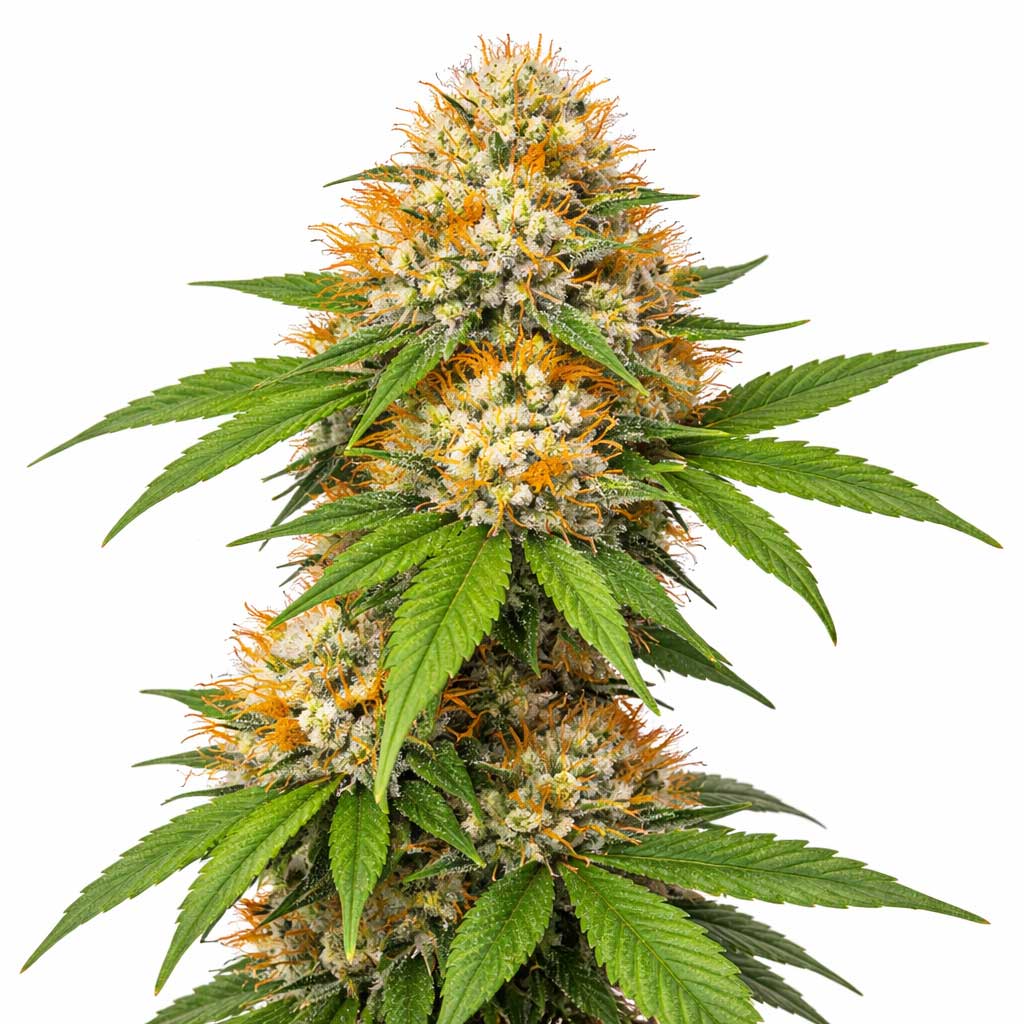
Harlequin (Cannabis Strain)
Harlequin is a classic CBD-dominant cannabis cultivar widely recognized for its clear-headed daytime character, balanced physical ease, and unusually reliable cannabidiol expression. Commonly described as a sativa-leaning hybrid, Harlequin is associated with a lineage that includes Colombian Gold, Thai, and Swiss landrace-derived genetics, giving it a distinctive old-school structure paired with a softer, more functional cannabinoid profile.
Best known for expressing a CBD:THC ratio often around 5:2, Harlequin became one of the most recognizable wellness-era flower cultivars because it offered a more approachable and less intoxicating experience than many high-THC modern hybrids. The information below is provided strictly for scientific and botanical reference.
Quick Facts
| Feature | Details |
|---|---|
| Genetics | Commonly linked to Colombian Gold, Thai, and Swiss landrace-derived ancestry |
| Variety | CBD-dominant sativa-leaning hybrid |
| CBD:THC Profile | Often around 5:2; typically CBD-forward rather than THC-heavy |
| Flowering Time | Approximately 8.5–10 weeks (about 60–70 days indoors) |
| Yield Class | Moderate to moderately high, depending on canopy management and phenotype selection |
| Plant Structure | Sativa-leaning frame with moderate stretch, flexible branching, and medium-density floral development |
| Canopy Behavior | Benefits from topping and lateral canopy control; support may be needed as tops thicken late |
| Climate Preference | Warm, stable environments with steady airflow and a clean finish to protect aroma and cannabinoid balance |
| Grower Difficulty | Beginner to intermediate; generally manageable, but best results come from disciplined training and careful finish timing |
Scientific & Botanical Overview
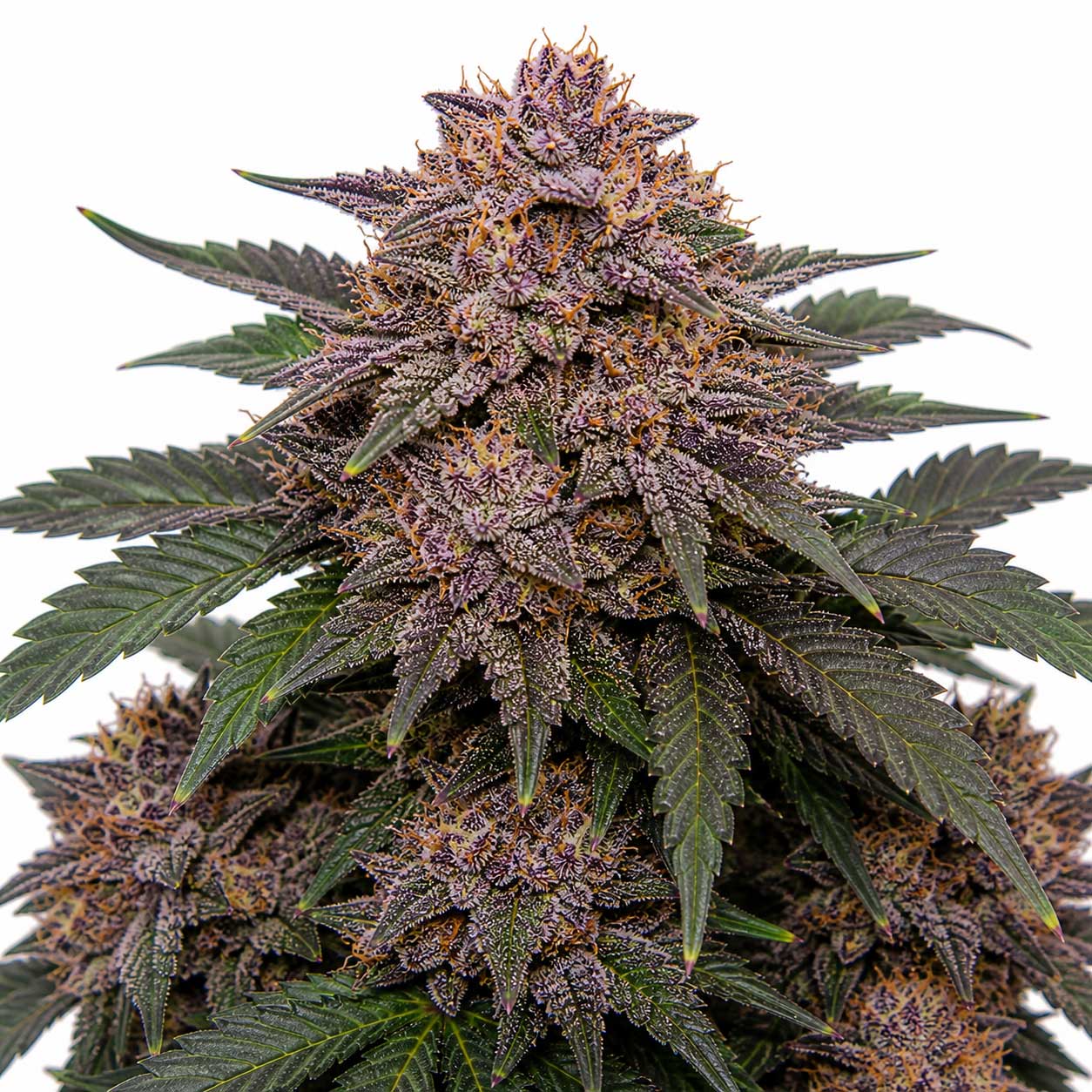
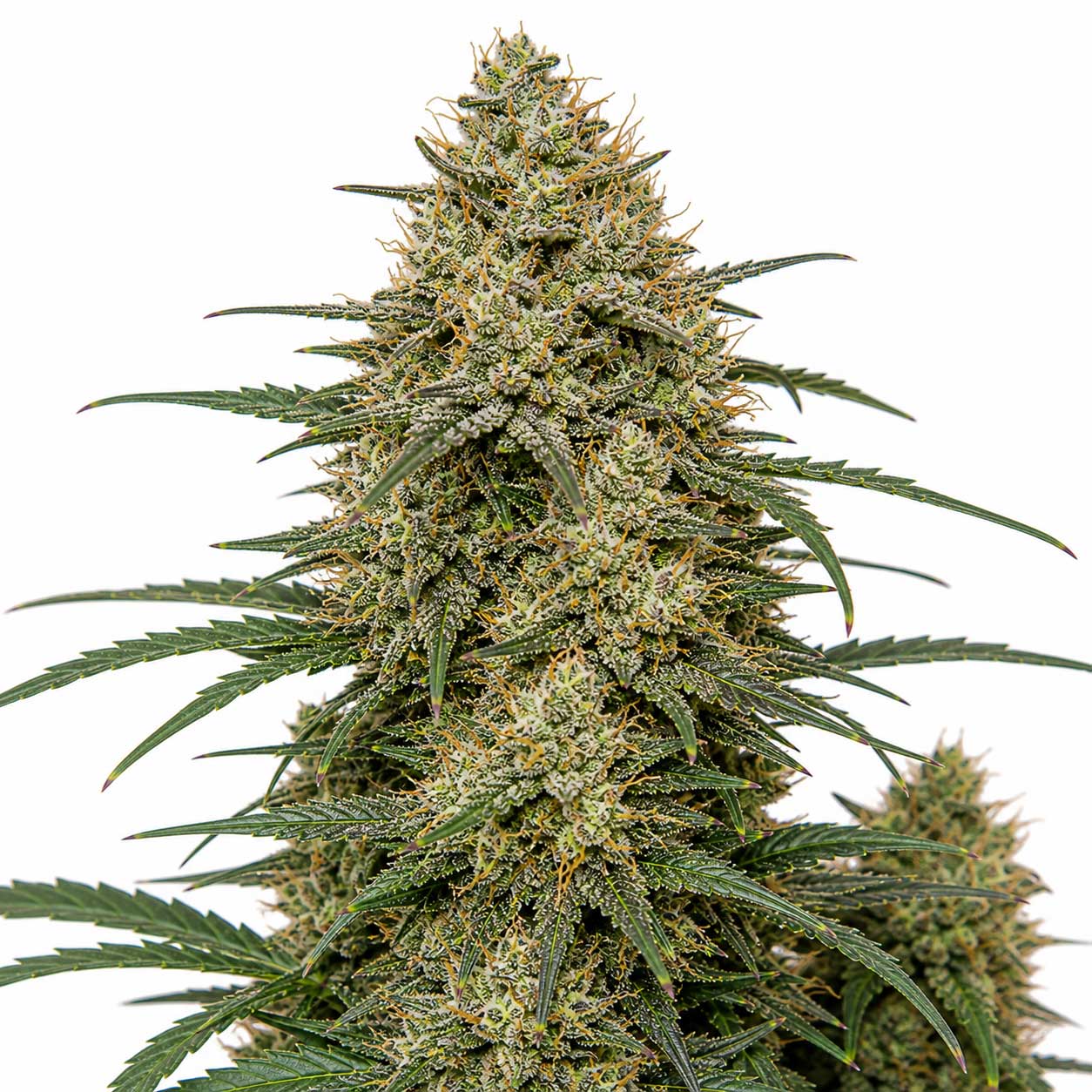
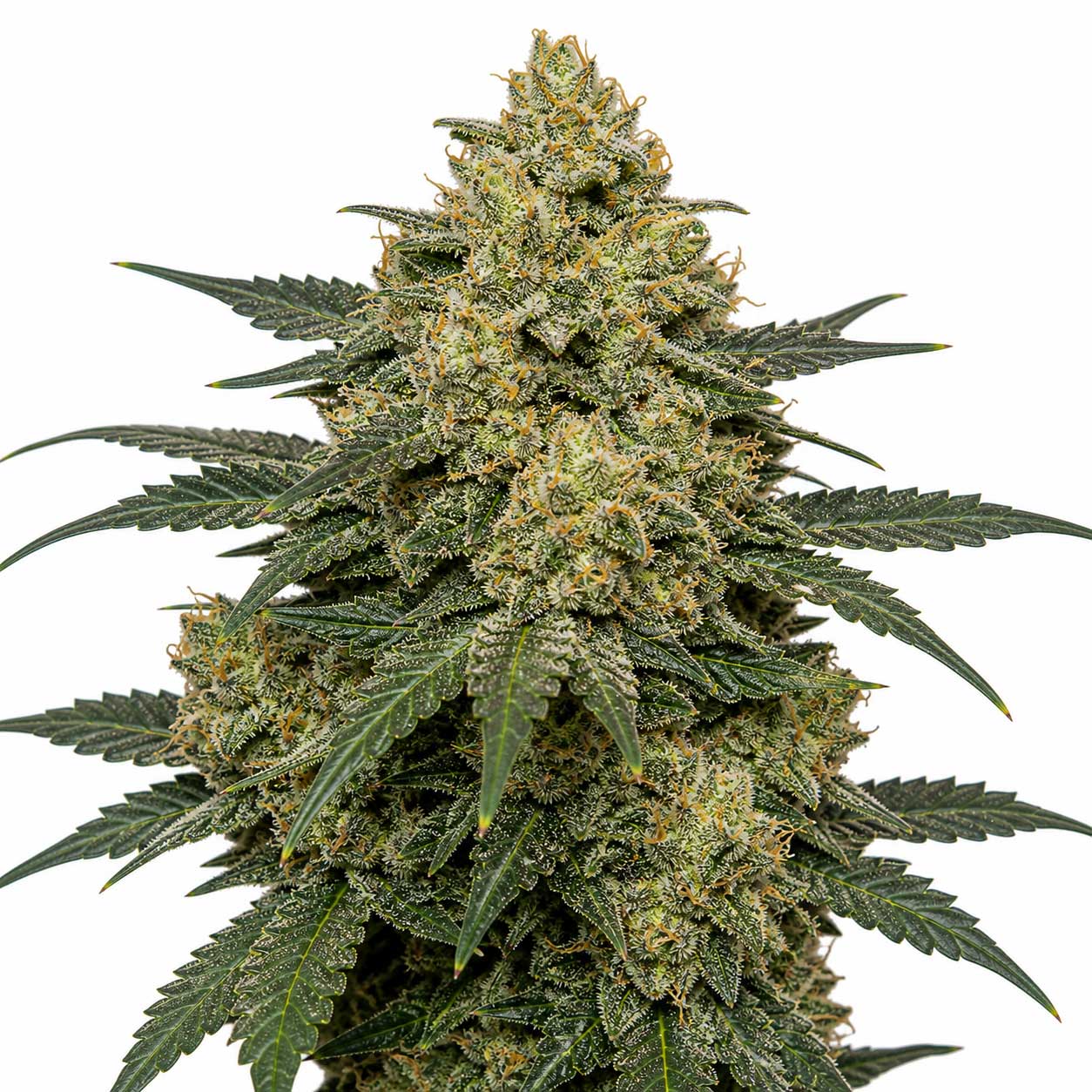
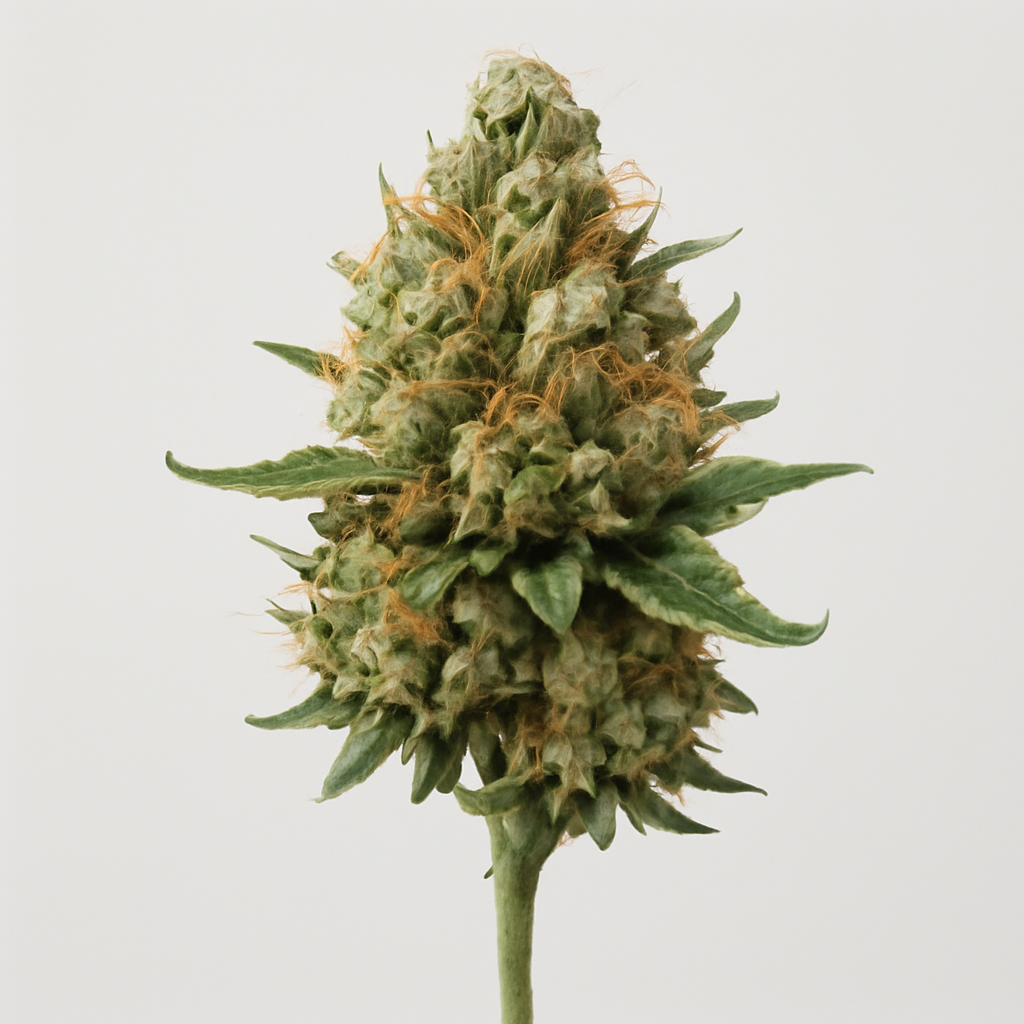
Harlequin typically presents with a more classic sativa-leaning morphology than many modern dessert hybrids. Plants often show moderate vertical movement, flexible lateral growth, and an open, workable canopy that responds well to topping and branch redirection. The buds are usually green and resinous rather than dramatically dark or overly compact, with orange pistils and a practical, cultivation-forward appearance rather than boutique bag-appeal theatrics.
One of Harlequin’s defining botanical distinctions is its CBD-forward chemotype. While many modern commercial cultivars prioritize high tetrahydrocannabinol output, Harlequin built its reputation on a more functional cannabinoid balance that many growers and consumers associate with daytime composure, gentler psychoactivity, and a broader-use profile.
From a cultivation perspective, Harlequin is valued less for extreme density and more for its dependable expression, approachable growth behavior, and niche market relevance as a flower cultivar that can serve users seeking a more measured and less overwhelming experience.
Effects & Use-Cases (Reported)
Commonly reported effects: clear-headed calm, lighter body relaxation, improved ease during daytime activity, and a composed mental state with only mild euphoria in many expressions.
Use-case context: Harlequin is often associated with daytime use, light productivity, conversation, reading, creative tasks, and general situations where users want the ritual and sensory experience of cannabis without a strong intoxicating push. Many users describe it as functional rather than heavy, making it one of the better-known cultivars in CBD-rich flower discussions.
Note: These observations are anecdotal reports and should not be interpreted as medical claims.
Aroma & Flavors
Aroma: Commonly described as earthy musk, sweet mango, light herbal wood, and a subtle citrus-pine lift.
Flavor: The inhale is often herbal and slightly sweet, while the exhale can lean woody, earthy, and faintly tropical with a soft peppered finish.
Terpene associations: Myrcene is frequently cited as dominant, with supporting earthy, herbal, and mildly spicy secondary tones.
Tested Cannabinoid & Terpene Ranges
| Compound | Typical Range* | Grower-Oriented Interpretation |
|---|---|---|
| CBD | Often primary cannabinoid; commonly expressed in a CBD-forward ratio | Core market differentiator and the main reason Harlequin remains relevant in specialty flower discussions |
| Δ9-THC | Moderate relative to modern high-THC cultivars | Usually restrained enough to support a more functional daytime profile instead of a heavy psychoactive finish |
| Myrcene | Often cited as dominant terpene | Supports the earthy-musky core and helps define Harlequin’s familiar old-school aromatic identity |
| Pinene / Herbal Notes | Variable by phenotype | Can sharpen the daytime character and create a cleaner, more alert finishing impression |
| Caryophyllene / Spice Notes | Secondary and phenotype-dependent | Adds mild warmth and structural depth to the otherwise soft earthy-tropical profile |
*Values can vary significantly by phenotype, environment, harvest timing, cure protocol, and testing methodology. Harlequin is best understood as a CBD-forward cultivar with notable chemotype importance rather than as a single fixed-number potency strain.
Cultivation Notes
- Vegetative Vigor: Generally steady and cooperative in veg, with manageable sativa-leaning stretch and good response to topping.
- Light Cycle: 18/6 vegetative and 12/12 flowering.
- Humidity Targets: Around 60%–65% RH in early veg, 55%–60% in late veg, and 45%–52% in flower is a practical working range for clean finishing.
- Nutrition: Usually responds best to balanced feeding rather than aggressive high-EC pushing. Overfeeding late can flatten aroma and reduce the cleaner, more functional finish growers often want from this cultivar.
- EC / Feeding Sensitivity: Moderate tolerance overall; many growers prefer a controlled nutritional curve with a cleaner late-flower approach.
- Training: Topping, LST, and light SCROG work are effective for improving canopy uniformity and encouraging productive side growth. It is usually more rewarding under guided lateral management than in a completely untrained upright form.
- Support Needs: Plants can develop dense enough tops to benefit from trellis support or selective branch reinforcement near harvest.
- Mold / Moisture Risk: Moderate rather than extreme, but late-flower airflow still matters, especially if a phenotype finishes denser than expected.
- Finish Timing: Avoid pushing flowering too long if the goal is to preserve the cultivar’s preferred CBD-forward balance and cleaner overall expression.
- Harvest Window: Usually finishes within roughly 60–70 days indoors, depending on phenotype and environment.
Grower Notes (Week-by-Week Snapshot)
- Weeks 1–2 (Foundation): Harlequin generally establishes well once rooted, showing healthy lateral intent and a cooperative structure that is easy to shape early.
- Weeks 3–4 (Canopy Set): Moderate stretch becomes more obvious, and this is often the ideal window for topping follow-through, branch spacing, and trellis planning.
- Weeks 5–6 (Early Flower Build): Bud sites begin to define clearly, with resin starting to form and the plant moving toward its earthy-herbal-tropical aromatic profile.
- Weeks 7–8 (Bulk & Balance): Floral mass increases, side branches may require support, and growers usually begin refining environment and feed intensity to protect the cultivar’s cleaner chemotype expression.
- Weeks 9–10 (Finish Window): Late phenotypes may continue maturing through this stage, but overly extended flowering can reduce the fresh balance many growers seek from Harlequin.
- Post-Harvest: A controlled slow dry with a patient cure is useful for preserving the cultivar’s soft mango-herbal character and avoiding a flattened, overly woody finish.
Genetic Lineage
Harlequin is commonly described as drawing from Colombian Gold, Thai, and Swiss landrace-derived ancestry, which helps explain its sativa-leaning structure, old-school aromatic profile, and unusually important role in CBD-rich cannabis breeding conversations. Rather than behaving like a modern candy-gas hybrid, Harlequin carries a more classic and functional identity rooted in older cannabis architecture and selective chemotype value.
This lineage is part of why Harlequin became such a foundational name in the CBD-forward flower space. It helped show that a cultivar could still feel relevant, aromatic, and horticulturally worthwhile without relying on maximal THC intensity alone.
Research Insights
Harlequin remains significant because it represents a category of cannabis breeding that emphasizes functional cannabinoid balance rather than raw intoxication. In market terms, it helped define the modern conversation around CBD-rich flower and remains one of the better-known names in that niche.
From a grower’s perspective, Harlequin is also instructive because it demonstrates how value can come from chemotype stability, user fit, and repeatable utility rather than from extreme density, maximal frost, or the loudest dessert-terpene profile on the shelf.
Phenotype variation can still matter. Some expressions may lean more herbal and earthy, while others may pull sweeter mango, brighter pine, or a slightly more stimulating daytime character. That makes selection worthwhile for growers seeking a more specific commercial or user-facing outcome.
Frequently Asked Questions
Is Harlequin a high-THC strain?
No. Harlequin is better known as a CBD-dominant or CBD-forward cultivar, often discussed for its more balanced cannabinoid profile rather than intense THC-heavy effects.
Is Harlequin a daytime strain?
It is commonly considered a daytime-friendly cultivar because many users describe it as clear, composed, and less intoxicating than stronger THC-dominant varieties.
What does Harlequin taste like?
Harlequin is often described as earthy, herbal, slightly woody, and faintly tropical, with mango-like sweetness and a soft musky finish.
How does Harlequin grow indoors?
It usually grows with a manageable sativa-leaning frame, moderate stretch, and a cooperative canopy that responds well to topping, lateral guidance, and late support.
What makes Harlequin important?
Harlequin stands out because it helped define the modern CBD-rich flower category while maintaining classic cannabis aroma, workable cultivation traits, and a more functional user profile.
Educational Disclaimer
This page is provided for scientific and horticultural reference only. Cannabis laws vary by jurisdiction; always ensure compliance with local regulations.
Rate and review this strain
Ratings and reviews are accepted only from signed-in Google accounts.
Sign in with Google to leave a rating and written review.
Latest Reviews
0 reviewsNo reviews yet. Be the first Google user to rate and review this strain.