Blackberry Kush (Cannabis Strain) — Strainpedia
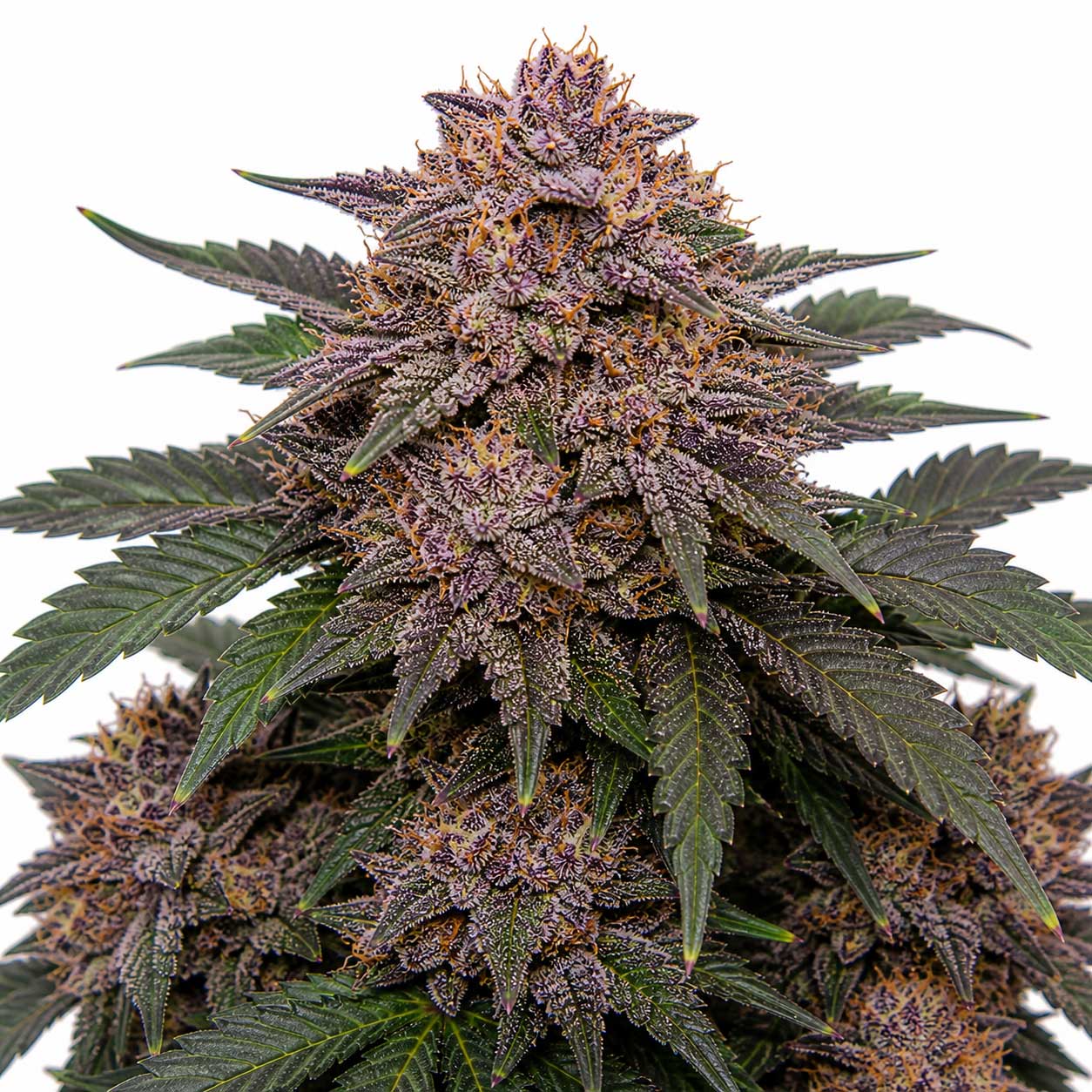
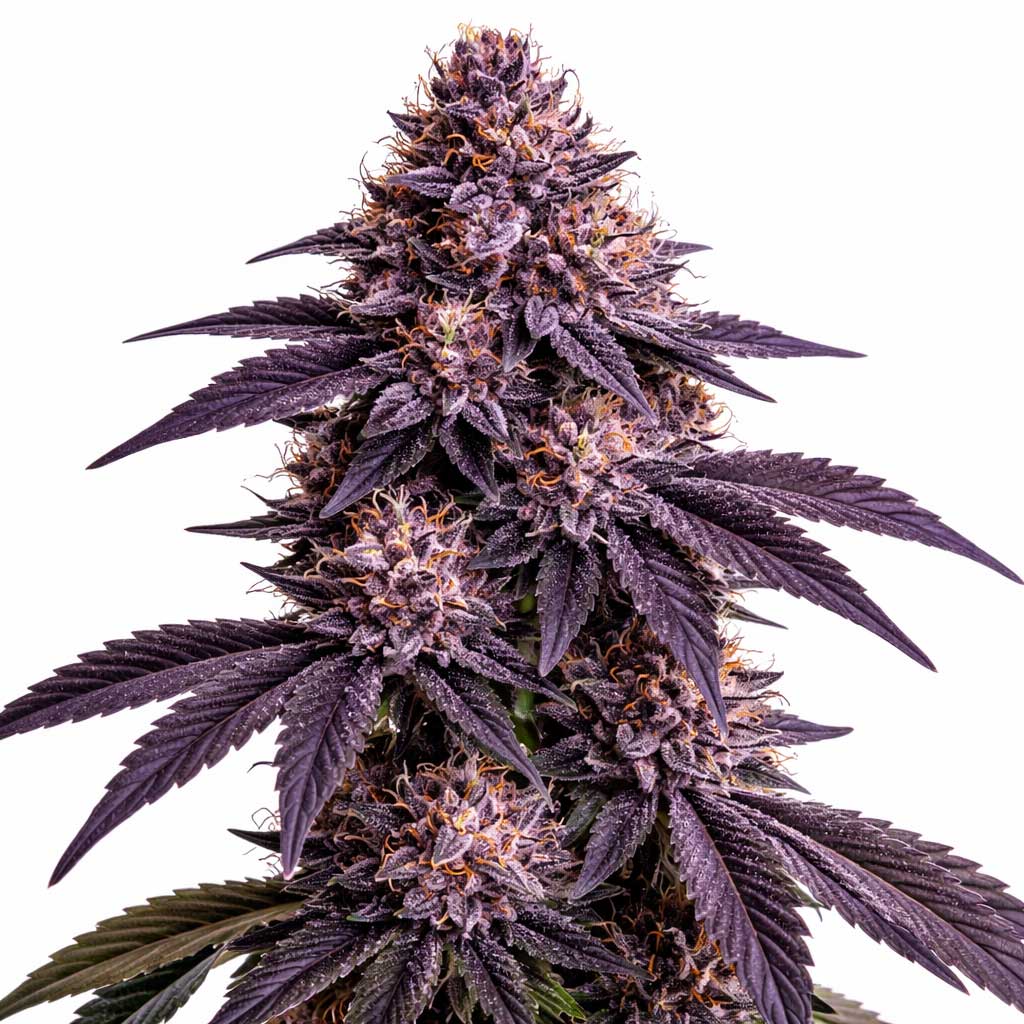
Blackberry Kush is a classic Indica-Dominant Hybrid cultivar commonly described as a cross between Afghani x Blackberry. It is recognized for its dark purple coloration, dense resinous flowers, and a flavor profile that blends sweet berry character with earthy hash and subtle fuel undertones. In horticultural discussions, Blackberry Kush is often referenced as a compact, fast-finishing Kush cultivar valued for strong body effects and visually striking flower structure. The information below is intended strictly for scientific and botanical reference.
Quick Facts
| Genetics | Afghani x Blackberry |
|---|---|
| Variety | Indica-Dominant Hybrid |
| Flowering Time | ~7–8 weeks indoors |
| Yield Potential | Moderate; generally not considered a heavy yielder |
| Plant Height | Compact to medium; well-suited to controlled indoor setups |
| Climate Preference | Temperate, dry, well-ventilated indoor or greenhouse environments |
| Difficulty | Beginner to Intermediate |
Scientific & Botanical Overview
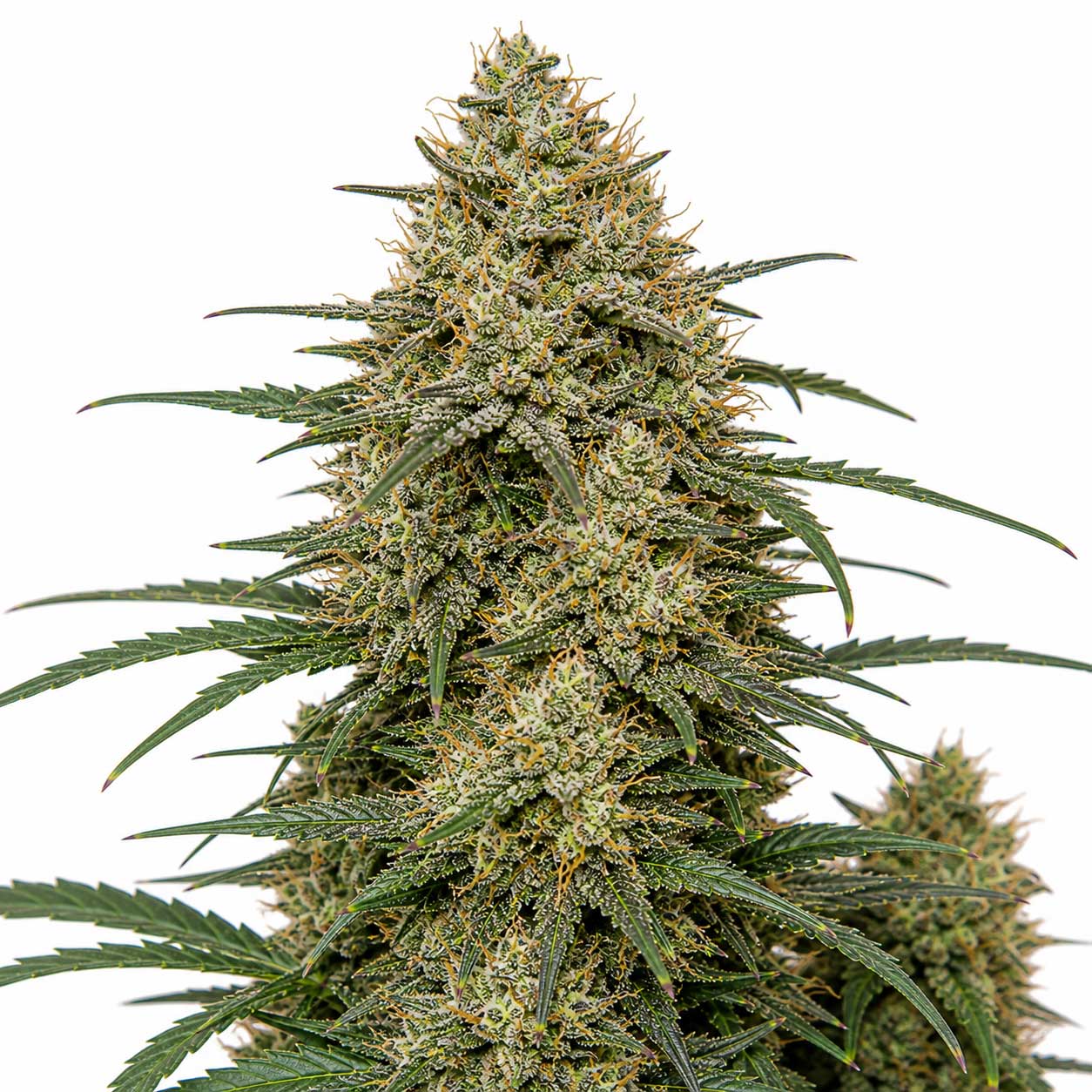
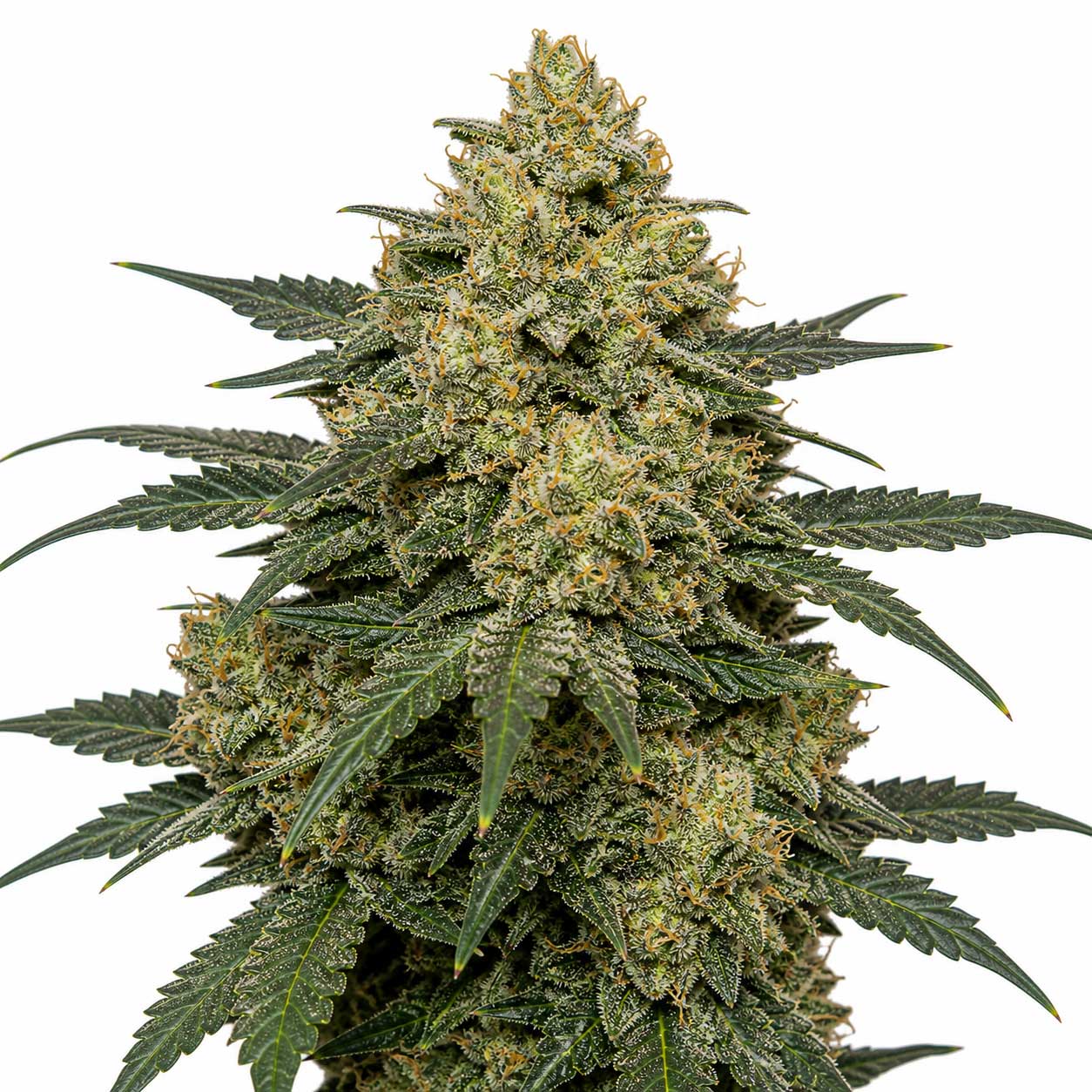
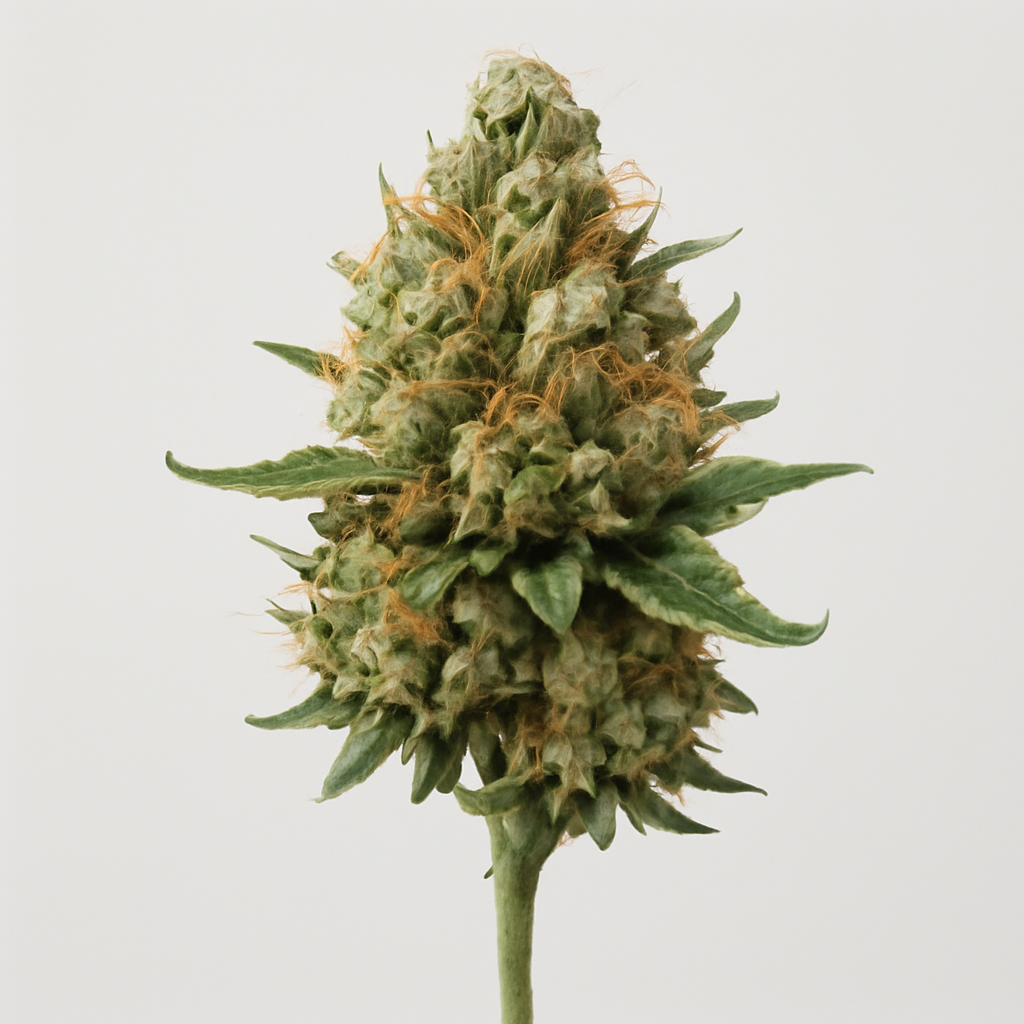
Blackberry Kush usually expresses a stout, indica-leaning structure with dense branching, tight internodes, and thick flowers that can finish with deep purple, black, and dark green tones. Orange pistils and a heavy trichome layer are common visual markers. The plant typically stays relatively compact, producing dense, firm buds rather than oversized spear-shaped colas, which makes environmental control especially important during late flower.
Effects & Use-Cases (Reported)
- Commonly reported effects: relaxing, sleepy, warm-bodied, and appetite-stimulating.
- Use-case context: often discussed in evening routines or end-of-day settings because of its heavier physical effect profile.
- Note: These are observational reports, not medical claims; outcomes are not guaranteed.
Aroma & Flavors
- Aroma: sweet dark berries layered over earthy hash, kush spice, and a subtle jet-fuel sharpness.
- Flavor: berry-forward on entry, followed by earthy kush depth and a smooth fuel-like finish.
- Terpene associations: commonly linked with myrcene, caryophyllene, and limonene/pinene in public strain references.
Tested Cannabinoid & Terpene Ranges
| Compound | Typical Range* | Notes |
|---|---|---|
| Δ⁹-THC | ~18–23% | Generally considered potent and body-heavy. |
| CBD | Low / trace | Usually present only in minor amounts. |
| Myrcene | Not consistently quantified | Frequently associated with sedating, earthy depth. |
| Caryophyllene | Not consistently quantified | Often linked to peppery-kush notes. |
| Limonene / Pinene | Not consistently quantified | May contribute brightness and aromatic lift depending on phenotype. |
| Terpene Profile | Berry-Hash-Fuel | Best characterized by sweet fruit over earthy kush and gas. |
*Ranges are approximate references and can vary by phenotype, environment, harvest timing, curing, and analytical method.
Cultivation Notes
- Light Cycle: 18/6 vegetative; 12/12 flowering
- Humidity Targets: around 40–50% in flower to protect dense buds and reduce moisture risk.
- Nutrition: moderate feeding works well; avoid overfeeding late in flower if color and resin expression are a priority.
- Training: well-suited to SOG style cultivation; canopy control helps maintain airflow through the dense flower set.
- Harvest Window: fast indoor finish at roughly 7–8 weeks; outdoor timing varies by region and phenotype.
Grower Notes (Week-by-Week Snapshot)
- Weeks 1–2 (Transition): manage stretch early and establish an even canopy in small-to-medium indoor spaces.
- Weeks 3–4: bud sites stack quickly; maintain airflow and remove weak lower growth if needed.
- Weeks 5–6: resin production intensifies; darker pigment can begin to emerge depending on phenotype and finishing conditions.
- Weeks 7–8: monitor trichome maturity closely as the cultivar can finish quickly.
- Post-Harvest: slow drying and careful curing help preserve berry sweetness and underlying kush depth.
Environmental response differs by cut and grow style, so structure, color expression, and aroma intensity can vary meaningfully between phenotypes.
Genetic Lineage
Blackberry Kush is most commonly described as an Afghani x Blackberry cross. That pairing helps explain much of its classic profile: Afghani contributes dense indica structure, earthy hash depth, and strong body effects, while Blackberry adds sweeter fruit notes and the cultivar’s signature dark coloration. Some secondary references use similar naming variations, but the Afghani x Blackberry lineage remains the most widely cited origin for Blackberry Kush.
Research Insights
Blackberry Kush is often used in strain education as an example of how visual appeal, aroma chemistry, and effect profile can align in an indica-dominant cultivar. Its frequent association with deep coloration, compact flower density, and a berry-to-fuel aromatic transition suggests a phenotype set that balances anthocyanin-rich expression with kush-heavy resin production. Public terpene-oriented summaries often connect its heavier body character to myrcene alongside supporting caryophyllene, although exact terpene percentages are not consistently published across sources.
Frequently Asked Questions
Is Blackberry Kush an indica or sativa?
Blackberry Kush is generally classified as an indica-dominant hybrid, with descriptions consistently emphasizing strong physical relaxation.
What does Blackberry Kush smell and taste like?
It is commonly described as having notes of sweet berries, hash, and fuel, with an earthy kush finish.
How long does Blackberry Kush take to flower?
Blackberry Kush is commonly placed at about 7–8 weeks indoors.
Is Blackberry Kush a high-yielding strain?
Not usually. It is more often characterized as a moderate yielder valued for resin density, color, and potency rather than sheer production volume.
What are the typical effects?
Reported effects usually include relaxation, sleepiness, and a heavy body sensation, especially later in the experience.
Educational Disclaimer: This page is provided for scientific and horticultural reference only and does not constitute medical or promotional advice. Cannabis cultivation, possession, and use are regulated by local laws. Always comply with applicable legislation in your region.
Rate and review this strain
Ratings and reviews are accepted only from signed-in Google accounts.
Sign in with Google to leave a rating and written review.
Latest Reviews
0 reviewsNo reviews yet. Be the first Google user to rate and review this strain.