Bay Glue Strain — Strainpedia
Bay Glue is a balanced hybrid cannabis strain made from Chem’s Sister x Sour Dubb, known for its sharp diesel aroma, sticky resin-heavy buds, and a hybrid effect that opens bright before settling into a calmer body feel. This Bay Glue strain guide is provided strictly for scientific, botanical, and horticultural reference.
Quick Facts
| Genetics | Chem’s Sister x Sour Dubb |
|---|---|
| Variety | Balanced hybrid (commonly listed around 50% indica / 50% sativa) |
| THC Potency | Approximately 22%–28% |
| Primary Terpenes | Caryophyllene, Limonene, Myrcene |
| Aroma | Sharp diesel, earthy pine, peppery citrus |
| Flowering Time | Approximately 56–63 days indoors |
| Difficulty | Intermediate (benefits from low humidity and branch support late in flower) |
Scientific & Botanical Overview
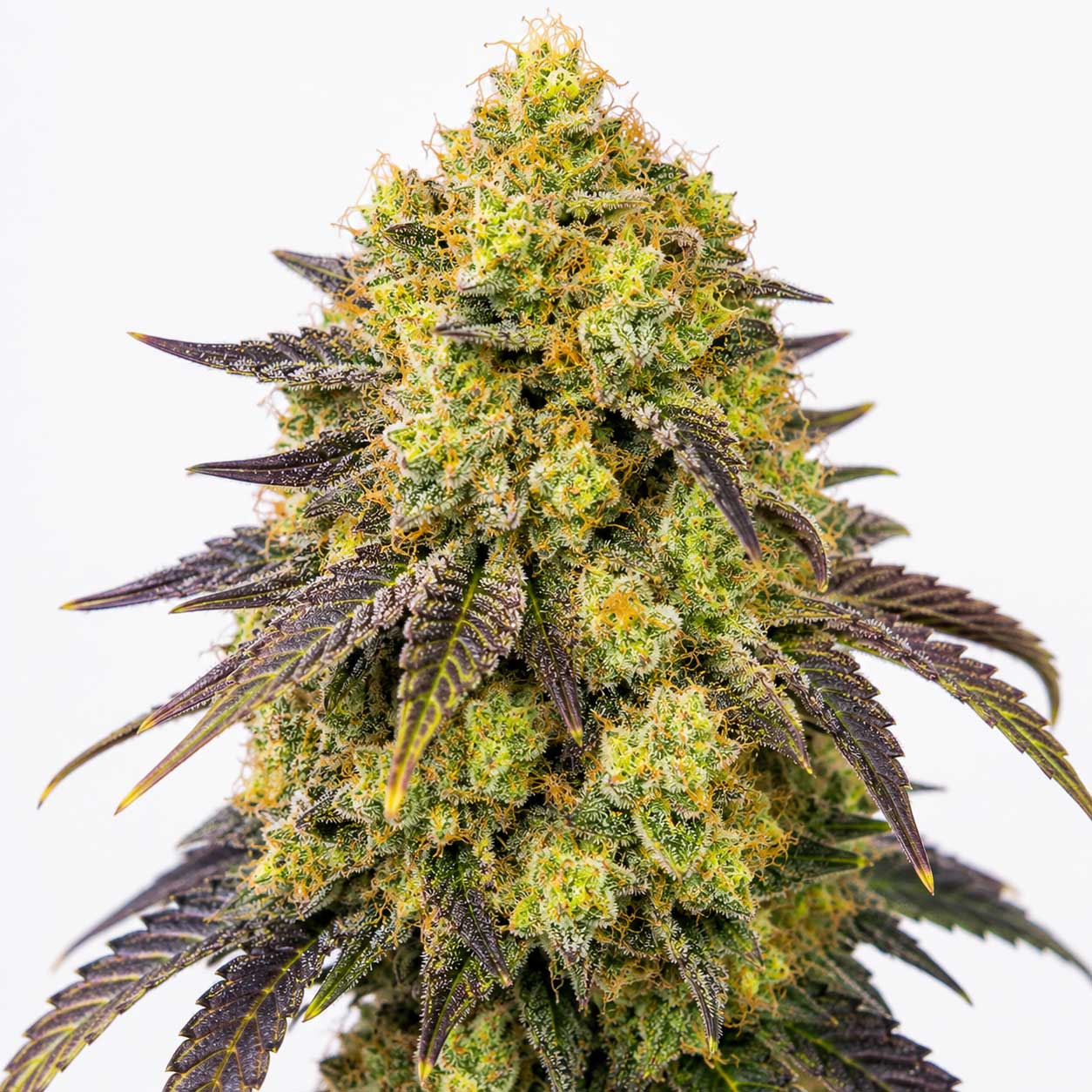
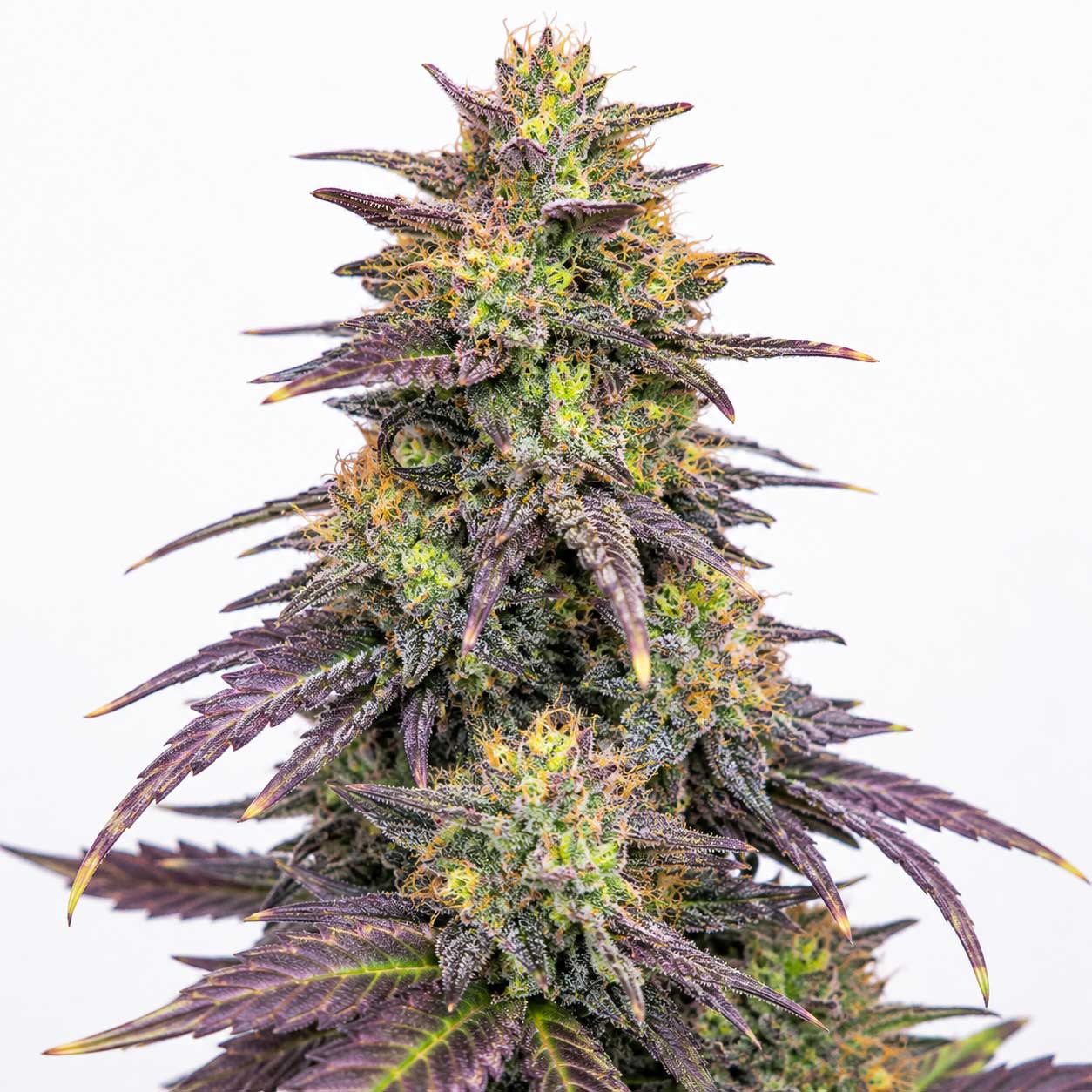
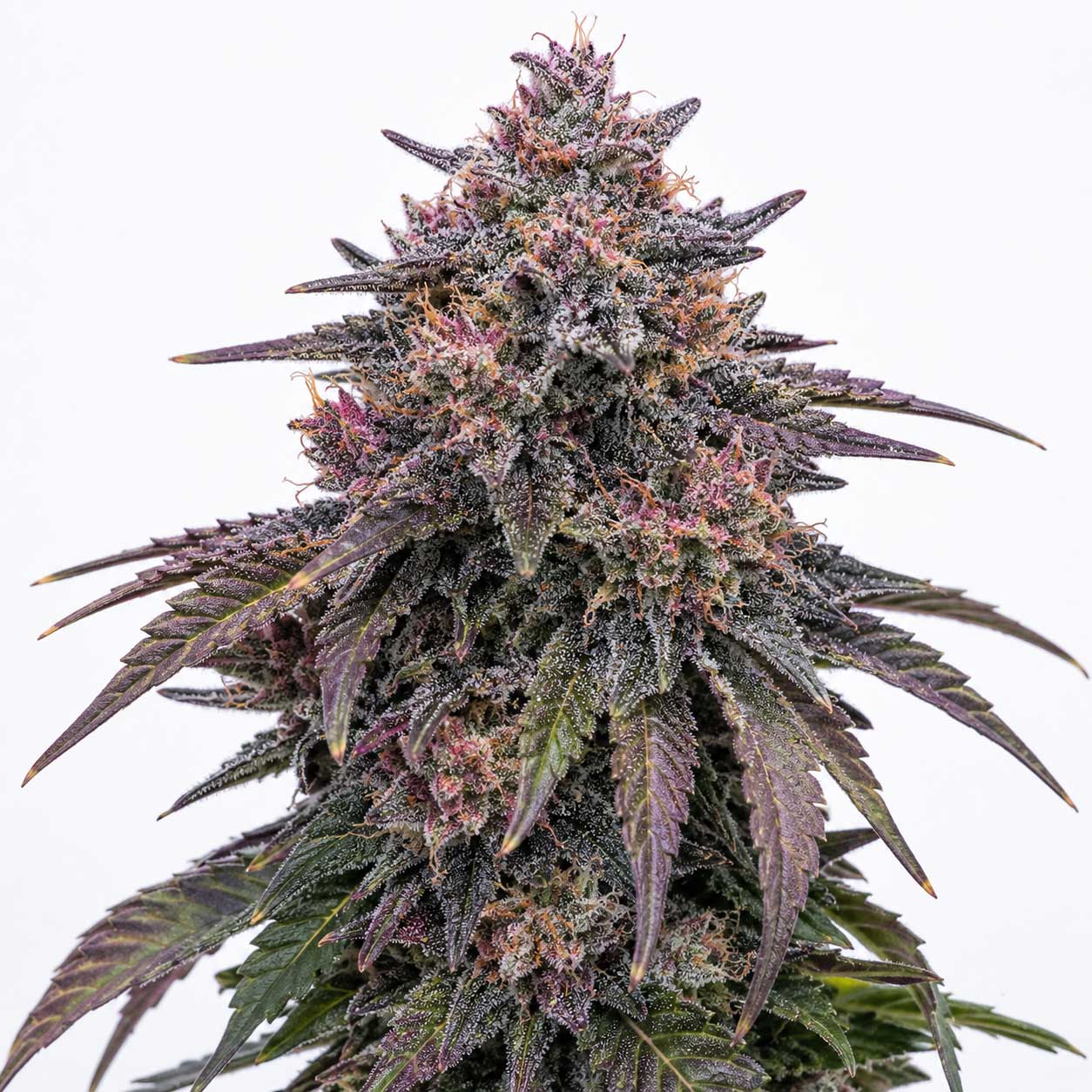
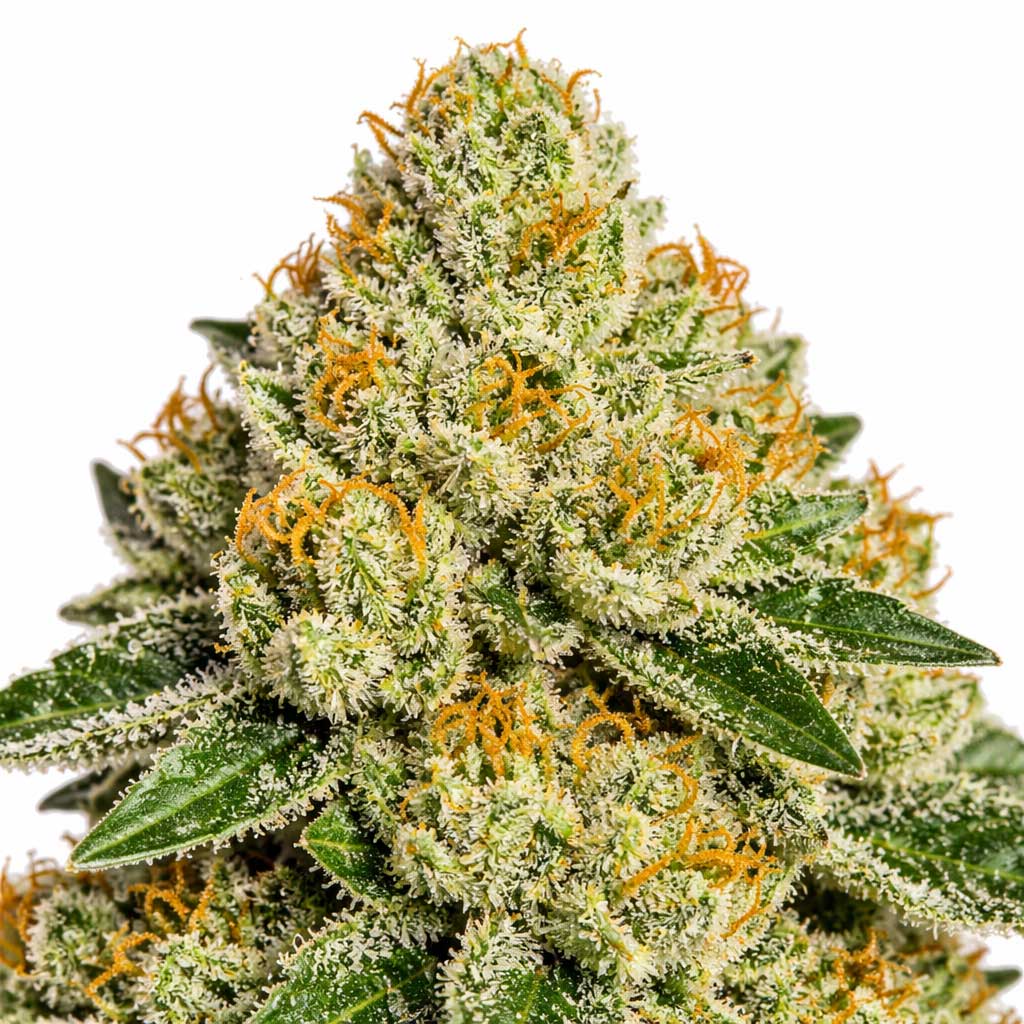
Bay Glue usually develops medium-sized, chunky flowers with heavy surface resin and a tacky texture that stands out even before the buds are broken open. The color often leans bright lime green with darker forest accents underneath, while bright orange pistils give the flower extra contrast. In stronger cuts, the trichome coverage is thick enough to make the buds feel more sticky than frosty, which fits the Glue name better than almost any visual description could.
The plant structure tends to stay fairly sturdy, but resin production can become substantial enough that later flower weight matters more than it first appears. Chem’s Sister contributes the sharper chemical edge and more active top-end character, while Sour Dubb helps supply the stickiness, sour undertones, and smoother body side that keeps the experience from becoming too one-note or too racy.
Effects & Use-Cases (Reported)
- Commonly reported effects: quick euphoric lift, easier conversation, a clearer head at the start, and a steady body relaxation that builds without instantly flattening the session.
- Use-case context: often chosen for social settings, stress relief, creative downtime, or late afternoon to evening use when a strain needs to feel strong but still manageable.
- Note: These are observational reports, not medical claims; outcomes are not guaranteed.
Bay Glue tends to appeal to people who want potency without immediate shutdown. The opening phase can feel energized, chatty, and mentally switched on, while the second half usually brings more physical softness and less urgency. That balance is a big reason it is often described as heavy but still functional in moderate use.
Aroma & Flavors
- Aroma: loud diesel, earthy musk, lemon-cleaner zest, pine, and herbal pepper.
- Flavor: sour citrus and pine on the inhale followed by peppery skunk, earthy gas, and a lingering dry finish on the exhale.
- Terpene associations: caryophyllene, limonene, and myrcene are commonly linked to its spicy fuel-and-citrus profile.
Tested Cannabinoid & Terpene Ranges
| Compound | Typical Range* | Notes |
|---|---|---|
| Δ⁹-THC | ~24%–26% | Often considered strong and long-lasting without always turning overly sedative. |
| CBG | ~1.0% | May appear in supporting amounts depending on phenotype and harvest timing. |
| Caryophyllene | ~0.9% | Drives the peppery depth and helps structure the fuel-heavy body of the aroma. |
| Limonene | ~0.7% | Adds brightness and keeps the profile from reading too dark or muddy. |
| Myrcene | ~0.5% | Rounds out the sharper edges with a calmer herbal base. |
*Potency and terpene values can vary with phenotype, cultivation style, harvest timing, curing method, and analytical process.
Cultivation Notes
- Light Cycle: 18/6 vegetative; 12/12 flowering
- Training: responds well to topping and SCROG, especially when the goal is to spread resin-heavy tops evenly across the canopy
- Environment: controlled indoor conditions usually work best, particularly when humidity can be kept low in late flower
- Support: laterals may need help once flowers gain weight and stickiness increases
- Harvest Window: generally early to mid-October outdoors in suitable Northern Hemisphere climates
Grower Notes (Week-by-Week Snapshot)
- Weeks 1–2 (Transition/Stretch): moderate stretch begins; early canopy shaping helps distribute tops more evenly.
- Weeks 3–4: flower sites begin stacking and lower cleanup can improve airflow through the center of the plant.
- Weeks 5–6: resin production ramps up and the sharp diesel-citrus profile becomes much more obvious.
- Weeks 7–8: buds thicken and tackiness increases; branch support may become more useful as flower weight builds.
- Weeks 8–9: final ripening stage; many growers watch trichome maturity and aroma sharpness closely to preserve a brighter, cleaner finish.
Some phenotypes lean more citrus-forward while others come out earthier and heavier, so final selection often depends on whether the grower wants more social lift or more body weight.
Bay Glue Strain Review
Bay Glue stands out because it keeps the core Glue character intact without feeling as blunt or sleepy as some heavier descendants. The better cuts still bring the sticky resin, sharp gas, and unmistakable weight, but they also hold onto a cleaner citrus-and-pepper edge that gives the experience more movement early on. That makes it memorable for people who like strong flower but do not always want a full couch-lock finish.
Genetic Lineage
Bay Glue combines Chem’s Sister with Sour Dubb, two foundational pieces of the wider Glue family. Chem’s Sister contributes the chemical-diesel brightness and more active euphoric push, while Sour Dubb adds resin saturation, sour-fruit undertones, and a smoother body-centered balance. Together they create a cultivar that feels true to the Glue profile while still carrying a slightly cleaner and more social personality than some deeper, earthier Glue cuts.
Research Insights
In aroma-focused cultivation comparisons, Bay Glue is often a useful example of how Glue-type genetics can express both sharp top-end brightness and deeper body weight at the same time. The better batches usually preserve a clear split between diesel, lemon zest, earth, and pepper after cure. When dried too quickly, that distinction can blur and leave a flatter gas profile behind. For growers who care about expression, the finish matters as much as the test number.
Frequently Asked Questions
What strain is Bay Glue?
Bay Glue is a balanced hybrid cannabis strain made from Chem’s Sister and Sour Dubb. It is known for sticky resin, diesel-heavy aroma, and a hybrid effect that starts brighter before settling down.
Is Bay Glue indica or sativa?
It is generally classified as a balanced hybrid, often described close to a 50/50 split between indica and sativa influence.
How does Bay Glue differ from GG4?
Bay Glue is often described as a little cleaner and more citrus-pepper forward, while GG4 can feel earthier, heavier, and more immediately body-focused.
What does Bay Glue smell and taste like?
It is usually described as smelling like diesel, earthy pine, lemon zest, and peppery spice. The flavor often follows with sour citrus up front and a skunky, earthy finish underneath.
Is Bay Glue good for focus?
In moderate use, some users report a calmer, more social kind of focus early in the session, though the relaxing body side tends to build with time.
Is it suitable for beginners?
The plant is fairly manageable with some basic growing experience, but the potency can still feel strong, so newer consumers usually do better starting with a smaller amount.
Educational Disclaimer: This page is provided for scientific and horticultural reference only and does not constitute medical or promotional advice. Cannabis cultivation, possession, and use are regulated by local laws. Always comply with applicable legislation in your region.
Rate and review this strain
Ratings and reviews are accepted only from signed-in Google accounts.
Sign in with Google to leave a rating and written review.
Latest Reviews
0 reviewsNo reviews yet. Be the first Google user to rate and review this strain.