Zushimi (Cannabis Strain) — Strainpedia
Zushimi is a high-potency Indica-leaning hybrid released as part of the February 2026 “Black Pack” series from In House Genetics. Developed from stabilized Zushi dessert lineage and reinforced with Platinum structure, Zushimi represents the modern “savory exotic” category—cultivars that balance tropical candy sweetness with industrial gas and metallic undertones. Known for its glassy trichome density, dense heart-shaped buds, and layered terpene complexity, Zushimi has quickly become a connoisseur-focused cultivar in the North American premium market. The information below is provided strictly for scientific and horticultural reference.
Quick Facts
| Genetics | Divine Zushi (Divine Gelato #3 × Blue Zushi) × Platinum |
|---|---|
| Variety | Indica-Dominant Hybrid (approx. 65% Indica / 35% Sativa) |
| Flowering Time | 8–9 weeks (60–65 days) |
| THC Range | ~27%–32.7% |
| CBD | ~0.5%–1.3% |
| Terpene Focus | Caryophyllene, Limonene, Myrcene |
| Plant Structure | Short–medium height; stocky branching; tight internodes |
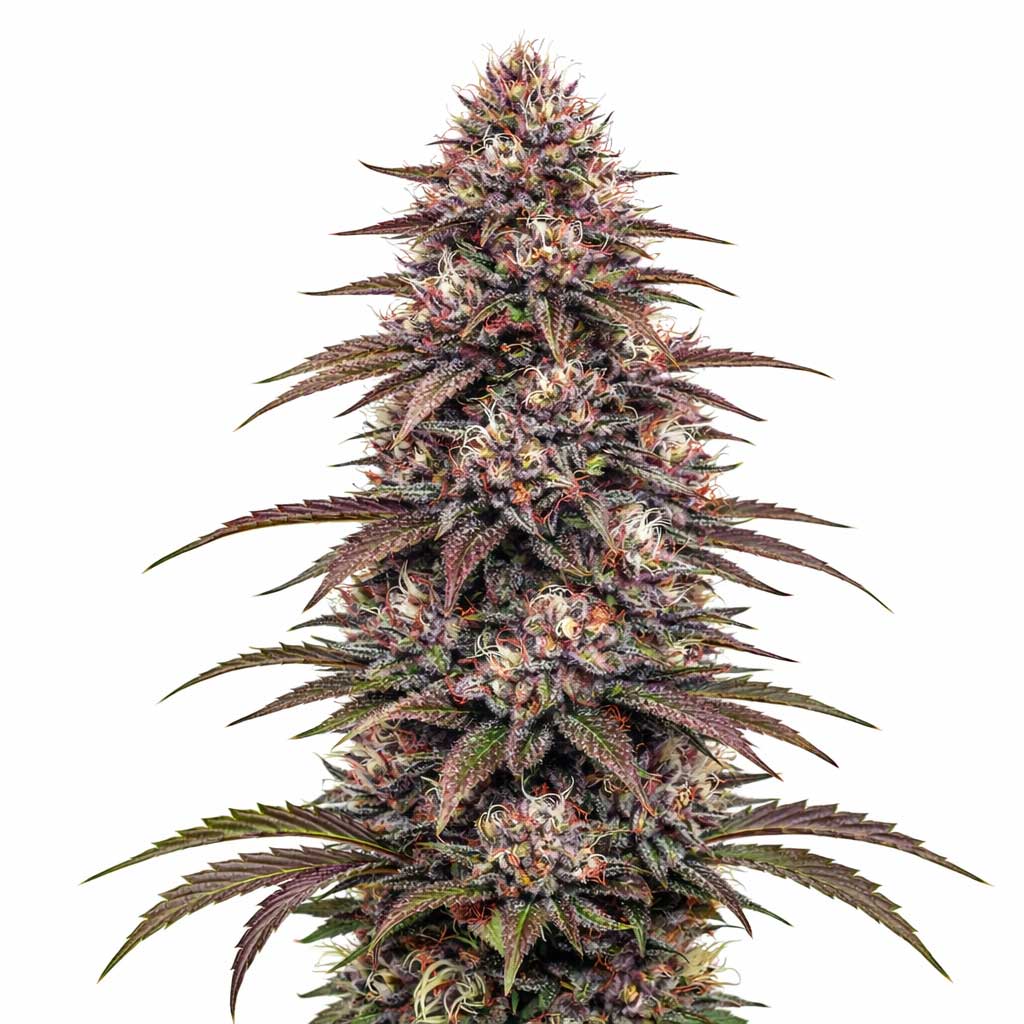
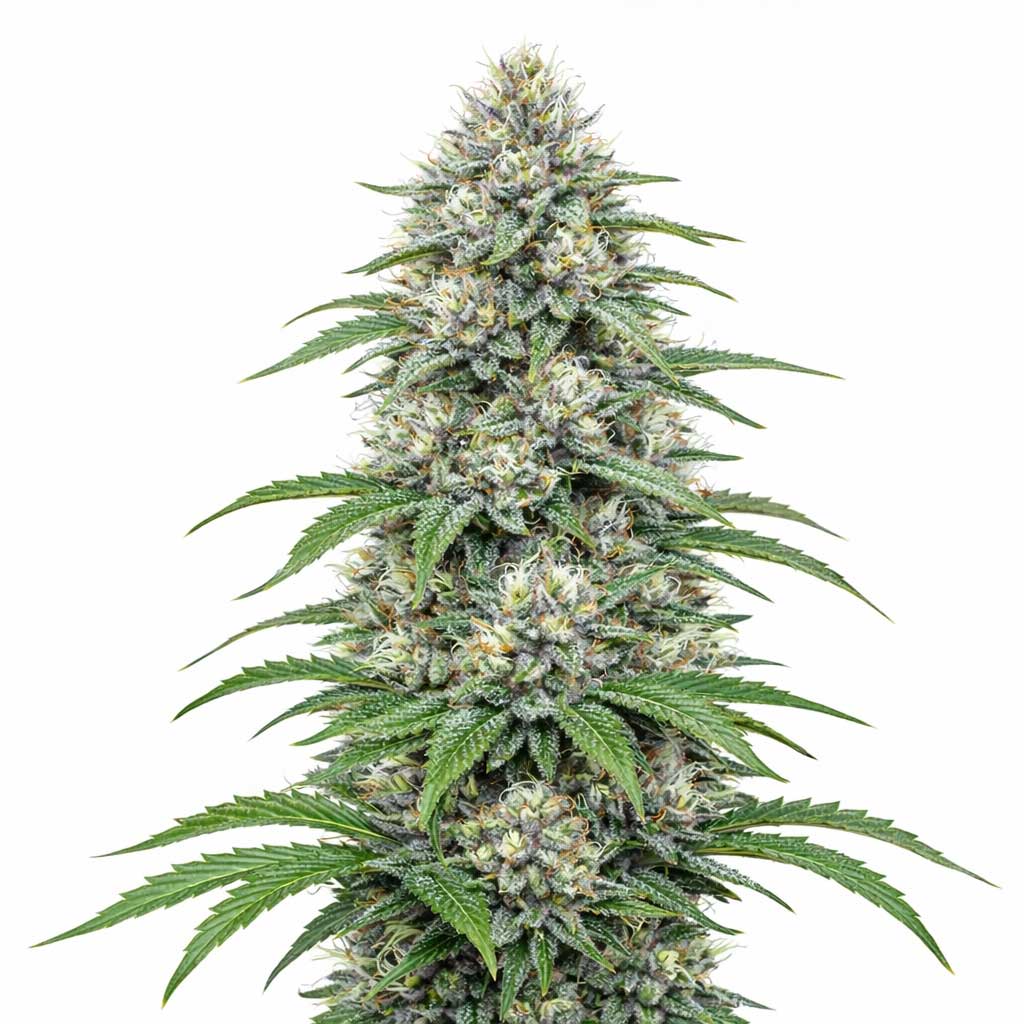
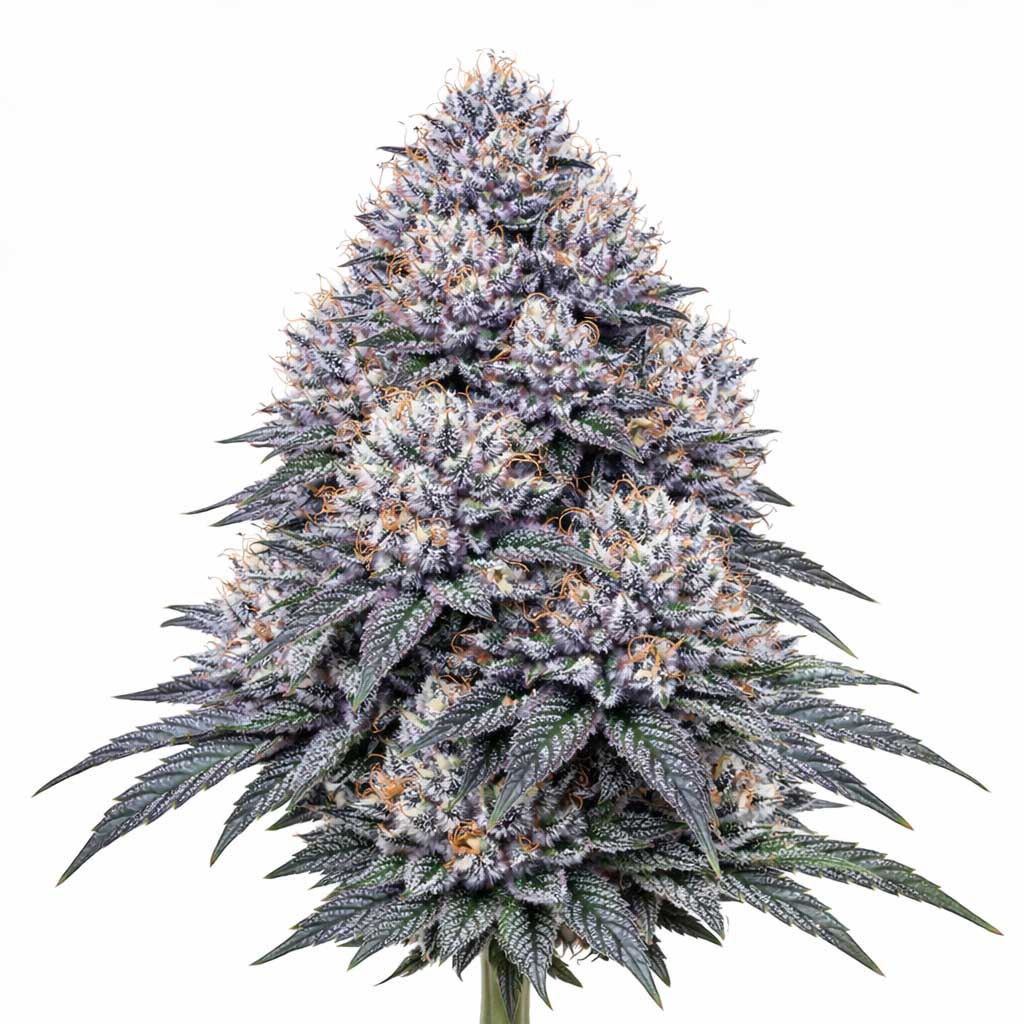
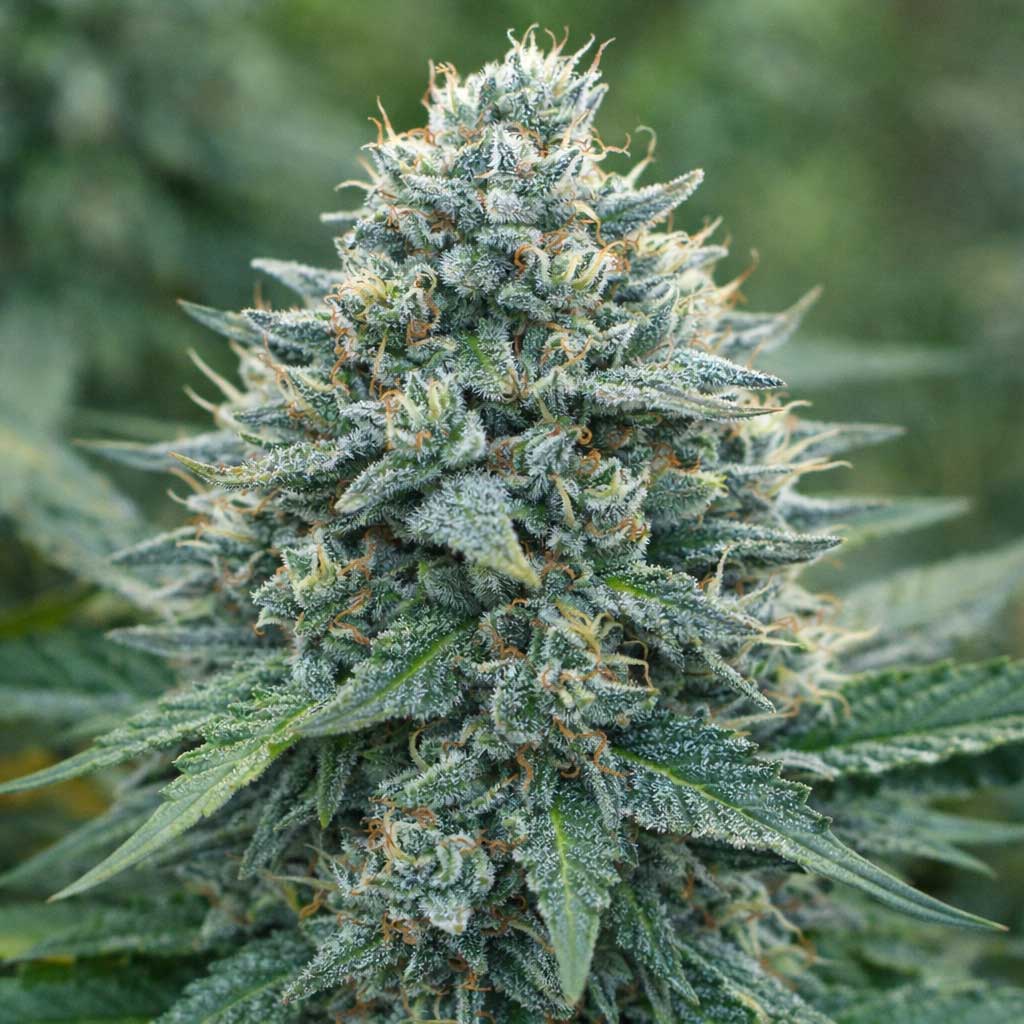
| Visual Traits | Dense heart-shaped nugs; silver-blue frost; thin orange pistils |
| Difficulty | Moderate (benefits from pruning and airflow management) |
Scientific & Botanical Overview
Zushimi expresses a classic Indica-leaning morphology with compact node spacing and aggressive calyx stacking. The Platinum influence strengthens stem structure and improves flower density compared to earlier Z-line cultivars. Bud formation is tight and resin-heavy, with glandular trichomes creating a “glassy” finish that reflects light even after curing.
The cultivar is chemically structured around a Caryophyllene-forward terpene system layered with Limonene brightness and Myrcene grounding depth. This creates a sensory contrast between sweet tropical candy top notes and a heavier diesel-metallic base. Zushimi is particularly notable for its high gland head density, making it suitable for solventless extraction applications when cultivated under optimal conditions.
Effects & Use-Cases (Reported)
- Commonly reported effects: euphoric uplift, tingling body sensation, mood elevation, and gradual physical relaxation.
- Onset profile: fast cerebral spark followed by a weighted, calming body effect.
- Use-case context: late afternoon sessions, social environments, creative discussion, or controlled evening relaxation.
- Balance profile: functional mental clarity early, transitioning into soothing physical calm.
- Note: These are observational reports and not medical claims; results vary by individual tolerance and environment.
Aroma & Flavors
- Aroma: sweet tropical candy and berry layered over a sharp petrol and “cold metal” gas undertone.
- Flavor: creamy dessert tones on inhale (Gelato influence), followed by savory diesel and earthy-clean finish.
- Signature finish: metallic gas snap with lingering blue-candy sweetness.
Tested Cannabinoid & Terpene Ranges
| Compound | Typical Range* | Notes |
|---|---|---|
| Δ⁹-THC | ~27%–32.7% | High potency; designed for experienced consumers. |
| CBD | ~0.5%–1.3% | May contribute to smoother psychoactive balance. |
| Caryophyllene | High | Primary driver of spicy gas and structural depth. |
| Limonene | Moderate–High | Adds citrus brightness and initial uplift. |
| Myrcene | Moderate | Supports body relaxation and earthy undertones. |
| Linalool | Trace–Moderate | Contributes subtle floral sweetness. |
| Terpene Profile | Blue Candy / Industrial Gas / Savory Diesel | A layered dessert-gas terpene system typical of 2026 exotic hybrids. |
*Ranges are informed by breeder data and lab trends; actual results vary depending on phenotype, cultivation environment, harvest timing, curing practices, and testing methods.
Cultivation Notes
- Flowering Time: 8–9 weeks (photoperiod).
- Stretch Behavior: Moderate stretch in weeks 1–2 of flower; manageable indoors.
- Canopy Management: Responds well to topping and light LST for even canopy development.
- Humidity Targets: 45–55% early flower; 40–50% late flower to protect dense calyx clusters.
- Temperature Influence: Cooler night temperatures can enhance silver-blue coloration.
- Harvest Timing: Optimal terpene depth develops at full maturity (day 60+).
Grower Notes (Week-by-Week Snapshot)
- Weeks 1–2 (Stretch Phase): Moderate vertical growth; ideal time for structural training.
- Weeks 3–4: Early frost onset; Platinum traits begin expressing visibly.
- Weeks 5–6: Rapid bud stacking; aroma transitions from sweet berry to pungent diesel.
- Weeks 7–8: Calyx swelling intensifies; resin production peaks.
- Week 9 (Ripening): Full terpene maturation; careful dry recommended to preserve volatile candy notes.
- Post-Harvest: Slow dry (~60°F / 60% RH) followed by controlled cure to retain dessert-gas complexity.
Extraction Performance & Resin Traits
Zushimi’s large glandular trichomes and brittle stalk structure make it a viable candidate for ice water hash processing when grown under ideal resin-focused conditions. Extractors report pale-gold outputs with preserved “blue candy” top notes, particularly in fresh-frozen applications. The Platinum lineage contributes to structural gland integrity, improving separation efficiency during agitation.
Genetic Lineage
Zushimi is built from Divine Zushi (Divine Gelato #3 × Blue Zushi) crossed with Platinum. The Divine Zushi side supplies creamy dessert sweetness and complex berry-candy aromatics, while Platinum reinforces structure, density, and trichome abundance. The resulting hybrid stabilizes the desirable “Z” terpene signature while improving plant vigor and yield consistency.
Research Insights
Zushimi reflects the 2026 trend toward savory-exotic terpene systems—cultivars that balance sweetness with industrial gas and metallic complexity. The combination of high THC content with measurable CBD presence may contribute to a more rounded psychoactive profile compared to ultra-low-CBD exotics. Its Caryophyllene-dominant chemistry likely plays a central role in both aroma depth and perceived body effects, aligning with modern demand for balanced yet high-impact cultivars.
Frequently Asked Questions
Is Zushimi Indica or Sativa?
Zushimi is classified as an Indica-Dominant Hybrid (approximately 65% Indica / 35% Sativa).
How strong is Zushimi?
It typically tests between 27% and 32.7% THC, placing it in the high-potency category.
Is Zushimi suitable for daytime use?
Most reports suggest it is best for late afternoon or evening use due to its gradually sedating body effects.
What makes Zushimi visually distinctive?
The strain features dense, heart-shaped buds with heavy silver-blue trichome coverage inherited from the Platinum lineage.
Educational Disclaimer: This page is provided for scientific and horticultural reference only and does not constitute medical or promotional advice. Cannabis cultivation, possession, and use are regulated by local laws. Always comply with applicable legislation in your region.
Rate and review this strain
Ratings and reviews are accepted only from signed-in Google accounts.
Sign in with Google to leave a rating and written review.
Latest Reviews
0 reviewsNo reviews yet. Be the first Google user to rate and review this strain.