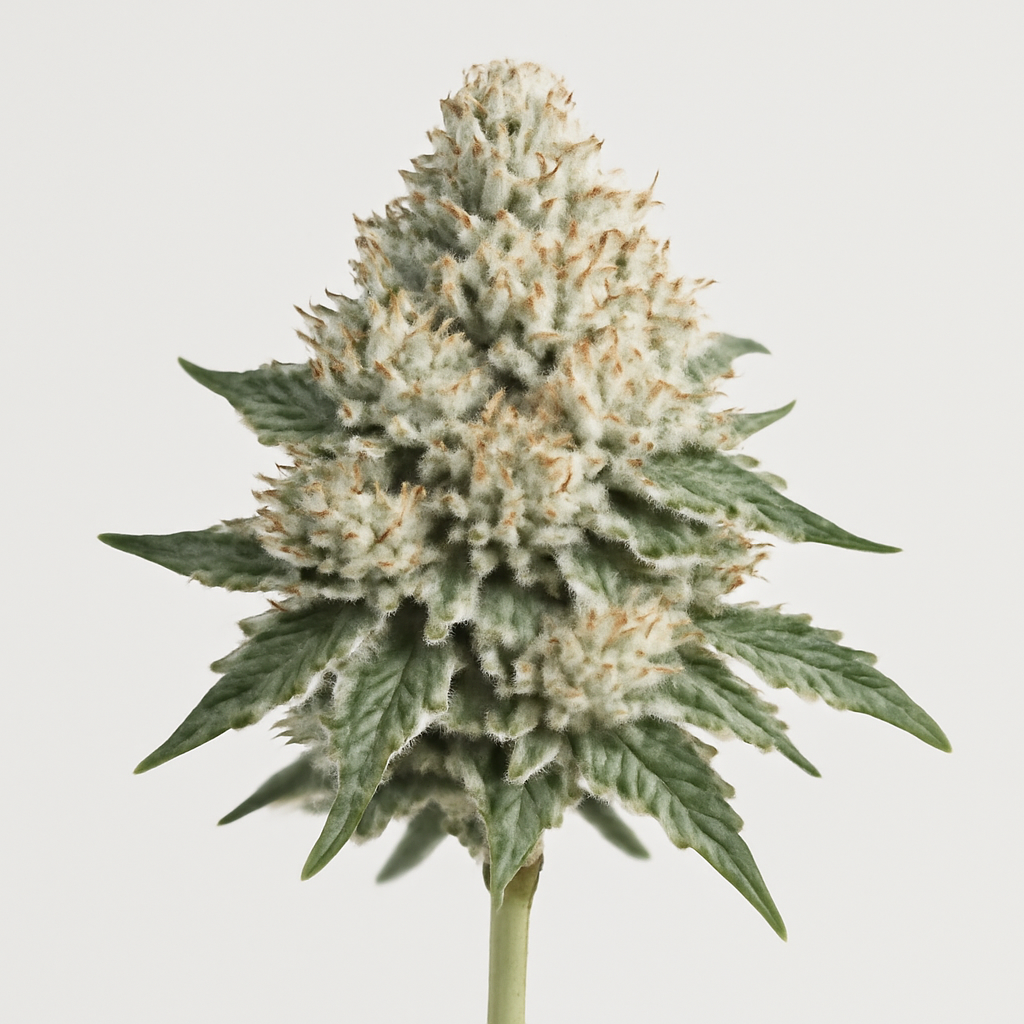
White Truffle (Cannabis Strain) — Strainpedia
White Truffle stands out for its dense resin coverage, savory-gas aroma, and a finish that many consumers describe as deeply calming. Usually associated with Gorilla Butter F2 selections, this indica-leaning hybrid brings together GMO’s funk and Peanut Butter Breath’s nutty sweetness in a profile that is immediately recognizable once the jar is opened.
The cultivar is often discussed as a modern connoisseur strain because it tends to express a strong flavor identity alongside striking frosted buds and compact flower structure. In cultivation, White Truffle is commonly managed as a medium-difficulty line with a relatively short indoor flowering window, while the sensory profile can swing between garlic, dough, cream, and fuel depending on phenotype and post-harvest handling.
Quick Facts
| Genetics | Gorilla Butter F2 selection (GMO x Peanut Butter Breath) |
|---|---|
| Original Breeder | Fresh Coast Seed Co. |
| Variety | Indica-dominant Hybrid |
| Flowering Time | Approximately 8–9 weeks indoors |
| Yield Potential | Moderate to high with a dialed-in canopy |
| Plant Height | Medium, with a compact final structure |
| Climate Preference | Warm indoor environments or dry outdoor settings with strong airflow |
| Difficulty | Moderate |
Strain Classification
| Type | Indica-dominant Hybrid |
|---|---|
| Genetic Family | GMO-leaning savory hybrid with dessert-leaning nutty undertones |
| Primary Terpenes | Myrcene, caryophyllene, limonene* |
| Original Breeder | Fresh Coast Seed Co. |
| Breeding Lineage | Gorilla Butter F2 selection typically associated with GMO x Peanut Butter Breath |
*Exact terpene dominance may vary by phenotype and cultivation method.
Scientific & Botanical Overview
Botanically, White Truffle is an example of a heavily selected hybrid that prioritizes resin production, terpene intensity, and compact floral architecture. It is commonly described as finishing with dense inflorescences and a high trichome density, traits that align with its reputation in extract-friendly and premium-flower markets.
From a breeding perspective, the cultivar reflects the growing appetite for hybrid lines that combine old-school funk with dessert-style nuance. The GMO side of the family is often associated with sulfurous, savory, and fuel-adjacent aromatics, while Peanut Butter Breath contributes a rounder, creamier texture to both aroma and flavor. The result is a cultivar that can present as pungent and luxurious at the same time, which is part of why it continues to attract attention in curated menus and small-batch breeding circles.
Appearance
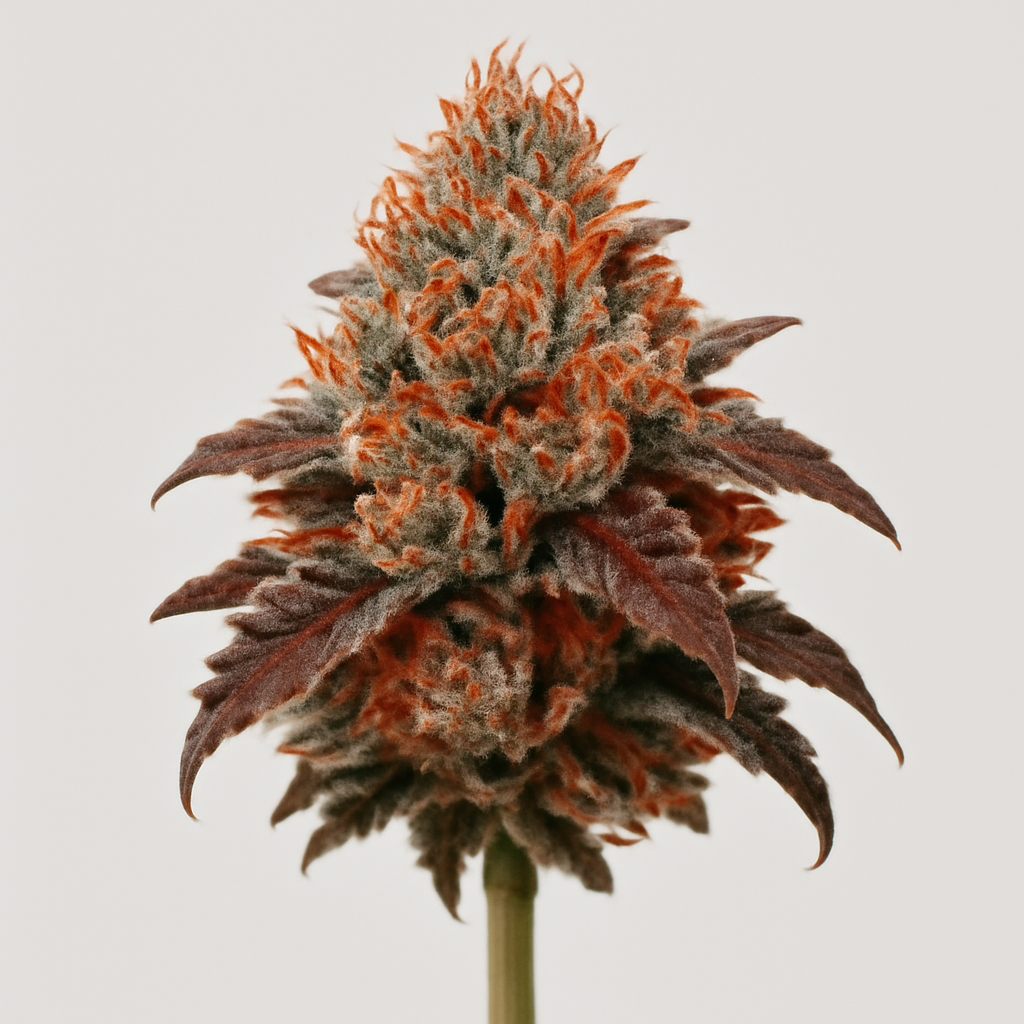
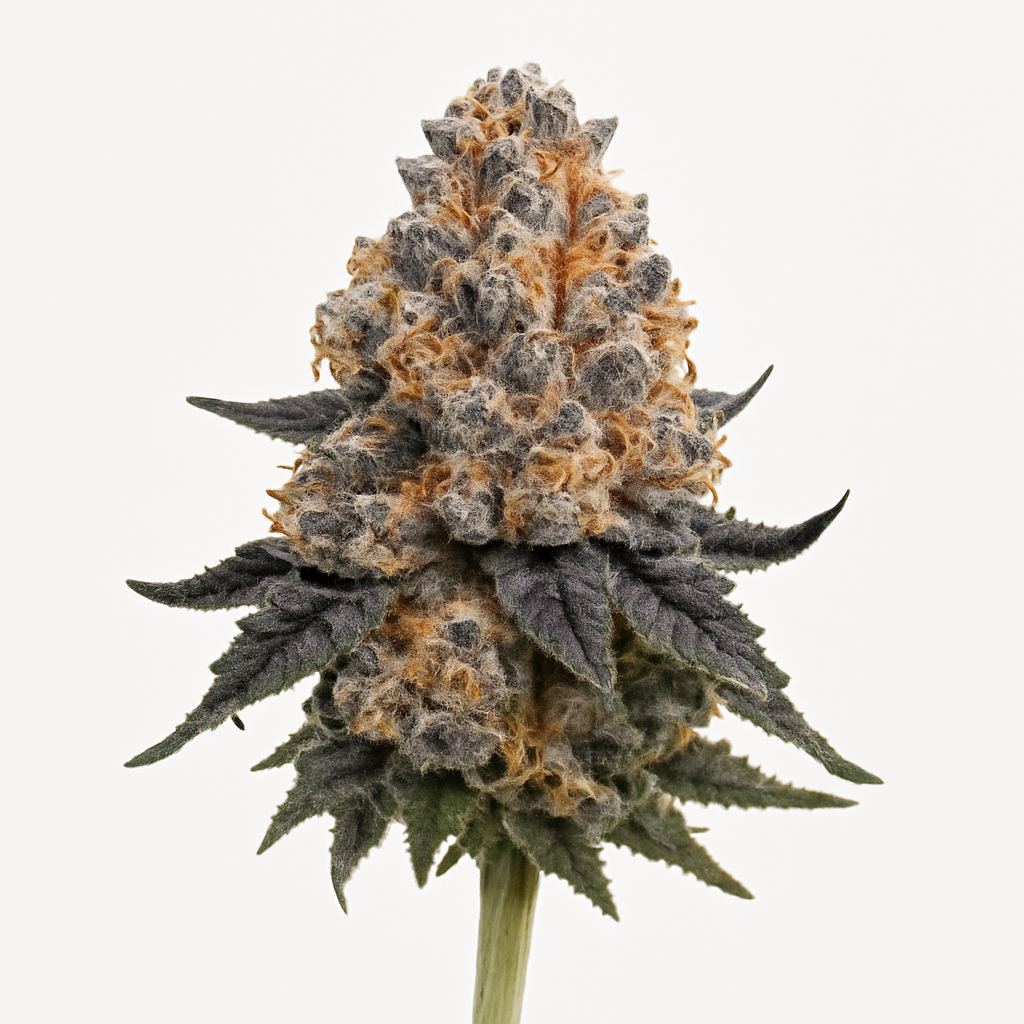
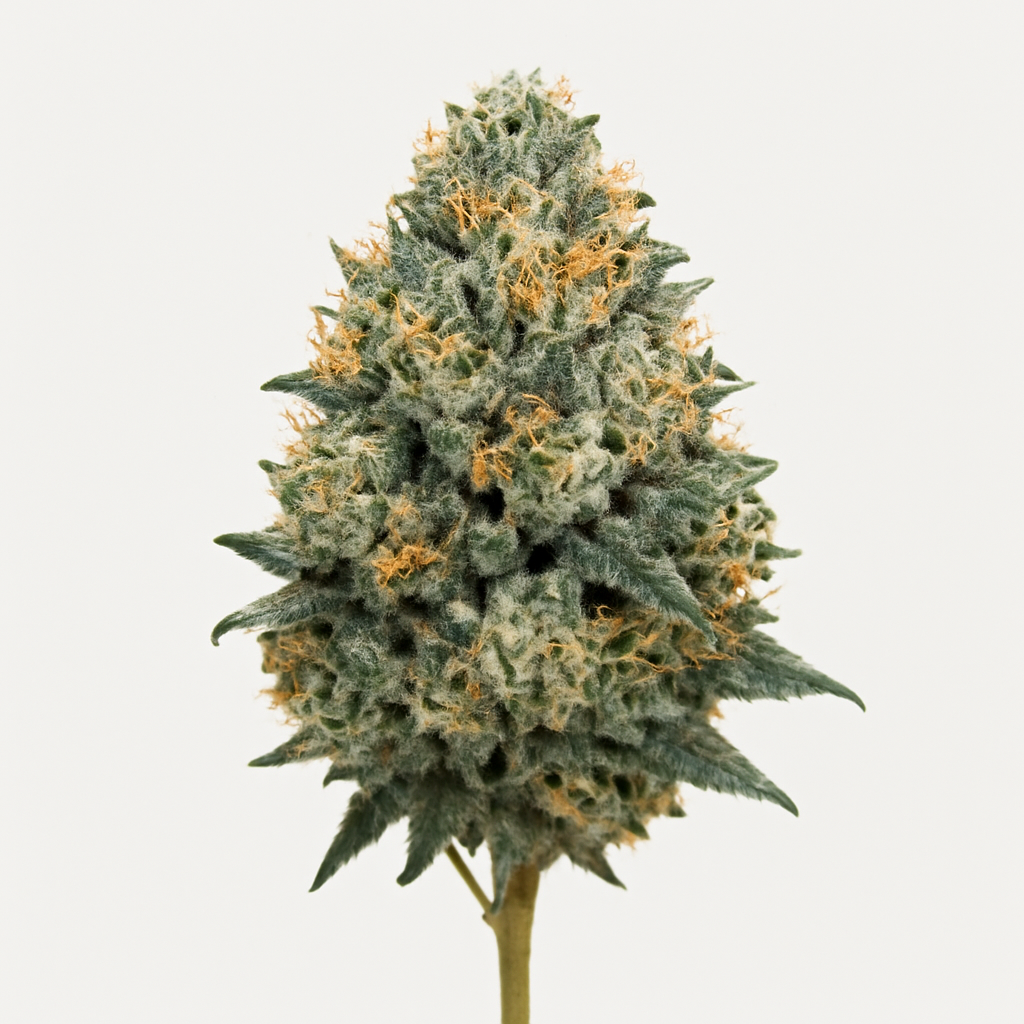
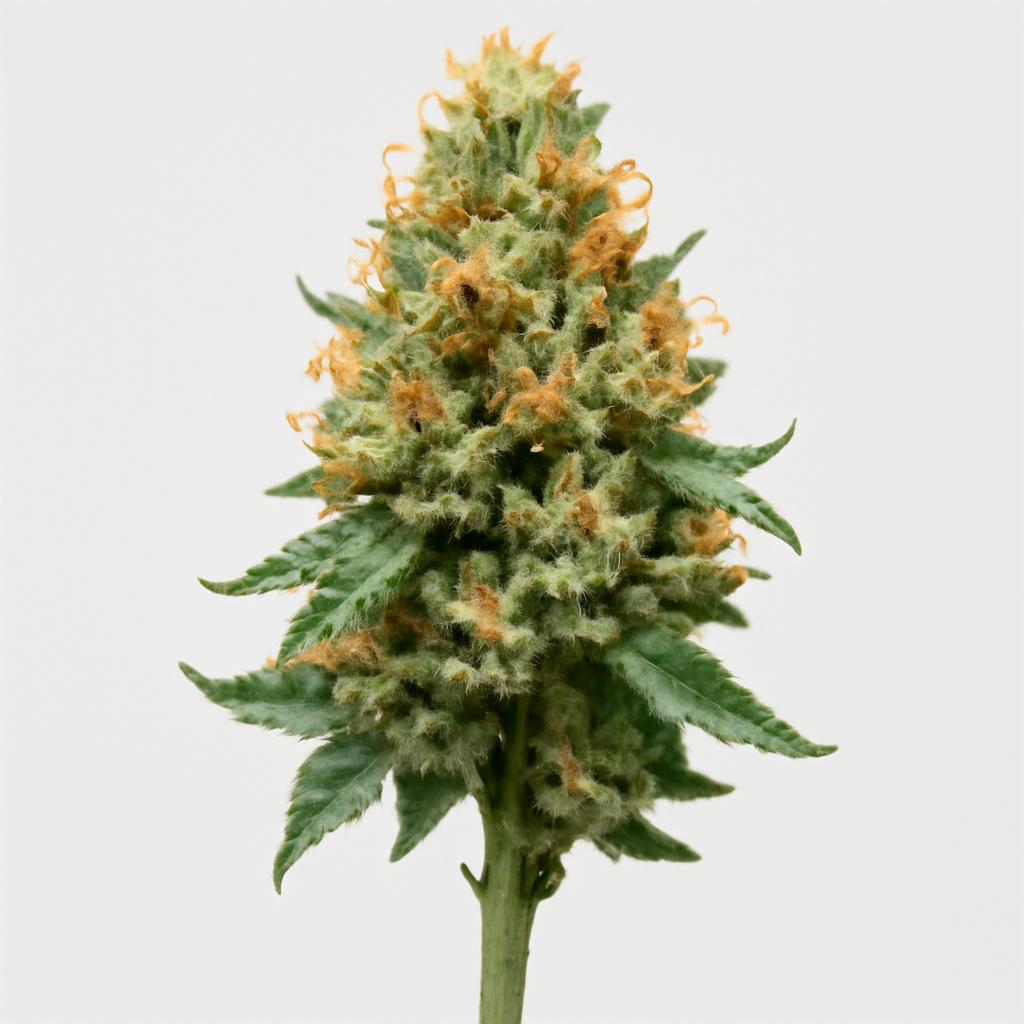
White Truffle buds are typically dense and rounded, with a tight bud structure that carries a heavy coat of crystalline trichomes. Under bright light, the surface often appears almost sugar-dusted, creating the pale, frosty impression suggested by the name.
Color can range from medium green to darker green with occasional lavender or plum accents, especially in cooler finishes. Orange to rust-colored pistils usually thread through the flower, while phenotype variation may show slightly more spear-shaped colas or more compact, golf-ball-like clusters depending on the cut.
Effects & Use-Cases (Reported)
- Commonly reported effects: calm, body-heavy, mentally quieting, late-day relaxation, strong session wind-down
- Use-case context: often chosen for evening sessions, low-key social use, or when a more settled pace is preferred
- Body character: generally described as weighted and warm, with a slow-building finish that can feel more physical than cerebral
- Note: These observations are anecdotal and do not constitute medical claims.
Observational Note: White Truffle is not usually framed as a bright, daytime strain. Its reputation leans toward a pronounced comedown in pace, with effects that can arrive quickly and settle into a heavier, quieter baseline.
Potency Note: Because THC levels may run high, small amounts are often enough for many consumers. Flavor complexity and potency can appear together, especially in well-grown flower with careful cure conditions.
Aroma & Flavor Profile
- Aroma: savory garlic, damp earth, nutty dough, sharp funk, light fuel
- Flavor: garlic cream, roasted nuts, earthy spice, diesel, sweet pastry
- Aftertaste: lingering savory fuel with a soft, creamy finish
- Terpene associations: commonly aligned with myrcene, caryophyllene, and limonene.
For searchers looking up White Truffle strain aroma, flavor, or terpene profile, this cultivar is best understood as a savory-funk hybrid rather than a fruit-forward dessert line. The profile is layered, with garlic and earth up front, then cream, nut, and diesel notes that stay on the palate after exhale.
Tested Cannabinoid & Terpene Ranges
| Compound | Typical Range* | Notes |
|---|---|---|
| Δ⁹-THC | ~22–28% | Often tested in the high-potency range in top flower cuts. |
| CBD | <0.5% | Usually present only in trace amounts. |
| Myrcene | ~0.20–0.60% | Commonly linked to the earthy, musky base notes. |
| Caryophyllene | ~0.15–0.45% | Often supports the peppery, savory edge. |
| Limonene | ~0.05–0.25% | May add a faint citrus lift to the heavier funk. |
*Ranges are estimates and may vary by phenotype, harvest timing, and testing methods.
Cultivation Notes
- Light Cycle: 18/6 vegetative, then 12/12 for flowering
- Humidity: moderate early, then lower humidity in late flower to protect dense colas
- Stretch: moderate stretch, usually manageable with early training
- Training: responds well to topping, SCROG, and branch support
- Odor Control: strong odor management is recommended throughout bloom
- Harvest Window: Approximately 8–9 weeks indoors
White Truffle tends to perform best with stable feeding, good airflow, and disciplined canopy spacing. Its flowers can become very dense, so excess moisture or poor ventilation may raise the risk of late-flower problems. Careful drying and curing are especially important if the goal is to preserve the strain’s savory terpene complexity.
Grower Notes (Week-by-Week Snapshot)
- Weeks 1–3: Establish canopy structure, manage early stretch, and keep airflow moving through the lower growth.
- Weeks 4–5: Bud sites thicken quickly, resin begins to build, and odor intensity usually becomes obvious.
- Weeks 6–8: Flowers gain weight and density; humidity control and support stakes or netting become increasingly useful.
- Weeks 9–10: Finish ripening if needed, then dry slowly to protect aroma depth and preserve trichome quality.
Genetic Lineage
White Truffle is generally understood as a Gorilla Butter F2 selection with lineage tied to GMO and Peanut Butter Breath. GMO is often credited with the savory garlic-funk backbone, dense flower structure, and heavy resin production that show up in many descendants. Peanut Butter Breath is associated with the smoother, nutty, creamy side of the profile, as well as some of the more dessert-like sweetness found in the finish.
Because White Truffle is encountered through different cuts and seed expressions, breeders and collectors sometimes describe it with slight differences in aroma emphasis or bud shape. That variability is normal in a modern hybrid and is part of what gives the strain relevance in both pheno-hunting and premium flower programs.
Research Insights
White Truffle matters in the current market because it sits at the intersection of potency, terpene identity, and visually premium resin coverage. It also illustrates how savory GMO-derived flavors have moved from niche interest into a major contemporary breeding theme, especially when paired with smoother dessert lines. In search terms, the strain draws attention from consumers looking for garlic, gas, and creamy-nut flavor notes in one package, while growers value its relatively compact structure and marketable frost.
Frequently Asked Questions
What is White Truffle strain best known for?
White Truffle is best known for its savory garlic-funk aroma, heavy trichome coverage, and a relaxing indica-leaning finish.
How long does White Truffle take to flower?
Most indoor grows finish in about 8 to 9 weeks, though individual phenotypes can vary slightly.
What does White Truffle taste like?
The flavor often combines garlic, cream, roasted nuts, earth, and a diesel-like aftertaste.
Is White Truffle more indica or sativa?
It is generally considered an indica-dominant hybrid, with a heavier body character than uplifted sativa-leaning strains.
Is White Truffle difficult to grow?
It is usually considered moderate in difficulty because it rewards strong airflow, humidity control, and careful canopy management.
Educational Disclaimer: This page is provided strictly for scientific and horticultural reference. Cannabis cultivation, possession, and use are regulated by local laws. This content does not promote illegal activity or constitute medical advice. Always comply with applicable regulations in your jurisdiction.
Rate and review this strain
Ratings and reviews are accepted only from signed-in Google accounts.
Sign in with Google to leave a rating and written review.
Latest Reviews
0 reviewsNo reviews yet. Be the first Google user to rate and review this strain.