White Cherry Poppers Strain — Strainpedia
White Cherry Poppers is an indica-dominant hybrid cannabis strain made from Lemon Cherry Gelato x a proprietary White lineage, recognized for its dense frosty buds, cherry-forward gas aroma, and high-potency effects profile. This White Cherry Poppers strain guide is provided strictly for scientific, botanical, and horticultural reference.
Quick Facts
| Genetics | Lemon Cherry Gelato x [Proprietary White Strain] |
|---|---|
| Variety | Indica-dominant hybrid (approximately 70% indica / 30% sativa) |
| Flowering Time | 8–9 weeks (56–63 days) |
| Yield Potential | Moderate (quality-focused production) |
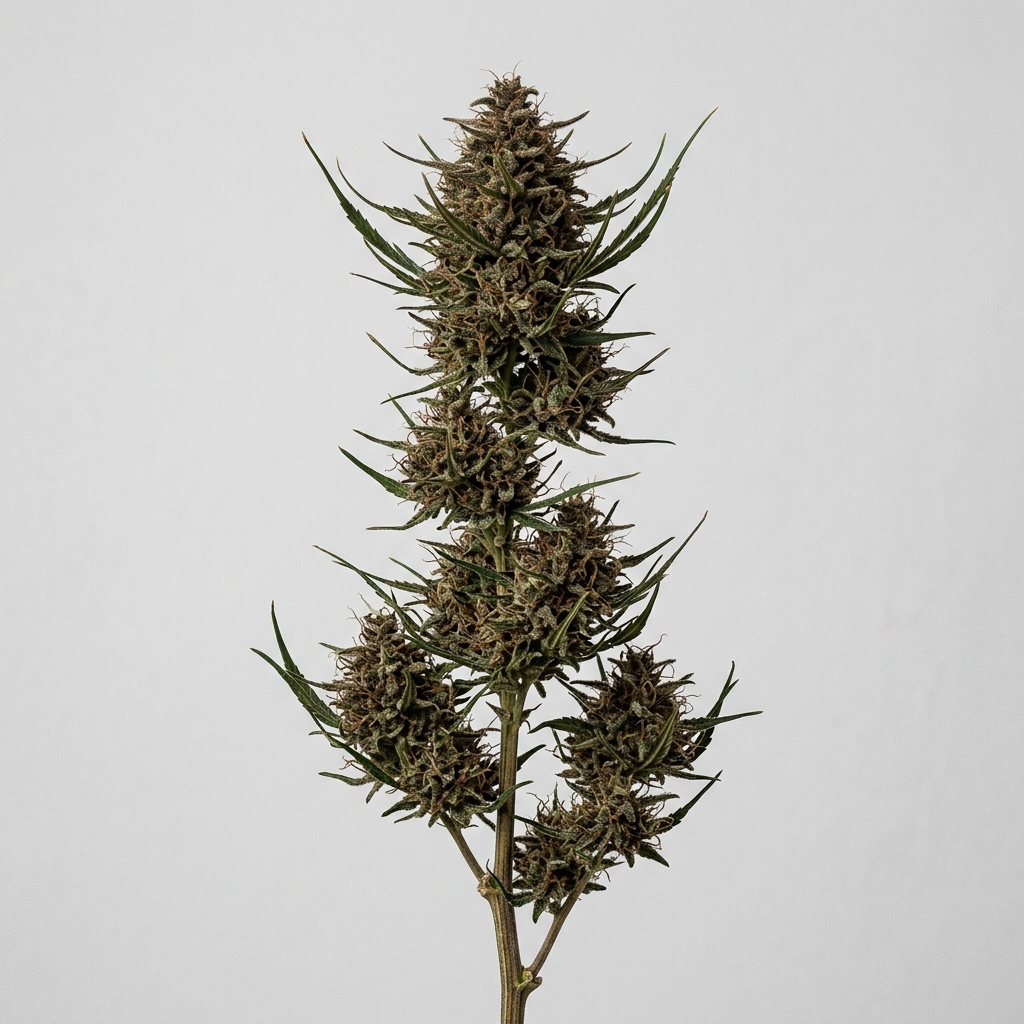
| Plant Height | Medium; compact with heavy lateral branching |
| Climate Preference | Controlled indoor environment |
| Difficulty | Intermediate to advanced (benefits from careful nutrient management) |
Scientific & Botanical Overview
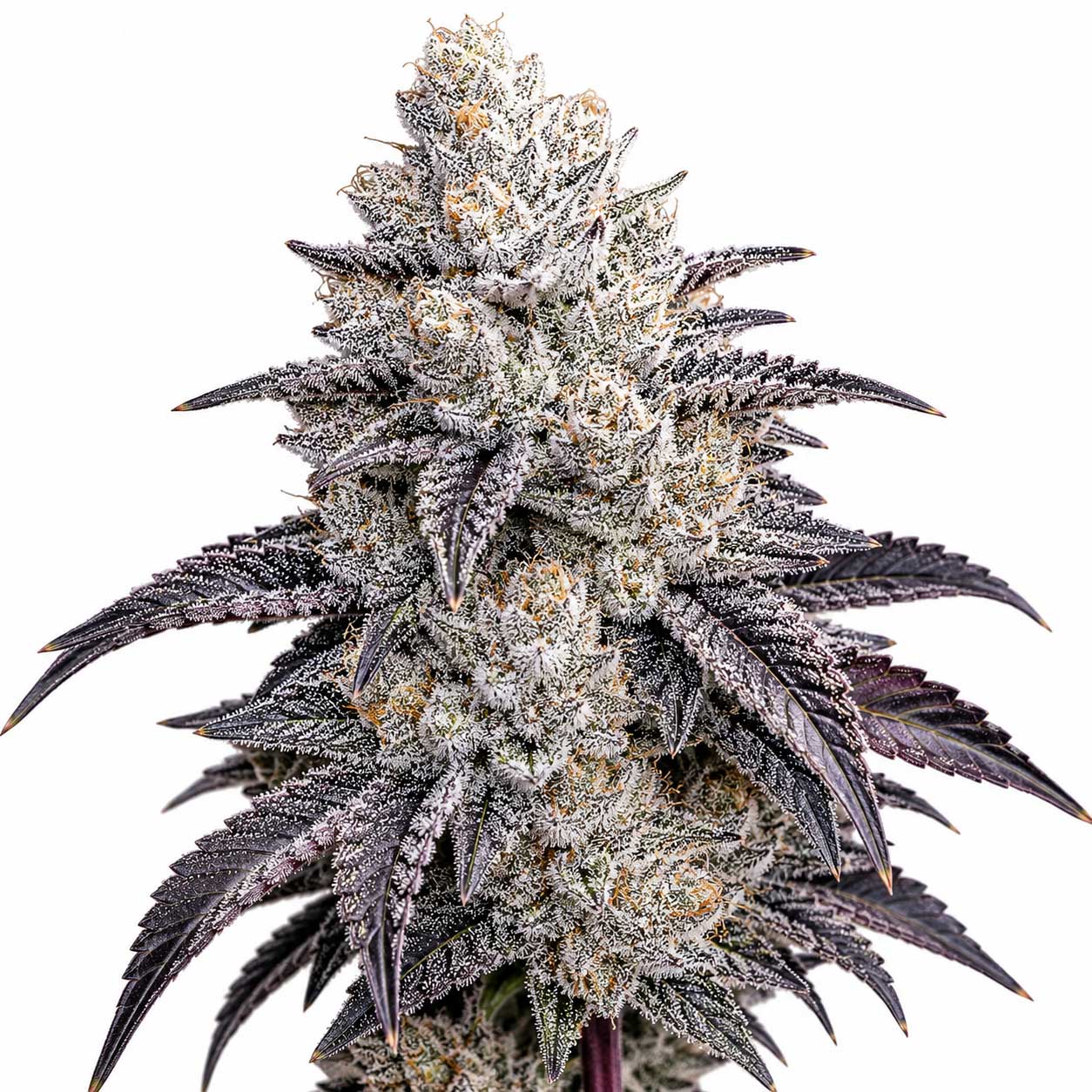
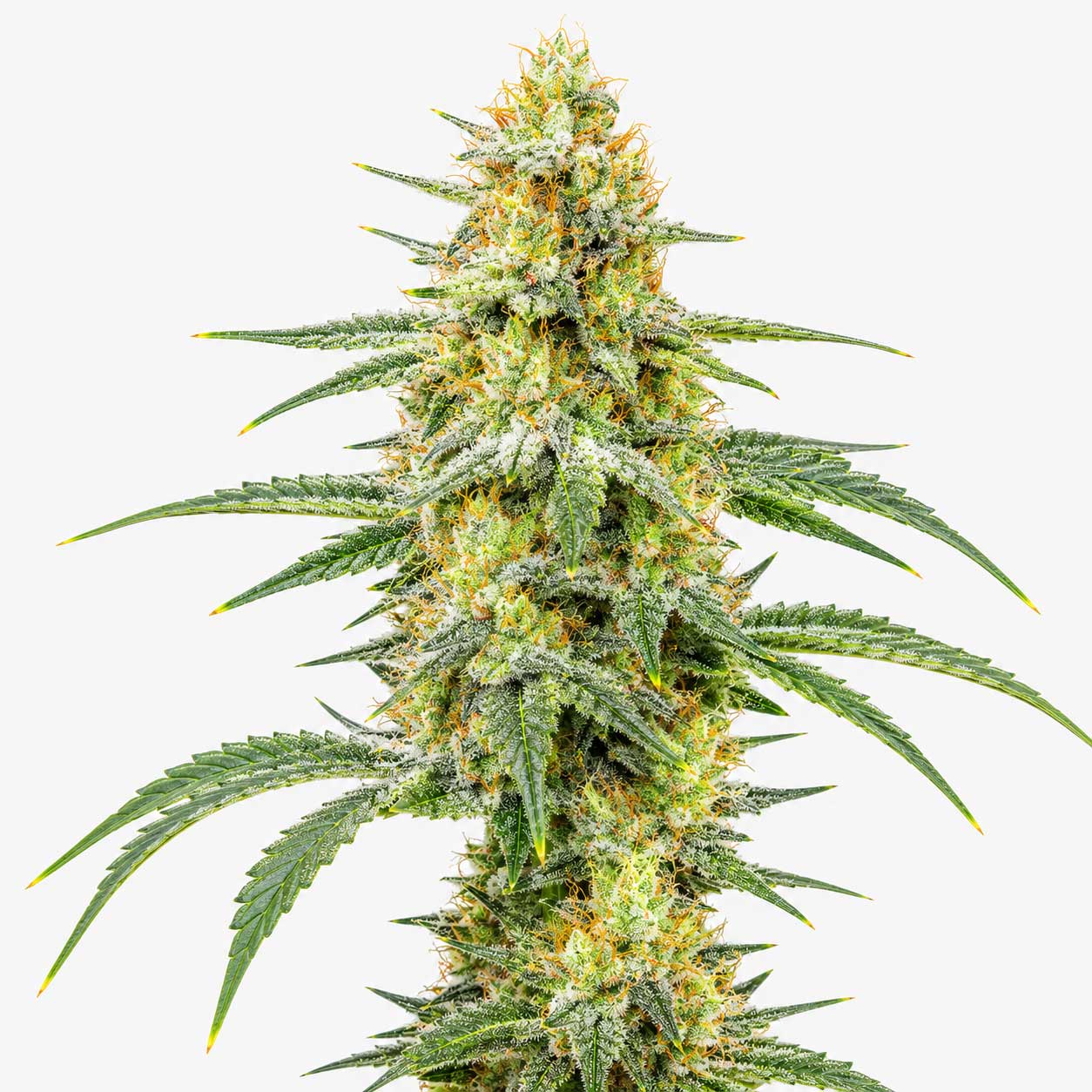
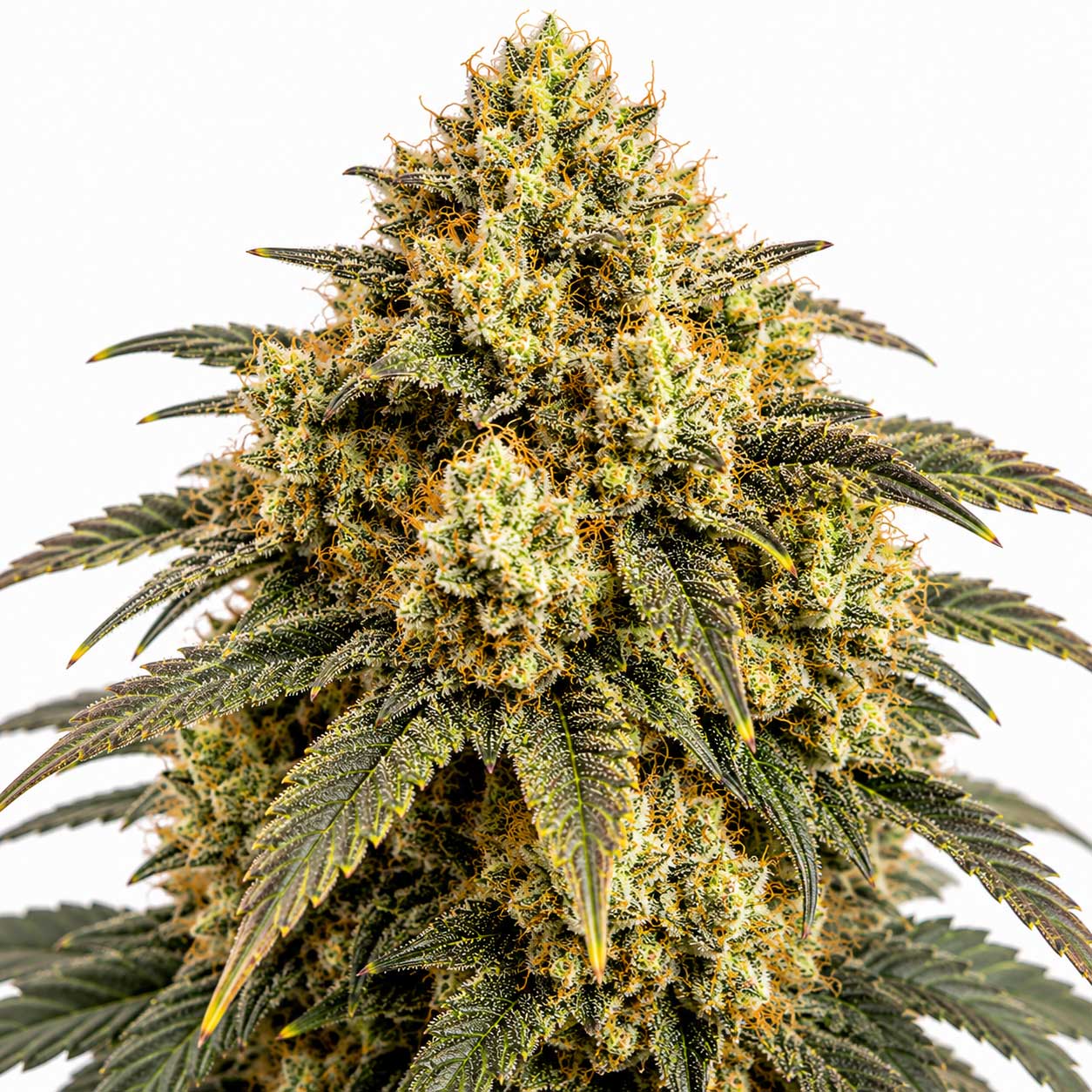
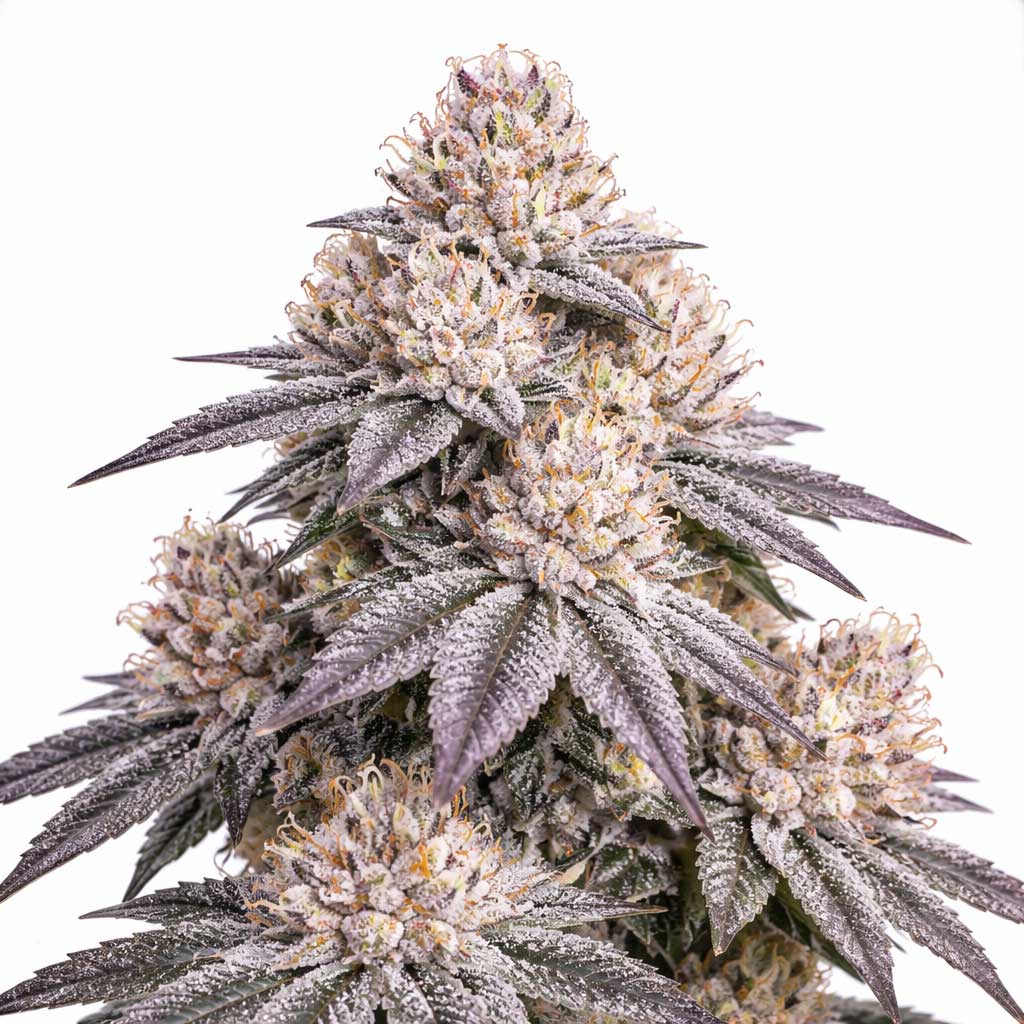
White Cherry Poppers is visually distinguished by dense, resin-heavy flowers with a frosted surface that can give the buds a pale or whitened appearance. The structure is typically compact and firm, with dark green to violet coloration often showing beneath a heavy trichome layer. Its morphology reflects the dense calyx stacking associated with Lemon Cherry Gelato and the abundant resin production linked to White-family selections.
In cultivation and consumer-facing discussions, White Cherry Poppers is often described as a standout White Cherry Poppers weed strain because of its strong bag appeal, sticky resin texture, and sweet-meets-gassy aromatic identity. As with many modern designer cultivars, phenotype expression may vary somewhat depending on breeder selection and production environment.
Effects & Use-Cases (Reported)
- Commonly reported effects: euphoric onset, heavy body relaxation, and a long-lasting sense of physical ease.
- Use-case context: often discussed as an evening-oriented cultivar suited to deep relaxation, music listening, or experienced consumers seeking stronger impact.
- Note: These are observational reports, not medical claims; outcomes are not guaranteed.
Among users discussing White Cherry Poppers strain effects, the cultivar is often associated with a fast cerebral lift followed by a heavier body-centered finish. Reported experiences may differ by tolerance, terpene expression, dose, and setting.
Aroma & Flavors
- Aroma: sweet cherry candy, citrus zest, earthy pine, and pungent gas.
- Flavor: fruity lemon-cherry sweetness on the inhale with a creamy, gassy, slightly diesel-like finish on the exhale.
- Terpene associations: limonene, caryophyllene, myrcene, linalool.
Tested Cannabinoid & Terpene Ranges
| Compound | Typical Range* | Notes |
|---|---|---|
| Δ⁹-THC | ~26–31% | High-potency expression; values can vary by batch and cultivation method. |
| CBG | ~1% | Minor cannabinoid sometimes reported in supporting analytical profiles. |
| Limonene | ~0.8–1.3% | Often associated with the bright citrus-cherry top note. |
| Caryophyllene | ~0.6–1.0% | Adds peppery depth and is often linked to the heavier finish. |
| Myrcene | trace–0.5% | May contribute herbal depth and body-oriented character. |
| Linalool | ~0.2–0.5% | Supports floral smoothness within the broader profile. |
*Ranges are lab-informed reference values and can differ with phenotype, environment, harvest timing, curing, and analytical methods.
Cultivation Notes
- Light Cycle: 18/6 vegetative; 12/12 flowering
- Humidity Targets: ~40–45% in late flower; strong airflow is recommended because of dense bud formation
- Nutrition: responds well to balanced feeding; avoid overfeeding late in flower
- Training: topping, LST, and canopy thinning can improve light penetration and airflow
- Harvest Window: late September outdoors in the Northern Hemisphere, climate-dependent
Grower Notes (Week-by-Week Snapshot)
- Weeks 1–2 (Transition/Stretch): moderate stretch begins; establish support structure and maintain even canopy development.
- Weeks 3–4: flower sites begin stacking; monitor airflow and humidity as density increases.
- Weeks 5–6: resin production builds rapidly; support lateral branches and watch nutrient balance closely.
- Weeks 7–8: aroma intensifies; trichome coverage becomes more pronounced; reduce excess nitrogen.
- Weeks 8–9: ripening phase; monitor trichome maturity and dry carefully to preserve aroma and finish.
Timelines can shift with genotype and environment; plant health and trichome maturity remain more reliable than calendar estimates alone.
White Cherry Poppers Strain Review
White Cherry Poppers is often reviewed as a modern luxury hybrid valued for intense frost coverage, cherry-gas aroma, and a heavy, high-impact finish. In many White Cherry Poppers strain review discussions, it is described as flavorful, visually striking, and especially appealing to experienced consumers who prefer potent, evening-leaning cultivars. As always, individual impressions vary with batch, phenotype, and tolerance.
Genetic Lineage
White Cherry Poppers combines the fruit-forward, high-appeal profile of Lemon Cherry Gelato with a proprietary White lineage selected for resin density and potency. This pairing contributes to the strain’s sweet-and-gassy profile, frosted appearance, and heavy modern hybrid character. In general usage, White Cherry Poppers is widely recognized as a White Cherry Poppers marijuana strain built around dessert-fruit terpenes and a resin-forward finish.
Research Insights
White Cherry Poppers is often discussed in contemporary cultivar analysis because of its high-potency profile, resin production, and layered aroma expression. Observational reporting around this cultivar frequently focuses on the interplay of limonene and caryophyllene within a strong THC framework. Because commercial naming and phenotype selection can vary across markets, individual examples may differ somewhat in appearance, terpene dominance, and reported effects.
Frequently Asked Questions
What strain is White Cherry Poppers?
White Cherry Poppers is an indica-dominant hybrid cannabis strain made from Lemon Cherry Gelato and a proprietary White lineage. It is known for frosty buds, cherry-gas aroma, and strong modern hybrid potency.
Is White Cherry Poppers a sativa or indica?
White Cherry Poppers is generally classified as an indica-dominant hybrid, often described around 70% indica and 30% sativa. Exact expression can vary by phenotype and breeder selection.
What does White Cherry Poppers smell and taste like?
White Cherry Poppers has a sweet cherry and citrus-forward aroma layered with earthy gas and pine. Its flavor is usually described as fruity on the inhale with a creamy, gassy finish.
What are the typical effects?
Reported effects commonly include an initial euphoric lift followed by heavier physical relaxation. Individual responses can vary based on tolerance, dose, and terpene profile.
How long does White Cherry Poppers take to flower?
White Cherry Poppers generally flowers in about 8–9 weeks indoors, though exact timing depends on phenotype and cultivation conditions.
Is it suitable for beginners?
White Cherry Poppers is usually considered better suited to intermediate or experienced growers and consumers because of its potency, density, and preference for controlled environmental management.
Educational Disclaimer: This page is provided for scientific and horticultural reference only and does not constitute medical or promotional advice. Cannabis cultivation, possession, and use are regulated by local laws. Always comply with applicable legislation in your region.
Rate and review this strain
Ratings and reviews are accepted only from signed-in Google accounts.
Sign in with Google to leave a rating and written review.
Latest Reviews
0 reviewsNo reviews yet. Be the first Google user to rate and review this strain.