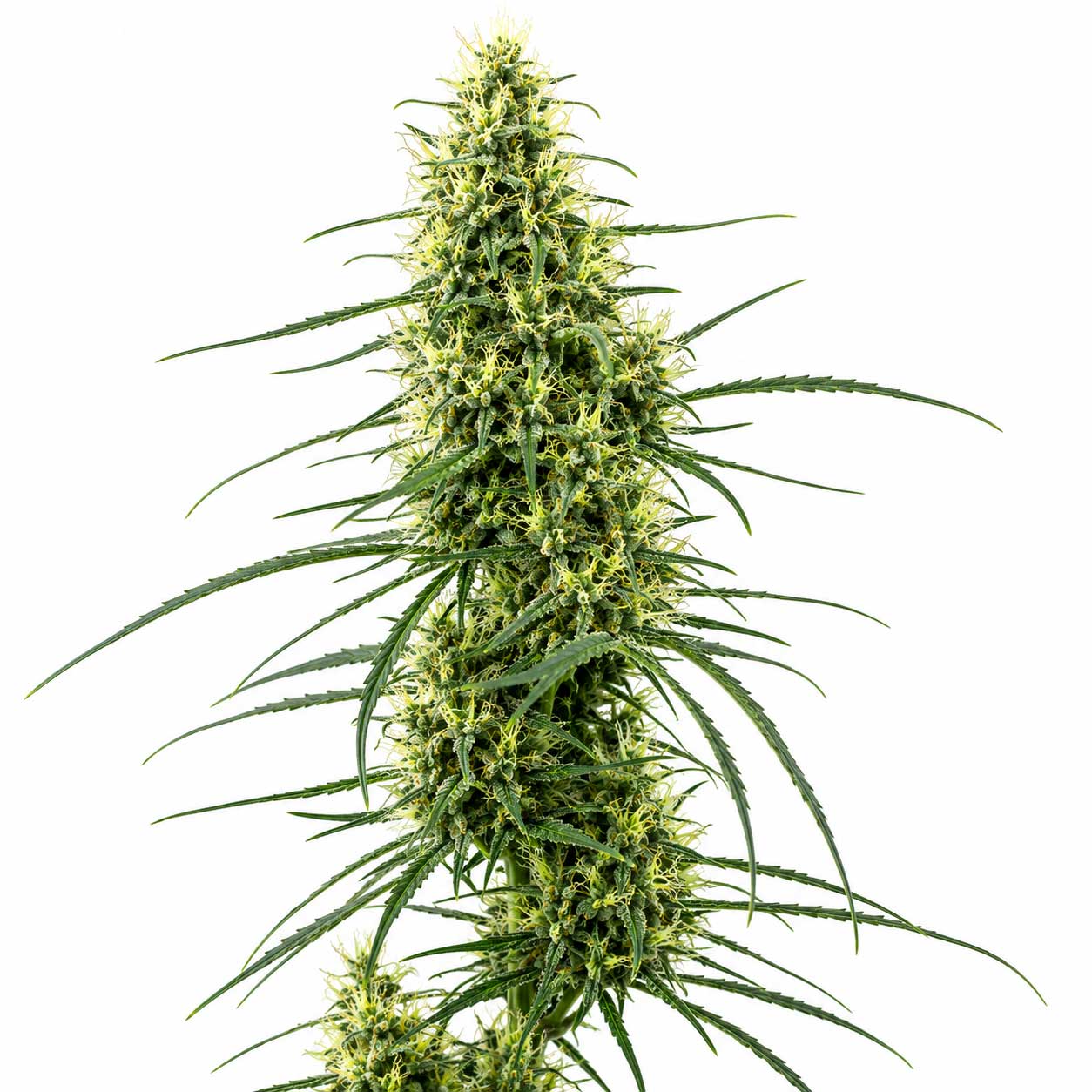
Tom Hill Haze (Cannabis Strain)
Tom Hill Haze is a premier, high-velocity pure sativa cultivar. Representing the pinnacle of “old-school” genetics, this rare and refined Haze has been re-released in 2026 specifically for craft cultivators. It is celebrated for its genetic purity, preserved from the original Haze lines of the 1970s, offering an uncompromising electric energy and a complex, incense-forward aromatic profile.
Recognized for its high-botanical vigor, Tom Hill Haze is a true long-flowering sativa that rejects modern hybridization. It is widely associated with slender, foxtailing colas and a bright euphoric effect profile that feels mentally accelerating yet physically weightless. The information below is provided strictly for scientific and botanical reference.
Quick Facts
| Feature | Details |
|---|---|
| Genetics | Original Haze (Pure Sativa Lineage) |
| Variety | Pure Sativa |
| THC Range | 18%–22% |
| Flowering Time | 12–14+ weeks (84–100+ days indoors) |
| Yield Potential | Moderate (Quality over quantity focus) |
| Plant Height | 200–300+ cm; extreme vertical stretch with “vine-like” lanky structure |
| Climate Preference | Tropical / Equatorial / High-Intensity Greenhouse |
| Difficulty | Expert (Requires extreme patience and advanced nutrient management) |
Scientific & Botanical Overview
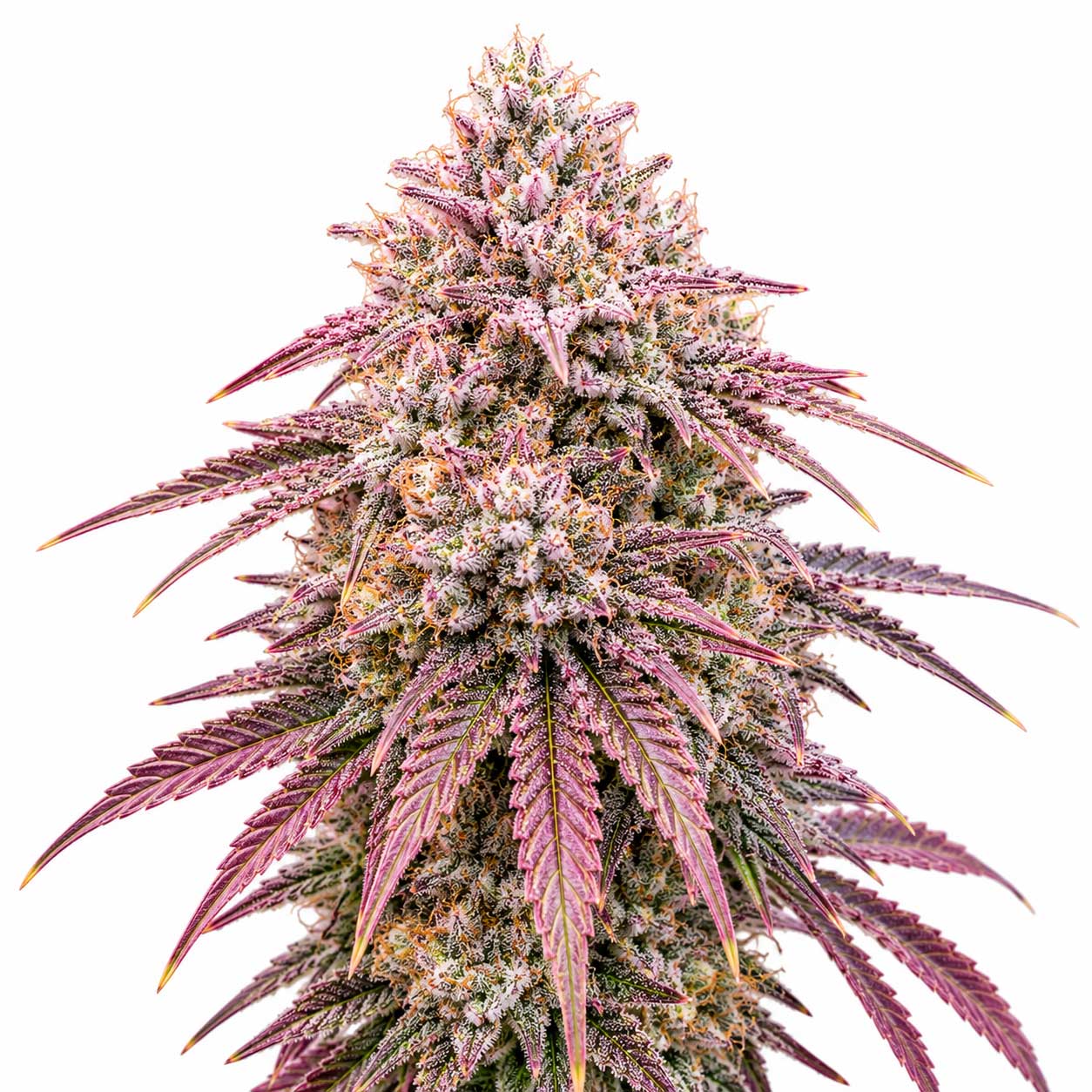
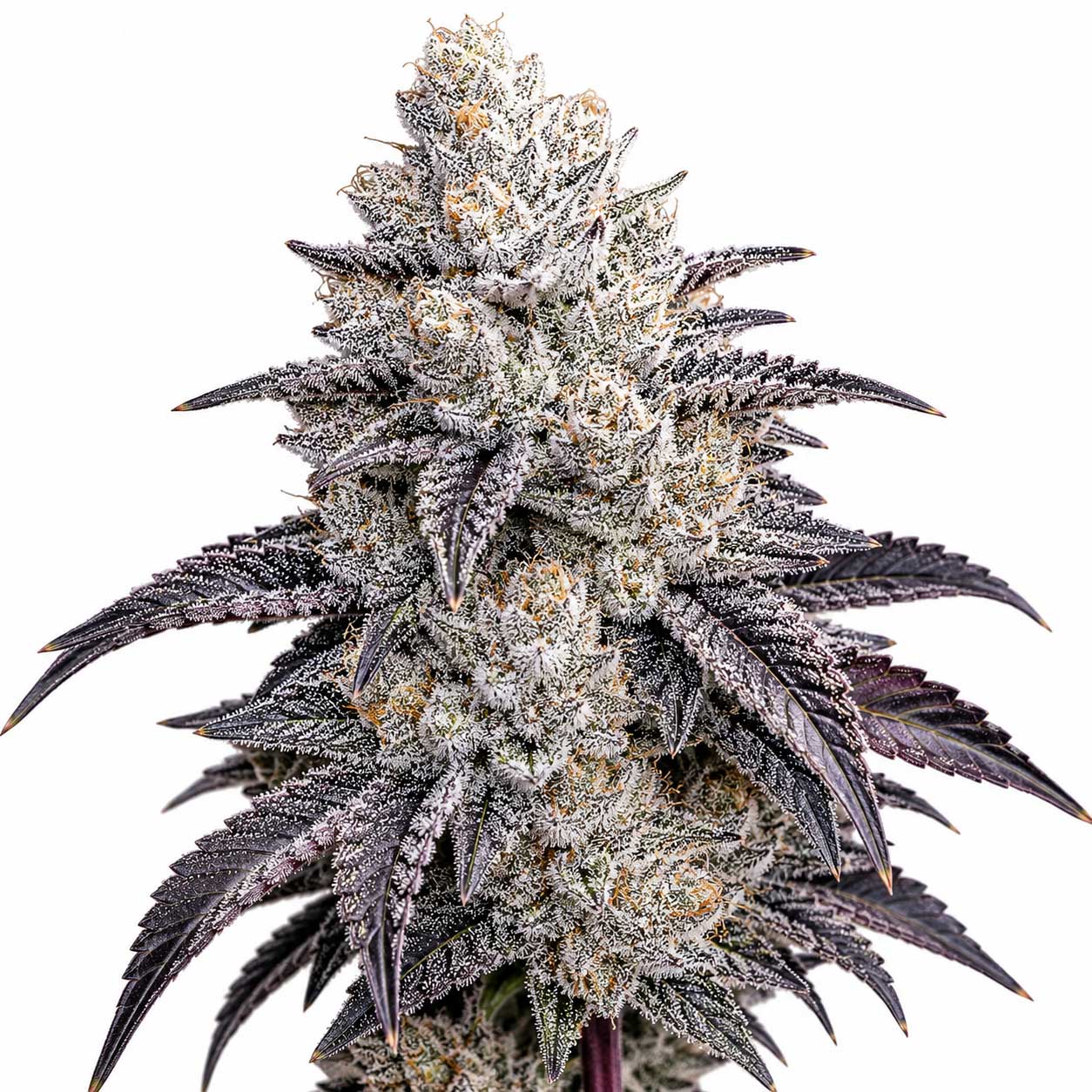
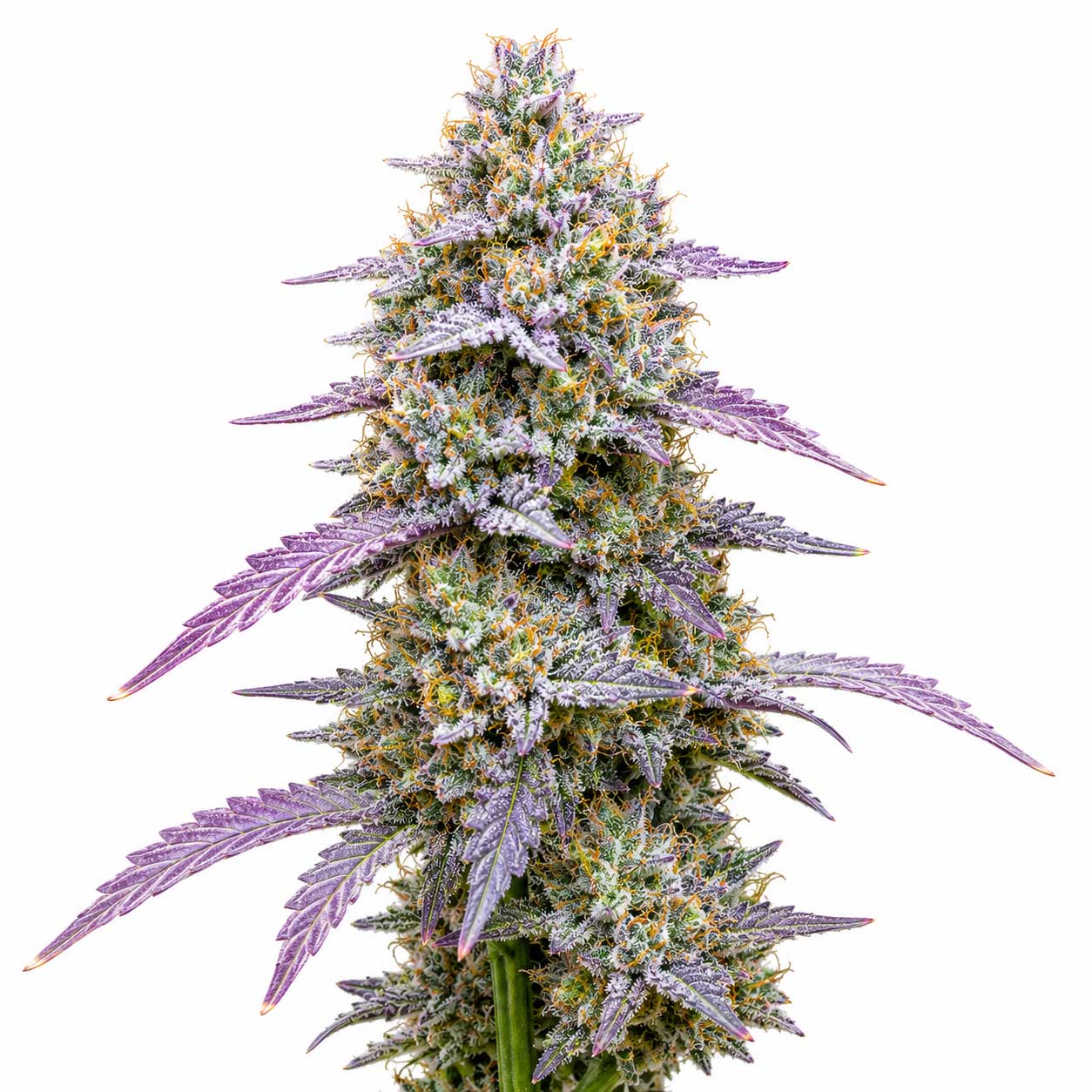
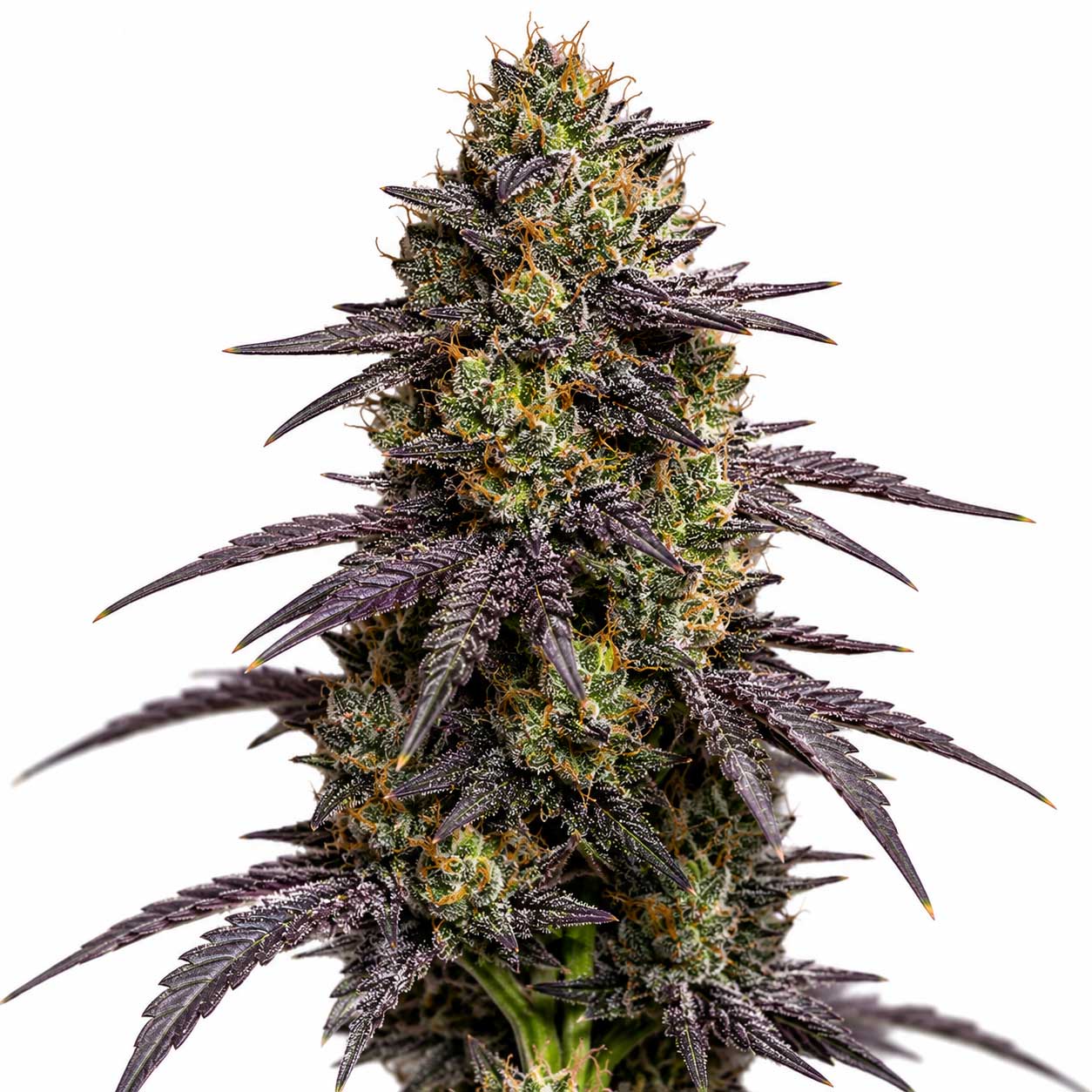
Tom Hill Haze exhibits a striking morphology, producing elongated, spiraling colas that showcase classic “foxtailing.” The plant features incredibly thin-fingered leaves and an open canopy designed for high light penetration. The flowers are typically a pale, minty green with wispy, pale-yellow pistils and are coated in a fine layer of exceptionally clear, small-headed glandular trichomes.
Botanically, the cultivar stands out for its high concentration of terpinolene and p-cymene, a pairing often associated with a sharper, more “astringent-incense” aromatic definition than modern dessert hybrids. This combination helps create the church-incense, metallic-citrus, and spicy-wood profile that distinguishes Tom Hill Haze from more conventional fruity or gas crosses.
Tom Hill Haze is especially notable because it preserves the raw sativa vigor of the 1970s, offering substantial sensory clarity rather than leaning into the heavy sedation of modern poly-hybrids.
Effects & Use-Cases (Reported)
Commonly reported effects: a rapid electric cerebral onset, soaring creative energy, enhanced auditory perception, and a long-lasting, clear-headed “high” often described as high-definition euphoria.
Use-case context: Tom Hill Haze is highly specialized and is often associated with intense creative work, long-distance outdoor activities, and musical appreciation. Many users describe it as mentally sparking and physically weightless, making it the premier option for those who want pure energy and presence without any “ceiling” or physical crash.
Note: These observations are anecdotal reports and should not be interpreted as medical claims.
Aroma & Flavors
Aroma: A loud bouquet of church incense, metallic lemon, spicy cedar, sandalwood, and subtle herbal sharpness.
Flavor: The inhale is commonly described as zesty and woodsy with citrus notes, while the exhale becomes smoother, spicy, peppery, and lightly floral.
Terpene associations: Terpinolene, Myrcene, Caryophyllene, and Pinene.
Tested Cannabinoid & Terpene Ranges
| Compound | Typical Range* | Notes |
|---|---|---|
| Δ9-THC | 18.0%–22.0% | A “ceiling-free” range associated with a clean-feeling, high-velocity experience |
| CBG | 1.5%–2.5% | Higher than average CBG content, contributing to the “racy” mental clarity |
| Terpinolene | 1.0%–1.8% | The dominant terpene responsible for the electric, soaring Haze effect |
| Myrcene | 0.4%–0.7% | Provides the woody, resinous base that rounds out the aromatic profile |
| Pinene | 0.3%–0.6% | Supports the fresh evergreen sharpness and mental focus |
*Ranges are literature-informed references for 2026 craft harvests and may vary by phenotype and cultivation method.
Cultivation Notes
- Light Cycle: Requires high-intensity light; often responds best to a 11/13 cycle to trigger and finish the long flowering period.
- Humidity Targets: Keep strictly between 40% and 45% during the final month. The lanky colas require high air exchange and low humidity to prevent late-stage issues.
- Nutrition: Light feeder; sensitive to nitrogen toxicity. Craft cultivators prefer organic, slow-release nutrients to avoid burning the delicate root systems.
- Training: Significant trellising, LST, and SCROG are mandatory to manage the massive vertical stretch (often 300%+).
- Harvest Window: Late November to December outdoors (Tropical regions only).
Grower Notes (Week-by-Week Snapshot)
- Weeks 1–4 (The Explosion): Unparalleled vertical stretch; the plant requires aggressive training or immediate 12/12 from clone.
- Weeks 5–10: Slow flower development; the plant focuses on building a “foxtailing” structure while resin begins to coat the calyxes.
- Weeks 11–14+: Final ripening phase, where the “church incense” aroma becomes overwhelming and trichomes finally turn a milky-glass color.
- Post-Harvest: A slow 14-day dry at 16 °C followed by a minimum 3-month cure is essential to unlock the true depth of the Haze profile.
Genetic Lineage
Tom Hill Haze is a pure Original Haze selection, meticulously preserved by breeder Tom Hill. It represents the four-way cross of landrace sativas (Mexican, Colombian, Thai, and Indian) that defined the high-end cannabis of the 1970s. Unlike modern “Hazes” which are often crossed with Skunk or NL, this line remains unadulterated.
This genetic purity explains why Tom Hill Haze feels more electric, mentally expansive, and sensory-focused than standard hybrid crosses while maintaining its rare “golden era” bag appeal.
Research Insights
Tom Hill Haze is notable in discussions around the “Haze effect”—a unique interplay of Terpinolene and high minor cannabinoid levels. This combination is often associated with extreme alertness and sensory enhancement, which may help explain why many users describe the cultivar as soaring and vividly creative without a “ceiling” to the experience.
From a breeding and market perspective, the 2026 re-release of Tom Hill Haze reflects a resurgence of interest in Long-Flowering Sativas among craft cultivators seeking to distinguish themselves from industrial-scale production.
Frequently Asked Questions
Is Tom Hill Haze a daytime or nighttime strain?
It is the ultimate daytime sativa; its electric energy and lack of physical sedation make it unsuitable for evening use.
How long does it really take to flower?
Patience is required. Most phenotypes require a full 14 weeks, with some rare individuals pushing to 16 weeks for full maturity.
Why is it so rare?
Its long flowering time and massive size make it commercially unviable for most industrial growers, leaving it exclusively to craft specialists and enthusiasts.
What makes Tom Hill Haze stand out?
Its standout traits include “church incense” aroma, extreme sativa vigor, foxtailing buds, and its status as a pure, uncrossed Haze legend.
Educational Disclaimer
This page is provided for scientific and horticultural reference only. Cannabis laws vary by jurisdiction; always ensure compliance with local regulations.
Rate and review this strain
Ratings and reviews are accepted only from signed-in Google accounts.
Sign in with Google to leave a rating and written review.
Latest Reviews
0 reviewsNo reviews yet. Be the first Google user to rate and review this strain.