Wagyu (Cannabis Strain)
Wagyu is a high-performance hybrid cultivar that epitomizes the “savory-exotic” trend of modern breeding. By crossing the notoriously pungent Meat Breath with the aesthetically superior Gelato, breeders have stabilized a chemotype that offers an extreme concentration of resin—often referred to as “marbling”—alongside a heavy-hitting, narcotic effect profile.
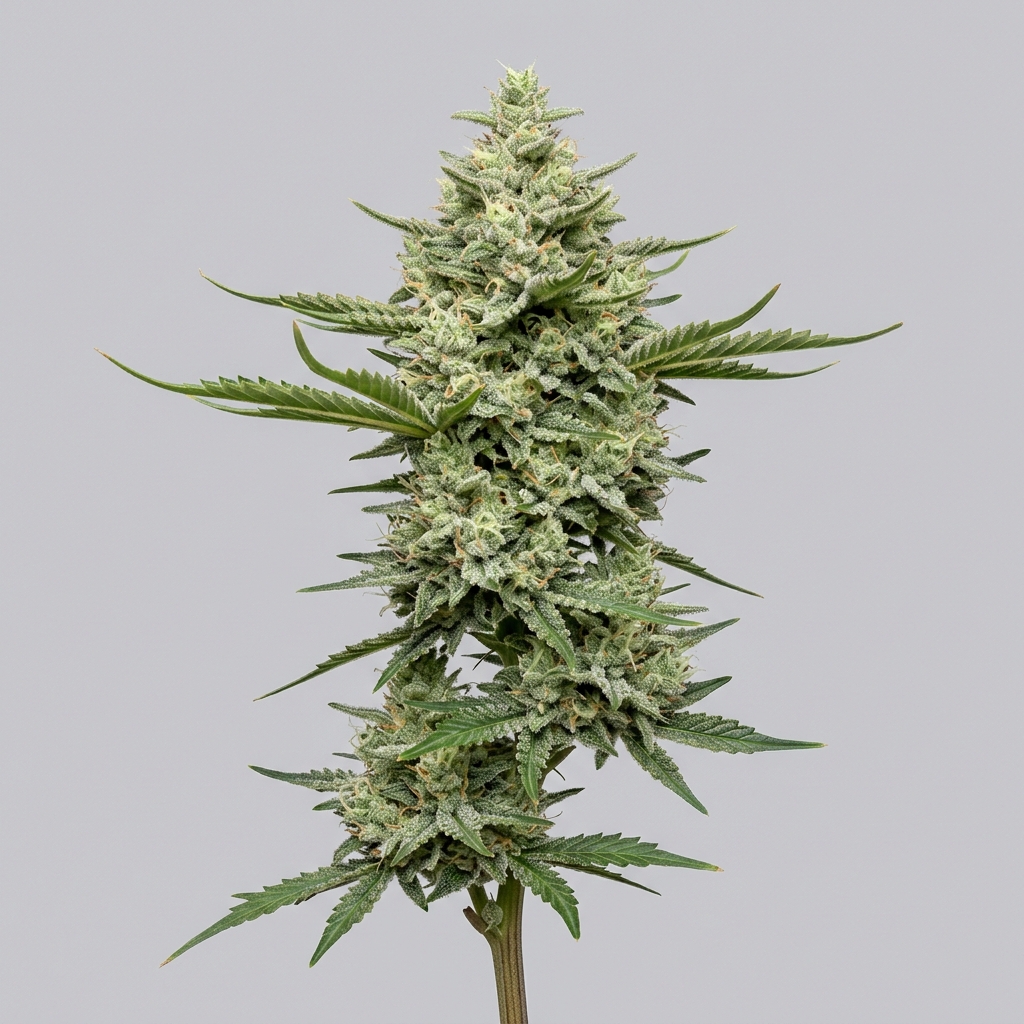
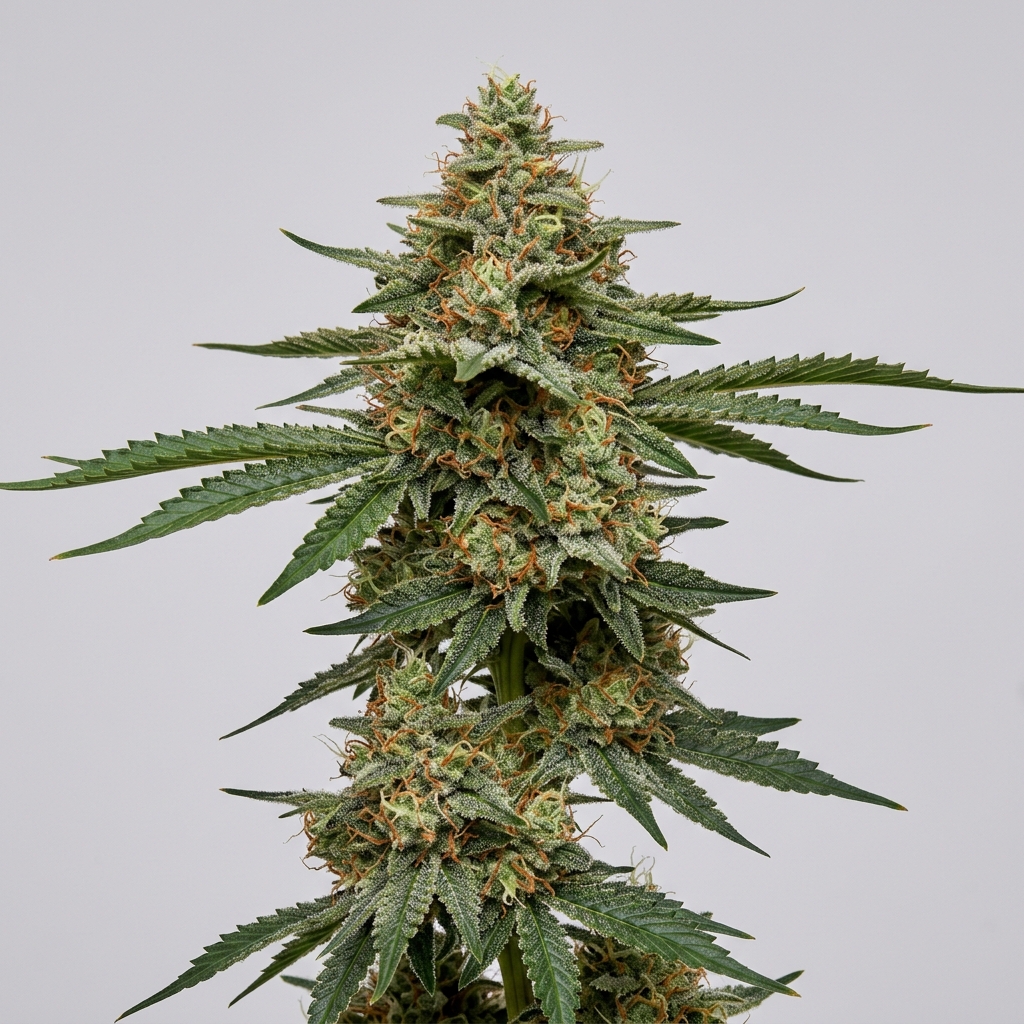
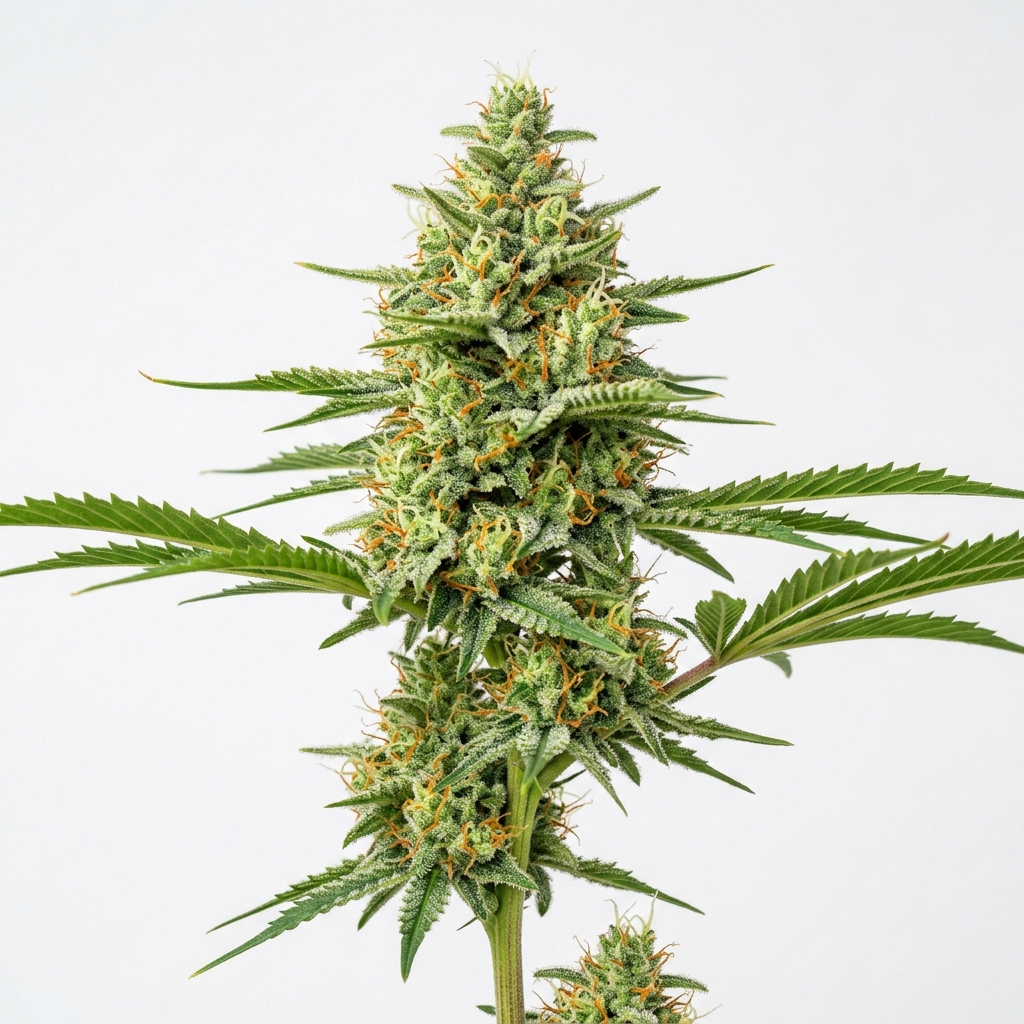
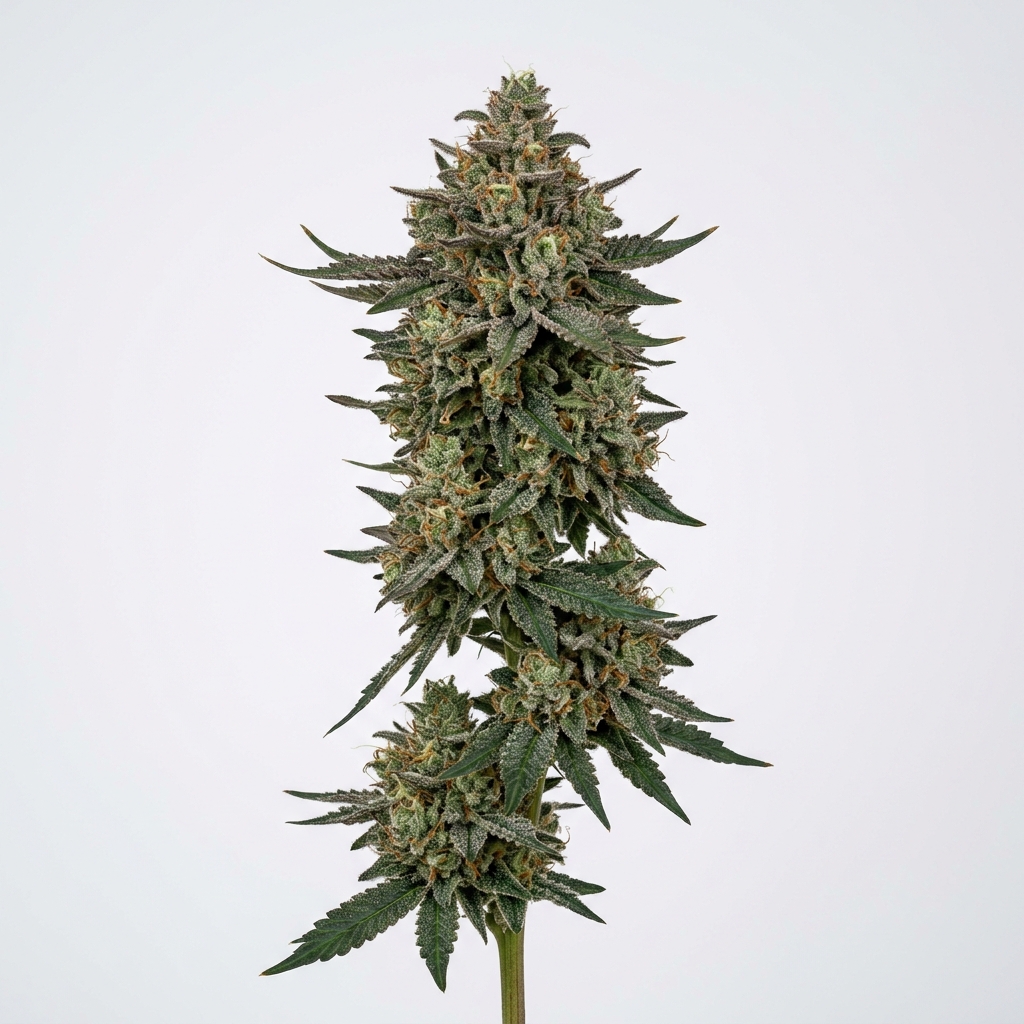
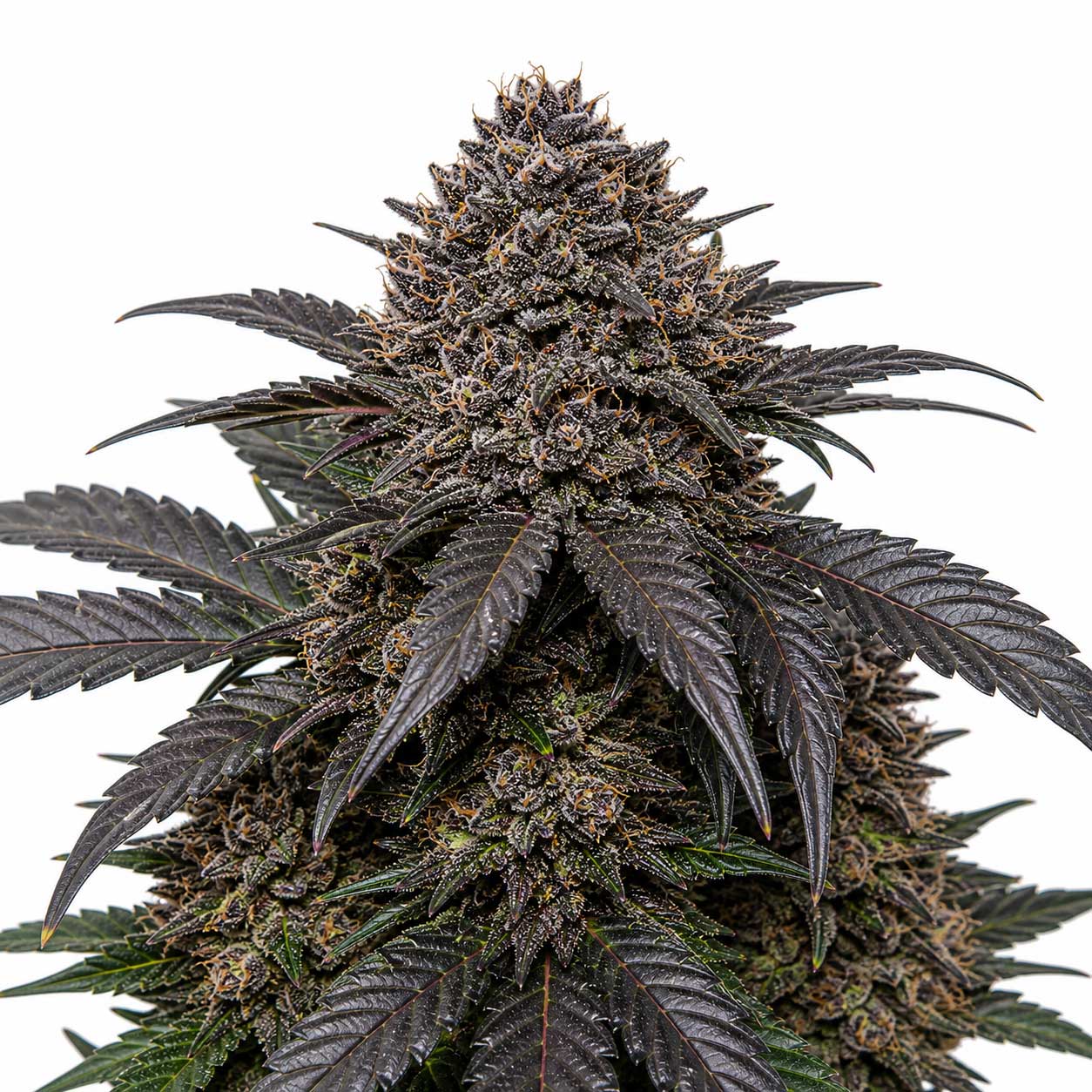
In the 2026 boutique landscape, Wagyu is recognized for its extraordinary “greasy” trichome texture and its complex organoleptic properties. It produces dense, spade-shaped colas that exhibit deep forest-green hues with intense violet accents, all encased in a thick, reflective layer of capitate-stalked trichomes. The information below is provided strictly for scientific and botanical reference.
Quick Facts
| Feature | Details |
|---|---|
| Genetics | Meat Breath × Gelato Phenotype |
| Variety | Indica-dominant Hybrid (~70/30) |
| THC Range | 23%–28% |
| Flowering Time | 8–9 weeks (56–63 days) |
| Yield Potential | 425–500 g/m² (Elite resin density) |
| Plant Height | 100–130 cm; sturdy and compact architecture |
| Difficulty | Intermediate (sensitive to over-watering and high humidity) |
Scientific & Botanical Overview
Wagyu exhibits a classic indica-dominant morphology, featuring broad, dark-green fan leaves and a stout, resilient skeletal structure. The buds are uniquely dense and characterized by a “glossy” appearance, a result of the high lipid and terpene content within its resin glands. Its bracts often transition to near-black tones when exposed to late-stage temperature drops.
The chemical profile is dominated by caryophyllene and humulene, which drive the savory, woody, and spicy notes. This is balanced by a high limonene content, contributing a subtle citrus brightness to an otherwise heavy and musky aromatic signature.
Effects & Use-Cases (Reported)
Commonly reported effects: A profound, full-body sedation often described as “weighty” or “immobilizing,” accompanied by a calm, hazy mental euphoria. It is a premier “couch-lock” cultivar.
Use-case context: Primarily selected for late-night use, managing severe chronic pain, deep muscle tension, or treatment-resistant insomnia. It is highly valued for its intense physical numbing properties.
Note: These observations are anecdotal reports and should not be interpreted as medical claims.
Aroma & Flavors
Aroma: Roasted nuts, earthy musk, pungent gas, and sweet vanilla cream.
Flavor: Savory and “meaty” on the inhale with a smooth, doughy, and berry-sweet exhale.
Terpene associations: Caryophyllene, Humulene, Limonene, and Myrcene.
Tested Cannabinoid & Terpene Ranges
| Compound | Typical Range* | Notes |
|---|---|---|
| Δ9-THC | 23.0%–28.0% | Extreme potency; long-lasting physical effects |
| Caryophyllene | 0.9%–1.3% | Primary driver of the spicy-savory scent and relaxation |
| Humulene | 0.3%–0.6% | Adds the earthy, “hoppy” and savory-umami notes |
*Ranges may vary by phenotype, cultivation environment, harvest timing, and analytical method.
Cultivation Notes
- Nutrients: Requires a precise Cal-Mag regimen; its dense buds and broad leaves can show deficiencies early if not monitored.
- Temperature: Dropping night temperatures to 17°C in the final 2 weeks is essential to maximize the dark “marbled” purple coloration.
- Airflow: Critical; the extreme bud density makes it susceptible to botrytis. Maintain RH below 40% in late bloom.
- Training: Responds well to defoliation in week 3 of flower to ensure light penetrates its thick, bushy interior.
Grower Notes (Week-by-Week Snapshot)
- Weeks 1–3: Minimal vertical stretch (less than 50%). Focus on widening the canopy.
- Weeks 4–6: The “savory” aroma becomes pungent. Trichomes begin to look “wet” or “greasy.”
- Weeks 7–9: Vertical growth stops entirely; buds harden into dense, resinous clusters. Colors shift to deep purple.
- Post-Harvest: A 14-day slow dry is essential; the complex “umami” notes fully develop during a 5-week cure.
Genetic Lineage
Wagyu is a genetic cross between Meat Breath and Gelato, merging savory “breath” terps with elite dessert power.
Research Insights
This cultivar is currently utilized in lipid-terpene interaction studies to investigate why its resin feels noticeably more adhesive and “greasy” than standard hybrids.
Frequently Asked Questions
Why is it called Wagyu?
The name refers to its savory, rich aroma and the high density of white trichomes that resemble the marbling of Wagyu beef.
Is it an Indica or Sativa?
It is a strong Indica-dominant hybrid, known for providing heavy, sedative physical effects.
What does it taste like?
Expect a unique combination of savory musk, roasted nuts, and sweet, creamy vanilla gas.
Educational Disclaimer
This page is provided for scientific and horticultural reference only. Cannabis laws vary by jurisdiction; always ensure compliance with local regulations.
Rate and review this strain
Ratings and reviews are accepted only from signed-in Google accounts.
Sign in with Google to leave a rating and written review.
Latest Reviews
0 reviewsNo reviews yet. Be the first Google user to rate and review this strain.