Red Congolese (Cannabis Strain) — Strainpedia
Red Congolese is an African heritage cultivar that leans into tall structure, lifted aromatics, and a crisp, cerebral effect style. In most documented examples, it presents a sativa-forward profile with spicy citrus notes, a floral-herbal edge, and buds that stay relatively airy compared with dense modern hybrids.
Its exact pedigree is not uniformly recorded, which is part of the strain’s legacy appeal: many menu descriptions point to Congolese or broader Central African selections rather than a single fixed breeding line. That background helps explain the strain’s lively growth habit, elongated flowering cycle, and terpene profile that often reads as earthy, peppery, and lightly sweet.
Quick Facts
| Genetics | African landrace selection; exact parentage not consistently documented |
|---|---|
| Original Breeder | Not clearly documented |
| Variety | Sativa-leaning Hybrid |
| Flowering Time | Approximately 9–11 weeks indoors |
| Yield Potential | Moderate to above average with strong canopy management |
| Plant Height | Tall, with notable stretch during early flower |
| Climate Preference | Warm, stable conditions with good airflow |
| Difficulty | Moderate to advanced |
Strain Classification
| Type | Sativa-leaning Hybrid |
|---|---|
| Genetic Family | Central African / equatorial sativa heritage |
| Primary Terpenes | Terpinolene*, caryophyllene*, limonene* |
| Original Breeder | Not clearly documented |
| Breeding Lineage | Congolese or related African landrace selections; lineage varies by source |
*Exact terpene dominance may vary by phenotype and cultivation method.
Scientific & Botanical Overview
From a botanical perspective, Red Congolese is best understood as a heritage-style sativa expression rather than a tightly standardized modern hybrid. The cultivar typically shows elongated internodes, narrower leaflets, and a growth pattern that reflects equatorial ancestry, where long flowering seasons and vigorous vertical development are common. Those traits are often associated with a brighter aromatic palette and a more uplifted effect profile.
Because the strain has circulated through multiple regional and commercial interpretations, the label can cover more than one phenotype or line. That makes documented origin details less consistent than with contemporary breeder releases, but the broader characteristics remain recognizable: open bud architecture, extended bloom time, and terpene expression that tends to emphasize spice, herbal depth, and citrus lift.
Appearance
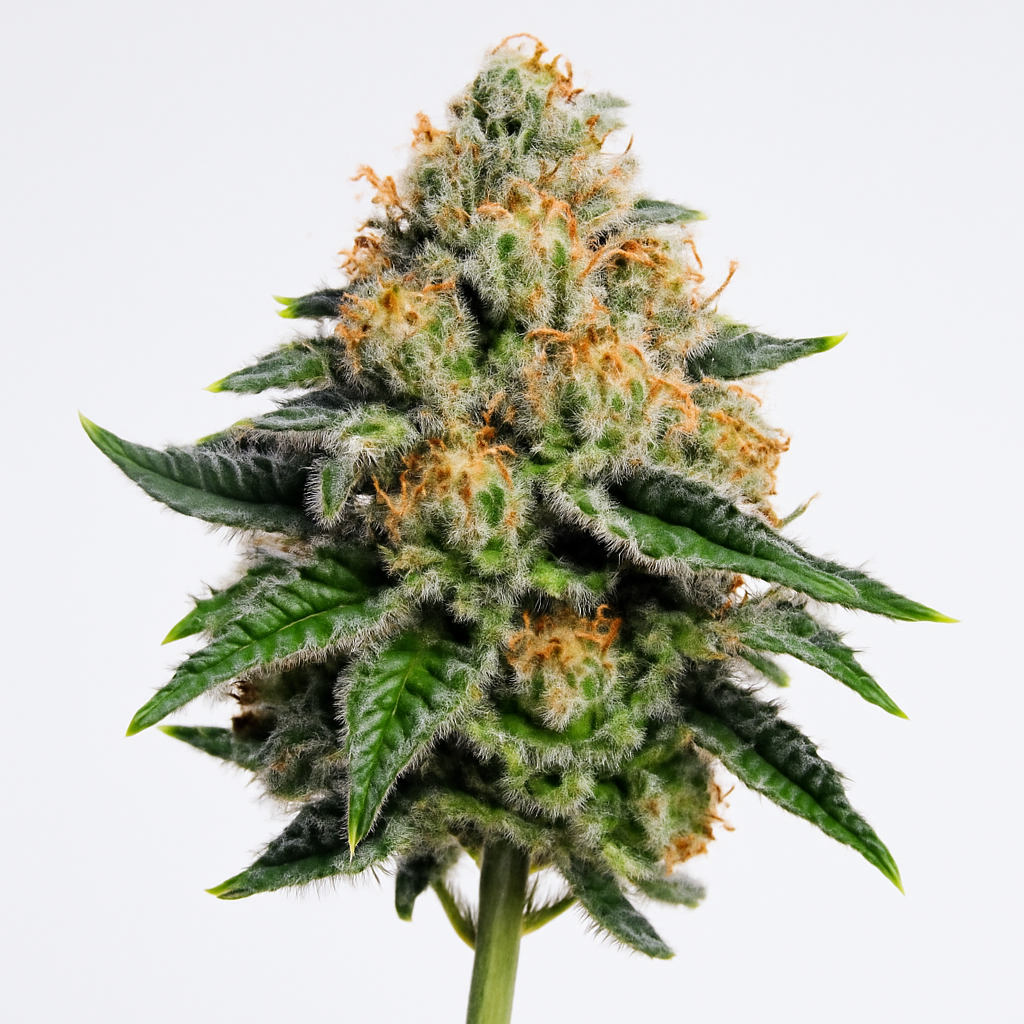
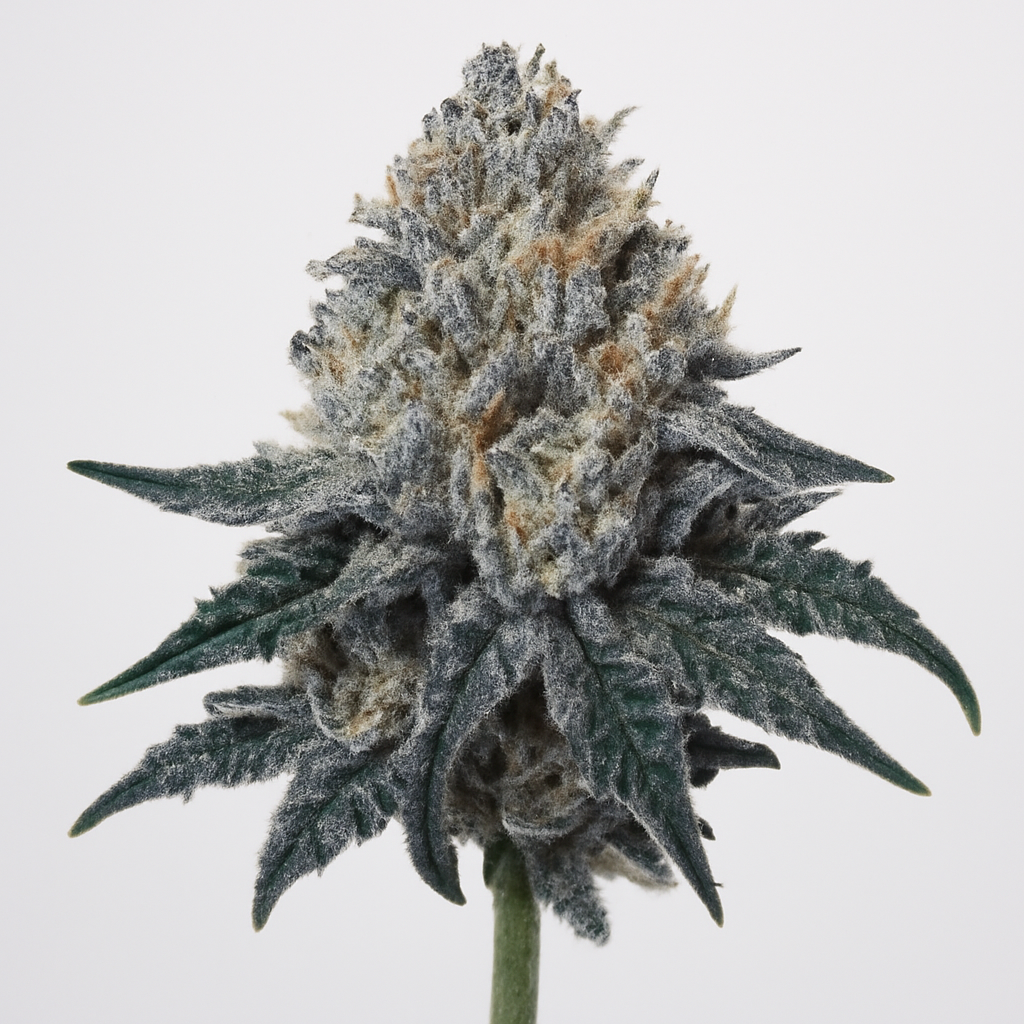
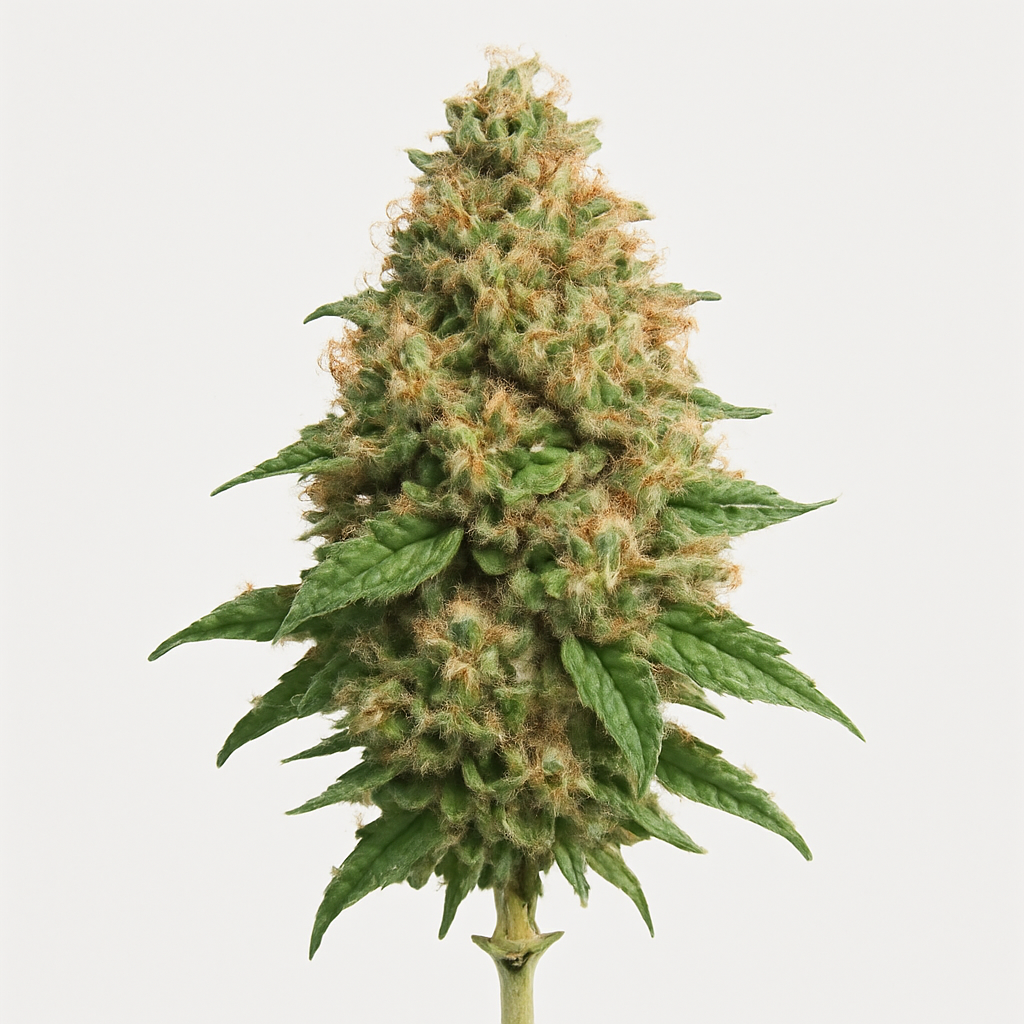
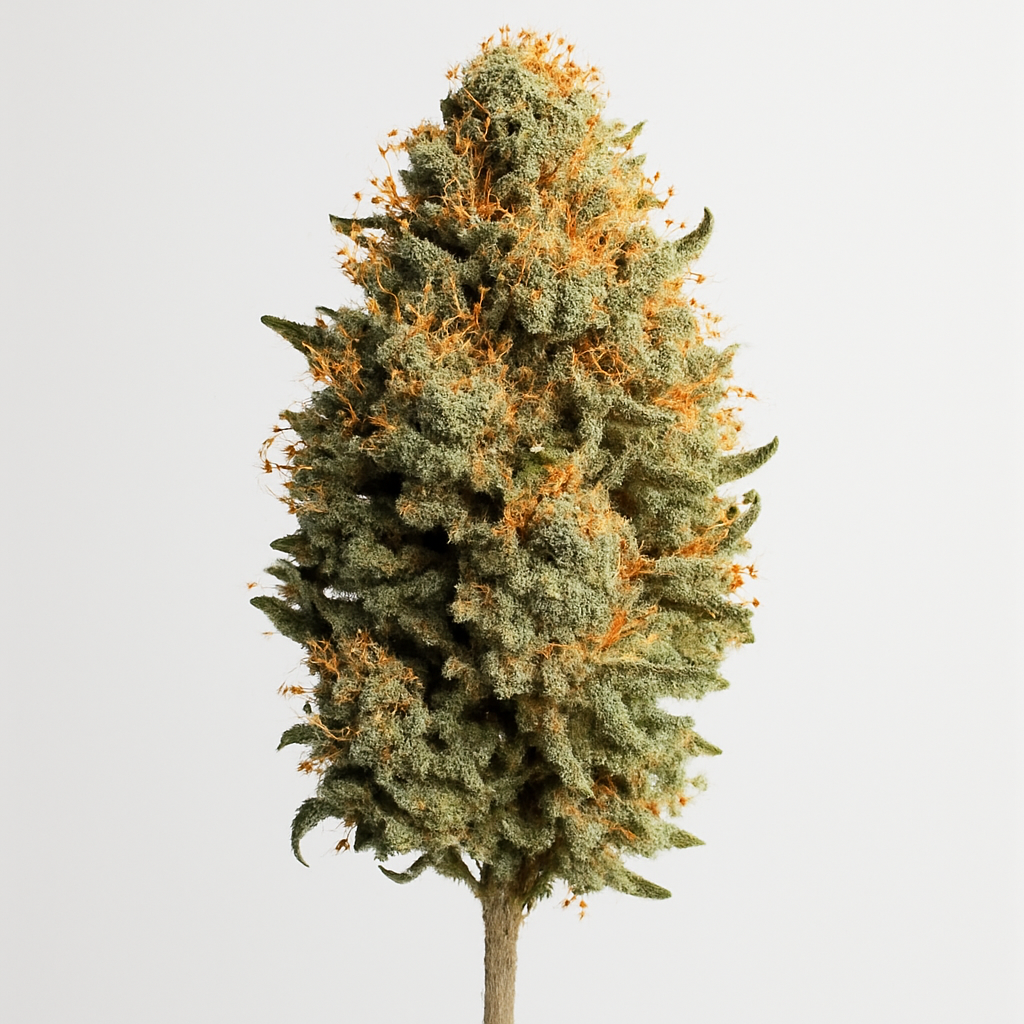
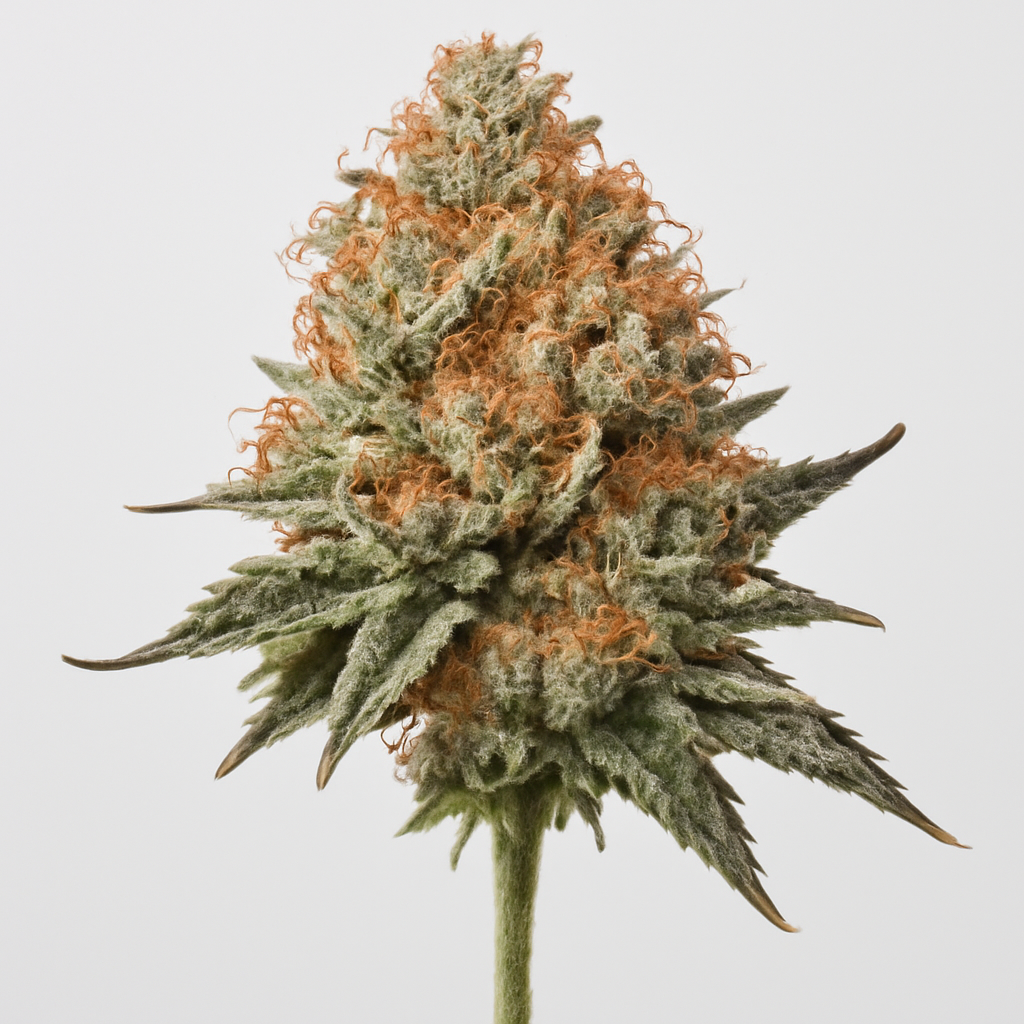
Red Congolese usually produces elongated, spear-like flowers with a sativa-leaning build that feels lighter and less compact than cookie-style buds. The calyxes often stack in a looser formation, giving the colas a tapered shape rather than a dense dome.
Color can range from medium to bright green, with orange to deep red pistils appearing more prominently as the flowers mature. A fine layer of trichomes can coat the sugar leaves and bud surfaces, and some phenotypes may show subtle rust or burgundy accents that echo the strain’s name.
Effects & Use-Cases (Reported)
- Commonly reported effects: upbeat, mentally alert, talkative, creatively engaging, and lightly energizing
- Use-case context: often chosen for daytime sessions, focused social settings, or tasks that pair well with an active headspace
- Body character: typically described as light and secondary, with less emphasis on heavy physical sedation
- Note: These observations are anecdotal and do not constitute medical claims.
Observational Note: Red Congolese is usually discussed as a strain that favors clarity over heaviness. The onset is often described as brisk, with a mood-lifting character that can feel more stimulating than relaxing.
Potency Note: Potency can vary by cut and grow method, but many samples test in a moderate-to-strong THC range rather than in the ultra-high category. The effect impression is shaped as much by terpene profile and phenotype as by raw cannabinoid percentage.
Aroma & Flavor Profile
- Aroma: spicy, earthy, floral, herbal, and lightly citrusy
- Flavor: sweet spice, woodsy earth, herbal tea, and bright citrus peel
- Aftertaste: a dry herbal finish with faint pepper and citrus zest
- Terpene associations: commonly aligned with terpinolene, caryophyllene, and limonene.
For shoppers searching for Red Congolese flavor, the strain usually lands in the spicy-citrus lane rather than dessert or fuel territory. Its aroma reads cleaner and more botanical than many modern dessert hybrids, which makes it appealing to users who prefer herbal complexity and a brighter, more classic sativa nose.
Tested Cannabinoid & Terpene Ranges
| Compound | Typical Range* | Notes |
|---|---|---|
| Δ⁹-THC | ~16–22% | Often lands in a moderate-to-potent range depending on phenotype and cure. |
| CBD | <0.5–1% | Typically low; not generally selected for CBD expression. |
| Terpinolene | ~0.20–0.70% | Can contribute bright, airy, citrus-herbal top notes. |
| Caryophyllene | ~0.15–0.50% | Adds peppery spice and a deeper herbal base. |
| Limonene | ~0.10–0.40% | Supports the strain’s citrus peel and uplifting aroma character. |
*Ranges are estimates and may vary by phenotype, harvest timing, and testing methods.
Cultivation Notes
- Light Cycle: 12/12 for flowering indoors; extended vegetative time helps control size
- Humidity: Moderate levels are preferable, with strong airflow as flowers develop
- Stretch: Pronounced early-flower stretch is common
- Training: Responds well to topping, trellising, and canopy spacing
- Odor Control: Recommended once flowering begins, especially in enclosed spaces
- Harvest Window: Approximately 9–11 weeks indoors
Red Congolese tends to reward growers who can manage height and keep the canopy open. The strain’s sativa structure favors patient training and consistent environmental control, and it generally performs best when allowed enough vertical room to flower without crowding.
Grower Notes (Week-by-Week Snapshot)
- Weeks 1–3: Rapid stretch begins, with thin stems and fast node spacing that signal a tall final plant.
- Weeks 4–5: Bud sites establish along the upper branches, and early aroma begins to lean spicy and herbal.
- Weeks 6–8: Flowers elongate and resin production increases, with trichomes building across sugar leaves and calyxes.
- Weeks 9–10: Final maturation tightens terpene expression, while pistils darken and the plant reaches harvest readiness in most indoor runs.
Genetic Lineage
Red Congolese is generally linked to Congolese and related Central African cannabis selections, but the exact lineage is not consistently agreed upon across catalogs and legacy references. What is reasonably documented is the strain’s connection to African landrace-style genetics, which are often associated with tall structure, longer flowering, and a lively aromatic profile.
In practical breeding terms, those genetics tend to contribute vigor, vertical expression, and a terpene set that leans toward spice, citrus, and herbal tones. Because multiple seed lines and regional versions have used the name, buyers should expect some phenotype variation rather than a perfectly uniform modern cultivar.
Research Insights
Red Congolese remains relevant because it represents a living bridge between landrace-era cannabis and today’s hybrid market. As consumers increasingly look beyond dessert-heavy terpene profiles, strains like this stand out for their more botanical aroma structure, their classic sativa morphology, and their role in preserving older African genetic themes. That makes the cultivar useful both as a search term and as a reference point in broader discussions of cannabis heritage.
Frequently Asked Questions
Is Red Congolese indica or sativa?
It is generally classified as a sativa-leaning hybrid, with morphology and effects that reflect equatorial African ancestry.
What does Red Congolese taste like?
It is commonly described as spicy, herbal, and citrus-forward, with earthy and tea-like notes on the finish.
How long does Red Congolese take to flower?
Most indoor grows finish in about 9–11 weeks, though phenotype and environment can shift that range slightly.
Is the exact lineage well documented?
Not consistently. Most references point to Congolese or related Central African landrace selections, but the pedigree is not fixed across every source.
What kind of grower is Red Congolese best suited for?
It is usually a better fit for growers who can manage stretch, provide good airflow, and work with a longer flowering window.
Educational Disclaimer: This page is provided strictly for scientific and horticultural reference. Cannabis cultivation, possession, and use are regulated by local laws. This content does not promote illegal activity or constitute medical advice. Always comply with applicable regulations in your jurisdiction.
Rate and review this strain
Ratings and reviews are accepted only from signed-in Google accounts.
Sign in with Google to leave a rating and written review.
Latest Reviews
0 reviewsNo reviews yet. Be the first Google user to rate and review this strain.