Mac and Cheese (Cannabis Strain) — Strainpedia
Mac and Cheese stands out for pushing a savory, cheese-led aroma through the creamy funk commonly associated with MAC-derived cultivars. The result is a hybrid with dense resin production, a pungent flavor identity, and a finish that often lands somewhere between citrus brightness and old-school skunk.
In the market, it is usually discussed as a cut-driven cross rather than a single universally standardized seed line, which helps explain the small but meaningful phenotype differences growers report. Expect a balanced hybrid structure, frequent trichome coverage, and a terpene profile that can lean more sour, creamy, or sharply funky depending on selection and cure.
Quick Facts
| Genetics | MAC x Alien Cheese |
|---|---|
| Original Breeder | Capulator (widely associated); exact sourcing can vary by cut |
| Variety | Balanced Hybrid |
| Flowering Time | Approximately 8–10 weeks indoors |
| Yield Potential | Moderate to high with a dialed-in canopy |
| Plant Height | Medium, with moderate stretch during early flower |
| Climate Preference | Stable indoor or dry, temperate outdoor conditions |
| Difficulty | Intermediate |
Strain Classification
| Type | Balanced Hybrid |
|---|---|
| Genetic Family | MAC-influenced funk hybrid with cheese and fuel accents |
| Primary Terpenes | Myrcene, Caryophyllene, Limonene* |
| Original Breeder | Capulator (widely associated); exact sourcing can vary by cut |
| Breeding Lineage | MAC x Alien Cheese |
*Exact terpene dominance may vary by phenotype and cultivation method.
Scientific & Botanical Overview
From a breeding perspective, Mac and Cheese is interesting because it combines two expressions that both tend to amplify aroma intensity rather than quiet it down. MAC contributes the dense floral architecture, heavy resin coverage, and creamy underlying funk that many growers associate with modern boutique hybrid breeding, while Alien Cheese is commonly linked to a sharper savory edge and a more recognizable dairy-skunk character.
Botanically, the cultivar often expresses compact-to-medium internodes, sturdy lateral branching, and calyx development that can become noticeably swollen as harvest approaches. In practical terms, that means the plant frequently rewards careful canopy management and enough airflow to keep the dense flowers healthy through the final weeks of bloom.
Appearance
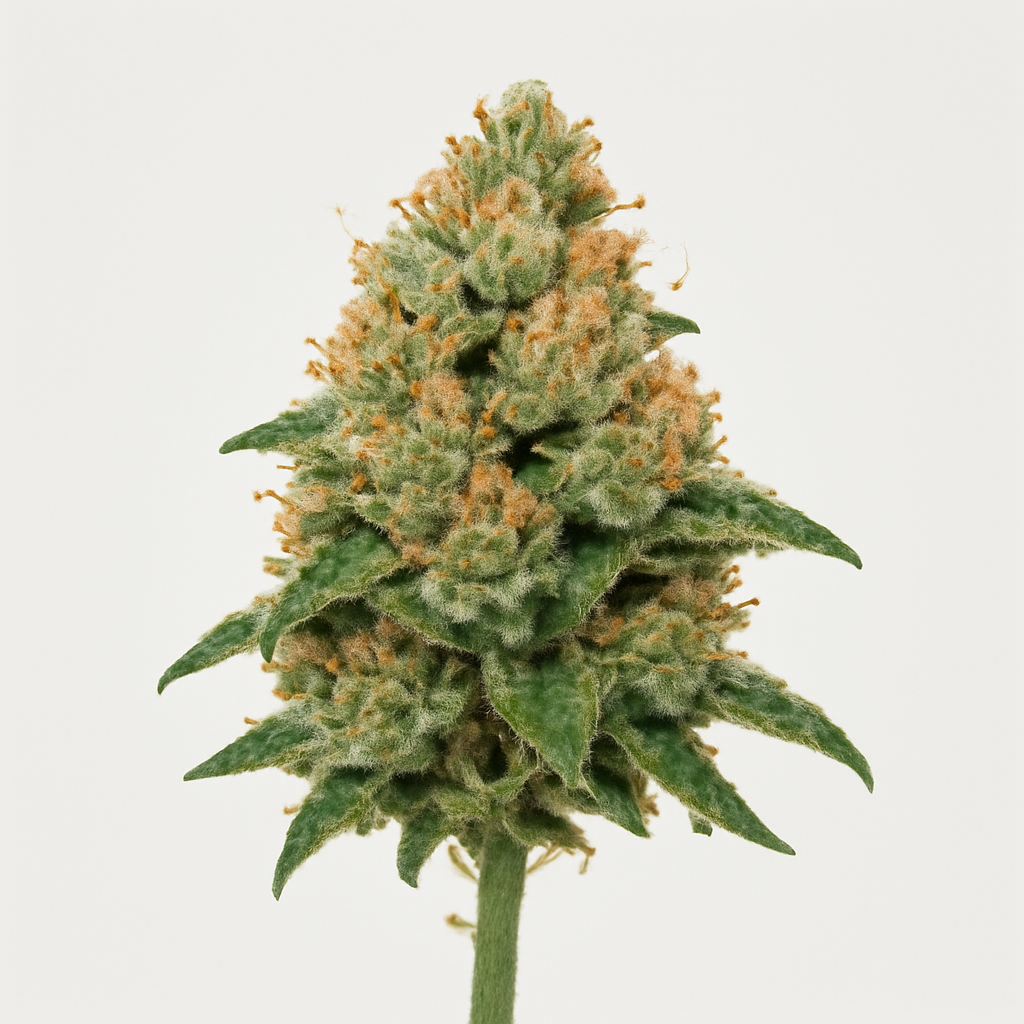
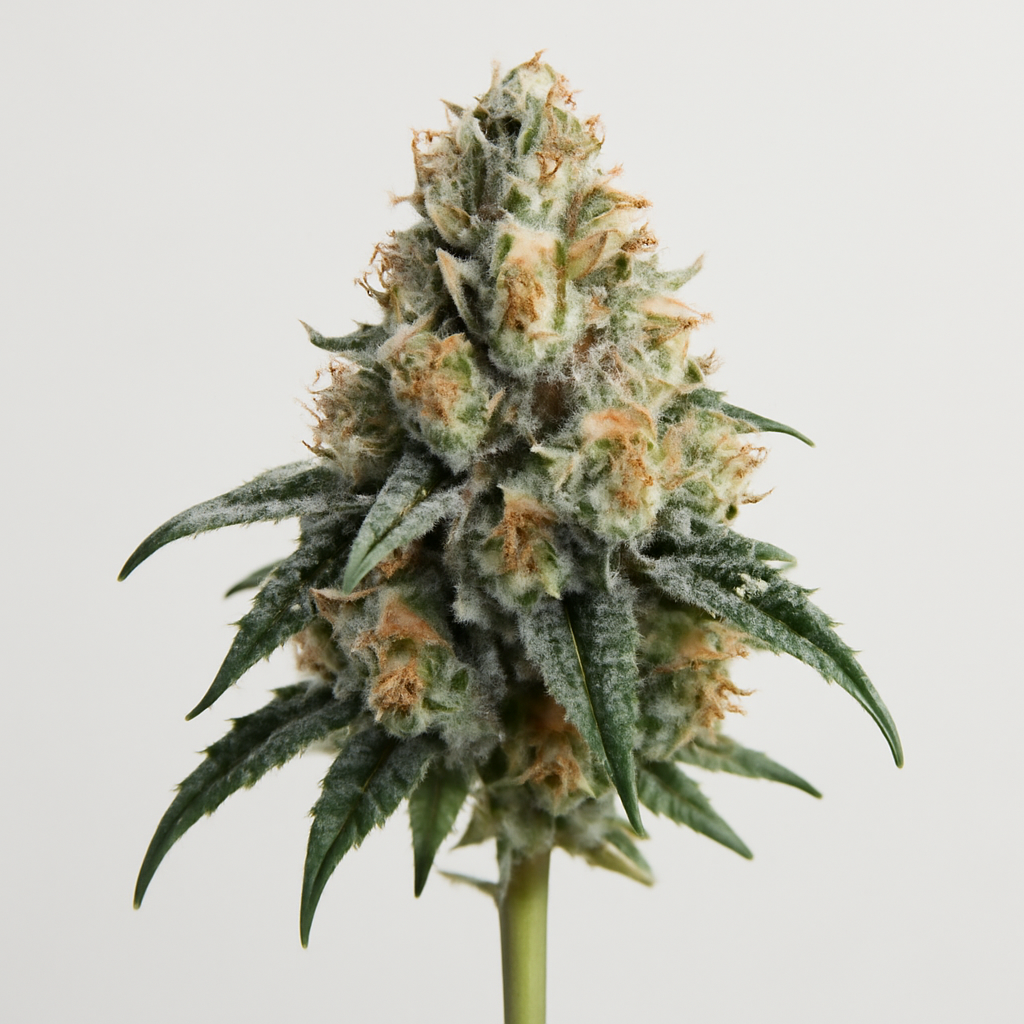
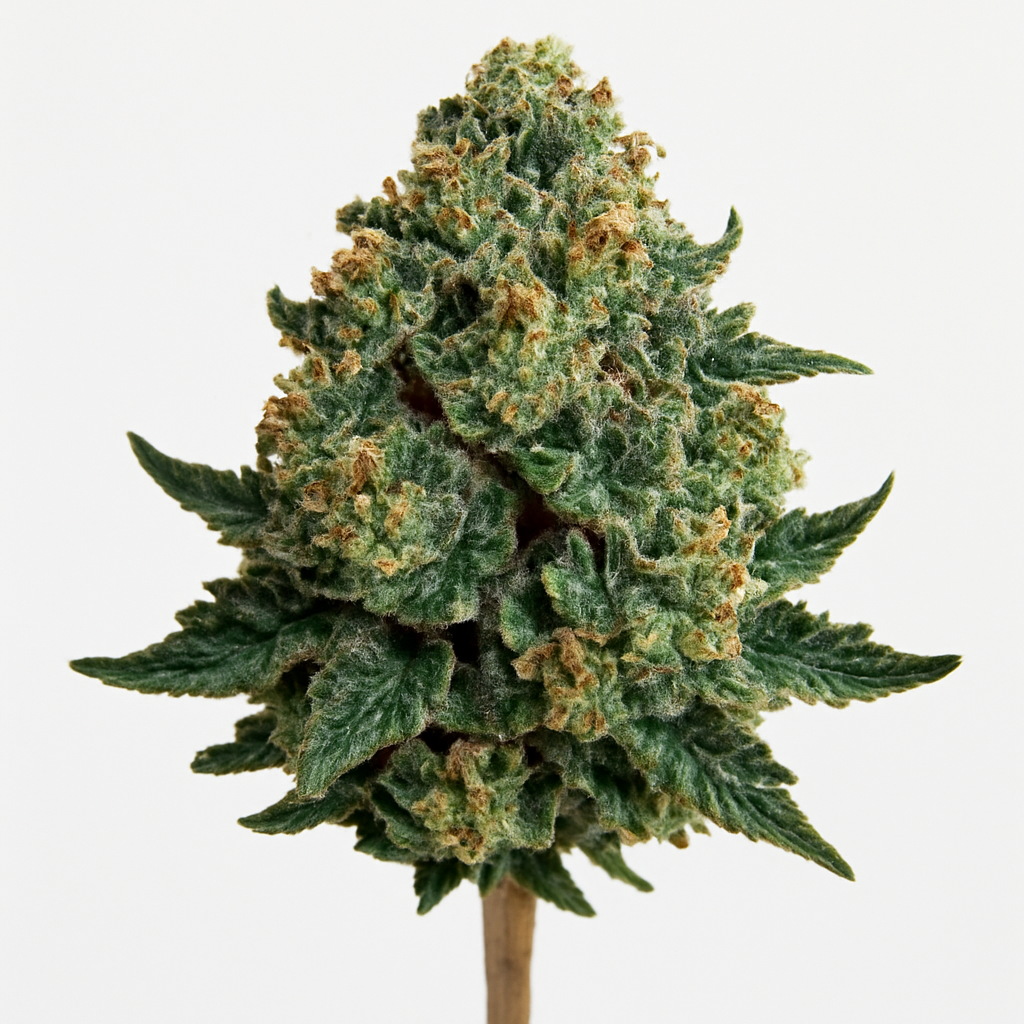
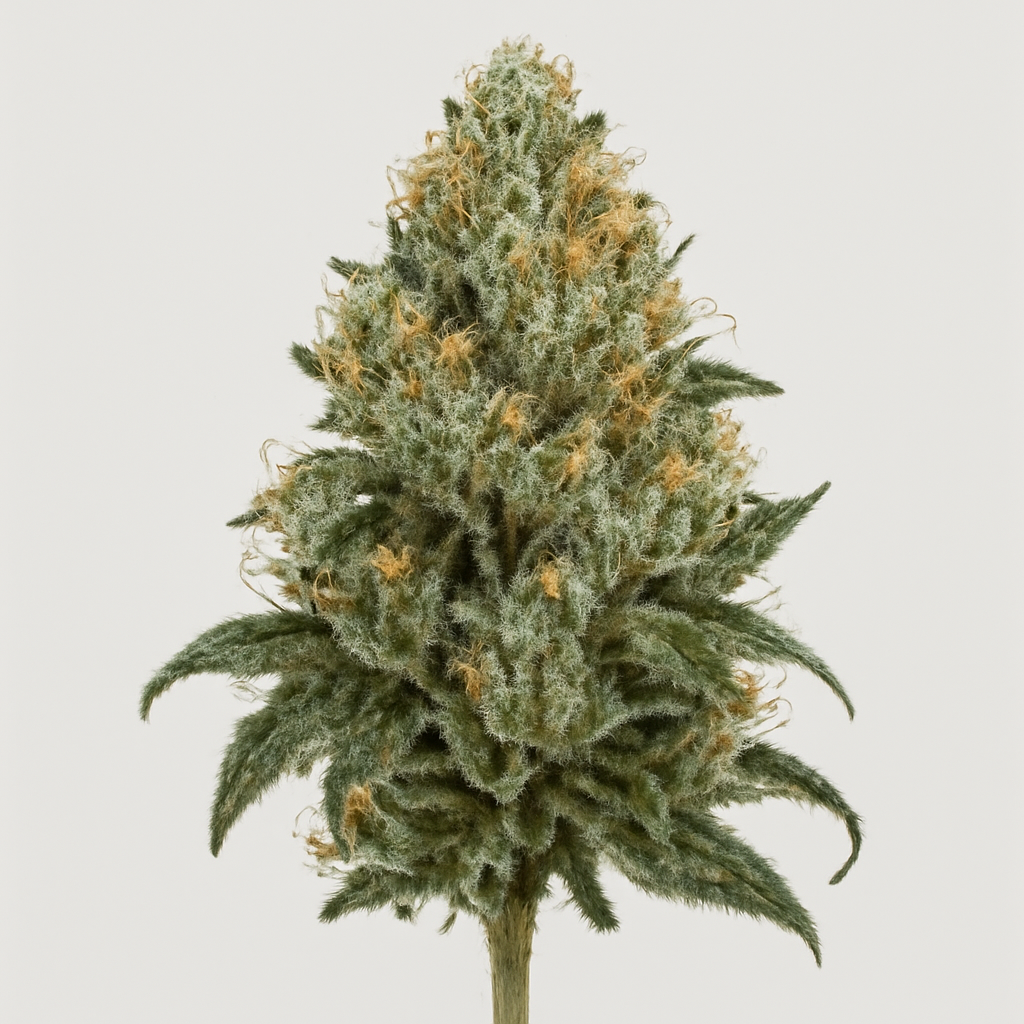
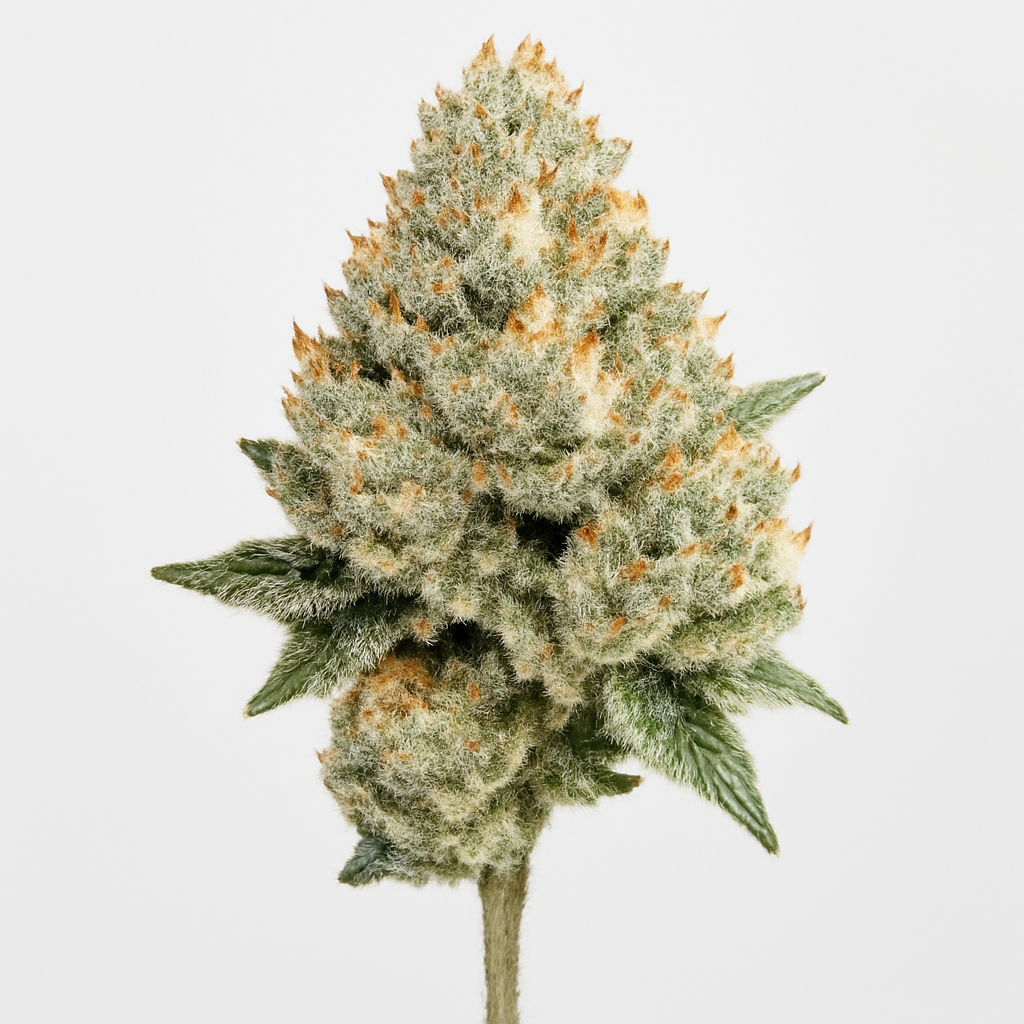
Mac and Cheese flowers are usually dense, chunky, and heavily frosted, with a structure that feels more stacked than airy. The buds often present in lime green or darker green shades, and some phenotypes show a subtle bluish or muted olive cast under the trichome layer.
Orange to rust-colored pistils are common, and the resin coat can become thick enough to blur the edges of individual calyxes. Variation between cuts is real: some lean more squat and rounded, while others form slightly longer spear-like colas with a sharper cheese-funk finish.
Effects & Use-Cases (Reported)
- Commonly reported effects: an uplifting first wave, followed by relaxed body comfort and a clear but mellow headspace
- Use-case context: often chosen for evening social time, music sessions, creative work, or a slower-paced night in
- Body character: can feel warm, soothing, and gradually heavy without always becoming sharply sedating
- Note: These observations are anecdotal and do not constitute medical claims.
Observational Note: The onset is often described as fairly quick, with the hybrid nature of the strain showing up as both mental lift and physical ease. Depending on phenotype and dose, it may feel more talkative and bright at first before settling into a steadier, heavier rhythm.
Potency Note: Potency can be substantial in well-grown batches, so the experience may shift quickly from flavorful and upbeat to notably strong. Newer consumers often approach it cautiously because the aroma can suggest a softer profile than the actual effect delivers.
Aroma & Flavor Profile
- Aroma: pungent cheese rind, creamy citrus, earthy funk, skunk, and a light diesel edge
- Flavor: savory cheese on the inhale, lemony brightness in the middle, and peppery fuel on the exhale
- Aftertaste: lingering dairy-funk with spice and a dry, earthy finish
- Terpene associations: commonly aligned with Myrcene, Caryophyllene, and Limonene.
For users searching for a cheese strain with real depth, Mac and Cheese sits closer to a pungent, creamy funk profile than to a simple sweet dessert expression. The flavor can come across as savory and layered, especially when the flower is properly cured, making it a strong fit for shoppers looking for MAC genetics with a louder, more distinctive cheese finish.
Tested Cannabinoid & Terpene Ranges
| Compound | Typical Range* | Notes |
|---|---|---|
| Δ⁹-THC | ~20–27% | Often tests high in well-finished boutique flower. |
| CBD | <0.5% | Typically low, with THC driving the cultivar’s effect profile. |
| Myrcene | 0.20–0.55% | Often supports the earthy, musky, and slightly herbal side of the aroma. |
| Caryophyllene | 0.15–0.45% | Frequently contributes pepper, spice, and dry savory depth. |
| Limonene | 0.10–0.35% | Commonly adds the citrus lift that brightens the cheese funk. |
*Ranges are estimates and may vary by phenotype, harvest timing, and testing methods.
Cultivation Notes
- Light Cycle: 18/6 in vegetative growth; 12/12 for flowering
- Humidity: Moderate early, then lower humidity in late flower to protect dense buds
- Stretch: Moderate stretch, especially during the first 2–3 weeks of bloom
- Training: Responds well to topping, LST, and light canopy shaping
- Odor Control: Strong odor control is recommended, especially from mid-flower onward
- Harvest Window: Approximately 8–10 weeks indoors
Mac and Cheese generally performs best when the canopy is kept even and the air movement is strong enough to manage its dense floral build. A careful finish matters: allowing the plant to mature without excessive humidity often helps preserve the sharp cheese notes and the heavier trichome coating.
Grower Notes (Week-by-Week Snapshot)
- Weeks 1–3: Expect rooting, lateral growth, and a noticeable push in branch vigor once flowering is initiated.
- Weeks 4–5: Bud sites thicken, resin begins to build, and the aroma starts turning sharply savory.
- Weeks 6–8: Calyxes swell, trichomes increase quickly, and the profile often shifts toward creamier funk with citrus lift.
- Weeks 9–10: Final ripening brings fuller density, stronger scent saturation, and the most complete expression of the cheese-fuel finish.
Genetic Lineage
Mac and Cheese is generally described as a cross between MAC and Alien Cheese. MAC is often credited with dense flower formation, heavy resin production, and a creamy, modern hybrid aroma, while Alien Cheese is commonly associated with sharper savory notes and a more direct cheese expression. The combination explains why the cultivar can feel both refined and loud at the same time.
Research Insights
Mac and Cheese matters in the modern market because it sits at the intersection of two major search interests: MAC lineage and cheese-forward cannabis. That makes it relevant to consumers looking for boutique potency with a less sugary flavor profile, as well as breeders and phenotype hunters interested in resin-rich hybrids that carry a memorable savory signature. In a crowded genetics landscape, strains like this keep old-school funk alive while still fitting contemporary premium flower expectations.
Frequently Asked Questions
Is Mac and Cheese the same as MAC?
No. Mac and Cheese is generally described as a MAC cross that adds a stronger cheese-forward character, making it more savory and funk-heavy than MAC alone.
What does Mac and Cheese taste like?
It is often described as cheesy, creamy, citrusy, and peppery, with a lingering earthy-fuel finish that becomes more pronounced after the exhale.
How strong is Mac and Cheese?
It is commonly tested in a high-THC range and can feel quite potent, especially in properly cured flower from a well-selected phenotype.
How long does Mac and Cheese take to flower?
Indoor flowering is typically around 8 to 10 weeks, though phenotype selection and cultivation conditions can shift the finish slightly.
Is Mac and Cheese easy to grow?
It is usually considered intermediate rather than beginner-friendly, mainly because the flowers can become dense and odor control, airflow, and canopy management matter.
Educational Disclaimer: This page is provided strictly for scientific and horticultural reference. Cannabis cultivation, possession, and use are regulated by local laws. This content does not promote illegal activity or constitute medical advice. Always comply with applicable regulations in your jurisdiction.
Rate and review this strain
Ratings and reviews are accepted only from signed-in Google accounts.
Sign in with Google to leave a rating and written review.
Latest Reviews
0 reviewsNo reviews yet. Be the first Google user to rate and review this strain.