Girl Scout Cookies (GSC) (Cannabis Strain) — Strainpedia
Girl Scout Cookies (GSC) is a modern balanced hybrid cultivar that played a defining role in the rise of the “exotic” era of cannabis breeding in the early 2010s. Created from the genetic pairing of OG Kush × Durban Poison, GSC combined fuel-forward depth with bright sativa clarity and layered dessert-like sweetness. The result was a high-resin, high-potency hybrid that influenced an entire generation of cookie-based cultivars and permanently shifted consumer demand toward terpene intensity and visual appeal. This profile is provided strictly for scientific and horticultural reference.
Quick Facts
| Genetics | OG Kush × Durban Poison |
|---|---|
| Variety | Balanced Hybrid (often Indica-leaning in expression) |
| Flowering Time | 8–10 weeks (56–70 days indoors) |
| Yield Potential | 350–500 g/m² (Moderate) |
| Plant Height | 90–140 cm; compact with strong lateral branching |
| Climate Preference | Controlled indoor or dry Mediterranean outdoor |
| Difficulty | Intermediate (sensitive to humidity and overfeeding) |
Scientific & Botanical Overview
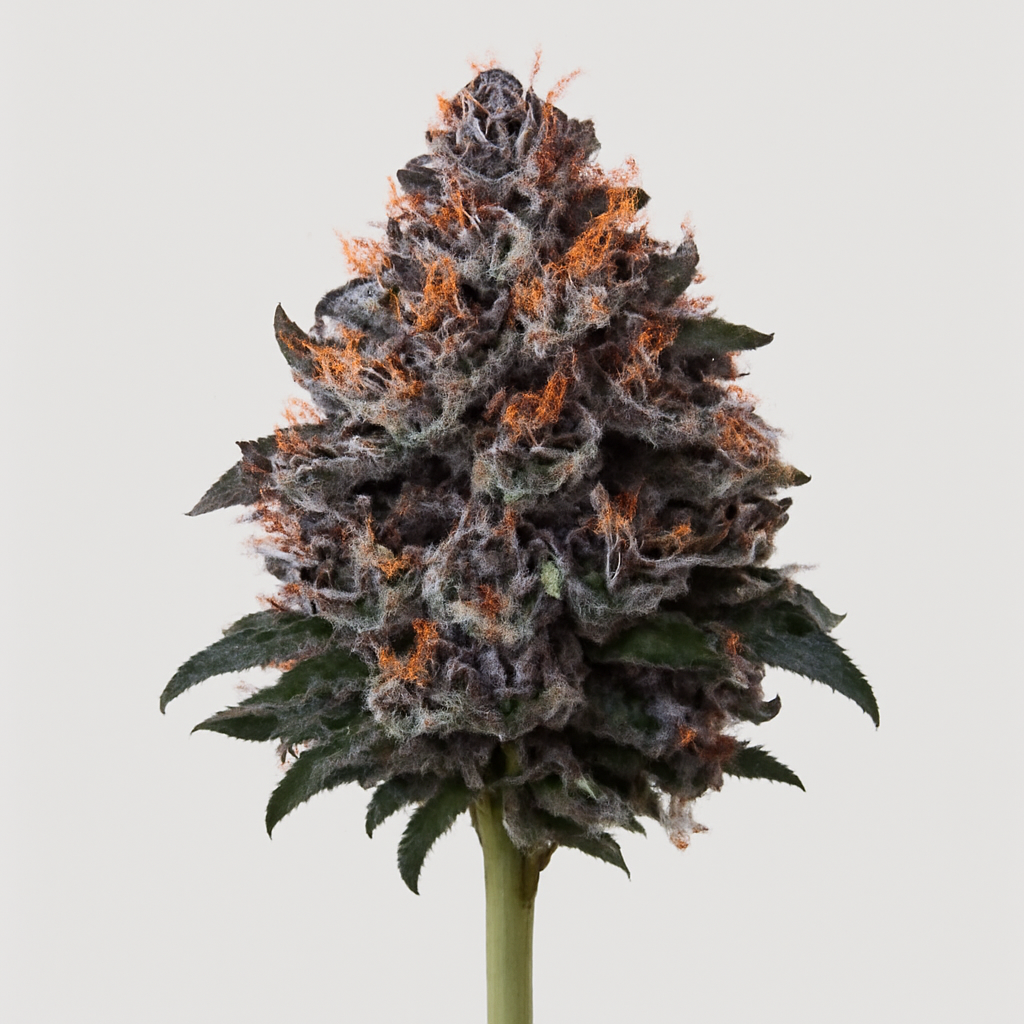
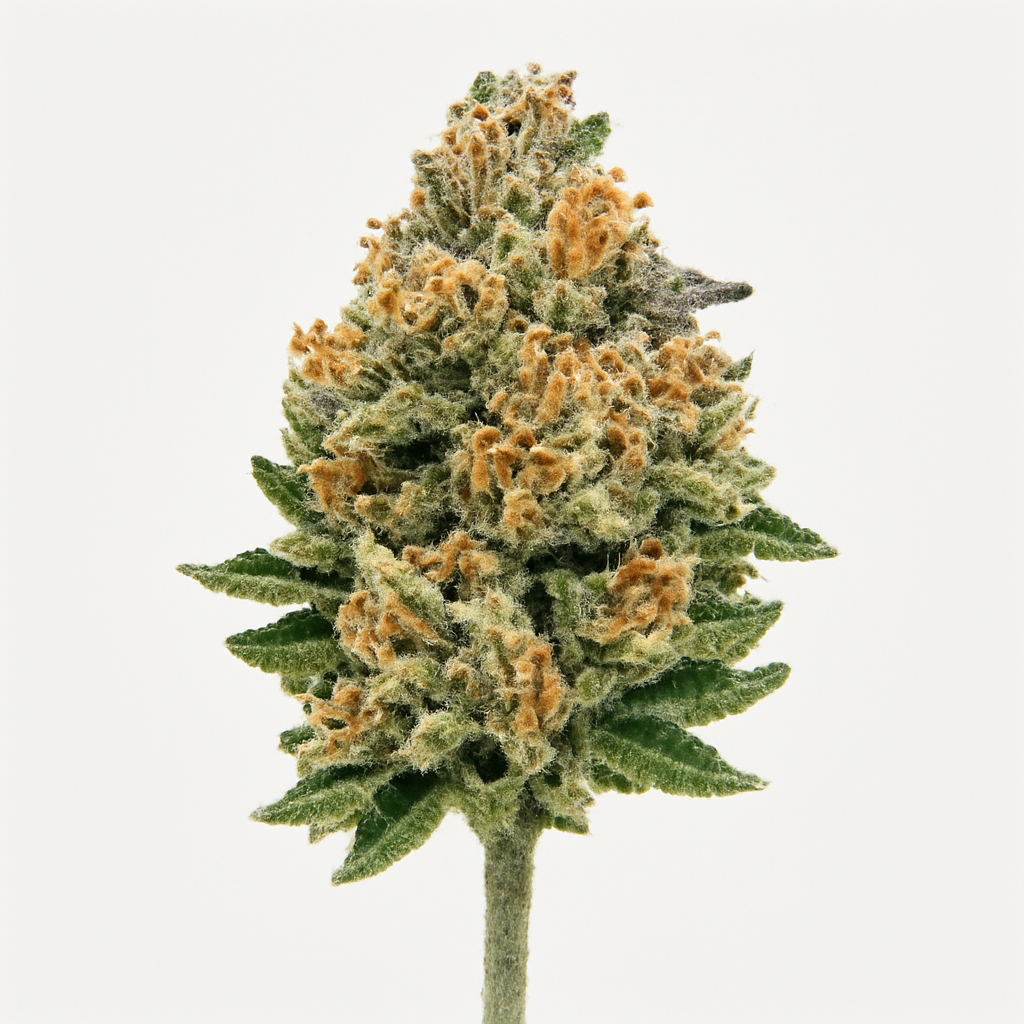
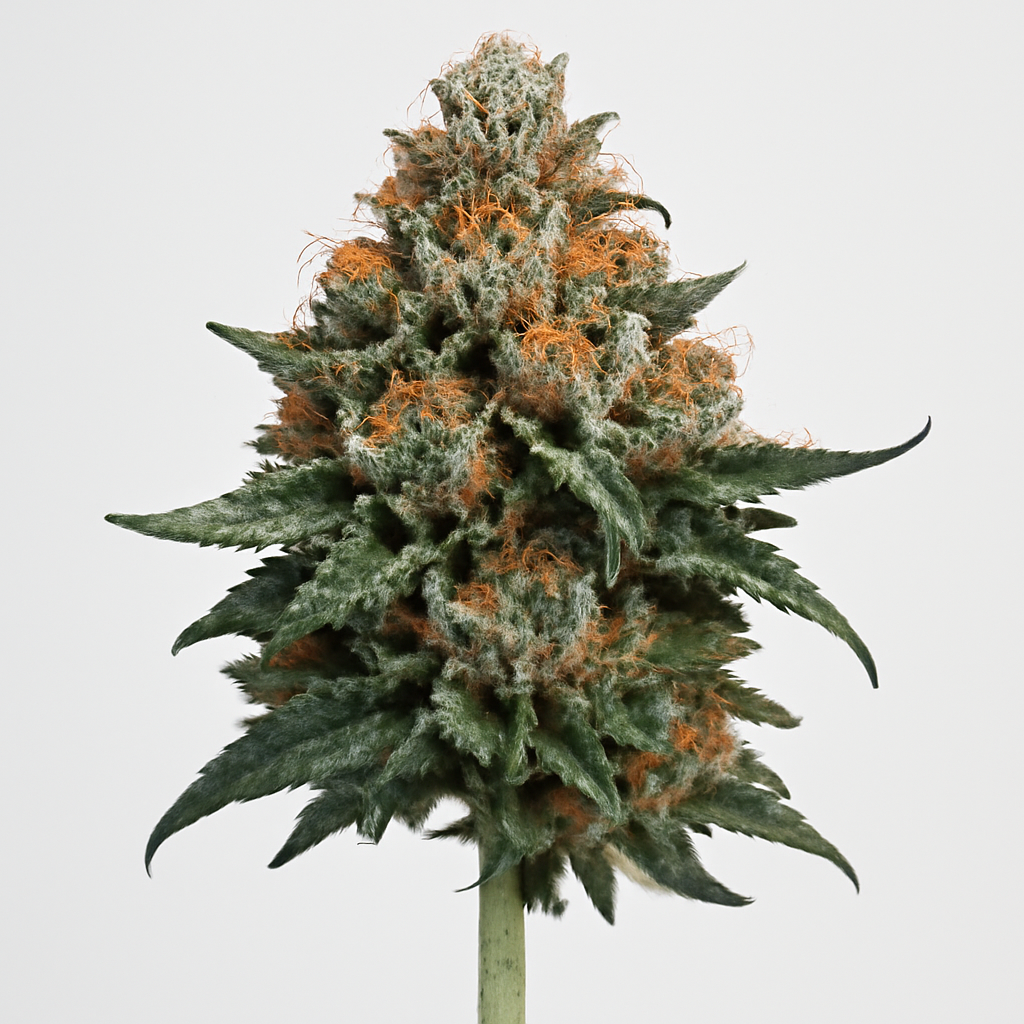
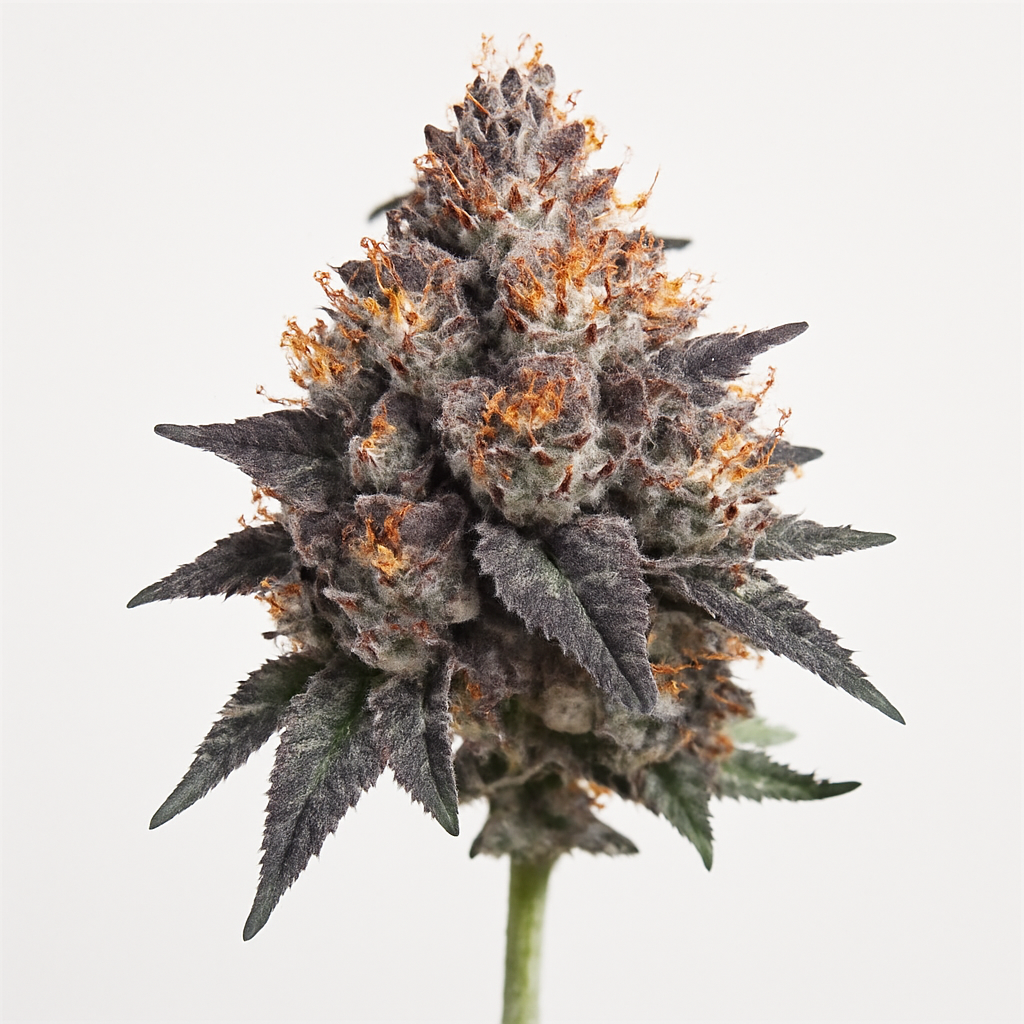
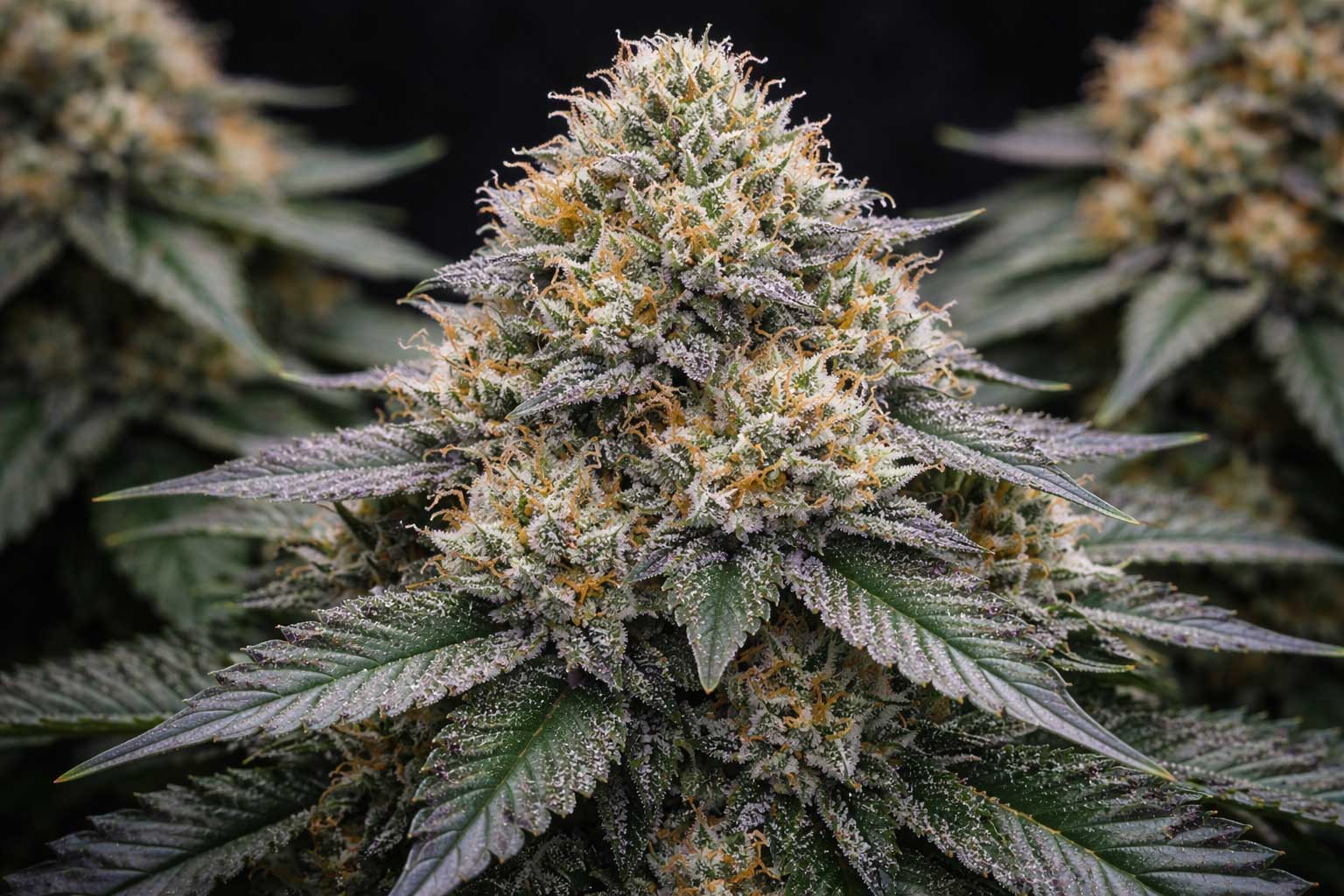
GSC plants typically develop dense, tightly stacked calyx clusters with heavy trichome saturation across both bud surfaces and sugar leaves. Many phenotypes express deep forest-green tones accented by purple pigmentation under cooler nighttime temperatures. Internodal spacing remains tight, producing thick colas rather than elongated sativa spears.
Resin gland density is high and uniform, often creating a silver-white frost that visually distinguishes the cultivar. Due to its dense structure, humidity management is essential in late flower to protect against moisture retention within compact bud sites.
Effects & Use-Cases (Reported)
- Commonly reported effects: euphoric cerebral onset, sensory uplift, gradual body relaxation.
- Onset: noticeable mental shift followed by steady grounding.
- Use-case context: late afternoon, creative engagement, social settings.
- Note: Observational reports only; not medical claims.
Aroma & Flavors
- Aroma: sweet baked goods, earthy spice, light mint, subtle fuel undertones.
- Flavor: dessert-like sweetness layered with herbal pepper and faint cocoa notes.
- Terpene associations: caryophyllene, limonene, myrcene, humulene.
Tested Cannabinoid & Terpene Ranges
| Compound | Typical Range* | Notes |
|---|---|---|
| Δ⁹-THC | ~20–28% (reported 30%+ in select cuts) | High-potency tier common. |
| CBD | ~0–1% | Generally trace levels. |
| Caryophyllene | ~0.4–1.1% | Dominant spicy backbone; contributes structural depth. |
| Limonene | ~0.3–0.9% | Supports sweetness and mood brightness. |
| Myrcene | ~0.2–0.7% | Contributes to physical grounding. |
| Humulene | ~0.1–0.4% | Adds earthy complexity. |
*Ranges vary by phenotype, cultivation practices, harvest timing, curing conditions, and lab methodology.
Cultivation Notes
- Light Cycle: 18/6 vegetative; 12/12 flowering.
- Humidity Targets: 40–45% during late flower due to dense colas.
- Nutrition: Moderate feeder; sensitive to excess nitrogen in bloom phase.
- Training: Topping and LST recommended to open canopy and improve airflow.
- Harvest Window: Early–mid October outdoors (Northern Hemisphere).
Grower Notes (Week-by-Week Snapshot)
- Weeks 1–2 (Transition): Moderate stretch; initiate canopy shaping.
- Weeks 3–4: Dense bud formation; early resin development visible.
- Weeks 5–6: Significant trichome increase; terpene profile intensifies.
- Weeks 7–9: Bud density peaks; monitor humidity closely.
- Week 10: Final ripening; harvest based on trichome maturity (milky with light amber for balanced effect).
- Post-Harvest: Cure at 18–20°C and 55–60% RH to preserve dessert-forward terpenes.
Environmental stability is critical to maintain both visual pigmentation and terpene integrity.
Genetic Lineage
GSC combines the structural density and fuel undertones of OG Kush with the cerebral brightness of Durban Poison. This pairing created a hybrid that bridges heavy resin production with energetic clarity, forming the genetic backbone for numerous modern cultivars including Gelato, Sherbet, and Runtz-related lines.
Research Insights
The experiential profile of GSC highlights the interplay between caryophyllene (body modulation), limonene (uplift), and myrcene (grounding calm). This terpene triad may contribute to the widely described balance between mental stimulation and physical relaxation, illustrating a strong example of the entourage effect within hybrid chemotypes.
Frequently Asked Questions
Is Girl Scout Cookies Indica or Sativa?
It is generally classified as a balanced hybrid, though many phenotypes lean slightly Indica.
What does GSC taste like?
It is commonly described as sweet and dessert-like, with baked goods, mint, and earthy spice notes.
How long does GSC flower?
Indoor flowering typically ranges from 8–10 weeks.
Is Girl Scout Cookies suitable for beginners?
It is considered intermediate due to its sensitivity to humidity and nutrient imbalance.
Educational Disclaimer: This page is provided for scientific and horticultural reference only and does not constitute medical or promotional advice. Cannabis cultivation, possession, and use are regulated by local laws. Always comply with applicable legislation in your region.
Rate and review this strain
Ratings and reviews are accepted only from signed-in Google accounts.
Sign in with Google to leave a rating and written review.
Latest Reviews
0 reviewsNo reviews yet. Be the first Google user to rate and review this strain.