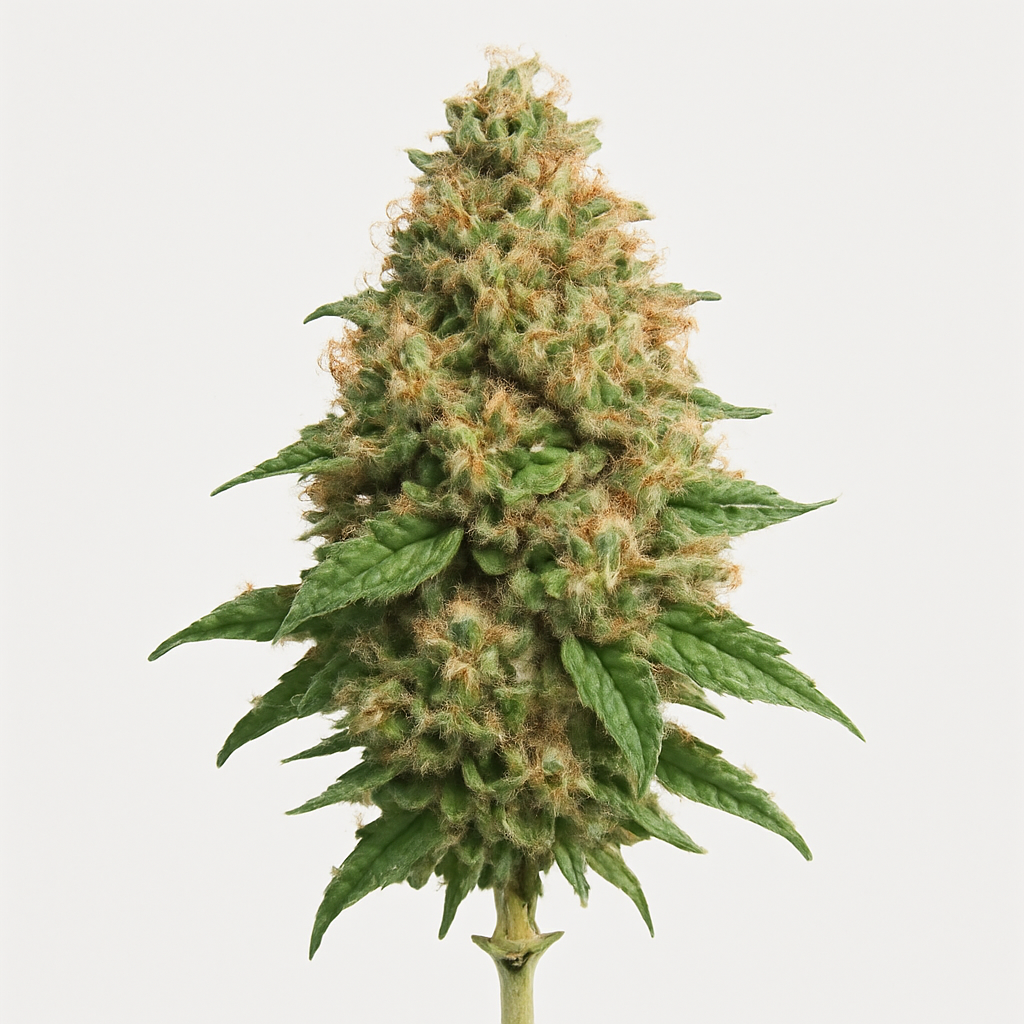
East Coast Sour Diesel (Cannabis Strain) — Strainpedia
East Coast Sour Diesel is a landmark fuel-forward cultivar with a sharply defined terpene profile and a notably brisk, cerebral effect style. Its lineage is not fully settled, but the strain is firmly rooted in the classic Sour Diesel family, where citrus peel, skunk, and solvent-like notes became part of the strain’s identity rather than a side effect.
What sets this variety apart is how the profile reads on the nose versus on the palate: the aroma can lean aggressive and pungent, while the flavor usually opens into sour lemon, gas, and dry earth. In the grow room, it tends to express medium stretch, resinous flower development, and a phenotype range that can shift from airy sativa structure to slightly denser colas depending on selection.
Quick Facts
| Genetics | Likely Diesel x (Northern Lights x Chemdawg) or a related Sour Diesel line |
|---|---|
| Original Breeder | Not clearly documented |
| Variety | Sativa-leaning Hybrid |
| Flowering Time | Approximately 9–10 weeks indoors |
| Yield Potential | Moderate to high, depending on phenotype and training |
| Plant Height | Medium to tall |
| Climate Preference | Warm, temperate, well-ventilated indoor or outdoor conditions |
| Difficulty | Intermediate |
Strain Classification
| Type | Sativa-leaning Hybrid |
|---|---|
| Genetic Family | Sour Diesel family / Chem-dominant fuel line |
| Primary Terpenes | Myrcene, limonene, caryophyllene* |
| Original Breeder | Not clearly documented |
| Breeding Lineage | Commonly linked to the original Sour Diesel branch, with Diesel and Chemdawg-adjacent ancestry often cited |
*Exact terpene dominance may vary by phenotype and cultivation method.
Scientific & Botanical Overview
East Coast Sour Diesel is best understood as a selective cannabis expression within the broader Diesel group, a family that helped establish the modern appetite for sharp, high-impact fuel terpenes. Botanically, it often presents with elongated internodes, narrow leaflets, and flower sites that favor vertical stacking over dense indica-style bulk.
The cultivar’s commercial importance comes from consistency in character more than uniformity in origin story. Even where breeder attribution varies, the plant is generally selected for its pronounced resin production, clear citrus-gas aroma, and effect profile that many consumers describe as alerting and head-forward. Those traits have made it a reference point for later fuel-heavy hybrid breeding.
Appearance
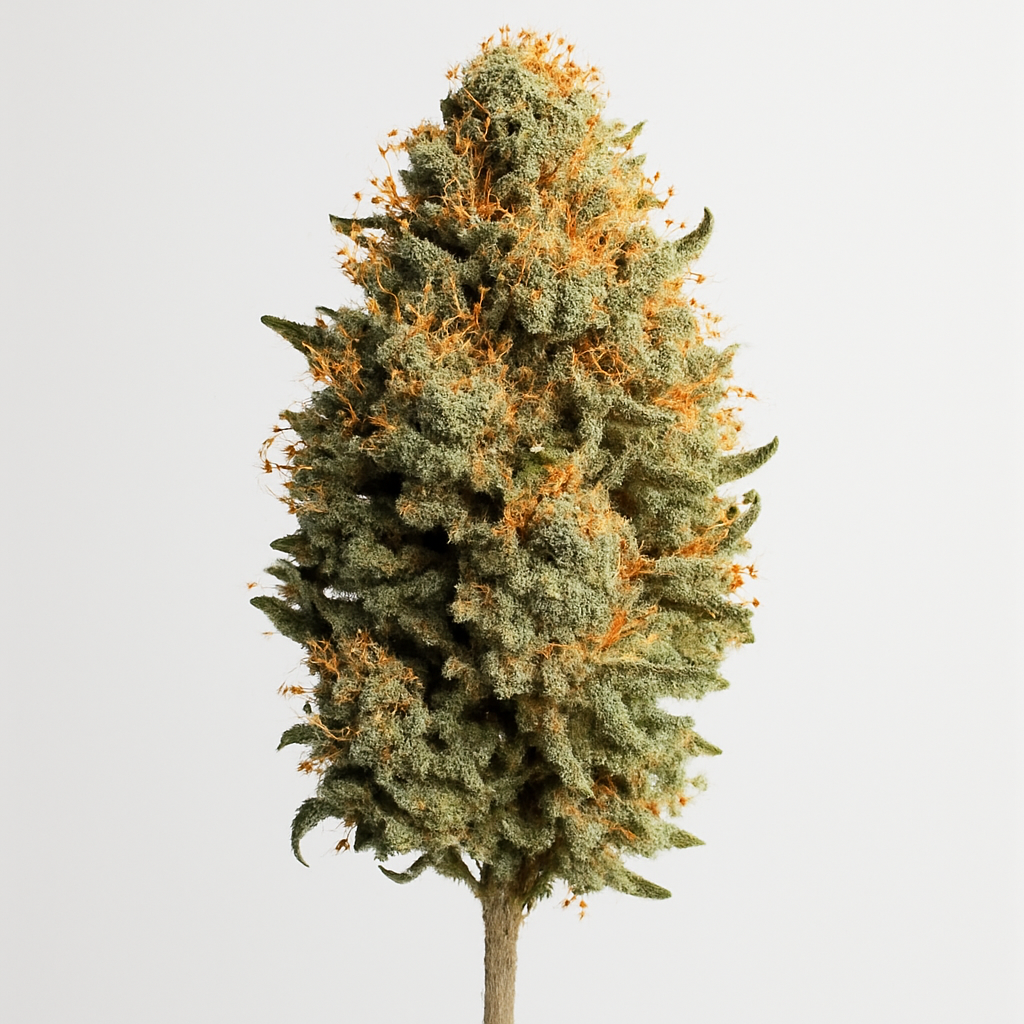
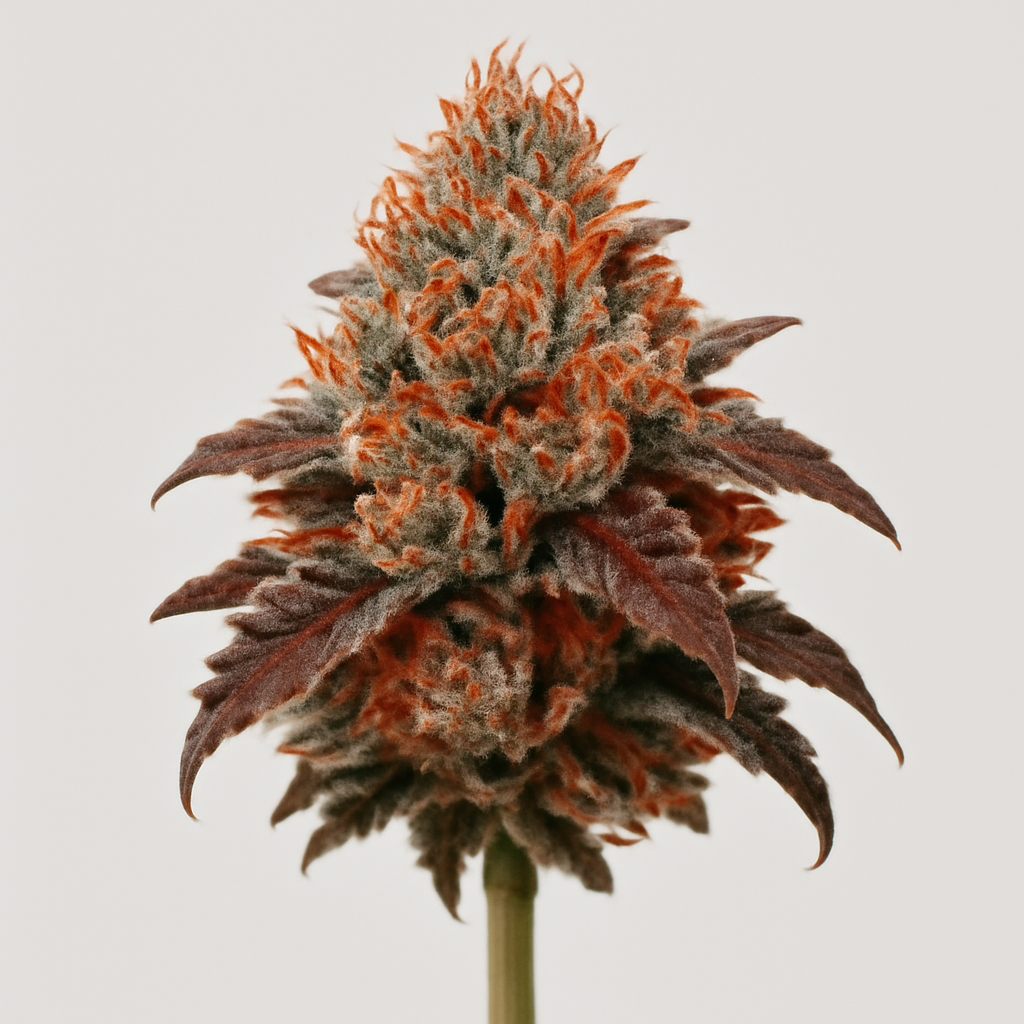
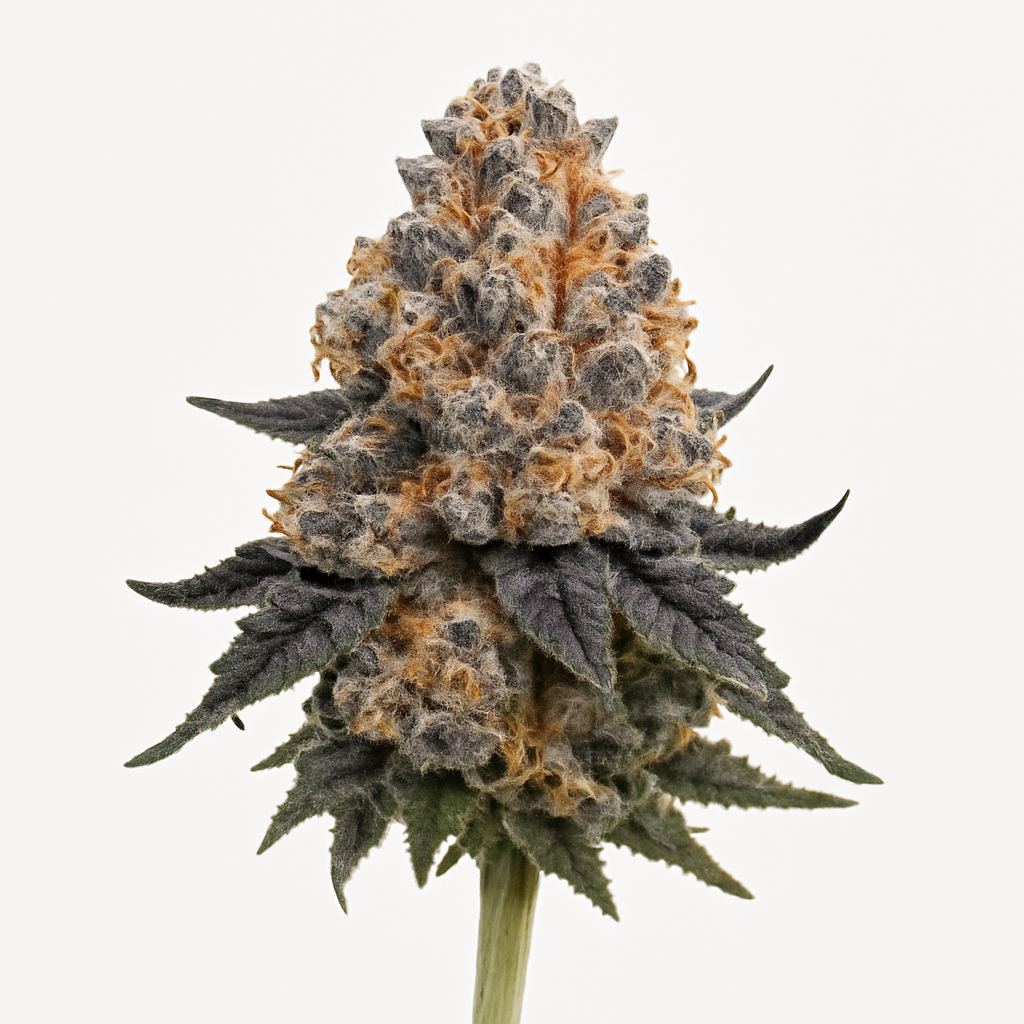
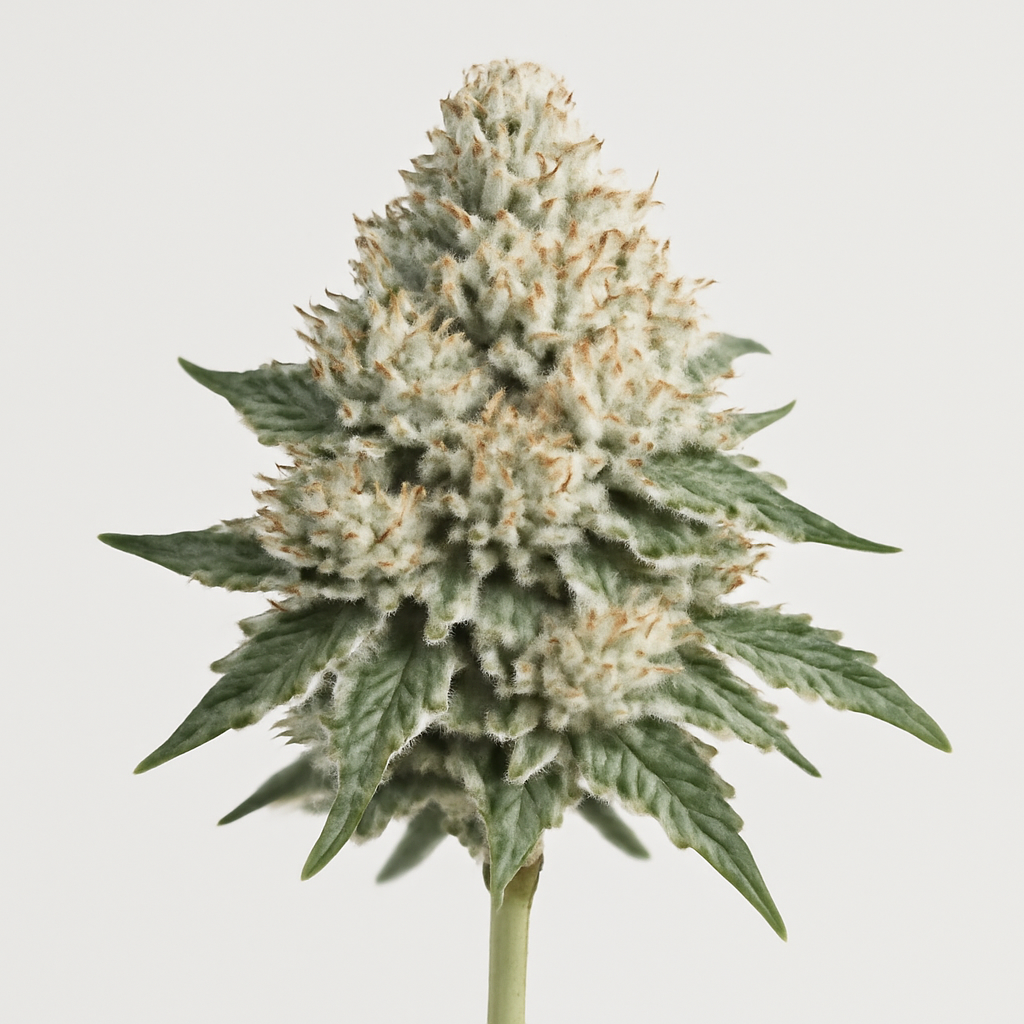
The flowers usually appear lime green to olive, with orange to rust-colored pistils threading through the surface. A generous trichome layer often gives the buds a silvery finish, especially on upper colas where light intensity is highest.
Phenotype variation can be noticeable. Some selections form longer, more open buds with a classic sativa architecture, while others tighten into denser clusters that still retain the cultivar’s signature dusty, resin-sheathed look. Cooler finishing conditions may bring out sharper contrast in the green coloration and a more frosted overall presentation.
Effects & Use-Cases (Reported)
- Commonly reported effects: quick mental lift, energetic focus, talkative mood, creative momentum, strong aromatic presence
- Use-case context: often chosen for daytime sessions, social settings, or tasks that pair well with a bright, active headspace
- Body character: usually described as lighter in the body at first, with a gradual settling sensation depending on dose and phenotype
- Note: These observations are anecdotal and do not constitute medical claims.
Observational Note: East Coast Sour Diesel tends to come on quickly, and the onset is often more pronounced than the finish. Many users describe the experience as sharp, expressive, and less hazy than heavier dessert-style hybrids.
Potency Note: Well-grown examples can test firmly in the high-teens to mid-20s THC range, so the effect can feel intense even when the flavor is more refined than the aroma suggests.
Aroma & Flavor Profile
- Aroma: diesel fuel, sour lemon, skunk, earthy funk, pine resin
- Flavor: sharp gas, citrus peel, chemical sourness, spicy earth, lingering pine
- Aftertaste: fuel-dominant with a drying lemon-zest finish and a faint peppery edge
- Terpene associations: commonly aligned with myrcene, limonene, and caryophyllene.
For searchers comparing East Coast Sour Diesel strain flavor, the key takeaway is its unmistakable diesel-citrus identity: loud on the nose, sour on the inhale, and persistently gassy on the exhale. It is one of the clearer examples of a strain where the aroma and flavor stay tightly connected rather than drifting into sweetness.
Tested Cannabinoid & Terpene Ranges
| Compound | Typical Range* | Notes |
|---|---|---|
| Δ⁹-THC | ~19–26% | Often tested on the stronger side in premium indoor flower |
| CBD | <0.5% | Usually minimal and not a defining cannabinoid |
| Myrcene | ~0.20–0.60% | Supports the earthy, resinous base tone in many phenotypes |
| Limonene | ~0.15–0.50% | Contributes to the lemon peel and bright citrus edge |
| Caryophyllene | ~0.10–0.35% | Often linked to the spicy, peppery finish |
*Ranges are estimates and may vary by phenotype, harvest timing, and testing methods.
Cultivation Notes
- Light Cycle: 18/6 in vegetative growth; 12/12 for flowering
- Humidity: Moderate in veg; lower humidity in late flower to protect resinous buds
- Stretch: Moderate to significant early-flower stretch
- Training: Responds well to topping, SCROG, and canopy management
- Odor Control: Strong odor control is recommended from mid-flower onward
- Harvest Window: Approximately 9–10 weeks indoors
East Coast Sour Diesel rewards growers who keep the canopy even and the environment stable. It is not usually the best choice for a highly forgiving setup, because the plant’s vertical momentum and pungent late-flower aroma can become difficult to manage if airflow, nutrition, or humidity are neglected.
Grower Notes (Week-by-Week Snapshot)
- Weeks 1–3: Establish structure, manage early stretch, and begin training before internodes lengthen too far.
- Weeks 4–5: Bud sites become more defined, resin production starts to rise, and the aroma turns noticeably fuel-heavy.
- Weeks 6–8: Flowers thicken, trichome coverage intensifies, and odor control becomes essential in enclosed spaces.
- Weeks 9–10: Final ripening often sharpens the sour profile, with a clean harvest window for growers seeking peak aroma and potency.
Genetic Lineage
East Coast Sour Diesel is usually discussed as part of the original Sour Diesel branch, though the exact pedigree has long been debated. The most common account places it within a Diesel line that traces back to Chemdawg and Northern Lights influences, with later selections refining the sharp fuel note and the citrus-sour expression.
In breeding terms, those parents are generally credited with three defining traits: the pungent hydrocarbon-like terpene profile from the Diesel side, the vigorous branching and resin output associated with Chem-descended stock, and the faster, more structured flowering behavior often linked to Northern Lights influence. Together, those elements help explain why the strain remains so recognizable decades after its rise in East Coast cannabis culture.
Research Insights
East Coast Sour Diesel matters in the modern market because it sits at the center of two major search trends: heritage diesel strains and clear, daytime-leaning hybrids. It also remains relevant to breeders looking for loud terpene expression without moving into dessert or fruit territory, which gives it a distinct place in a crowded menu landscape.
From an editorial and commercial perspective, the strain continues to be searched by consumers comparing classic fuel profiles, legacy East Coast names, and plants with a sharper effect style. Its ongoing presence in dispensary catalogs reflects how durable old-school terpene signatures can be when paired with reliable potency and a memorable finish.
Frequently Asked Questions
Is East Coast Sour Diesel the same as Sour Diesel?
It is closely related, and in some markets the names are used interchangeably, but exact naming can vary by breeder and selection. East Coast Sour Diesel often refers to a specific Sour Diesel expression with a classic fuel-heavy profile.
What does East Coast Sour Diesel taste like?
It typically tastes like sour lemon, diesel fuel, earthy spice, and a resinous pine finish. The flavor is usually sharp rather than sweet.
Is this strain more energizing or relaxing?
It is commonly described as more energizing at first, with a clear-headed, active feel. Some users notice a mild physical settling later, depending on dose and phenotype.
How long does East Coast Sour Diesel take to flower?
Most indoor examples finish in about 9 to 10 weeks. Outdoors, harvest timing depends on local climate and seasonal conditions.
What kind of grower is this strain best for?
It is usually better suited to intermediate growers who can manage stretch, odor, and canopy structure. Beginners can grow it, but it benefits from careful attention in flower.
Educational Disclaimer: This page is provided strictly for scientific and horticultural reference. Cannabis cultivation, possession, and use are regulated by local laws. This content does not promote illegal activity or constitute medical advice. Always comply with applicable regulations in your jurisdiction.
Rate and review this strain
Ratings and reviews are accepted only from signed-in Google accounts.
Sign in with Google to leave a rating and written review.
Latest Reviews
0 reviewsNo reviews yet. Be the first Google user to rate and review this strain.