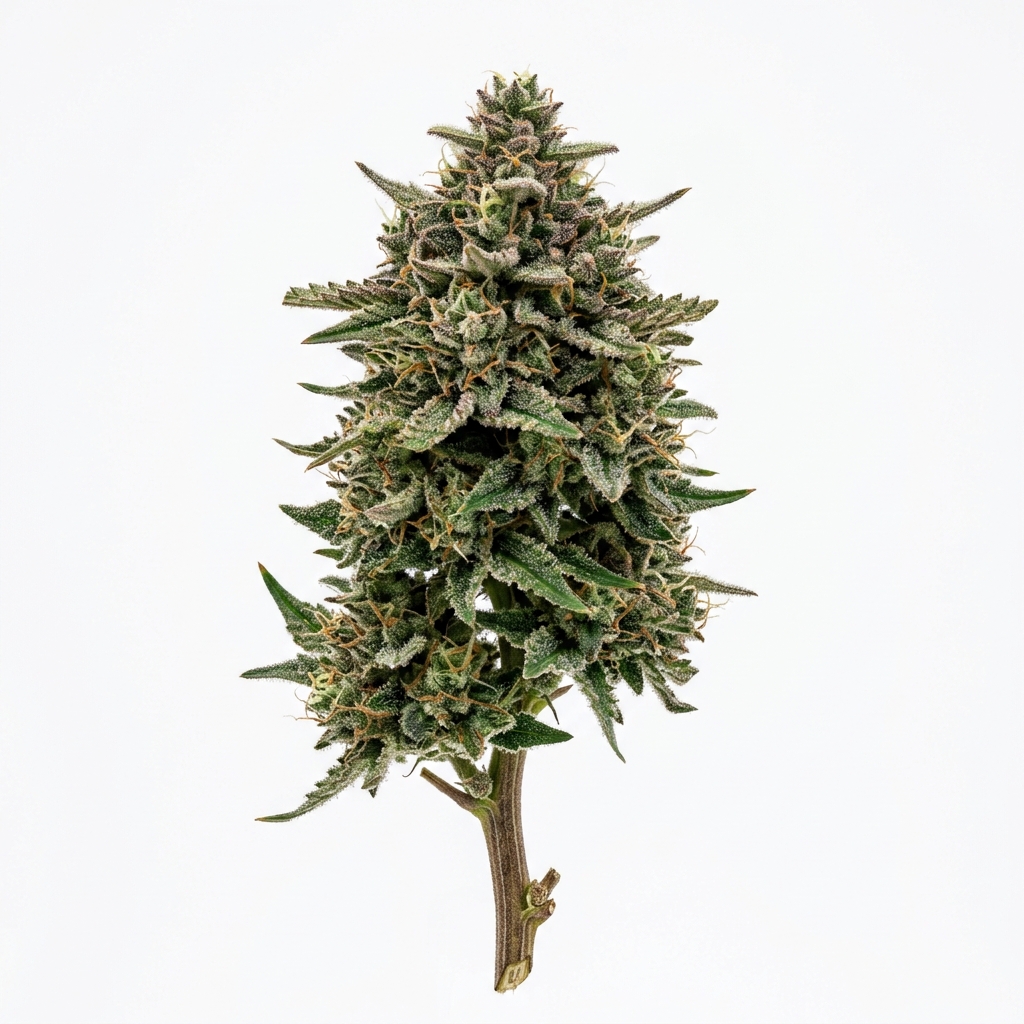
Doughnut (Cannabis Strain)
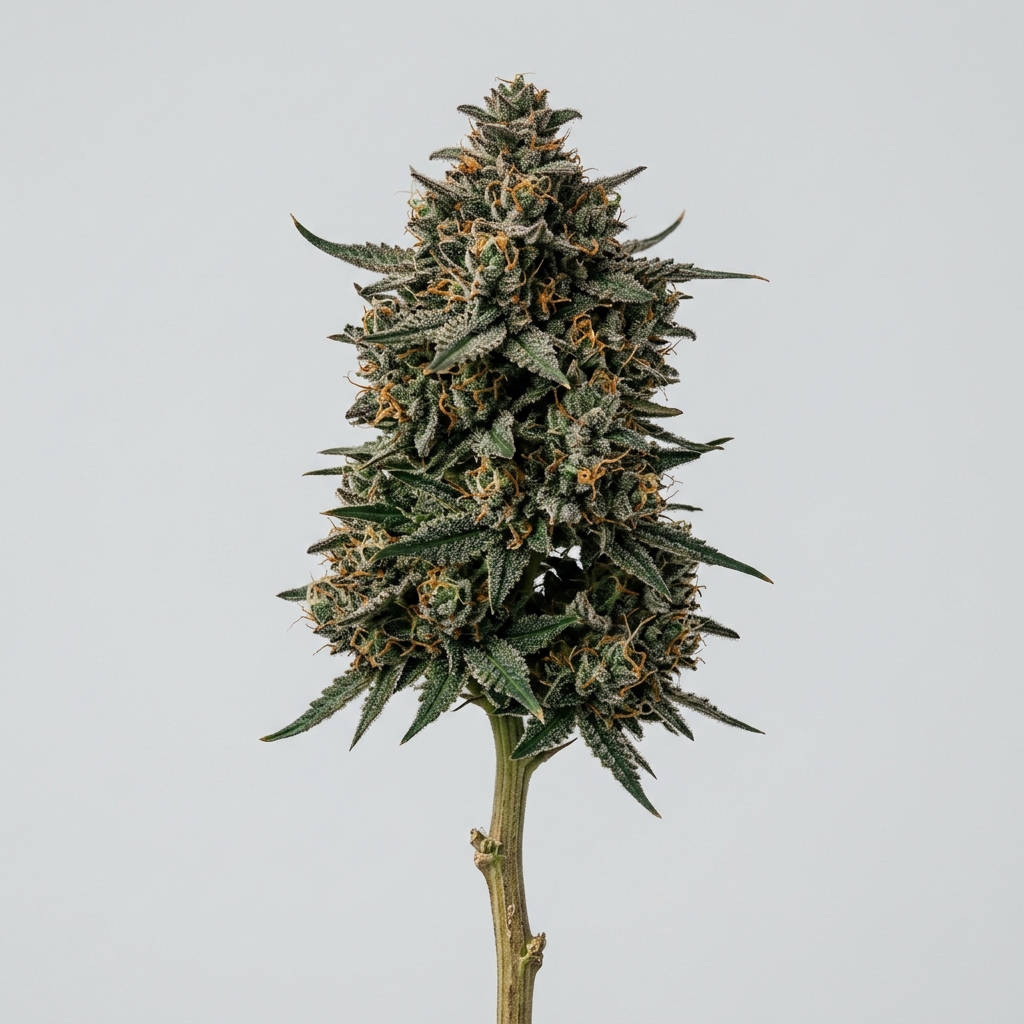
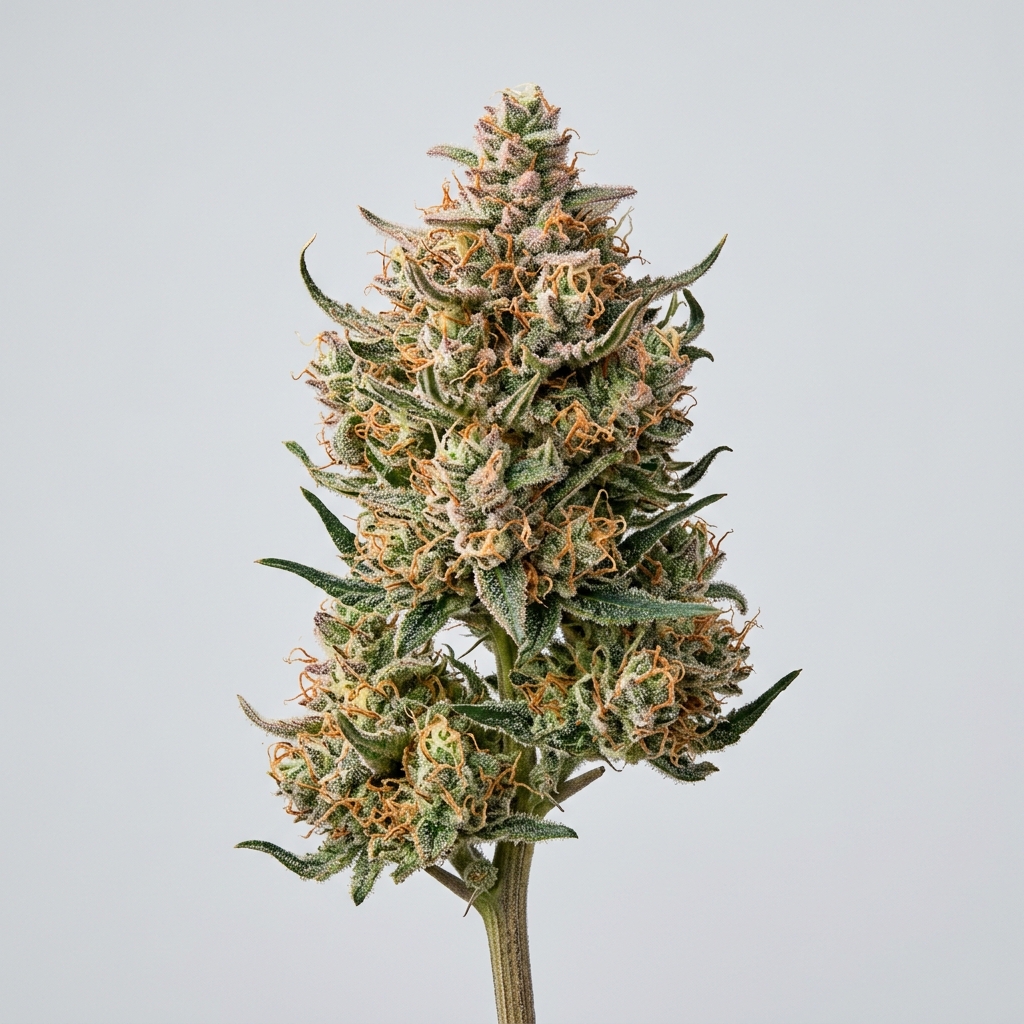
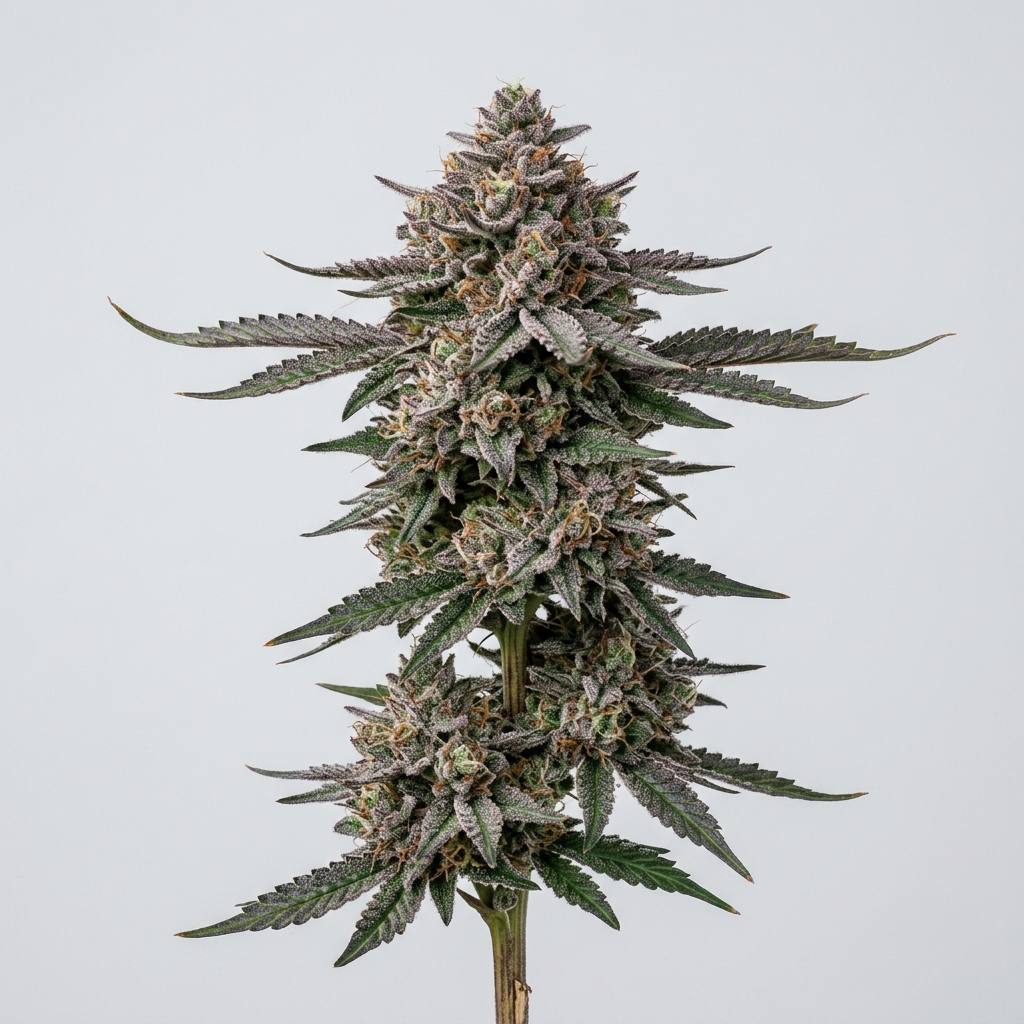
Doughnut is an indica-dominant hybrid known for its dessert-like profile and potent, body-focused effects. While its exact genetic lineage remains shrouded in mystery, this cultivar has gained traction among enthusiasts for its high resin production and dense, trichome-laden buds. With THC levels typically ranging between 20% and 26%, it is often sought after for evening use.
From a scientific and botanical reference, the plant exhibits classic indica morphology, characterized by broad, dark green leaves and a compact, bushy stature. Its development highlights the complex expression of secondary metabolites that contribute to its signature sweet and pastry-inspired organoleptic properties.
Quick Facts
| Attribute | Details |
|---|---|
| Genetics | Unknown (Landrace/Hybrid mix) |
| Variety | Indica-dominant hybrid (~70% indica / 30% sativa) |
| THC Range | 20% – 26% |
| Flowering Time | 8 – 10 weeks |
| Yield Potential | Moderate to High |
| Plant Height | Medium |
| Difficulty | Intermediate |
Scientific & Botanical Overview
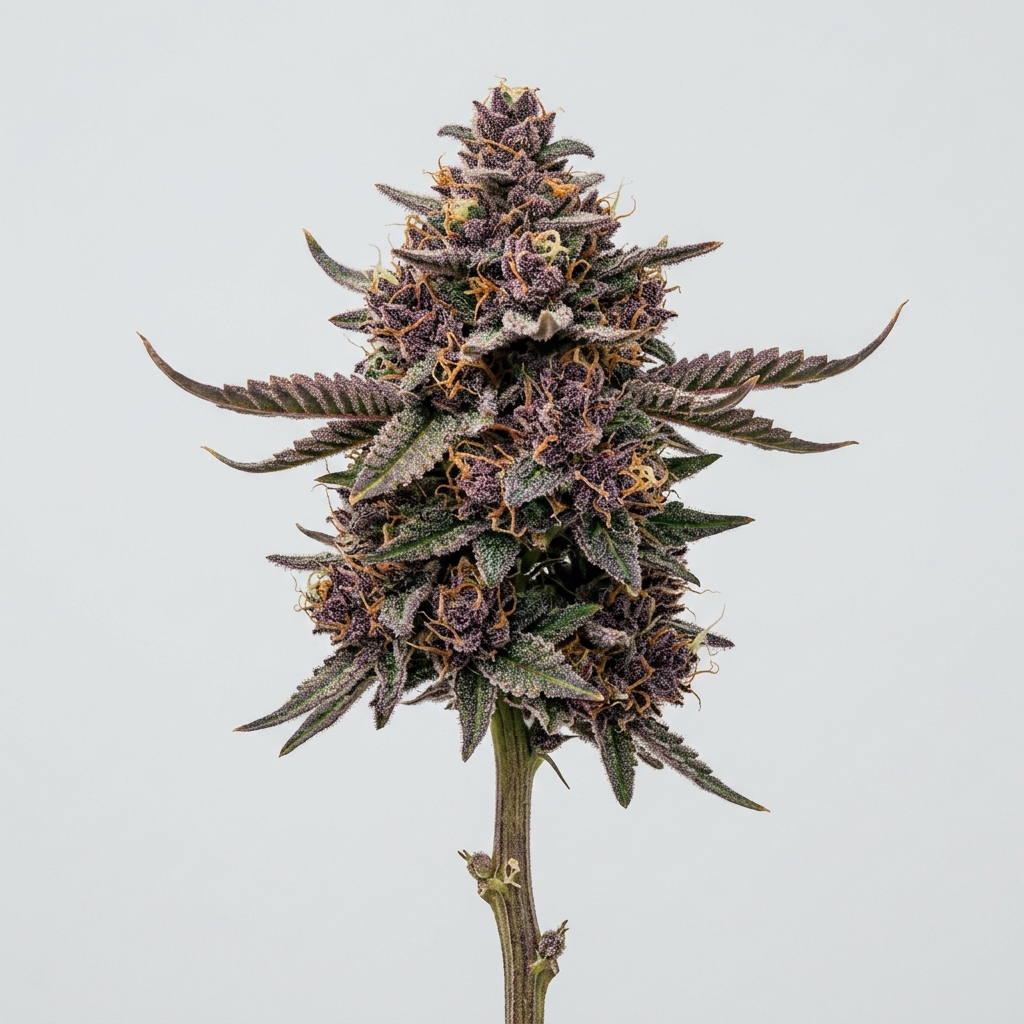
The Doughnut strain represents a phenotypic expression often seen in modern dessert-forward breeding programs. Botanically, the plant displays high levels of anthocyanins, which can lead to deep purple hues under cooler flowering temperatures. Its dense bud structure and thick trichome coverage are indicative of a high-yielding cultivar designed for extraction and premium flower markets.
The chemical profile of Doughnut is dominated by a specific terpene arrangement that mimics baked goods. Understanding the interplay between its cannabinoids and terpenes is essential for cultivators looking to maximize the plant’s potential, as these compounds work in concert to produce the cultivar’s unique sensory experience.
Effects & Use-Cases (Reported)
Commonly reported effects of Doughnut include a heavy, sedative body high that transitions into a state of deep mental relaxation. Consumers often note a slow-creeping onset, leading to couch-lock if consumed in higher doses.
As a use-case context, this strain is frequently selected for evening downtime, assisting with physical discomfort or the transition into a restful state. Anecdotally, users appreciate the smooth smoke and the lingering, sweet aftertaste that characterizes the session.
Aroma & Flavors
Aroma: Sweet dough, toasted sugar, and subtle hints of earthiness.
Flavor: Glazed pastry, vanilla cream, and a slight spicy finish.
Terpene associations: Caryophyllene, Limonene, and Myrcene.
Tested Cannabinoid & Terpene Ranges
| Compound | Typical Range* | Notes |
|---|---|---|
| Δ9-THC | 20% – 26% | Primary cannabinoid |
| Caryophyllene | 0.4% – 0.8% | Provides spice/peppery notes |
| Limonene | 0.3% – 0.6% | Adds citrus/sweet aroma |
*Ranges may vary by phenotype, cultivation environment, harvest timing, and analytical method.
Cultivation Notes
- Training: Responds well to topping and LST to manage height and improve canopy light penetration.
- Nutrients: Benefits from a standard feeding schedule with an emphasis on phosphorus during the bloom stage.
- Harvest Timing: Monitor trichome color; harvest at peak cloudiness for optimal potency.
- Environment: Thrives in stable, controlled indoor environments with moderate humidity.
Grower Notes (Week-by-Week Snapshot)
- Weeks 1–3: Rapid vegetative growth; establish strong root systems.
- Weeks 4–6: Transition to flower; stretching begins; initiate bloom nutrients.
- Weeks 7–9: Bud development and resin production peak; flush plants as harvest approaches.
- Post-Harvest: Slow drying and curing in dark, temperature-controlled conditions to preserve terpenes.
Genetic Lineage
The genetic background of the Doughnut strain is currently classified as unknown. While various breeders have utilized the name, there is no verified public consensus or documentation confirming a specific parentage. It is likely that this cultivar emerged from selective breeding of unnamed high-potency dessert-type genetics within the illicit or legacy markets.
Research Insights
Cannabis research continues to explore the “entourage effect,” where the specific ratio of cannabinoids like Δ9-THC and minor compounds, alongside terpenes like Caryophyllene and Limonene, modulates the user experience. The chemical complexity of strains like Doughnut suggests a diverse genetic history that emphasizes aromatic expression.
Frequently Asked Questions
Is Doughnut a sativa or indica?
Doughnut is typically categorized as an indica-dominant hybrid, favored for its relaxing and sedative qualities.
What does the Doughnut strain smell like?
The strain is best known for its sweet, dough-like aroma, often described as smelling like fresh pastries or glazed sugar.
Is Doughnut difficult to grow?
It is generally considered to be of intermediate difficulty, requiring standard environmental controls and plant training to reach its full potential.
Educational Disclaimer
This page is provided for scientific and horticultural reference only. Cannabis laws vary by jurisdiction; always ensure compliance with local regulations.
Rate and review this strain
Ratings and reviews are accepted only from signed-in Google accounts.
Sign in with Google to leave a rating and written review.
Latest Reviews
0 reviewsNo reviews yet. Be the first Google user to rate and review this strain.