Devil’s Driver (Cannabis Strain)
Devil’s Driver is a sophisticated hybrid cultivar known for its complex genetic heritage, resulting from a cross between Sundae Driver and Melonade. With a THC range typically falling between 20% and 26%, this strain has gained traction among enthusiasts for its balanced, flavorful profile and dense, trichome-rich flower structure. It stands out in modern dessert-leaning collections for its ability to combine the smooth, creamy notes of its lineage with a sharp, fruity finish.
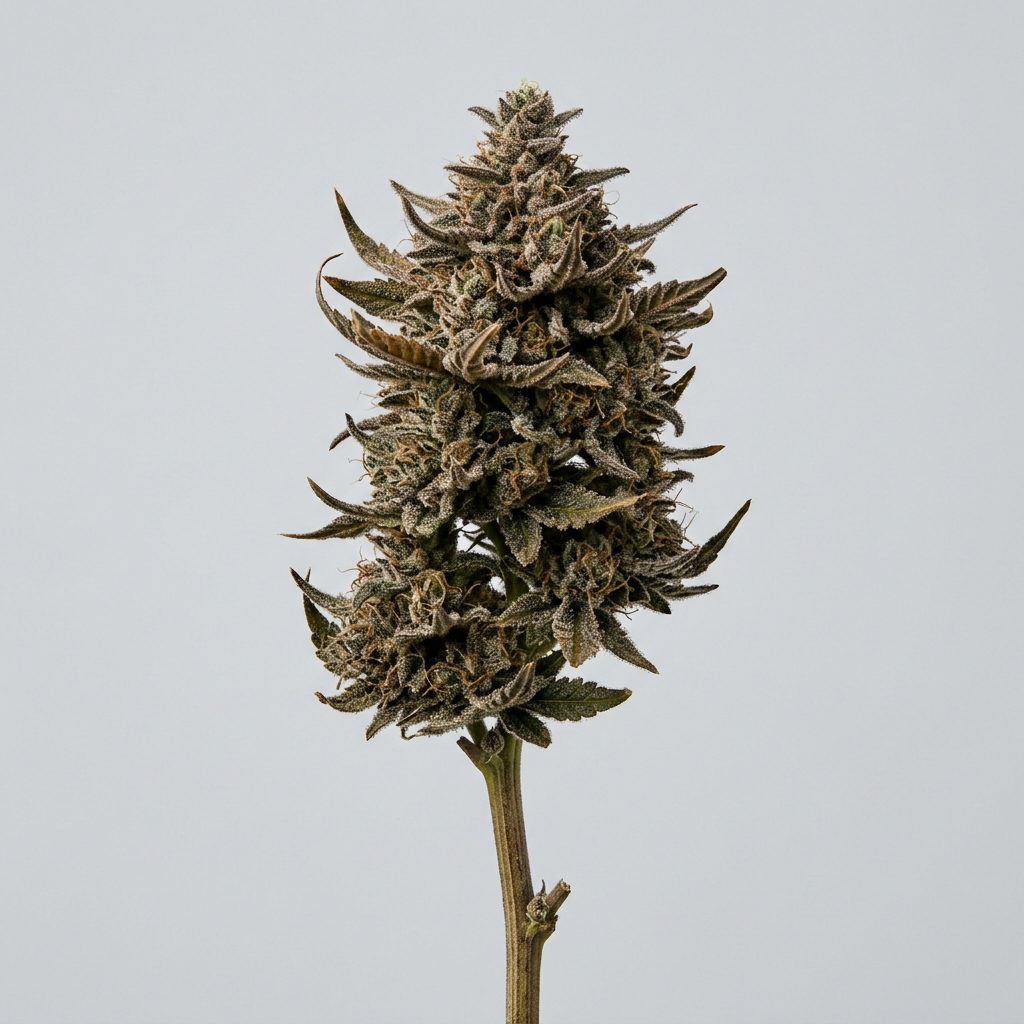
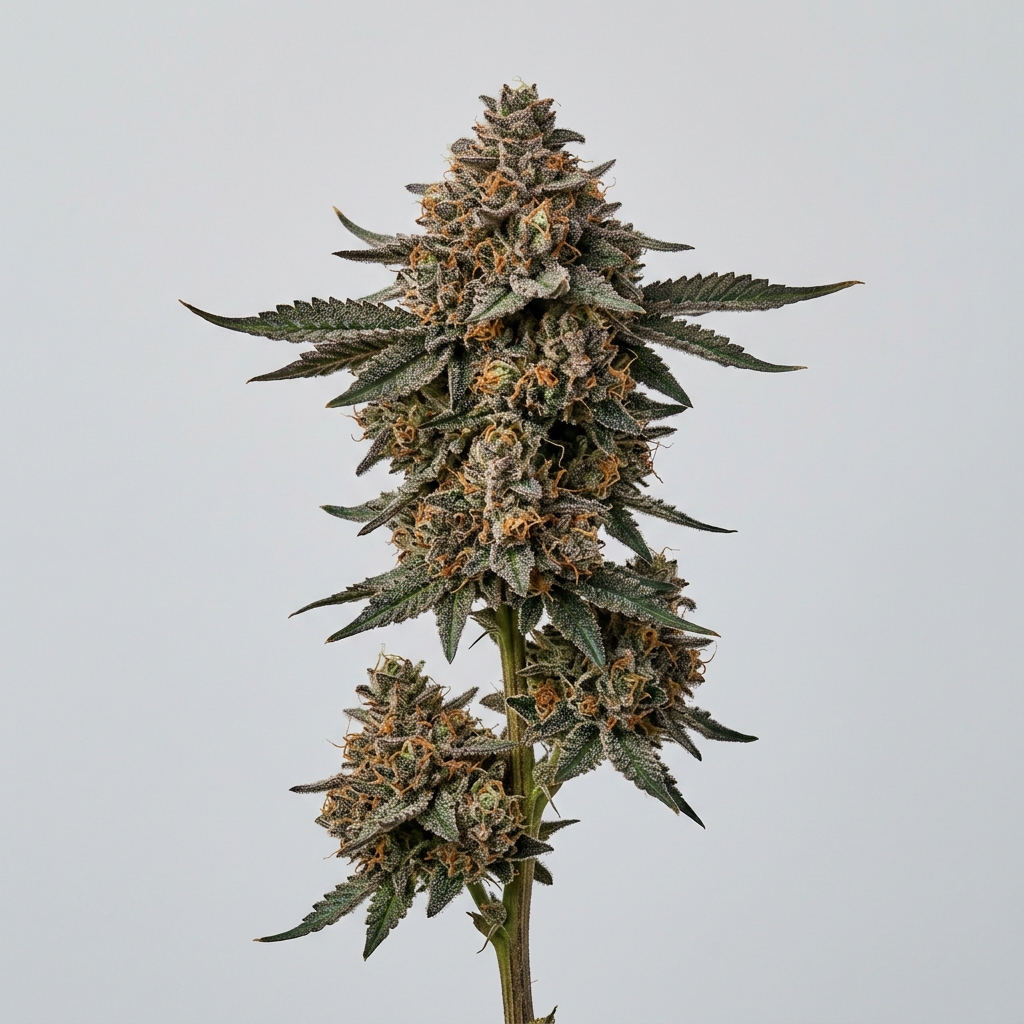
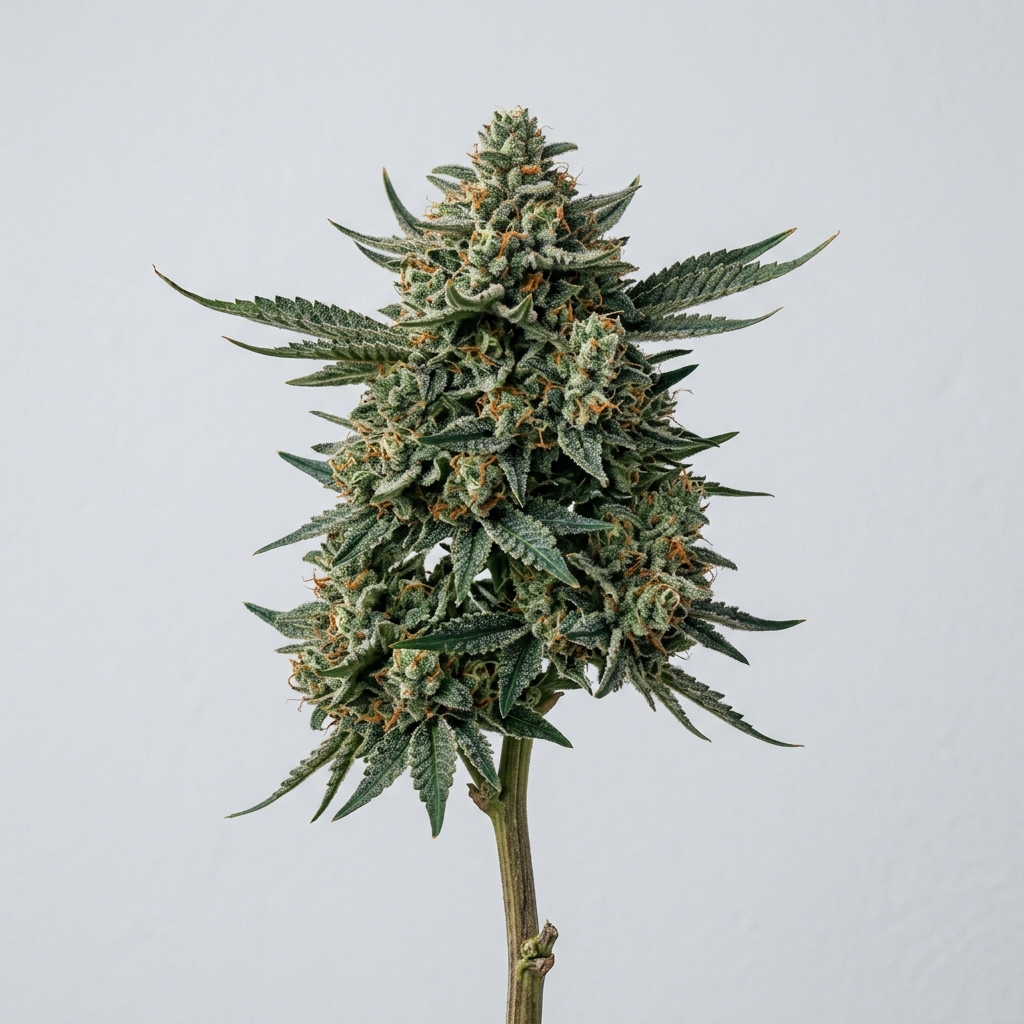
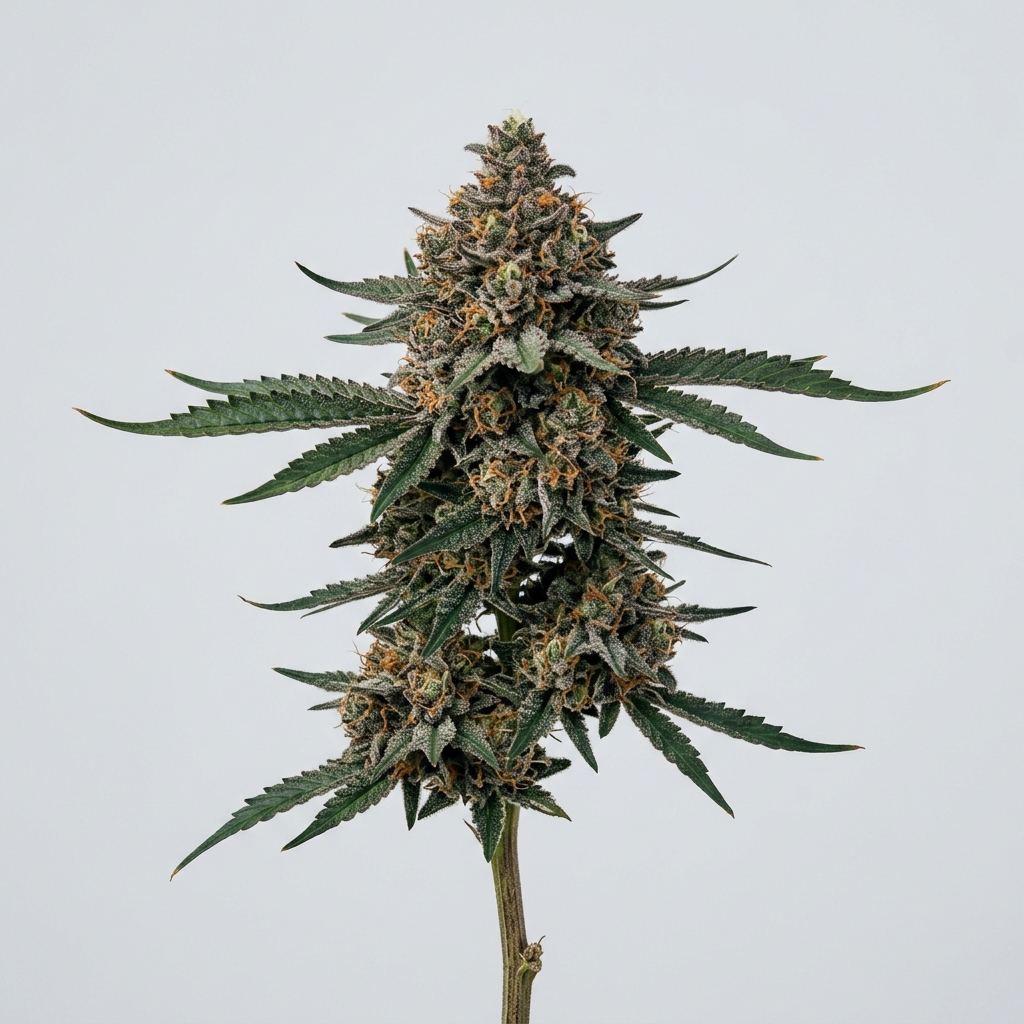
Cultivators often highlight the plant’s structural integrity and resin production, making it a subject of interest in any scientific and botanical reference regarding modern breeding techniques. Its aesthetic appeal, characterized by deep colors and heavy frost, reflects the premium traits inherited from its highly regarded parent strains.
Quick Facts
| Attribute | Details |
|---|---|
| Genetics | Sundae Driver × Melonade |
| Variety | Hybrid (~50% indica / 50% sativa) |
| THC Range | 20%–26% |
| Flowering Time | 8–10 weeks |
| Yield Potential | Moderate to High |
| Plant Height | Medium |
| Difficulty | Intermediate |
Scientific & Botanical Overview
Devil’s Driver exhibits characteristics typical of high-end, modern hybrid breeding. The plant typically develops a medium stature with robust internodal spacing, allowing for significant light penetration to lower bud sites. Its morphology is often defined by broad, dark green leaves that may transition into purple or dark blue hues during the late flowering stages, particularly when exposed to cooler nighttime temperatures.
From a botanical perspective, the strain expresses high concentrations of glandular trichomes covering both the calyxes and the surrounding sugar leaves. This density contributes to its high potency and complex aromatic profile, which is heavily influenced by a diverse array of volatile organic compounds, including various monoterpenes and sesquiterpenes.
Effects & Use-Cases (Reported)
Commonly reported effects of Devil’s Driver include a balanced cerebral uplift followed by a gradual, relaxing physical sensation. Users often describe the experience as versatile, suitable for both creative daytime activities and unwinding in the evening.
Regarding use-case context, many consumers prefer this strain for social settings where a euphoric but functional state is desired. Anecdotally, it is frequently utilized by those seeking to manage daily stressors without heavy sedation.
Aroma & Flavors
Aroma: A pungent mix of sweet cream, overripe melon, and subtle citrus undertones.
Flavor: The palate experiences a smooth fusion of sugary dessert notes, tart fruit, and a clean, zesty finish.
Terpene associations: Likely high in Limonene, Myrcene, and Caryophyllene.
Tested Cannabinoid & Terpene Ranges
| Compound | Typical Range* | Notes |
|---|---|---|
| Δ9-THC | 20%–26% | Primary cannabinoid |
| Limonene | 0.5%–1.2% | Citrus/zest profile |
| Myrcene | 0.4%–1.0% | Earthy/herbal base |
*Ranges may vary by phenotype, cultivation environment, harvest timing, and analytical method.
Cultivation Notes
- Training: Responds well to topping and LST (Low Stress Training) to manage canopy height.
- Nutrients: Requires a balanced feeding schedule; monitor nitrogen levels during the transition to flower.
- Harvest Timing: Best harvested when trichomes show a mix of milky white and amber for optimal flavor profile.
- Environment: Thrives in controlled indoor environments with moderate humidity levels.
Grower Notes (Week-by-Week Snapshot)
- Weeks 1–3: Focus on vegetative growth and root development; steady nutrient intake.
- Weeks 4–6: Transition to flowering stage; stretch is usually manageable.
- Weeks 7–9: Bud sites swell and resin production peaks; ensure proper ventilation to prevent moisture buildup.
- Post-Harvest: Proper drying and a 14-day cure are essential to preserve the delicate terpene profile.
Genetic Lineage
Devil’s Driver is a high-profile hybrid bred by crossing Sundae Driver (a cross of Fruity Pebbles and Grape Pie) with Melonade (a cross of Watermelon Zkittlez and Lemon Tree). This combination captures the essence of modern dessert-style cannabis, blending the legendary sugary, creamy traits of Sundae Driver with the sharp, melon-citrus intensity of the Melonade lineage.
Research Insights
The chemical profile of Devil’s Driver reflects the dominance of common cannabis terpenes such as Limonene and Myrcene. Research into these compounds suggests they contribute to the entourage effect, where cannabinoids and terpenes work synergistically to influence the overall consumer experience. While individual reactions vary, the aromatic compounds in this strain are consistent with cultivars reported to offer mood-enhancing and relaxing properties.
Frequently Asked Questions
Is Devil’s Driver an indica or a sativa?
Devil’s Driver is a balanced hybrid, meaning it expresses traits from both indica and sativa lineages, providing a versatile experience.
What is the flavor profile of Devil’s Driver?
It is best described as a dessert strain featuring creamy, sweet notes paired with sharp melon and citrus flavors.
Is this strain difficult to grow?
It is generally considered suitable for intermediate growers who are comfortable with standard training techniques and climate management.
Educational Disclaimer
This page is provided for scientific and horticultural reference only. Cannabis laws vary by jurisdiction; always ensure compliance with local regulations.
Rate and review this strain
Ratings and reviews are accepted only from signed-in Google accounts.
Sign in with Google to leave a rating and written review.
Latest Reviews
0 reviewsNo reviews yet. Be the first Google user to rate and review this strain.