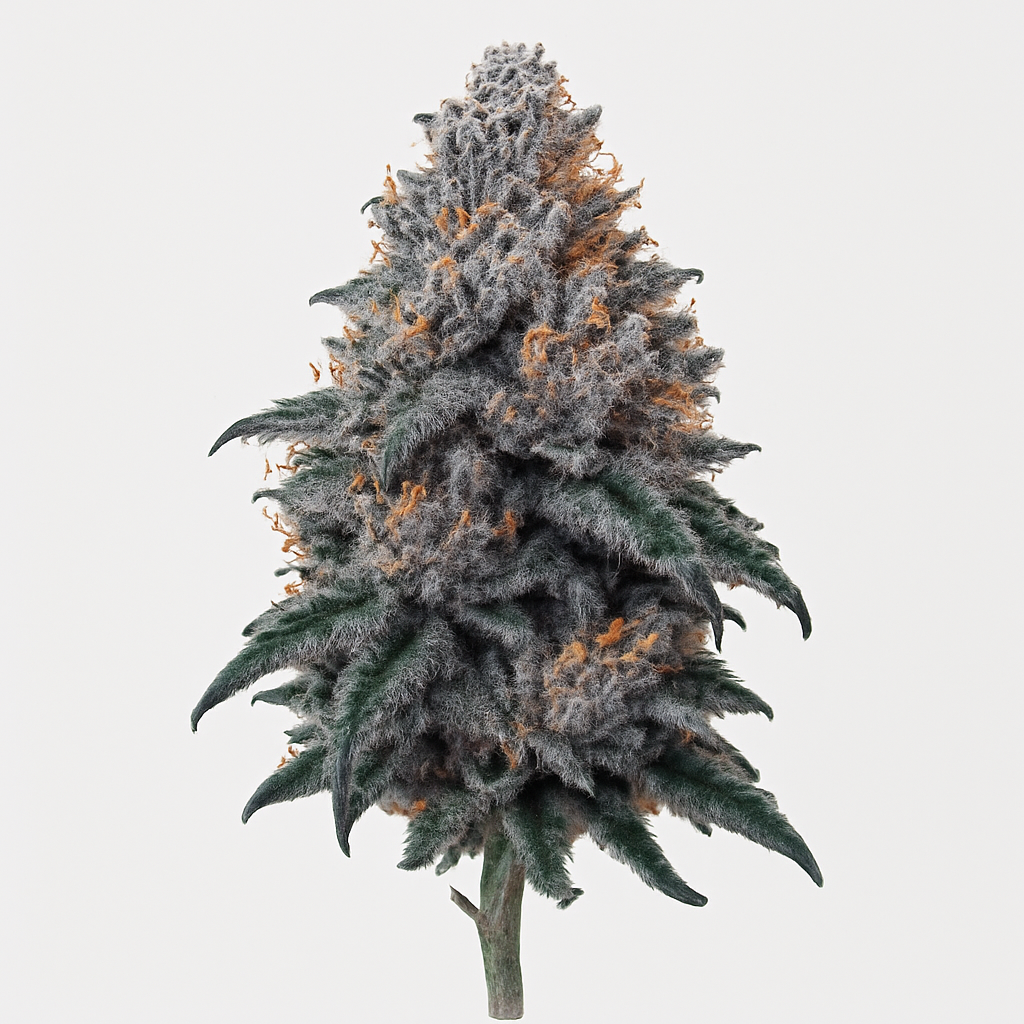
Alpine Blue (Cannabis Strain) — Strainpedia
Alpine Blue is a Blueberry x Appalachia hybrid that sits in a useful middle ground between fruit-driven old-school flavor and a firmer, resinous backbone. The strain is often described with berry skin, pine sap, and cool herbal notes, while the flowers can show a pale frosted look with occasional blue-violet coloration.
In breeder and community references, Alpine Blue is valued for its layered aroma and a finish that tends to feel bright before settling into a smoother body effect. It is not a flashy one-note cultivar; instead, its appeal comes from the way genetics, terpene profile, and bud structure work together across different phenotypes and grow conditions.
Quick Facts
| Genetics | Blueberry x Appalachia |
|---|---|
| Original Breeder | Bodhi Seeds |
| Variety | Hybrid |
| Flowering Time | Approximately 8–9 weeks indoors |
| Yield Potential | Moderate to above average under stable conditions |
| Plant Height | Medium, with moderate stretch in flower |
| Climate Preference | Warm, dry-to-moderate humidity environments with good airflow |
| Difficulty | Moderate |
Strain Classification
| Type | Hybrid |
|---|---|
| Genetic Family | Blueberry-descended fruit hybrid with Appalachia influence |
| Primary Terpenes | Myrcene, pinene, caryophyllene* |
| Original Breeder | Bodhi Seeds |
| Breeding Lineage | Blueberry x Appalachia |
*Exact terpene dominance may vary by phenotype and cultivation method.
Scientific & Botanical Overview
Botanically, Alpine Blue reflects a hybridization strategy that combines a fruit-leaning classic with a line known for sturdier plant architecture and resin expression. The result is usually a cultivar that can finish with compact, well-formed colas and a terpene profile that sits somewhere between sweet berry esters and sharper forest-floor notes.
In cultivation terms, it is best understood as a genotype with meaningful phenotype variation. Some cuts lean more clearly into Blueberry’s soft sweetness and darker coloration, while others show the Appalachia side more strongly through pine, spice, and a slightly more open growth habit. That variability is part of the strain’s identity rather than a flaw, especially for growers seeking nuanced selection work.
Appearance
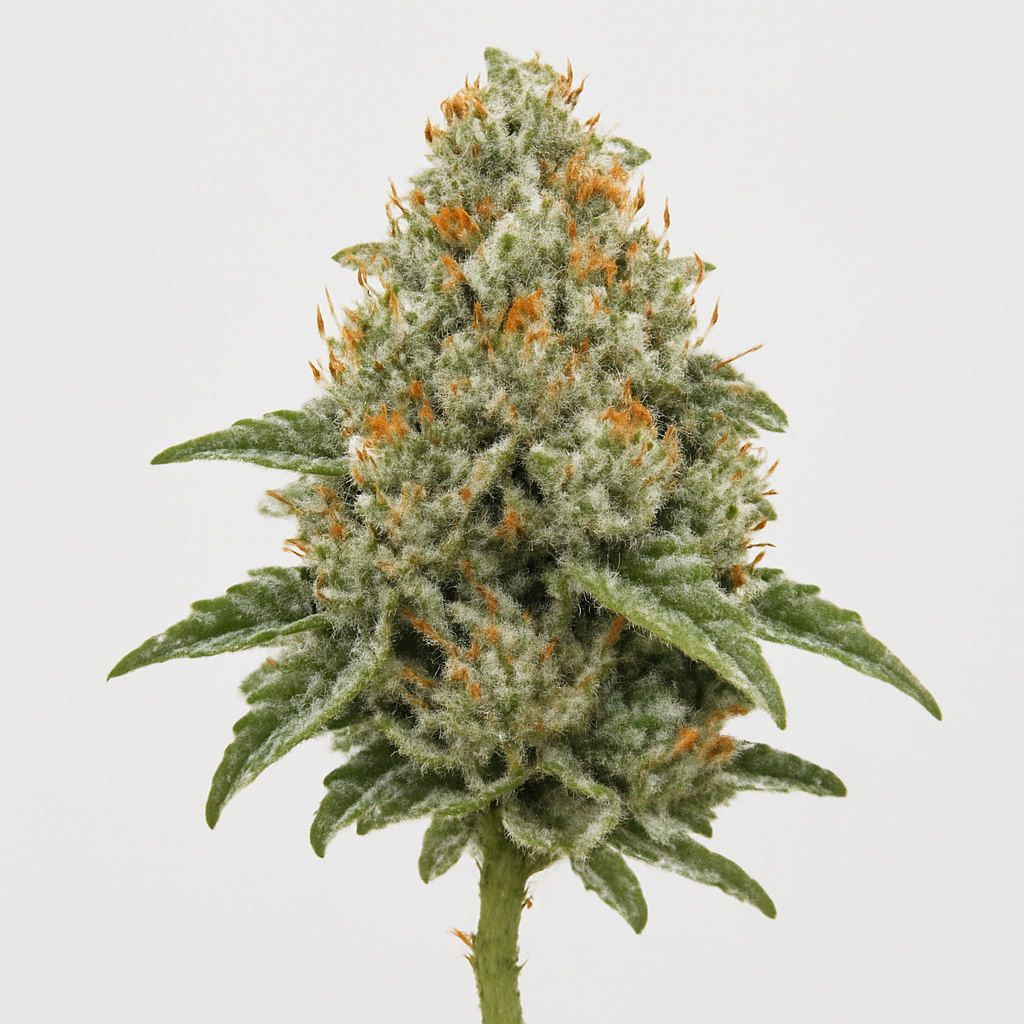
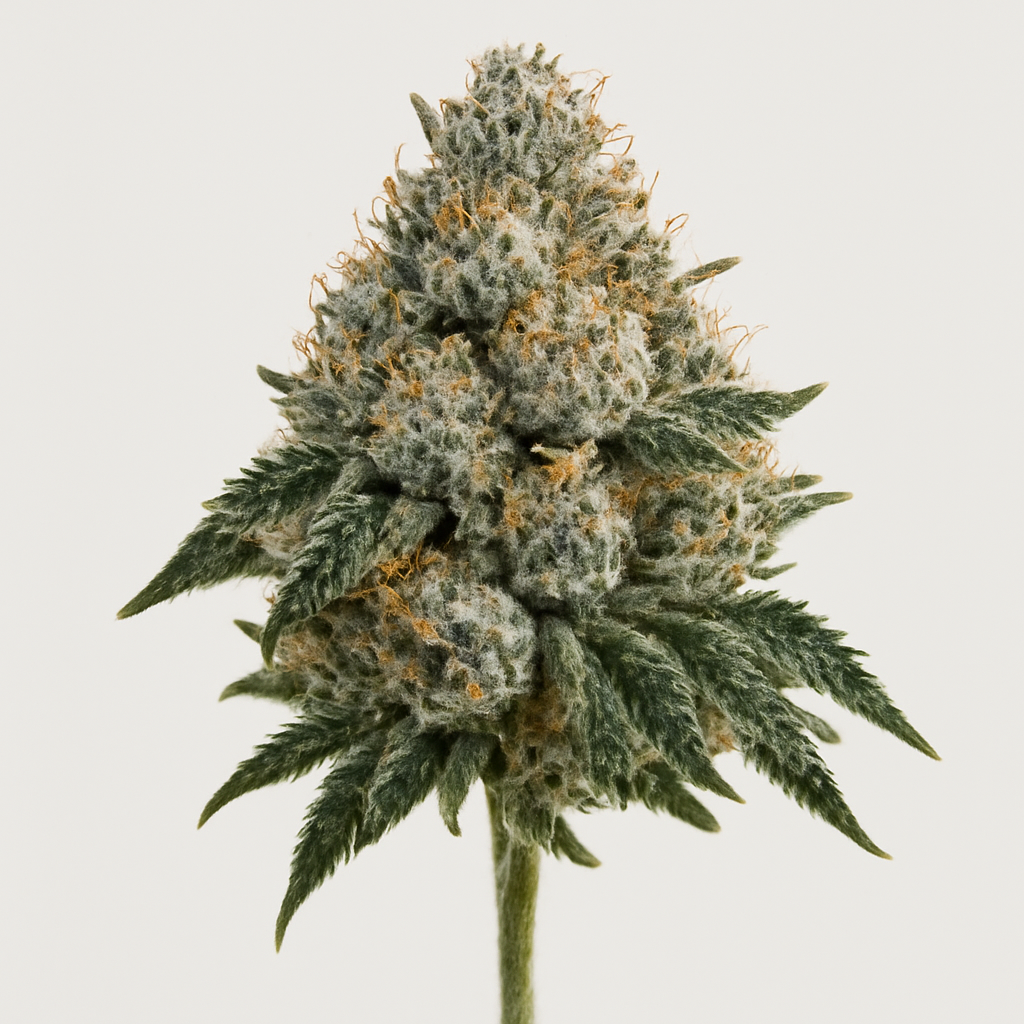
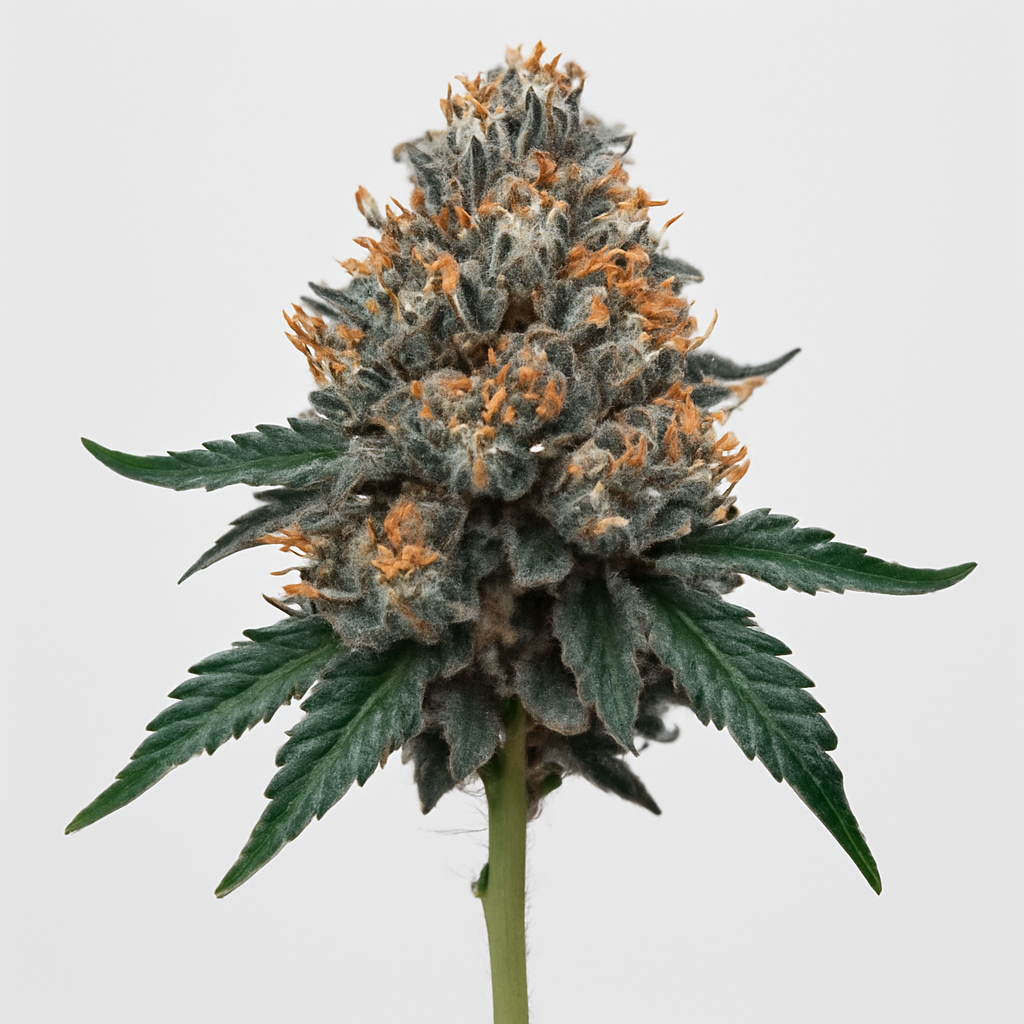
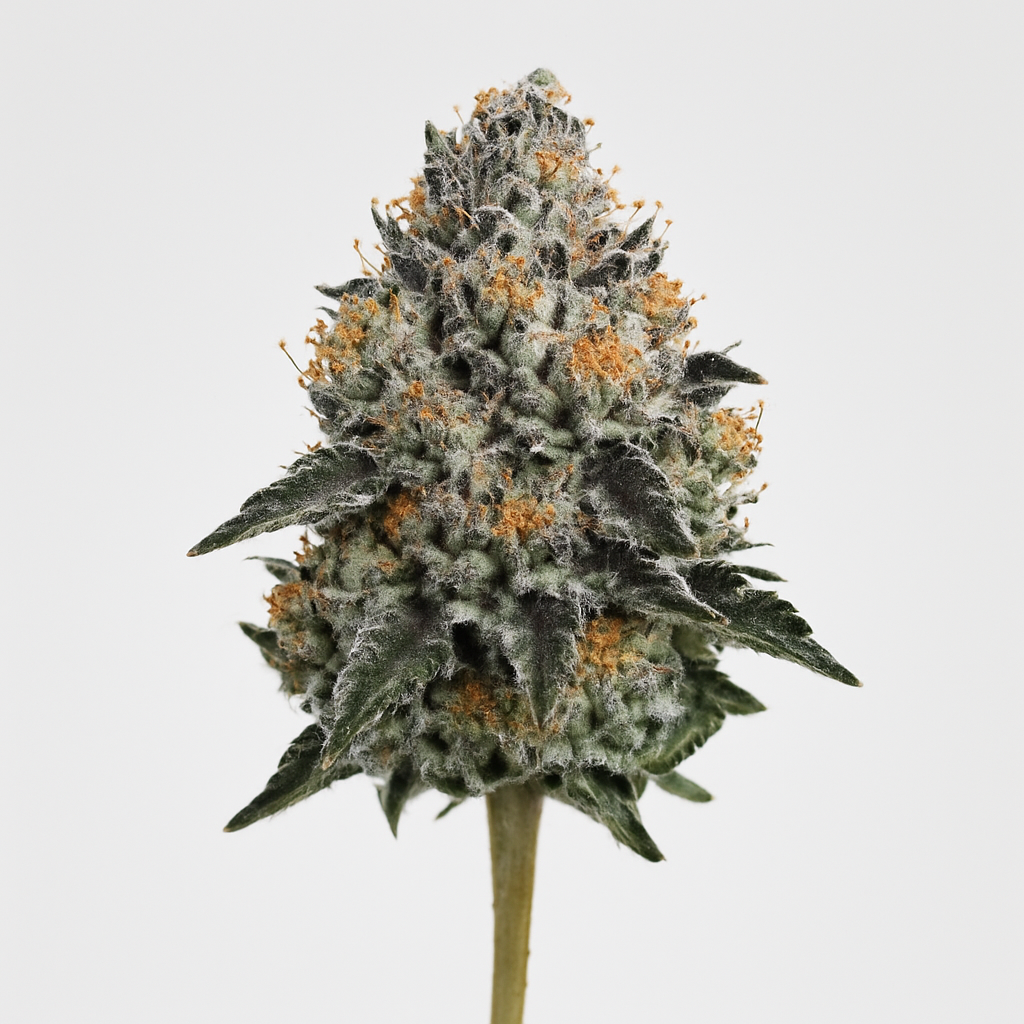
Alpine Blue flowers commonly build into dense, rounded buds with a firm calyx structure and a heavy outer coat of trichomes. The surface often looks dusted or nearly frosted, especially on well-finished tops. Color can range from medium green to darker forest tones, with violet shading appearing in cooler rooms or selected phenotypes.
Orange to copper pistils usually provide the strongest contrast, threading through the resin layer and giving the flower a clean, finished look. Not every plant shows the same color expression, but even greener examples tend to carry the same icy texture and tight, breeder-style bud formation that make the strain easy to identify in a lineup.
Effects & Use-Cases (Reported)
- Commonly reported effects: A clear-headed lift at onset, followed by relaxed body pressure and a steady, unhurried comedown.
- Use-case context: Often chosen for late afternoon or evening sessions when users want flavor-forward flower without a heavy, flattened finish.
- Body character: Typically described as soothing rather than sedating, with a light physical ease that does not usually dominate the experience.
- Note: These observations are anecdotal and do not constitute medical claims.
Observational Note: Alpine Blue tends to read as composed rather than aggressive, and the effect profile often tracks with its hybrid genetics. Many users describe the experience as mentally bright at first, then gradually more grounded as the session develops.
Potency Note: When grown and tested well, the strain can reach upper-moderate THC levels, but the character of the high is shaped as much by terpene expression as by raw potency. Well-cured flower usually presents the cleanest and most layered effect profile.
Aroma & Flavor Profile
- Aroma: berry-forward, piney, earthy, slightly floral, with a cool herbal edge
- Flavor: blueberry skin, forest resin, citrus zest, soft spice, and a faint earthy finish
- Aftertaste: lingering pine sweetness with a dry, clean finish
- Terpene associations: commonly aligned with myrcene, pinene, and caryophyllene.
For readers searching for Alpine Blue strain flavor, aroma, or Blueberry x Appalachia genetics, this cultivar usually lands in the berry-pine category rather than the candy-sweet dessert lane. The profile is more woodland and fruit skin than syrup, which helps it stand apart from many modern hybrid desserts.
Tested Cannabinoid & Terpene Ranges
| Compound | Typical Range* | Notes |
|---|---|---|
| Δ⁹-THC | ~18–24% | Often lands in the upper-moderate range with strong batch-to-batch variation. |
| CBD | <0.5% | Typically trace-only in standard flower testing. |
| Myrcene | ~0.20–0.60% | May support the strain’s earthy, ripe-fruit depth. |
| Pinene | ~0.10–0.40% | Commonly contributes a fresh pine and needle-like lift. |
| Caryophyllene | ~0.12–0.35% | Often adds spice and a dry, peppery base note. |
*Ranges are estimates and may vary by phenotype, harvest timing, and testing methods.
Cultivation Notes
- Light Cycle: 18/6 vegetative, then 12/12 for flowering
- Humidity: Moderate humidity early, reduced in late bloom to protect dense tops
- Stretch: Usually moderate, with some phenotypes elongating more after the flip
- Training: Responds well to topping, low-stress training, and canopy management
- Odor Control: Recommended, especially during weeks 5 through harvest when terpene output intensifies
- Harvest Window: Approximately 8–9 weeks indoors
Growers generally see the best results when Alpine Blue is kept evenly fed and not pushed into excessive humidity late in flower. The strain’s denser tops can trap moisture if airflow is weak, so spacing, pruning, and careful environmental control matter more than aggressive feeding. A patient finish tends to bring out the berry-pine character and preserve the trichome sheen.
Grower Notes (Week-by-Week Snapshot)
- Weeks 1–3: Vegetative growth is usually steady, with manageable internodal spacing and a good response to early training.
- Weeks 4–5: After the flip, stretch becomes visible and preflowers begin stacking; aroma starts to shift toward berry and resin.
- Weeks 6–8: Buds thicken quickly, trichome production rises, and color can deepen on selected phenotypes.
- Weeks 9–10: Final ripening focuses on resin density, aroma clarity, and a clean cure-friendly finish if the phenotype runs a little longer.
Genetic Lineage
Alpine Blue descends from Blueberry and Appalachia, two lines that contribute different strengths to the finished cultivar. Blueberry is widely associated with sweet berry aromatics, color potential, and a soft classic hash-plant presence, while Appalachia is often described as contributing vigor, resin, and a more rugged pine-spice structure. The interplay between those parents helps explain why Alpine Blue can show both fruit sweetness and a cooler, woodsy edge.
Research Insights
Alpine Blue matters in today’s market because it represents a quieter but highly searchable category: classic-leaning hybrids with real breeder provenance, layered terpene expression, and a profile that does not chase dessert trends. For collectors and growers, it is also useful as a phenotype-selection strain, since the Blueberry and Appalachia sides can express themselves in noticeably different ways. That variation keeps it relevant in seed catalogs and legacy-cannabis discussions where lineage still matters.
Frequently Asked Questions
What is Alpine Blue cannabis?
Alpine Blue is a hybrid cannabis strain reported as Blueberry x Appalachia, bred by Bodhi Seeds. It is typically associated with berry-pine aromatics, frosty flowers, and moderate flowering time.
How strong is Alpine Blue?
Tested flower commonly lands around the upper-moderate THC range, often near 18–24%. Actual potency depends on phenotype, cultivation quality, harvest timing, and curing.
What does Alpine Blue taste like?
The flavor is usually described as blueberry skin, pine resin, citrus peel, and a subtle earthy-spice finish. It leans more forest-fruit than candy dessert.
Is Alpine Blue difficult to grow?
It is generally considered moderate in difficulty. The main considerations are canopy management, humidity control in late flower, and keeping airflow strong around dense tops.
What kind of effects are commonly reported?
Users commonly report an uplifting opening followed by relaxed body comfort and a calm finish. It is often chosen for sessions that call for flavor and composure rather than heavy sedation.
Educational Disclaimer: This page is provided strictly for scientific and horticultural reference. Cannabis cultivation, possession, and use are regulated by local laws. This content does not promote illegal activity or constitute medical advice. Always comply with applicable regulations in your jurisdiction.
Rate and review this strain
Ratings and reviews are accepted only from signed-in Google accounts.
Sign in with Google to leave a rating and written review.
Latest Reviews
0 reviewsNo reviews yet. Be the first Google user to rate and review this strain.